Café des Bains
Café des Bains occupies a quietly considered position on Rue des Bains in Geneva's Plainpalais district, a neighbourhood that has gradually drawn a more informed restaurant crowd away from the lakefront strip. The address sits within an area known more for contemporary art spaces and independent ateliers than hotel dining, which shapes both its audience and its register.
Pearl is the En Primeur Club membership app — saves, bookings, and concierge access live there. Same editors, same standards.
- Address
- Rue des Bains 26, 1205 Genève, Switzerland
- Phone
- +41223202122
- Website
- cafedesbains.com
- Directions
- Get directions
 Saves & bookings on Pearl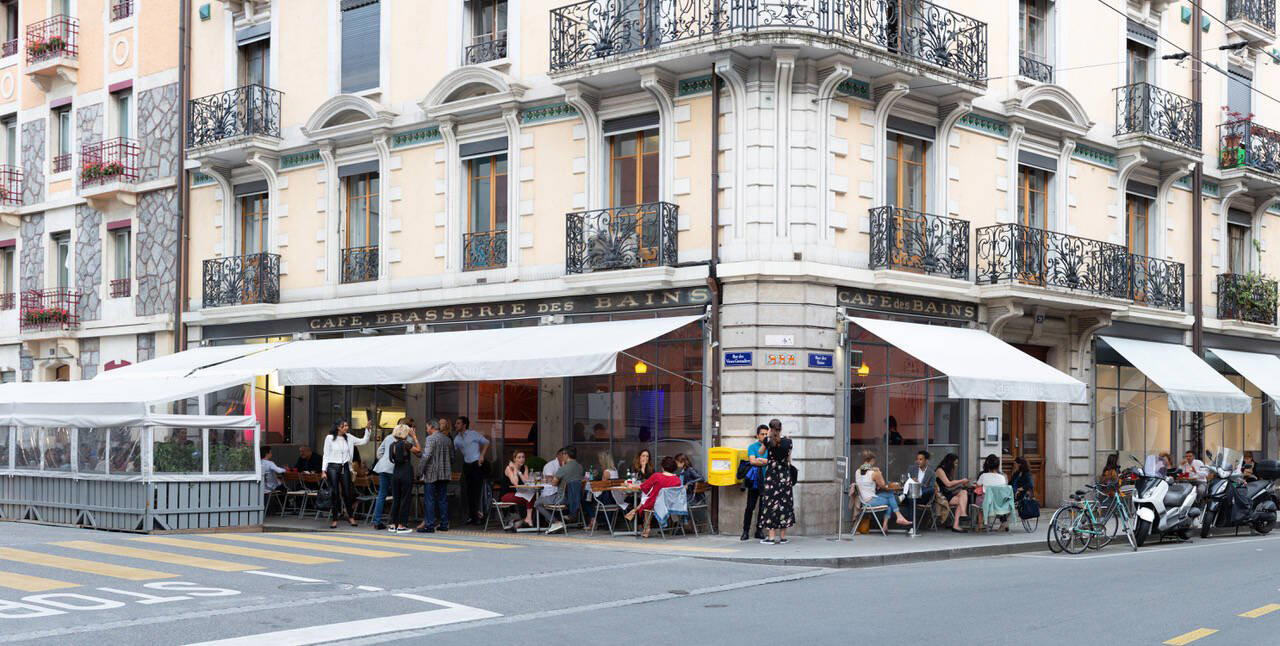
Rue des Bains and the Geneva Dining Shift
Geneva's restaurant scene has long been divided between two gravitational poles: the lakefront hotels, where formal European service and high price points define the experience, and a looser, more neighbourhood-driven dining culture that has been building quietly in the districts south and west of the Rhône. Café des Bains sits on Rue des Bains in Plainpalais, a street that runs through one of the city's more textured quarters, home to the Musée d'Art et d'Histoire, the open-air Plaine de Plainpalais market, and a concentration of independent bars and galleries that give the area a character distinct from the polished lakeside corridors. For diners who want to read Geneva beyond its international financial reputation, this neighbourhood is where that reading begins.
The broader dining pattern in Plainpalais and the adjacent Jonction district reflects a shift visible in several European cities: restaurants that would once have required a hotel address or a prime waterfront position are now operating in residential side streets, relying on word of mouth and repeat custom rather than tourist-facing visibility. Café des Bains occupies that positioning, drawing from a local and regionally aware crowd rather than from conference hotel overflow. In Geneva, where the high-end tier is well-served by addresses like L'Atelier Robuchon and Il Lago, and the modern French register is covered by addresses such as L'Aparté and Arakel, a neighbourhood address like this one competes on atmosphere and consistency rather than on tasting-menu theatre.
Reading the Menu Architecture
A restaurant's menu structure tells you what the kitchen believes about its guests. Tightly edited menus, where each section offers three or four choices rather than ten, signal a kitchen confident in its sourcing and unwilling to scatter its attention. Longer, more expansive menus, common in brasserie formats, signal breadth and accessibility over precision. The structural middle ground, where a concise à la carte sits alongside a shorter set option, is the format that most neighbourhood restaurants in francophone cities return to: it respects the guest who wants to choose while acknowledging the economies of a smaller operation.
In cities like Geneva, where the franc-denominated cost base pushes even modest restaurants toward higher price points than their French or Italian equivalents, the menu format also functions as a pricing signal. A short, well-sourced à la carte can justify its per-item price in a way that a sprawling menu cannot, because scarcity of choice implies quality of selection. La Micheline, another neighbourhood address operating in Geneva's mid-tier, uses a similar logic. The menu at Café des Bains, based on the address and neighbourhood character, fits within this broader pattern of focused, café-register dining where the structure is designed to keep the kitchen nimble and the offer readable at a glance.
Café formats in the French-Swiss tradition are not diminished versions of formal restaurants. They carry their own internal logic: the counter or zinc bar as an anchor, a menu that moves across the day from coffee and pastry through to lunch plates and evening service, and a pricing register that prioritises accessibility without surrendering quality. The leading examples of this format, and Geneva has several, function as the social infrastructure of their neighbourhood, used by locals at different points across the day for different purposes. That layered, time-of-day function is harder to sustain than a single service-format restaurant, and addresses that do it well earn a particular kind of loyalty.
Where Café des Bains Sits in the Swiss Dining Picture
Switzerland's formal dining tier is competitive and geographically distributed across cities that each carry distinct culinary identities. The starred end of the spectrum includes addresses operating well outside Geneva: Hotel de Ville Crissier in Crissier, Schloss Schauenstein in Fürstenau, Memories in Bad Ragaz, Cheval Blanc by Peter Knogl in Basel, Maison Wenger in Le Noirmont, Einstein Gourmet in Sankt Gallen, Da Vittorio in St. Moritz, Mammertsberg in Freidorf, La Table du Valrose in Rougemont, and focus ATELIER in Vitznau. These are destination restaurants, built around extended tasting formats and international guest profiles.
The restaurant operates in a different register entirely, closer in spirit to the neighbourhood institutions that anchor daily life in French and Swiss cities than to the tasting-menu circuit. The relevant comparison set is not the starred tier but the city's mid-range neighbourhood addresses, where the question is not whether the kitchen has ambition but whether it has consistency and a clear sense of who it is cooking for. In Geneva specifically, that mid-tier has been growing: the city's working population is large and international, and demand for reliable, non-ceremonial dining has expanded alongside the formal sector. For broader international reference points on what neighbourhood-rooted formats can achieve at a high level, Lazy Bear in San Francisco and Le Bernardin in New York City illustrate two ends of what sustained commitment to a format produces over time, both defined less by menu length than by the clarity of their proposition.
Planning a Visit
The restaurant is located at Rue des Bains 26 in the 1205 postal district of Geneva, within walking distance of the Plainpalais tram stops and accessible from the city centre in under fifteen minutes on public transport. The Plainpalais area is compact and walkable; the restaurant sits close enough to the market square that a visit can be paired with an afternoon at the market, which operates on Wednesdays and Saturdays. Geneva's tram network is one practical way to arrive, with the Musée d'Art et d'Histoire stop and the Plaine de Plainpalais stop both serving the immediate neighbourhood.
The restaurant is recommended for reservations, and its regular hours are Monday 10 AM to 3 PM, Tuesday through Friday 10 AM to 11 PM, with Saturday and Sunday closed. Geneva's dining scene, across formats from formal to neighbourhood, does move with the academic and corporate calendar, meaning August and early January tend to see adjusted schedules.
Recognition Snapshot
Comparable venues nearby, for context on price, style, and recognition.
| Venue | Cuisine | Price | Notes |
|---|---|---|---|
| Café des BainsThis venue — the venue you are viewing | Bistronomic Mediterranean Fusion | $$$ | Not listed |
| Anouch | Seasonal Mediterranean with Armenian and Thai Influences | $$$ | Saint-Gervais |
| Ciro | Seasonal Italian Trattoria | $$$ | Le Prieuré |
| Brasserie Lipp | Classic French Brasserie | $$$ | Saint-Gervais |
| Pachacamac | Nikkei Peruvian | $$$ | Les Delices |
| Giardino Romano | Sardinian-Inspired Italian with Truffles | $$$ | Les Delices |
At a Glance
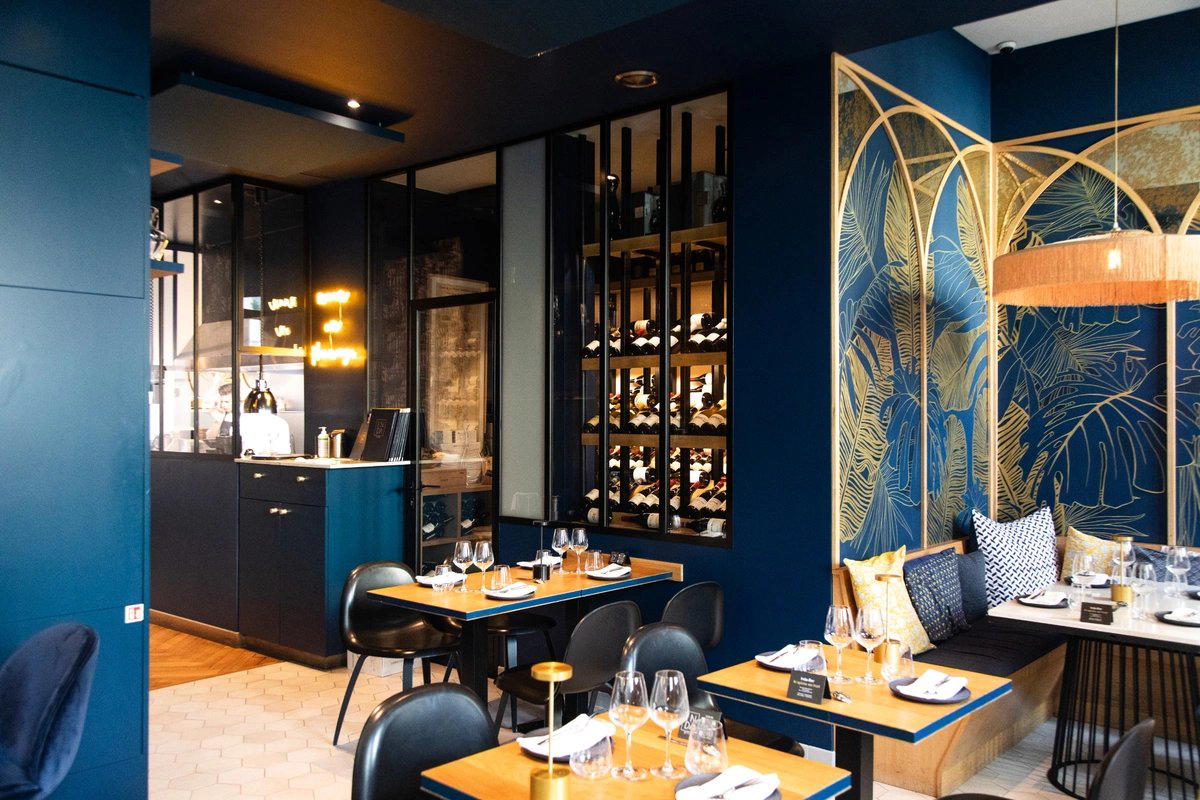
- Cozy
- Modern
- Trendy
- Retro
- Date Night
- Casual Hangout
- After Work
- Terrace
- Historic Building
- Natural Wine
Current opening hours
- Monday
- 10 AM–3 PM
- Tuesday
- 10 AM–11 PM
- Wednesday
- 10 AM–11 PM
- Thursday
- 10 AM–11 PM
- Friday
- 10 AM–11 PM
- Saturday
- Closed
- Sunday
- Closed
Hours can change for holidays and private events. Last verified .
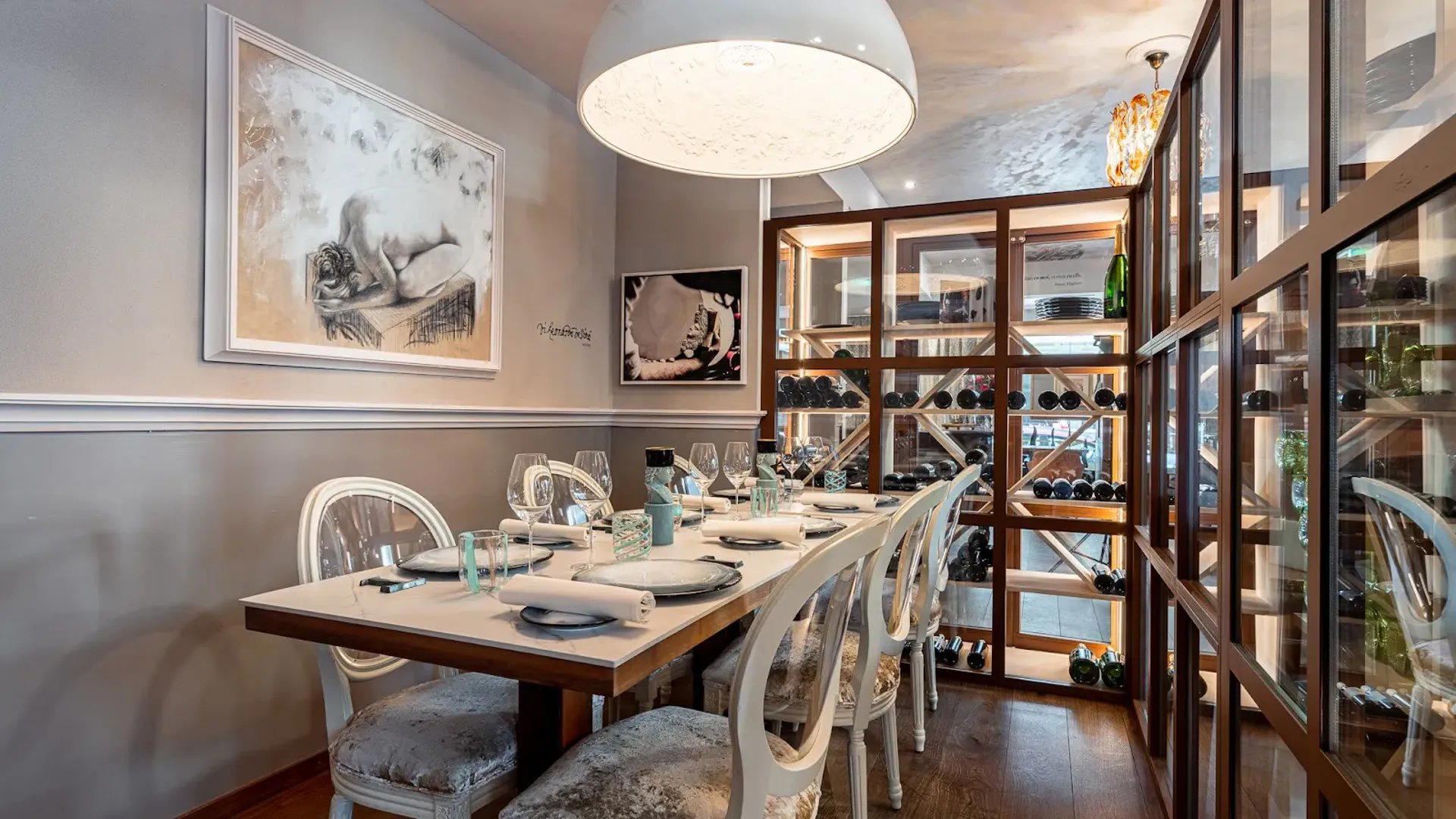
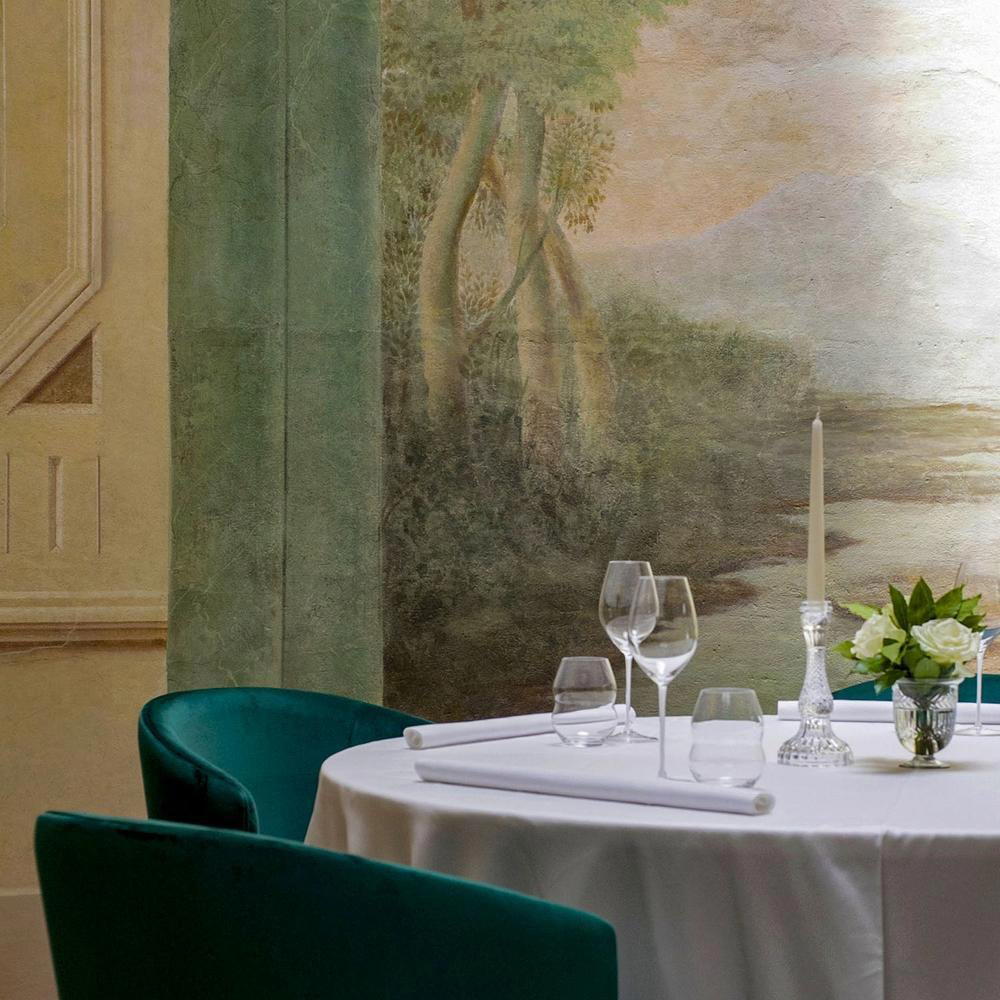
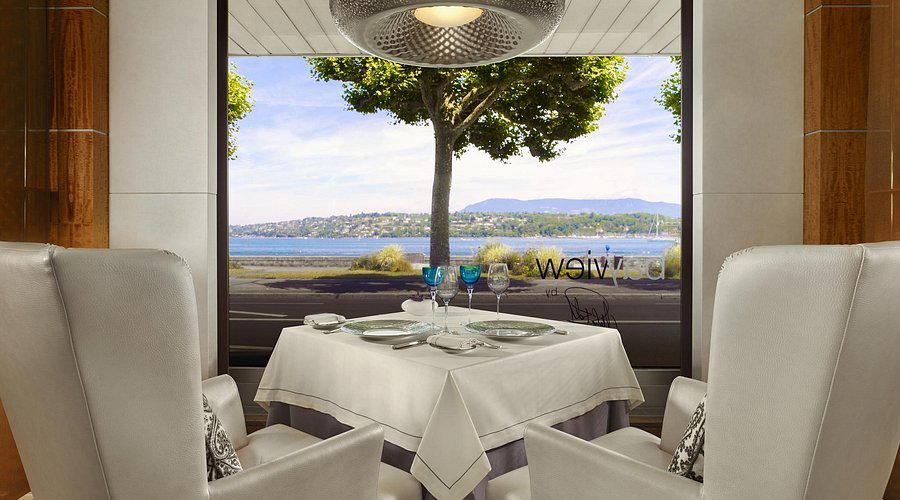
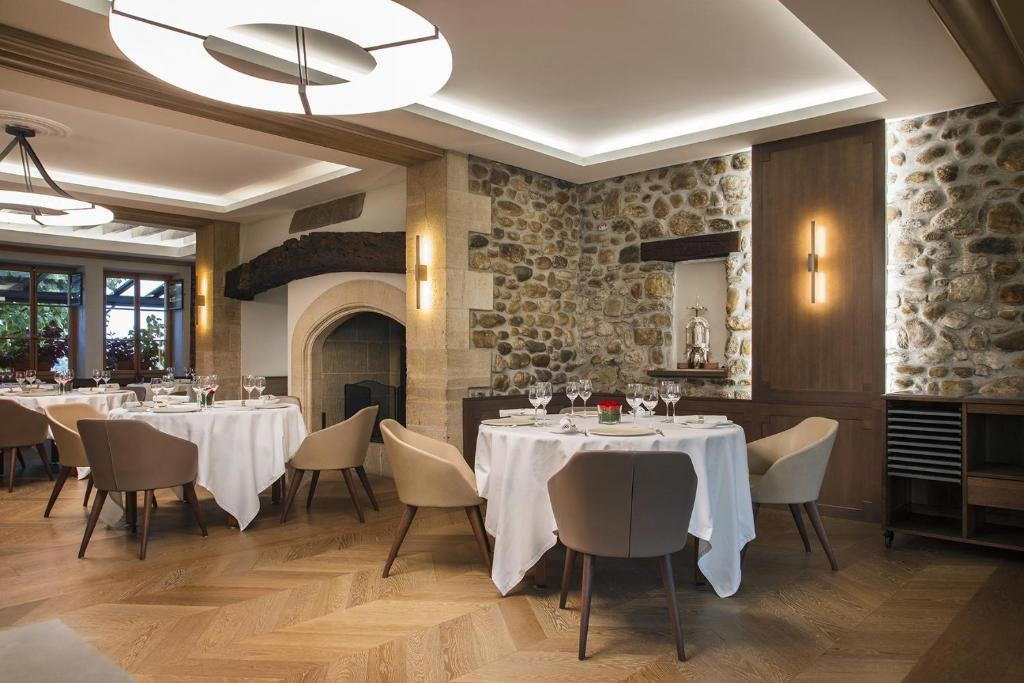
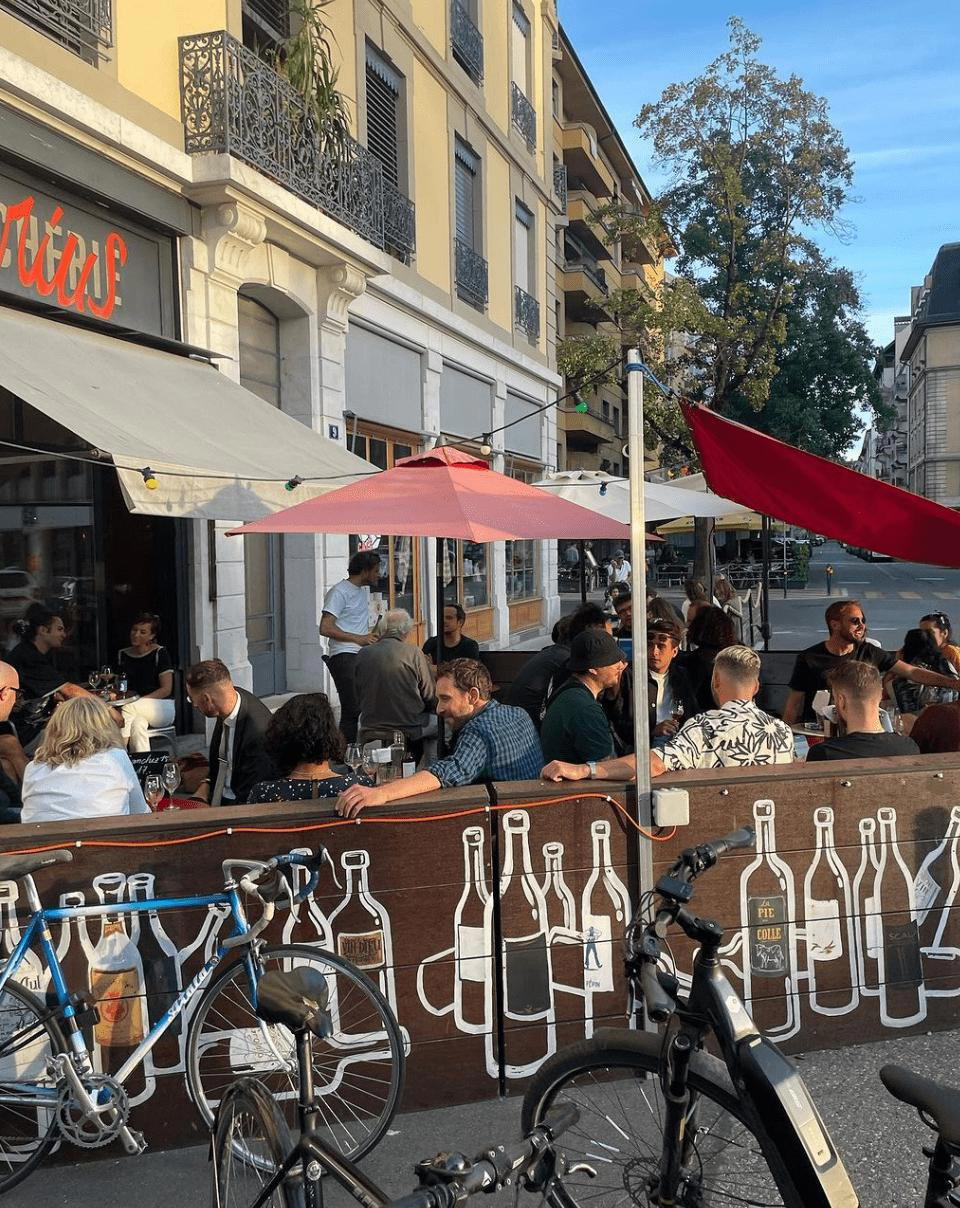
Warm retro bistro atmosphere with modern contemporary vibes, featuring a renovated design that balances elegance and casualness.