Our verdict
Monnin occupies a quiet address on Rue St Martin in Vesoul, a town where the dining scene rewards patience and local knowledge over guidebook consensus. The restaurant sits within a regional food culture shaped by Franche-Comté's larder: smoked meats, Comté cheese at various ages, and freshwater fish from the Saône valley. For visitors oriented around provenance-led cooking in eastern France, it belongs on the shortlist.

Pearl is the En Primeur Club membership app, where members save venues, book tables and use the concierge.
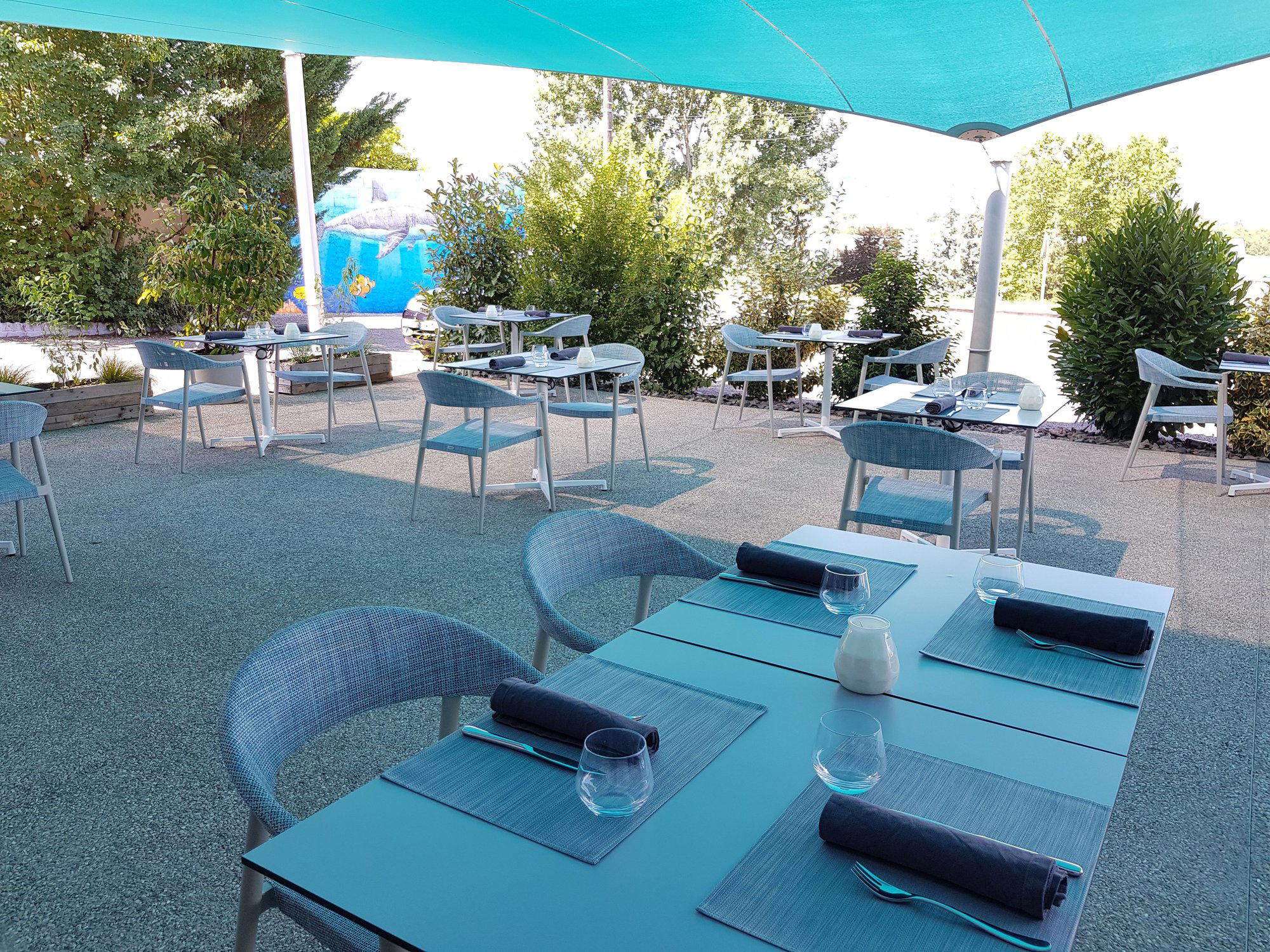
Rue St Martin and the Quiet Logic of Vesoul Dining
Vesoul does not announce itself. The prefecture of Haute-Saône sits between Besançon and Belfort, close enough to the Burgundy and Alsace corridors to absorb their culinary seriousness but far enough removed to operate outside the circuits that generate media coverage. Rue St Martin, where Monnin is addressed at number 172, runs through a part of town that reads as residential rather than gastronomic, which is precisely the kind of context that tends to produce direct, produce-focused cooking rather than performance. In French provincial dining, that geography often matters more than the room.
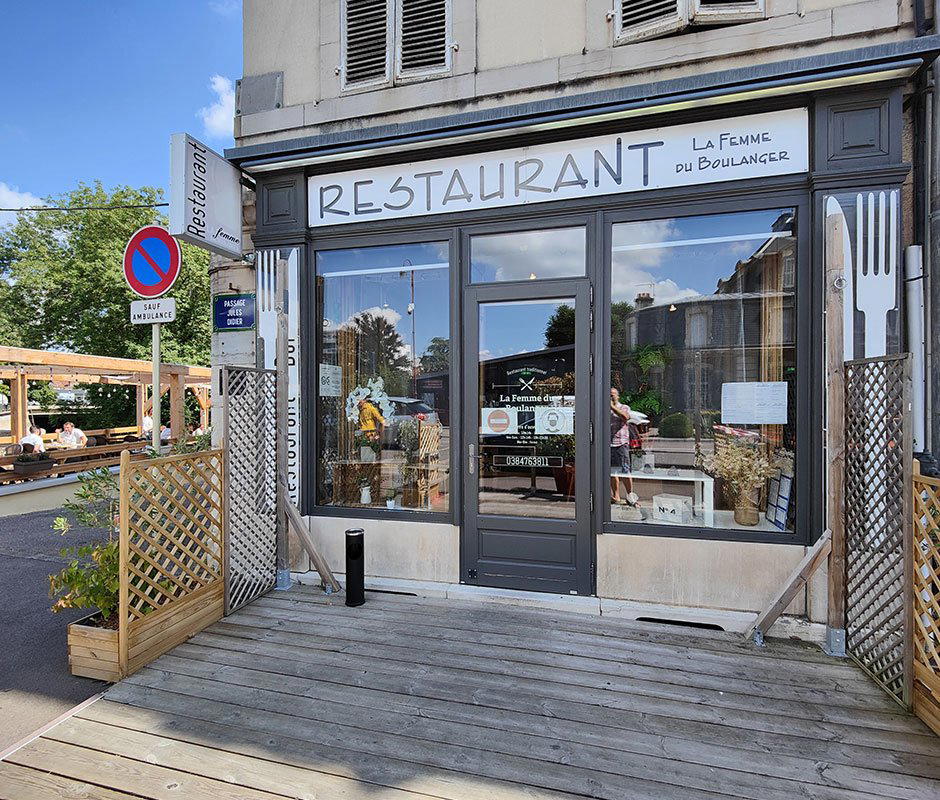
The broader pattern in towns of this scale across eastern France is one of slow consolidation. A small number of tables hold the attention of locals who eat out regularly and visitors passing through the region, while more casual addresses handle the daily volume. Monnin occupies the Rue St Martin end of that spectrum, alongside Vesoul's other established addresses. Visitors comparing options in town will find Bella vita, Café des Abattoirs, Caveau du Grand Puits, and La Femme du Boulanger across different registers; our full Vesoul restaurants guide maps these against one another with context on format and audience.
The Franche-Comté Larder as the Real Subject
Any serious conversation about eating in this part of France begins with the ingredients rather than the chefs. Franche-Comté produces one of the most coherent regional food cultures in the country, built around a specific set of products that have been refined over centuries: Comté AOP, one of France's most tightly regulated cheeses with affinage periods ranging from a few months to well over a year; Morteau and Montbéliard sausages, both protected by PGI status and smoked over conifer sawdust and juniper; Cancoillotte, the runny, pungent cheese eaten warm and used in cooking across the region; and freshwater fish from the Doubs and Saône river systems, particularly trout and pike. These are not background details. They are the structural material of the cuisine, and any kitchen working in this region that takes them seriously is already making a meaningful editorial statement about sourcing.
The logic of ingredient-led cooking at this level differs substantially from what happens at the most decorated tables in France. Places like Mirazur in Menton or Bras in Laguiole have built international recognition around landscape-tied provenance; Flocons de Sel in Megève and Auberge de l'Ill in Illhaeusern operate from similar regional conviction but within different price tiers and formats. The interesting question for a town-level address like Monnin is not how it compares to those reference points, but how faithfully it translates the same sourcing logic at a more accessible scale. In eastern France, the leading small-town kitchens function as custodians of the regional larder rather than interpreters of international trends, and that distinction shapes everything from menu structure to plate composition.
Where Monnin Sits in the Vesoul Picture
The address on Rue St Martin places Monnin within walking distance of Vesoul's historic centre, a compact area centred on the Motte hill and the old town streets below it. Vesoul is not a destination city in the way that Colmar or Dijon functions for visitors planning multi-day food itineraries, but it serves as a logical stopping point for travellers on the A36 corridor or those spending time in the Haute-Saône département. The town's dining scene is proportionate to its size: a handful of addresses capable of a serious meal, a wider range of casual options, and very little in the way of the tasting-menu format that defines the region's most-discussed restaurants.
That context matters when calibrating expectations. Eastern France's most formally ambitious tables, from Assiette Champenoise in Reims to Au Crocodile in Strasbourg and Alléno Paris au Pavillon Ledoyen in Paris, operate with a different set of resources, price points, and editorial ambitions. Monnin sits several tiers below that in format and pricing, which is not a criticism. Provincial French cooking at its most useful has always operated at the scale where a kitchen serves a community rather than an audience, and that distinction produces a different kind of meal.
Planning a Visit
Vesoul is accessible by train from Besançon (roughly 40 minutes) and from Belfort, making it a practical lunch or dinner stop on a broader regional itinerary rather than a destination requiring overnight logistics. French provincial restaurants at this level frequently close one or two days mid-week, and hours can shift seasonally.
Visitors building a more extended eastern France food itinerary might also consider the region's anchor addresses as reference points: Troisgros - Le Bois sans Feuilles in Ouches, Paul Bocuse - L'Auberge du Pont de Collonges in Collonges-au-Mont-d'Or, and Auberge du Vieux Puits in Fontjoncouse all sit within day-trip or multi-stop range of the broader corridor. For a very different register, AM par Alexandre Mazzia in Marseille offers a useful counterpoint to the classicist regional model entirely. International reference points such as Le Bernardin in New York City and Atomix in New York City illustrate how far ingredient-sourcing narratives have migrated globally, which makes a grounded regional address in eastern France feel more pointed by contrast.
Frequently asked questions
Is Monnin okay with children?
Vesoul is a working prefecture city, not a tourist-facing resort, and restaurants along Rue St Martin generally serve a mixed local clientele that includes families.
How would you describe the vibe at Monnin?
Monnin sits on Rue St Martin within walking distance of Vesoul's historic centre, which sets a tone closer to neighbourhood institution than destination showpiece. Vesoul itself is a quiet, unhurried city, and the restaurants that survive there tend to reflect that register, purposeful rather than performative. Expect a room that serves the local community first.
Is Monnin a good option for a lunch stop when travelling between Besançon and Belfort by train?
Vesoul sits on the rail corridor between Besançon (roughly 40 minutes) and Belfort, making Rue St Martin a walkable stop from the station on a broader regional itinerary. Monnin's address at 172 Rue St Martin places it close to the city centre, which is practical for travellers with a defined schedule. Confirm hours in advance, as service times for this address have not been publicly documented.
What's the best thing to order at Monnin?
That said, any serious kitchen in Franche-Comté has access to one of France's most distinctive regional larders: Comté AOP, Morteau sausage, and wines from the Jura corridor sit on the doorstep. A menu that draws on those ingredients would be the clearest signal of what makes this address worth the detour.
Where is Monnin in Vesoul?
Monnin is located at 172 Rue St Martin, 70000 Vesoul, France, Vesoul.
How far ahead should I plan for Monnin?
Vesoul draws a predominantly local dining public rather than international tourists, which typically means less advance pressure on tables than a comparable address in Lyon or Strasbourg.
| Venue | Cuisine | Price |
|---|---|---|
| MonninThis venue (the venue you are viewing) | Modern French Seafood | $30–50 |
| Café des Abattoirs | French Bistro & Charcuterie | $20–30 |
| Caveau du Grand Puits | Classic French Bistro with Franche-Comté Specialties | $30–50 |
| Bella vita | Italian Pizzeria | $10–20 |
| La Femme du Boulanger | French Bistro with Local Creative Cuisine | $20–30 |
Continue exploring
More in Vesoul
Restaurants in Vesoul
All restaurants in Vesoul →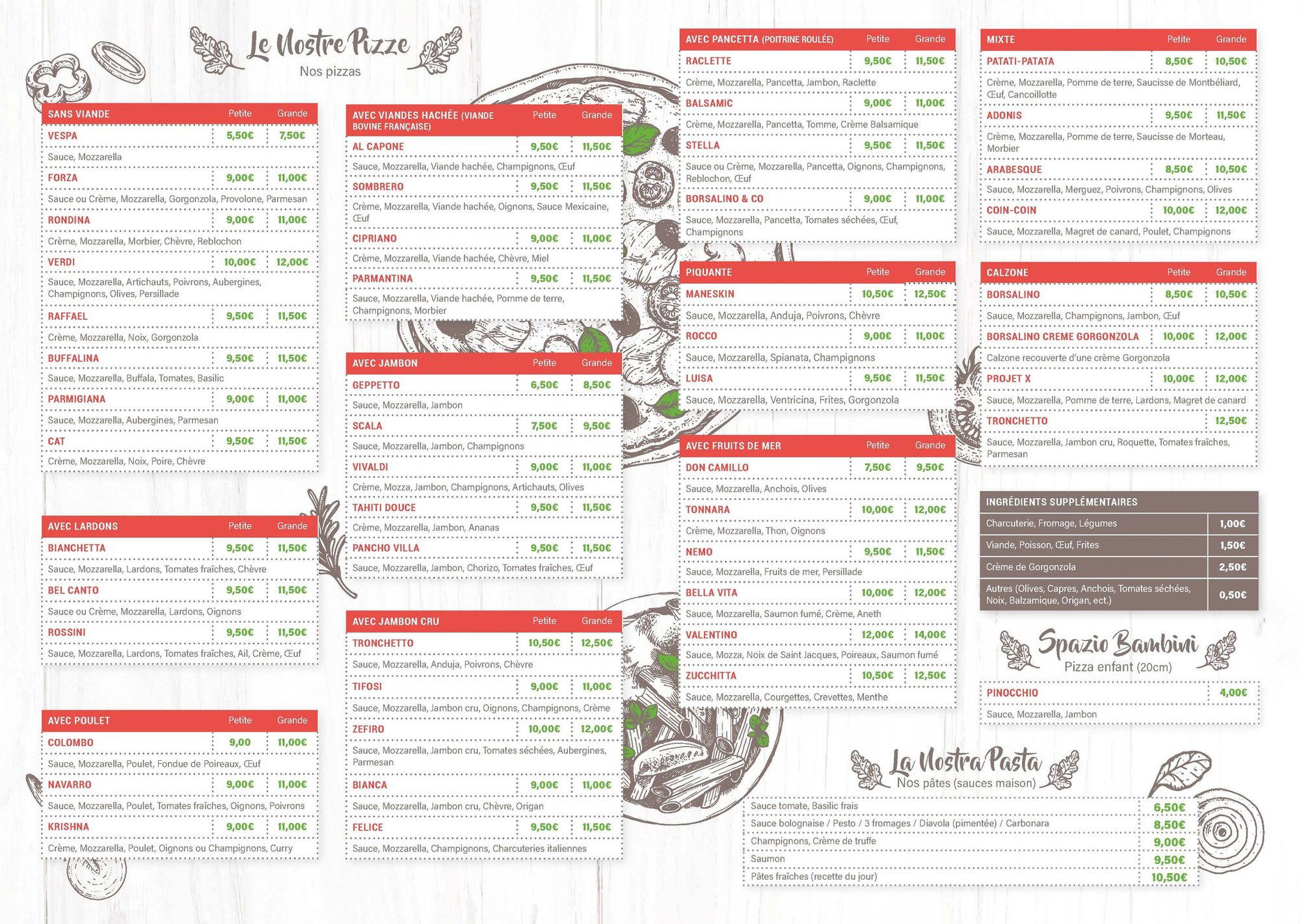
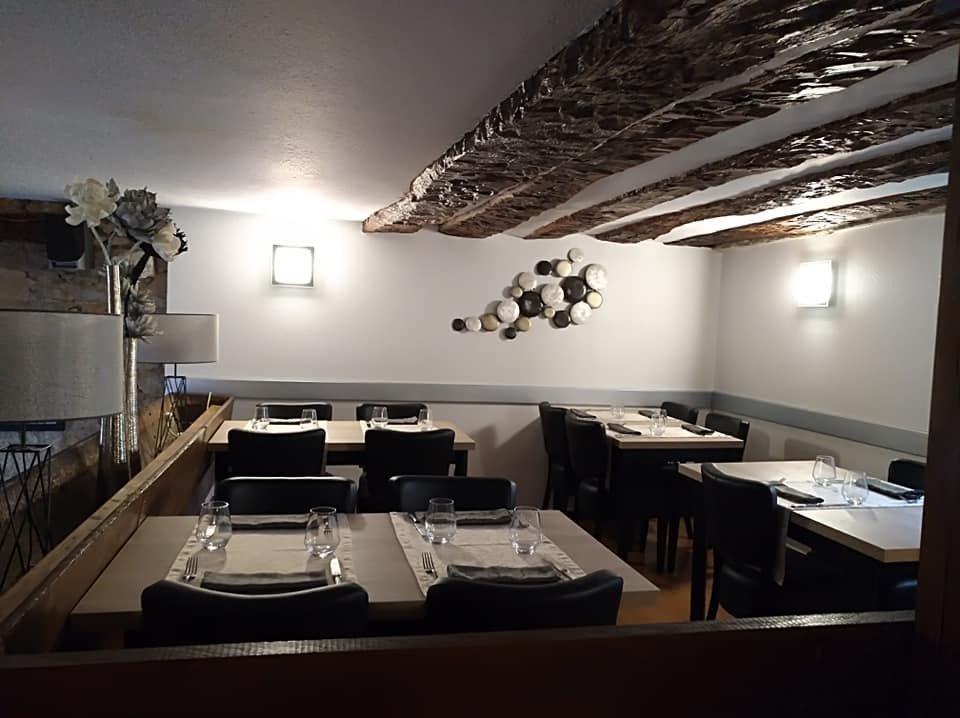
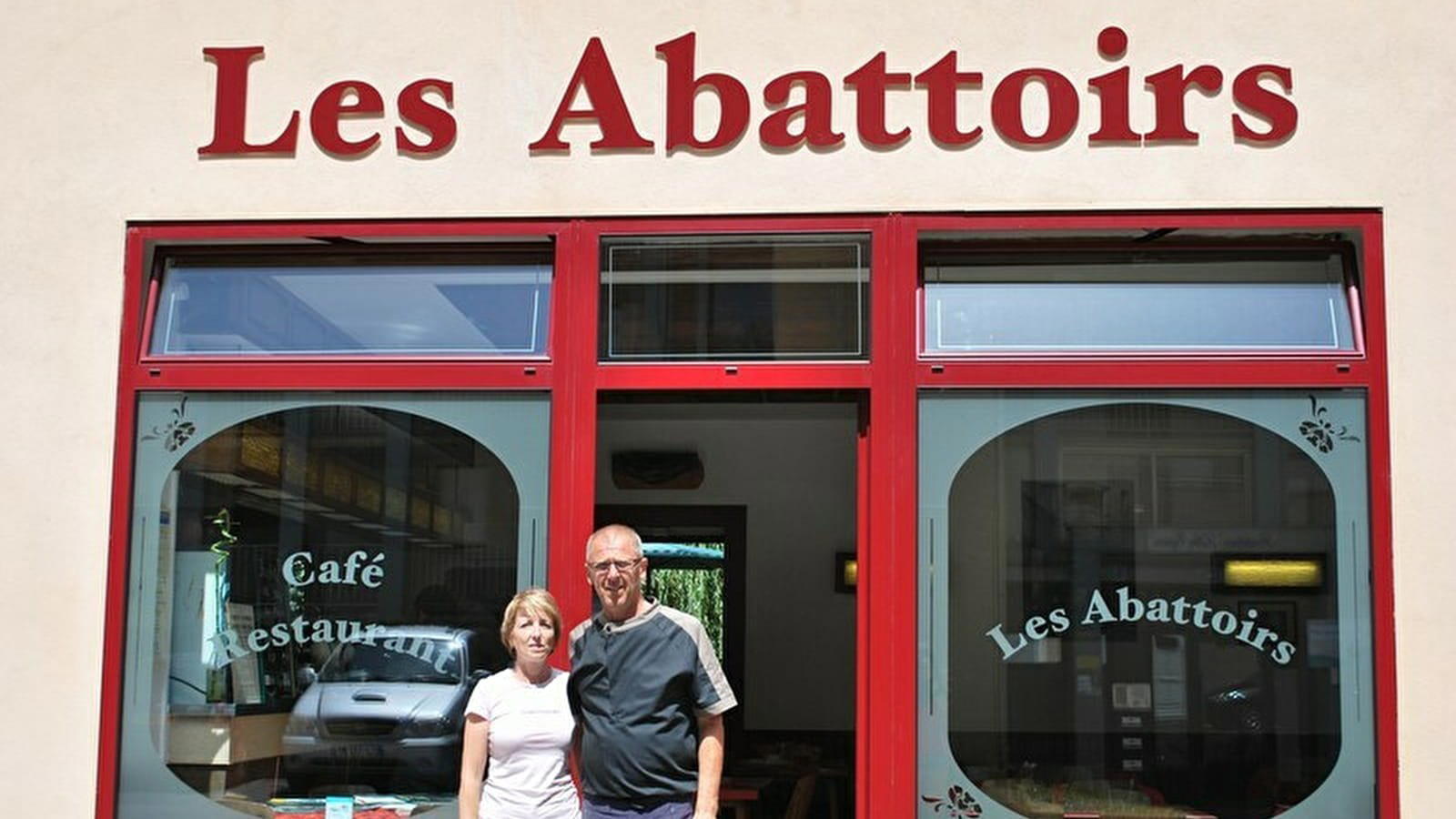
Hotels in Vesoul
Browse all →
Details
- Cozy
- Elegant
- Modern
- Intimate
- Sophisticated
- Date Night
- Special Occasion
- Business Dinner
- Private Dining
- Extensive Wine List
- Local Sourcing
- Organic
- A La Carte
- Tasting Menu
- Vegetarian Friendly
Cozy, sober, and soothing atmosphere with refined decor, noble materials, and a calming ambiance praised for its Parisian elegance.