Café Dax
Café Dax occupies a particular tier in Birmingham, Michigan's dining scene: a neighborhood restaurant with a European-inflected character, situated on South Old Woodward Avenue in one of metro Detroit's most restaurant-dense corridors. Against the city's broader mix of casual spots and destination-level fine dining, it positions itself as a considered middle ground where the room itself sets the tone as much as the plate.
Pearl is the En Primeur Club membership app — saves, bookings, and concierge access live there. Same editors, same standards.
- Address
- 298 S Old Woodward Ave, Birmingham, MI 48009
- Phone
- +12482834200
- Website
- daxtonhotel.com
- Directions
- Get directions
 Saves & bookings on Pearl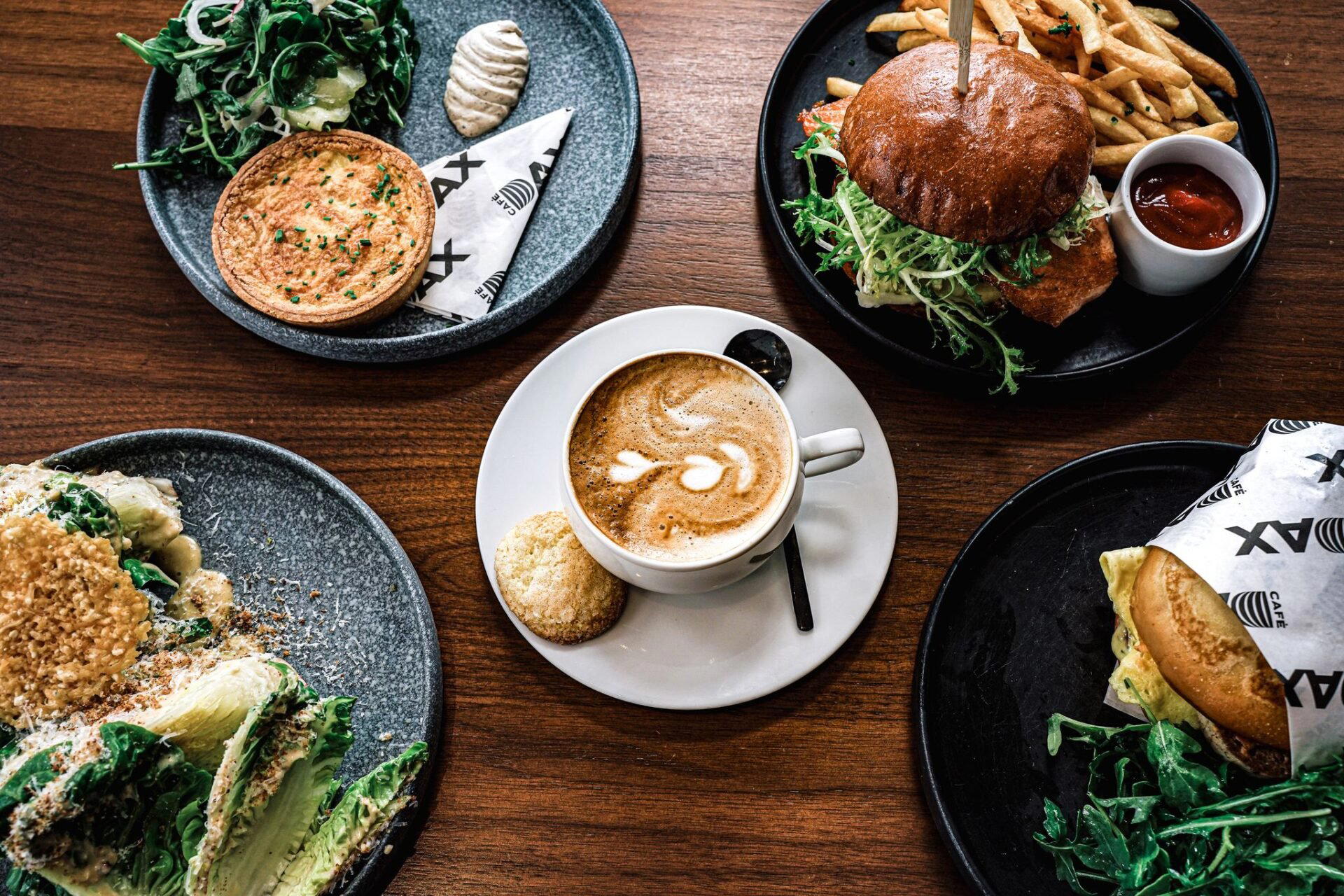
The Room Before the Menu: How Space Shapes the Café Dax Experience
On South Old Woodward Avenue in Birmingham, Michigan, the physical language of a restaurant does a great deal of the argumentative work before a single plate arrives. The street is one of metro Detroit's most concentrated dining corridors, where interiors range from deliberately stripped-back to theatrically decorated, and where the character of a room often signals the culinary register more reliably than a menu description. Café Dax sits at 298 S Old Woodward Ave in that same competitive stretch, and its address alone positions it in conversation with a dining culture that takes the designed environment seriously.
Birmingham's restaurant corridor functions differently from a downtown core. The clientele here tends to be local rather than destination-driven, which means that repeat visits are the commercial reality, and the physical space has to sustain interest over many returns. Restaurants that rely purely on novelty tend to cycle out; those that create rooms with enough warmth and specificity to become habitual tend to anchor. That distinction matters when reading the café format against its neighbors.
South Old Woodward and the Neighborhood Dining Tier
The immediate competitive context for any restaurant on this stretch of Birmingham is meaningful. The city has developed a clear stratification in its restaurant offering. At the upper end of the price register, places like Adam's and Simpsons, both operating at the ££££ tier with modern and British-inflected cuisine respectively, define the ceiling. Indian-rooted fine dining through Opheem occupies a similarly ambitious bracket. Below that, the mid-tier is where most of the city's volume sits, and where the café format historically competes.
In American dining cities, the café designation has carried shifting weight over the past two decades. It once implied a lighter, more casual offer: pastries, lunch plates, bistro-style mains. More recently, the term has become a looser container, sometimes housing serious kitchens with full dinner programs, sometimes anchoring genuine all-day neighborhood institutions. The question of which version a given café represents is answered almost entirely by the room and the service register it sustains. A space that feels provisional signals transience; one with considered architecture and a stable physical identity signals permanence and investment.
For diners who have eaten their way through the more technically ambitious end of the American fine dining circuit — restaurants like Smyth in Chicago, Lazy Bear in San Francisco, or Blue Hill at Stone Barns in Tarrytown — a neighborhood café in a Detroit suburb operates in a different register entirely. That is not a diminishment. The neighborhood restaurant serves a social function that destination dining cannot replicate, and the physical design of that kind of space carries different obligations: it must feel accessible without feeling anonymous, and comfortable without tipping into inertia.
What the Café Format Asks of Its Space
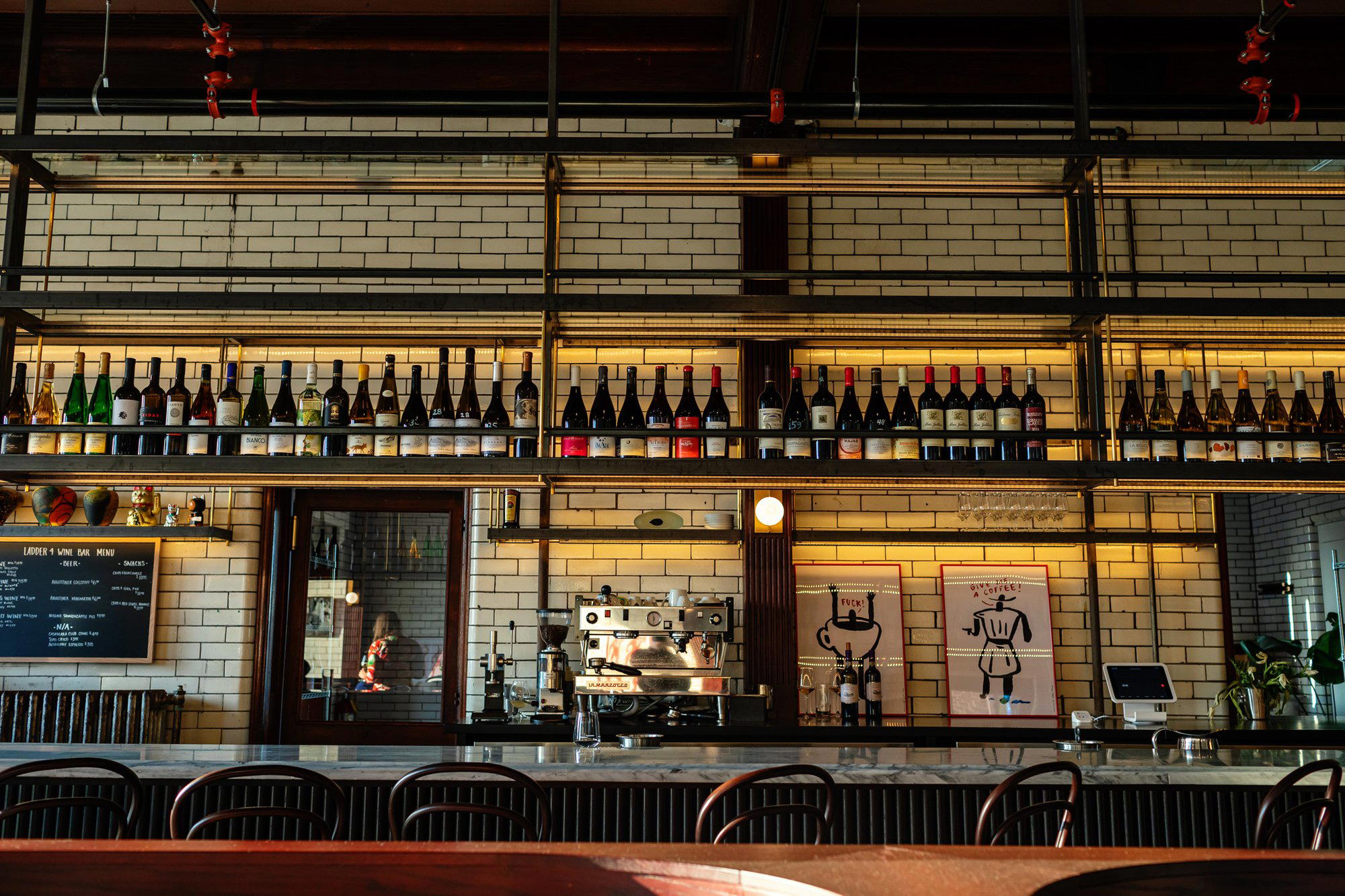
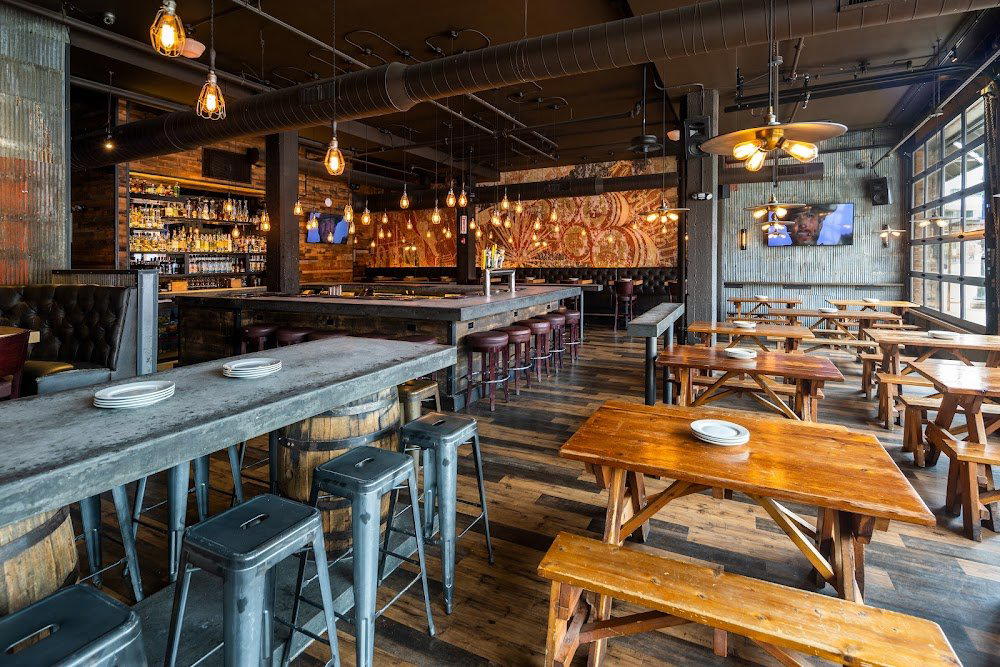
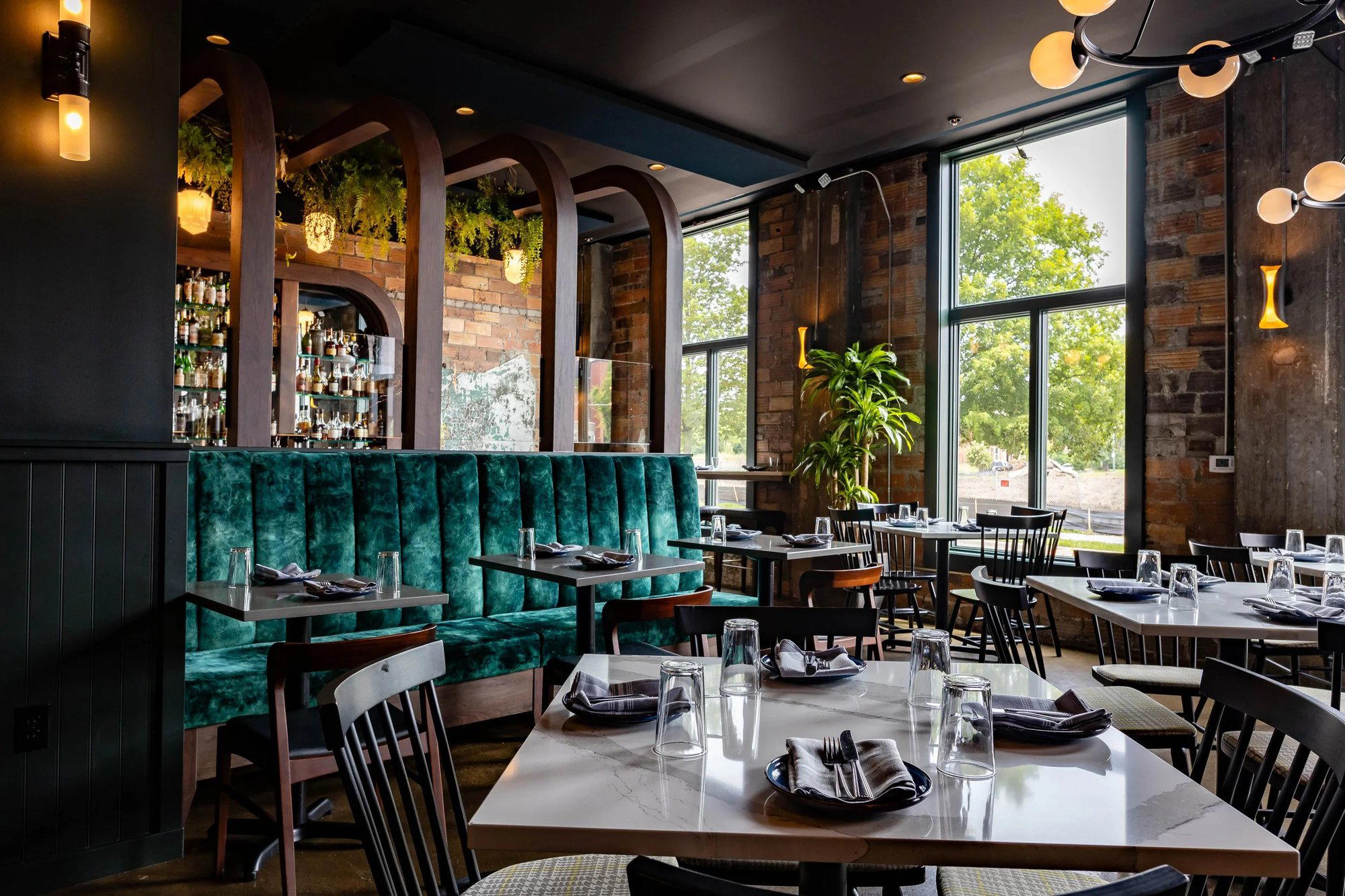
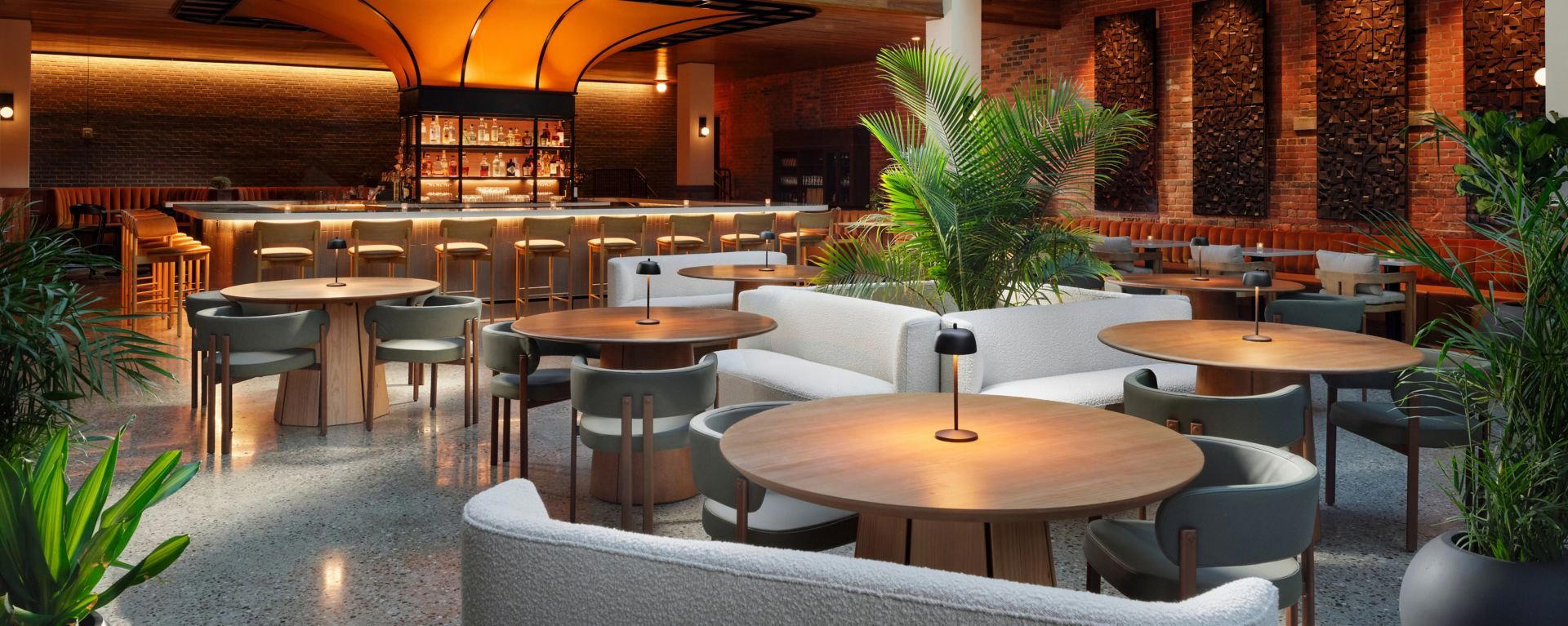
The café-style restaurant, when it works architecturally, tends to share a few structural commitments. Seating is typically arranged to allow tables enough separation for conversation while maintaining a room-level energy that prevents the space from feeling empty at partial capacity. Lighting is calibrated for the all-day format, bright enough for a working lunch, dim enough for an evening with wine. Materials matter more than decoration: textured walls, wood surfaces, and considered upholstery age into character in a way that trend-driven finishes do not.
South Old Woodward Avenue in Birmingham has the infrastructure to support this kind of investment. The corridor draws a clientele that returns regularly, which means the room is not performing for first-timers alone. That creates different design pressures than a destination restaurant might face. In a destination context, think The French Laundry in Napa or The Inn at Little Washington, the room is part of a singular, high-investment occasion. At a neighborhood café, the room has to sustain a different kind of relationship with regulars, one built on familiarity rather than spectacle.
Birmingham, Michigan as a Dining City
Metro Detroit's dining culture has shifted considerably over the past decade. The city's restaurant geography, once dominated by a few heavily resourced players, has diversified into something closer to a genuine neighborhood-by-neighborhood ecosystem. Birmingham has been part of that shift, with South Old Woodward becoming a reference address for mid-to-upper-tier dining in the broader Oakland County area.
The European café tradition, French bistro, Italian caffè, Viennese coffeehouse, has always carried a specific spatial logic: the room as social infrastructure, designed for long occupation and repeated return. American adaptations of that model vary widely in their fidelity. Some import the aesthetics without the social contract; others get the social contract right and let the aesthetics follow. Birmingham's positioning as an affluent, village-scaled suburb with strong repeat-visitor dining culture makes it relatively hospitable terrain for the café model, at least in principle.
The broader Detroit metro area has also produced restaurants that sit outside the neighborhood tier and operate closer to regional destination status. Bayonet and 670 Grams represent the more creative, format-driven end of the Birmingham spectrum, while places like Opheem anchor a fine dining identity with clear culinary ambition. For the full picture of what this city's dining circuit encompasses, our full Birmingham restaurants guide maps the range in detail.
Planning a Visit
Café Dax is located at 298 S Old Woodward Ave, Birmingham, MI 48009, in the heart of the South Old Woodward dining corridor. Given the density of restaurant options on this stretch, securing a table in advance rather than walking in is the practical approach, particularly for evening sittings when the neighborhood fills. For current hours, booking options, and menu details, contacting the venue directly is advisable given that operational specifics are subject to change. The address places it within easy reach of Birmingham's central shopping district and a short drive from most of metro Detroit's inner suburbs.
Continue exploring
More in Birmingham
Restaurants in Birmingham
Browse all →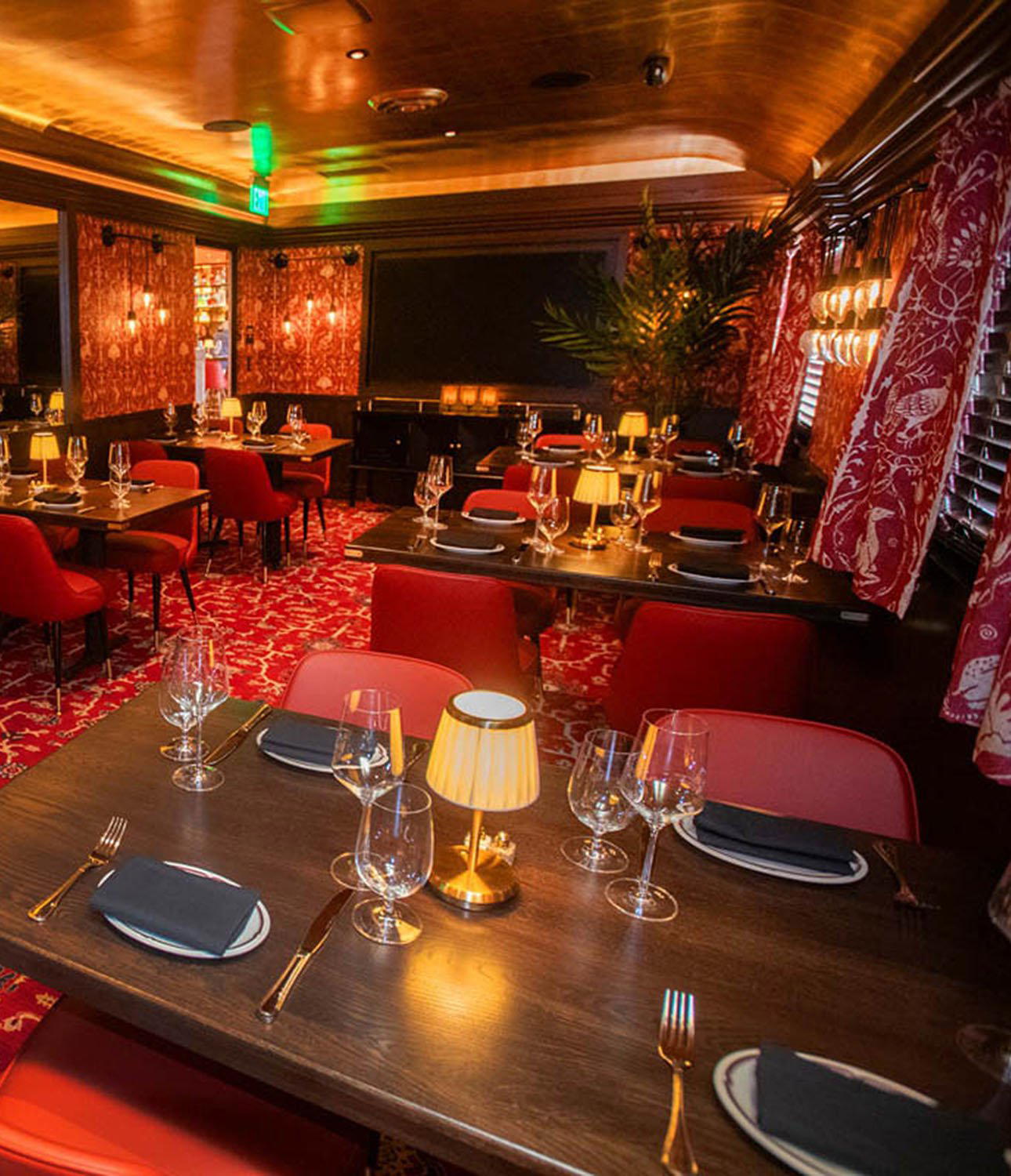
Bars in Birmingham
Browse all →
At a Glance
- Modern
- Elegant
- Cozy
- Brunch
- Casual Hangout
- Hotel Restaurant
- Craft Cocktails
- Local Sourcing
Current opening hours
- Monday
- 7 AM–2:30 PM
- Tuesday
- 7 AM–2:30 PM
- Wednesday
- 7 AM–2:30 PM
- Thursday
- 7 AM–2:30 PM
- Friday
- 7 AM–2:30 PM
- Saturday
- 7 AM–2 PM
- Sunday
- 7 AM–2 PM
Hours can change for holidays and private events. Last verified .
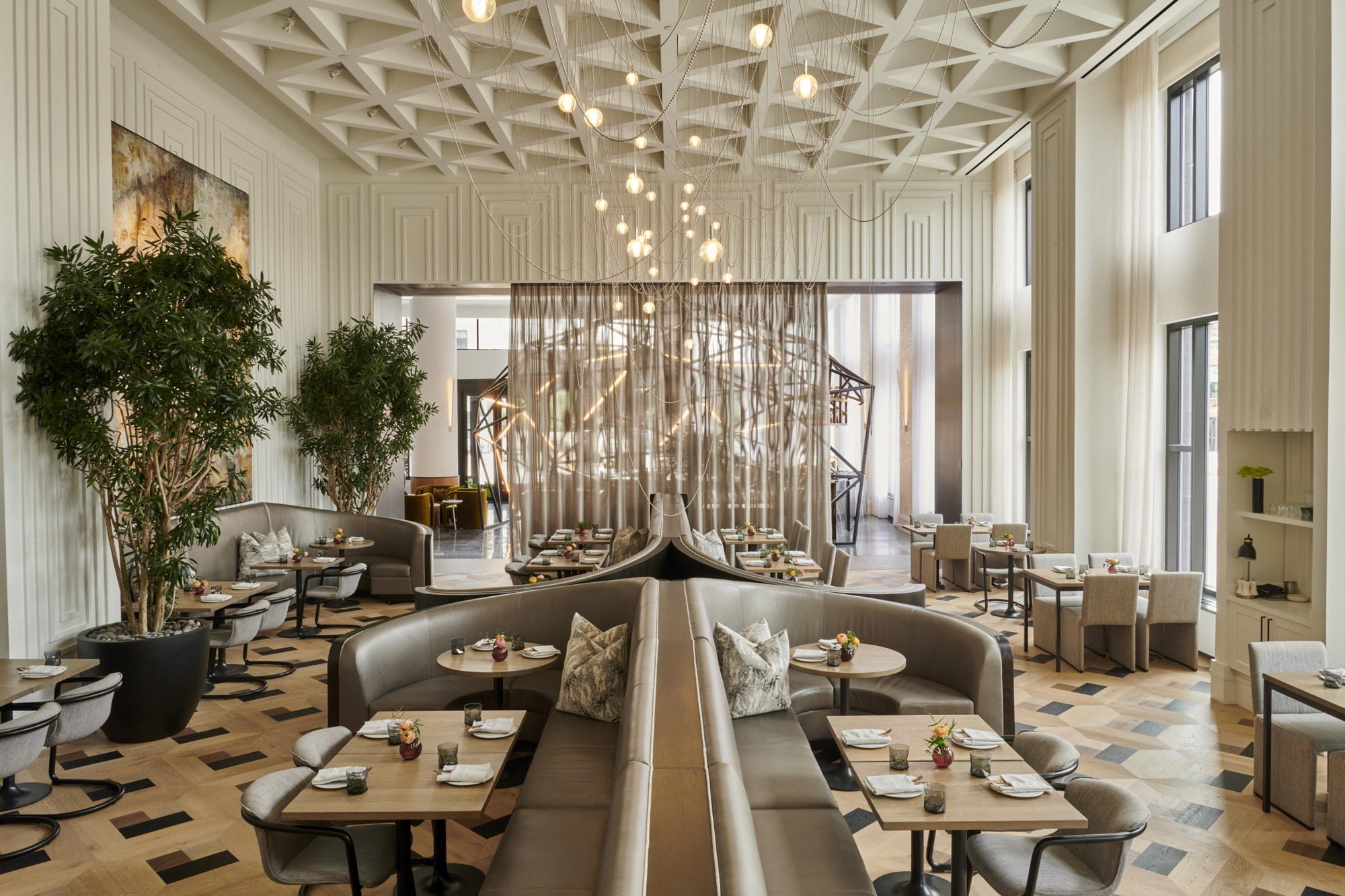
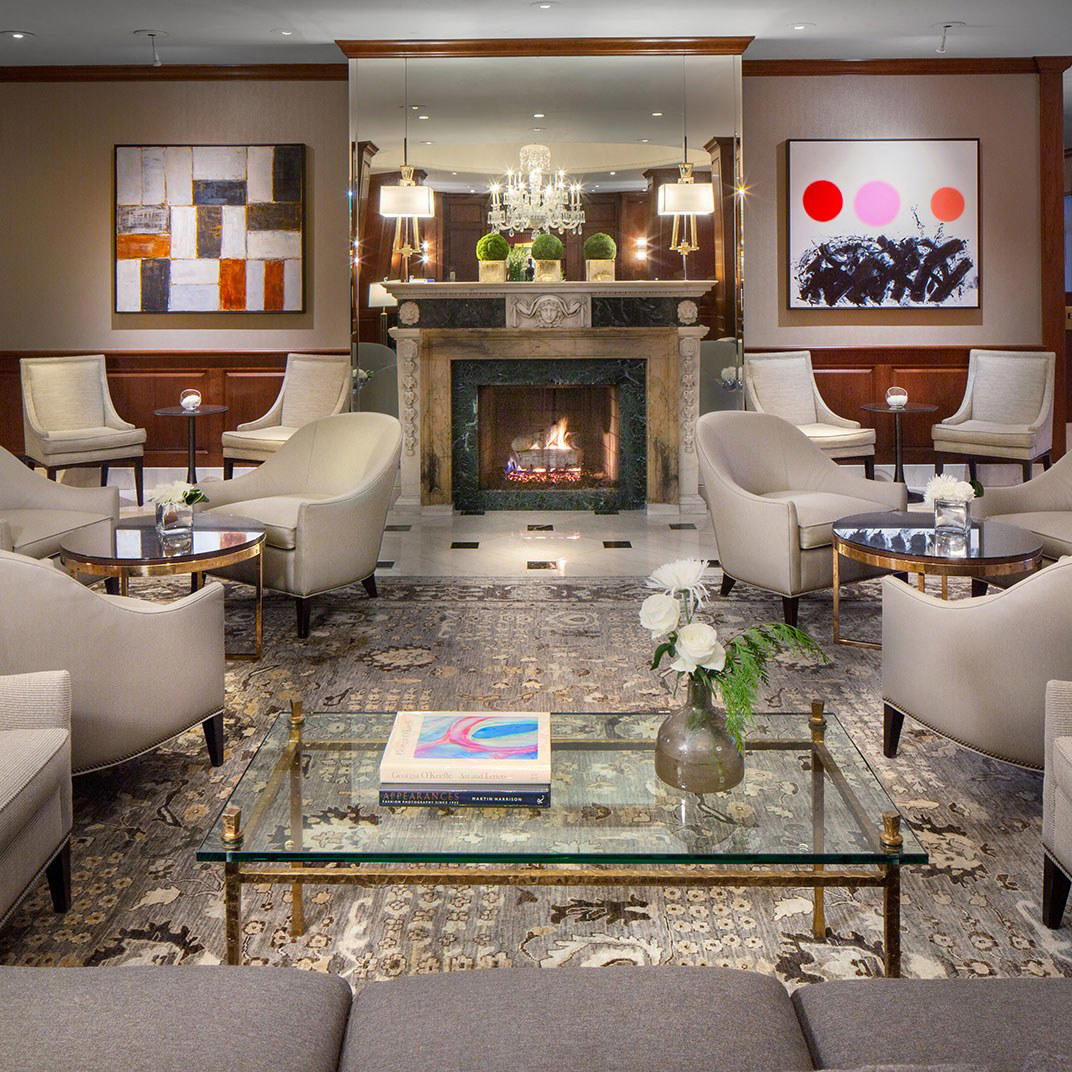
Elegant avant-garde atmosphere in the dramatic hotel lobby surrounded by original art pieces.
Know Before You Go
- Getting there
- 298 S Old Woodward Ave, Birmingham, MI 48009