Cafe Boheme
Cafe Boheme occupies a well-worn corner of Old Compton Street in Soho, where the neighbourhood's all-hours character sets the tone before you reach the door. The room operates in a tradition of European-style brasserie drinking and dining that Soho has sustained across decades, making it a useful reference point for understanding how the area eats and drinks outside the fine-dining circuit.
Pearl is the En Primeur Club membership app — saves, bookings, and concierge access live there. Same editors, same standards.
- Address
- 13 Old Compton St, London W1D 5JQ, United Kingdom
- Phone
- +44 20 7734 0623
- Website
- cafeboheme.co.uk
- Directions
- Get directions
 Saves & bookings on Pearl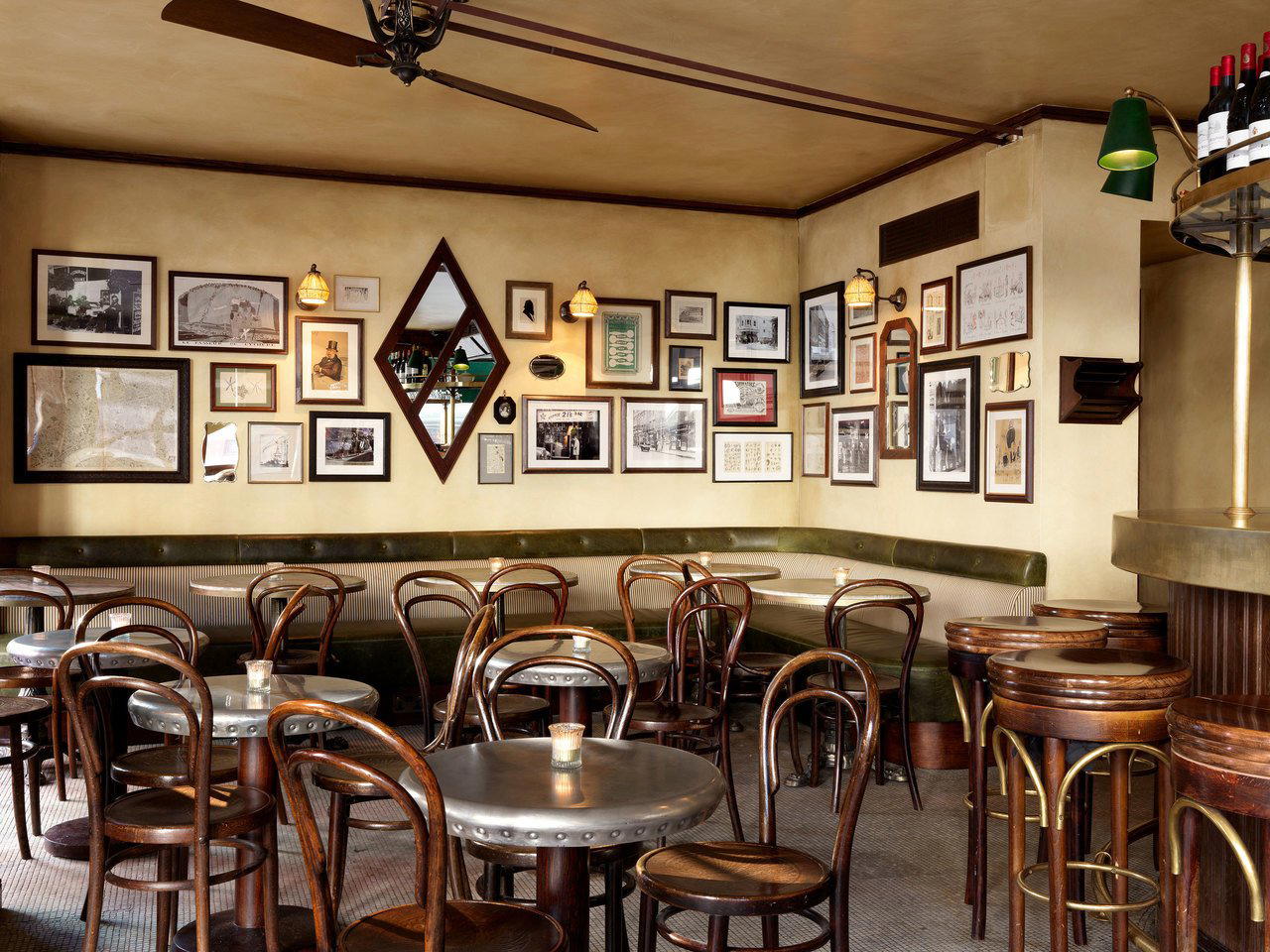
Old Compton Street and the Brasserie Tradition It Carries
Cafe Boheme is a classic French bistro in London, priced around $35 per person. Old Compton Street has functioned as Soho's social spine for the better part of a century. The street's character is shaped less by individual venues than by the accumulated weight of the neighbourhood itself: independent retailers, late-night foot traffic, a density of bars and restaurants that tilts toward the informal and the long-established. Cafe Boheme sits at number 13, on a stretch where the pavement rarely empties and where the European brasserie format has found particularly durable ground. London has historically struggled to sustain the all-day brasserie model that Paris and Brussels take for granted, but certain Soho addresses have come closer than most, and Old Compton Street is where the conditions are most favorable.
The brasserie as a format makes specific demands on both the room and the kitchen. It asks for a menu that can serve a pre-theatre diner, a late-night drinker, and a long-lunch regular without obvious seams between those functions. It asks for a physical space that reads as lived-in rather than designed, where the noise level climbs naturally as the evening progresses. It asks, in short, for a particular kind of confidence in its own ordinariness. That is not a quality that arrives in the first year of operation; it accumulates.
How Soho Positions This Kind of Venue
London's fine-dining tier is well documented. The three-Michelin-star addresses, from CORE by Clare Smyth and Restaurant Gordon Ramsay to Sketch's Lecture Room and Library and The Ledbury, represent a price bracket and a booking logic that few diners engage with on a routine basis. Even the two-star tier, represented by addresses like Dinner by Heston Blumenthal, operates with fixed tasting formats and advance booking windows measured in weeks. The brasserie sits in an entirely different part of the city's dining structure: it is the venue type that absorbs the evening before the theatre, the lunch that runs past three, the nightcap that becomes two more rounds.
Soho specifically has developed a secondary economy around this format, and it is worth understanding why. The neighbourhood draws a mix of media workers, tourists, creative industries, and the LGBT community, all of whom place a premium on informality and late hours over occasion dining. The venue that can hold a table through a full evening without pressuring the turn earns a particular kind of loyalty that no amount of fine-dining recognition can replicate. That is the competitive context in which Cafe Boheme operates, and it is a harder context to execute well than it appears from the outside.
The Arc of an Evening Here
The editorial angle that works well for a brasserie like this is sequential: how does an evening actually progress through the room? The brasserie format is defined by its flexibility, but flexibility has a structure if you look closely enough. The early hours, typically from opening through the pre-theatre window, are the quietest. This is when the room reads most clearly as a space, when you can see the bones of the interior and understand how it is put together. The bar tends to carry the first wave of the evening, drawing drinkers who may or may not migrate to a table.
By mid-evening, the noise level shifts. The brasserie tradition that restaurant draws on is, at its core, a tradition of convivial eating rather than precise gastronomy. The distinction matters. A tasting-menu progression at one of London's leading addresses, whether that is The Fat Duck in Bray, L'Enclume in Cartmel, or Moor Hall in Aughton, asks the diner to follow a sequence set by the kitchen, course by course, with each plate designed to inform the next. The brasserie reverses that logic entirely. The diner sets the pace. The kitchen's job is to be ready whenever the signal comes, not to orchestrate the experience toward a predetermined conclusion.
That is, in its own way, a more demanding form of hospitality. The late evening in a brasserie, when the kitchen is winding down and the bar is fully engaged, tests the operation in ways that a fixed-sitting tasting menu never does. Addresses that manage this transition well, where the quality of service does not visibly deteriorate between the first seating and midnight, are the ones that accumulate the kind of reputation that sustains a Soho address across years rather than seasons.
Where This Address Sits in the Wider London Eating Picture
The distinction between a Soho brasserie and London's destination-dining tier is worth stating plainly. The Michelin-starred addresses scattered across Mayfair, Notting Hill, and Chelsea require advance planning, price commitment, and a specific kind of appetite for the format. Addresses like Gidleigh Park in Chagford, Hand and Flowers in Marlow, hide and fox in Saltwood, and internationally, Le Bernardin in New York City or Atomix in New York City, represent a particular register of precision-driven dining. The Soho brasserie is the counterweight to all of that: it is where you go when the objective is the evening itself rather than the meal as an event.
Old Compton Street's density means that no single address operates in isolation. The street functions as a collective, where the character of one venue bleeds into the next and the foot traffic belongs to the neighbourhood before it belongs to any particular door. The restaurant's location at number 13 places it in the middle of that ecosystem. Old Compton Street's density means that no single address operates in isolation.
Planning Your Visit
Address: 13 Old Compton St, London W1D 5JQ. Reservations are recommended. Dress: casual. Budget: around $35 per person. Getting there: Leicester Square and Tottenham Court Road stations are both within walking distance.
Price and Recognition
Comparable venues nearby, for context on price, style, and recognition.
| Venue | Cuisine | Price | Notes |
|---|---|---|---|
| Cafe BohemeThis venue — the venue you are viewing | Soho, Classic French Bistro | $$ | Not listed |
| Pierre Victoire | Fitzrovia, Classic French Bistro | $$ | Not listed |
| La Fromagerie Bloomsbury | Not listed | $$$ | Bloomsbury, French Cheese & Charcuterie Bistro |
| Coupette | Not listed | $$ | Bethnal Green, French Cocktail Bar & Bistro |
| Buvette | French bistro | $$ | Not listed |
| Blanchette | Soho, Modern French Tapas | $$ | Not listed |
Continue exploring
More in London
Restaurants in London
Browse all →
Bars in London
Browse all →
Hotels in London
Browse all →

At a Glance
- Bohemian
- Cozy
- Lively
- Date Night
- Pre Theater
- Brunch
- Live Music
- Terrace
- Craft Cocktails
- Street Scene
Current opening hours
- Monday
- 8 AM–1 AM
- Tuesday
- 8 AM–1 AM
- Wednesday
- 8 AM–1 AM
- Thursday
- 8 AM–1 AM
- Friday
- 8 AM–3 AM
- Saturday
- 9 AM–3 AM
- Sunday
- 9 AM–12 AM
Hours can change for holidays and private events. Last verified .
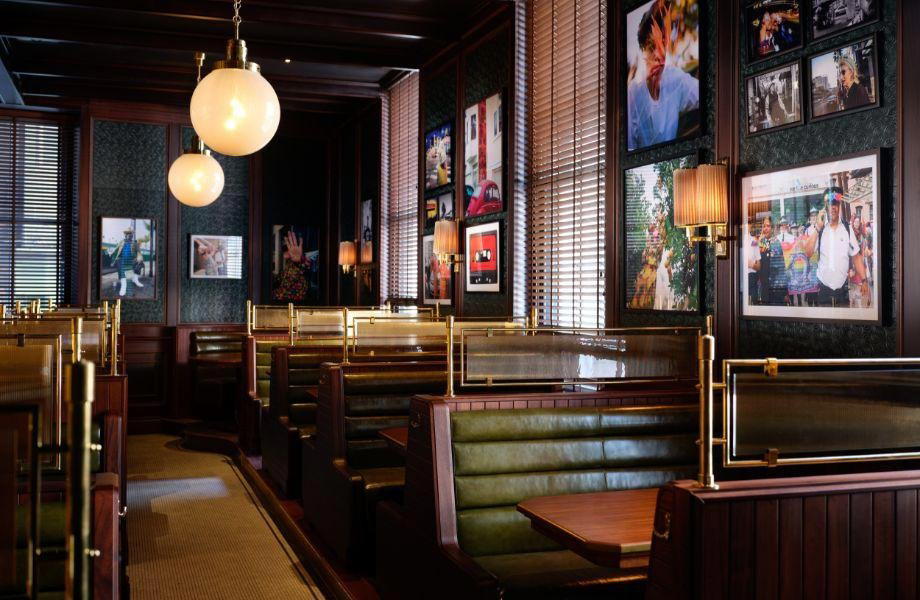
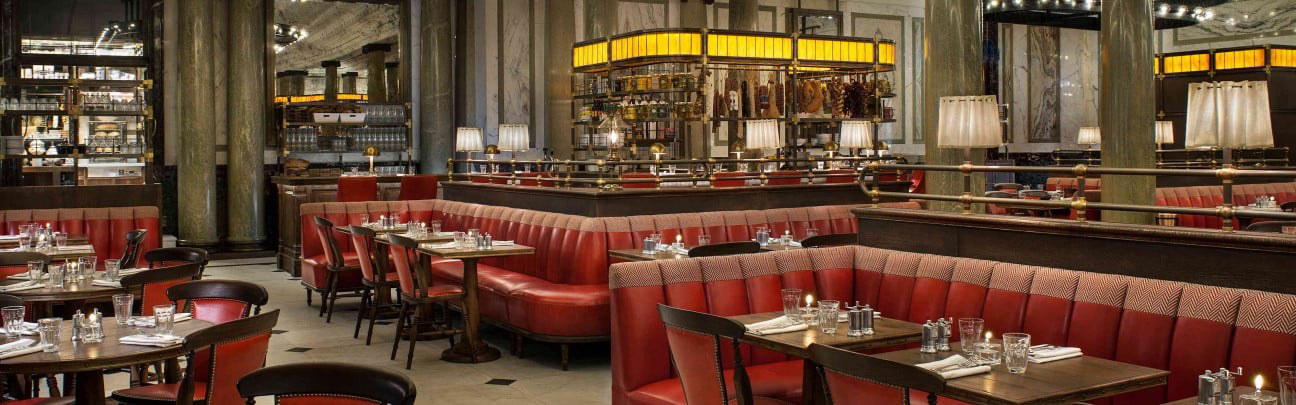
Warm, inviting, and dimly lit with a classic French café feel, featuring dark wood tables, red leather banquettes, and a buzzy, crowded vibe.