Cafe Ba-Ba-Reeba
Cafe Ba-Ba-Reeba on North Halsted has anchored Chicago's Spanish tapas tradition since the 1980s, operating in a dining category that rewards sharing, repetition, and seasonal adjustment rather than single-dish thinking. The menu's structure, small plates designed for the table, not the individual, reflects how tapas culture translates to an American dining room without losing its communal logic.
Pearl is the En Primeur Club membership app — saves, bookings, and concierge access live there. Same editors, same standards.
- Address
- 2024 N Halsted St, Chicago, IL 60614
- Phone
- +17739355000
- Website
- cafebabareeba.com
- Directions
- Get directions
 Saves & bookings on Pearl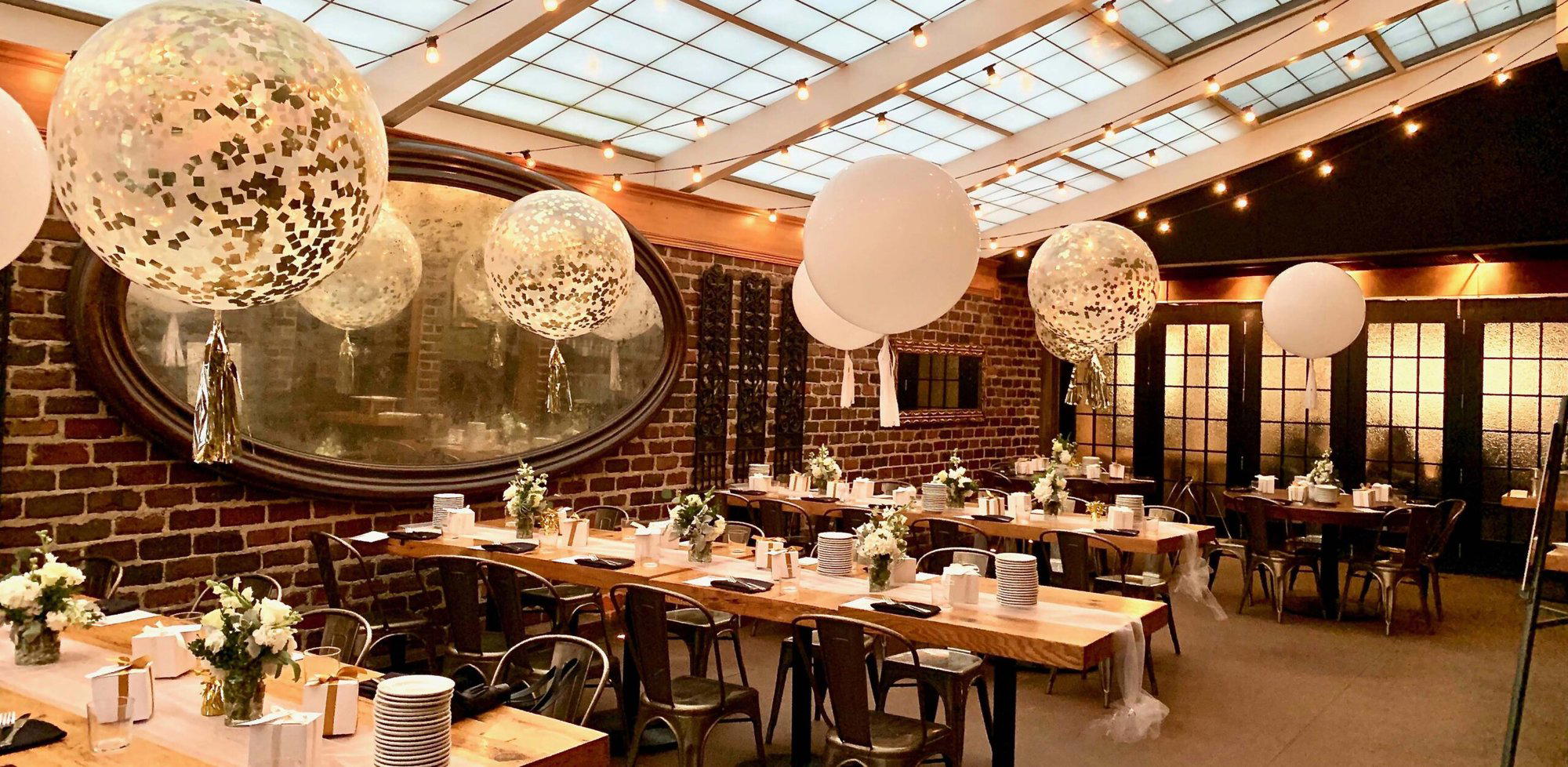
A Halsted Street Constant in Chicago's Shifting Dining Map
Lincoln Park's restaurant corridor on North Halsted has cycled through openings and closures at the pace most Chicago neighbourhoods sustain, but Cafe Ba-Ba-Reeba at 2024 N Halsted St has remained a fixed point across decades. That kind of longevity in a city with a competitive restaurant scene says something less about nostalgia and more about format durability. Tapas, as a dining structure, survives because it distributes decision risk across the table. No single order defines the meal. That forgiving architecture suits a neighbourhood crowd as readily as it suits a first visit, which helps explain why the format holds while more rigid tasting-menu concepts cycle in and out.
Chicago's dining scene has moved firmly toward long tasting menus and controlled formats. Alinea, Smyth, and Oriole operate at price points and commitment levels that require planning and occasion-framing. Kasama and Next Restaurant each impose their own structural logic on the diner. Cafe Ba-Ba-Reeba occupies a different register entirely: the meal is built by the table, not handed down from the kitchen, and that distinction has real value in a city where the alternative can feel like attending a performance rather than eating dinner.
How the Menu Architecture Works
The tapas format is frequently misunderstood in American dining rooms as a license to serve small portions at high per-item prices. At its leading, Spanish tapas culture operates on different logic: plates arrive in succession, overlap, and repeat as appetite dictates. The ordering is iterative, not predetermined. What distinguishes a kitchen that understands this format from one that simply packages it is whether the menu is designed for reordering, whether the portions, the pacing, and the pricing allow a table to build a meal collaboratively across an hour or more rather than collecting six small plates and calling it done.
The Spanish tapas tradition that Ba-Ba-Reeba draws from is rooted in a social eating model that predates the American small-plates trend by several centuries. Pintxos in the Basque Country, montaditos in Andalusia, and the broader raciones format across Spain all share the assumption that eating is a group activity shaped by conversation and time, not by a fixed sequence. An American restaurant that imports this format seriously has to make structural decisions: how many dishes per table per hour, whether hot and cold plates integrate or sequence, how the wine list maps to variety across courses rather than to a single pairing.
For context, consider how similar iterative formats work at prestige level elsewhere. Le Bernardin in New York City and The French Laundry in Napa work from the opposite end of the spectrum, total kitchen control, fixed sequences, no iteration. The contrast clarifies what a tapas-led menu is actually asking of the diner: participation in the structure rather than surrender to it.
Seasonal Positioning and the Right Time to Visit
Lincoln Park dining shifts meaningfully between seasons. The stretch of Halsted running north from Armitage through the Lincoln Park neighbourhood draws heavier foot traffic from late spring through October, when the city's outdoor dining window opens and the neighbourhood's residential density translates into consistent evening foot traffic. Winter on North Halsted is a different experience: quieter, more interior-focused, and often the better window for actual table access at restaurants that peak during warmer months.
For a tapas-format restaurant specifically, the winter visit argument is stronger than it might be for other venue types. Shared plates and communal ordering patterns suit enclosed, warm spaces. The format's social logic is easier to sustain when the table isn't competing with street noise or the logistics of outdoor seating. Comparable seasonal dynamics apply across the broader American tapas and small-plates category: Lazy Bear in San Francisco and Emeril's in New Orleans both operate in cities where seasonal rhythms alter the dining room character in ways that affect the actual experience rather than just the waiting times.
Where Ba-Ba-Reeba Sits in Chicago's Broader Spanish and Mediterranean Category
Chicago's Spanish and Iberian dining options have always occupied a smaller share of the city's restaurant identity than Italian, Mexican, or the progressive American fine dining tier represented by Alinea and its peers. The city lacks the dense Spanish-immigrant community that would anchor a neighbourhood-level tapas culture the way it exists in certain parts of New York or Miami. What Chicago has instead is a handful of Spanish-format restaurants that have built their own audience over time, operating on the strength of the format's social appeal rather than on cultural familiarity.
That context makes Cafe Ba-Ba-Reeba's multi-decade presence more significant than it might appear. Sustaining a Spanish tapas format in a city where the category has no natural population base requires the format itself to do the work. By comparison, prestige regional-format restaurants in more culturally aligned cities, Frasca Food and Wine in Boulder with its Friulian identity, or Atelier Moessmer Norbert Niederkofler in Brunico with its Alpine-regional focus, operate with a clearer cultural anchor. A tapas restaurant in Lincoln Park has to create its own context each service.
The broader American small-plates movement has, if anything, made the original Spanish tapas format harder to read clearly. When nearly every mid-price restaurant in any American city now describes itself as offering shareable plates, the distinction between a kitchen genuinely working within Spanish tapas tradition and one simply using small-plates language as a menu-writing convention gets blurry. Restaurants like Atomix in New York City or Providence in Los Angeles work in entirely different registers, but they illustrate how format specificity, when it's clear, communicates a kitchen's actual commitments. The same test applies here: whether the tapas format at Ba-Ba-Reeba functions as genuine structure or as aesthetic framing is especially useful question a first-time visitor can ask.
Nearby-ish Comparables
Comparable venues nearby, for context on price, style, and recognition.
| Venue | Cuisine | Price | Notes |
|---|---|---|---|
| Cafe Ba-Ba-ReebaThis venue — the venue you are viewing | Authentic Spanish Tapas | $$ | Not listed |
| All Too Well | Gourmet Sandwiches & Deli | $$ | Lincoln Park |
| Nori Sushi Chicago | Neighborhood Japanese Sushi Bar | $$ | Lincoln Park |
| Professor Pizza - Old Town | Chicago-Style Pizza | $$ | Old Town |
| The Bellevue | Contemporary American | $$ | Gold Coast |
| Moe's Cantina Wrigleyville | Northern Mexican Wood-Fired | $$ | Wrigleyville |
Continue exploring
More in Chicago
Restaurants in Chicago
Browse all →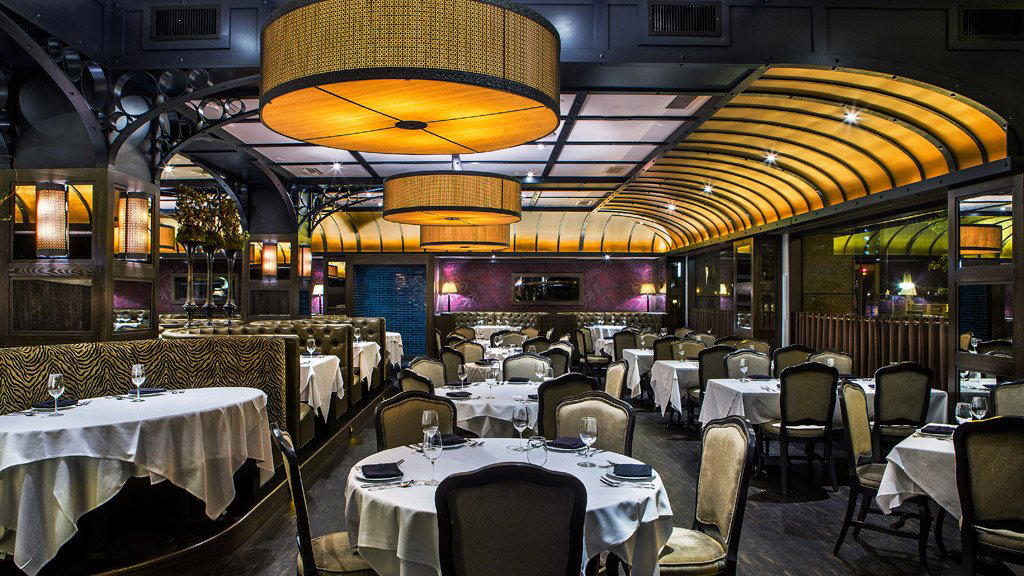
At a Glance
- Lively
- Energetic
- Group Dining
- Celebration
- Casual Hangout
- Brunch
- Open Kitchen
- Craft Cocktails
Current opening hours
- Monday
- 4–9 PM
- Tuesday
- 4–9 PM
- Wednesday
- 4–9 PM
- Thursday
- 4–9 PM
- Friday
- 11:30 AM–11 PM
- Saturday
- 10 AM–11 PM
- Sunday
- 10 AM–9 PM
Hours can change for holidays and private events. Last verified .
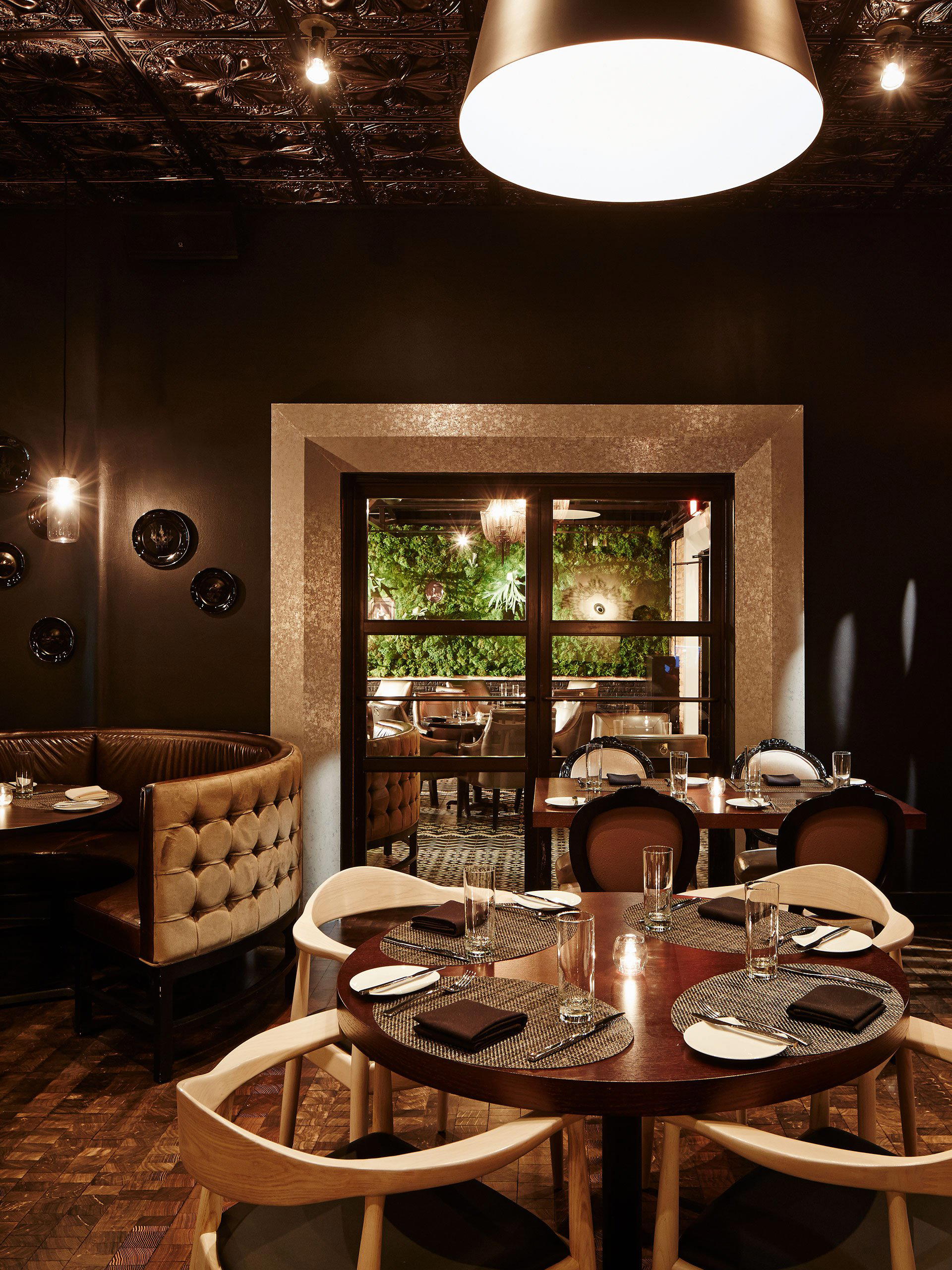
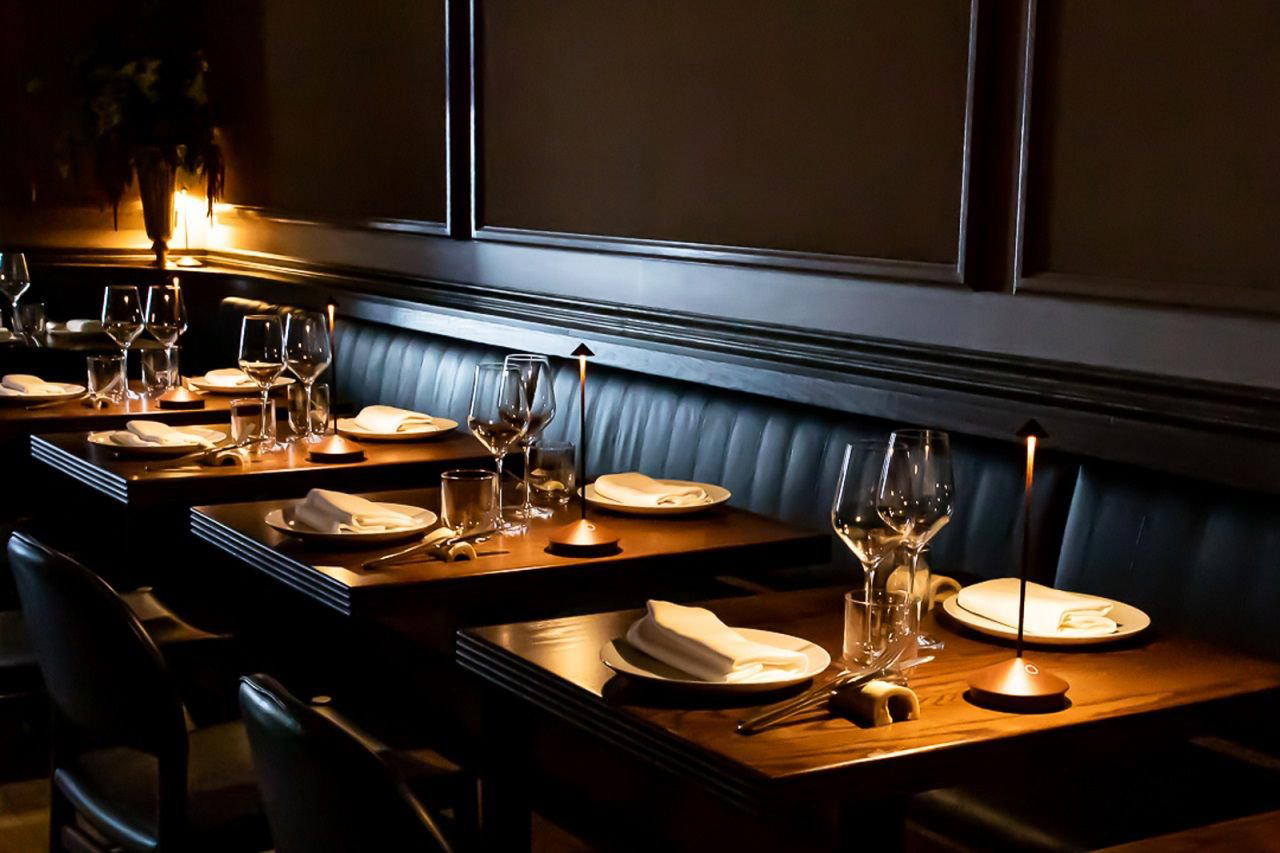
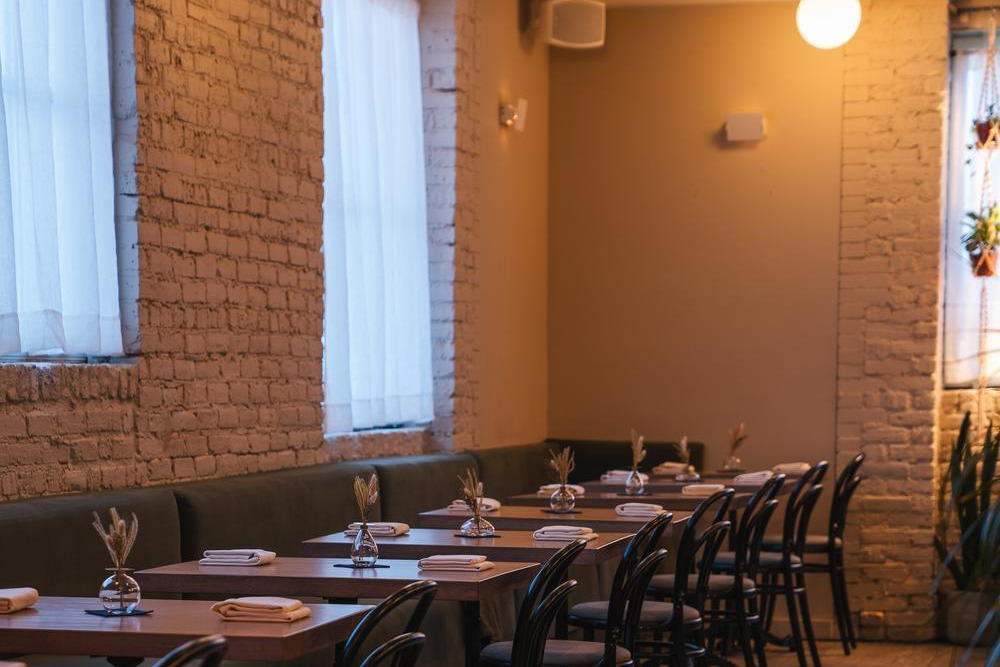
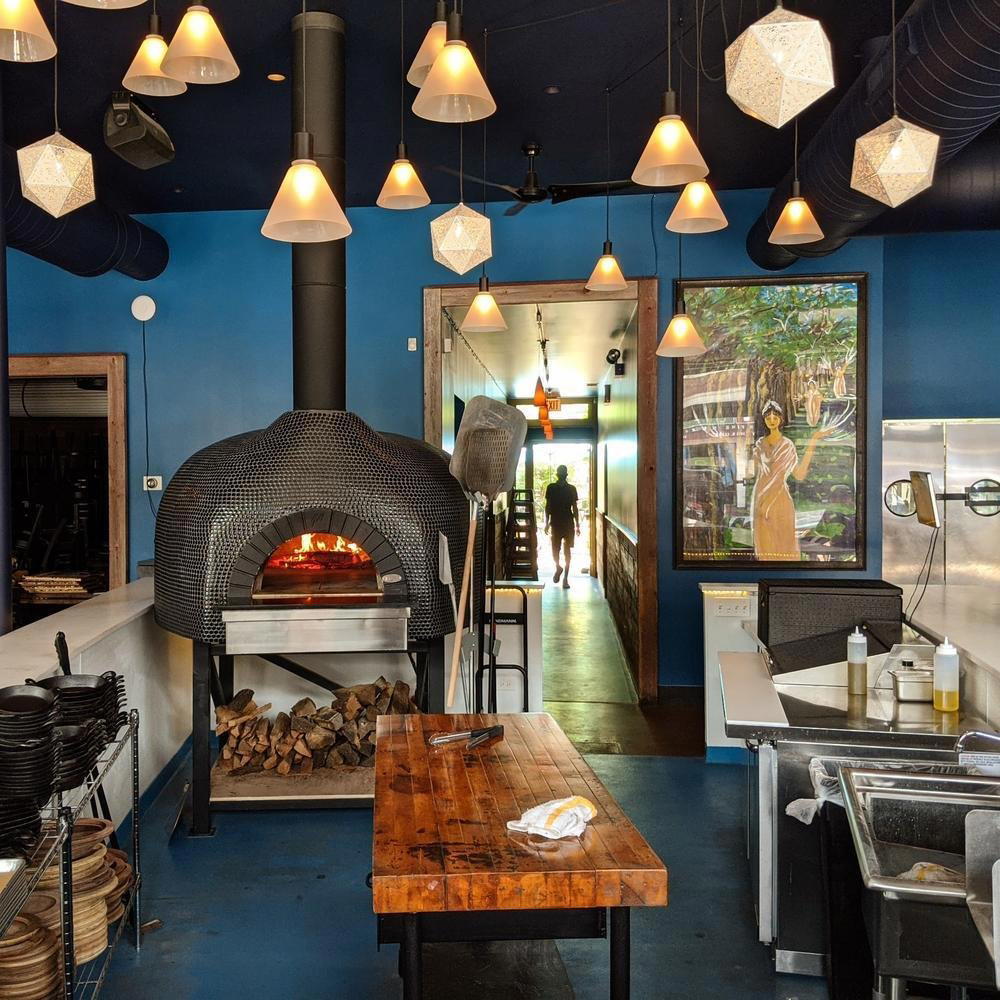
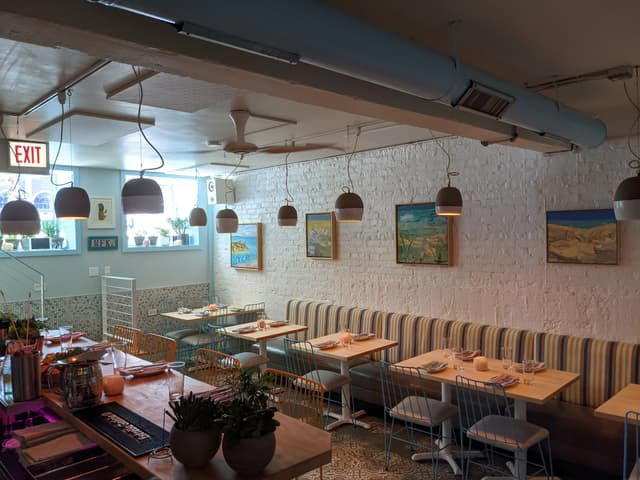
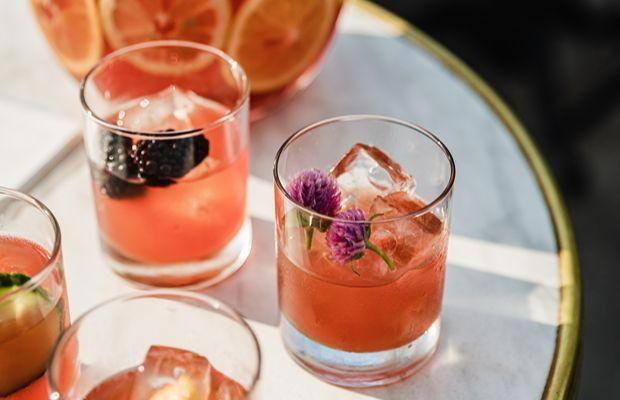
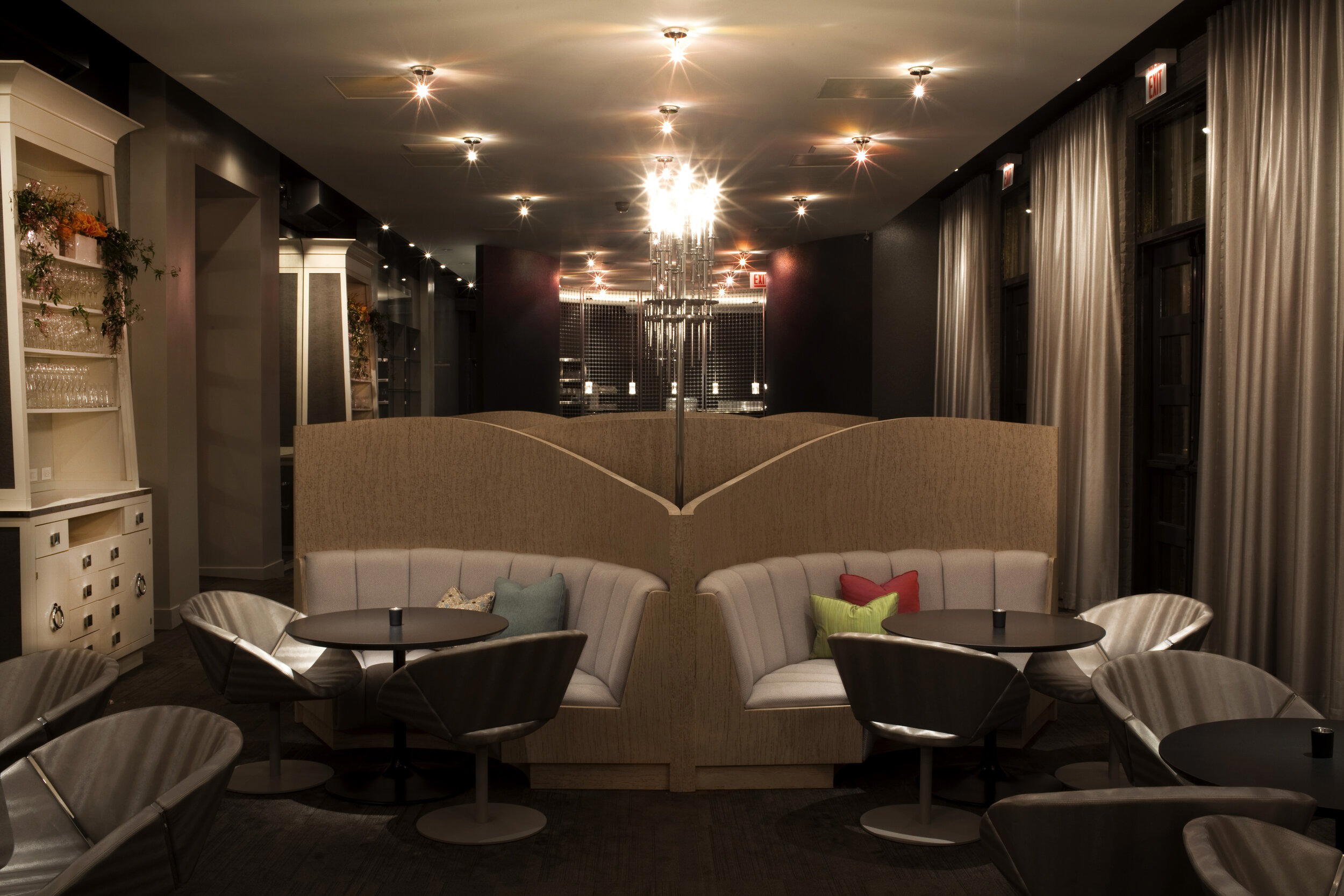
Festive and lively atmosphere with a lively, celebratory energy well-suited for sharing plates and drinks.