Cabo RVC
Cabo RVC occupies a spot on North Park Avenue in Rockville Centre, NY, where Long Island's suburban dining scene has grown increasingly attentive to sourcing and regional ingredients. The restaurant sits within a walkable village core shared by a range of local independents, making it a reference point for the neighbourhood's current dining character.
 Discover on Pearl
Pearl is the En Primeur Club membership app — saves, bookings, and concierge access live there. Same editors, same standards.
- Address
- 3A N Park Ave, Rockville Centre, NY 11570
- Phone
- +15162550065
- Website
- caborvc.net
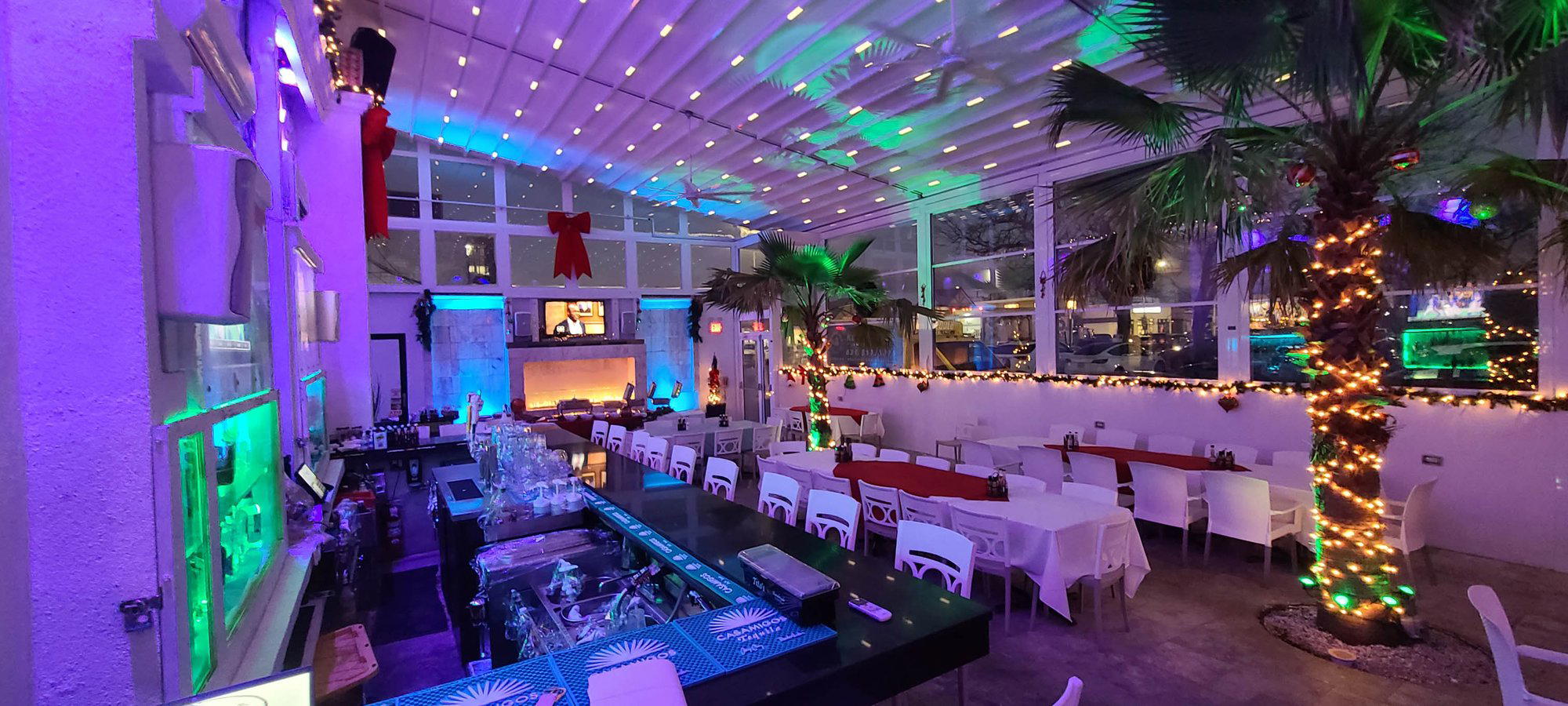
North Park Avenue and the Sourcing Question in Suburban Long Island Dining
Rockville Centre's dining strip along North Park Avenue has, over the past decade, tracked a shift visible across American suburban villages: the move from chain-dependent eating toward independently operated restaurants that treat ingredient provenance as a genuine differentiator. Cabo RVC sits at 3A N Park Ave within that evolving context, part of a block-level concentration of local independents that includes Dario's, Dodici, and Red Crab Juicy Seafood. The broader Rockville Centre restaurants guide maps this shift across the village's full dining picture.
The physical approach along North Park Avenue sets expectations clearly. The street operates at a human scale, with storefronts that open directly onto the pavement, a village rhythm that slows foot traffic rather than dispersing it. In that kind of environment, a restaurant's character registers before you cross the threshold: signage, window presentation, and the sound profile of a dining room at service all function as advance information. Cabo RVC's address places it within this pedestrian-first commercial spine, where proximity to the Long Island Rail Road's Rockville Centre station means the dinner crowd draws from both local residents and commuters arriving from Manhattan.
Where Suburban Sourcing Meets Coastal Proximity
The sourcing argument for Long Island restaurants rests on a geographic fact that the region's better kitchens have learned to use deliberately. Long Island sits within reach of some of the most productive coastal fishing grounds on the eastern seaboard, with Montauk and the South Fork producing fluke, striped bass, and shellfish that move through the supply chain faster than most inland American cities can access. The North Fork's agricultural output, meanwhile, covers produce, heritage grains, and a wine appellation that has matured into a credible alternative to generic commercial sourcing.
That combination, coastal protein and agricultural hinterland within a single island geography, is what separates the leading sourcing-conscious restaurants in Nassau and Suffolk counties from their counterparts in, say, the Chicago suburbs, where kitchens like Smyth in Chicago have to work considerably harder to build the same kind of tight producer relationships. In Rockville Centre specifically, a kitchen positioned to work that supply chain directly can bring seafood to the table at a freshness point that distinguishes it from the broader suburban average.
The farm-to-table framework has become almost reflexively used in American restaurant marketing, but its substance varies enormously. At the higher end of the sourcing spectrum nationally, restaurants like Blue Hill at Stone Barns in Tarrytown and Single Thread Farm in Healdsburg have made producer relationships the structural foundation of their menus, not a marketing footnote. The French Laundry in Napa operates its own on-site gardens. Those commitments require capital, staffing, and supply chain infrastructure that differs in kind, not just degree, from a village restaurant in Nassau County. What matters for a restaurant like Cabo RVC is whether sourcing functions as a menu driver.
The comparable set on North Park Avenue
Within Rockville Centre, the relevant competitive comparison is not with destination-dining institutions but with the block-level independents sharing the same walkable catchment area. The village's dining identity has consolidated around a cluster of owner-operated spots, each staking out a distinct position by cuisine type or price tier. This kind of neighbourhood clustering creates a de facto dining district, where repeat visits are built on variety across venues rather than loyalty to a single kitchen.
That model rewards restaurants with a clear identity. The strongest suburban independents in American dining have typically succeeded by committing to a specific cuisine tradition or sourcing philosophy and executing it with discipline, rather than attempting a broad menu designed to capture every local preference. Nationally, the sourcing-led approach has produced some of the most critically recognised restaurants of the past two decades: Lazy Bear in San Francisco, Providence in Los Angeles, Addison in San Diego, and Le Bernardin in New York City each built their reputations in part on knowing exactly where their primary ingredients came from and building menus around that knowledge. The underlying logic applies at every tier.
Outside New York, the sourcing-focused independent restaurant has also found traction in places like Frasca Food and Wine in Boulder, The Wolf's Tailor in Denver, and Emeril's in New Orleans, suggesting that the format's durability is not geography-dependent. Closer to home in the New York metropolitan context, Atomix in New York City demonstrates how tightly curated sourcing can anchor a full dining program at the highest recognition level. At the other end of the scale in terms of format and geography, Atelier Moessmer Norbert Niederkofler in Brunico has made alpine regional sourcing the singular organising principle of its menu. These comparisons serve less as benchmarks than as illustrations of the broader trend Cabo RVC operates within.
Planning Your Visit
Rockville Centre is served directly by the Long Island Rail Road on the Long Beach branch, placing the village roughly 35 to 40 minutes from Penn Station in Manhattan. North Park Avenue is within a short walk of the station, making the village accessible for an evening out without requiring a car. Walk-in availability can be tighter on weekend evenings, so a reservation is recommended. The address at 3A N Park Ave anchors Cabo RVC within easy walking distance of other North Park Avenue options, meaning the block functions as a fallback if the first-choice kitchen is at capacity.
The Inn at Little Washington in Washington occupies a different world in terms of scale and recognition, but the underlying logic of a destination restaurant anchoring a small-town main street is one that Rockville Centre's dining strip approximates at its own tier. What the village block offers is a version of that experience calibrated to a working commuter suburb.
In Context: Similar Options
Comparable venues nearby, for context on price, style, and recognition.
| Venue | Cuisine | Price | Awards | Notes |
|---|---|---|---|---|
| Cabo RVCThis venue — the venue you are viewing | Modern Mexican Taqueria | $$ | , | |
| Dario's | Classic Italian | $$$ | , | Rockville Centre |
| Red Crab Juicy Seafood | Cajun Seafood Boil | $$ | , | Rockville Centre |
| Dodici | Authentic Italian Trattoria | $$$ | , | Rockville Centre |
| Mesa Coyoacan | Authentic Mexican | $$ | , | East Williamsburg |
| Unnamed Mexico City taco counter | Michelin-Starred Mexico City Taqueria | $$ | , | Flatiron |
Continue exploring
More in Rockville Centre
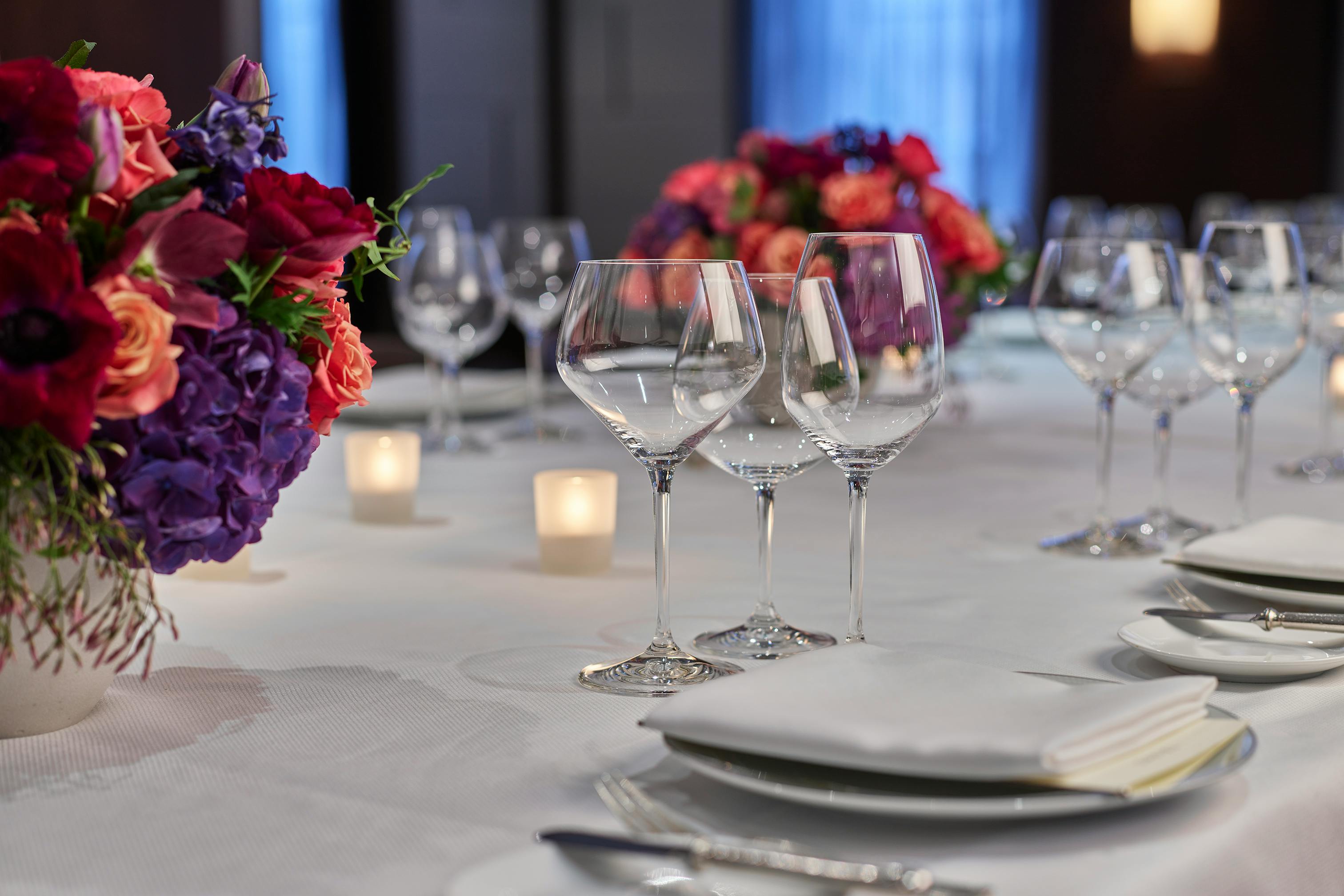
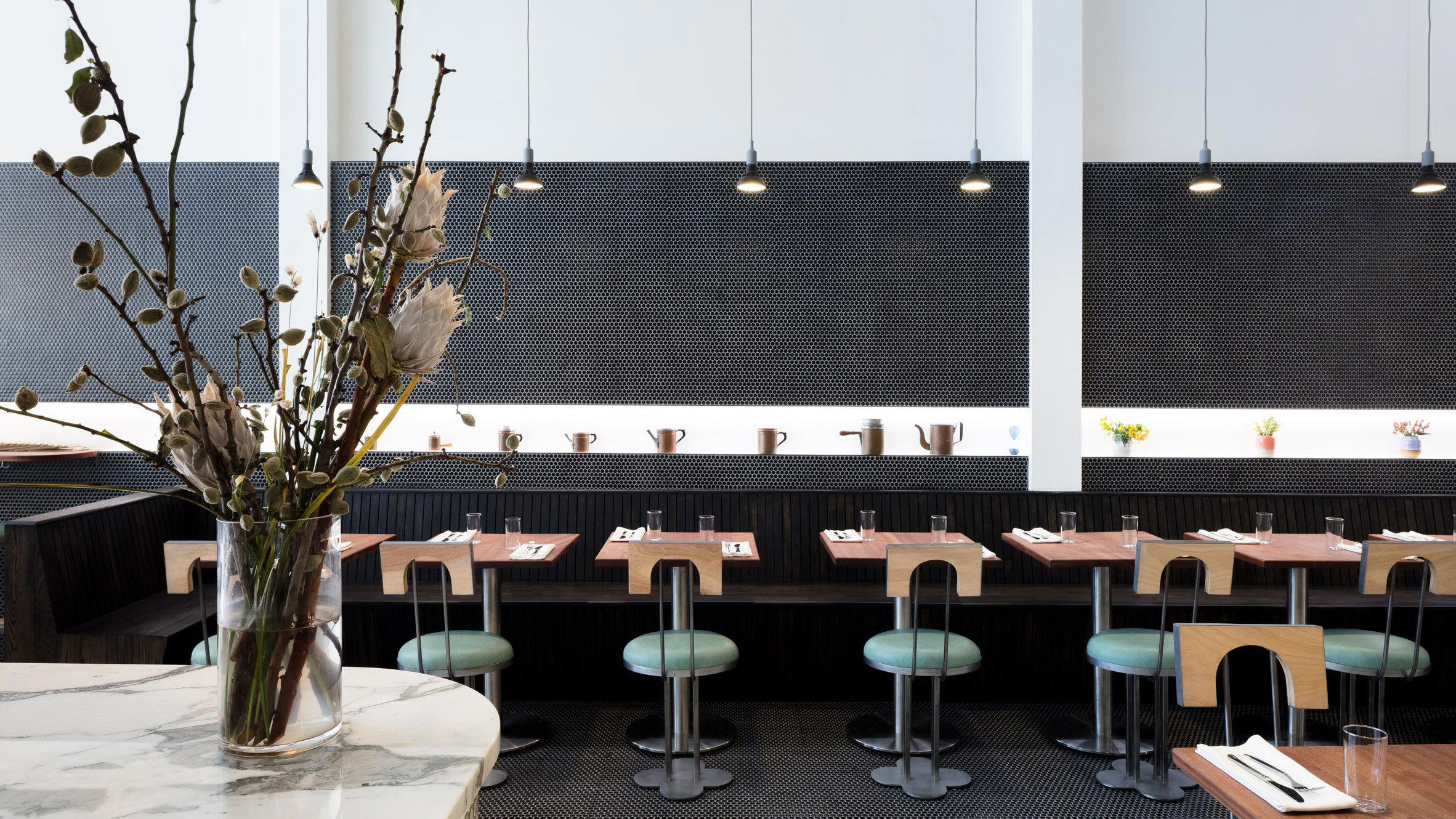
Restaurants in Rockville Centre
Browse all →
Bars in Rockville Centre
Browse all →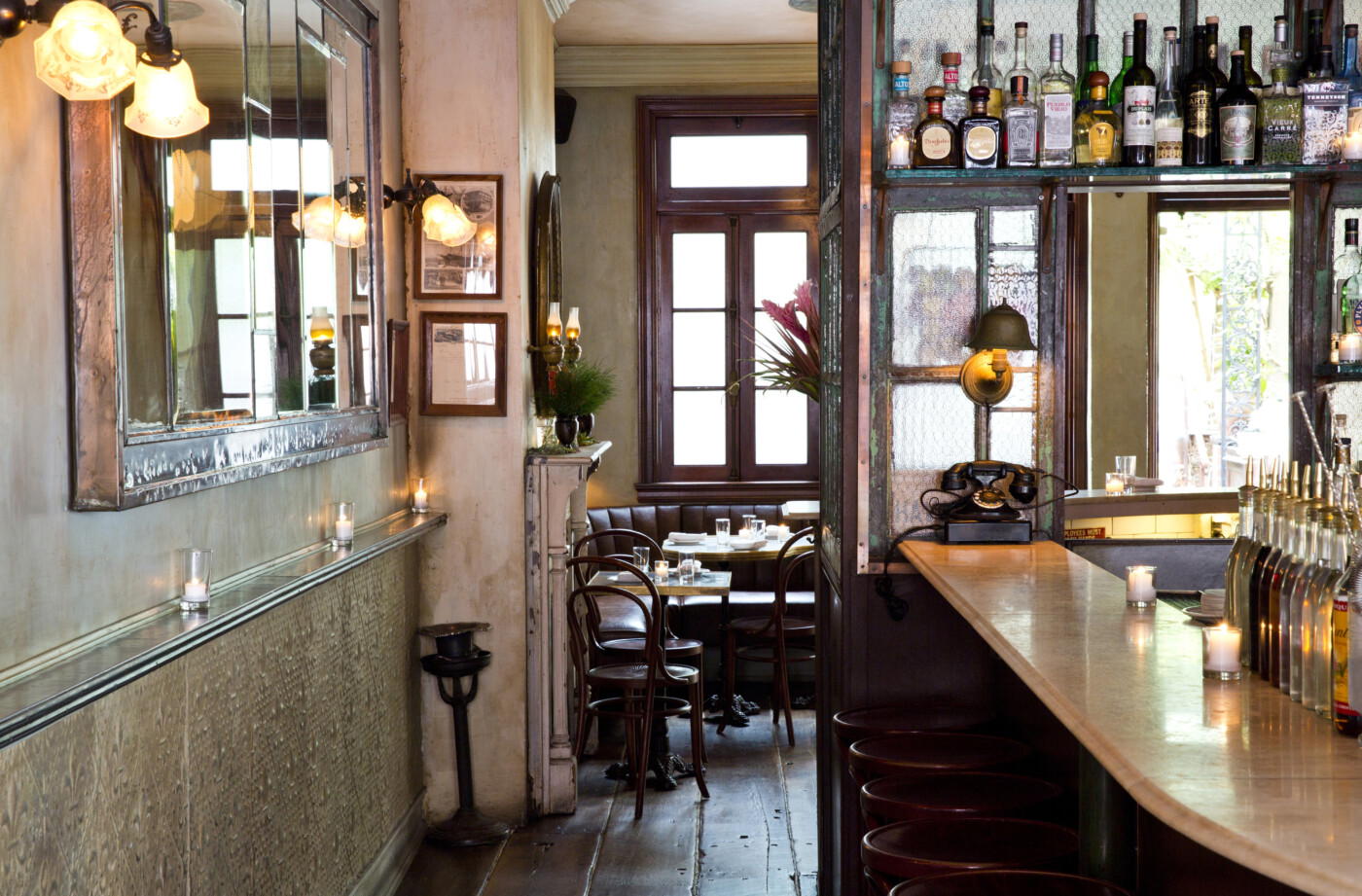
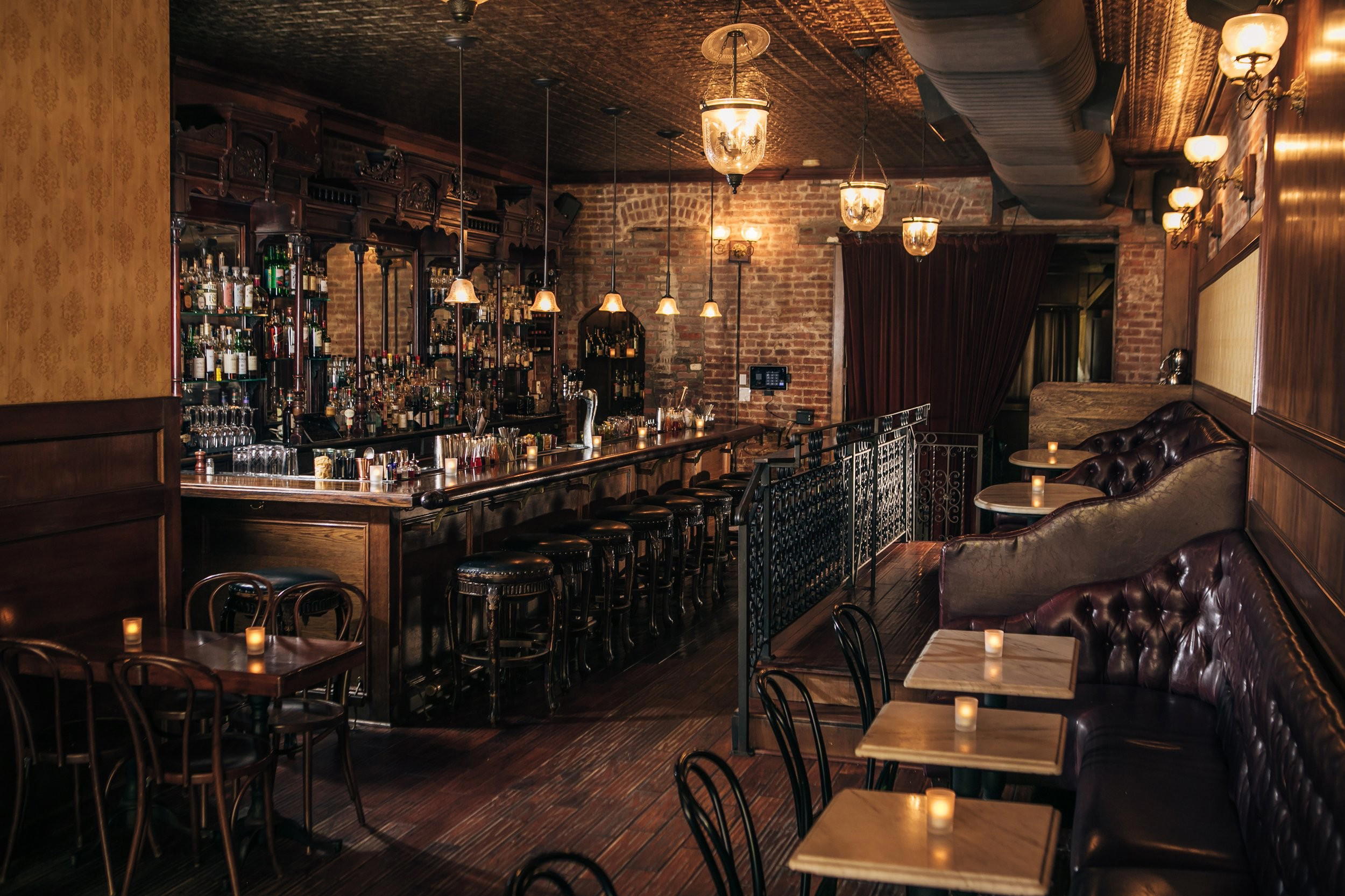
Hotels in Rockville Centre
Browse all →


At a Glance
- Lively
- Energetic
- Trendy
- Group Dining
- Late Night
- Casual Hangout
- Craft Cocktails
- Local Sourcing
Colorful, vibrant atmosphere with high-energy music and lively nightlife scene.