Cabane Mont Fort
Our verdict
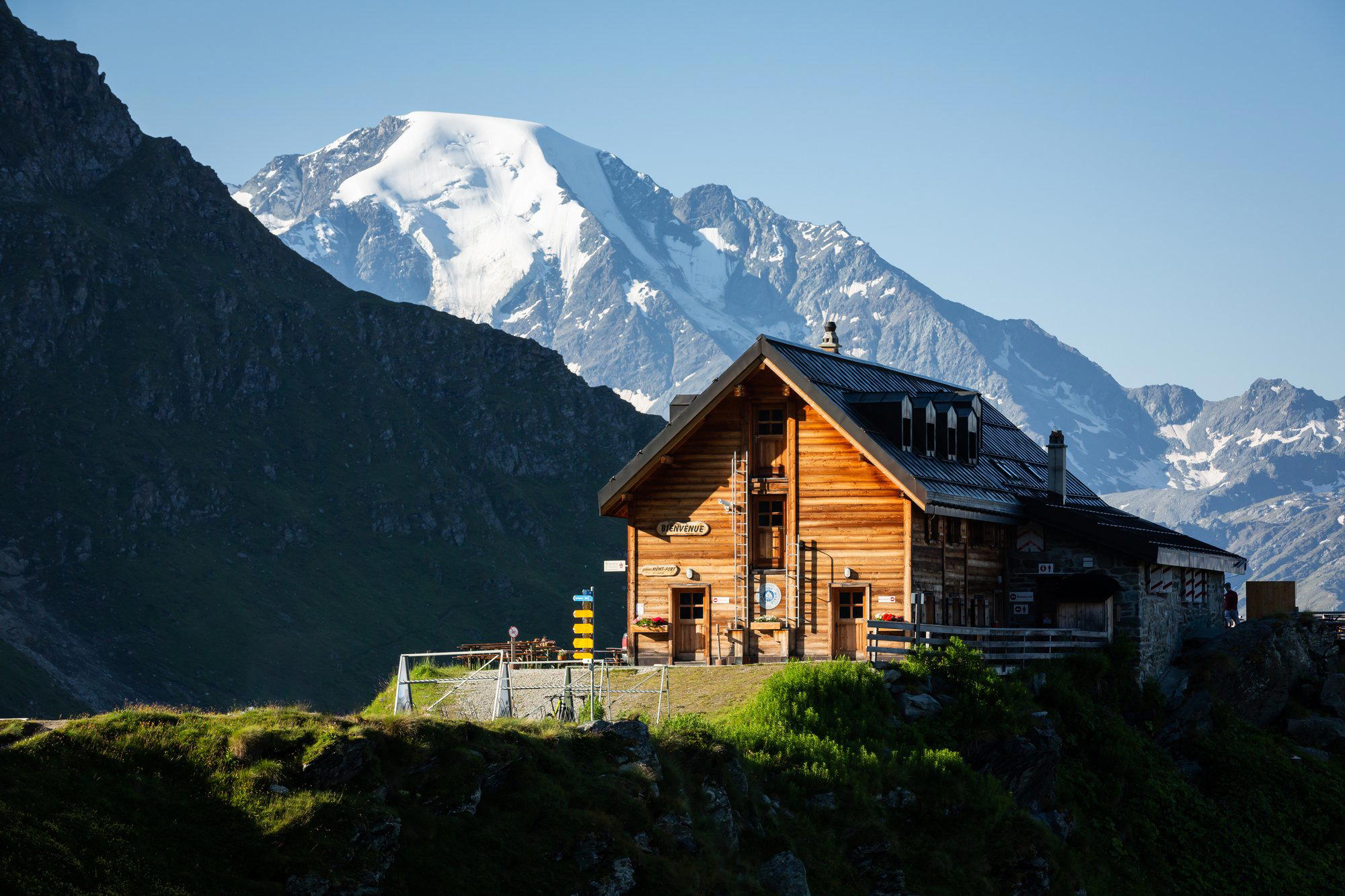
Cabane Mont Fort sits at altitude in the Bagnes valley of Valais, where the sourcing logic of Swiss alpine huts shapes every plate. This is mountain refuge dining at its most direct: ingredients dictated by elevation, season, and proximity. Visitors making the approach to Tortin find a kitchen that answers to the terrain rather than to any urban dining trend.

Pearl is the En Primeur Club membership app — saves, bookings, and concierge access live there. Same editors, same standards.
Where the Mountain Writes the Menu
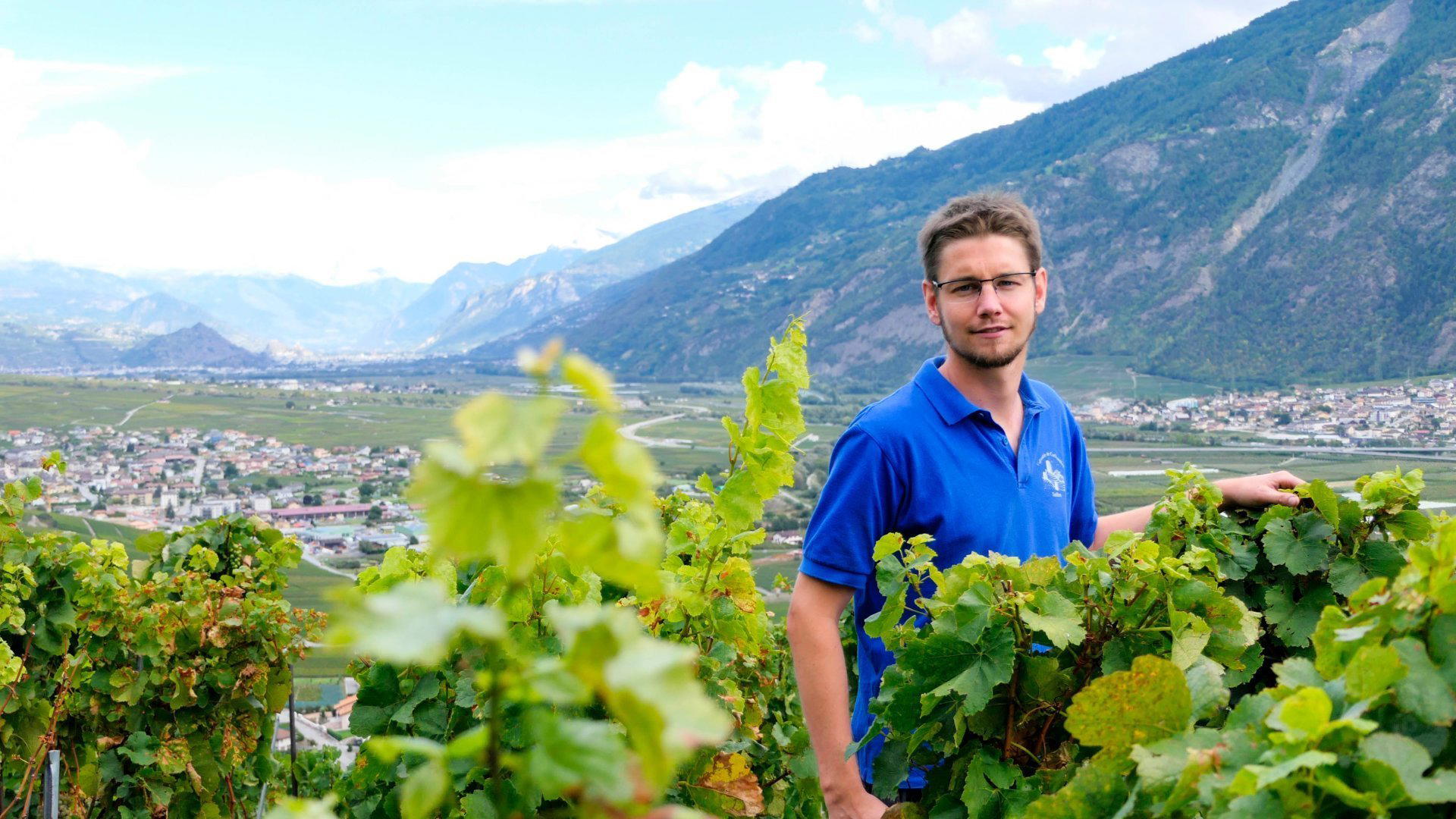
At altitude in the Bagnes valley, above the village of Sarreyer in Valais canton, the conditions that define alpine hut cooking are not aesthetic choices — they are practical ones. The approach to Tortin strips away the conveniences that lowland kitchens take for granted: reliable delivery windows, extended cold chains, supplier variety. What remains is a sourcing logic that has governed Swiss mountain refuges for generations, and Cabane Mont Fort operates inside that tradition. The terrain, the season, and what can realistically be brought up or grown nearby determine what reaches the table. That constraint, far from limiting the kitchen, gives the food its character.
Swiss alpine cabanes occupy a distinct culinary category. They are not restaurants that happen to have a view; they are functional mountain shelters where hospitality and necessity have coexisted long enough to produce a coherent cuisine. Raclette, rösti, air-dried meats, hard cheeses aged to travel and keep — these are not dishes invented for tourism. They evolved from the realities of transhumance and high-altitude provisioning, and the leading cabanes in the Swiss Alps treat them as the foundation rather than the fallback. For the broader Valais dining scene, where the valley floor holds serious restaurant ambitions, venues comparable in culinary intent to Memories in Bad Ragaz or the precision-driven work at focus ATELIER in Vitznau, the cabane tradition represents something different: an older, plainer, and arguably more honest form of Swiss cooking.
Ingredient Logic at Elevation
The sourcing geography of a Valais mountain hut is tightly bounded. Valais itself is Switzerland's largest canton by area and one of its most agriculturally distinct: the dry, south-facing slopes of the Rhône valley produce some of the country's most characterful raw materials, from Raclette du Valais AOP, a protected designation tied specifically to this region, to air-cured Viande séchée du Valais, also carrying AOP status. These are not generic alpine products. They carry legal provenance, and in a cabane context, they arrive with minimal transformation. The cheese is melted, the meat is sliced. The cooking does not obscure the ingredient; it presents it.
At the altitude of the Mont Fort area, above 2,000 metres, fresh produce availability compresses into a short seasonal window. Late June through September represents the main operating period for most cabanes at this elevation, with winter access dependent on the ski season and lift infrastructure. This seasonality is not a marketing point, it is a structural fact that shapes every purchasing decision. A kitchen that can only receive deliveries when conditions allow will, by necessity, build its larder around preserved, fermented, dried, and aged products. Valais happens to have a centuries-old tradition of exactly these preservation techniques, which is why the regional pantry maps so cleanly onto the constraints of altitude cooking.
While Schloss Schauenstein in Fürstenau builds its identity around hyper-local garden-to-table sourcing on a three-Michelin-star platform, and Magdalena in Schwyz frames alpine-vegetarian cooking through a contemporary fine-dining lens, the mountain refuge operates without that institutional framework. Its claim to provenance is older and less articulated but no less real.
The Approach and the Setting
Getting to Tortin requires either a significant physical commitment on foot or the use of lift systems accessible from Verbier and the Four Valleys ski area. The Bagnes commune, which encompasses both Sarreyer and the higher terrain around Mont Fort, is most easily approached from Verbier, one of the anchor resorts of one of Europe's largest interconnected ski domains. In winter, the Mont Fort peak area is accessible via the Jumbo cable car from Lac des Vaux; in summer, hiking routes open from lower trailheads. Either way, the journey precedes the meal, which is, of course, part of the point.
The physical approach to a Swiss mountain cabane is inseparable from the experience of eating there. Arriving cold, or tired, or both, calibrates appetite and appreciation in a way that no urban dining room can manufacture. This is not a romantic abstraction; it is a documented feature of high-altitude hospitality that operators have understood for a long time. Visitors who plan their approach to Cabane Mont Fort as a destination in itself, rather than a convenience stop, tend to find the meal considerably more rewarding. For those combining mountain dining with broader Swiss travel, the contrast with Valais valley dining or the more formal registers of restaurants like Cheval Blanc by Peter Knogl in Basel or Hotel de Ville Crissier in Crissier sharpens the appreciation for what the cabane tradition actually offers.
Planning Your Visit
As with most Swiss mountain refuges at this altitude, the standard approach is to contact the hut directly for overnight reservation enquiries, particularly during peak summer hiking season when bed space is limited. Day visitors during operating hours can typically eat without advance booking, though this varies by season and occupancy. The winter ski season and summer hiking season represent the two primary access windows; shoulder-period closures for maintenance and weather are common across cabanes in this elevation band. For the most current operational details, checking with the Verbier tourist office or the Bagnes commune is the most reliable approach.
Sarreyer itself is a small agricultural village in the lower Bagnes valley, and our full Sarreyer restaurants guide covers the broader dining options in the area. Visitors exploring the wider Valais and Swiss alpine dining scene will also find points of comparison in venues like La Table du Valrose in Rougemont and Da Vittorio in St. Moritz, both of which operate at the intersection of alpine setting and refined kitchen ambition. For something closer in spirit to the cabane register, honest, seasonal, and terrain-driven, Mammertsberg in Freidorf and Taverne zum Schäfli in Wigoltingen offer instructive contrasts from elsewhere in Switzerland. The range of Swiss approaches to local sourcing also extends well beyond Europe: the sourcing philosophy driving kitchens like Lazy Bear in San Francisco or the seafood provenance discipline at Le Bernardin in New York City shows how the logic of ingredient-first cooking plays out across entirely different culinary traditions. Additional Swiss reference points include Maison Wenger in Le Noirmont, Einstein Gourmet in Sankt Gallen, The Japanese Restaurant in Andermatt, Skin's in Lenzburg, and La Brezza in Ascona.
Frequently asked questions
Is Cabane Mont Fort child-friendly?
Alpine huts in the Tortin area above Bagnes are generally accustomed to families arriving via the Four Valleys lift network, and the informal, self-service style of Swiss mountain huts suits children well. Expect communal seating and straightforward, hearty food rather than a formal dining environment. Confirm current arrangements directly before visiting, as seasonal operations can affect capacity and service style.
What's the vibe at Cabane Mont Fort?
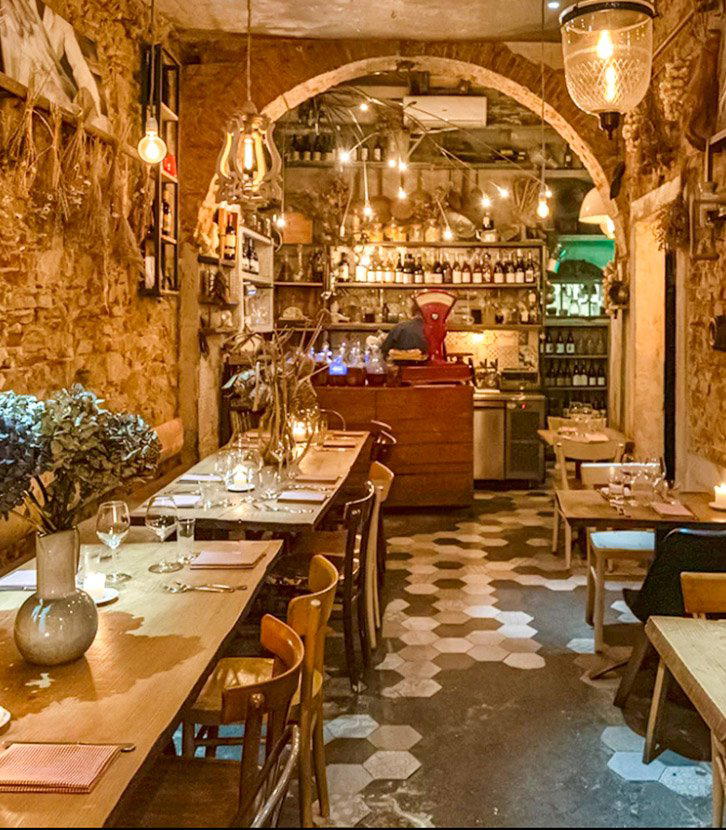
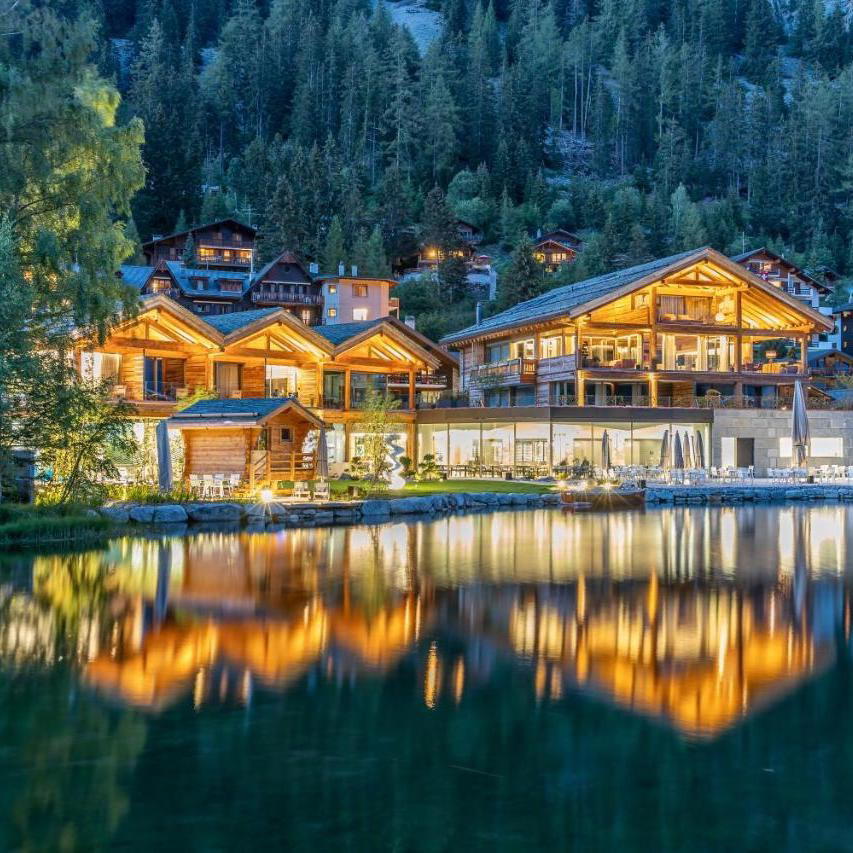
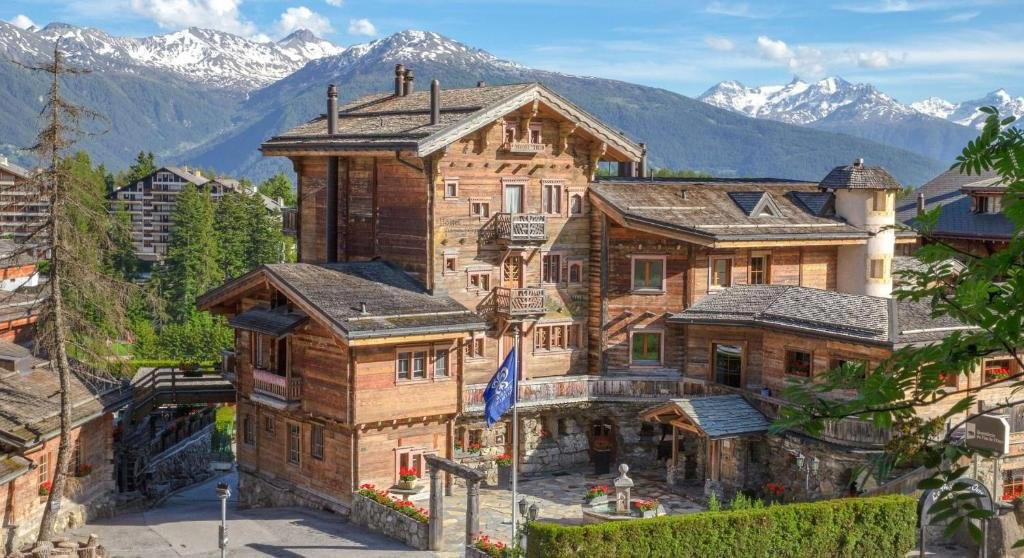
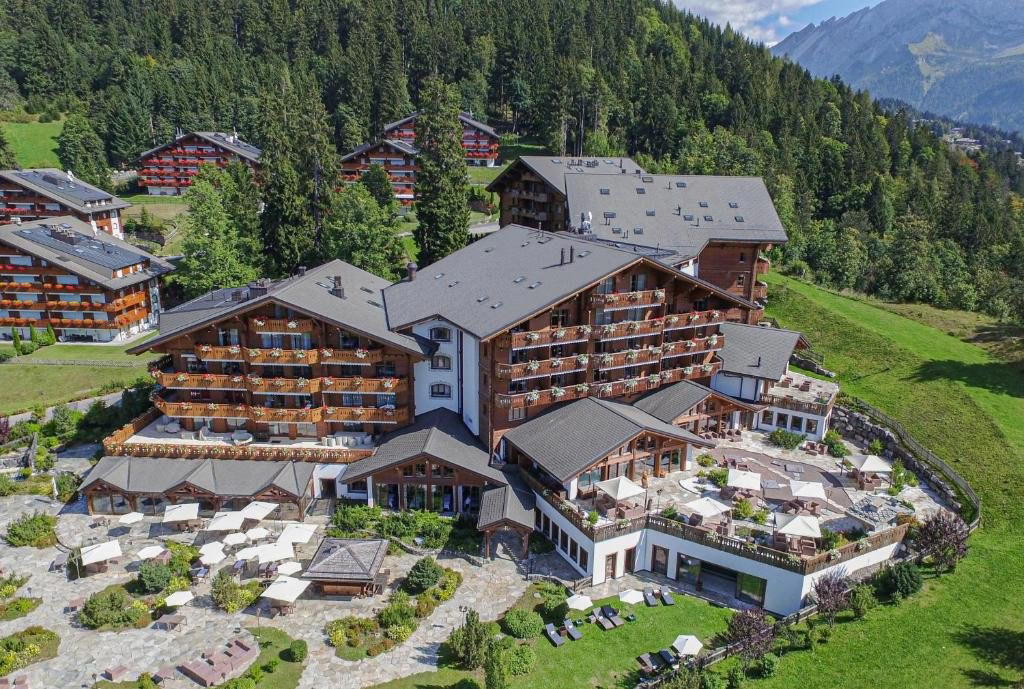
The atmosphere is functional and weathered in the way that serious mountain infrastructure tends to be: the setting above Sarreyer in Valais canton dictates the terms, not a design brief. Hikers, ski tourers, and lift-connected visitors from Verbier share benches, and conversation tends to be practical. This is a working refuge first, a dining destination second.
How do you reach Cabane Mont Fort from Verbier in winter?
Cabane Mont Fort at Tortin sits within the Four Valleys ski area, placing it accessible via the lift network that connects Verbier to Nendaz, Veysonnaz, and Thyon. The address at Tortin, 1948 Bagnes, positions it in the upper Bagnes valley corridor, reachable on skis from multiple connected sectors. In summer, the approach shifts to a hiking commitment; lift access depends on seasonal cable car operation, which varies by year.
What do people recommend at Cabane Mont Fort?
Swiss alpine huts at this elevation in Valais typically anchor their menus around rösti, raclette, or cheese-based dishes sourced from the canton's agricultural base, one of Switzerland's most productive for dairy.
Where is Cabane Mont Fort in Sarreyer?
Cabane Mont Fort is located at Tortin, 1948 Bagnes, Switzerland, Sarreyer.
Should I book Cabane Mont Fort in advance?
For overnight stays, advance reservation is standard practice at Swiss alpine huts, particularly during summer hiking season and peak winter periods around the Verbier and Four Valleys resorts. For lunch stops, demand is heavily weather- and conditions-dependent.
What's the signature at Cabane Mont Fort?
The setting itself functions as the defining element: Tortin sits within one of the most geographically constrained agricultural zones in Switzerland, and Valais canton's cheese and dairy traditions shape what ends up on the table at altitude.
| Venue | Cuisine | Price | Awards | Notes |
|---|---|---|---|---|
| Cabane Mont FortThis venue — the venue you are viewing | Swiss Mountain Cabin | $20–30 | Not listed | Not listed |
| Schloss Schauenstein | Creative Swiss Country Fine Dining | $300–500 | 3 Michelin Stars · World's 50 Best #52 | Modern European, Creative |
| Memories | Modern Swiss Alpine Cuisine | $300–500 | 3 Michelin Stars · La Liste Top Restaurants | Modern Swiss |
| focus ATELIER | Modern French Fine Dining | $200–300 | 2 Michelin Stars · La Liste Top Restaurants | Modern Swiss, Creative |
| Taverne zum Schäfli | Classic French Fine Dining with Creative Accents | $200–300 | 2 Michelin Stars · La Liste Top Restaurants | Swiss, Creative |
| Magdalena | Modern Vegetarian Fine Dining | $200–300 | 2 Michelin Stars · La Liste Top Restaurants | Alpine-Vegetarian, Modern Cuisine |
Continue exploring
More in Sarreyer
Restaurants in Sarreyer
All restaurants in Sarreyer →
Bars in Sarreyer
Browse all →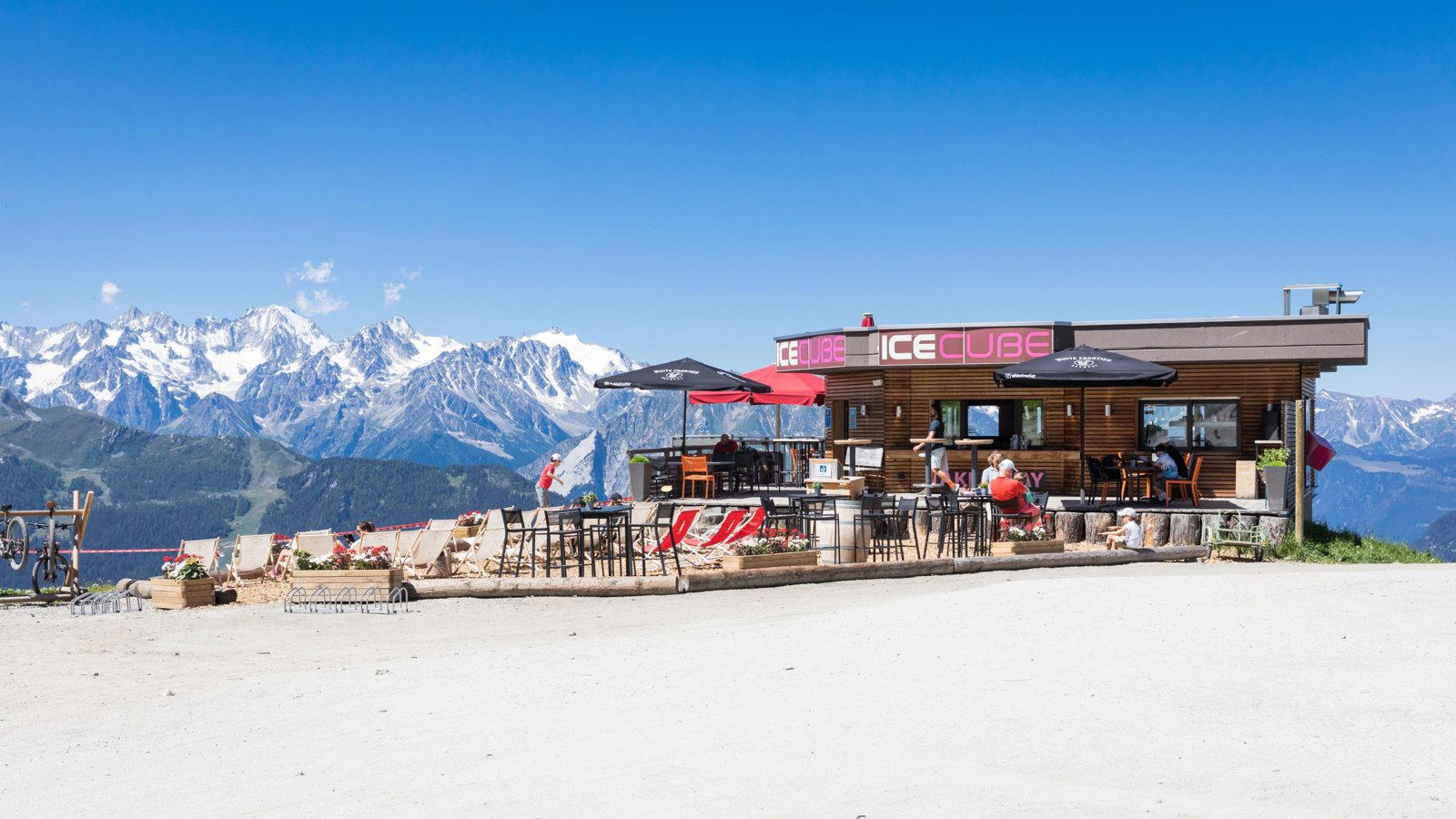

Details
- Rustic
- Cozy
- Scenic
- Casual Hangout
- Historic Building
- Mountain
- A La Carte
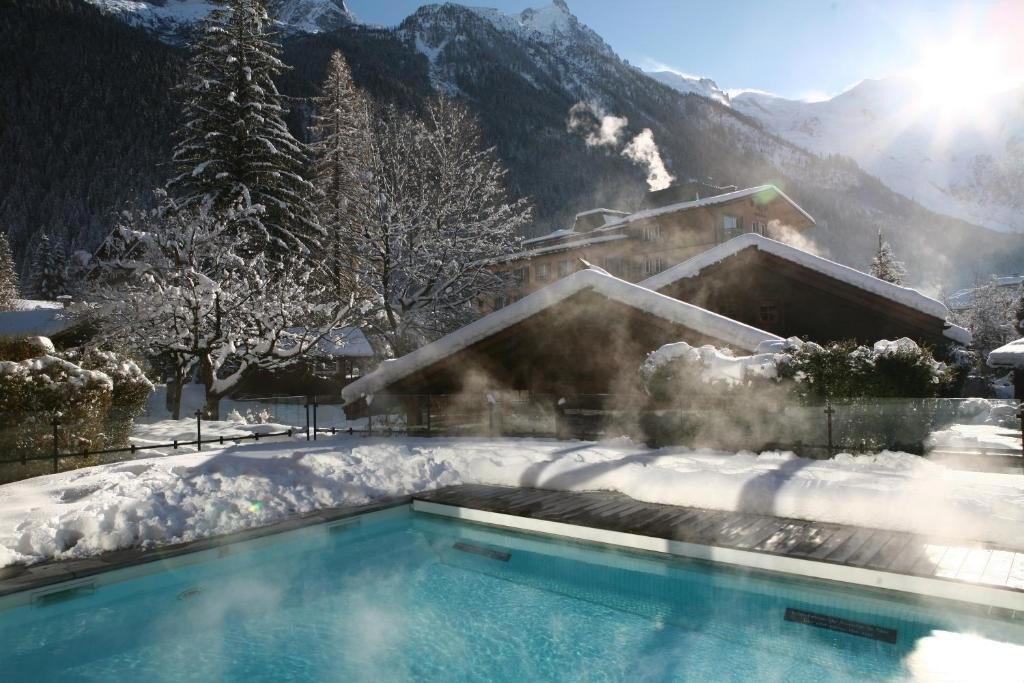
Traditional alpine atmosphere in a rustic hut with welcoming warmth around the house.