Cave Alain Emery

Falstaff Winery - Listed
Cave Alain Emery gives Aigle wine a compact, grounded reading: Chasselas-led vineyards, a family estate dating to 1883, and tastings that move between cellar, terrace, vines and alpine formats. The interest here is not spectacle for its own sake, but how a small Chablais producer turns place, history and visitor access into a coherent wine experience.

Pearl is the En Primeur Club membership app — saves, bookings, and concierge access live there. Same editors, same standards.
- Address
- Aigle, Chablais Vaudois, Canton of Vaud, Schweiz
- Directions
- Get directions
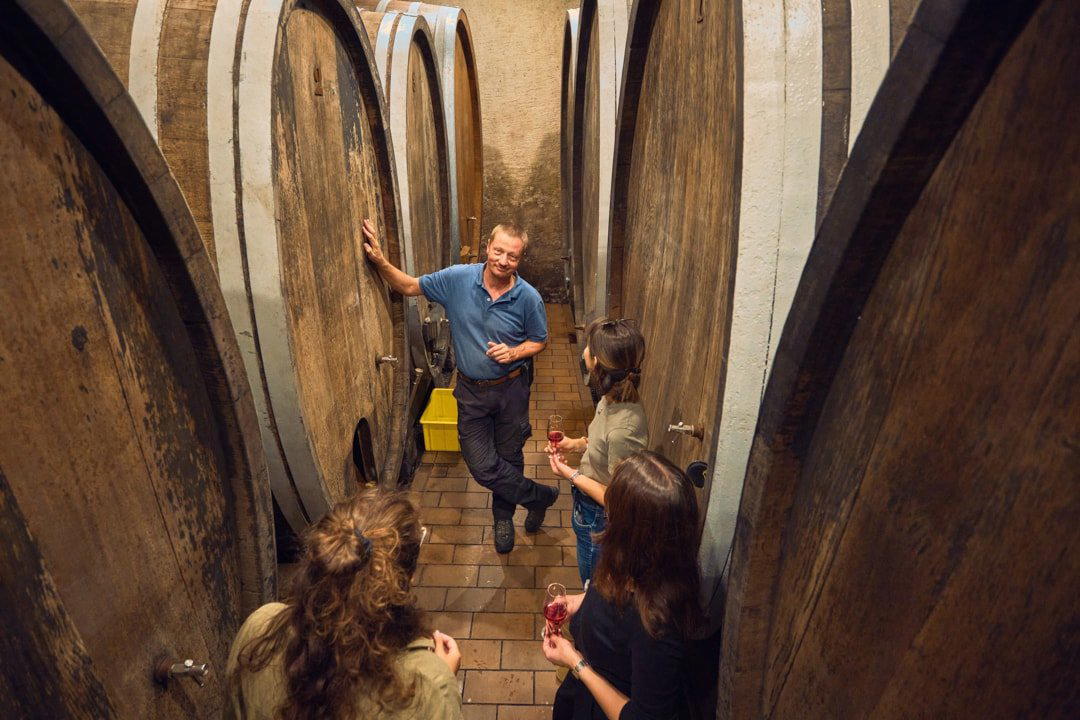
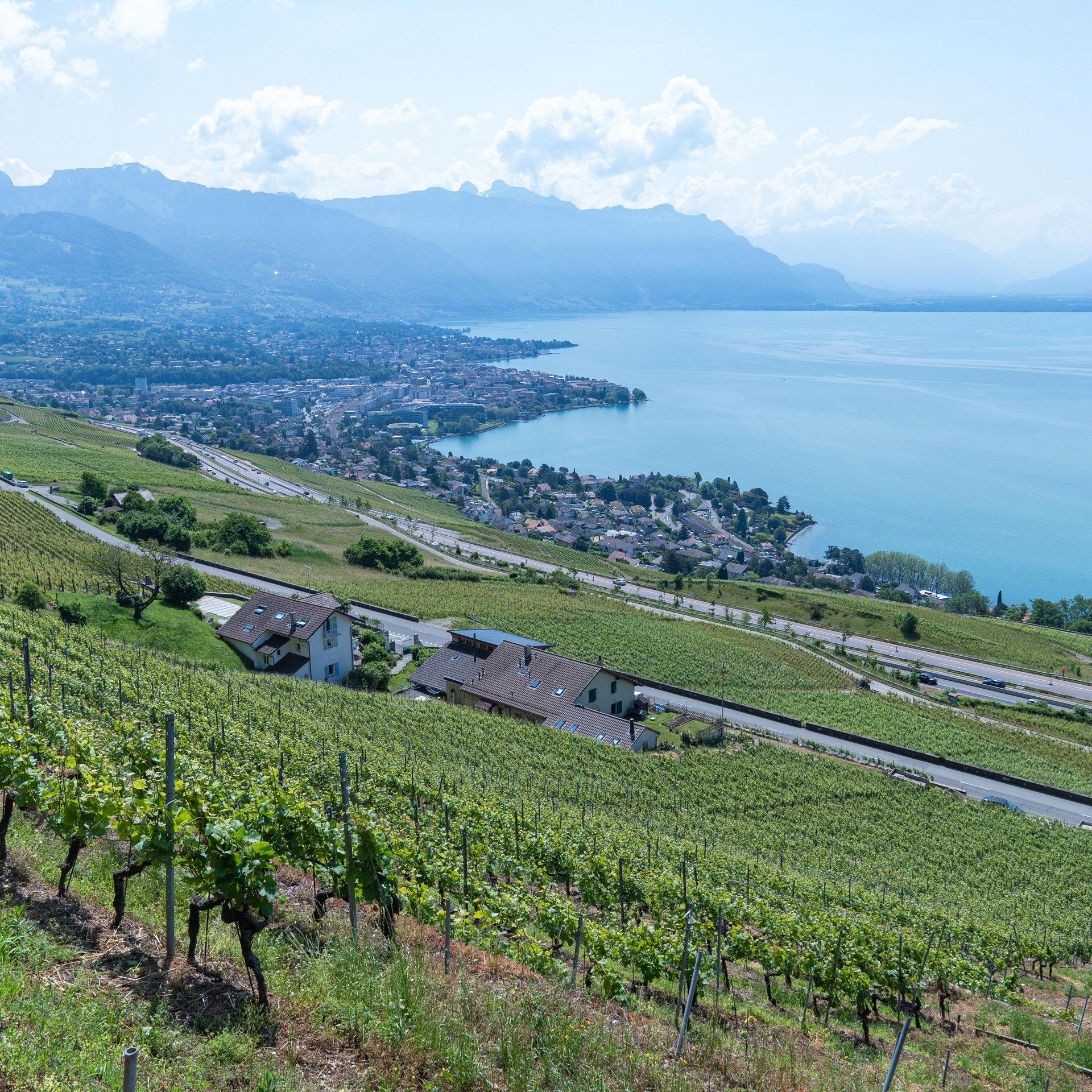
Approaching wine in Aigle means reading the Alps as much as the glass. The town sits in Vaud’s Chablais, where vines run close to Château d’Aigle and the Dents-du-Midi sharpen the horizon. Here, Cave Alain Emery fits the intimate Swiss cellar tradition: family scale, local grapes, and hospitality that treats the vineyard as part of the tasting room, not scenery beyond the window.
The estate dates to 1883 and has stayed with the Emery family for five generations, a useful signal in a region where continuity matters. Aigle is not built around Bordeaux’s grand-château model; its wine culture is smaller, local, and tied to Chasselas, the white grape central to Vaud’s identity. Cave Alain Emery works roughly 5–6 hectares across around twenty plots in the Aigle, Chablais, Vaud appellation, with Chasselas joined by Pinot Noir and Gamay. That places the estate inside the region’s everyday logic: whites with local authority, reds shaped by the cooler Alpine edge, and tastings that explain terrain rather than overwhelm it.
Chasselas, Aigle and the Alpine grammar of Vaud wine
Chablais wine rewards attention to restraint. Chasselas does not shout; it translates slope, soil and cellar choices through texture, line and mineral register. At Cave Alain Emery, that conversation is anchored by a Chasselas-dominant vineyard profile, with plantings listed around 60 percent Chasselas, 20 percent Pinot Noir and 10 percent Gamay. The numbers show the estate’s centre of gravity. This is not Chasselas as a token local reference; it is the core language.
The production story adds weight without romantic inflation. Since the 1990s, the family estate has used a reasoned, nature-friendly approach focused on biodiversity and environmental care. Some Chasselas is associated with barrels more than a century old, a detail that speaks to continuity rather than luxury. In Aigle, old wood can preserve texture and tradition without turning a delicate white into an oak statement. Hand-picking and carrying grapes from the vines also reflect small Swiss-estate labour economics, where mechanised scale gives way to slope, plot size and family practice.
Alain Emery is listed as winemaker and oenologist, a credential most useful because the wines sit between inherited method and technical control. The better way to understand the estate is through Vaud’s Chasselas culture. Unlike international varieties that announce themselves through aroma, Chasselas asks for context: the meal, the terrace, the vineyard row, the castle above town, and the mountain coolness in the growing season. Cave Alain Emery gives that context a physical setting.
Tastings that keep the vineyard in the frame
Swiss wine tourism can split between cellar-door simplicity and elaborate experience. This address works both. Standard tastings and guided tours suit visitors wanting a direct portfolio introduction, while food-paired tastings and vineyard formats give the wines more shape. Named experiences include La Clé des Vignes, Apéro-Vignes and AP(AIR)O helicopter tastings on nearby glaciers. In a weaker context those formats might seem gimmicky; here they persuade because the estate’s identity is already tied to surrounding vineyards and the Alpine setting.
The portfolio covers still white, red and rosé wines, plus sparkling and dessert styles, with Chasselas, Pinot Noir and Gamay doing the principal regional work. Tastings may happen in the cellar, on the terrace or among the vines, and regional delicacies can be part of the food-pairing format. That matters for Chasselas. The grape often makes its case at the table, where salt, dairy, lake fish, cured meats or mountain cheeses can draw out its quiet structure. Local food is not an accessory; it is a more honest way to read Vaud wine.
The atmosphere is casual and conversational rather than formal. This is a small-capacity, family-run estate with a cellar, shop, terrace and outdoor options, not a choreographed luxury appointment built around ceremony. Tour languages include English, French and German, broadening access without flattening local character. For first-time visitors to Aigle, that means enough structure to learn the appellation and enough informality to avoid the stiffness that can make wine regions feel closed to non-specialists.
How to place it within an Aigle wine day
Aigle rewards a slow itinerary. The town centre location and proximity to Château d’Aigle make Cave Alain Emery easy to frame as part of a wine-focused day rather than a detached tasting stop. Its recognition as a 2019 regional winner for Innovative Wine Tourism Experiences by Great Wine Capitals is the main external trust signal, and it fits the offer: vineyard access, food pairing, terrace tasting and Alpine extensions all serve the same hospitality idea.
The editorial case is strongest for travellers who want terroir explained through format. A simple cellar tasting introduces the range; a vineyard or food-paired option better connects Chasselas to the land and local table. The estate also suits groups and special occasions when the desired mood is relaxed rather than formal. Children and dogs are not the natural audience, while wine education, romantic trips, celebrations and solo exploration fit the pace.
Travellers building a fuller cultural itinerary can also use Our full Aigle experiences guide.
Further Swiss and regional wine reading on EP Club includes Henri Badoux, Philippe Gex et Bernard Cavé, 180°Süd in Frick, A & A Weinbau in Henggart, A. & C. Chevalley in Lutry, aagne weingut in Hallau, Abbaye de Mont in Mont Sur Rolle, Adrian & Diego Mathier Nouveau Salquenen in Salgesch, »der Steiner« Hans Steiner in Podersdorf am See and & Handwein in Mannheim.
Recognition history
Dated appearances from independent guides and award organizations, with the underlying list record or original source where available.
Falstaff Winery - Listed
Falstaff
Continue exploring
More in Aigle
Wineries in Aigle
Browse all →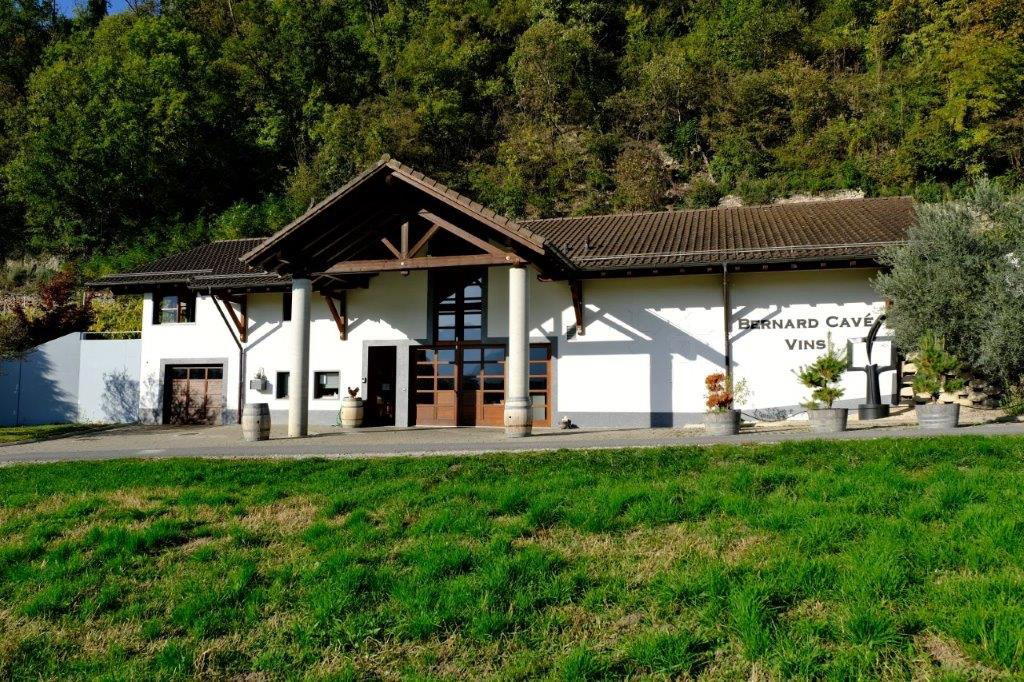

Bars in Aigle
Browse all →
Restaurants in Aigle
Browse all →
Details
- Scenic
- Classic
- Cozy
- Romantic
- Intimate
- Group Outing
- Special Occasion
- Wine Education
- Romantic Getaway
- Celebration
- Solo Exploration
- Vineyard Tour
- Terrace
- Historic Building
- Private Tasting
- Estate Grounds
- Panoramic View
- Vineyard
- Mountain
- Street Scene
- Chasselas
- Pinot Noir
- Gamay
- Still Red
- Still White
- Still Rosé
- Sparkling
- Dessert
- Standard Tasting
- Food Paired Tasting
- Vineyard Tasting
- Helicopter/glacier Tasting
- Guided Tour
- English
- French
- German
Family-run historic Swiss winery near Château d’Aigle, with a warm, welcoming atmosphere focused on emotion, tradition, and relaxed tastings often paired with regional delicacies in the cellar, on the terrace, or directly in the vineyards.