Butchertown Hall
Our verdict
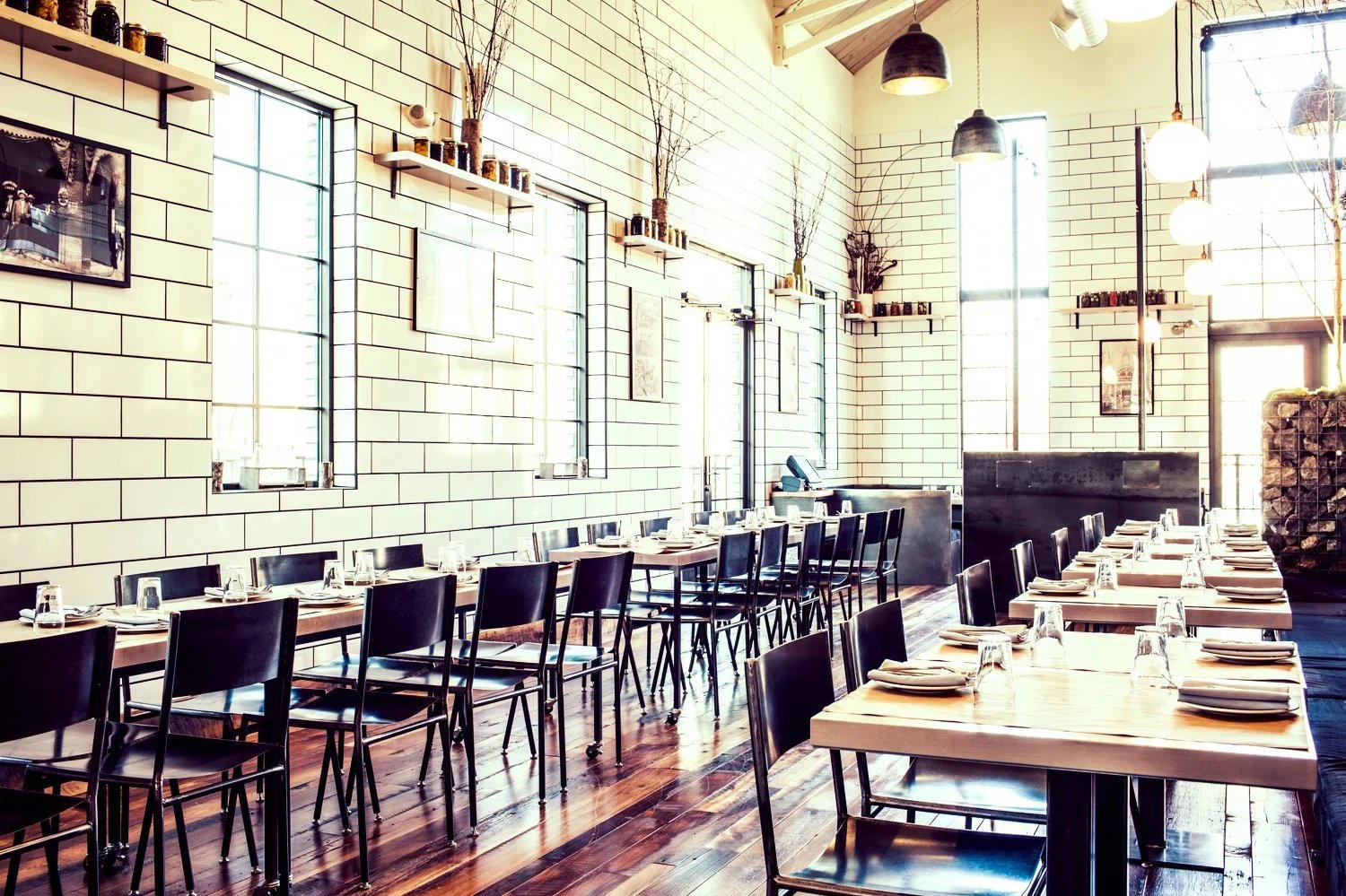
"Butchertown Hall, Germantown by redpepper. Part beer garden, part Tex-Mex grill, all eye candy. Its name an homage to Germantown’s past as home of Nashville’s butchers, this cathedral-style beauty of a building serves up some mean meats. Their smoked turkey sandwich is a lunchtime favorite. Their house-ground double brisket burger is perfection. And they don’t stop there. They grill, ash and smoke everything from pork carnitas to oysters and house-made knackwurst. Wash it all down with a creative cocktail or one of over 30 freshly-tapped brews. Be sure to ask how much wood they burn in a day."

Pearl is the En Primeur Club membership app — saves, bookings, and concierge access live there. Same editors, same standards.
- Address
- 1416 4th Ave N, Nashville, TN 37208
- Phone
- (615) 454-3634
- Hours
- Mon–Thu 4–9 PMFri 11 AM–10 PMSat 10 AM–10 PMSun 10 AM–8 PM
- Website
- butchertownhall.com
- Directions
- Get directions
- Booking
- Book on Resy
The menu
What to order
- Oak Smoked Brisket
- Butchertown Queso
- Wood-Fired Steaks
Germantown's Meat-and-Fire Tradition
The stretch of Fourth Avenue North that anchors Nashville's Germantown neighborhood has been associated with butchery, trade, and working-class eating for well over a century. The area's 19th-century German immigrant community built a food culture around cured meats, communal drinking, and the kind of cooking that rewards patience rather than precision. Butchertown Hall sits directly inside that lineage, occupying a building at 1416 4th Ave N that reads as both warehouse and hall in the civic sense: high ceilings, raw materials, the sense that the space has been used for something serious before you arrived.
Nashville's dining growth over the past decade has split along a predictable axis. On one side, tasting-menu rooms like Bastion and The Catbird Seat have pushed the city into a conversation with fine-dining programs at places like Smyth in Chicago and Lazy Bear in San Francisco. On the other, a smaller cohort of restaurants has doubled down on the regional vernacular: smoke, pork, wood fire, and the German-Texan-Southern overlap that defines much of Middle Tennessee's culinary identity. Butchertown Hall occupies the second lane firmly, and does so without apology.
The Cooking: Fire, Smoke, and the German-Southern Crossover
Butchertown Hall's kitchen operates around a wood-fired and smoked format that draws simultaneously from Texas barbecue tradition, German beer-hall cooking, and Southern American technique. That combination is less unusual in Nashville than it might appear elsewhere. Middle Tennessee's food history reflects waves of German settlement, proximity to Texas cattle culture, and the deep Appalachian and lowland Southern traditions that gave the region its pantry. The result is a cooking style that can justify both smoked meats and sausages with proper German lineage alongside Southern sides and communal formats.
The beer-hall model itself is worth understanding as a culinary structure, not just an aesthetic one. In its original Central European form, the beer hall organized eating around communal tables, large-format proteins, and beverages consumed at volume. That format traveled to the American Midwest and South with 19th-century immigration and mutated across generations. What Butchertown Hall does is present a Nashville-specific interpretation: the communal energy and large-protein focus remain, but the smoke and the Southern pantry recalibrate the register. Compared to Peninsula or 12 South Taproom and Grill, which sit in a more straightforwardly American casual register, Butchertown Hall's hybrid cultural reference is its point of difference.
Among Nashville's broader roster, the venue reads comparably to Locust in one specific sense: both are restaurants where format and conceptual clarity matter as much as individual dish execution. Locust's progressive lens and Butchertown Hall's fire-and-hall model are different instruments, but both depend on the diner understanding the terms of engagement before the food arrives.
Germantown as Context
Germantown has undergone significant commercial development since approximately 2012, converting industrial buildings along Fourth and Fifth Avenues into restaurants, bars, and boutique retail. The neighborhood now functions as one of Nashville's higher-density dining corridors, sitting directly north of the Bicentennial Capitol Mall State Park and within walking distance of the Tennessee State Museum. The area draws both local regulars and visitors staying downtown, which means restaurants here tend to build menus that can absorb both a neighborhood dinner and a tourist's first Nashville meal.
That dual audience shapes what a venue like Butchertown Hall needs to deliver: enough local specificity to retain credibility with the Germantown crowd, enough accessibility in format and concept to work for someone arriving from out of state. The beer-hall-plus-Southern-smoke formula solves for both simultaneously. It is recognizable to a visitor without being generic, and it is grounded enough in regional food history to hold up under scrutiny from a local diner who has eaten at The Catbird Seat and Arnold's Country Kitchen in the same week.
For context on how Nashville's dining culture compares to other American cities with strong regional food identities, see our full Nashville restaurants guide. The city's trajectory over the past decade places it in a different tier from markets like New Orleans, where culinary identity calcified earlier, and closer to a Chicago or San Francisco model where waves of new arrivals have complicated and enriched an existing tradition.
Where It Sits in a Wider American Landscape
The ambition operating at venues like The French Laundry in Napa, Blue Hill at Stone Barns in Tarrytown, Single Thread Farm in Healdsburg, Providence in Los Angeles, Addison in San Diego, Le Bernardin in New York City, Atomix in New York City, The Inn at Little Washington, and Atelier Moessmer Norbert Niederkofler in Brunico represents one end of the spectrum: tightly controlled, ingredient-forward, frequently awarded, and organized around a single chef's vision expressed through a fixed progression of courses. Butchertown Hall operates at the other end of that spectrum deliberately. The beer-hall model rejects the tasting-menu logic of sequenced revelation in favor of abundance and simultaneity: multiple proteins, communal sides, pitchers rather than pours by the glass. Neither approach is superior in absolute terms; they answer different questions about what a restaurant is for.
What the beer-hall-and-smoke format does particularly well is create conditions for extended eating and drinking that feel socially complete without requiring a three-hour commitment or a pre-set menu. That is a specific utility, and it positions Butchertown Hall clearly within Nashville's mid-tier communal dining scene as a venue where the occasion structures itself around the table rather than around the kitchen's timeline.
Planning Your Visit
Butchertown Hall is located at 1416 4th Ave N in Germantown, a walkable distance from downtown Nashville's core hotel corridor. The neighborhood is accessible by ride-share and, for visitors staying north of Broadway, on foot. Germantown's dining options concentrate along the Fourth and Fifth Avenue corridors, making the area well-suited for a pre- or post-dinner drink without needing to move far. Given the communal format and hall-scale capacity, walk-ins are more viable here than at tasting-menu rooms, though weekend evenings in Germantown draw significant foot traffic and advance planning is advisable for groups of four or more.
Frequently asked questions
Where do I go for Butchertown Hall?
Butchertown Hall is located at 1416 4th Ave N, Nashville, TN 37208, Nashville.
How does Butchertown Hall's location in Germantown compare to Nashville's other dining neighborhoods?
Germantown, anchored along Fourth and Fifth Avenues North, functions as one of Nashville's more concentrated blocks of sit-down dining, with formats ranging from casual to full-service. Butchertown Hall at 1416 4th Ave N sits within walking distance of the downtown hotel corridor, making it more accessible on foot than venues in East Nashville or 12South. The neighborhood's industrial-to-restaurant conversion, which accelerated around 2012, has produced a streetscape where a beer-hall format reads as natural rather than novelty.
What's the must-try dish at Butchertown Hall?
The wood-fired and smoked proteins are the clearest expression of what Butchertown Hall does. The kitchen operates at the crossover of Texas barbecue technique and German beer-hall tradition, which makes the sausage-focused dishes the most direct read on the venue's identity. Order those before anything else.
Do I need a reservation for Butchertown Hall?
The beer-hall format at 1416 4th Ave N gives Butchertown Hall more walk-in capacity than Nashville's tasting-menu rooms or smaller counter-format spots. That said, Germantown has developed into one of the city's more active dining corridors since around 2012, and weekend evenings in particular can fill quickly. Calling ahead or checking for reservations on busy nights is a reasonable precaution.
Cost and Credentials
| Venue | Cuisine | Price | Awards |
|---|---|---|---|
| Butchertown HallThis venue — the venue you are viewing | Wood-Fired American BBQ & Tex-Mex | $30–50 | Not listed |
| Locust | Modern Fusion with Japanese and Irish Influences | $100–150 | 1 Michelin Star · World's 50 Best #20 |
| Arnold’s Country Kitchen | Southern Meat-and-Three | $10–20 | Michelin Plate · James Beard Award America's Classics |
| FOLK | Contemporary Italian with Neapolitan Pizza | $50–100 | Michelin Plate |
| Yolan | Refined Italian Fine Dining | $50–100 | Star Wine List · Forbes 4-Star |
| Biscuit Love Gulch | Southern Breakfast & Brunch | $20–30 | Not listed |
Continue exploring
More in Nashville
Restaurants in Nashville
Browse all →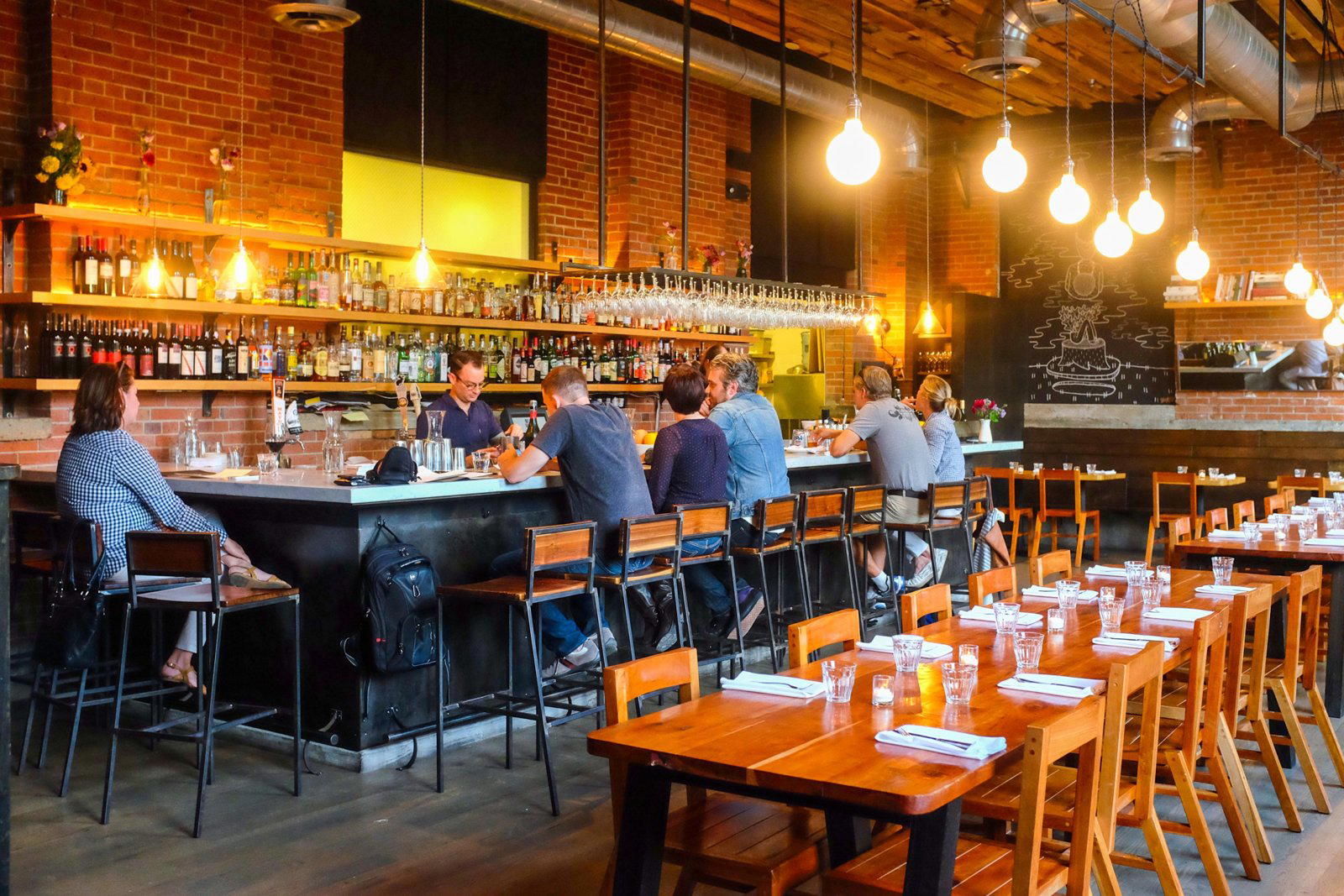
Bars in Nashville
Browse all →
Hotels in Nashville
Browse all →
Wineries in Nashville
Browse all →
Details
- Rustic
- Lively
- Industrial
- Group Dining
- Brunch
- Casual Hangout
- Open Kitchen
- Courtyard
- Craft Cocktails
- Beer Program
- A La Carte
- Small Plates
- Margaritas
- Craft Beer
- Vegetarian Friendly
- Gluten Free Options
Current opening hours
- Monday
- 4–9 PM
- Tuesday
- 4–9 PM
- Wednesday
- 4–9 PM
- Thursday
- 4–9 PM
- Friday
- 11 AM–10 PM
- Saturday
- 10 AM–10 PM
- Sunday
- 10 AM–8 PM
Hours can change for holidays and private events. Last verified .
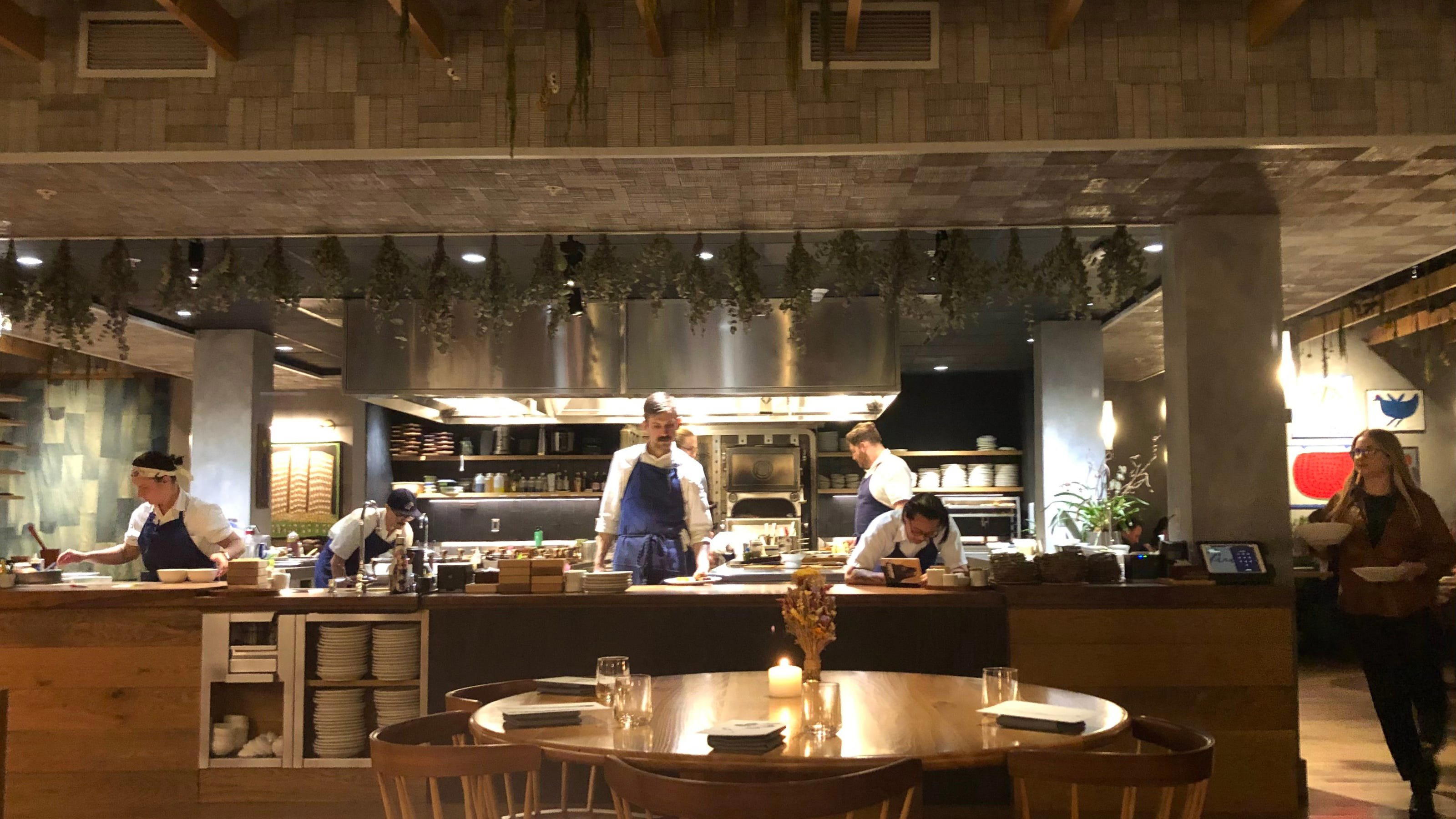
Rustic and super-rustic atmosphere with an open kitchen featuring live-hearth fire, evoking a backyard or campfire feast in a historic bier hall setting.