Buoy and Oyster
On Margate's High Street, Buoy and Oyster has become a reliable marker for the town's seafood-led dining scene, drawing on the Kent coast's proximity to some of Britain's most productive shellfish waters. The room sits comfortably between neighbourhood bistro and destination dining, making it a practical anchor for visitors exploring Margate's broader food identity. Expect a menu shaped by tidal rhythms and seasonal catch rather than fixed repertoire.
Pearl is the En Primeur Club membership app — saves, bookings, and concierge access live there. Same editors, same standards.
- Address
- 44 High St, Margate CT9 1DS, United Kingdom
- Phone
- +44 1843 446631
- Website
- buoyandoyster.com
- Directions
- Get directions
 Saves & bookings on Pearl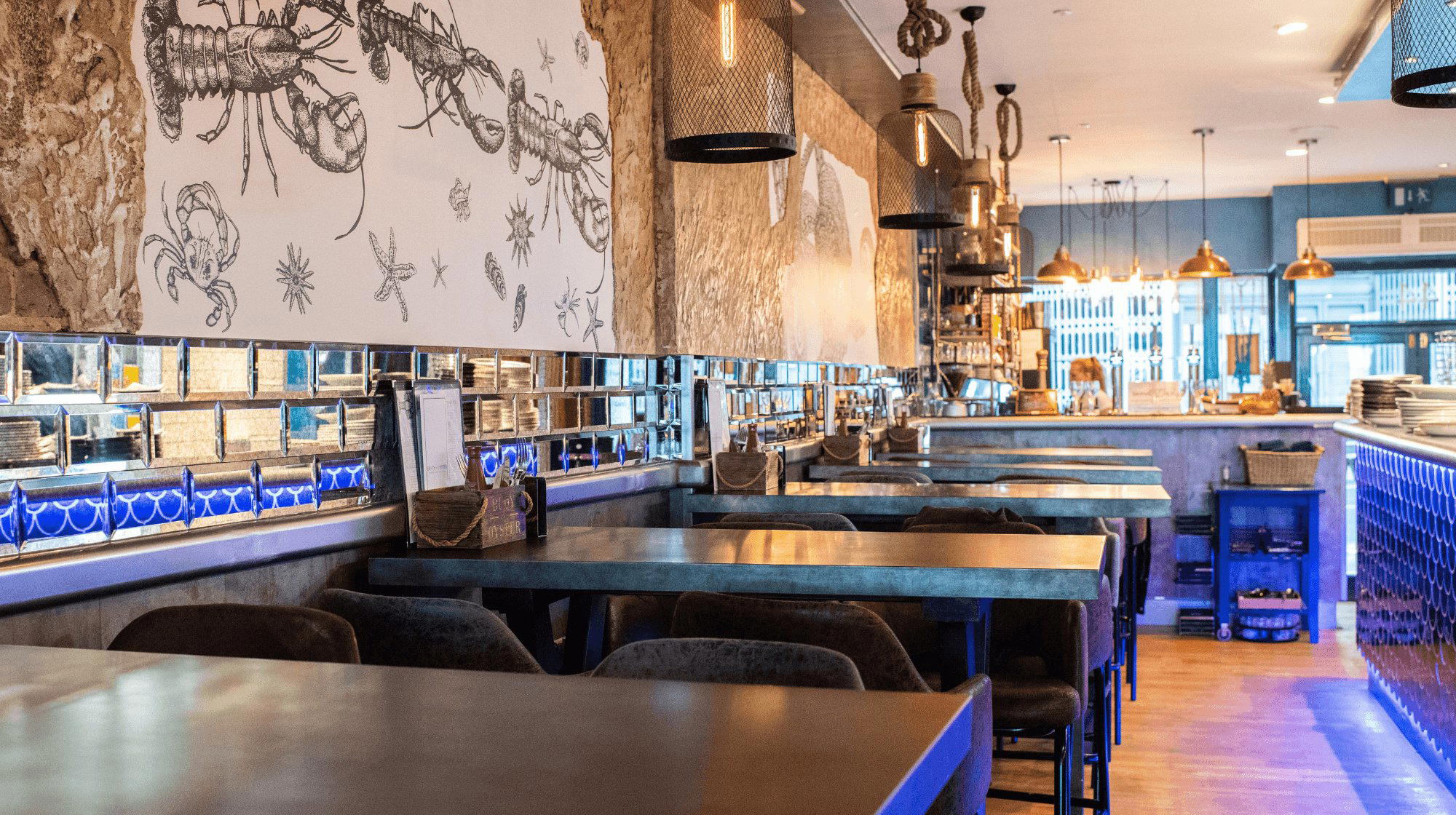
Where the Tide Sets the Menu
Margate's High Street runs close enough to the seafront that the smell of brine is never far. Buoy and Oyster, at number 44, occupies that zone where the town's old market character meets its newer food-led identity. The address places it within easy reach of the Turner Contemporary and the old town quarter, two magnets that have drawn a more food-aware visitor to Margate over the past decade. What greets you is a room that leans into the maritime without resorting to nautical kitsch: the setting reads as a working seafood restaurant rather than a themed one, which in a coastal town is a meaningful distinction.
Margate's dining shift has been well-documented by the time most visitors arrive. The town sits in a peer group with Whitstable and Folkestone as Kent coast destinations where independent restaurants have driven a reappraisal of what the English seaside can offer at the table. Angela's has been central to that story, as has Bottega Caruso for Italian produce-led cooking. Buoy and Oyster fits within this cohort: restaurants that treat the local supply chain as a genuine competitive advantage rather than a marketing add-on.
The Sourcing Logic Behind a Coastal Menu
Kent's position in the sourcing geography of British seafood is underappreciated. The county sits between the Thames Estuary and the English Channel, giving it access to native oysters from Whitstable and Seasalter, Dover sole from the Channel grounds, and a range of bivalves and crustaceans that arrive in condition because the distances are short. For a restaurant operating on the High Street of a working seaside town, that proximity is not incidental — it is structural. When a kitchen is forty minutes from Whitstable by road and the Channel fishing grounds are visible from the beach, the menu can move with the catch in a way that inland restaurants simply cannot replicate.
This is the editorial argument that Buoy and Oyster makes most forcefully: that coastal sourcing, when taken seriously, produces a different category of dish rather than merely fresher versions of the same thing. A Dover sole landed at a Kent harbour and cooked the same day has a different texture and flavour profile than one that has spent time in the supply chain. Native oysters served within their natural season carry a mineral and saline complexity that out-of-season or cultivated alternatives rarely match. These are not abstract claims — they are the practical result of geographic proximity and a kitchen willing to let the sourcing lead the menu rather than the other way around.
For context on how seriously Britain's leading kitchens treat provenance at this level, consider the sourcing commitments at L'Enclume in Cartmel or Moor Hall in Aughton, where the kitchen garden and regional supply networks are central to the restaurant's identity. Buoy and Oyster operates at a different scale and price point, but the underlying logic, geography as menu, is the same.
The Margate Seafood Scene in Comparative Context
Margate's food scene now has enough depth that visitors face genuine decisions about where to eat. Dory's of Margate handles the casual fish-and-chip register with the same care that Buoy and Oyster applies to the sit-down seafood format. Forts Café and GB Pizza Co occupy different parts of the casual daytime and evening market. The town is not trying to compete with the formal tasting-menu circuits of somewhere like Waterside Inn in Bray or CORE by Clare Smyth in London. It is doing something more specific: building a food identity around its coastal position and its independent operator base.
Within that scene, a seafood restaurant anchored to local shellfish and Channel catch serves a clear function. It gives visitors the most direct expression of what the Kent coast actually produces, rather than a menu that could have been written anywhere. Internationally, the restaurants that have built the strongest reputations around seafood sourcing, Le Bernardin in New York City is the obvious reference point, have done so by treating the supply chain as a defining editorial choice, not a background variable. At a very different scale, that same discipline is what separates a serious coastal seafood restaurant from one that simply uses the location as atmosphere.
For visitors approaching from a fine dining background, the relevant British comparisons are restaurants like hide and fox in Saltwood, also in Kent, which demonstrates how seriously the county's kitchens can take the local supply chain at a higher technical register. Gidleigh Park in Chagford and Midsummer House in Cambridge illustrate how destination restaurants in market towns and smaller cities have used regional sourcing to build reputations. Buoy and Oyster is not operating at that technical or reputational altitude, but the sourcing principles it applies are drawn from the same tradition.
Planning a Visit
Margate is accessible from London St Pancras via Southeastern high-speed rail in around ninety minutes, which makes it a viable day trip or weekend base. The High Street address puts Buoy and Oyster within walking distance of the old town, the Dreamland site, and the Turner Contemporary, so it fits naturally into a full day's itinerary rather than requiring a dedicated journey. For visitors building a broader picture of where Margate's food scene sits, the full Margate restaurants guide maps the town's independent operators across price points and cuisines, from Angela's seafood to Bottega Caruso's Italian produce focus.
Given the seasonal nature of a menu built around local catch and native shellfish, timing matters. Oyster season in the UK runs from September through to April, following the traditional rule tied to months with an 'r'. Visiting during this window gives access to the full native oyster offering that anchors the menu's identity. Summer months shift the emphasis toward Channel fish and alternative shellfish, which the Kent coast supplies in quantity. Either season rewards a visit, but they are different menus in practical terms, and the oyster-led autumn and winter version is the one most directly tied to the restaurant's name and sourcing logic.
In Context: Similar Options
| Venue | Cuisine | Price | Awards |
|---|---|---|---|
| Buoy and OysterThis venue — the venue you are viewing | This venue | Not listed | Not listed |
| Sargasso | Modern Cuisine | ££ | Modern Cuisine, ££ |
| Angela's | Seafood | ££ | Seafood, ££ |
| Bottega Caruso | Italian | ££ | Italian, ££ |
| Sète | Modern British | ££ | Modern British, ££ |
Continue exploring
More in Margate
Restaurants in Margate
Browse all →
Bars in Margate
Browse all →
Hotels in Margate
Browse all →

Wineries in Margate
Browse all →
At a Glance
- Cozy
- Scenic
- Relaxed
- Family
- Casual Hangout
- Group Dining
- Waterfront
- Open Kitchen
- Terrace
- Local Sourcing
- Sustainable Seafood
- Waterfront
Current opening hours
- Monday
- 12–9 PM
- Tuesday
- 12–9 PM
- Wednesday
- 12–9 PM
- Thursday
- 12–9 PM
- Friday
- 12–9 PM
- Saturday
- 12–9 PM
- Sunday
- 12–9 PM
Hours can change for holidays and private events. Last verified .
Relaxed and stylish seaside setting with panoramic sea views through large windows, cozy all-day dining bar, open theatre kitchen, and terrace for sunsets.
Know Before You Go
- Getting there
- 44 High St, Margate CT9 1DS, United Kingdom