Our verdict
Brasseriet gives Sofiemyr a local dining reference point rather than an Oslo spillover address. Its third-floor setting on Kongeveien places it in the suburban corridor where Norwegian restaurants often have to balance everyday accessibility with a more deliberate sourcing conversation around fish, meat, dairy, and seasonal produce.

Pearl is the En Primeur Club membership app — saves, bookings, and concierge access live there. Same editors, same standards.
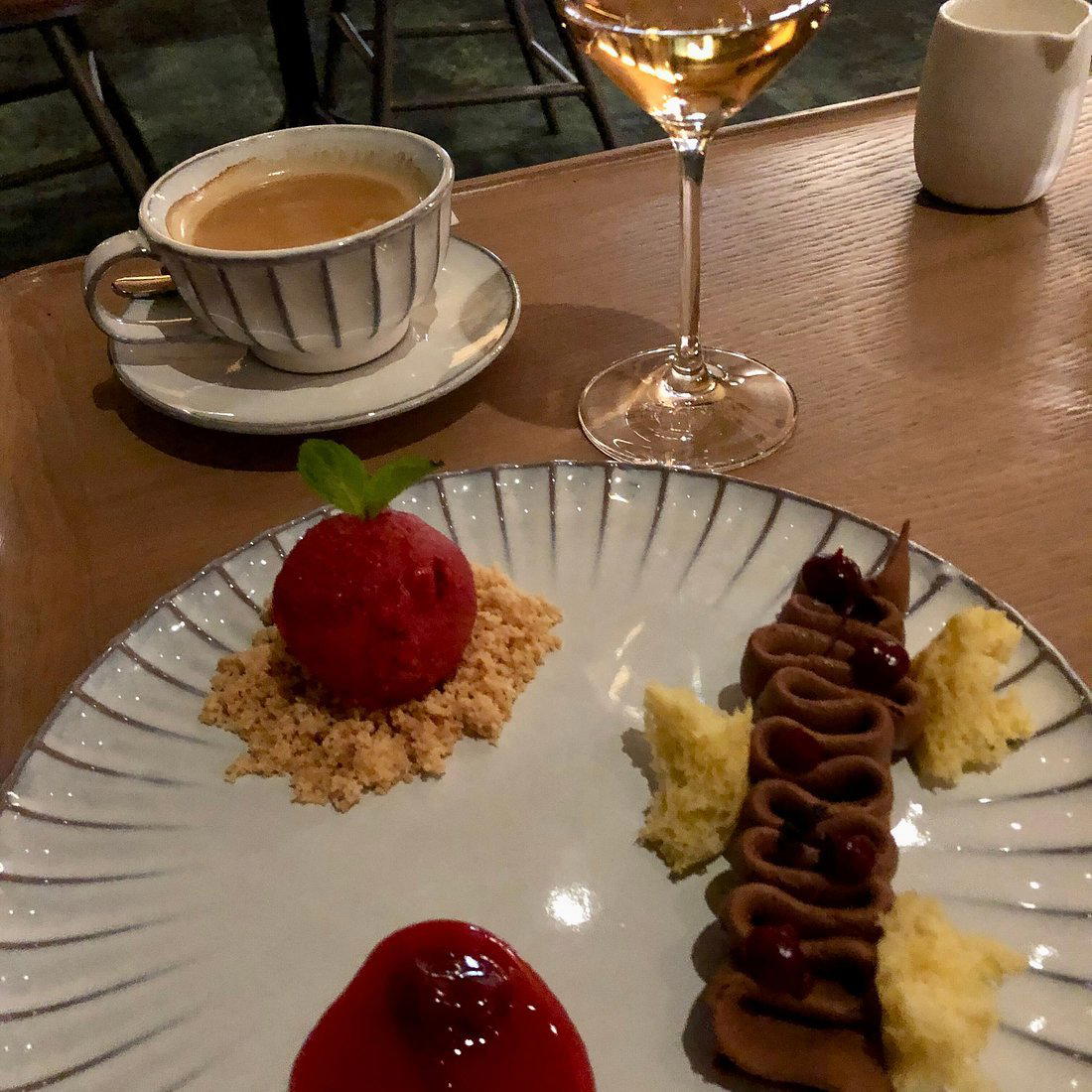
Approaching a restaurant above street level changes the rhythm before the first order is placed. Sofiemyr is not a grand-dining postcard; it is a practical town where restaurants earn attention through usefulness, consistency, and the way they connect everyday local demand with a broader Norwegian food culture. Brasseriet belongs in that category: a third-floor address in Sofiemyr where the meal has to justify itself without the theatre of a capital-city dining room.
That setting matters. Away from the capital’s most formal dining rooms, the brasserie format often becomes a test of sourcing rather than spectacle. Norwegian diners understand seasonality through short growing periods, cold-water seafood, dairy with regional identity, and meat traditions shaped by preservation as much as by fashion. A kitchen using the brasserie language in Sofiemyr has to speak plainly: not with long-form tasting-menu choreography, but with ingredients that can carry familiar dishes without hiding behind ceremony.
A suburban brasserie frame, judged by sourcing rather than ceremony
The useful way to read Brasseriet is not against destination restaurants built for international lists, but against the regional Norwegian middle ground: places where provenance, reliability, and neighbourhood function count more than theatrical scarcity. In Sofiemyr, that comparison includes Restaurant Mori, another local reference point, while the wider Oslo-area brasserie conversation can stretch toward names such as Brasserie Rivoli, Ekebergrestauranten, Tolvte og Kranen, and Betong, each operating in its own setting and with its own kind of dining expectation.
The sourcing angle is especially important in Norway because the national pantry is not a neutral backdrop. Cold seas, short seasons, cultivated berries, potatoes, root vegetables, lamb, game, cultured dairy, and breads with grain character all shape what casual and semi-formal restaurants can do well. A brasserie format can flatten those ingredients into generic comfort food, or it can use them to make the menu feel rooted without turning dinner into folklore. Brasseriet is better understood through that question than through decoration or chef mythology.
There is also a useful restraint in not overstating the room’s claim. The available venue details do not attach a named chef, tasting-menu format, specific price tier, or ranking here, so the sensible reader should assess it as a local dining decision rather than a trophy reservation. That does not diminish the restaurant’s relevance; it clarifies it. Many Norwegian meals outside the capital’s high-recognition circuit are about practical pleasure: a room close to where people live, ingredients that make sense in the region, and a format that does not require the evening to become an event.
How Sofiemyr changes the dining equation
Sofiemyr sits close enough to larger dining conversations to feel their pull, but it can still operate by different rules. In central-city settings, restaurants often compete for international attention, press cycles, and reservation scarcity. In Sofiemyr, the stronger test is repeat use: can a room serve locals, commuters, families, and small groups without losing its point of view? That is where ingredient sourcing becomes more than a menu footnote. It is the difference between a restaurant that is anywhere and one that makes sense in Sofiemyr.
This also explains why comparisons across Norway need care. Capital-city dining rooms, coastal restaurants, market-town bistros, and fish-country counters each carry their own local associations, and a suburban brasserie cannot simply borrow those signals. Brasseriet’s job is narrower and more local: translate the Norwegian pantry into a room that works for Sofiemyr, alongside other Sofiemyr dining rooms and within the practical habits of the people most likely to return.
That local scale is also why public recognition should be read with care. Recognition systems tend to cluster around capital cities, resort corridors, and high-concept kitchens, while suburban restaurants often sit outside the loudest parts of that machinery even when they matter to the dining habits of a place. The smart expectation is therefore not ceremony, but a grounded brasserie experience where the value lies in how confidently the kitchen handles familiar ingredient categories.
Where it fits in a Norway dining itinerary
For travellers building a Norway food map, Brasseriet is less a detour anchor than a contextual stop: useful for understanding how dining works beyond the capital’s headline rooms. A serious itinerary might compare it with coastal, regional, and small-town addresses elsewhere in the country, where geography shifts the meaning of sourcing completely and where the same broad ingredient categories can lead to very different dining experiences.
The broader lesson is that Norwegian restaurant culture is not only written by tasting menus and awards. It is also written by suburban rooms, lunch-to-dinner formats, practical addresses, and kitchens that have to make local ingredients feel coherent without leaning on novelty. Brasseriet fits that quieter strand. Readers planning around Sofiemyr should use our full Sofiemyr restaurants guide for nearby dining context, then widen the trip through our full Sofiemyr hotels guide, our full Sofiemyr bars guide, our full Sofiemyr wineries guide, and our full Sofiemyr experiences guide.
For a wider palate reference, the contrast is instructive: different international formats show how imported culinary language can travel through a different ingredient logic, while other Norwegian cities show how local conditions reshape familiar restaurant ideas. Brasseriet’s relevance is more restrained: it helps define how Sofiemyr eats when the focus turns from destination dining to the everyday discipline of sourcing, format, and place.
Frequently asked questions
Would Brasseriet be comfortable with kids?
A brasserie setting generally works well for mixed-age dining, and Brasseriet’s Sofiemyr location makes it a practical choice outside a more formal city-centre dining plan. Families looking for a more relaxed suburban stop are the clearest fit here.
What's the overall feel of Brasseriet?
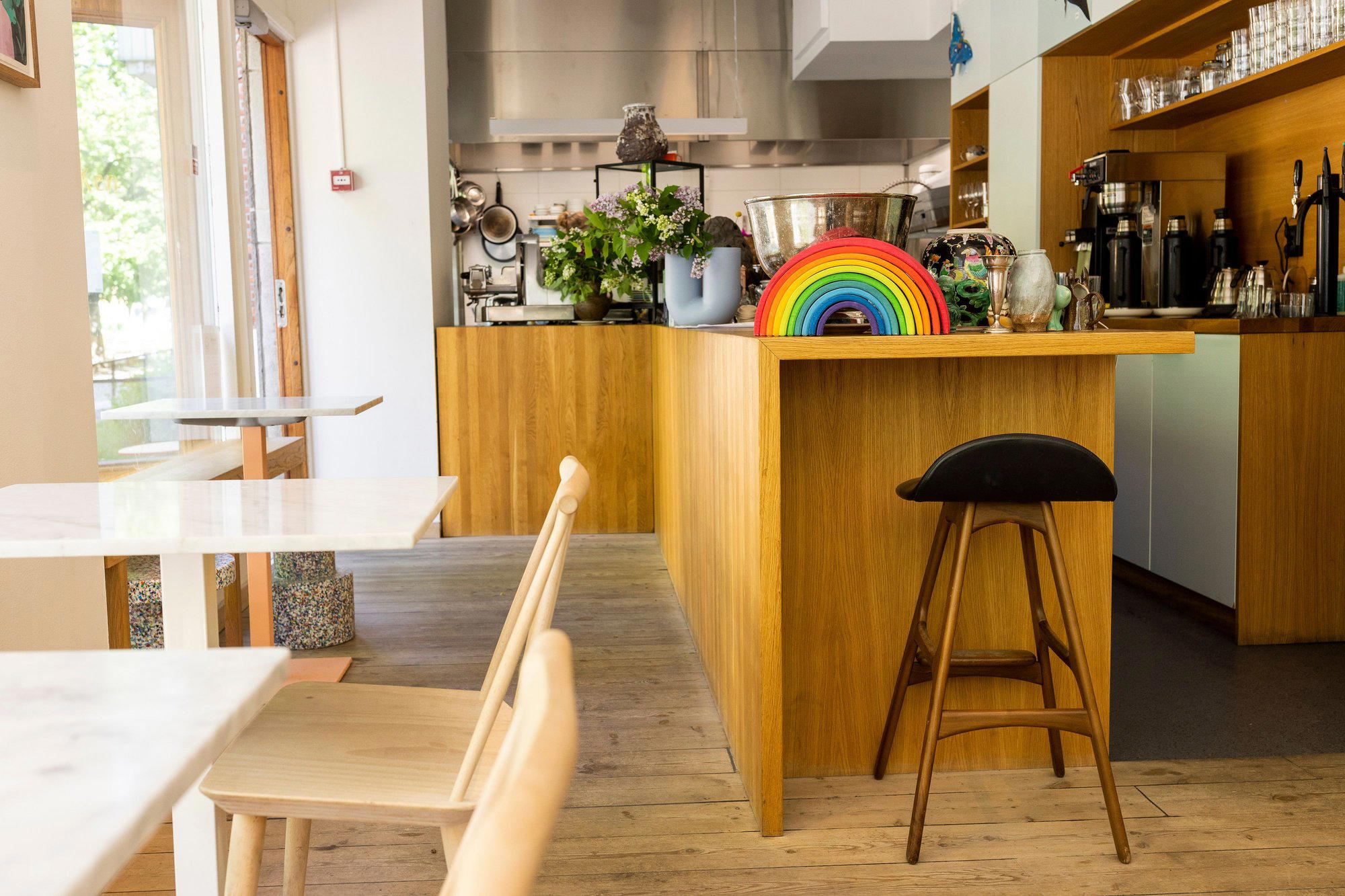
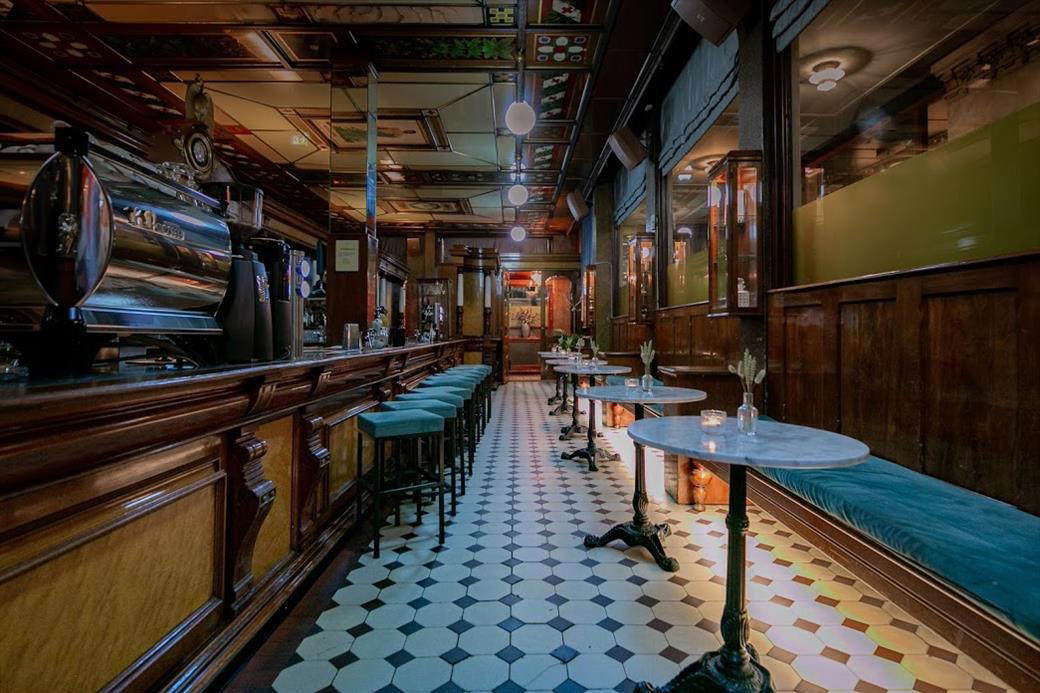
Brasseriet reads as a brasserie rather than a formal dining room, and its third-floor location in Sofiemyr sets a quieter tone than more ceremonial addresses. The setting suggests an easygoing, everyday rhythm rather than ceremony.
Where exactly is Brasseriet?
Sofiemyr.
What's the best way to book Brasseriet?
The most practical first step is to look for current contact options directly. In Sofiemyr, that is the clearest route for planning ahead.
What is Brasseriet known for?
Brasseriet is identified as a brasserie in Sofiemyr, with a third-floor setting. That makes it more of a local dining address than a destination framed around a named chef or stated ranking.
Can Brasseriet adjust for dietary needs?
The available venue details do not list dietary policies, so any adjustment would need to be confirmed directly. Its brasserie format in Sofiemyr suggests a more flexible dining style than a tightly fixed tasting-menu room.
Fast Comparison
Comparable venues by cuisine and price in the same metro.
| Venue | Cuisine | Awards |
|---|---|---|
| BrasserietThis venue — the venue you are viewing | French Brasserie | Not listed |
| Restaurant Mori | Asian Fusion Fine Dining | Star Wine List |
| Betong | Modern Cuisine | Not listed |
Continue exploring
More in Sofiemyr
Restaurants in Sofiemyr
All restaurants in Sofiemyr →
Bars in Sofiemyr
Browse all →
Details
- Cozy
- Classic
- Quiet
- Casual Hangout
- Group Dining
- Hotel Restaurant
- Standalone
- Beer Program
- A La Carte
- Beer Program
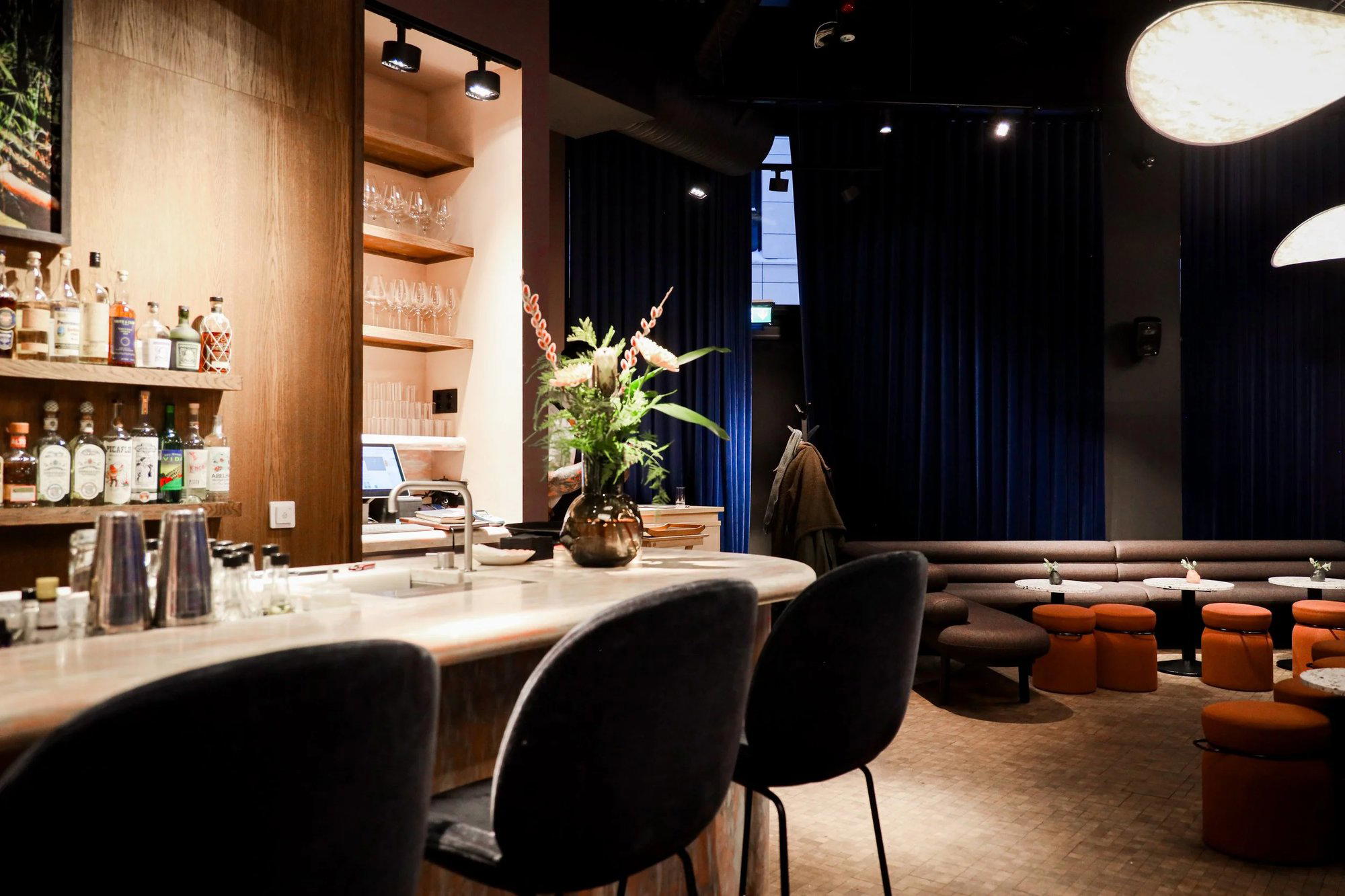
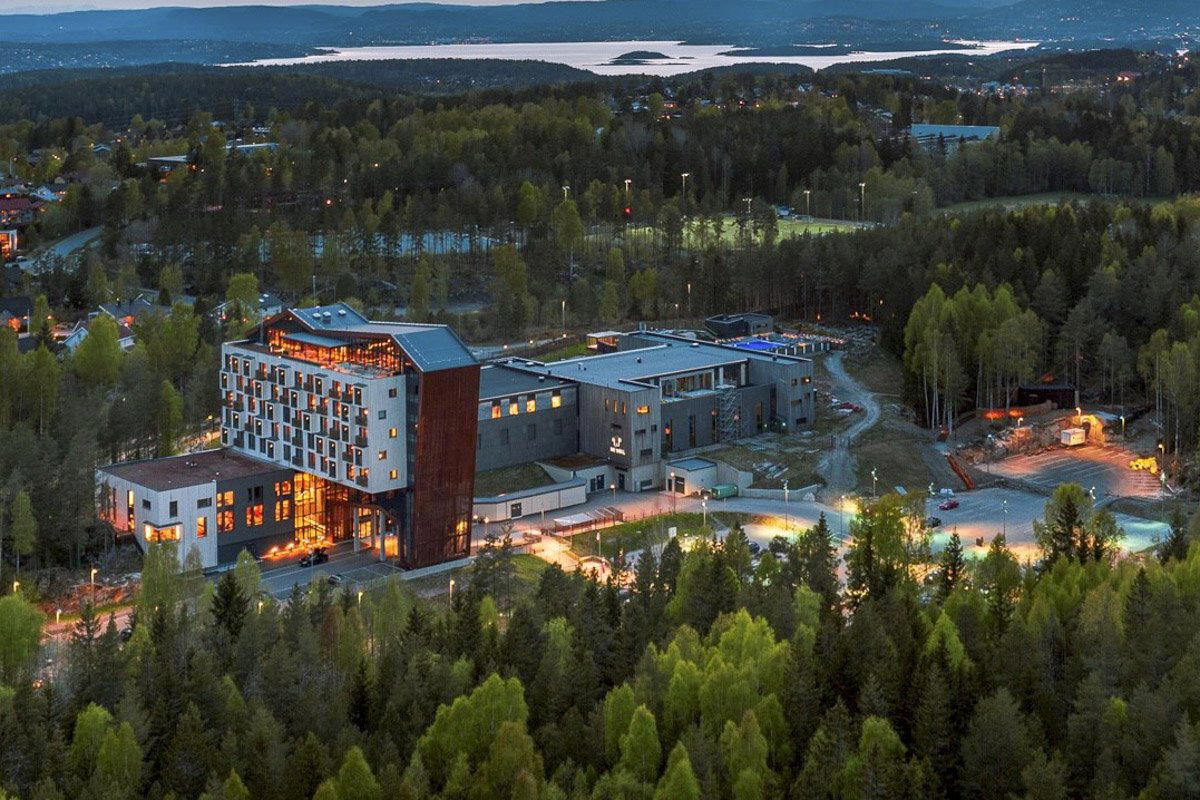
Informal, inviting, and relaxed, with a cosy modern brasserie feel suited to spa guests.