Brasserie VUE
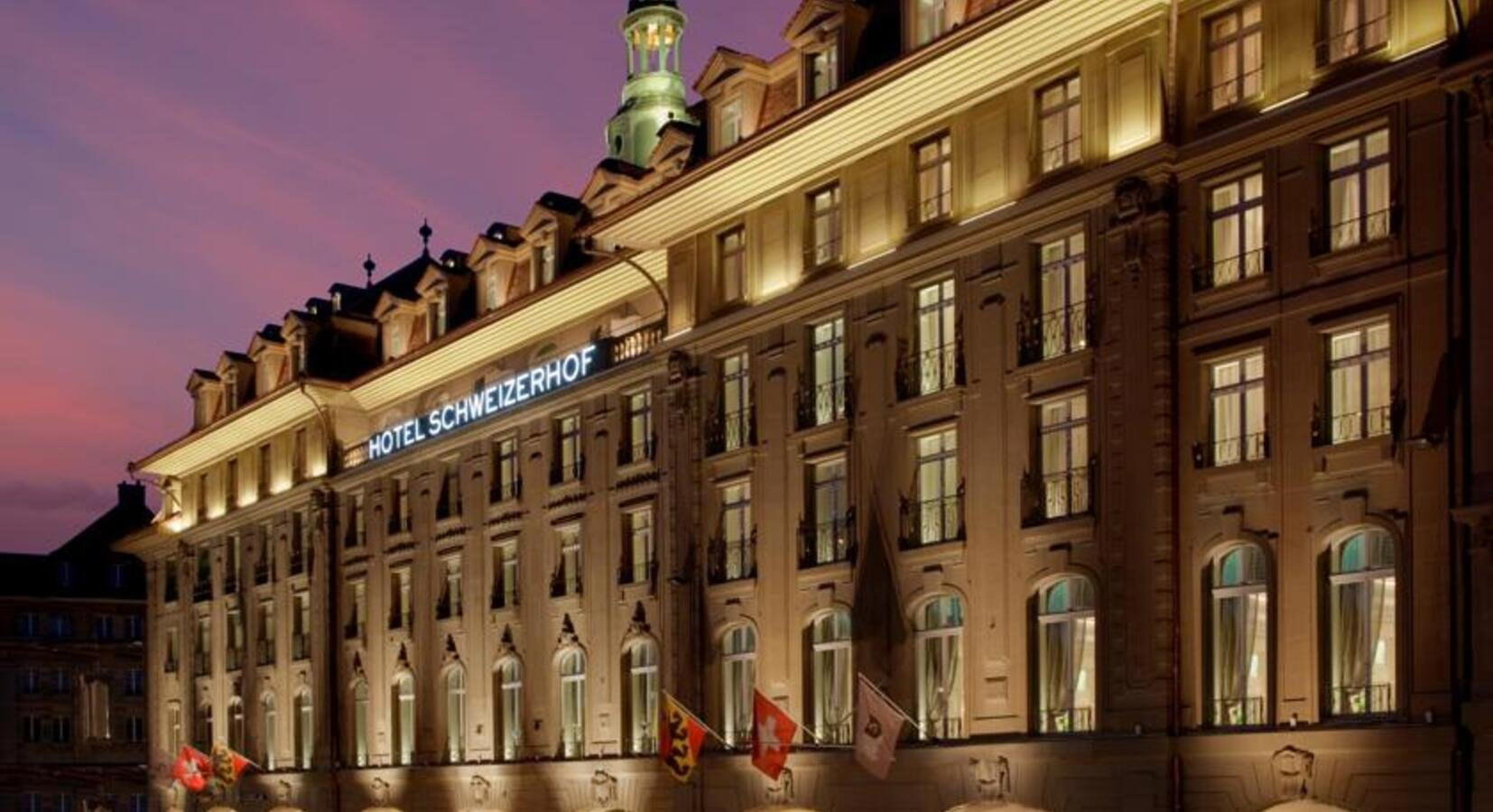
Brasserie VUE occupies a measured address at Kochergasse 3/5 in central Bern, positioning itself within the city's mid-to-upper dining tier where brasserie format meets Swiss-European ambition. The room and menu structure speak to a tradition of unhurried, ingredient-led cooking that Bern's old-town dining scene has long supported. For visitors assembling a serious table in the Swiss capital, it belongs in the shortlist alongside the city's more formally credentialed options.
Pearl is the En Primeur Club membership app — saves, bookings, and concierge access live there. Same editors, same standards.
- Address
- Kochergasse 3/5, 3011 Bern, Switzerland
- Phone
- +41313204545
- Website
- bellevue-palace.ch
- Directions
- Get directions
 Saves & bookings on Pearl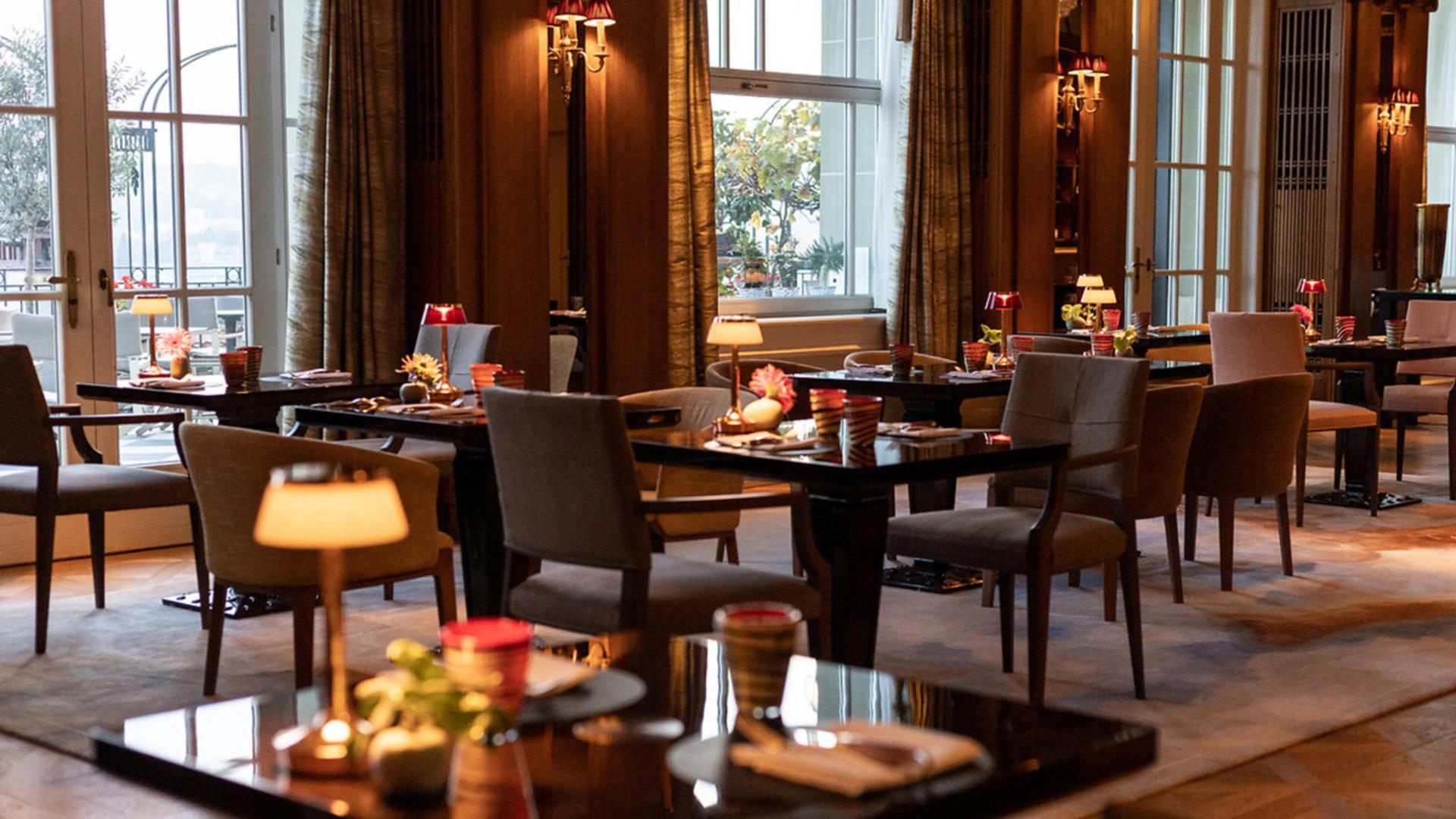
A Room That Works Before the Food Arrives
Kochergasse is one of those Bern streets that rarely appears in visitor itineraries but holds a quiet density of purpose — a few steps from the Zytglogge district's sandstone arcades, close enough to the old town's gravitational pull to draw a local crowd rather than a tourist overspill. Brasserie VUE sits at numbers 3 and 5, and the address itself signals something about the restaurant's register: not the grand hotel dining room, not the tucked-away counter with a six-month waitlist, but the particular middle ground that European brasserie tradition has always occupied with confidence. That middle ground, when done with discipline, is often where a city's most honest eating happens.
In Bern, the dining scene operates across a smaller stage than Zurich or Geneva, which means the competitive field is more legible. The upper tier runs through places like Wein & Sein, which anchors the modern cuisine bracket at the higher end of the price range, and Steinhalle, whose creative format draws a different kind of attention. Below that, options like ZOE have carved a credible vegetarian position. Brasserie VUE occupies its own lane: the format implies generosity, accessibility in spirit if not necessarily in price, and a menu architecture built for the full table rather than the solo tasting progression.
How the Menu Talks
The brasserie format is one of the more communicative in European dining. Unlike the tasting menu, which narrates a single fixed arc, or the à la carte restaurant, which can feel like a list of independent proposals, a well-built brasserie menu speaks through its structure: what anchors the savory section, how starters relate to mains, whether the kitchen trusts the raw material enough to show restraint. The format has a long Swiss-French lineage, particularly in the arc that runs from Geneva through the Mittelland, where French culinary influence meets a German-Swiss instinct for portion and substance.
At this address, the brasserie framing suggests a menu that rewards the guest who orders across multiple courses rather than arriving for a single dish. That architecture tends to favor classical technique applied to seasonal produce, with the kitchen's confidence most visible in the middle courses where the distance between a competent and a serious kitchen becomes apparent. Switzerland's ingredient access is not incidental here: the country's proximity to French dairy, Italian cured traditions, and its own alpine protein sources gives kitchens at this price tier material to work with that their international peers sometimes have to import at cost.
For visitors who have spent time at Swiss fine-dining anchors such as Hotel de Ville Crissier in Crissier or Schloss Schauenstein in Fürstenau, the brasserie register at VUE will read as the more relaxed counterpart — the kind of table where conversation doesn't compete with ceremony. That is not a diminishment. It is a different argument about what a meal is for.
Where It Sits in Bern's Dining Order
Bern does not have the Michelin density of Basel, where Cheval Blanc by Peter Knogl anchors the top tier, or the resort-driven ambition of Memories in Bad Ragaz or Da Vittorio in St. Moritz. Its dining identity is quieter, more civic, shaped by a population of federal employees, diplomats, and long-term residents who eat out with regularity rather than occasion. That audience rewards consistency over spectacle, and it tends to produce a restaurant culture where mid-range and upper-mid venues are more reliable than they might be in cities driven by tourism peaks.
Brasserie VUE's position at Kochergasse aligns it with the kind of venue that serves both: the weekday business table and the weekend couple who knows the room. This dual-audience dynamic is not distinctive to Bern, but the city's compact geography concentrates it. You are, in any given room in the old town, likely to be eating beside someone who has been coming for years. That changes the energy in ways that no amount of interior design can engineer.
For the broader Swiss fine-dining context, the country's ambitions are well-represented elsewhere in the EP Club guide: focus ATELIER in Vitznau, IGNIV Zürich by Andreas Caminada, Einstein Gourmet in Sankt Gallen, Colonnade in Lucerne, and 7132 Silver in Vals each represent different expressions of Swiss culinary seriousness. Against that national map, Bern's contribution tends to be the understated one, and Brasserie VUE fits that pattern.
Other Tables in the Old Town
Bern's old town cluster includes options across format and origin. Al Toque and Azzurro – Terra e Mare represent the Mediterranean strand in the city's offer, each addressing a different part of the Italian and Spanish culinary tradition. The presence of these options alongside brasserie-format venues like VUE reflects a dining scene that has diversified without losing its grounded character. For the full picture of where to eat in the Swiss capital, the EP Club Bern restaurants guide maps the spread by format, price, and neighbourhood.
Internationally, the brasserie tradition against which VUE measures itself runs through rooms like Le Bernardin in New York City, which represents the formal end of European-influenced cooking in the American market, and the more experimental register of Atomix in New York City. Those comparisons are not about scale or ambition equivalence, they are about understanding what the brasserie format chooses not to do, and why that restraint is a position rather than a limitation.
Planning Your Visit
The address at Kochergasse 3/5 places the restaurant within walking distance of Bern's main transit hub and the old town's principal arcade streets, making arrival direct without a car. Given the venue's position in Bern's dining order, visible enough to attract both regulars and out-of-town visitors, booking ahead is the sensible approach for dinner, particularly on Thursday through Saturday when the old town's restaurant capacity tightens. Contact details are leading sourced through current listings, as hours and reservation policies at this category of Swiss restaurant are subject to seasonal adjustment.
How Brasserie VUE Bern compares with similar nearby venues.
| Venue | Cuisine | Price |
|---|---|---|
| noumi | World Cuisine | €€€ |
| Casino Restaurant | Modern French | €€€ |
| Wein & Sein | Modern Cuisine | €€€€ |
Continue exploring
More in Bern
Restaurants in Bern
Browse all →
Bars in Bern
Browse all →
Hotels in Bern
Browse all →

At a Glance
- Elegant
- Romantic
- Sophisticated
- Classic
- Date Night
- Business Dinner
- Celebration
- Special Occasion
- Brunch
- Terrace
- Waterfront
- Panoramic View
- Historic Building
- Hotel Restaurant
- Live Music
- Extensive Wine List
- Sommelier Led
- Local Sourcing
- Farm To Table
- Waterfront
- Mountain
Current opening hours
- Monday
- 6:30–10:30 AM, 12–2 PM, 6–9 PM
- Tuesday
- 6:30–10:30 AM, 12–2 PM, 6–9 PM
- Wednesday
- 6:30–10:30 AM, 12–2 PM, 6–9 PM
- Thursday
- 6:30–10:30 AM, 12–2 PM, 6–9 PM
- Friday
- 6:30–10:30 AM, 12–2 PM, 6–9 PM
- Saturday
- 7–10:30 AM, 12–2 PM, 6–9 PM
- Sunday
- 11:30 AM–3 PM, 6–9 PM
Hours can change for holidays and private events. Last verified .
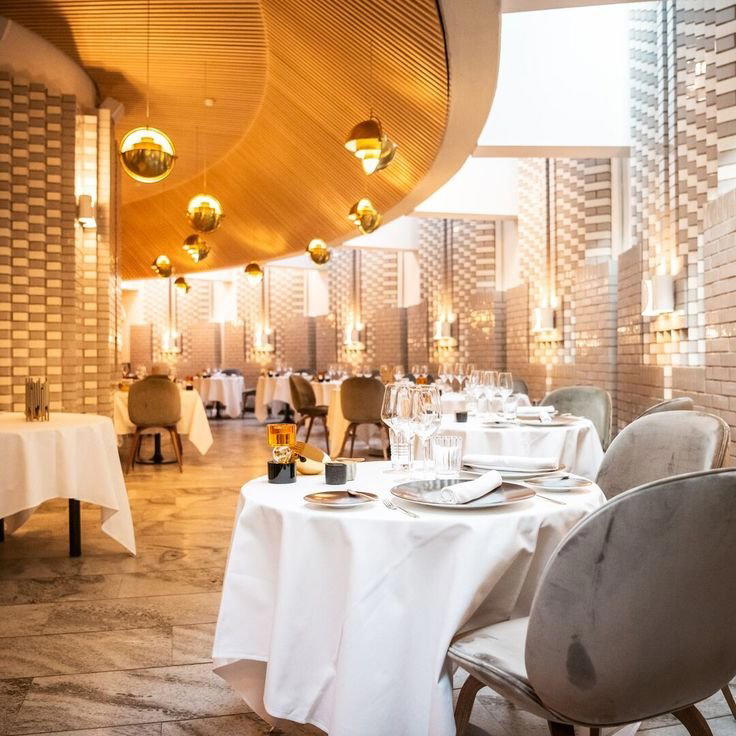
Dimly lit with fine wood panelling, vaulted ceilings, glowing crystal chandeliers, and elegant Belle Époque styling combined with modern touches; warm and sophisticated.