Brasserie Louis
Our verdict
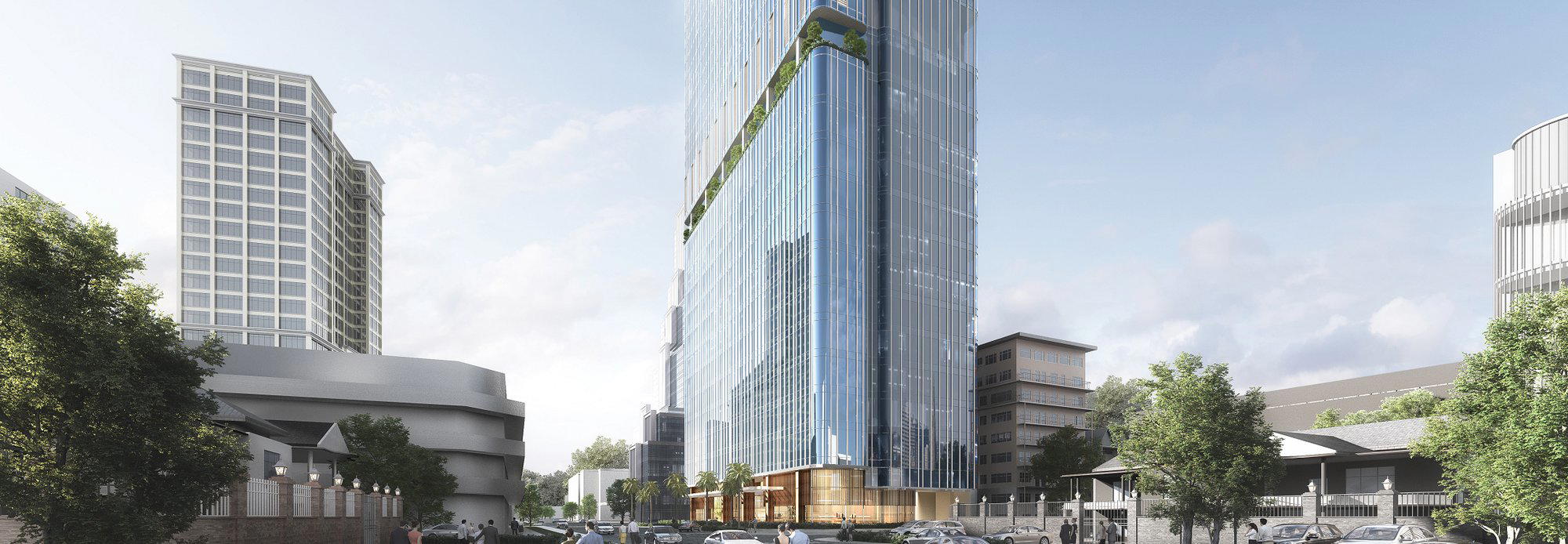
Brasserie Louis belongs to Phnom Penh’s high-rise dining tier, where the city’s business core meets a brasserie format built for long service windows and mixed occasions. Its value is less about awards than positioning: a polished room in Vattanac Capital Tower, useful for travelers comparing central dining options across French-leaning, hotel, Japanese, patisserie, and steakhouse formats.

Pearl is the En Primeur Club membership app — saves, bookings, and concierge access live there. Same editors, same standards.
- Address
- Vattanac Capital Tower, Preah Monivong Boulevard 93, 66 Level 35, 12021, Cambodia
- Phone
- +855 23 936 860
- Hours
- Daily 6 AM–9:30 PM
- Website
- rosewoodhotels.com
- Directions
- Get directions
- Booking
- Book on SevenRooms
The menu
What to order
- Grilled Australian rib-eye steak with Kampot pepper sauce
- Traditional Khmer beef soup with green papaya and local herbs
- French pastries and artisan breads at the breakfast buffet
- Khmer and French dishes from the Sunday bottomless brunch
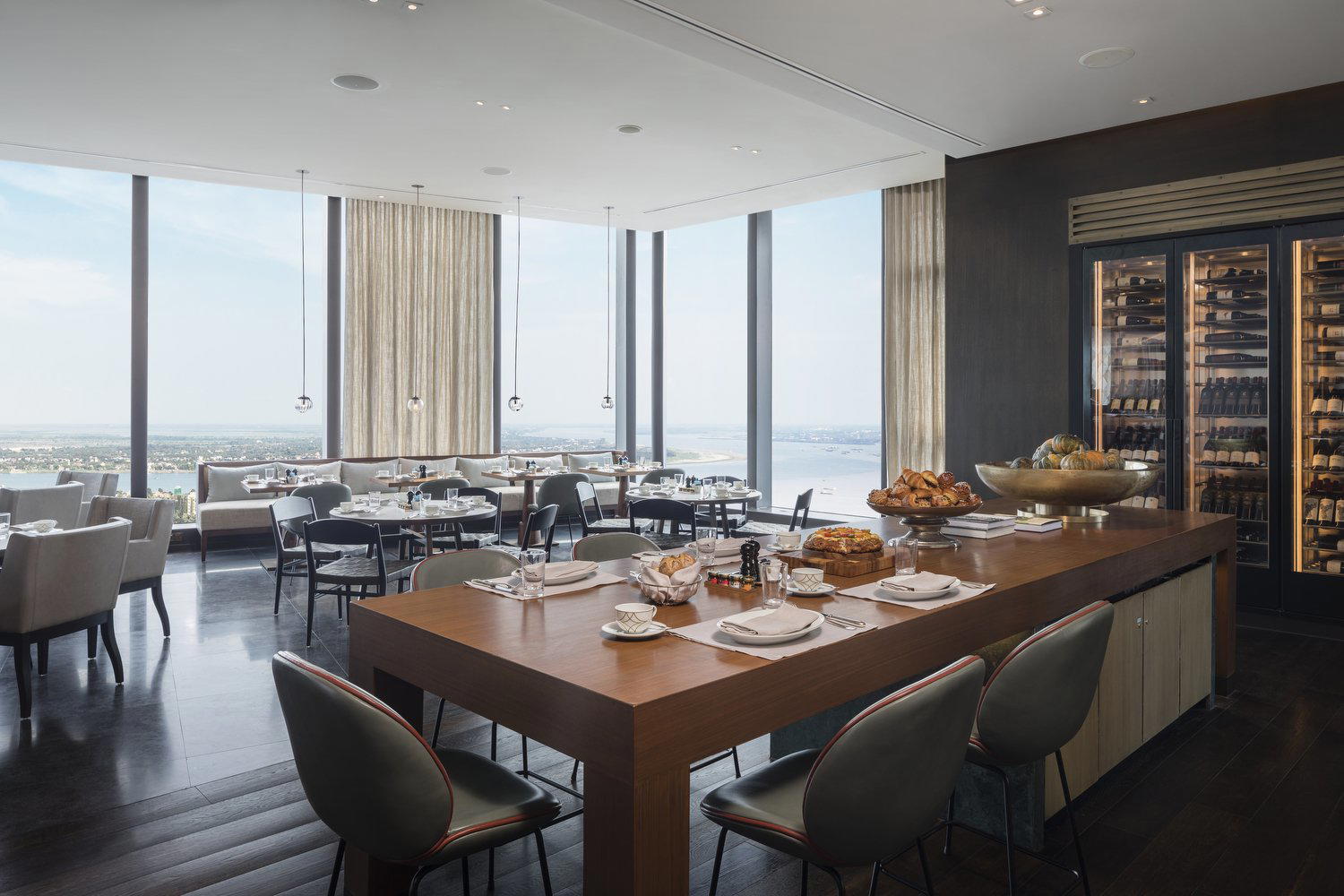
Approaching an elevated restaurant changes a meal before the menu appears. Phnom Penh remains largely low-rise, so height has charge: the city opens, traffic becomes pattern, and the room answers a different brief from a street-level shophouse or hotel courtyard. Brasserie Louis sits in that upper-air category, where atmosphere is format, not decoration.
Read it through brasserie tradition rather than chef mythology. A brasserie is built for range: breakfast meetings, disciplined lunches, dinners that stretch, families needing structure, and travelers wanting familiar cues without losing the city outside. In Phnom Penh, that format lands differently than in longer-established dining capitals because the ingredient question is sharper: imported technique and expectations meet a market where river fish, tropical fruit, herbs, rice, pepper, and regional produce can shape credible cooking.
High-rise brasserie dining in a city still defined by street-level food
Phnom Penh’s restaurant scene runs at several speeds: hotel dining rooms carrying institutional and diplomatic memory, counter-led rooms for regulars, bakery-led cafés serving the office day, and independent kitchens translating Cambodian ingredients into formal settings. Brasserie Louis belongs to the high-rise, international side of that map, closer to a polished central-city room than a neighborhood canteen. That does not make it less local; it makes sourcing choices more visible. Where produce markets sit near luxury dining rooms, a brasserie must decide what to import, adapt, and let Cambodia supply.
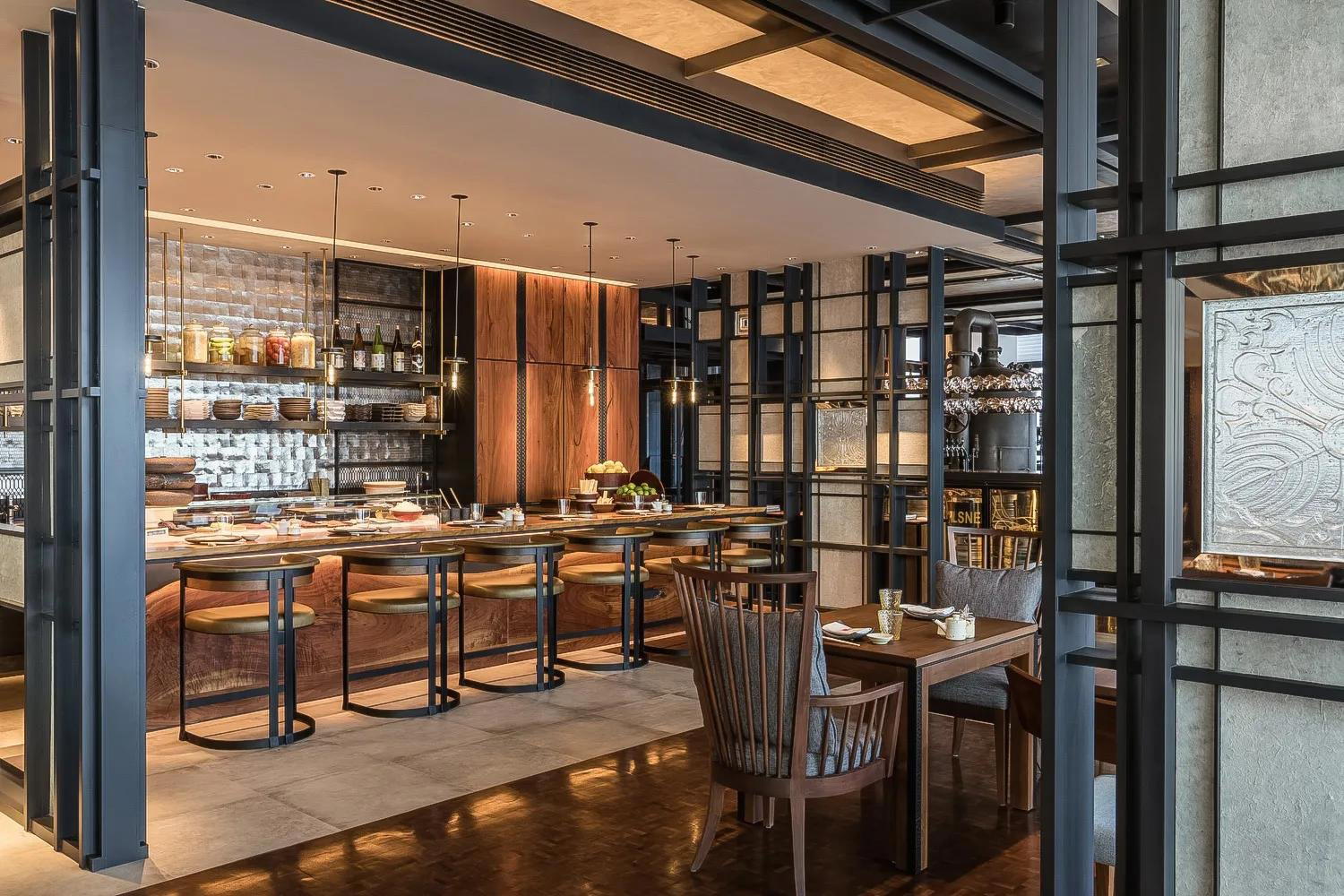
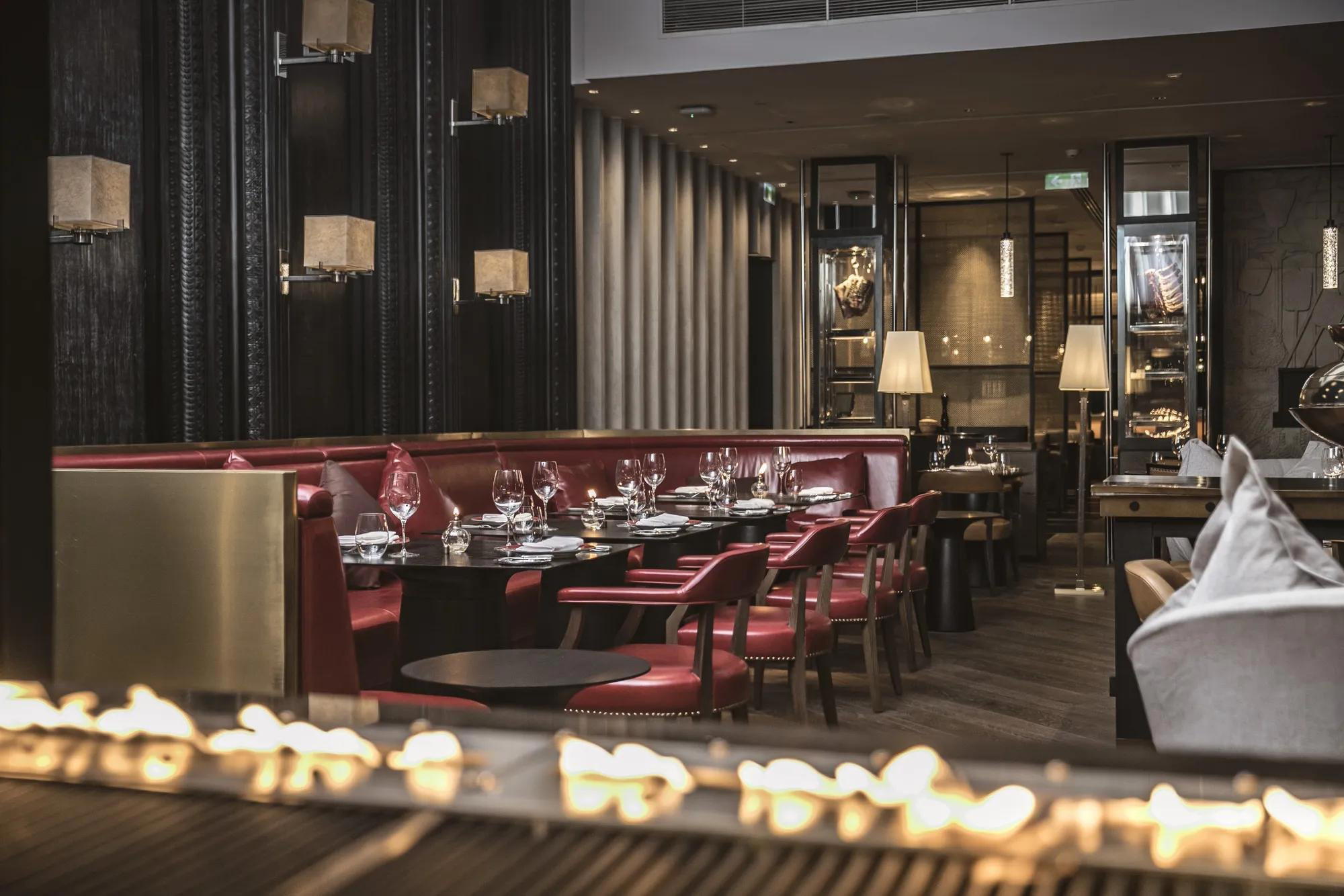
That tension is the point. Phnom Penh has enough European dining history for brasserie vocabulary to feel legible, but not enough for nostalgia to carry the format. The stronger version uses familiar structure as a frame and lets regional ingredients work. Diners comparing central options see the spread quickly: CUTS signals one polished lane, Iza covers another occasion-driven register, Butterfly Patisserie serves the pastry-and-tea side of the city’s hotel-adjacent appetite, and other Phnom Penh dining rooms point to more casual urban formats.
The distinction matters because Phnom Penh is not short on international restaurants; it is short on rooms that handle multiple uses without becoming anonymous. The brasserie model gives travelers a known grammar, then lets the city set the accents. For ingredient-led dining, judge whether choices align with place: citrus, herbs, freshwater references, pepper, tropical sweetness, and regional produce matter in Cambodia more than imported luxury language.
Where the format fits among Phnom Penh's polished dining rooms
Brasserie Louis should be read through format, setting, and utility rather than trophy shorthand. That is not a weakness in Phnom Penh, where international awards coverage is thinner than in Bangkok, Tokyo, or Singapore. The relevant comparison is its competitive set: hotel dining rooms, steak-led rooms, counter-led restaurants, and polished Cambodian-capital references, not tasting-menu temples in more heavily awarded capitals.
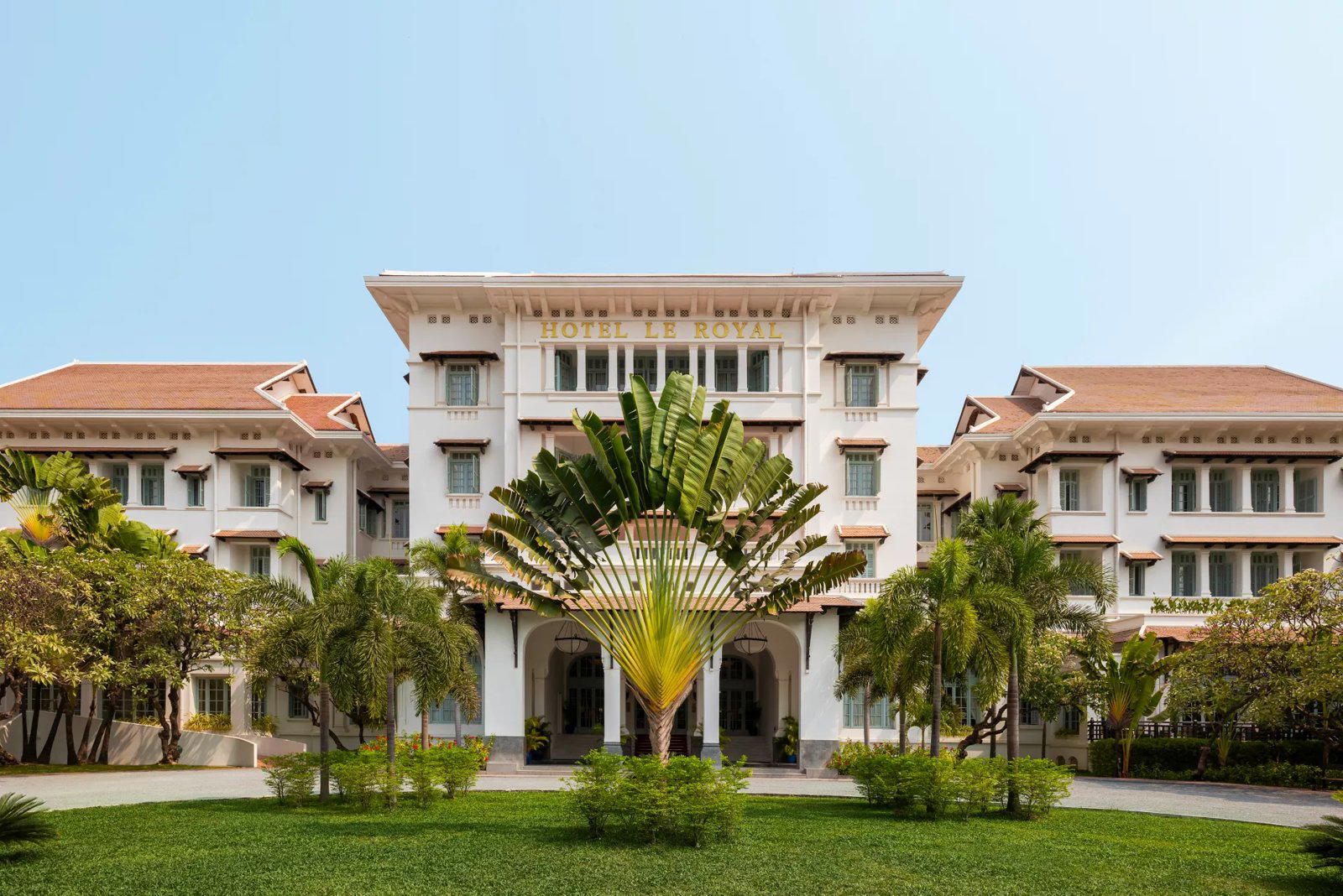
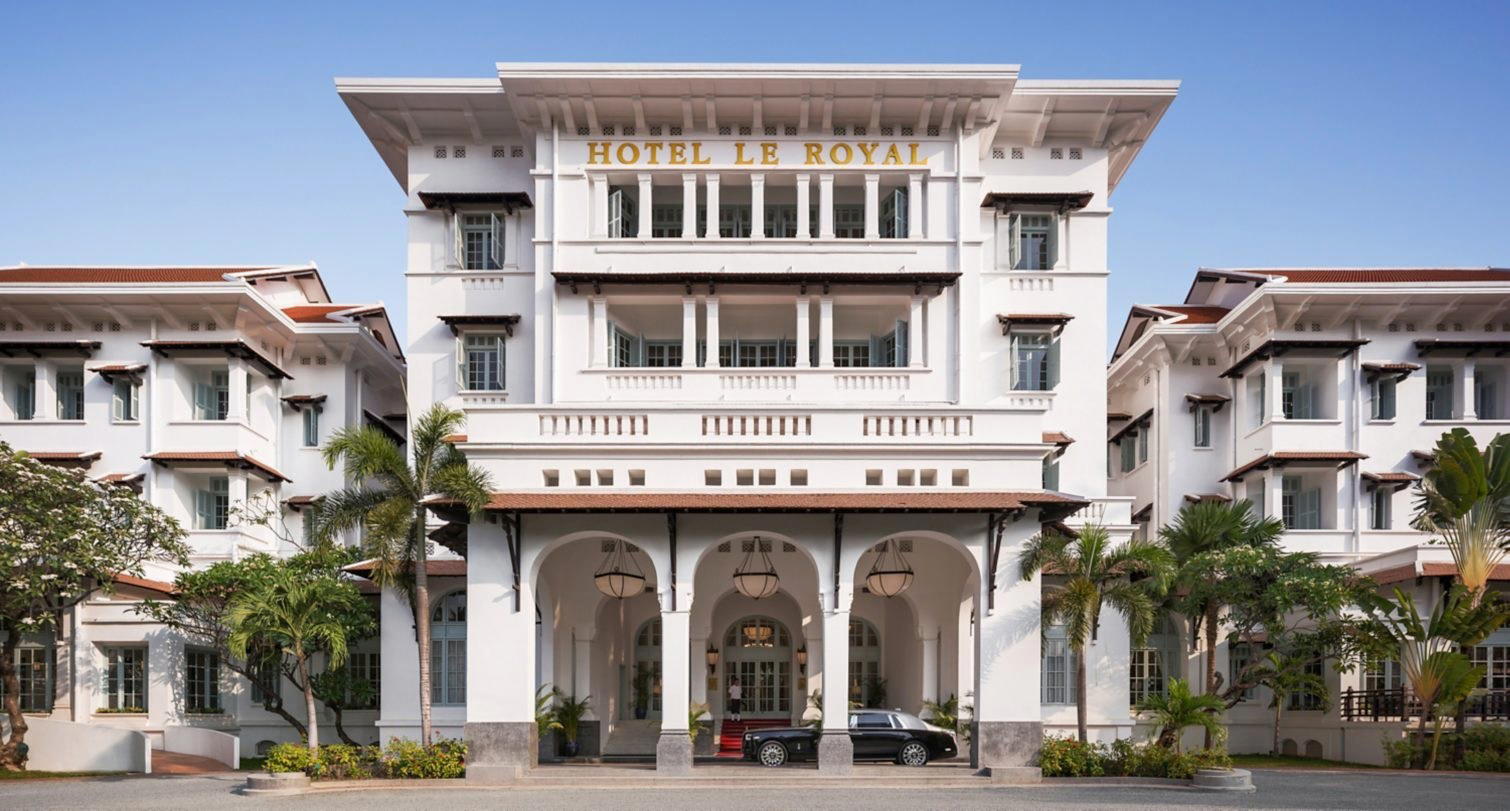
Le Royal at The Raffles occupies a heritage-weighted lane; Zhan Liang and Iza show how specialist formats serve business and occasion dining in the capital; CUTS gives the city a protein-led luxury grammar. Against that backdrop, Brasserie Louis reads as a flexible middle: formal enough for a composed dinner, less narrow than a steakhouse, and more brasserie-like in rhythm than the specialist alternatives. The elevated setting adds ceremony without making the restaurant behave like a tasting-menu room.
The ingredient-sourcing angle is where diners should apply pressure. Cambodia’s stronger contemporary restaurants increasingly succeed when they treat local produce as more than garnish. Kampot pepper, freshwater fish traditions, palm sugar, rice, herbs, fermented elements, and tropical fruit give kitchens a vocabulary that need not imitate to feel serious. A Phnom Penh brasserie can use that vocabulary quietly: through sauces, sides, breakfasts, salads, desserts, or daily preparations rather than a manifesto. That fits the category. Brasseries are institutions of repetition, timing, and procurement, not laboratories.
For a broader read, Our full Phnom Penh restaurants guide maps the dining field beyond high-rise rooms. Travelers building a wider trip can pair it with Our full Phnom Penh hotels guide, Our full Phnom Penh bars guide, Our full Phnom Penh wineries guide, and Our full Phnom Penh experiences guide. The point is not ranking rooms by luxury cues, but understanding which format solves which problem.
How to place it within a Cambodia itinerary
Phnom Penh dining is often misread as a transit chapter before Angkor or the coast. That misses the capital’s role as Cambodia’s most revealing restaurant city: government, finance, embassies, hotels, and returning diaspora shape what gets cooked and for whom. A high-rise brasserie in Phnom Penh fits that reality. It suits travelers wanting control after a day in the heat, a meeting needing polish, or a family meal where service rhythm matters more than experimentation.
The national comparison helps. In Cambodia’s major visitor routes, restaurants often speak to tourism-driven dining economies with strong Khmer reference points, while coastal and resort routes bring different priorities. Even the way Cambodia’s restaurant conversation is presented for international readers can feel uneven, with some places organized around destination dining and others around convenience, hotels, or local routine.
Phnom Penh’s advantage is density of purpose. A single day can move from market food to a patisserie counter, then to a high-floor dinner over the capital. Brasserie Louis belongs in that last slot. It is not for a granular study of Cambodian home cooking, and need not be. Its role is to show how Phnom Penh absorbs the brasserie form into a city where local ingredients, French memory, regional business travel, and hotel-adjacent polish meet in one dining room.
Travelers extending the comparison beyond Cambodia can read it against other specialist dining formats in major cities. Those references are not peers in market or setting, but clarify the distinction: some restaurants are built around narrow category expertise, while a brasserie earns its place through breadth, sourcing discipline, and making different occasions coherent in one room.
Frequently asked questions
Does Brasserie Louis work for a family meal?
Yes. Brasserie Louis can work for a family meal in Phnom Penh when diners want a more composed dining room than a street-level stop.
What's the vibe at Brasserie Louis?
It reads as an elevated brasserie in Phnom Penh rather than a late-night scene, which suits business lunches, composed dinners, and travelers looking for a polished all-purpose room.
What are the operating hours at Brasserie Louis?
Check directly with Brasserie Louis for current operating hours before booking or visiting.
Where exactly is Brasserie Louis?
Phnom Penh.
Fast Comparison
Comparable venues by cuisine and price in the same metro.
| Venue | Cuisine | Price | Awards | Notes |
|---|---|---|---|---|
| Brasserie LouisThis venue — the venue you are viewing | French & Khmer Brasserie with Skyline Views | $50–100 | Not listed | Not listed |
| Zhan Liang | Pan-Chinese | Not listed | Not listed | Not listed |
| Iza | Japanese Izakaya and Sushi | $100–150 | Not listed | Not listed |
| Butterfly Patisserie | Not listed | $20–30 | Not listed | Not listed |
| CUTS | Modern Steakhouse & Grill | $50–100 | Not listed | Not listed |
| Le Royal at The Raffles | Modern Khmer & French Fine Dining | $50–100 | La Liste Top Restaurants | French Cambodian |
Continue exploring
More in Phnom Penh
Restaurants in Phnom Penh
Browse all →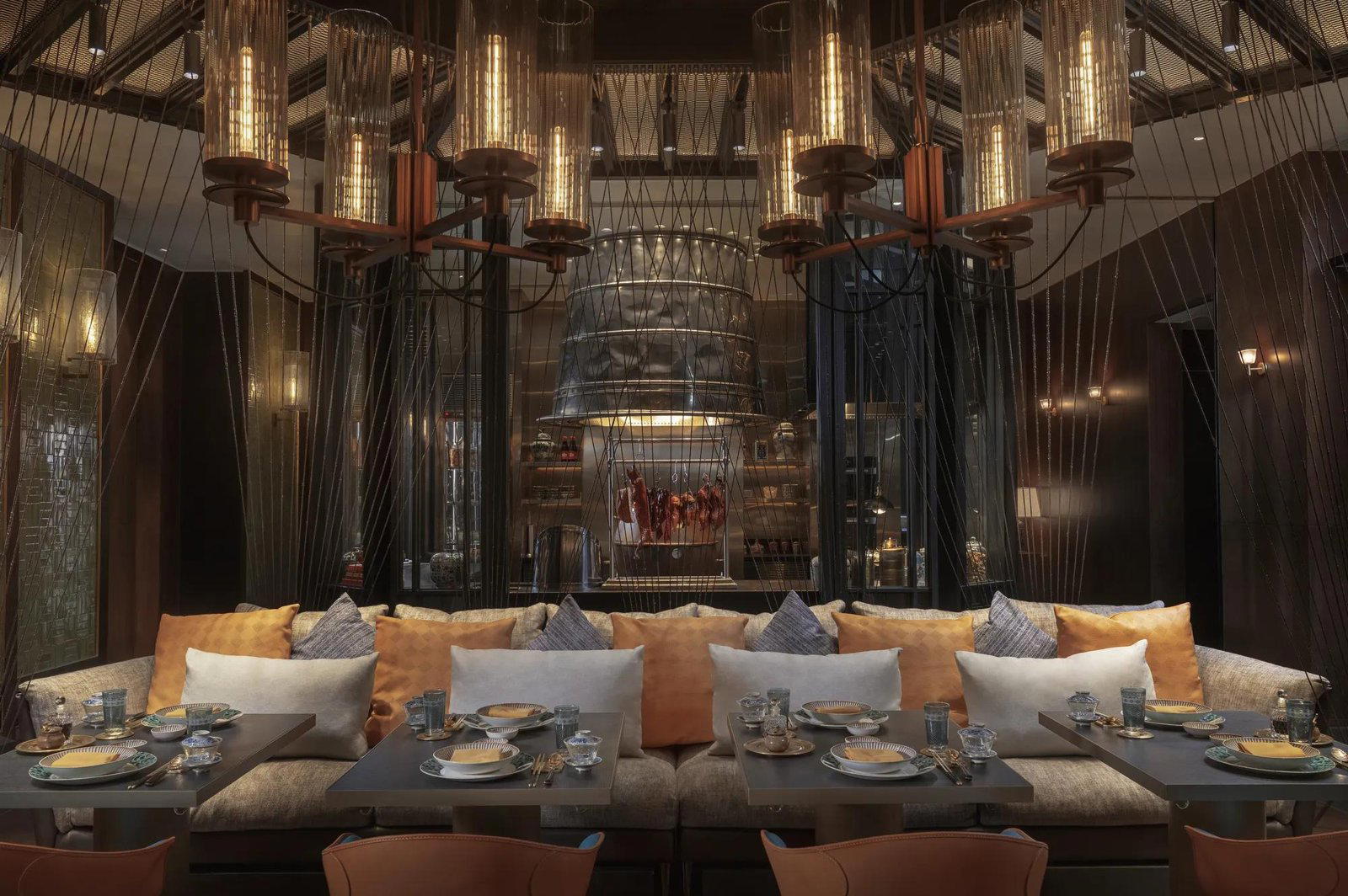
Bars in Phnom Penh
Browse all →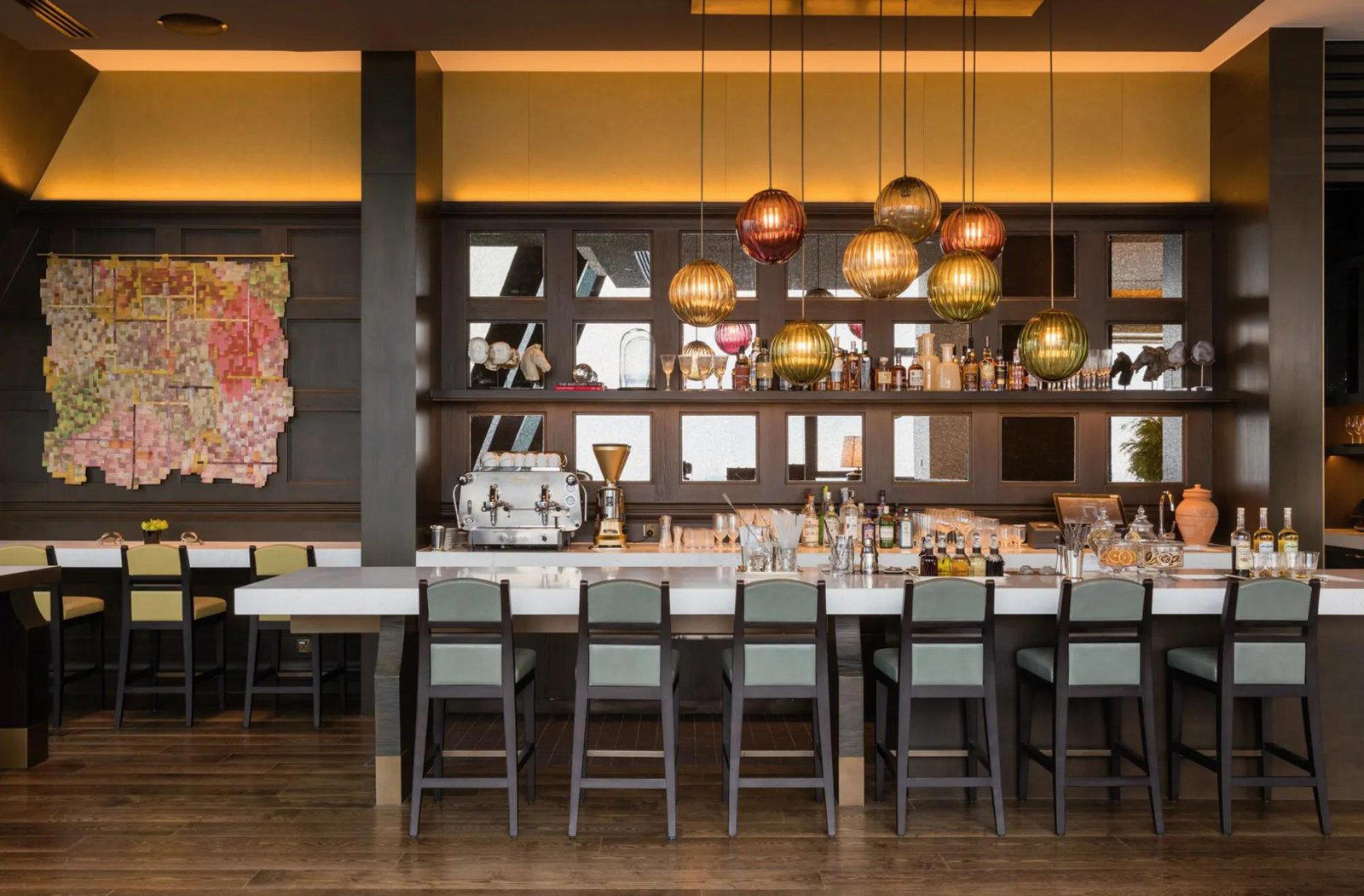
Brasserie Louis
The wine
- Wine program
- Curated wine list
- Extensive wine list
- Craft cocktails
- Zero-proof drinks
Details
- Elegant
- Modern
- Scenic
- Sophisticated
- Cozy
- Brunch
- Business Dinner
- Group Dining
- Family
- Special Occasion
- Date Night
- Panoramic View
- Hotel Restaurant
- Rooftop
- Design Destination
- Private Dining
- Extensive Wine List
- Craft Cocktails
- Zero Proof
- Local Sourcing
- Skyline
- A La Carte
- Buffet
- Set Menu
- Tasting Menu
- Wine
- Cocktails
- Champagne
- Non Alcoholic Cocktails
- Vegetarian Friendly
- Pescatarian Friendly
Current opening hours
- Monday
- 6 AM–9:30 PM
- Tuesday
- 6 AM–9:30 PM
- Wednesday
- 6 AM–9:30 PM
- Thursday
- 6 AM–9:30 PM
- Friday
- 6 AM–9:30 PM
- Saturday
- 6 AM–9:30 PM
- Sunday
- 6 AM–9:30 PM
Hours can change for holidays and private events. Last verified .
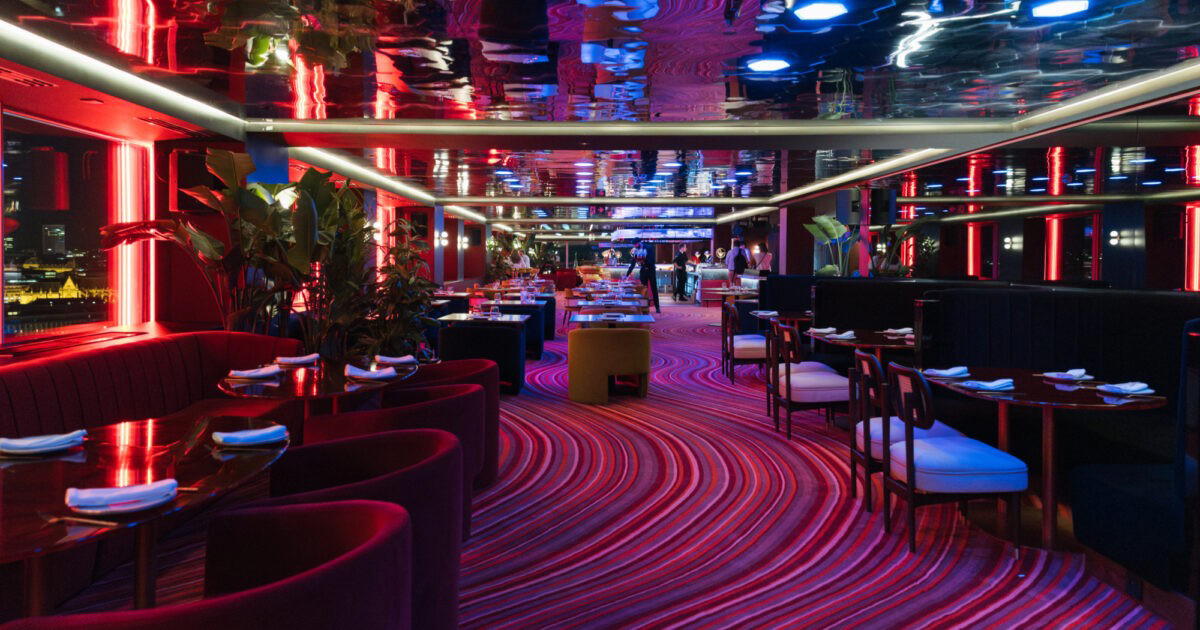
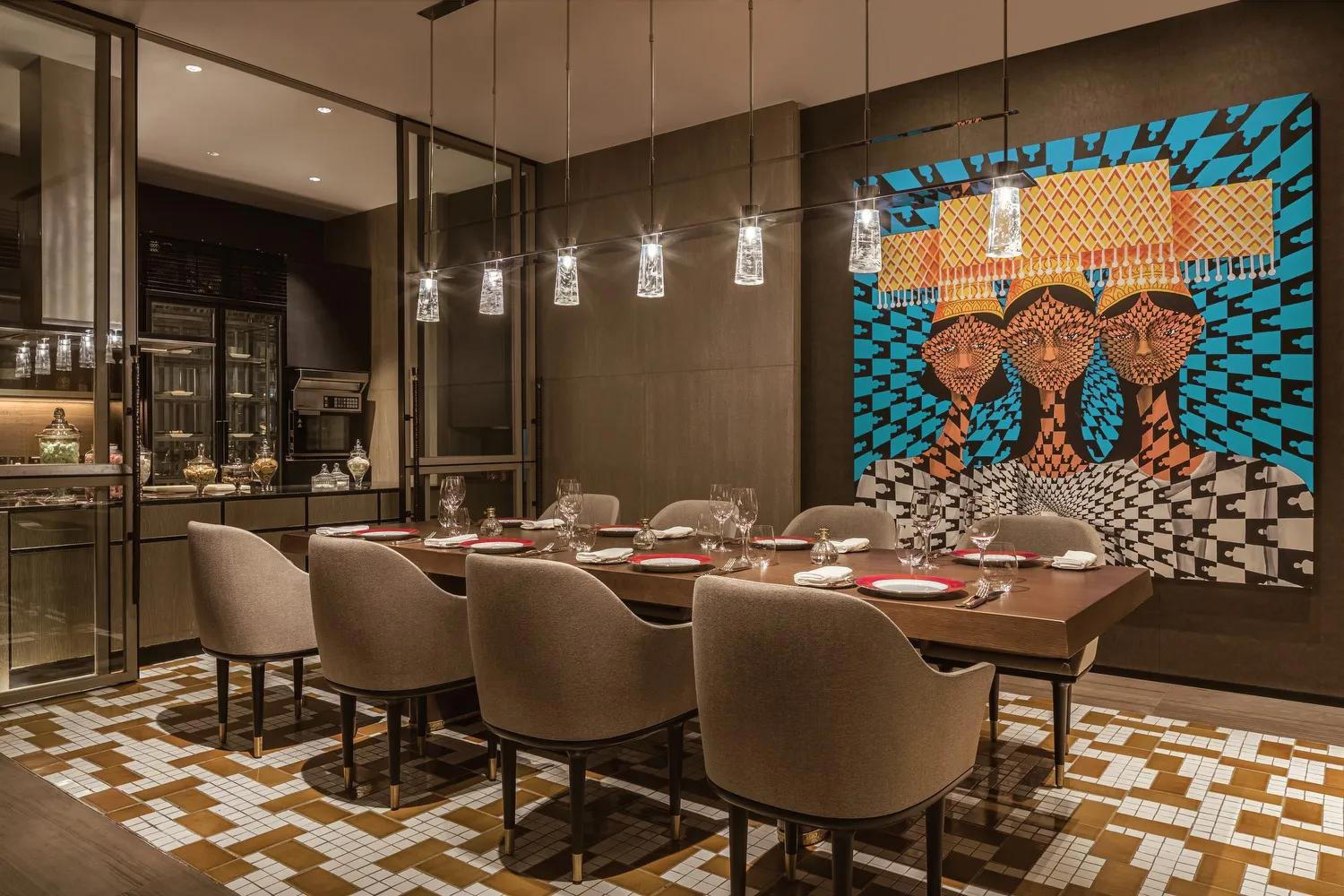
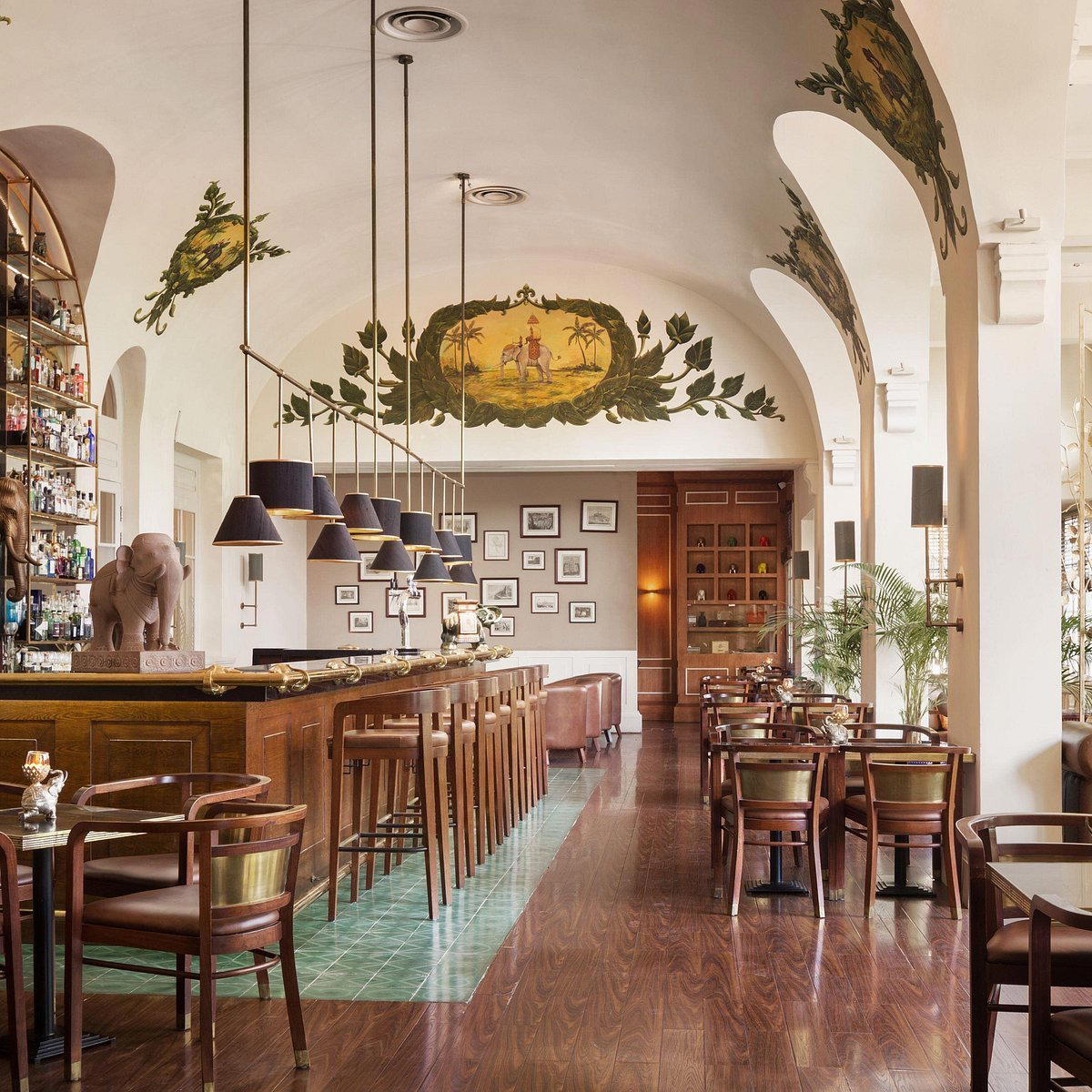
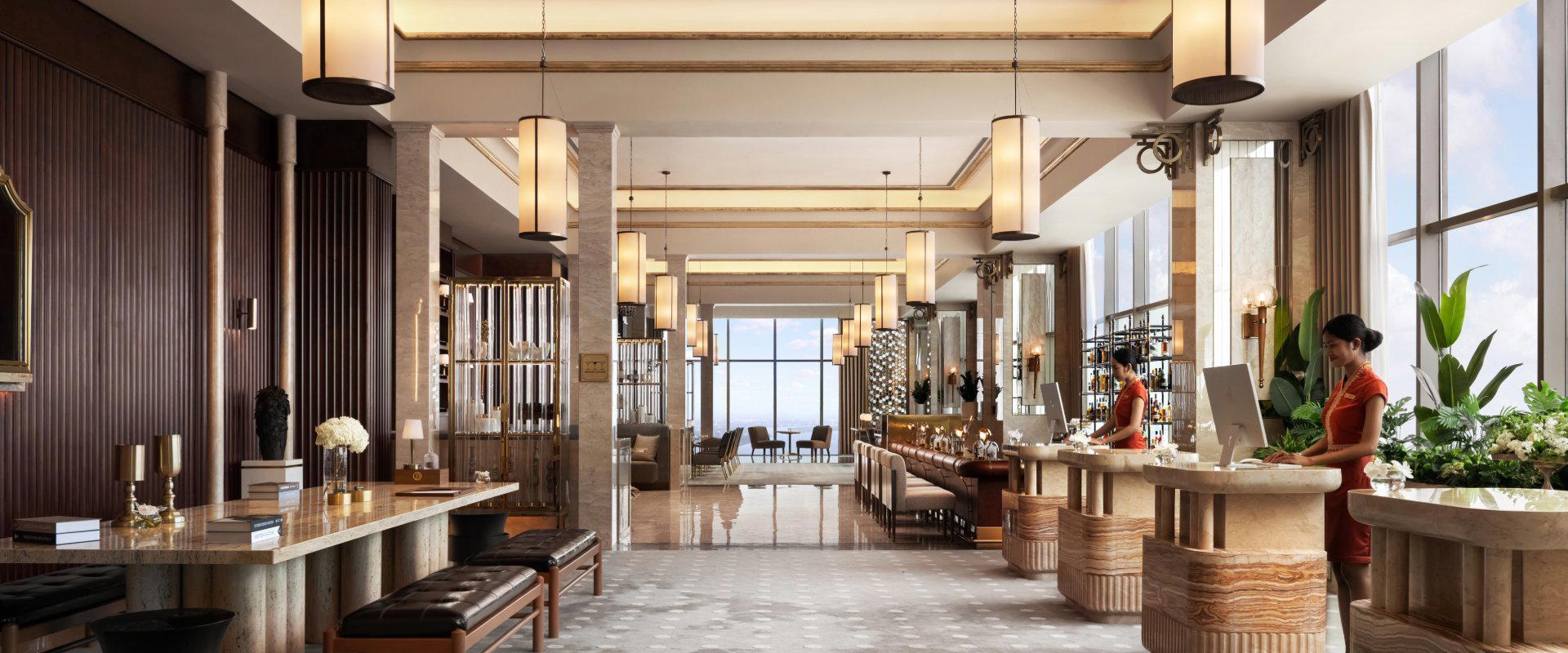
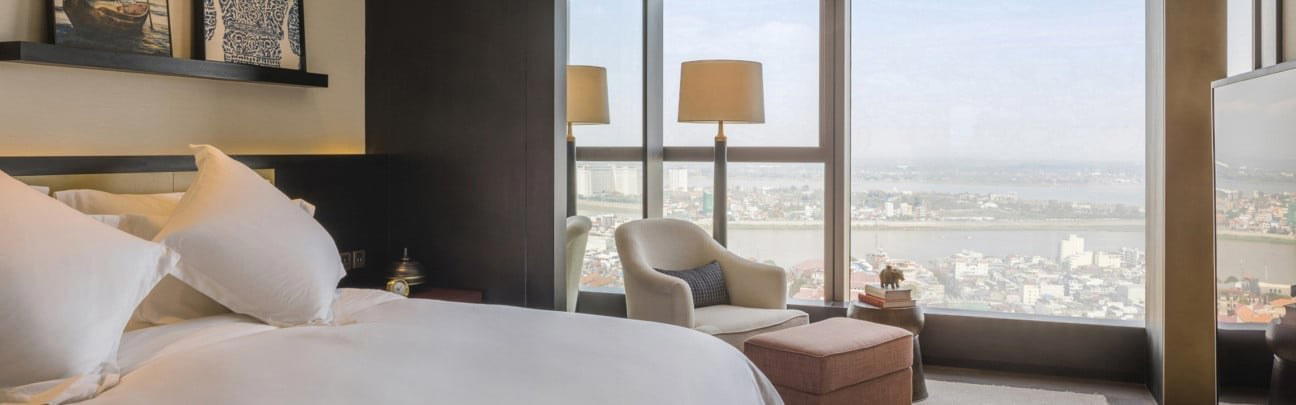
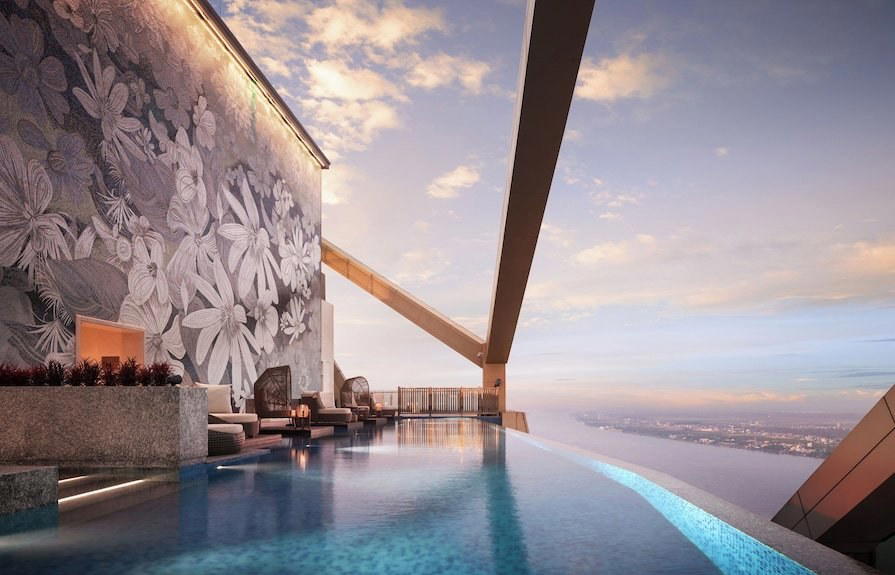
Upscale yet welcoming hotel brasserie with elegant, contemporary decor, soft lighting, and floor‑to‑ceiling windows showcasing Phnom Penh’s skyline, creating a relaxed but polished atmosphere suited to both hotel guests and destination diners.