Café Monivong
Our verdict
Café Monivong sits in Phnom Penh’s hotel-dining corridor, where all-day restaurants often act as a city’s soft landing: breakfast meetings, family meals, and low-friction international menus. Its appeal is less about chef theatre than about reliable pacing in a capital where Cambodian produce, French influence, and regional travel habits meet at the table.

Pearl is the En Primeur Club membership app — saves, bookings, and concierge access live there. Same editors, same standards.
- Address
- 92 Rukhak Vithei, Chivapol, Phnom Penh 12302, Cambodia
- Phone
- +855 23 981 888
- Directions
- Get directions
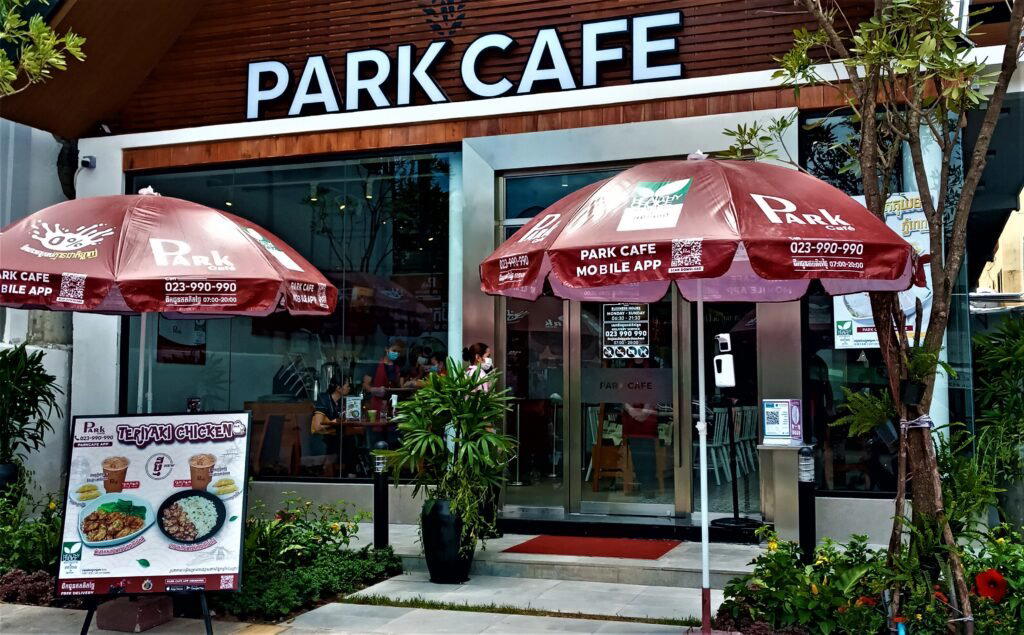
Approaching Café Monivong means entering the part of Phnom Penh where dining is shaped as much by movement as by appetite: visitors crossing paths with local business tables, families using the room as neutral ground, and travellers looking for a meal that does not require decoding a neighbourhood food map. In a city where the strongest eating often happens at the market stall, the casual grill, or the specialist Cambodian kitchen, this kind of café format plays a different role. It is the buffer between street-level immediacy and formal restaurant ritual.
That matters in Phnom Penh because sourcing sits close to daily life. Cambodian cooking is built around rice, freshwater fish, herbs, tropical fruit, fermented seasonings, and vegetables that move quickly from market to kitchen. A broad café cannot replicate the texture of a wet market, and it should not try. Its value lies in translating local supply into a broader, more accessible register: dishes that suit mixed tables, variable appetites, and guests who may be eating their first meal after arrival or their last before leaving the city.
Phnom Penh's all-day café format depends on market rhythm, not spectacle
The capital’s dining scene has become more varied, but its daily logic remains practical. Morning trade, heat, traffic, and family scheduling shape when and how people eat. All-day restaurants sit inside that rhythm by offering continuity rather than a single high-pressure service. Café Monivong belongs to that category: the room is useful because it can absorb different kinds of meals without asking every diner to commit to a tasting format, a bar-led evening, or a specialist cuisine.
Ingredient sourcing is the more interesting lens than menu taxonomy here. Cambodia’s food identity is not defined by luxury imports; it is defined by the handling of local freshness and the balance between sour, salty, sweet, bitter, and herbaceous notes. In Phnom Penh, that means a good broad-format kitchen has to respect produce without turning every dish into a heritage lecture. The test is restraint: enough local character to place the meal in Cambodia, enough international familiarity to serve a mixed table.
For readers mapping the city, Café Monivong makes sense alongside other Phnom Penh addresses with clearer category identities. Some dining rooms point toward the brasserie thread that still runs through the capital’s dining culture, while Butterfly Patisserie speaks to the pastry and lounge tradition. CUTS sits in a more steakhouse-coded lane, and Iza reflects the city’s appetite for Japanese formats. Other casual rooms belong to the more contemporary side of the scene. The useful comparison is not which address is grander; it is how each solves a different dining problem.
The appeal is low-friction dining in a city of sharper specialisms
Phnom Penh rewards diners who know what they want. The city can send one table toward polished formality, another toward noodles or grilled seafood, another toward Japanese drinking food, and another toward a pastry counter. Café Monivong occupies the less dramatic but necessary middle: a place for diners who need flexibility more than a statement. That is a valid luxury in a capital where heat, meetings, family logistics, and travel timing often decide the meal before appetite does.
This also explains why awards are not the central measure. The stronger read is contextual: Café Monivong operates in a hospitality setting where reliability, breadth, and pacing carry more weight than culinary authorship. In Phnom Penh, the absence of heavy restaurant mythology can be a relief. Not every meal needs a thesis. Some need clean execution, a room that works for children and adults, and a menu broad enough to keep a group together.
For a wider Cambodia itinerary, the contrast becomes clearer. Some visitor-focused restaurant scenes lean harder into destination dining around heritage tourism, where formal dining, social-enterprise models, and travel schedules can shape the meal. Phnom Penh is more civic: lunches, meetings, family gatherings, and traveller stopovers shape the table.
How to place it within a Phnom Penh plan
Café Monivong is useful when the priority is ease rather than discovery. It suits the traveller who wants a calmer meal before moving into the city’s more specific dining lanes, or the group that needs one address to satisfy different preferences without turning dinner into negotiation. Its Phnom Penh setting makes it better read as a practical anchor than a detour restaurant.
For fuller planning, use Our full Phnom Penh restaurants guide to separate all-day cafés from specialist kitchens, Our full Phnom Penh hotels guide for where to stay, and Our full Phnom Penh bars guide for the evening circuit. Broader category pages, including Our full Phnom Penh wineries guide and Our full Phnom Penh experiences guide, help frame the capital beyond restaurants. Wider international references are less about direct comparison than format literacy: different cities solve casual, café, and flexible dining needs through different assumptions about speed, sourcing, and occasion.
The editorial case is clear: Café Monivong is not the address to choose for a narrow culinary mission. It is the address to understand as part of Phnom Penh’s hospitality infrastructure, where local supply, international expectations, and all-day utility meet without demanding ceremony.
Frequently asked questions
Is Café Monivong child-friendly?
As a café in Phnom Penh, Café Monivong suits mixed-age groups that want an easy place to eat. The setting reads as practical rather than formal, which usually makes family stops simpler.
What's the overall feel of Café Monivong?
Café Monivong fits the everyday café rhythm of Phnom Penh: practical, unforced, and built for a meal without ceremony. Its Phnom Penh setting places it in a city where convenience matters as much as the menu.
Where is Café Monivong in Phnom Penh?
Phnom Penh.
Can I walk in to Café Monivong?
A café format in Phnom Penh generally lends itself to flexible dining, and Café Monivong sits in that category. Timing still matters in the capital, so the safer assumption is that it works well for adaptable plans.
What's the standout thing about Café Monivong?
Its strongest point is utility: Café Monivong gives Phnom Penh a reliable all-day café option. That makes it useful for breakfast, a midday pause, or a low-key meal between other plans.
Snapshot
Comparable venues by cuisine and price in the same metro.
| Venue | Cuisine | Price | Awards | Notes |
|---|---|---|---|---|
| Café MonivongThis venue — the venue you are viewing | Western hotel café & restaurant | $10–20 | Not listed | Not listed |
| Le Phnom 1929 | French Brasserie | Not listed | Not listed | Not listed |
| Le Royal at The Raffles | Modern Khmer & French Fine Dining | $50–100 | La Liste Top Restaurants | French Cambodian |
| CUTS | Modern Steakhouse & Grill | $50–100 | Not listed | Not listed |
| Iza | Japanese Izakaya and Sushi | $100–150 | Not listed | Not listed |
| Butterfly Patisserie | Not listed | $20–30 | Not listed | Not listed |
Continue exploring
More in Phnom Penh
Restaurants in Phnom Penh
Browse all →
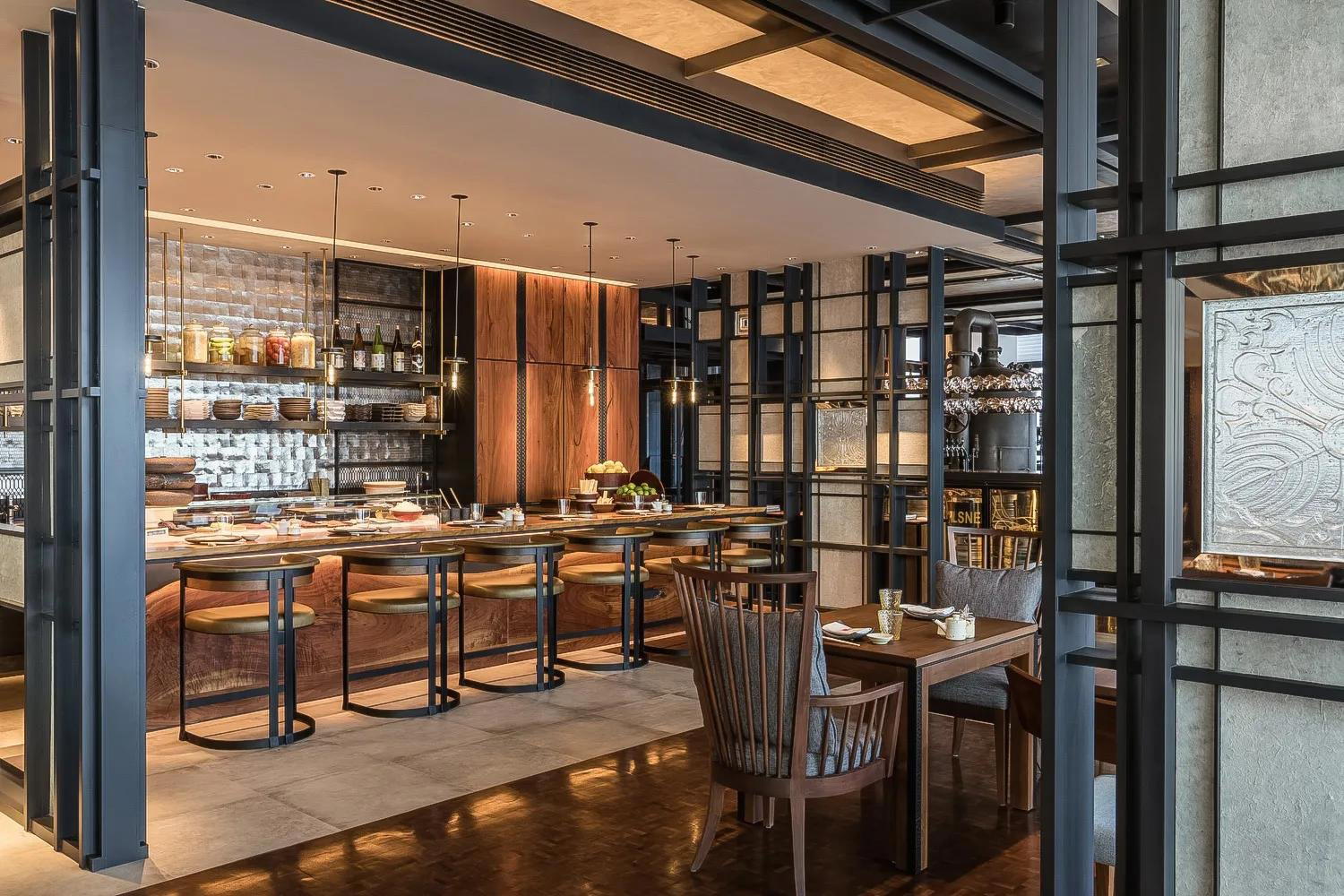
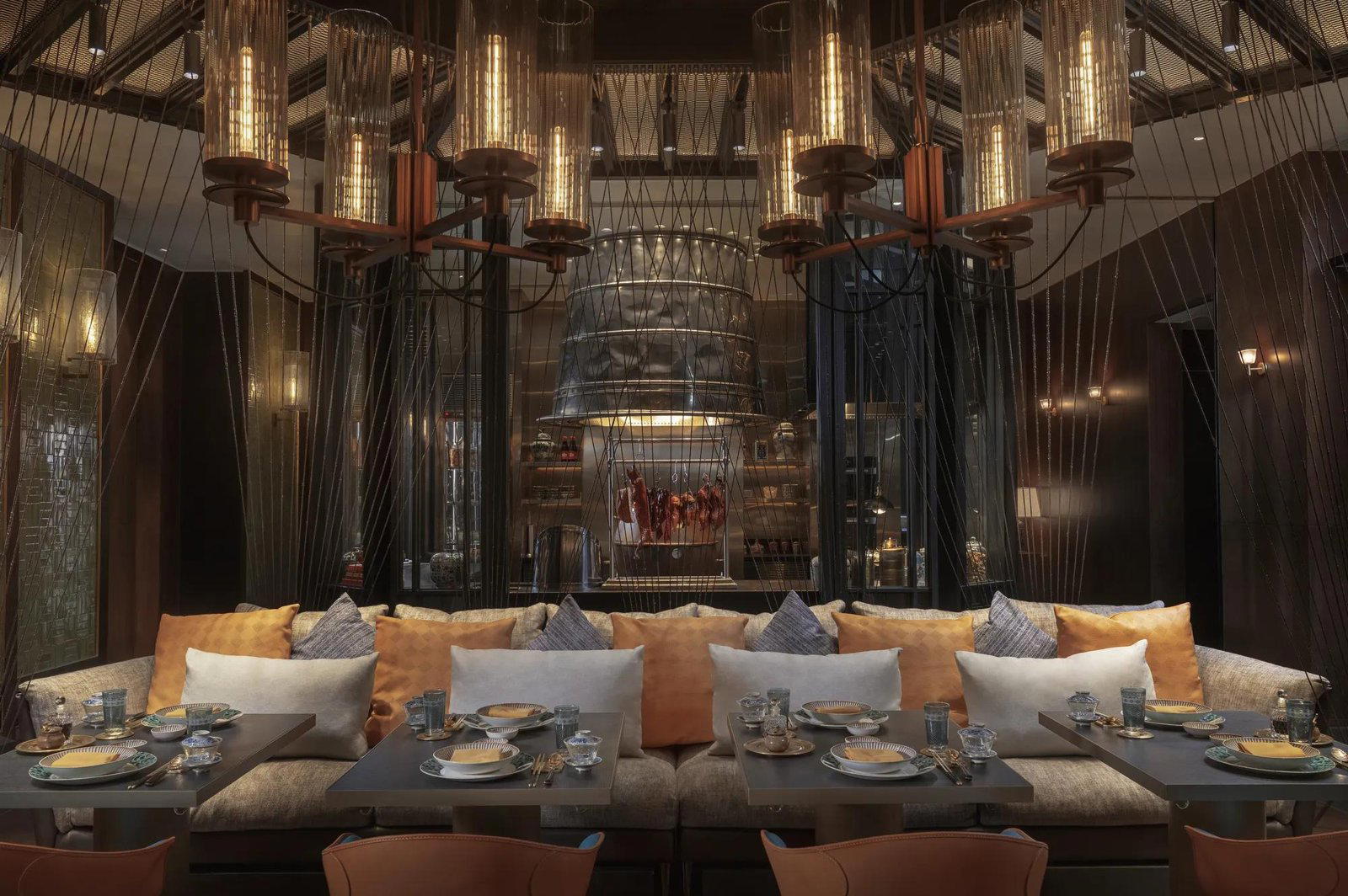
Bars in Phnom Penh
Browse all →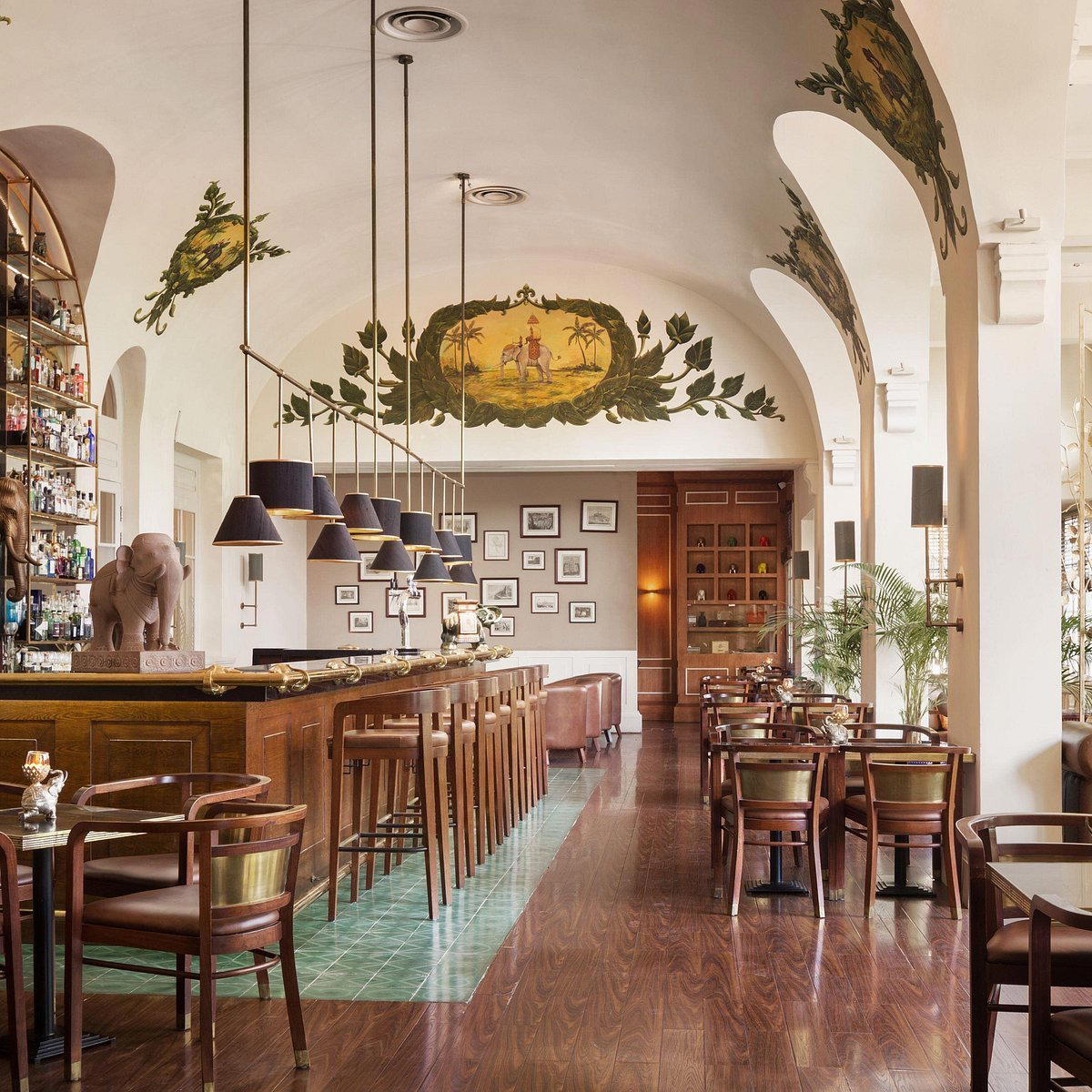
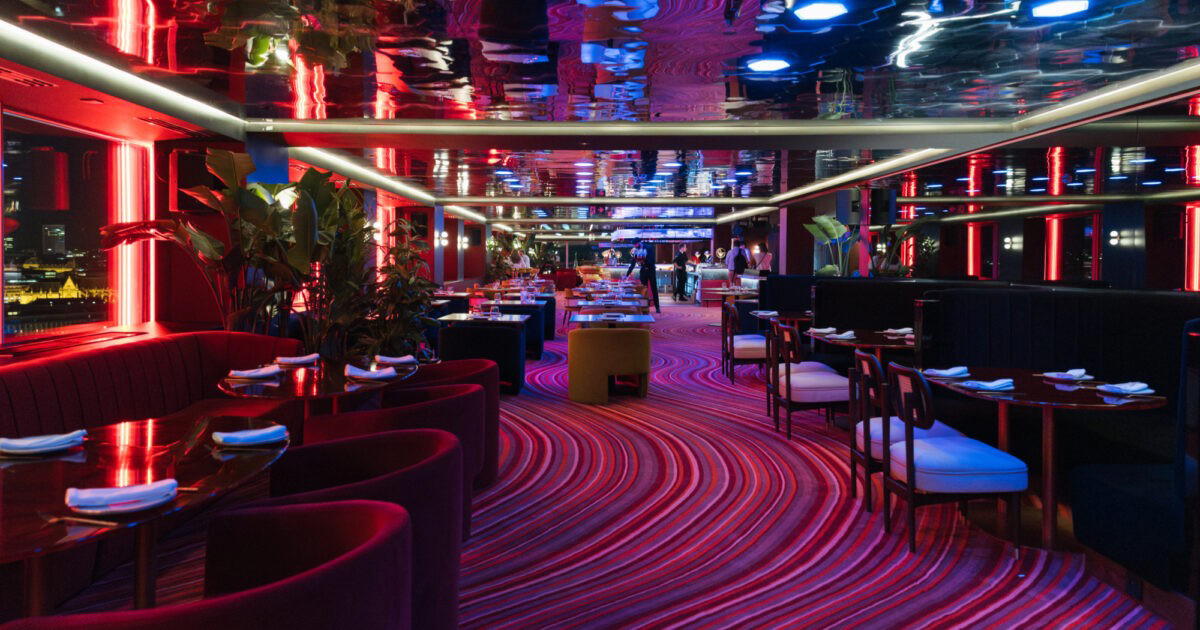
Details
- Classic
- Elegant
- Lively
- After Work
- Group Dining
- Casual Hangout
- Family
- Celebration
- Hotel Restaurant
- Historic Building
- Craft Cocktails
- A La Carte
- Rum
- Cocktails
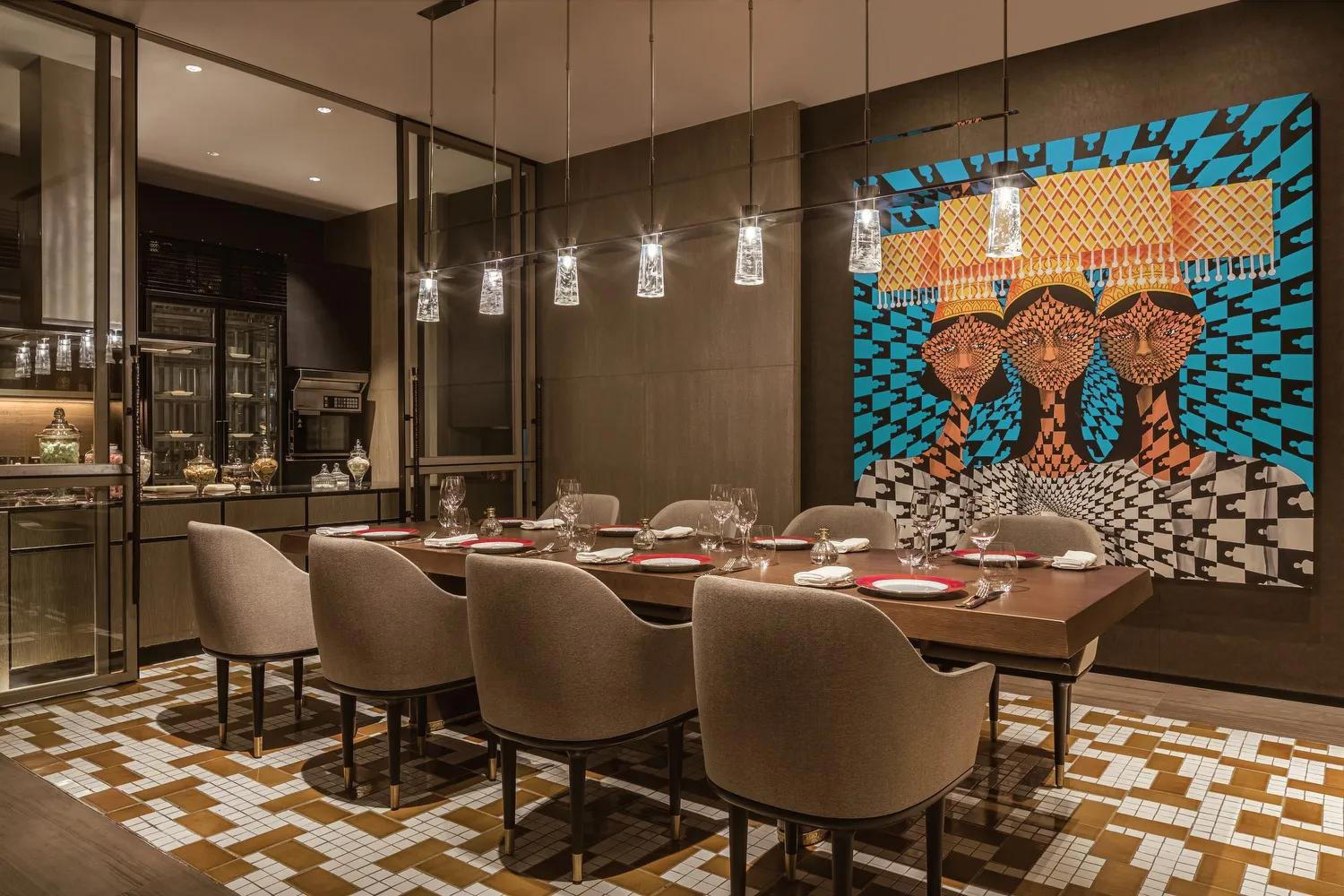
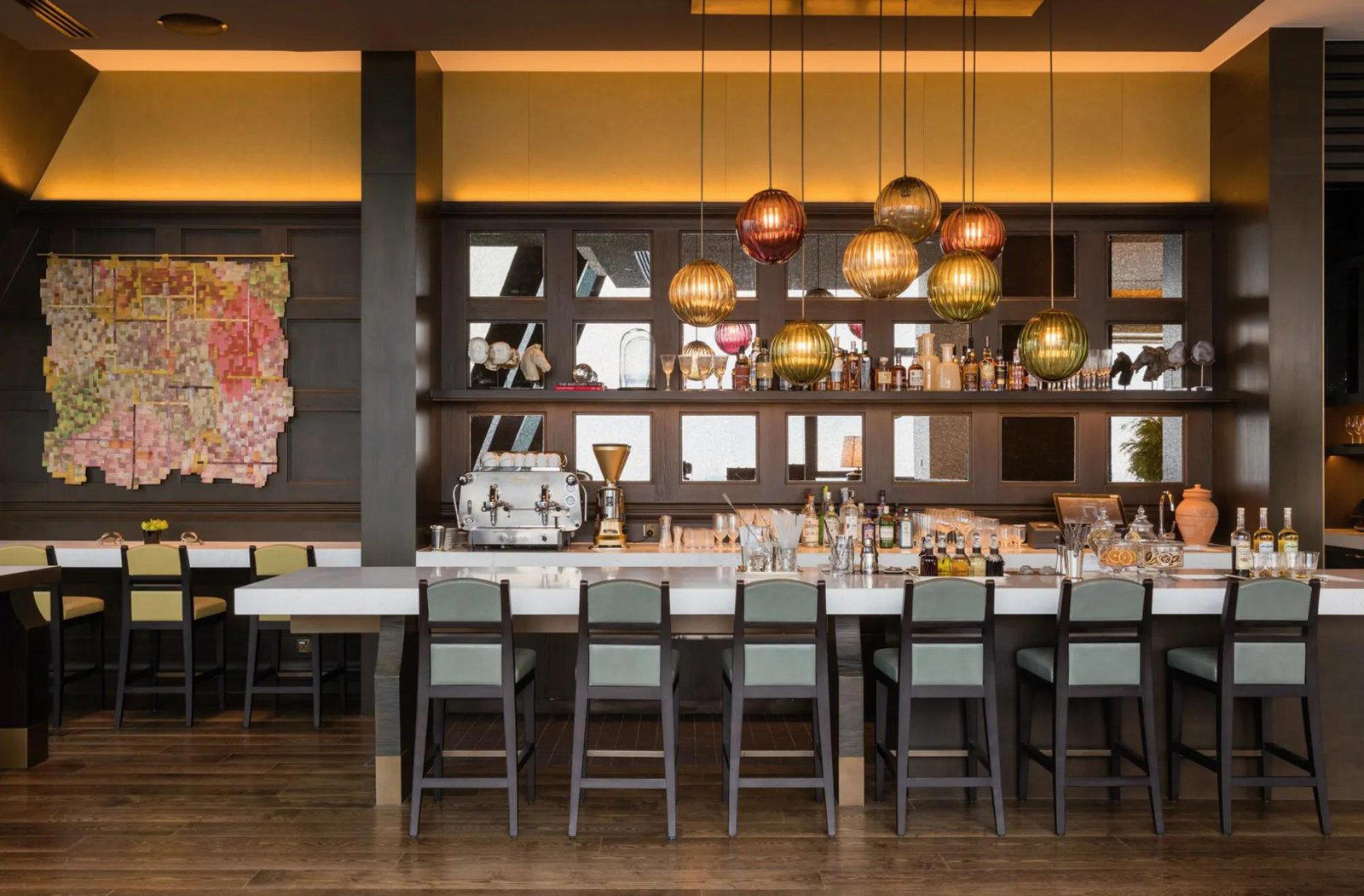
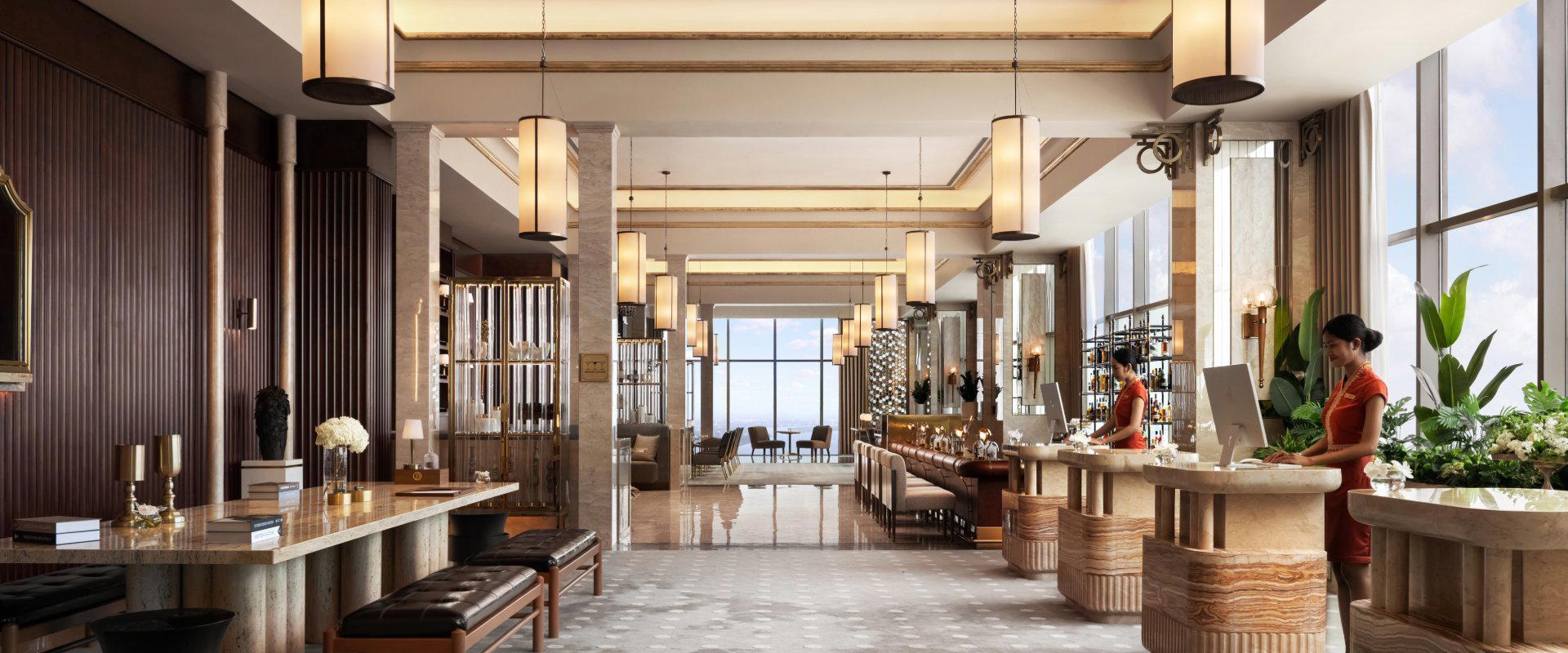
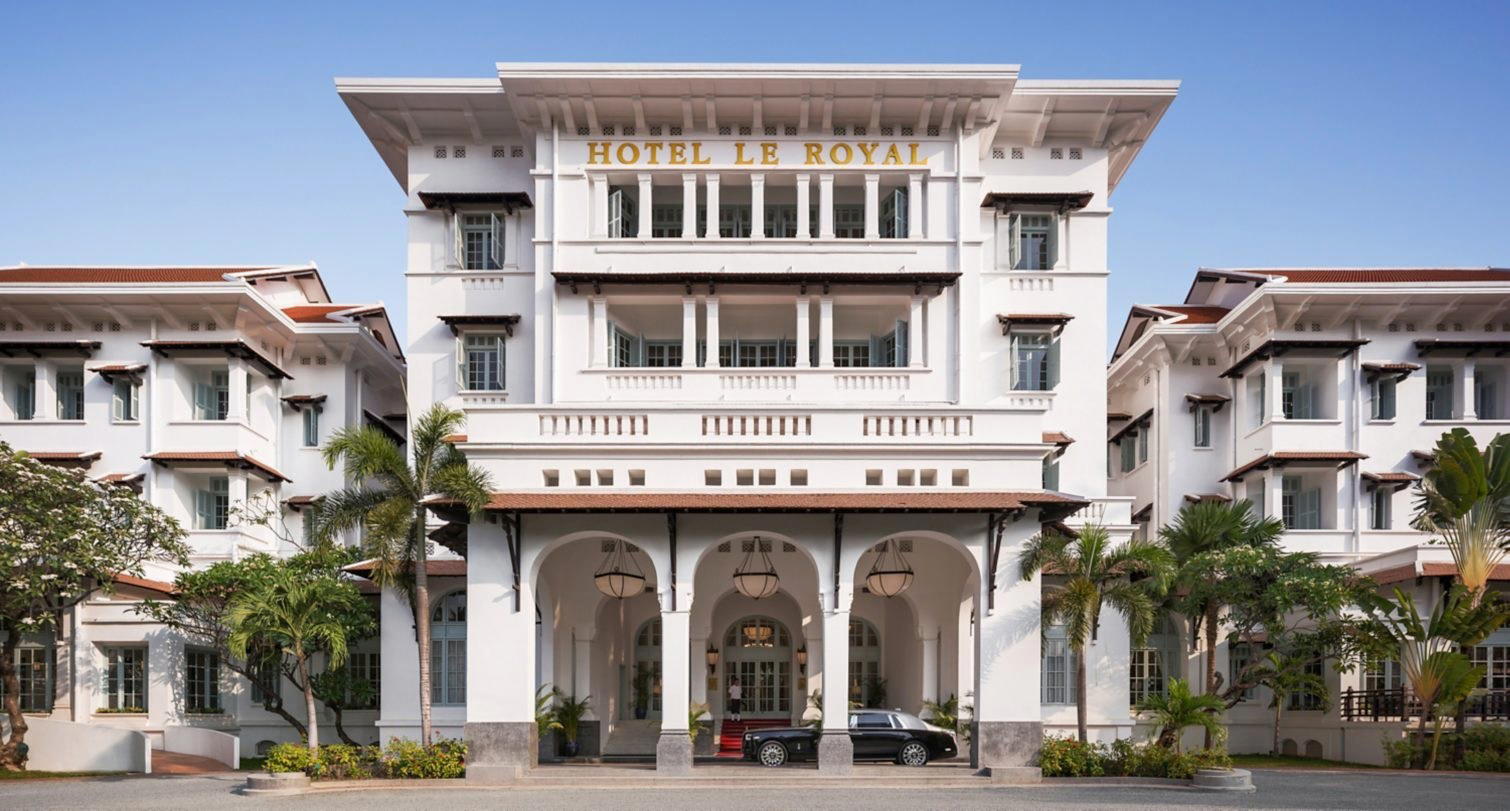
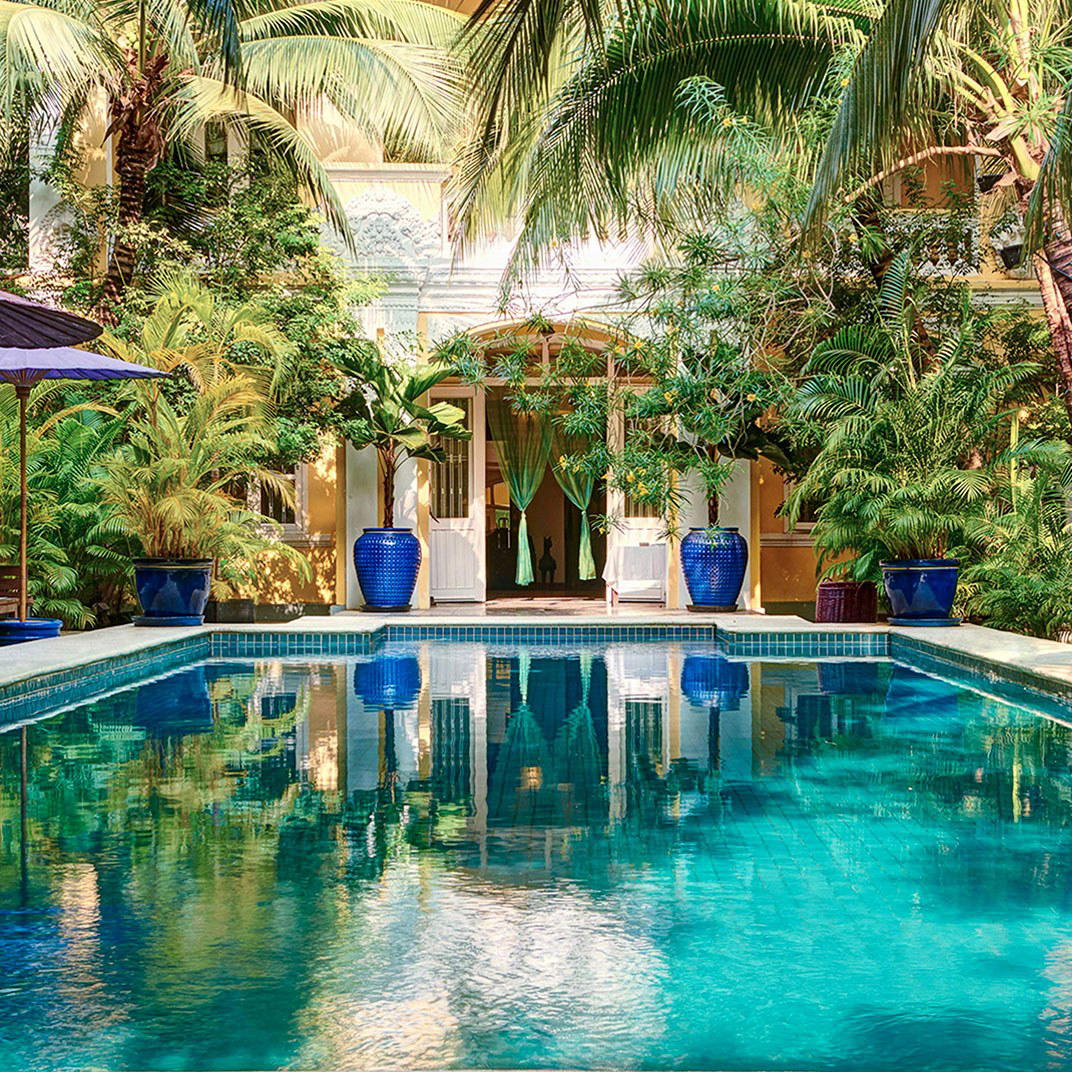
Hotel‑brasserie atmosphere within the Raffles property, with a classic and slightly elegant feel suited to relaxed but polished meals and social events, including cocktail and tapas nights with Latin music.