Our verdict
Brasserie L'ANNEXE sits along Avenue de la Bouvine in Nîmes, a city where Roman heritage and southern French cooking have overlapped for centuries. The brasserie format here belongs to a long regional tradition of honest, mid-register dining that prioritises daily rhythm over destination theatre. For visitors oriented around the city's arenas and old town, L'ANNEXE offers a locally grounded alternative to the more tourist-facing places clustered near the monuments.

Pearl is the En Primeur Club membership app, where members save venues, book tables and use the concierge.

The menu
What to order
- Entrecôte
- Noix de Saint-Jacques au foie gras
- Tête de veau
- Saumon frais
The Brasserie Tradition in the South of France
The brasserie is one of France's most durable dining formats, and in cities like Nîmes it serves a function quite different from its Parisian cousin. Where a Parisian brasserie often operates as a stage set for a certain kind of bourgeois sociability, a southern French brasserie tends to be more workmanlike: a place shaped by the pace of the city around it, by the heat of the afternoon, by the appetite for fresh local produce and wine that doesn't need a story attached. Brasserie L'ANNEXE, on Avenue de la Bouvine, sits inside that tradition. The address alone gives you something. The Bouvine corridor is removed from the postcard circuit around the Arènes and the Maison Carrée, which means the clientele skews local rather than transient, and the format follows accordingly.
Nîmes as a Dining City
Nîmes occupies an interesting position in the French dining conversation. It is not a city that generates much national coverage, which works in its favour for visitors willing to look past the monuments. The cooking in the city draws from several overlapping traditions: the Languedoc-Roussillon hinterland, with its emphasis on garlic, olive oil, herbs, and wine-braised meat; the Camargue flats to the south-east, where bulls are raised and rice is grown; and the broader Mediterranean influence that ties the city to a coastal sensibility without being a coastal city itself. Brandade de morue, the salt cod emulsion that Nîmes claims as its own, is the dish most associated with this place, and its presence on a menu is a reasonable signal of how seriously a kitchen takes its local roots.
For a wider picture of where L'ANNEXE sits within the city's restaurant scene, the full Nîmes restaurants guide maps the range from casual neighbourhood tables to the more polished options near the historic centre. The city's dining options are more varied than its scale might suggest. Bistrot des Arènes occupies a different position in the city's mid-register tier, closer to the monuments and with a profile that reflects that location. Chez Hubert represents another strand of the local offer, while the city also supports international formats including L'oriental grill, La Baie d Halong Denim, and La Locanda, each drawing from a distinct culinary tradition.
What the Brasserie Format Means Here
In the context of southern France, the brasserie format carries specific expectations that are worth understanding before you arrive. This is not a destination-dining format. There are no tasting menus running to twelve courses, no celebrity chef lineage, no sommelier conducting flights. The French brasserie at its most functional is a place where a main course, a carafe of local wine, and a dessert constitute a complete and satisfying meal, executed without theatrics and priced to reflect that honest proposition. That stands in deliberate contrast to the haute cuisine houses that have defined France's international dining reputation, places like Mirazur in Menton, Alléno Paris au Pavillon Ledoyen, or Flocons de Sel in Megève, where the architecture of the meal is itself the point. At a southern brasserie, the meal is in service of the afternoon or evening around it, not the other way around.
That tradition has deep roots. The long lineage of French regional cooking, from the institution-level seriousness of Auberge de l'Ill in Illhaeusern and Paul Bocuse to the more intimate scale of Bras in Laguiole or Les Prés d'Eugénie in Eugénie-les-Bains, was built partly on the understanding that France's real culinary character lives in the regions, not just in Michelin-starred Paris. The brasserie is where that character becomes daily and democratic. Even international houses like Le Bernardin in New York City or Lazy Bear in San Francisco owe something to the regional French kitchen as a conceptual foundation, even when they depart from it dramatically in format and ambition. Closer to home, properties like Georges Blanc in Vonnas, Troisgros in Ouches, and La Table du Castellet represent the upper tier of that regional tradition in the south and wider France.
Finding L'ANNEXE and Planning Your Visit
Avenue de la Bouvine runs through a residential and commercial part of Nîmes that most visitors pass through rather than stop in. That positioning is part of what distinguishes L'ANNEXE from the restaurants that orbit the Arènes: the surrounding neighbourhood is functional, not decorative, which tends to correlate with a different kind of pricing logic and a different crowd. For visitors, this means approaching from the city centre by foot is possible but takes around twenty minutes depending on your starting point; by car or taxi the address is direct.
The Broader Case for Mid-Register Dining in Nîmes
One of the consistent arguments for cities like Nîmes as travel destinations is precisely that they support a layer of mid-register dining that larger, more overtly touristic cities often price out. When a city's restaurant economy is dominated by venues calibrating to the expectations of international visitors, the honest neighbourhood table becomes economically marginal. Nîmes, with its strong local identity and relatively modest tourism infrastructure compared to Marseille or Montpellier, has retained more of that mid-register layer. L'ANNEXE, as a brasserie on a non-tourist avenue, is a representative of that layer. It is the kind of place that a Nîmois would go on a Wednesday evening without thinking twice about it, which is its own form of recommendation.
Frequently asked questions
What's Brasserie L'ANNEXE's location?
Brasserie L'ANNEXE is located at 166 Av. de la Bouvine, 30900 Nîmes, France, Nimes.
Is Brasserie L'ANNEXE suitable for a meal away from Nîmes's main monuments?
Avenue de la Bouvine is removed from the Arènes and Maison Carrée, making L'ANNEXE a practical option for visitors who want to eat where Nîmes residents actually eat. Brasseries in this part of the city serve a local clientele rather than a tourist one, which generally means shorter menus, faster service, and prices calibrated to daily use rather than occasion dining. It is a reasonable choice after covering the city's Roman sites on foot.
What should I eat at Brasserie L'ANNEXE?
In the broader Nîmes and Languedoc context, a neighbourhood brasserie on Avenue de la Bouvine would typically anchor its menu in regional staples: brandade de morue, slow-braised meats, and seasonal vegetables from the Gard. Confirm current dishes directly with the venue before visiting.
What's the best way to book Brasserie L'ANNEXE?
For a neighbourhood brasserie at this address on Avenue de la Bouvine, walking in or calling ahead the same day is standard practice in Nîmes outside of peak summer weekends. Searching the venue name alongside Nîmes on Google Maps should surface current contact details.
What is Brasserie L'ANNEXE known for?
L'ANNEXE operates as a neighbourhood brasserie on Avenue de la Bouvine, a residential and commercial stretch that sits outside Nîmes's Roman monument corridor. That positioning places it in the mid-register dining layer the city sustains for locals rather than tourists. It represents the brasserie format as it functions in southern France: regular, unfussy, and oriented toward the neighbourhood rather than the guidebook circuit.
A Pricing-First Comparison
Comparable venues nearby, for context on price, style, and recognition.
| Venue | Cuisine | Price | Awards | Notes |
|---|---|---|---|---|
| Brasserie L'ANNEXEThis venue (the venue you are viewing) | French Brasserie | $20–30 | Not listed | Not listed |
| Lou Mas Café | Modern French Bistro | $30–50 | Not listed | Nîmes, Modern French Bistro |
| Le Coin | Bistronomic Fusion French | $50–100 | Not listed | near Arenes, Bistronomic Fusion French |
| Bistrot des Arènes | Traditional French Lyonnais Bistro | $30–50 | Not listed | Near the Arènes (Arena), Traditional French Lyonnais Bistro |
| La Pie qui Couette | French Bistro with Market-Fresh Mediterranean Influences | $20–30 | Michelin Plate | Les Halles, French Bistro with Market-Fresh Mediterranean Influences |
| Chez Hubert | French Bistro | $20–30 | Not listed | near Arènes, French Bistro |
Continue exploring
More in Nîmes
Restaurants in Nîmes
All restaurants in Nîmes →
Bars in Nîmes
Browse all →

Details
- Classic
- Cozy
- Family
- Group Dining
- Casual Hangout
- Terrace
- Local Sourcing
- A La Carte
Current opening hours
- Monday
- 10 AM–2 PM
- Tuesday
- 10 AM–2 PM
- Wednesday
- 10 AM–2 PM
- Thursday
- 10 AM–2 PM, 7–10 PM
- Friday
- 10 AM–2 PM, 7–10 PM
- Saturday
- 10 AM–2 PM, 7–10 PM
- Sunday
- Closed
Hours can change for holidays and private events. Hours as of .
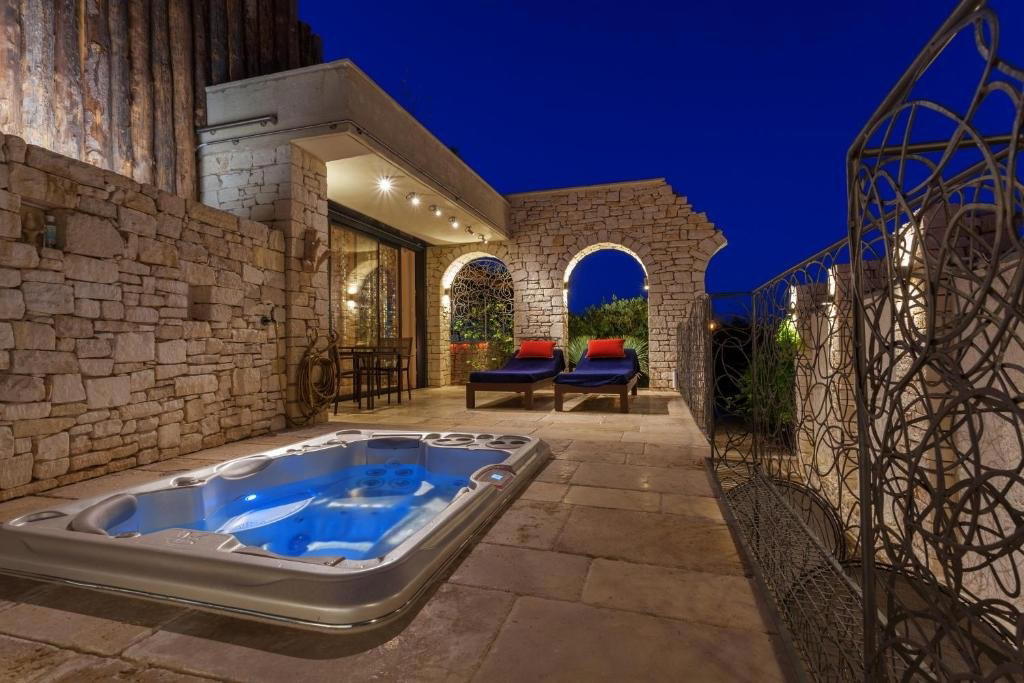
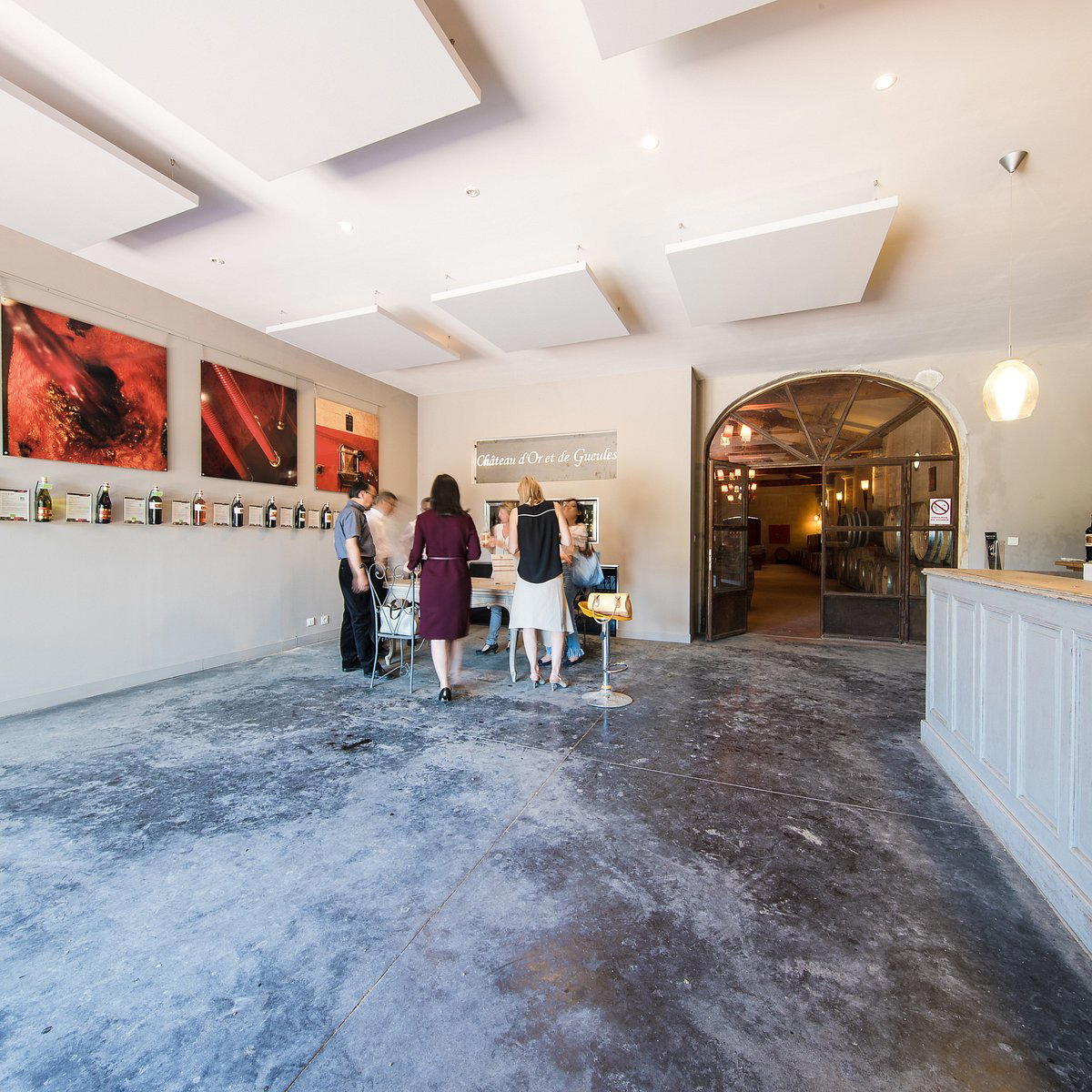
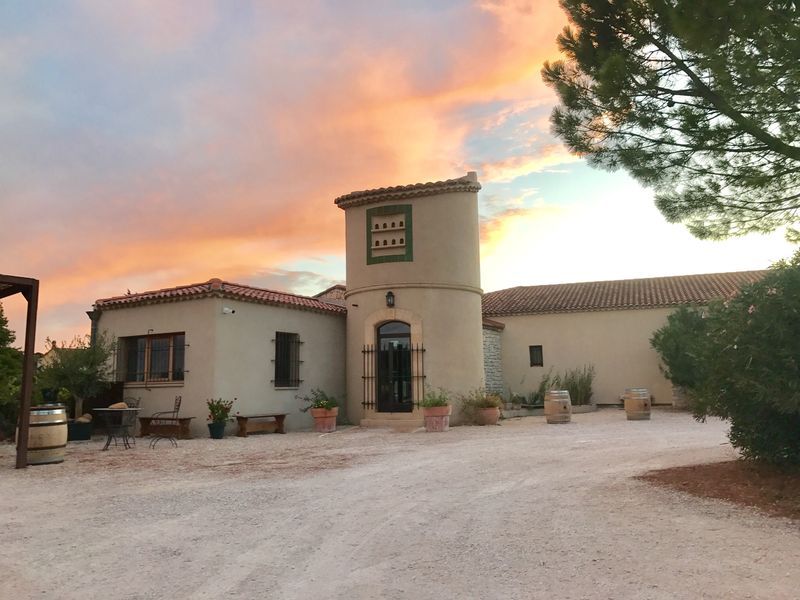
Contemporary decor indoors with a spacious, comfortable, and shaded outdoor terrace providing a refreshing escape.