Château de Lascaux

Falstaff Winery - Listed
Château de Lascaux is a family-run Pic Saint-Loup estate in Vacquières, set around a 12th-century priory and 85 hectares of organically farmed, biodynamic vineyards. The draw is terroir clarity rather than spectacle: Syrah, Grenache, Mourvèdre and southern white varieties shaped by limestone, garrigue and a cooler Languedoc microclimate.

Pearl is the En Primeur Club membership app — saves, bookings, and concierge access live there. Same editors, same standards.
- Address
- Vacquières, Languedoc, Occitanie, Frankreich
- Directions
- Get directions
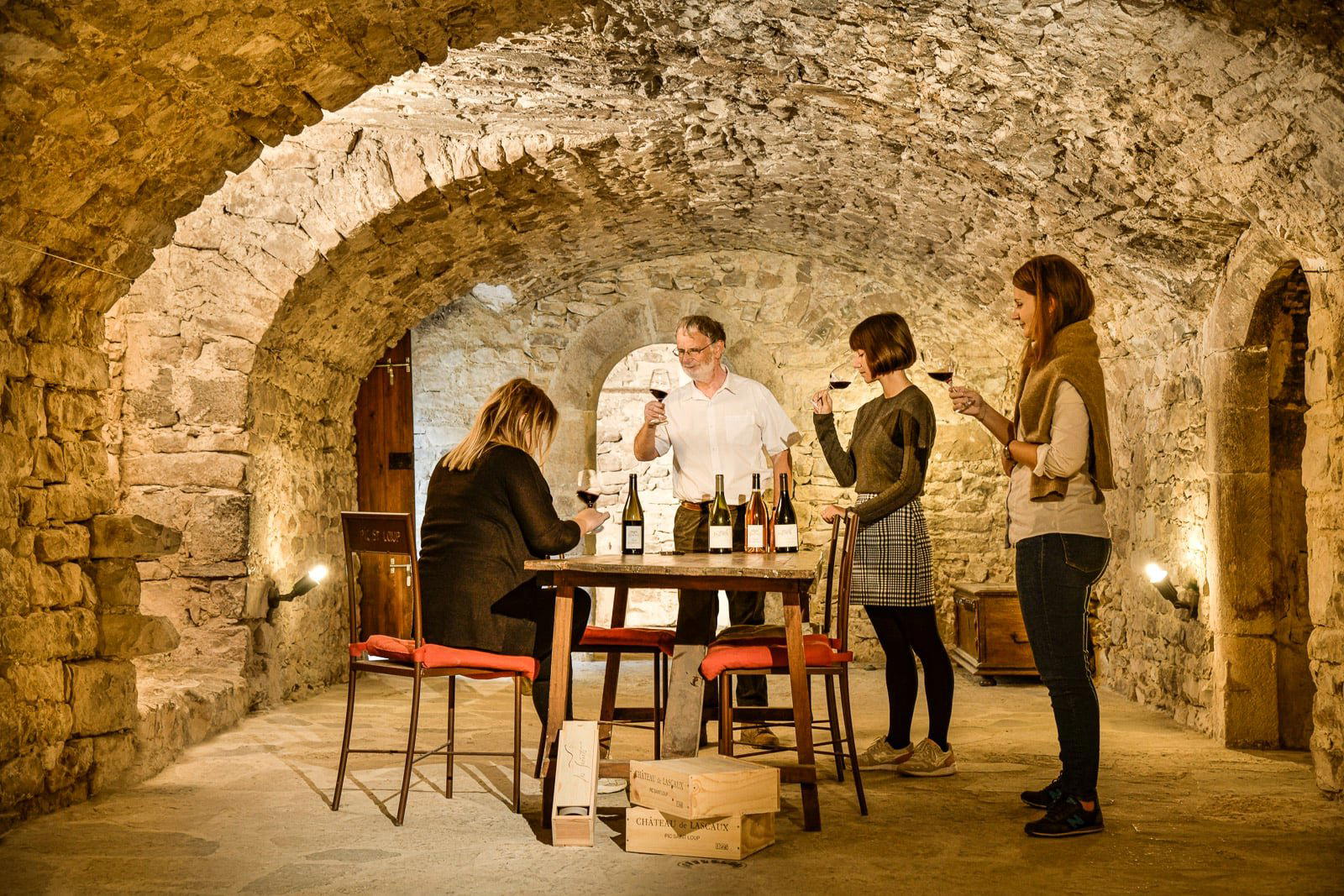
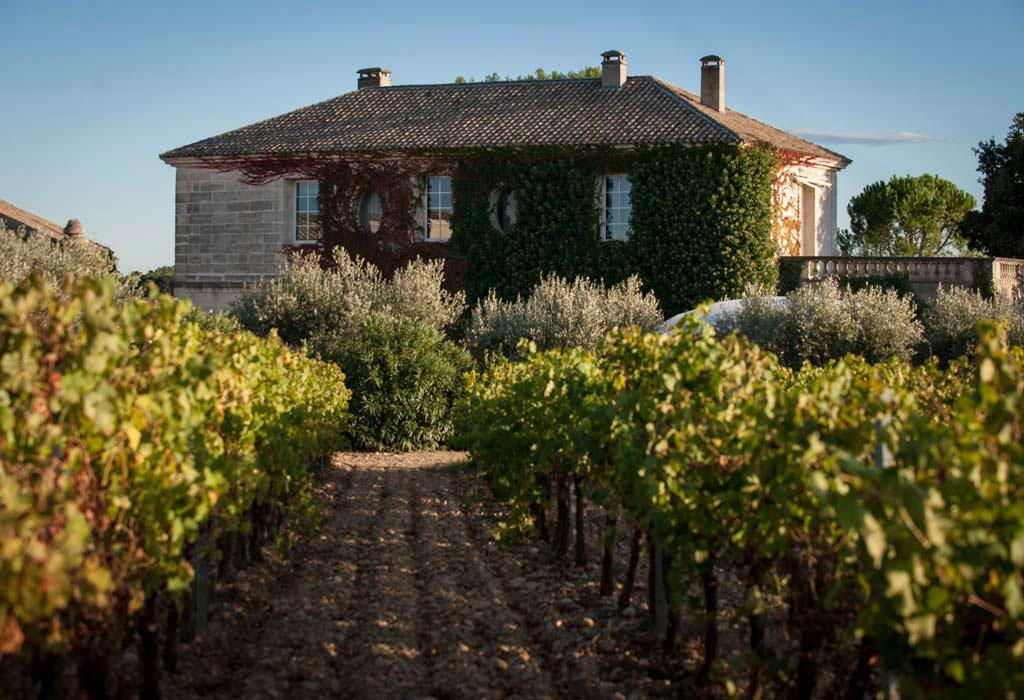
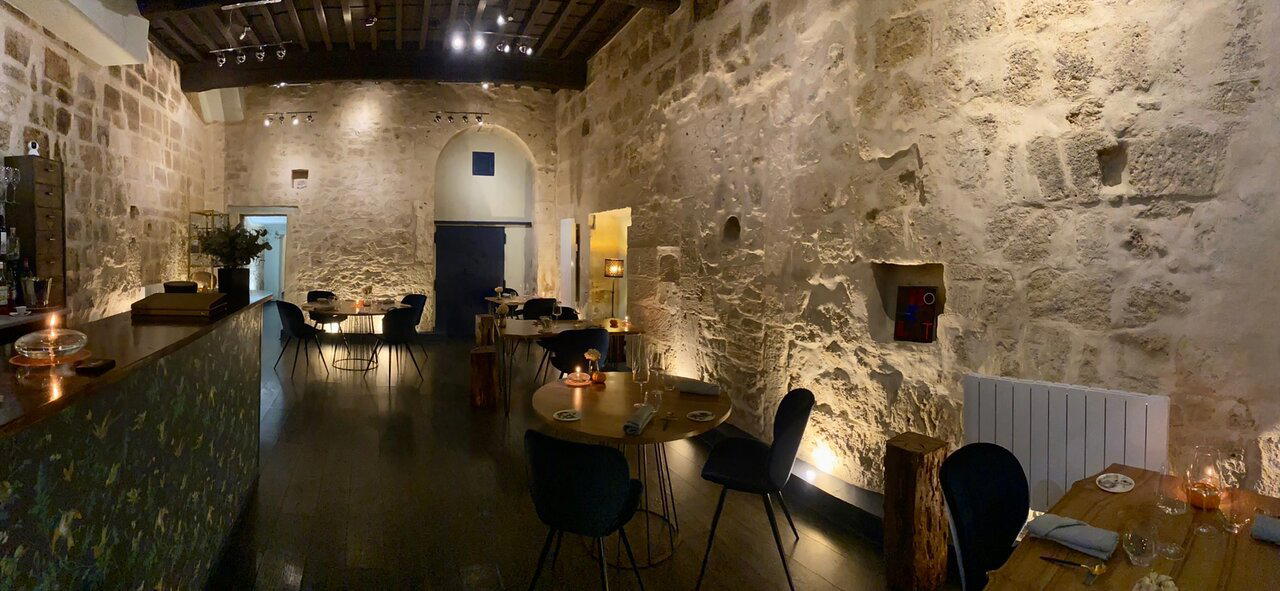
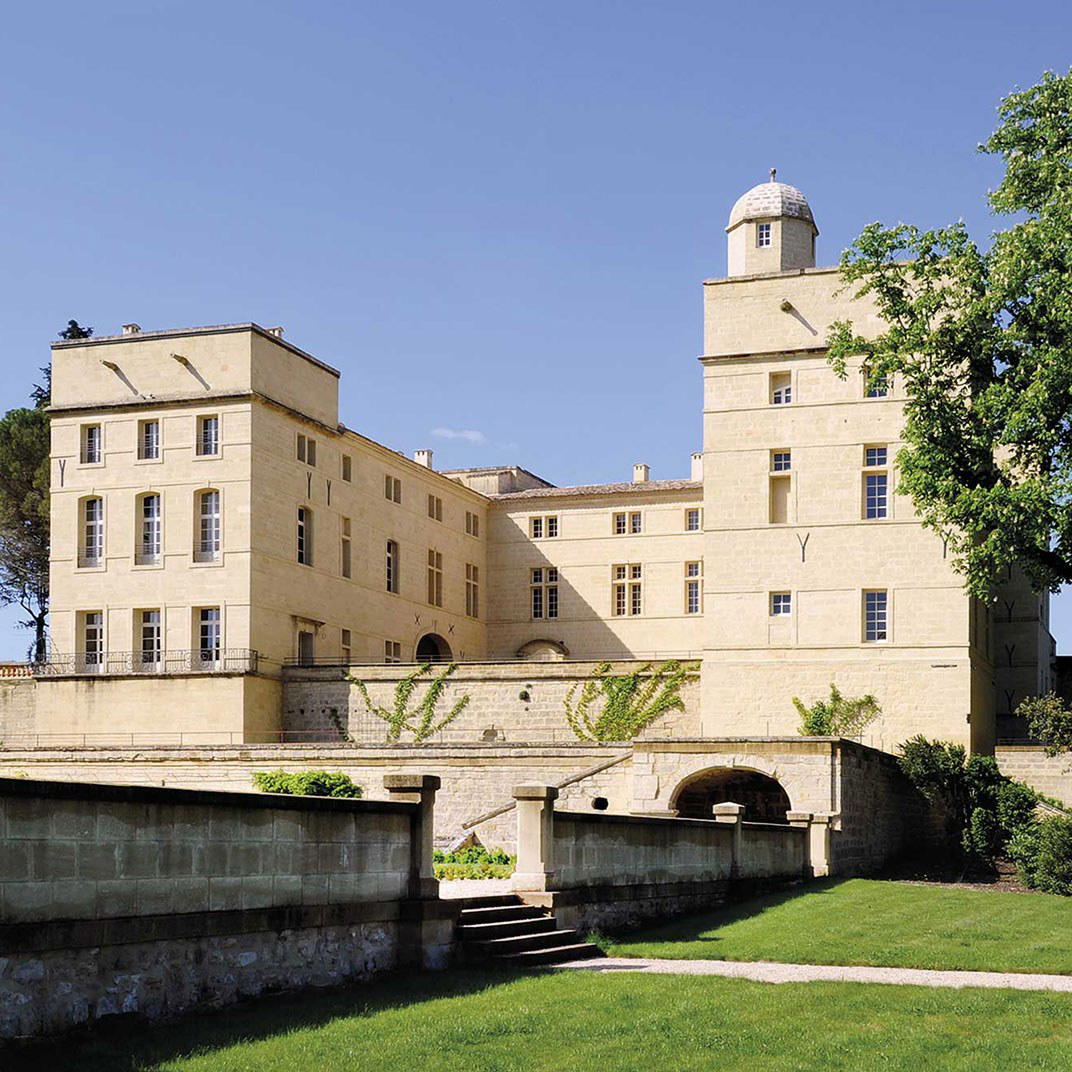
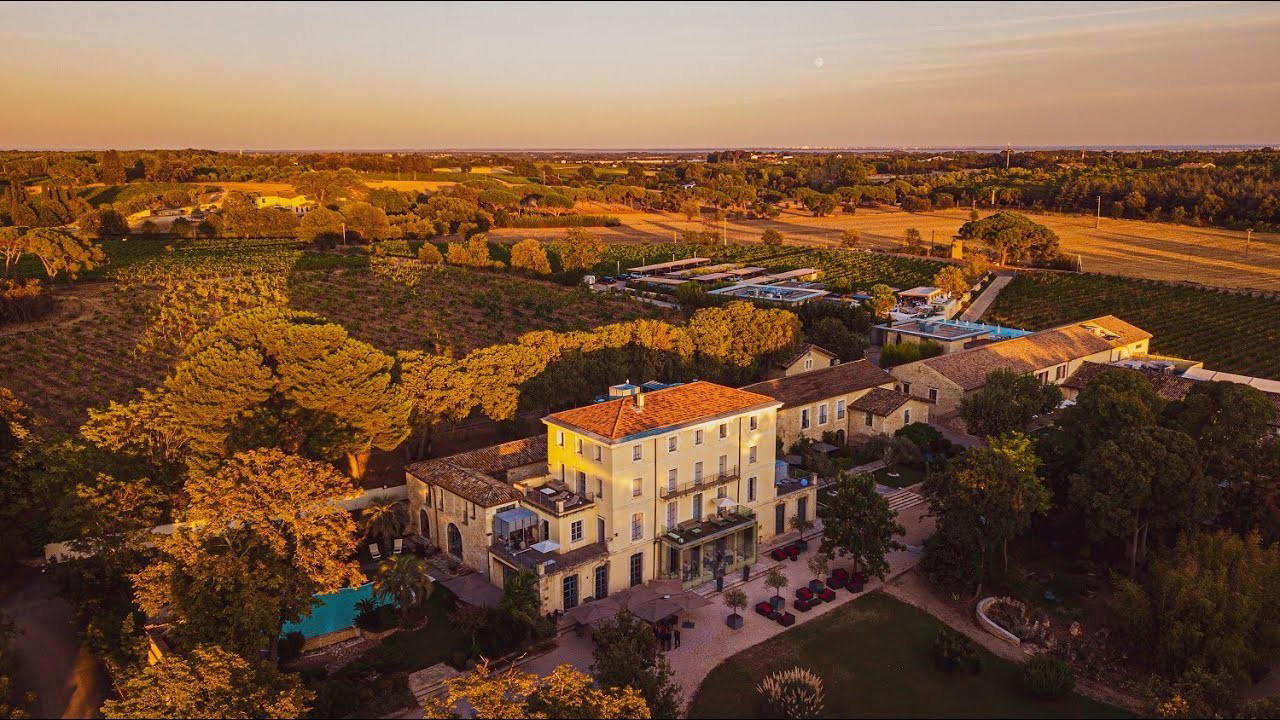
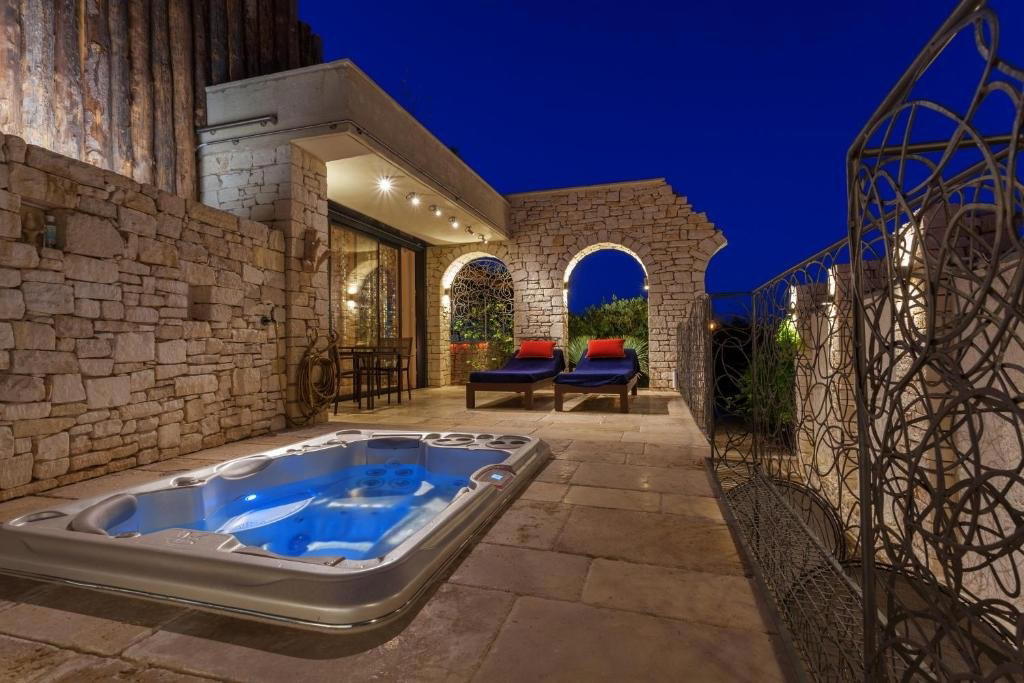
Stone, scrubland and old buildings set the tone at Château de Lascaux in Vacquieres. The picture is simple but distinctive: a family-run Languedoc estate set in a historic 12th-century priory, where modern cellar facilities sit alongside old stone buildings, terraces and views over the garrigue. That contrast is the core of the appeal. Nothing in the description suggests a glossy urban venue, and that is part of the point: the estate reads first through its site, its materials and its landscape. The atmosphere is calm, scenic and rustic, with the focus kept on nature and terroir rather than on urban polish.
For travelers comparing countryside stops around Vacquieres, Château de Lascaux is best understood as a place-led estate experience. It is the kind of address where the setting does much of the work, from the sense of history implied by the priory to the open views and scrubland textures around it. The value is not in a long list of extra amenities, but in the way the old buildings, cellar context and surrounding garrigue come together into a coherent Languedoc stop.
Limestone, garrigue and Languedoc character shape the visit
The point of visiting Château de Lascaux is the combination of heritage and landscape. Its 12th-century priory setting gives the estate a strong sense of age, while the modern cellar facilities sit within a historic rural property. That pairing matters because it keeps the place from feeling like a preserved monument on one hand or a purely functional production site on the other. The experience sits between those ideas: old stone and rural architecture provide the backdrop, while the cellar infrastructure confirms that this is still an active estate environment rather than just a scenic shell.
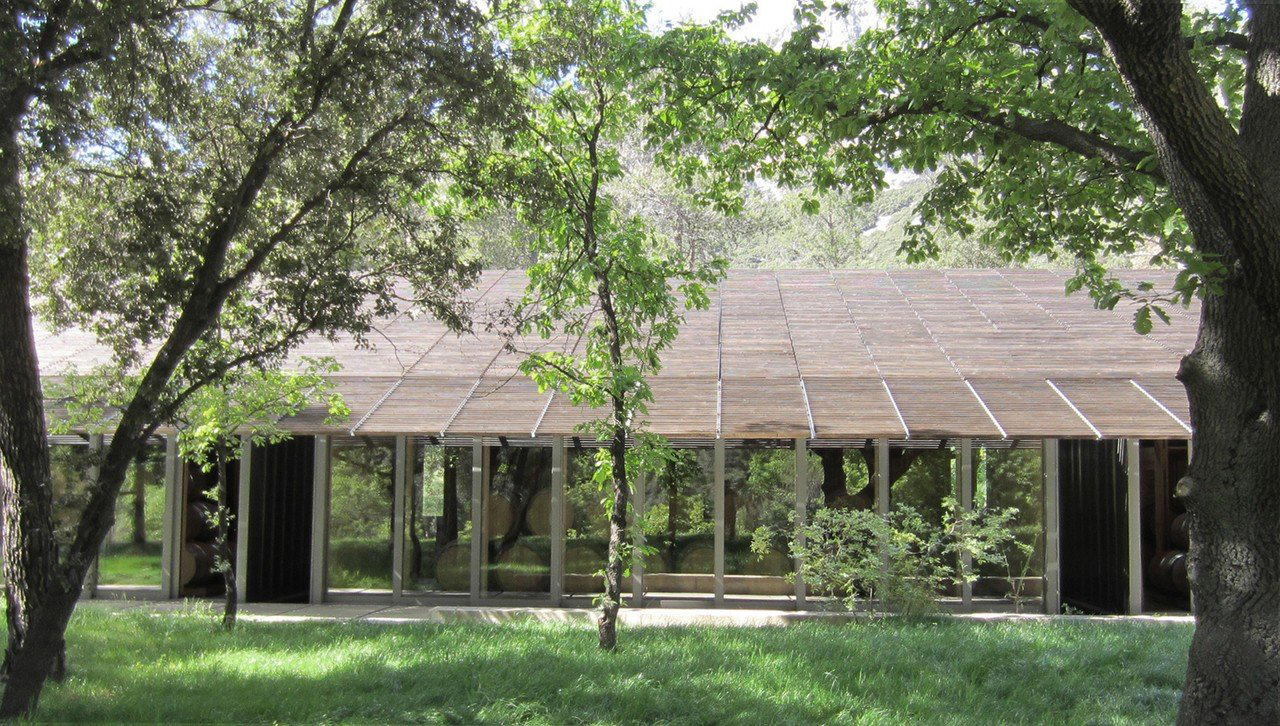
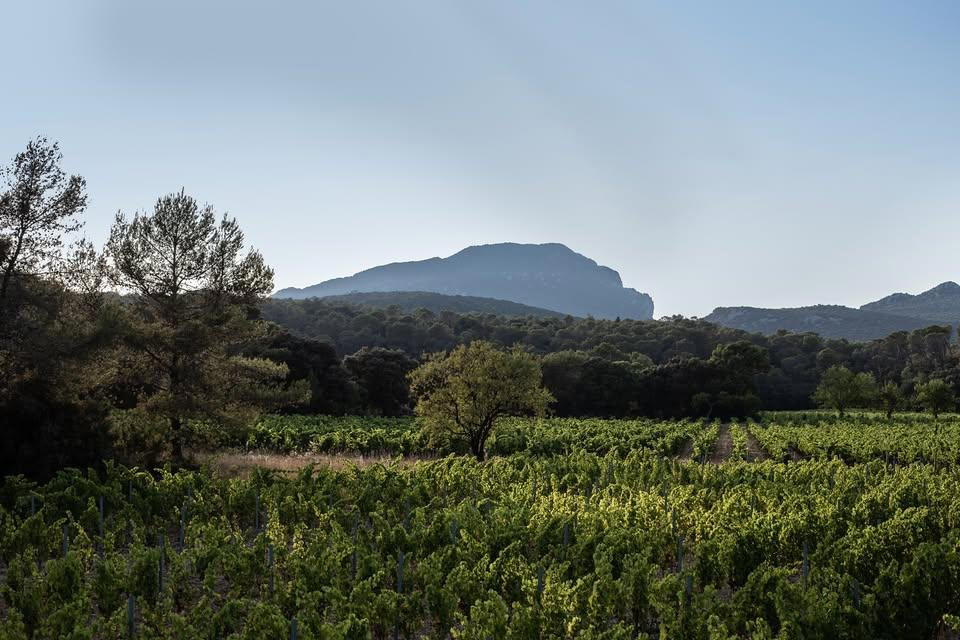
Terraces overlooking the garrigue add the scenic, open-air quality that makes the property feel rooted in its surroundings. The garrigue is not presented as decoration; it is part of the mood and identity of the place. In practical terms, that means the landscape is central to how the estate is perceived. The scrubland, the stone, the views and the quiet rural setting all reinforce the same message: Château de Lascaux belongs to its corner of Languedoc, and the visit makes most sense when approached through that local character.
Rather than overstating those details, it is more accurate to describe the estate as a family-run Languedoc property where the public-facing appeal rests on old stone buildings, cellar infrastructure, views, quiet atmosphere and a terroir-focused rural setting. That description is deliberately grounded. It avoids promising more than the provided information supports, while still recognizing that the estate has a clear identity. The strength here is not spectacle; it is the layering of history, countryside and working-estate context in one calm, scenic place.
A calm estate setting rather than a performance-driven stop
What can be said is that the estate combines historic architecture with modern cellar facilities and a scenic outdoor setting. That makes it a natural fit for travelers who value context, atmosphere and landscape when visiting an estate in Vacquieres. Visitors drawn to this kind of stop are likely to be looking for a sense of place as much as a conventional venue experience. The appeal is quieter and more rooted: old buildings, rural air, terraces, views and the feeling of being outside the busier patterns of a town or city.
The price is $15 per person.
Practical expectations should stay modest and fact-based. Expect a rustic, scenic Languedoc estate in Vacquieres, not a city-style restaurant or bar listing. The strongest confirmed reasons to pay attention are the 12th-century priory setting, the contrast between old stone buildings and modern cellar facilities, and the terraces overlooking the garrigue. Those elements are enough to define the visit without adding unsupported claims. The estate should be understood as a calm, landscape-oriented address where architecture and setting carry the experience.
This also helps set the right pace. Château de Lascaux does not need to be framed as a high-energy or performance-driven stop in order to be worthwhile. Its identity is more restrained: a family-run property, a historic rural frame, a modern cellar presence and a surrounding landscape that gives the visit its texture. For travelers who appreciate that slower register, the lack of urban polish is not a weakness but a defining characteristic.
How to place it within a Vacquieres itinerary
Vacquieres is best approached as countryside territory rather than a dense restaurant-and-bar district. Château de Lascaux fits an itinerary built around rural scenery, historic estate character and a calm sense of place. It is especially relevant for visitors who want a Languedoc estate setting with nature and terroir at the center. In that context, the estate works less as a standalone entertainment listing and more as an anchor for understanding the area through landscape, stone architecture and rural rhythm.
For broader planning around the village, compare other Vacquieres options generically and confirm current details directly before traveling. Château de Lascaux is the confirmed estate reference here; no other named comparison venue is in the provided information. That limitation is useful, because it keeps the recommendation focused. Based on the confirmed details, the estate belongs on an itinerary when the priority is atmosphere rather than novelty, countryside rather than nightlife, and a Languedoc setting where old buildings, modern cellar facilities and garrigue views define the experience.
Recognition history
Dated appearances from independent guides and award organizations, with the underlying list record or original source where available.
Falstaff Winery - Listed
Falstaff
Continue exploring
More in Vacquieres
Wineries in Vacquieres
Browse all →
Restaurants in Vacquieres
Browse all →
Details
- Scenic
- Rustic
- Classic
- Romantic
- Intimate
- Group Outing
- Romantic Getaway
- Wine Education
- Family
- Solo Exploration
- Barrel Room
- Vineyard Tour
- Estate Grounds
- Picnic Area
- Terrace
- Panoramic View
- Historic Building
- Private Tasting
- Organic
- Biodynamic
- Sustainable
- Vineyard
- Mountain
- Syrah
- Grenache Noir
- Mourvèdre
- Grenache Blanc
- Marsanne
- Roussanne
- Vermentino
- Viognier
- Rolle
- Still Red
- Still White
- Still Rosé
- Sparkling
- Standard Tasting
- Tour And Tasting
- Food Pairing
- Workshop
- Private Tasting
- French
- English
- Spanish
Family-run Languedoc estate set in a historic 12th‑century priory, combining modern cellar facilities with old stone buildings, terraces overlooking the garrigue, and a calm, scenic atmosphere focused on nature and terroir.