

Brasserie Balzac on Odengatan occupies a tier of Stockholm dining where the French brasserie format meets a wine program serious enough to earn a White Star recognition from Star Wine List in 2021. The menu architecture follows the classical brasserie logic of modular eating — smaller plates, larger plates, a wine list that drives decisions rather than follows them. It sits in the Vasastan neighbourhood, well north of the Old Town tourist circuit.
Pearl is the En Primeur Club membership app — saves, bookings, and concierge access live there. Same editors, same standards.
- Address
- Odengatan 26, 113 51 Stockholm, Sweden
- Phone
- +46 8 120 543 38
- Website
- balzac.se
- Directions
- Get directions
 Saves & bookings on Pearl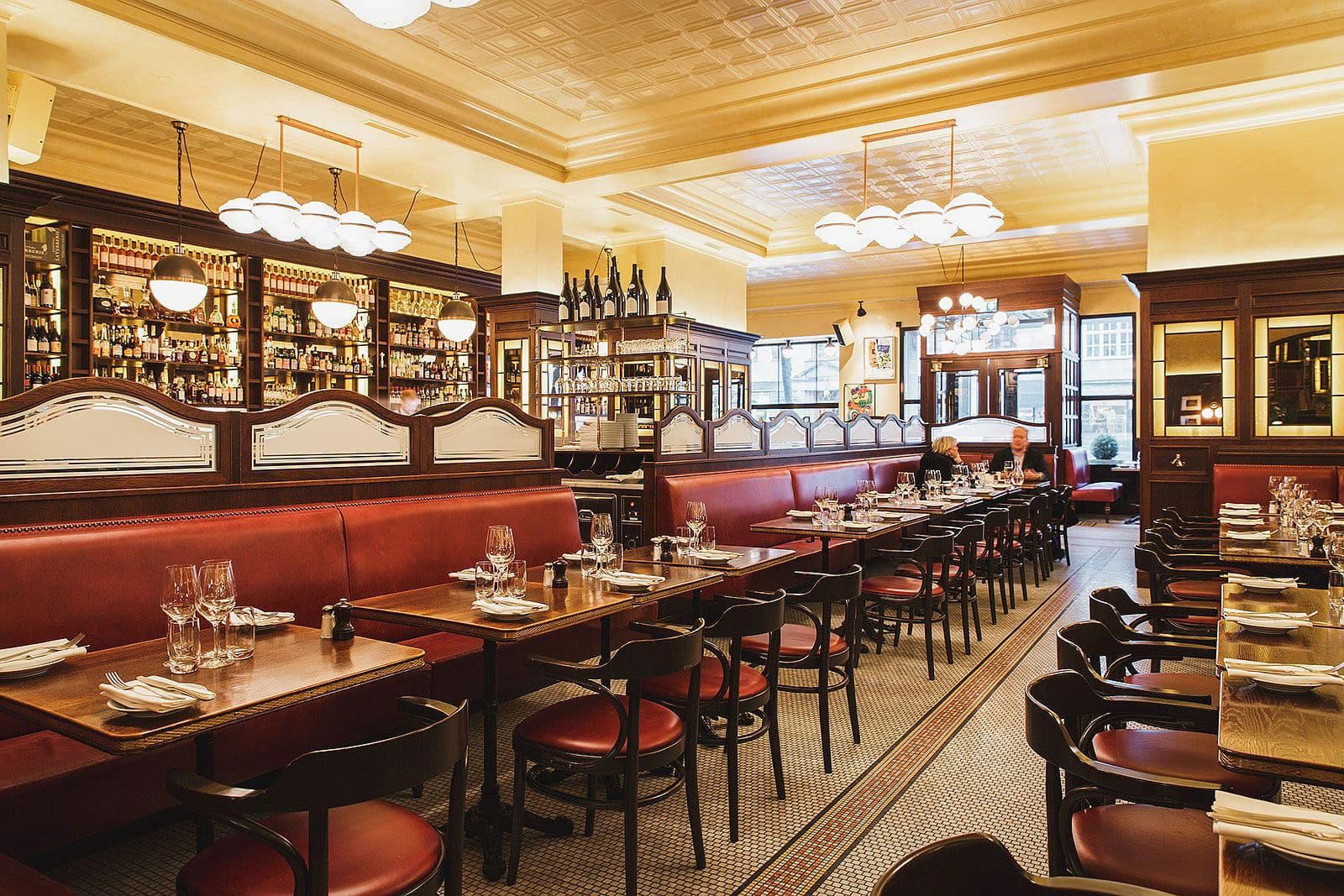
The Brasserie Format in Stockholm's Dining Hierarchy
Stockholm's restaurant scene has spent the past decade sorting itself into sharply defined tiers. At the leading end, places like Frantzén, AIRA, and Aloë operate on extended tasting formats where the kitchen controls sequencing and pacing entirely. Below that sits a smaller, more practically minded tier: restaurants where guests eat on their own terms, order à la carte, and decide whether the evening runs to two courses or four. The French brasserie format occupies that middle ground with more authority in Stockholm than many visitors expect.
Brasserie Balzac, on Odengatan 26 in the Vasastan district, belongs to that middle tier. The address places it north of the central tourist circuit and inside a neighbourhood that reads as genuinely residential — pharmacy, greengrocer, the kind of street where locals eat regularly rather than occasionally. That context shapes what a brasserie format delivers here: it is a restaurant for frequency rather than occasion, for the guest who returns on a Tuesday in November as readily as a Saturday in June.
What the French Brasserie Format Means on Odengatan
The classical French brasserie, in its Parisian form, is structured around a kind of architectural permissiveness. The menu is broad enough to accommodate the guest who wants oysters and a glass of Muscadet at the bar and the guest who wants a full meal with cheese to follow. Dishes do not depend on each other for narrative coherence. A plateau de fruits de mer stands alone. So does a bavette with frites. The wine list functions as an active participant in the meal rather than a passive accompaniment — and this is precisely where Brasserie Balzac has drawn meaningful external attention.
In December 2021, Star Wine List published Brasserie Balzac with a White Star designation. Star Wine List focuses specifically on wine programs, applying editorial assessment to lists rather than food operations. A White Star signals a wine program that exceeds what the immediate price point or neighbourhood context might lead a guest to expect. For a brasserie, that recognition matters because the format lives or dies on the wine-to-food relationship. The list is not an afterthought appended to a kitchen-led concept; it is co-equal infrastructure.
This puts Brasserie Balzac in a different competitive conversation from Stockholm's tasting-menu restaurants.
Menu Architecture as an Argument
The structure of a brasserie menu makes an argument about how a meal should work. It resists the omakase logic, where the kitchen's authority over sequence is total. It also resists the casual-dining logic, where low prices and high volume compress choice. The brasserie says: the guest is the editor. Choose your opening, your middle, your close. Eat at the bar with two courses and a carafe, or sit for three hours with a bottle. The kitchen accommodates both without demotion.
This is a harder format to execute than it appears. The tasting-menu kitchen can run a consistent story through a fixed sequence of dishes. The brasserie kitchen must maintain quality across a broader range of preparations, from the simplest bistro dish to more technically demanding plates, without the narrative scaffolding that a set menu provides. The wine program carries particular weight in bridging that range: a well-built list provides coherence when the menu itself offers freedom.
Within Stockholm's dining architecture, that freedom has real value. The city's high-end restaurants, and the broader sweep of acclaimed Swedish tables, from Signum in Mölnlycke to Vollmers in Malmö, VYN in Simrishamn, or ÄNG in Tvååker, have largely adopted the fixed-format approach. Even internationally, temples of the fixed menu like Le Bernardin in New York City have moved toward controlled sequencing. The brasserie format, done properly, operates as a counterpoint: a vote for the guest's own sequencing logic.
Vasastan as a Dining District
The neighbourhood matters to how Brasserie Balzac functions within the city. Vasastan is not a dining destination in the way that Östermalm or Södermalm have been marketed to visiting guests. It does not have a cluster identity around a specific cuisine or price point. What it has is density of regular, quality-driven neighbourhood restaurants serving a local population with above-average expectations and below-average patience for the tourist-oriented pricing common in central Stockholm.
For visitors using our full Stockholm restaurants guide, Vasastan represents the kind of neighbourhood eating that rarely makes headlines but consistently delivers. The brasserie format is particularly suited to this kind of district: it does not require advance planning in the way a Michelin-starred tasting menu does, but it rewards guests who show up with some knowledge of what the wine list holds.
Planning a Visit
Brasserie Balzac sits at Odengatan 26, in Vasastan. The address is accessible by metro (Odenplan station, on the blue and red lines) and is within easy walking distance of hotels across the northern central districts. For visitors pairing a Stockholm trip with broader Swedish dining, the country's regional restaurant scene is covered in our guides to Knystaforsen in Rydöbruk and PM & Vänner in Växjö, both of which represent the format-diversity of Swedish restaurant culture outside the capital.
For current hours, booking availability, and table configuration, contact the restaurant directly; phone and online booking details are not listed in public records we hold. Those planning around the wine program specifically should note that a White Star designation from Star Wine List reflects the list as assessed in late 2021, confirmation of current depth is worth seeking at the time of booking. Further Stockholm planning resources are available through our Stockholm hotels guide, bars guide, wineries guide, and experiences guide. For comparable French-influenced brasserie dining in the American context, Emeril's in New Orleans offers a useful reference point for how the format translates across dining cultures.
How Brasserie Balzac Stockholm compares with similar nearby venues.
| Venue | Cuisine | Price | Awards |
|---|---|---|---|
| Brasserie Balzac | Not listed | Not listed | Star Wine List (2026) |
| Babette | Modern Cuisine | € | Not listed |
Recognition history
Dated appearances from independent guides and award organizations, with the underlying list record or original source where available.
Star Wine List
Star Wine List
White Guide Sweden Restaurants - Recommended
White Guide
Continue exploring
More in Stockholm
Restaurants in Stockholm
Browse all →
Bars in Stockholm
Browse all →
At a Glance
- Lively
- Classic
- Cozy
- Elegant
- Date Night
- Group Dining
- Brunch
- Open Kitchen
- Extensive Wine List
- Craft Cocktails
- Local Sourcing
Current opening hours
- Monday
- 11:30 AM–11 PM
- Tuesday
- 11:30 AM–11 PM
- Wednesday
- 11:30 AM–11:30 PM
- Thursday
- 11:30 AM–11:30 PM
- Friday
- 11:30 AM–12 AM
- Saturday
- 12 PM–12 AM
- Sunday
- 12–11 PM
Hours can change for holidays and private events. Last verified .
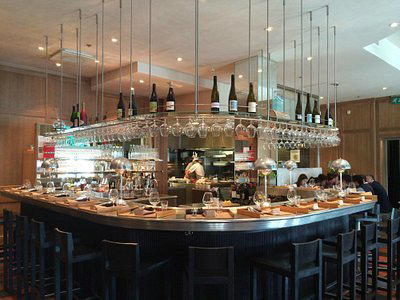
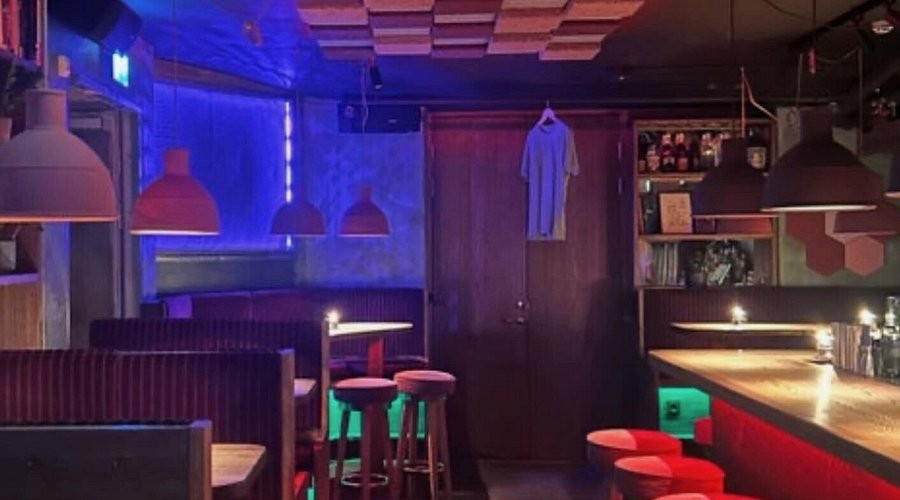
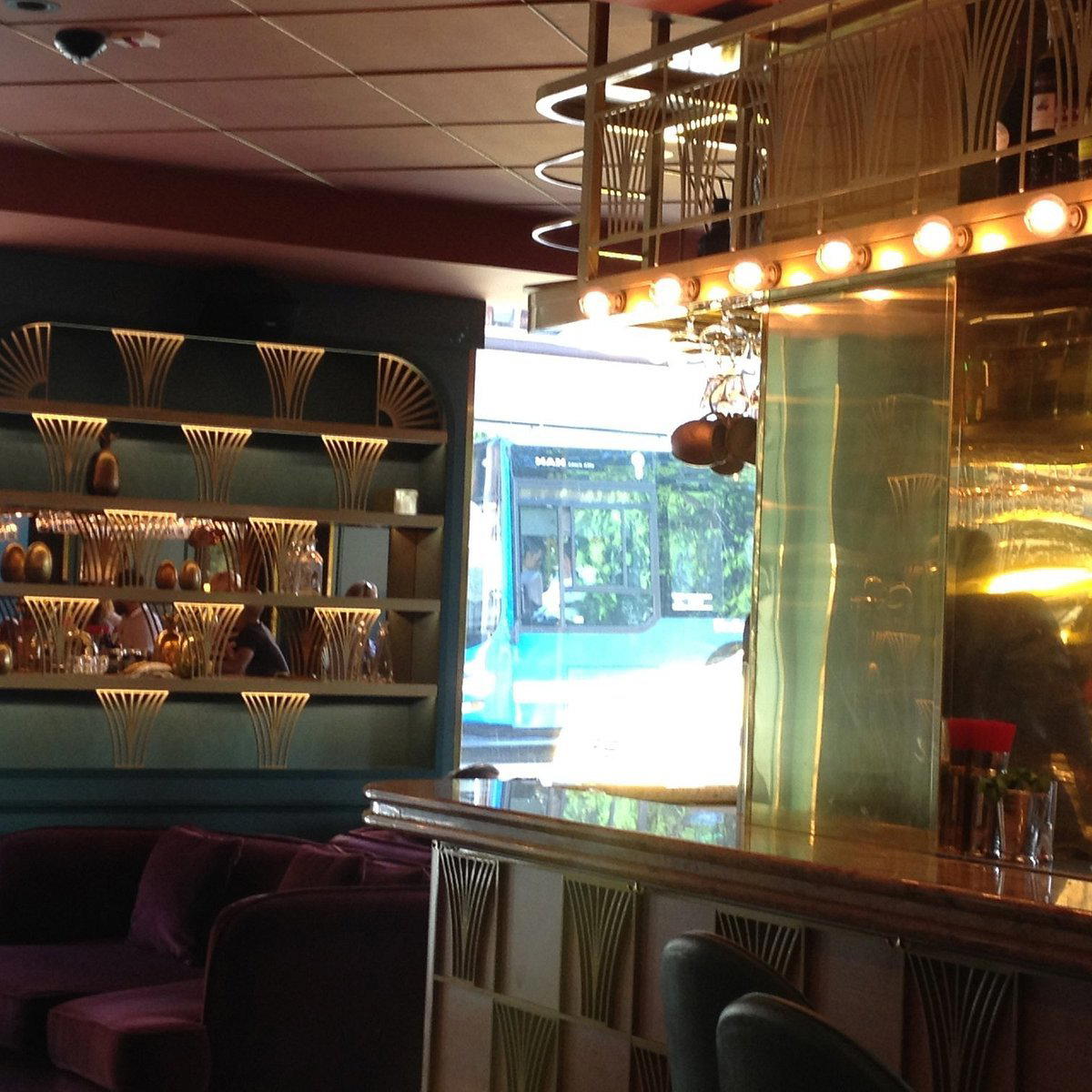
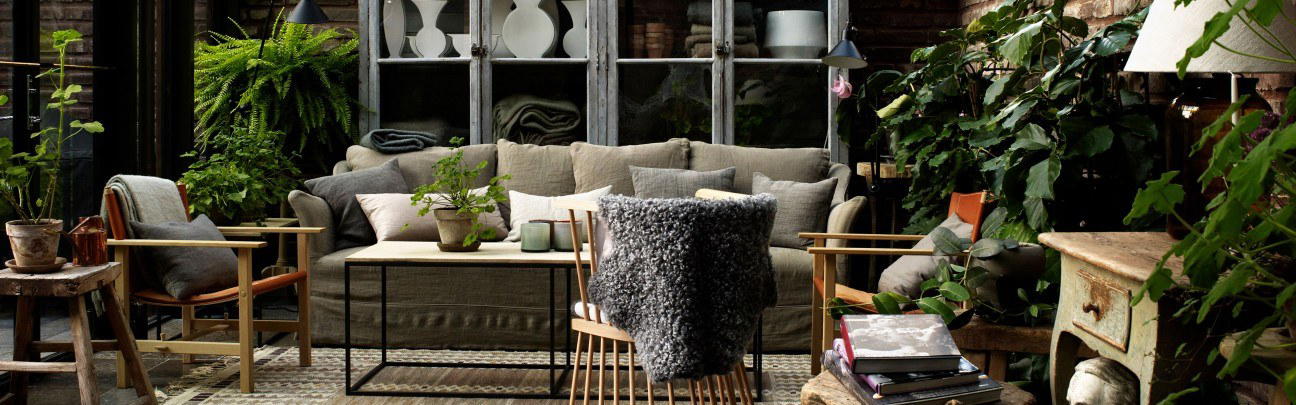
Festive and relaxed French atmosphere with stylish interiors reminiscent of classic bistros, though often loud with high noise levels from crowds.
Know Before You Go
- Getting there
- Odengatan 26, 113 51 Stockholm, Sweden