Brandywine
Our verdict
Brandywine sits on Ventura Boulevard in Woodland Hills, a stretch that rewards those paying attention to what lies between the chain corridors of the western San Fernando Valley. With limited information publicly available, the restaurant occupies a quiet tier of neighborhood dining where sourcing and kitchen approach tend to speak louder than marketing. Check directly for current hours and reservations.
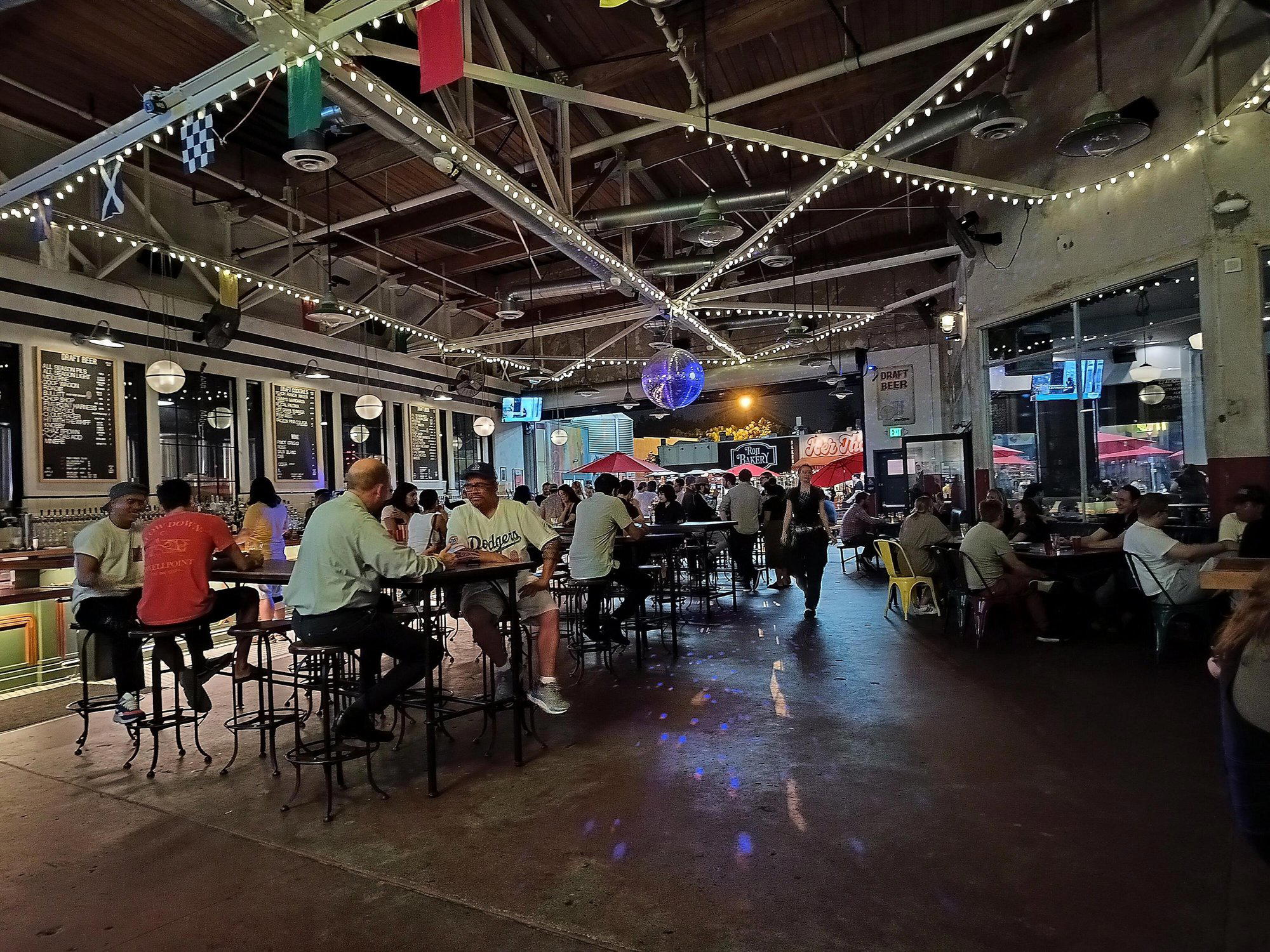
The menu
What to order
- Filet and veal Oscar
- Caesar salad (tableside)
- Calamari Greco
Ventura Boulevard and the Restaurants That Define It
The western stretch of Ventura Boulevard through Woodland Hills is not the kind of dining corridor that generates much coastal press. It sits some thirty miles from downtown Los Angeles, insulated from the trend cycles that drive reservation queues in Silver Lake or West Hollywood, and that distance is precisely what gives the neighborhood's more serious restaurants room to operate on their own terms. In a valley dining scene where a handful of destinations draw most of the outside attention, the restaurants that endure on this boulevard tend to do so through consistency and local trust rather than through awards seasons or chef-driven publicity. Brandywine, at 22757 Ventura Boulevard, sits within that quieter tier.
The San Fernando Valley has a longer and more varied restaurant history than it is typically given credit for. The corridor between Woodland Hills and Sherman Oaks has supported Japanese omakase counters, neighborhood Italian, Thai street food, and California-inflected American dining for decades, each category finding a resident audience that returns without needing the endorsement of a Michelin inspector. For context on what the broader Woodland Hills dining scene currently offers, our full Woodland Hills restaurants guide maps the range.
What Ingredient-Forward Dining Looks Like Away from the Spotlight
American restaurants operating in suburban corridors face a structural pressure that their urban counterparts rarely do: the audience is local, the competition from chain concepts is immediate, and the case for sourcing with intention has to be made through the plate rather than through a media narrative. Across the country, restaurants that have succeeded in this position, from Single Thread Farm in Healdsburg to Blue Hill at Stone Barns in Tarrytown, have done so by anchoring their identity in where the food comes from, letting provenance carry the argument that a prix-fixe or refined ingredient list cannot make on its own.
That approach is more common in California than anywhere else in the country, in part because the supply infrastructure supports it. The state's agricultural range, from the coastal zones that supply seafood to the Central Valley producers that underpin everything from stone fruit to dry-farmed tomatoes, gives California restaurants access to a sourcing palette that most American kitchens can only approximate through specialty distributors. Restaurants in the San Fernando Valley, close enough to the Los Angeles wholesale markets and to direct-farm relationships in Ventura County and the Santa Monica Mountains foothills, sit within reach of that same supply. How individual kitchens choose to use it separates the restaurants that treat ingredient quality as a marketing claim from those that treat it as an operational discipline.
At the more technically rigorous end of the California spectrum, Providence in Los Angeles has built a two-Michelin-star identity around sourced seafood handled with precision. Lazy Bear in San Francisco frames its tasting menu explicitly around seasonal and foraged California product. Further afield, Smyth in Chicago and Addison in San Diego represent how sourcing discipline, when applied consistently, can define a restaurant's competitive position as clearly as any single technique. Even internationally, Atelier Moessmer Norbert Niederkofler in Brunico has made regional ingredient sourcing the entire grammar of its kitchen. These are reference points for what the approach looks like at its most rigorous, not direct comparisons to a Woodland Hills neighborhood restaurant, but they clarify the tradition within which any ingredient-conscious kitchen is implicitly operating.
Within Woodland Hills itself, the restaurant options cover a reasonable range of formats and price points. Brother's Sushi represents the neighborhood's Japanese counter tradition, with an omakase format that draws from across the valley. H.O.M. occupies a different position, oriented around a more casual neighborhood approach. JOEY Woodland Hills sits at the polished-casual end, offering a broad menu with a consistent format that appeals to the after-work and family dining segments. Khaosan Thai Street Food brings a more specific regional focus to the boulevard's range.
That is a competitive position that rewards value clarity and kitchen consistency over time.
National Context: What American Restaurants at This Tier Are Getting Right
The restaurants that have shaped American fine dining over the past two decades did so in part by demonstrating that rigorous sourcing and technical ambition are not mutually exclusive with neighborhood-scale operations. Frasca Food and Wine in Boulder built a sustained reputation in a mid-sized market by anchoring its identity in a specific regional culinary tradition and executing it without compromise. Emeril's in New Orleans demonstrated that a regionally specific approach, tied to local producers and cooking traditions, could sustain a restaurant through multiple hospitality cycles. The Inn at Little Washington built one of the country's most durable reputations in a rural Virginia setting, well outside any major metropolitan market.
The common thread is specificity: knowing what the kitchen is for and maintaining that identity consistently enough that a local audience builds trust in it. Restaurants like Le Bernardin in New York City, The French Laundry in Napa, and Atomix in New York City occupy a different price and ambition tier, but they share that same foundational clarity about what they are and for whom.
Planning Your Visit
Brandywine is located at 22757 Ventura Boulevard in Woodland Hills, California 91364, on a stretch of the boulevard accessible by car from the 101 freeway and served by public transit lines running the Ventura corridor. Parking on this section of Ventura Boulevard is generally available in adjacent lots and along side streets, which is a practical advantage over restaurant-dense neighborhoods closer to central Los Angeles where parking adds meaningful friction to a reservation.
The Woodland Hills dining scene is most active during weekday evenings and weekend lunch, patterns that reflect the neighborhood's residential character and the valley's car-dependent geography. Arriving with some flexibility around timing is advisable given that popular local restaurants on this corridor can fill quickly on weekends without formal reservation systems.
Frequently asked questions
Is Brandywine child-friendly?
Brandywine sits on Ventura Boulevard in Woodland Hills, a residential corridor where family dining is part of the local fabric. The address at 22757 Ventura Blvd is accessible by car, which suits families arriving from the surrounding neighborhoods.
What kind of setting is Brandywine?
Brandywine occupies a spot on the western stretch of Ventura Boulevard in Woodland Hills, California, a suburban dining corridor roughly thirty miles from the coastal press that tends to drive Los Angeles restaurant coverage. The setting places it firmly in neighborhood-restaurant territory rather than destination-dining spectacle, which shapes both the crowd and the pace of a meal there.
How does Brandywine fit into the San Fernando Valley dining scene?
Woodland Hills sits at the western end of the San Fernando Valley, a part of greater Los Angeles that generates little food-media attention relative to its population density and dining activity. Brandywine at 22757 Ventura Blvd occupies that gap, operating in a market where the audience is predominantly local and consistency carries more weight than trend cycles. For diners based in the 91364 zip code or commuting along the 101, it represents a substantive option without requiring a trip into the city.
Fast Comparison
| Venue | Cuisine | Price | Awards |
|---|---|---|---|
| BrandywineThis venue (the venue you are viewing) | Classic Continental/French American | Not listed | Not listed |
| Brother's Sushi | Premium Japanese Omakase & Sushi | $50–100 | Michelin Plate |
| H.O.M. | Upscale Casual Italian Eatery | Not listed | Not listed |
| JOEY Woodland Hills | Modern American Steakhouse with Global Influences | $30–50 | Not listed |
| Khaosan Thai Street Food | Authentic Thai Street Food | $20–30 | Not listed |
Continue exploring
More in Woodland Hills
Restaurants in Woodland Hills
All restaurants in Woodland Hills →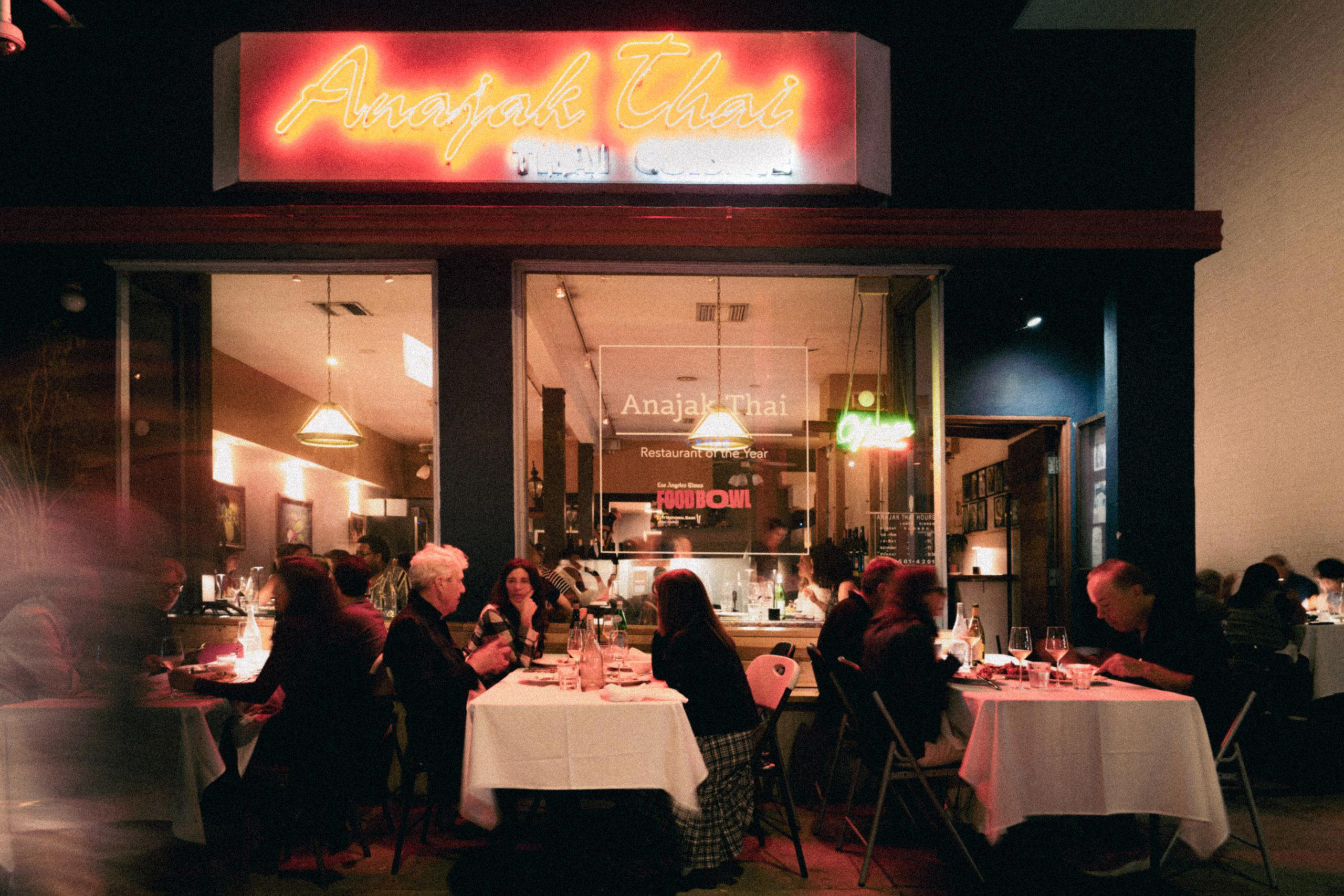
Bars in Woodland Hills
Browse all →
Hotels in Woodland Hills
Browse all →
Wineries in Woodland Hills
Browse all →
Details
- Romantic
- Cozy
- Intimate
- Classic
- Elegant
- Date Night
- Special Occasion
- Private Dining
- A La Carte
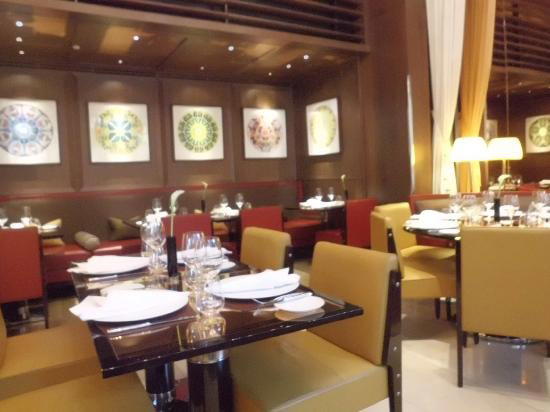
Warm and cozy atmosphere resembling a living room with nicely appointed tables and private booths ideal for intimate conversation.