
Tabelog 100 #54
Our verdict
Bon Bonheur brings Tokyo’s department-store café culture into a more composed French register, with vegetable-conscious options, wine, and dessert-led appeal inside Ginza Mitsukoshi. Its Tabelog Cafe EAST 100 selection for 2025 and 3.68 score place it above the casual cake-counter tier while keeping the format accessible for Ginza shopping breaks and family visits.

Pearl is the En Primeur Club membership app, where members save venues, book tables and use the concierge.
The menu
What to order
- Seasonal Sebastien Bouillet special desserts
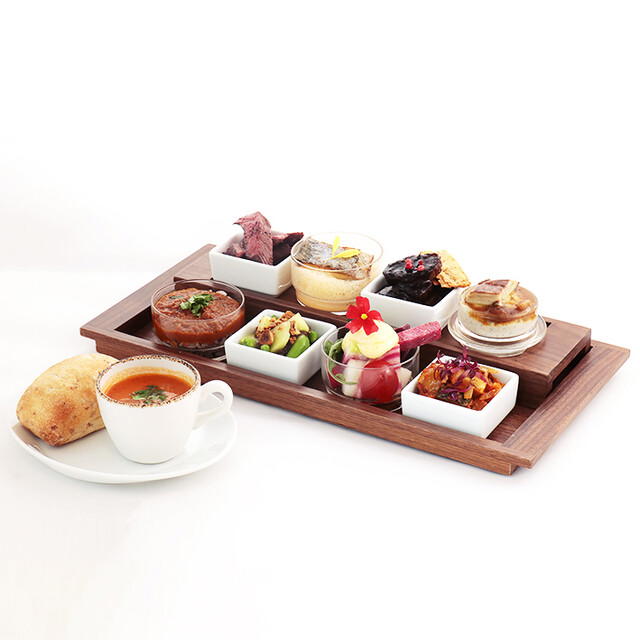
- Assiette-style plated desserts
- Afternoon tea set with cakes, petit fours and sandwiches
- French-inspired pasta and curry dishes
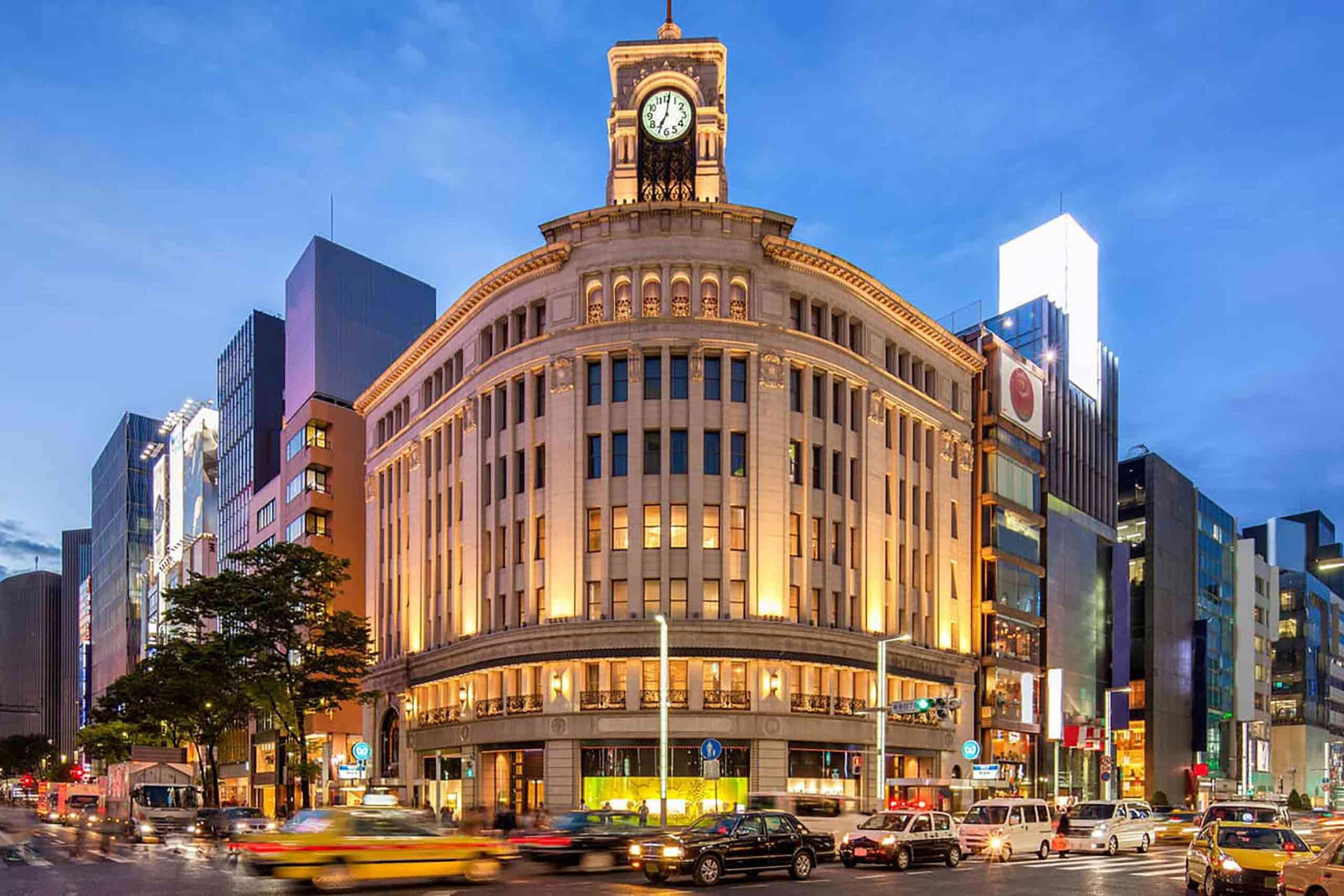
Ginza Mitsukoshi changes the tempo before the meal begins. The floor traffic is polished rather than chaotic: cosmetics counters below, gift boxes moving through elevators, and a café level that treats tea, dessert, and a light French plate as part of the same urban ritual. In that setting, Bon Bonheur belongs to a Tokyo tradition that is easy to underestimate from abroad: the serious department-store café, where convenience does not automatically mean compromise.
Tokyo’s luxury department stores have long acted as dining curators. Their upper floors and basement halls compress several versions of appetite into one building, from formal restaurants to patisserie counters and cafés built for mid-afternoon recovery. Ginza sharpens that model because the audience is mixed: office workers, shoppers, families, visitors moving between galleries and flagships. A café here has to work across occasions without becoming anonymous.
French café discipline inside Ginza's department-store dining culture
The useful lens is not fine dining versus casual dining. It is how much structure a café can hold while staying usable. Bon Bonheur is categorized as Café and French, and that pairing matters in Ginza, where Western-style sweets and salon culture have been absorbed into local department-store habits for decades. The format signals composed plates, dessert focus, and wine availability, but without the ceremonial weight attached to Ginza’s formal French rooms.
The recognition gives the category some harder shape. Selection for Tabelog 100 - Cafe - EAST - 2025, alongside an earlier Tabelog Cafe 100 selection in 2022, puts the room in a judged café cohort rather than a generic shopping-floor stop. Its Tabelog score of 3.68 is also meaningful in Japan’s review culture, where scores above the mid-threes can indicate sustained local approval. Those signals matter because Tokyo has countless attractive cafés; fewer are recognized within a competitive regional café list.
Sustainability angle here is practical rather than manifesto-driven. The listed food attributes point to attention around vegetables, allergy information, and vegetarian options. In a city where premium dining can still be tightly scripted around seafood, meat, or dairy-heavy patisserie, that flexibility has editorial weight. It suggests a café format that can absorb different dietary needs without pushing the guest into an afterthought order. Environmental consciousness in urban dining often shows up first as menu breadth, ingredient balance, and waste-aware service rhythm, not as slogans.
Compared with the same building’s heavier dining options, the café format occupies a lighter tier. Mikawaya sits in a much higher spend bracket, while Chinese Sai Lao Shisen Pyaoshan Ginza mitsukoshi ten and Zakuro Ginza ten read as meal destinations with broader lunch-to-dinner commitments. Frederic Cassel Ginza mitsukoshi ten is closer in patisserie orbit, but Bon Bonheur’s French café framing, wine, and vegetable-conscious listing give it a broader all-day role.
Why the room works for mixed Tokyo itineraries
Ginza is often planned around large meals, but the district rewards smaller pauses. A department-store café with 50 seats changes the rhythm: it can serve as a controlled break between shopping, exhibitions, hotel check-in, and evening reservations. That is not a minor function in Tokyo, where the difference between a good day and an overplanned one often comes down to whether there is a credible place to sit without surrendering the standards of the trip.
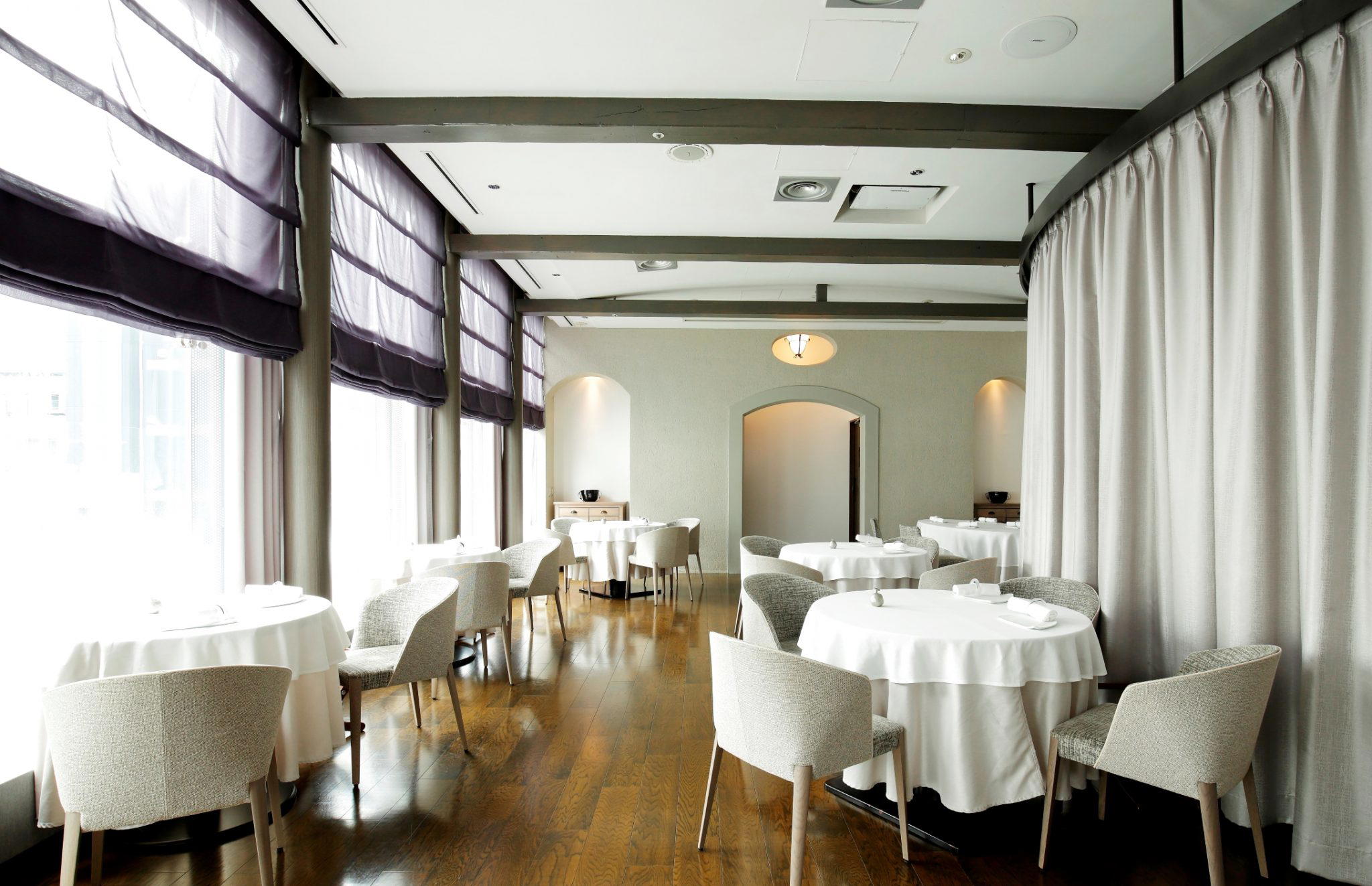
The room’s practical signals point to accessibility rather than exclusivity. Non-smoking status, wheelchair accessibility, sofa seating, free Wi-Fi, English menu availability, and stroller-friendly family policies make it unusually adaptable for central Ginza. Private rooms are not part of the setup, so this is not the venue for sealed-off business dining. The better read is polished public comfort: a café that understands shopping bags, children, dietary questions, and the need for a proper table.
For travelers comparing Tokyo food categories, this is a useful counterpoint to the city’s reservation-driven counters. The capital’s dining reputation is often reduced to sushi, kaiseki, tempura, and tasting-menu precision, but its café culture is equally revealing. It shows how Japanese hospitality handles everyday luxury: clean pacing, precise service boundaries, and the ability to make a department-store floor feel composed rather than transactional.
That also explains why Bon Bonheur fits a broader Tokyo itinerary rather than replacing a destination dinner. For a fuller restaurant map, use Our full Tokyo restaurants guide; for nearby city planning beyond lunch and tea, pair it with Our full Tokyo hotels guide, Our full Tokyo bars guide, Our full Tokyo wineries guide, and Our full Tokyo experiences guide.
How to read Bon Bonheur against Tokyo's broader eating map
Tokyo’s range is easier to understand through contrasts. A café-French room in Ginza speaks to polish and convenience;. 鮪と炭火焼き うお炭 秋葉原店 points toward fish and charcoal in Akihabara, while 12/10 Shinjuku ten reflects Shinjuku’s denser restaurant circuit. 124. KAGURAZAKA (Yakitori) brings the conversation back to counter craft, and 2D Cafe shows how Tokyo cafés can lean into visual concept as much as pastry.
Other Japanese references widen the frame. 3 Chome no Curry Ya San shows how a single comfort category can anchor a meal, while -Grilled beef Sukiyaki- KAMAKURA TANUKIAN 鎌倉 たぬき庵 in Kamakura belongs to a more destination-led day-trip pattern. Café culture shifts again at.cafe in Osaka.know in Kumamoto, (Shoku) Vietnam in Kawasaki, [Curry Senmon Ten] Maruyama Kyoju. in Sapporo, and [ki:] in Kyoto. Across the Pacific, Jōdo Saké Bar in Los Angeles and Onigiri Time in Pasadena underline how Japanese formats travel, adapt, and sometimes lose the department-store precision that Ginza takes for granted.
The editorial verdict is simple: this is a measured Ginza choice for travelers who want a café with evidence behind it, not merely a convenient seat. The strongest case is daytime, when a French-café structure, dessert orientation, wine availability, and dietary flexibility can support a lighter plan before a more demanding evening table. In a district that often pushes visitors toward expense or spectacle, that restraint is the point.
Frequently asked questions
Where do I go for Bon Bonheur?
Bon Bonheur is located in Tokyo.
What price level is Bon Bonheur?
Pricing at Bon Bonheur is listed as JPY 1,000 - JPY 1,999 JPY 1,000 - JPY 1,999.
What are Bon Bonheur's hours?
Hours at Bon Bonheur: Mon: 10 AM–8 PM; Tue: 10 AM–8 PM; Wed: 10 AM–8 PM; Thu: 10 AM–8 PM; Fri: 10 AM–8 PM; Sat: 10 AM–8 PM; Sun: 10 AM–8 PM.
What is Bon Bonheur known for?
Bon Bonheur is known as a café and French venue in Ginza, inside Ginza Mitsukoshi 4F. It was selected for Tabelog 100 - Cafe - EAST - 2025, which gives it clear recognition beyond the department-store setting.
Can Bon Bonheur adjust for dietary needs?
Yes, the public record notes allergy information available, vegetarian options, and a focus on vegetables. That makes it one of the more accommodating café-French addresses in Ginza, especially for mixed-diet groups. Check the venue's official channels for the latest details.
Is Bon Bonheur okay with children?
Yes. The venue is listed as family friendly, with babies, preschoolers, and school-age children welcome, plus strollers welcome. Its 50-seat room also suits a daytime stop in Ginza.
Peers Worth Knowing
Comparable venues by cuisine and price in the same metro.
| Venue | Cuisine | Price | Awards | Notes |
|---|---|---|---|---|
| Bon BonheurThis venue (the venue you are viewing) | French dessert café and casual French | $20–30 | Tabelog 100 #54 | Not listed |
| Mikawaya | Classic Ginza Yoshoku (Japanese-style Western) | $100–150 | Tabelog 100 #52 | JPY 10,000 - JPY 14,999 JPY 8,000 - JPY 9,999 |
| Frederic Cassel Ginza mitsukoshi ten | French patisserie & chocolate boutique | $10–20 | Relais Desserts Member Boutique · Tabelog 100 #3 | JPY 2,000 - JPY 2,999 |
| Chinese Sai Lao Shisen Pyaoshan Ginza mitsukoshi ten | Not listed | Not listed | Not listed | JPY 6,000 - JPY 7,999 JPY 2,000 - JPY 2,999 |
| Zakuro Ginza ten | Traditional Wagyu Shabu-shabu & Sukiyaki | $50–100 | Tabelog 100 #57 | JPY 8,000 - JPY 9,999 JPY 2,000 - JPY 2,999 |
Recognition history
Dated appearances from independent guides and award organizations, with the underlying list record or original source where available.
Tabelog 100 #54 · No. 54
Tabelog · Tabelog 100 - Cafe - EAST - 2025
Continue exploring
More in Tokyo
Restaurants in Tokyo
All restaurants in Tokyo →






Details
- Elegant
- Cozy
- Modern
- Sophisticated
- Brunch
- Casual Hangout
- After Work
- Family
- Celebration
- Solo
- Design Destination
- Standalone
- A La Carte
- Set Menu
- Coffee
- Tea
- Wine
Current opening hours
- Monday
- 10 AM–8 PM
- Tuesday
- 10 AM–8 PM
- Wednesday
- 10 AM–8 PM
- Thursday
- 10 AM–8 PM
- Friday
- 10 AM–8 PM
- Saturday
- 10 AM–8 PM
- Sunday
- 10 AM–8 PM
Hours can change for holidays and private events. Hours as of .
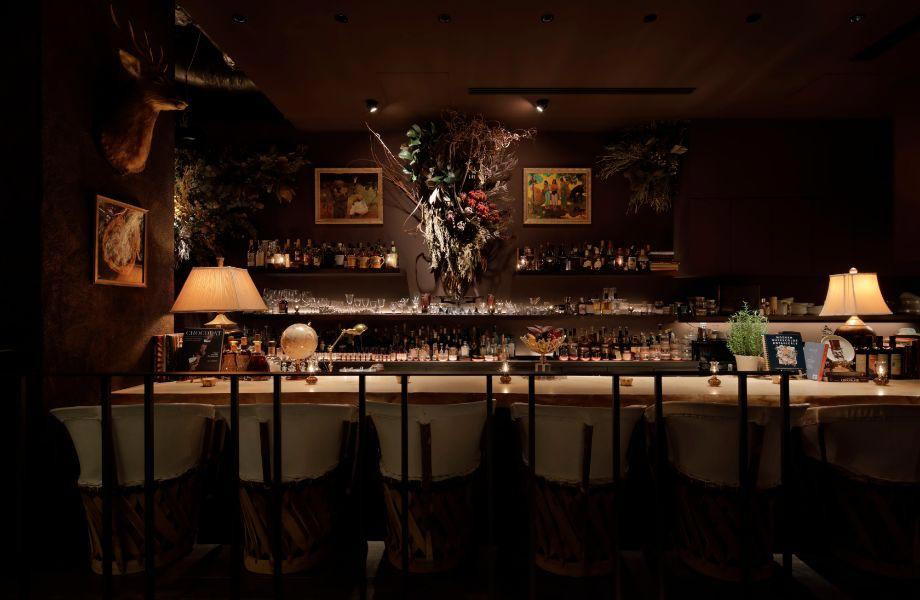
Bright, open department-store café with plenty of natural light, a relaxed and quietly elegant atmosphere, suited to lingering over dessert, afternoon tea, or a light French meal.