Boat House
Sitting at 227 Schooner Drive on the Tiverton waterfront, Boat House occupies a stretch of Rhode Island coastline where sourcing from local waters is less a marketing choice than a geographic inevitability. The restaurant draws from the same estuaries and fishing grounds that have defined the state's seafood identity for generations, placing it squarely within New England's ingredient-led dining tradition.
Pearl is the En Primeur Club membership app — saves, bookings, and concierge access live there. Same editors, same standards.
- Address
- 227 Schooner Dr, Tiverton, RI 02878
- Phone
- +14016246300
- Website
- boathousetiverton.com
- Directions
- Get directions
 Saves & bookings on Pearl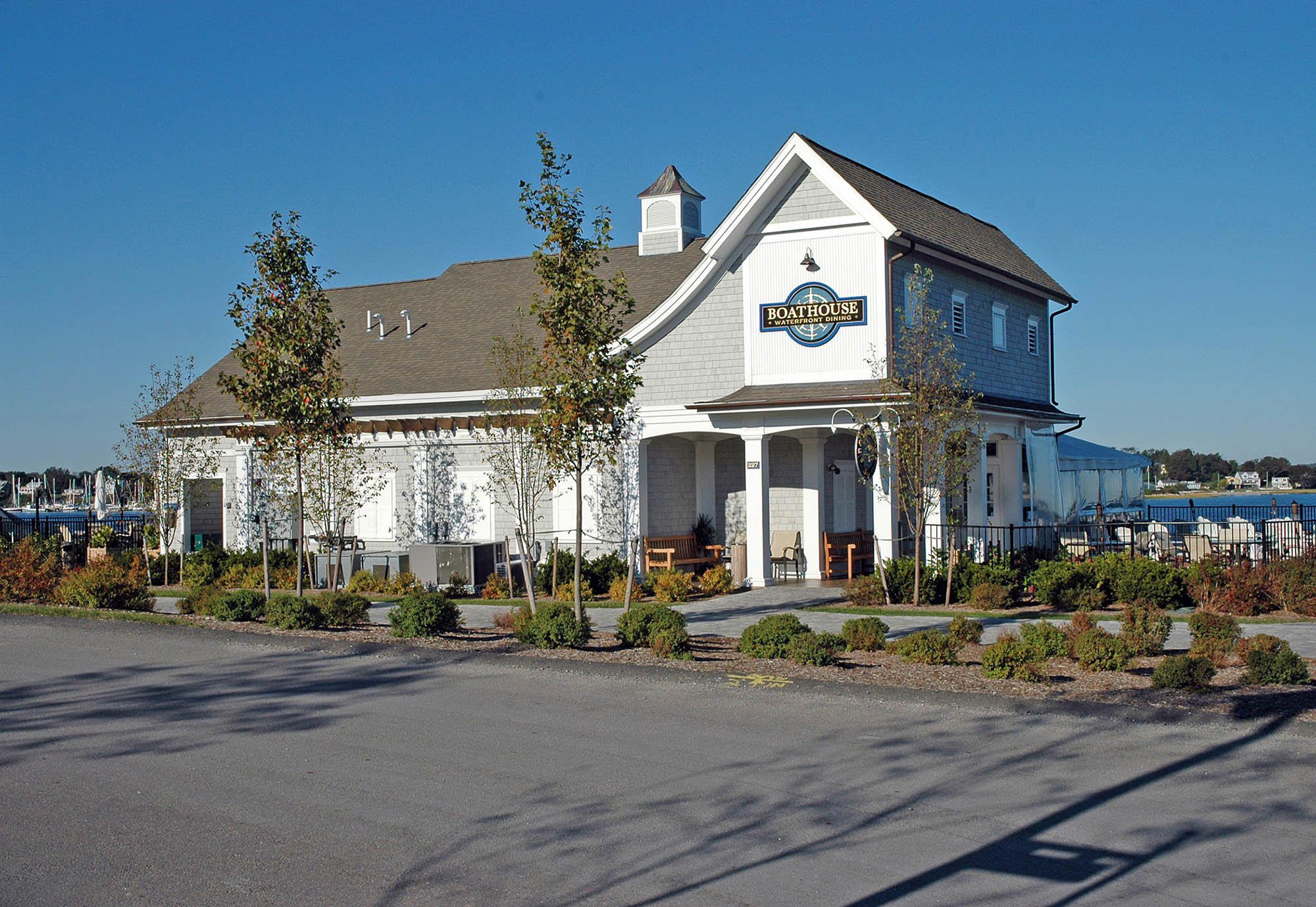
Where the Water Sets the Menu
Rhode Island's coastline has always exerted a particular pressure on its kitchens. The state's relationship with Narragansett Bay and the surrounding Atlantic waters is not incidental — it is structural. Quahogs, littleneck clams, locally caught striped bass, and the broader haul from small-scale commercial fishing have shaped what Rhode Island puts on the plate in ways that larger coastal states rarely replicate with the same fidelity. Tiverton, sitting at the narrow channel where the Sakonnet River meets the bay, sits at the center of that tradition rather than on its edge.
Boat House, at 227 Schooner Drive, occupies a position on that waterfront that makes ingredient sourcing something closer to geographic logic than culinary philosophy. When the dock and the kitchen share proximity to the same tidal system, the supply chain compresses in ways that affect not just freshness but what actually ends up on the menu on a given week. That responsiveness to local catch is the operating principle behind the leading coastal New England restaurants, and it distinguishes the region's dining character from markets where seafood arrives consolidated through wholesale distribution hubs hundreds of miles inland.
Tiverton's Place in Rhode Island's Coastal Dining Scene
Tiverton is a small town, and that smallness matters. It sits across the Sakonnet River from Portsmouth, connected to the broader Rhode Island dining circuit but operating on its own quieter register. The restaurants here — including Casino Cafe & Grille, Moulin rouge, and The Red Dory, serve a community that expects direct access to what the water produces, not a curated approximation of it. This is not the Providence fine-dining corridor, where restaurants position themselves against national critical standards. Tiverton operates on a different axis: locality, reliability, and a connection to the fishing and farming communities that define the Sakonnet Valley.
That context places Boat House within a specific tier of coastal dining that deserves its own critical framework. Comparing it against the format discipline of Le Bernardin in New York City or the farm-system rigor of Single Thread Farm in Healdsburg misses the point. The more instructive comparison is to the broader category of waterfront-adjacent New England restaurants that anchor their identity to place rather than to culinary movement, a category that, when it works, produces some of the most honest dining in the American Northeast.
Ingredient Sourcing as the Defining Framework
The ingredient-first approach that defines Rhode Island's coastal kitchens at their most coherent is not a trend imported from farm-to-table discourse. It predates that language entirely. Fishing villages along the Sakonnet and Narragansett have operated on seasonal, local, and catch-dependent rhythms for centuries, and the restaurants that grew up alongside those communities absorbed that logic by necessity. The question for any serious waterfront restaurant in this geography is not whether to source locally, geography makes that the path of least resistance, but how faithfully the kitchen translates what arrives from the water and the surrounding agricultural land into what reaches the table.
Across the American restaurant scene, the tension between local sourcing as genuine practice and local sourcing as branding has sharpened. Properties like Blue Hill at Stone Barns in Tarrytown have made the farm-kitchen relationship the explicit subject of the dining experience, producing a model that restaurants from Smyth in Chicago to Addison in San Diego have engaged with in different ways. At the other end of the formality spectrum, waterfront spots in fishing communities like Tiverton demonstrate that the same sourcing integrity can operate without the tasting-menu apparatus, driven instead by proximity, relationship, and the practical reality that the leading product available is already close at hand.
This is where Boat House's location at the Tiverton waterfront becomes a concrete asset rather than a scenic backdrop. The Sakonnet River system supports commercial shellfishing, and the broader New England fishing industry that feeds into Rhode Island ports means the supply side of the equation is unusually direct for a restaurant of this scale and setting. Sourcing fidelity at this level doesn't require the institutional frameworks that places like The French Laundry in Napa or The Inn at Little Washington have built. It requires the right geography and the discipline to use it.
Planning a Visit
Tiverton is most accessible by car from Providence (roughly 45 minutes southeast) or from Newport across the Mount Hope Bridge, making it a natural addition to a broader Rhode Island itinerary rather than a standalone destination for most visitors. The restaurant sits on Schooner Drive along the waterfront, and arrival by water is possible for those with access to a slip. Seasonal timing matters along this coastline: summer and early fall bring the fullest range of local catch, while the off-season compresses both crowds and menus in ways that can work in a visitor's favor if the goal is a quieter, more direct experience of the room. For planning context on the broader Tiverton dining scene, our full Tiverton restaurants guide covers the range of options across price points and formats. Specific hours, booking details, and current menu information should be confirmed directly with the restaurant before visiting, as operational details at independent waterfront properties in New England can shift with the season.
Where Boat House Sits in a Wider American Conversation
The American restaurant scene has produced its most interesting ingredient-sourcing stories at two extremes: the highly formalized, where kitchens like Lazy Bear in San Francisco or Providence in Los Angeles build sourcing provenance into tasting-menu narratives, and the deeply local, where proximity to primary production makes the question almost self-answering. Emeril's in New Orleans built a regional identity around Gulf sourcing within a higher-formality format; Frasca Food & Wine in Boulder and The Wolf's Tailor in Denver demonstrate how landlocked markets have constructed sourcing discipline through different supply relationships. Even internationally, properties like Atelier Moessmer Norbert Niederkofler in Brunico and Atomix in New York City show how regional ingredient identity can anchor a restaurant's entire critical position.
Boat House doesn't operate at that level of formality or critical ambition, and that is precisely the point. The waterfront restaurants of coastal New England represent a distinct category, one where the sourcing story is less authored than inherited, less constructed than given by the water out the window. That kind of restaurant serves a different purpose in the broader dining ecosystem, and at its finest, it is among the most direct ways to understand what a place actually produces and tastes like.
In Context: Similar Options
| Venue | Cuisine |
|---|---|
| Boat HouseThis venue — the venue you are viewing | This venue |
At a Glance
- Scenic
- Special Occasion
- Date Night
- Waterfront
- Panoramic View
- Craft Cocktails
- Local Sourcing
- Waterfront
Current opening hours
- Monday
- 11:30 AM–9 PM
- Tuesday
- 11:30 AM–9 PM
- Wednesday
- 11:30 AM–9 PM
- Thursday
- 11:30 AM–9 PM
- Friday
- 11:30 AM–10 PM
- Saturday
- 11:30 AM–10 PM
- Sunday
- 11:30 AM–9 PM
Hours can change for holidays and private events. Last verified .
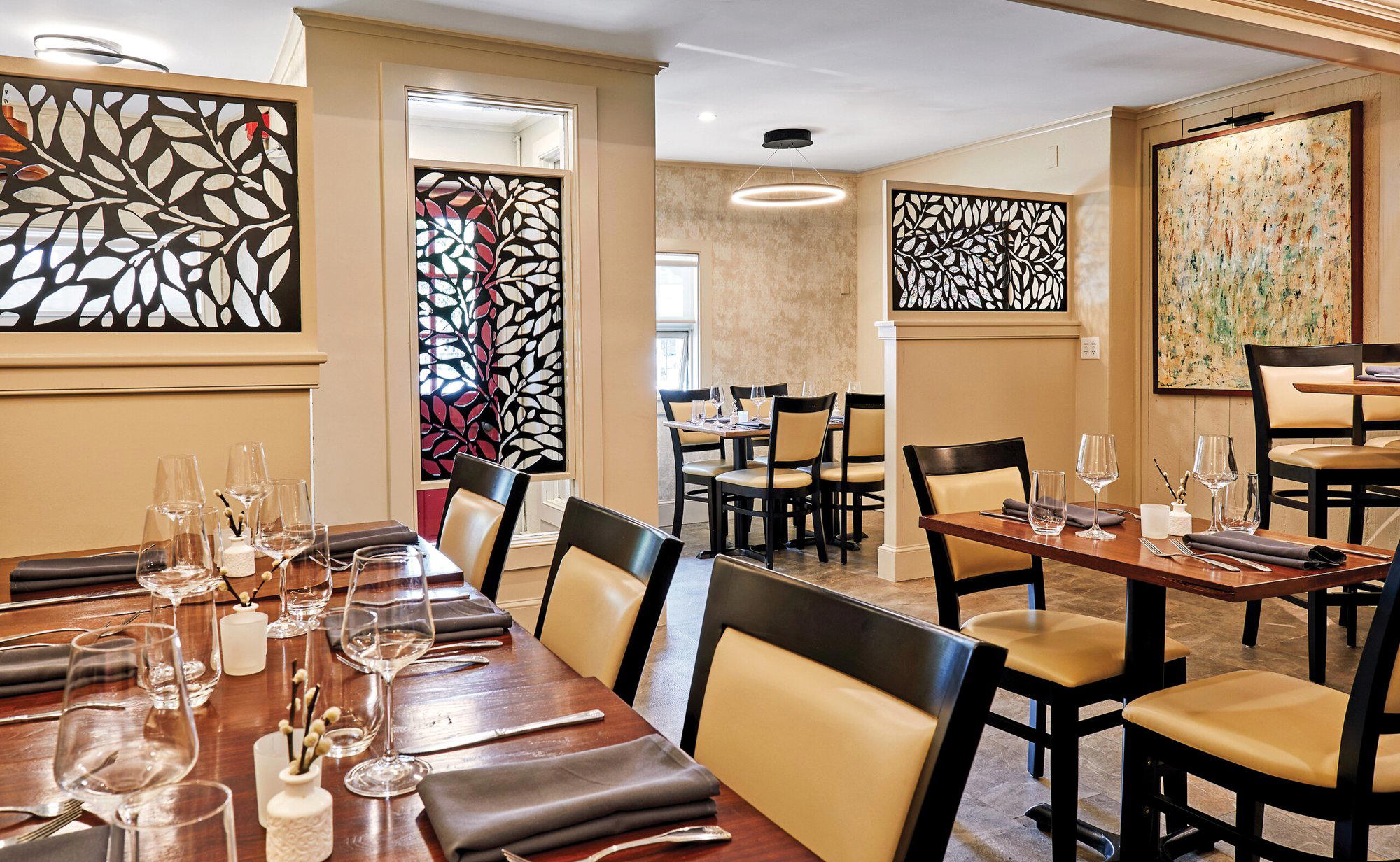
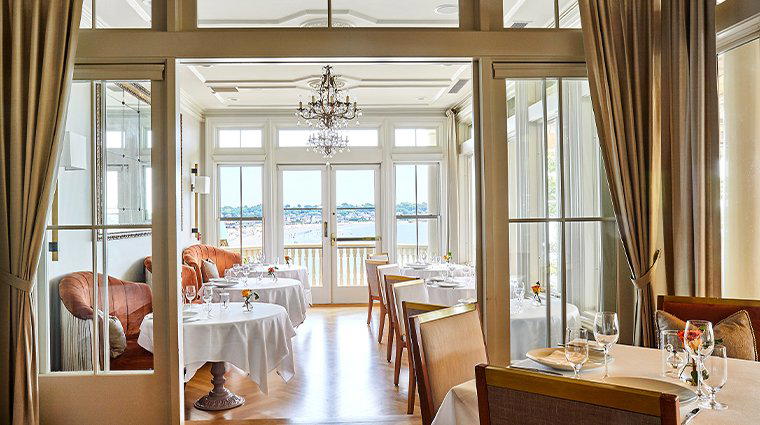
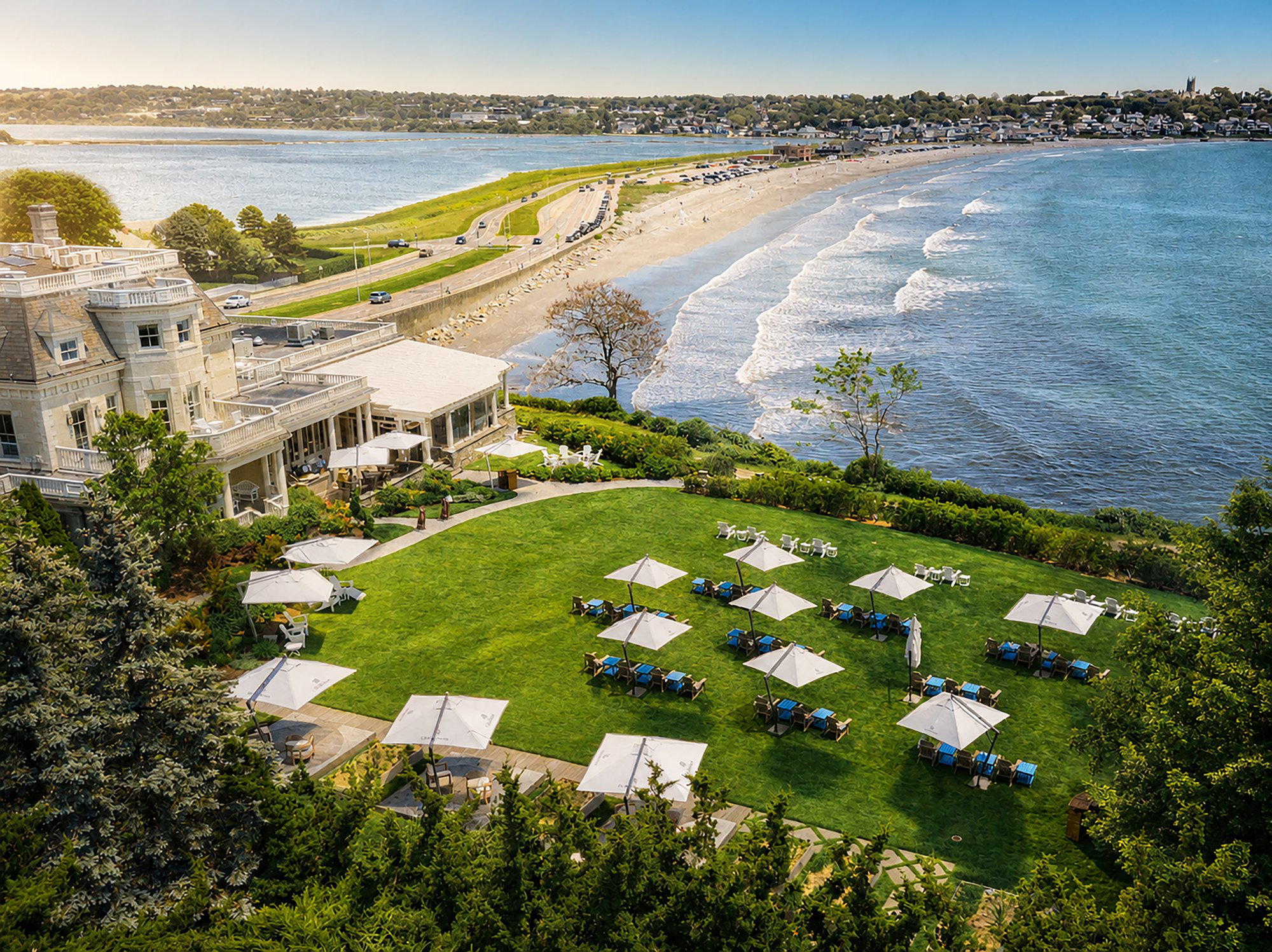
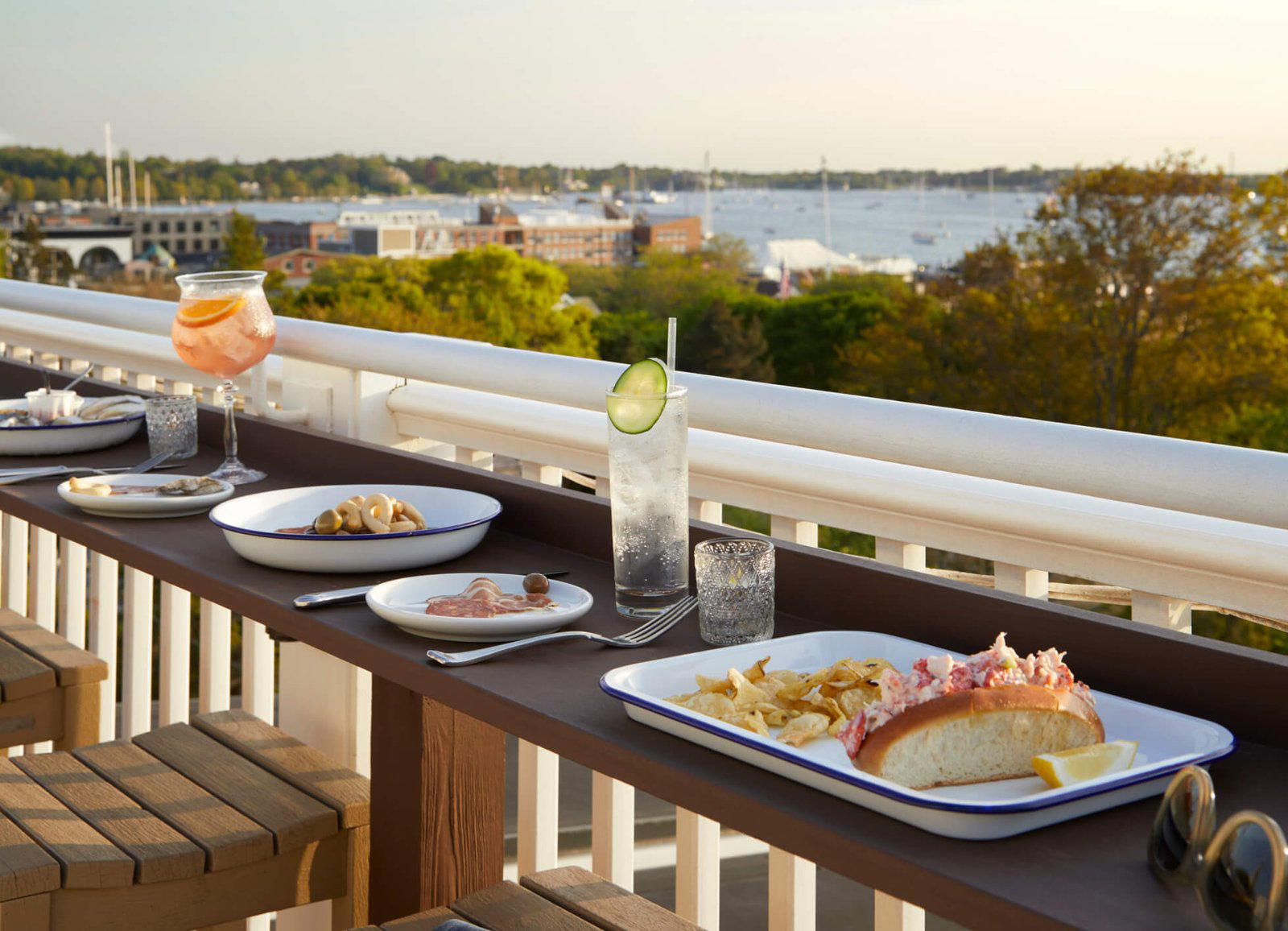
Nautically themed dining room with wall of windows offering excellent water views and relaxed coastal atmosphere.
Know Before You Go
- Getting there
- 227 Schooner Dr, Tiverton, RI 02878