Blue Sakana Blackhawk
Blue Sakana Blackhawk brings Japanese seafood-focused dining to Danville's Blackhawk Plaza, a suburban East Bay address that sees relatively little destination-level fish cookery. The name itself signals intent: sakana is Japanese for fish. For East Bay residents seeking Japanese seafood without a BART trip into San Francisco, it occupies a practical and culinary gap in the local dining offer.
Pearl is the En Primeur Club membership app — saves, bookings, and concierge access live there. Same editors, same standards.
- Address
- 3496 Blackhawk Plaza Cir, Danville, CA 94506
- Phone
- +19256487838
- Website
- bluesakanablackhawk.com
 Saves & bookings on Pearl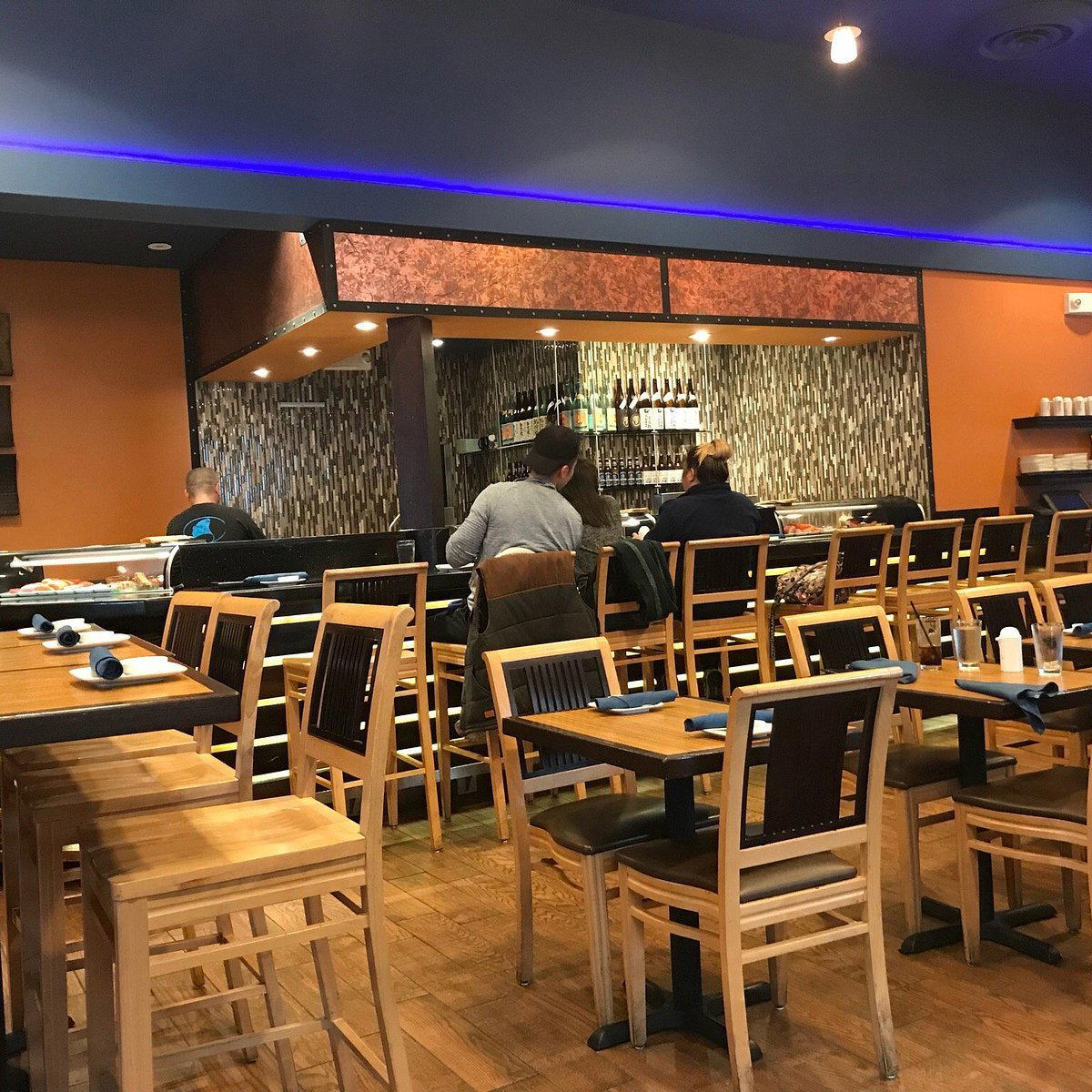
Japanese Seafood in the East Bay Suburbs
Blackhawk Plaza in Danville is the kind of address that typically supports well-funded casual chains and reliable neighbourhood Italian. Japanese seafood restaurants of any seriousness are thin on the ground east of the Oakland Hills, which makes Blue Sakana Blackhawk a notable presence in a zip code that rarely draws this kind of dining conversation. The name is direct: sakana is the Japanese word for fish, and a restaurant that leads with that word in its branding is making a claim about where its priorities sit.
The broader context matters here. Japanese fish cookery is one of the most demanding culinary traditions to execute at any distance from a major fish market. The discipline spans raw preparations that require precise sourcing and temperature management, grilled and simmered preparations rooted in regional Japanese home cooking, and the theatrical counter formats of sushi and omakase that have become the dominant frame through which Western diners encounter Japanese seafood. Each demands different skills, different supply chains, and different room configurations. What a restaurant like Blue Sakana does with that range, in a suburban plaza setting, speaks to how Japanese dining culture has migrated outward from its urban strongholds in San Francisco, San Jose, and Los Angeles over the past two decades.
The Suburb as Venue for Serious Fish
The East Bay has developed a more layered dining identity than its reputation sometimes suggests. Cities like Walnut Creek and Pleasanton support restaurants of genuine ambition, and the demographic profile of the Blackhawk and Danville corridor, one of the wealthier suburban pockets in the Bay Area, creates conditions where quality sourcing is commercially viable. Residents here travel regularly into San Francisco for higher-end dining, which means local operators are not competing against low expectations. A Japanese seafood restaurant in this market is competing against the memory of the guest's last omakase in Japantown or their last visit to a Michelin-recognised counter in the city.
That competitive pressure tends to sharpen kitchens in affluent suburban markets. The counter model, whether sushi or broader Japanese seafood, depends on repetition and relationship: regulars who return often enough to know when the seasonal fish changes and trust the kitchen's judgment on what to order. Suburban restaurants often build that relationship more reliably than urban venues simply because the guest pool is less transient. For context on what the ceiling of Japanese seafood ambition looks like at the national level, operations like ITAMAE in Miami and the counter-driven precision of Atomix in New York City represent the tier where Japanese and pan-Asian fine dining earns sustained critical attention. Blue Sakana operates in a different register, but the tradition it draws from is the same.
What Japanese Fish Culture Brings to This Address
Japanese approaches to seafood are distinguished less by technique spectacle than by sourcing discipline and restraint. The cuisine's most respected preparations, from delicate sashimi to salt-grilled whole fish to the careful seasoning of rice in nigiri, depend on not overcooking, not over-saucing, and not masking the inherent quality of what arrived that morning. That philosophy runs counter to most Western seafood traditions, which tend toward transformation: butter, heat, reduction, crust. In suburban American dining, where flavour boldness is often a commercial default, a restaurant that holds to Japanese restraint is making a deliberate choice about its audience.
The fish-forward Japanese tradition also tends to surface ingredients that American menus ignore: species like kinmedai, nodoguro, or saba appear on serious Japanese menus as markers of kitchen ambition and supplier relationships, while the American seafood mainstream defaults to salmon, tuna, and shrimp. Restaurants working in this tradition act as small-scale educators as much as feeding venues, shifting what their regulars expect from a fish dinner. In that sense, the presence of a restaurant named after the Japanese word for fish in a Danville plaza is a quiet argument about what suburban diners deserve to eat.
For those whose frame of reference for premium American seafood runs through venues like Le Bernardin in New York City or Providence in Los Angeles, the suburban Japanese seafood format represents a different but legitimate lineage, one rooted in technique developed over centuries in coastal Japan rather than the classical French tradition.
Danville's Dining Position in the East Bay
Danville sits roughly 30 miles east of San Francisco, in the San Ramon Valley. The town has a compact downtown with a handful of independent restaurants alongside Blackhawk Plaza, a larger retail and dining centre. The broader East Bay dining scene, anchored in Oakland and Berkeley, gets substantially more press attention, but Danville's restaurant offer has grown in depth as the area's residential wealth has consolidated. Aozora Japanese Restaurant and DONHAO represent adjacent parts of the local dining picture, with different cuisine focuses that together suggest a market capable of supporting more than the standard suburban mix. Our full Danville restaurants guide maps the broader offer across cuisines and formats.
The national picture for destination dining runs through venues like The French Laundry in Napa, Lazy Bear in San Francisco, Single Thread Farm in Healdsburg, and Addison in San Diego at the upper register, alongside acclaimed addresses like Smyth in Chicago, Blue Hill at Stone Barns in Tarrytown, The Inn at Little Washington, Frasca Food and Wine in Boulder, The Wolf's Tailor in Denver, Emeril's in New Orleans, and Atelier Moessmer Norbert Niederkofler in Brunico. Blue Sakana operates well below that tier in terms of formality and price, but the culinary tradition it draws from has produced some of the most technically demanding restaurants at any level of the global dining hierarchy.
Planning a Visit
Blue Sakana Blackhawk is located at 3496 Blackhawk Plaza Circle, Danville, CA 94506. Blackhawk Plaza is accessible by car from the I-680 corridor, and parking in the plaza is direct. Given the limited public data currently available on hours, booking windows, and current menu format, prospective visitors should verify current service hours and reservation requirements directly before travelling. Japanese seafood restaurants in suburban formats tend to fill their leading tables on Friday and Saturday evenings, so planning at least a week ahead for weekend dining is sensible practice regardless of the venue's specific booking policy.
Budget Reality Check
Comparable venues nearby, for context on price, style, and recognition.
| Venue | Cuisine | Price | Awards | Notes |
|---|---|---|---|---|
| Blue Sakana BlackhawkThis venue — the venue you are viewing | $$ | , | ||
| Aozora Japanese Restaurant | $$ | , | Danville Livery, Japanese Sushi & Cuisine | |
| DONHAO | Danville Livery, Modern Chinese Cuisine | $$$ | , | |
| Men Oh Tokushima Ramen | $$ | , | :none, Authentic Tokushima Ramen | |
| Moki's Sushi & Pacific Grill | $$ | , | Bernal Heights, Japanese Sushi & Pacific Fusion | |
| Izakaya Sozai | Inner Sunset, Authentic Japanese Izakaya | $$ | , |
Continue exploring
More in Danville
Restaurants in Danville
Browse all →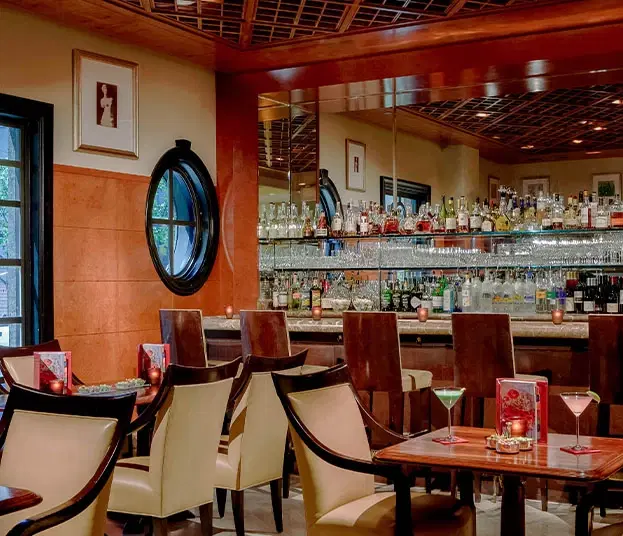
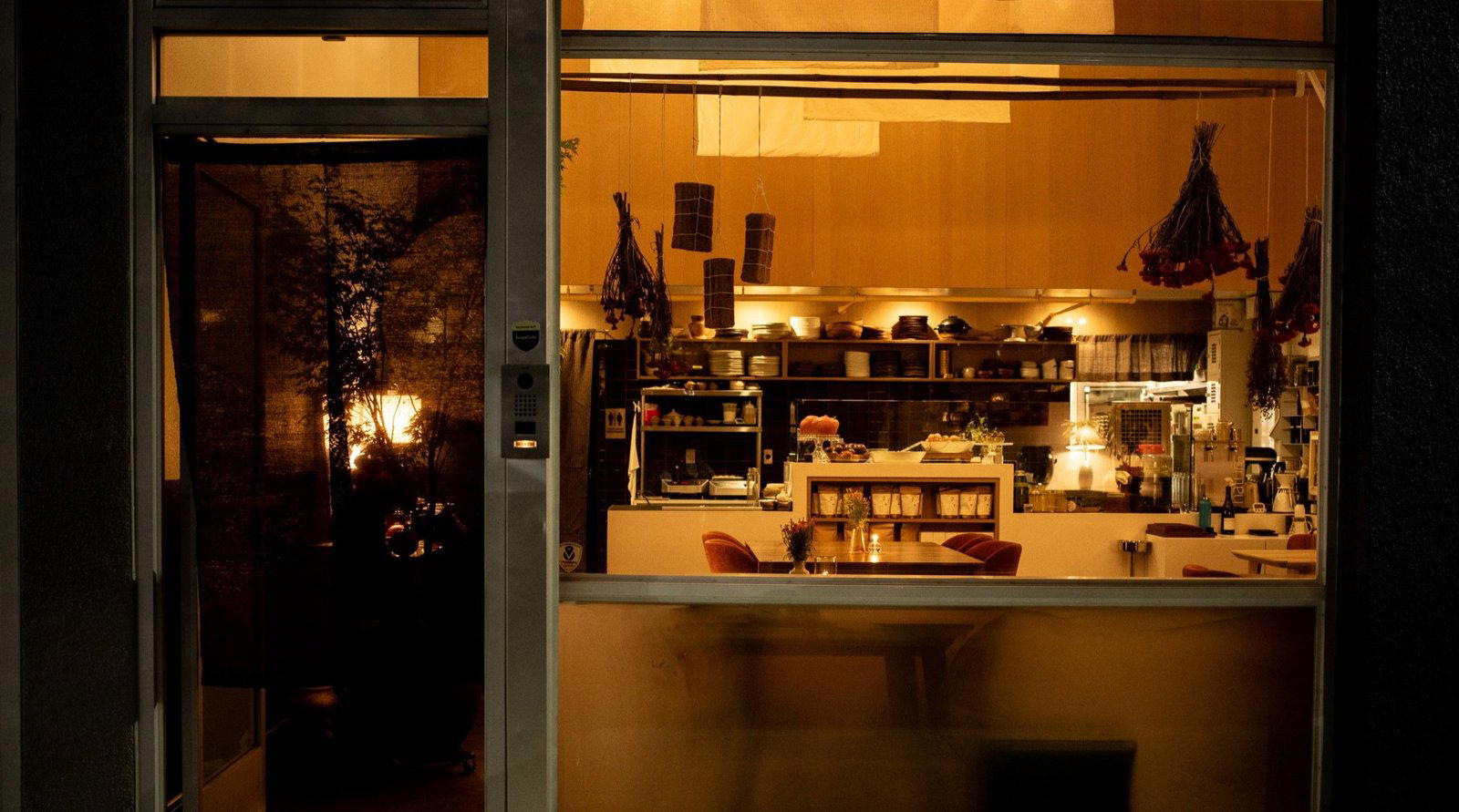
Bars in Danville
Browse all →
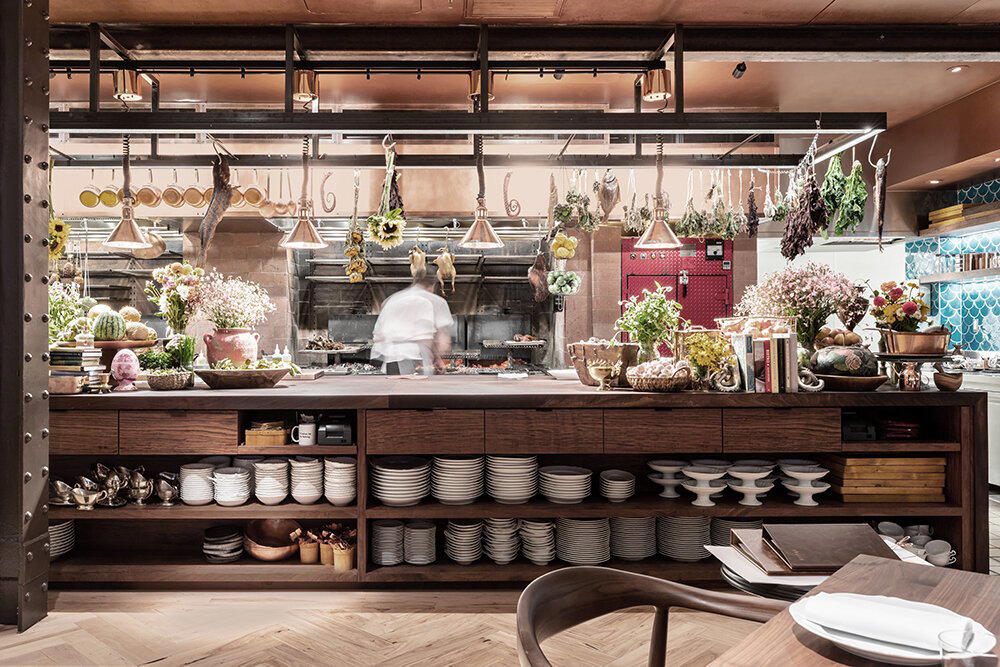
Hotels in Danville
Browse all →
At a Glance
- Lively
- Casual
- Cozy
- Casual Hangout
- Family
- Date Night
- Craft Cocktails
- Sake Program
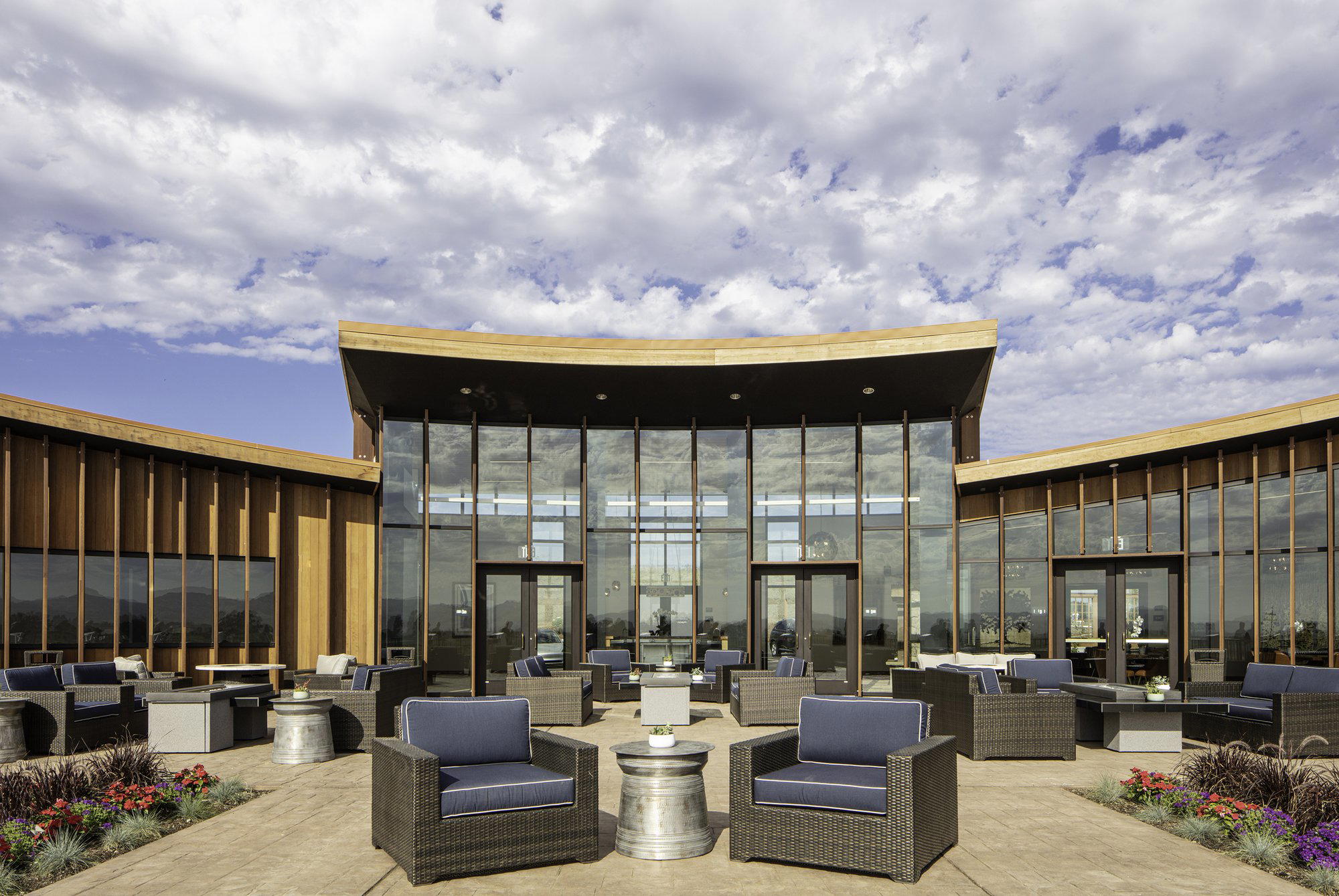
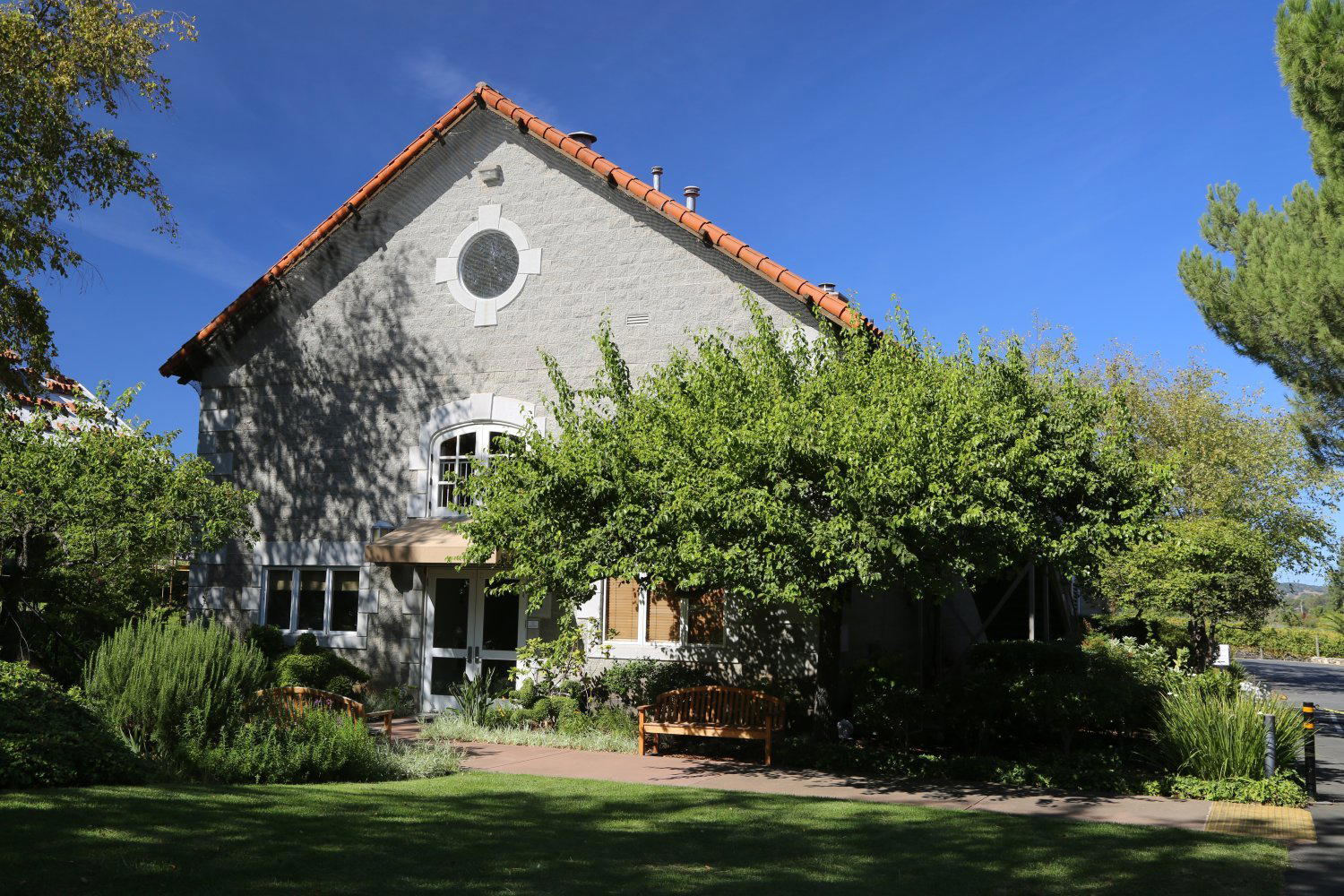
Inviting and relaxing atmosphere with patio overlooking a duck pond, suitable for casual and lively gatherings.