Aozora Japanese Restaurant
A neighborhood Japanese restaurant on Sycamore Valley Road, Aozora brings considered Japanese cooking to Danville's suburban dining corridor. The kitchen operates in a regional dining context where ingredient sourcing increasingly separates the serious from the ordinary. For the East Bay suburbs, it represents a quieter alternative to the city-facing Japanese dining scene further west.
Pearl is the En Primeur Club membership app — saves, bookings, and concierge access live there. Same editors, same standards.
- Address
- 820 Sycamore Valley Rd, Danville, CA 94526
- Phone
- +19252727818
- Website
- aozoradanville.com
 Saves & bookings on Pearl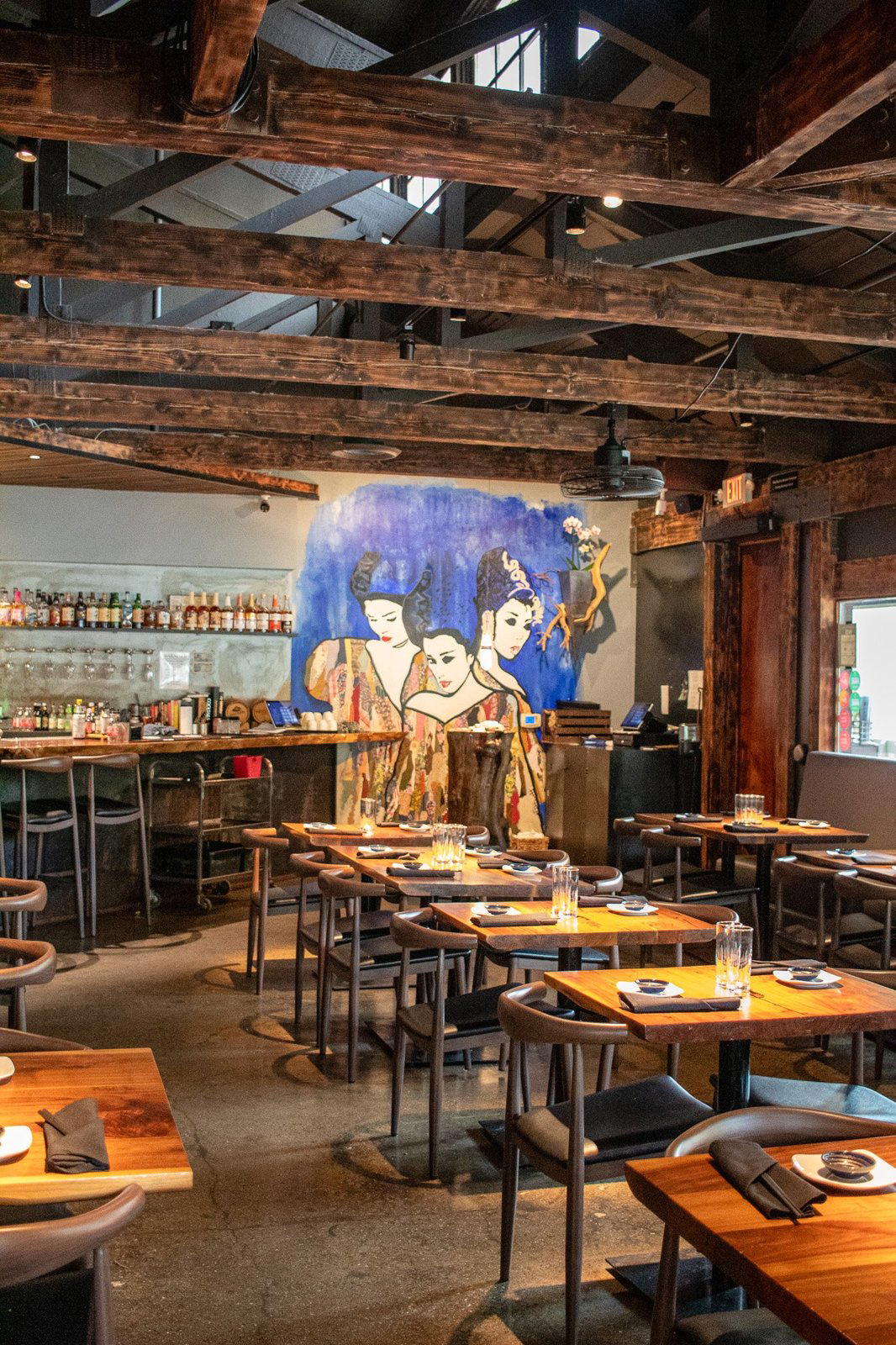
Japanese Dining in the East Bay Suburbs: Where Aozora Fits
Suburban Japanese restaurants in the East Bay occupy a curious middle ground. They serve communities that drive regularly into San Francisco or Oakland for high-end omakase, yet also anchor a local dining habit that has grown more demanding over the past decade. Danville's dining corridor along Sycamore Valley Road reflects that tension: the town has enough purchasing power to support ambitious cooking, but not yet the density of competition that forces constant reinvention. Aozora Japanese Restaurant is a Japanese restaurant in Danville, California, at 820 Sycamore Valley Rd, serving a neighborhood that expects more than it once did.
Diners at every price point have become more fluent in the language of origin and supply chain.
The Sourcing Frame: Why It Matters at This Level
The ingredient sourcing question is particularly acute for Japanese cuisine in the United States. Japanese cooking depends on a narrower set of inputs than almost any other tradition: fish quality, rice quality, the age and composition of the dashi, the freshness of the wasabi. A sushi counter using farmed salmon from an undisclosed supplier and pre-ground wasabi delivers something categorically different from one pulling line-caught fish from a Japanese-market importer and grating fresh rhizome to order. That gap exists across price tiers, and it is one of the clearest ways to read a Japanese kitchen's ambitions without a formal tasting.
In the Bay Area, the benchmark for this kind of supply-chain seriousness is set by a handful of city-center operations and a growing cohort of farm-to-table restaurants that have extended ingredient sourcing logic beyond produce. Single Thread Farm in Healdsburg, for instance, has built a reputation on closed-loop sourcing that informs the Japanese-influenced sections of its menu. Lazy Bear in San Francisco operates on a similar philosophy applied to a progressive American format. These are not direct competitors to a neighborhood Japanese restaurant in Danville, but they shape what the informed Bay Area diner considers acceptable practice when it comes to knowing where food comes from.
In Danville specifically, the Japanese dining conversation also involves Blue Sakana Blackhawk, which serves a similar residential catchment area. The presence of more than one Japanese-leaning option in the same suburban corridor indicates a genuine local appetite rather than a novelty. It also creates implicit comparison pressure: diners who rotate between options develop calibrated expectations around freshness and sourcing that a single-venue market would not produce.
The Danville Context: A Dining Scene Finding Its Register
Danville does not have the restaurant density of Berkeley or the culinary infrastructure of San Francisco's Richmond District, but it has something those markets lack: a stable, high-income residential base with a consistent preference for quality over novelty. That demographic pattern tends to favor restaurants that execute a defined range of dishes with reliable ingredient standards over restaurants chasing trend cycles. Japanese cuisine, with its emphasis on precision and repetition, maps naturally onto that preference profile.
The town's dining corridor has expanded in recent years to include options across multiple cuisines, including DONHAO, which represents the East Asian dining range in the area from a different angle. What the corridor has not yet produced is a Japanese restaurant operating at the ambition level of, say, Atomix in New York City or the ingredient-focused rigor of Blue Hill at Stone Barns in Tarrytown. That gap is not a failure, it reflects the market, but it does mean that Danville's Japanese restaurants are measured against local and regional peers rather than national fine-dining benchmarks.
For a fuller picture of how Aozora relates to the broader dining options across town, the full Danville restaurants guide maps the complete range of what the corridor offers, from casual to destination-level options.
Placing Aozora in Its comparable set
Nationally, the Japanese restaurant category has fragmented into distinct tiers with different competitive logics. At the leading, counters like Masa operate on allocation models and price against luxury experiences rather than meal occasions. Below that, a tier of serious omakase restaurants, some Michelin-recognized, most reservation-intensive, has expanded beyond gateway cities into secondary markets. The tier that Aozora occupies, the neighborhood Japanese restaurant serving a suburban community, has its own standards and its own internal hierarchy. Within that tier, the signals that separate a serious kitchen from a convenient one are ingredient sourcing, menu discipline, and consistency across the week rather than just on weekends.
Other American restaurants that have built reputations on ingredient sourcing as a primary value, Smyth in Chicago, The Wolf's Tailor in Denver, Addison in San Diego, Frasca Food and Wine in Boulder, or the farm-to-counter logic at ITAMAE in Miami, demonstrate that sourcing seriousness is not confined to coastal fine-dining rooms. It is a practice that translates across formats and price points when the kitchen commits to it. The question for any neighborhood Japanese restaurant is whether that commitment is visible to the diner or absorbed invisibly into the back-of-house operation.
Globally, the sourcing question has been applied to Japanese cuisine with particular rigor at places like Atelier Moessmer Norbert Niederkofler in Brunico, which has reframed the sourcing conversation around regional identity rather than luxury signaling. That framing, sourcing as place-making rather than prestige, is one that translates meaningfully to suburban American Japanese restaurants, where the local and regional supply chain can itself become a distinguishing feature.
Planning a Visit
Aozora sits at 820 Sycamore Valley Rd in Danville, CA 94526, accessible from the I-680 corridor that connects the East Bay suburbs. Danville is approximately 30 miles east of San Francisco, making it a practical option for East Bay residents and a genuine detour for city-based diners with a reason to go. Aozora is recommended for reservations and the current price point is about $30 per person. The restaurant's position in a suburban corridor means parking is generally more accessible than at city-center Japanese restaurants.
Quick Comparison
Comparable venues nearby, for context on price, style, and recognition.
| Venue | Cuisine | Price | Awards | Notes |
|---|---|---|---|---|
| Aozora Japanese RestaurantThis venue — the venue you are viewing | Japanese Sushi & Cuisine | $$ | , | |
| Blue Sakana Blackhawk | Japanese Izakaya & Sushi | $$ | , | Blackhawk Plaza |
| DONHAO | Modern Chinese Cuisine | $$$ | , | Danville Livery |
| Champion's Curry | Japanese Curry House | $$ | , | Southside |
| Zabu Zabu | Japanese Shabu-Shabu | $$ | , | Downtown Berkeley |
| Isshin Ramen House | Authentic Japanese Ramen | $$ | , | Richmond |
Continue exploring
More in Danville
Restaurants in Danville
Browse all →
Bars in Danville
Browse all →
Hotels in Danville
Browse all →

At a Glance
- Modern
- Cozy
- Family
- Casual Hangout
- Sake Program
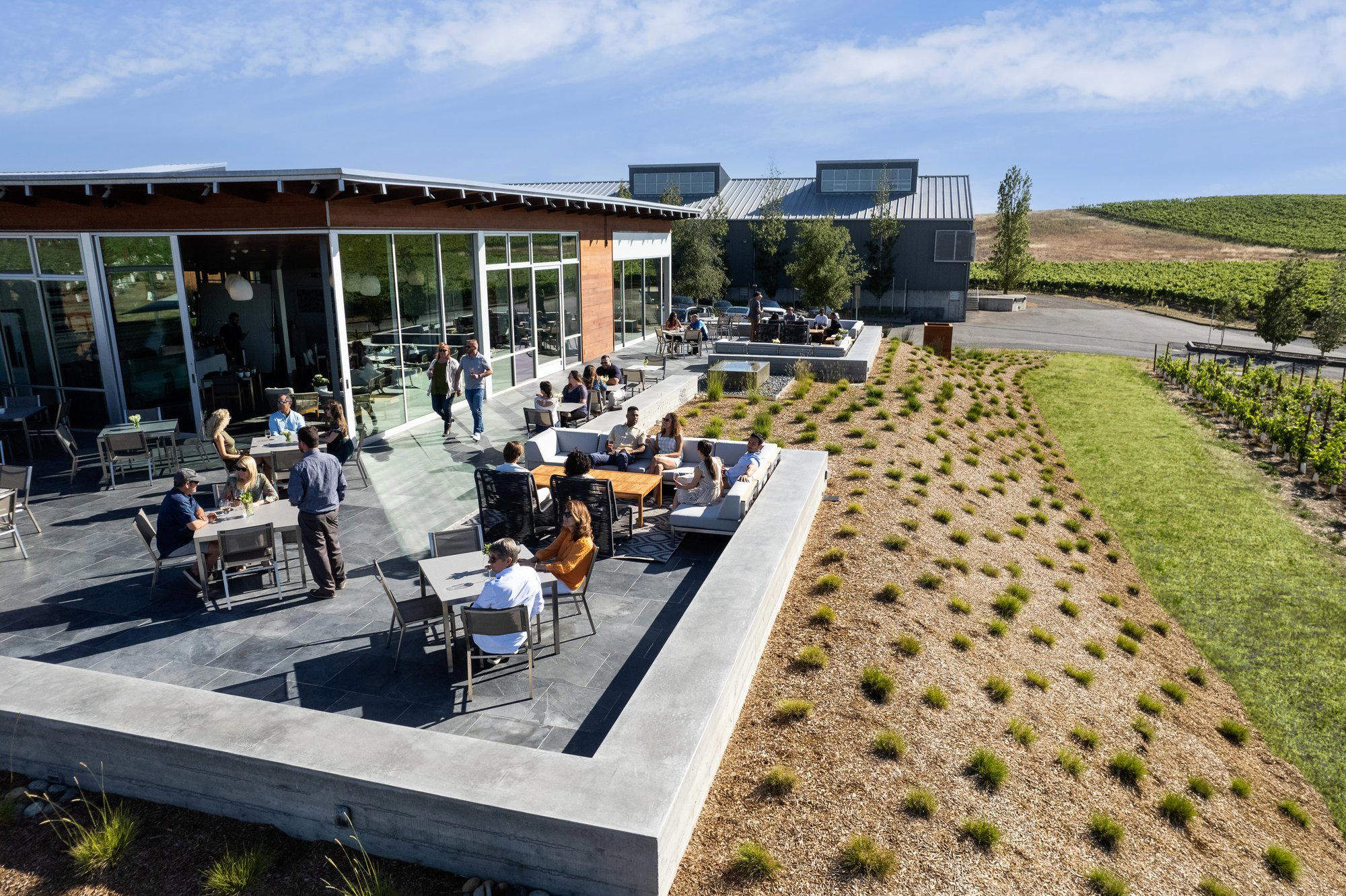
Casual ambiance with moderate noise levels and comfortable indoor/patio seating.