Blue Door
Blue Door enters Charlotte’s dining conversation as a name with little public-facing detail, which changes how it should be read: less as a fixed fine-dining proposition and more as a prompt to understand the city’s sourcing-led, neighborhood-driven restaurant culture. In a market where Southern produce, regional seafood, and bar-led dining often overlap, the useful question is what the kitchen chooses to buy, preserve, and serve.
 Discover on Pearl
Pearl is the En Primeur Club membership app — saves, bookings, and concierge access live there. Same editors, same standards.
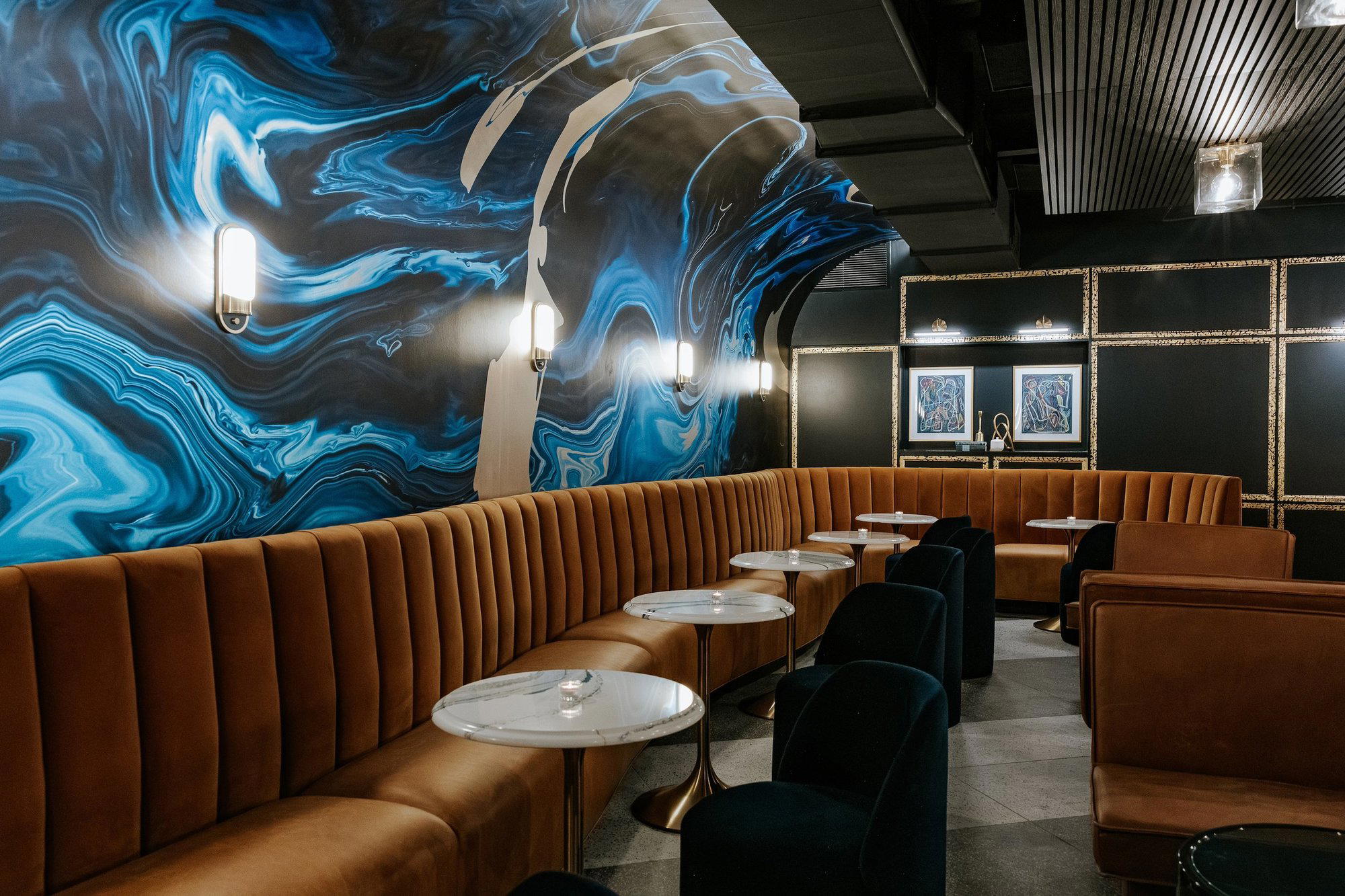
Charlotte dining often announces itself before the plate arrives: a room’s tempo, the sound of service, the divide between after-work drinks and dinner with intent. Blue Door belongs to that city conversation, where the strongest restaurants are increasingly judged not by theatrical plating but by how clearly they connect the table to the Carolinas’ growing network of farms, fisheries, bakers, and small producers.
The city’s restaurant identity has moved beyond the old shorthand of steakhouse expense accounts and Southern comfort. Uptown, South End, NoDa, Plaza Midwood, and Ballantyne each pull dining in different directions, from cocktail-first rooms to chef-led counters and hotel dining with broader regional polish. Blue Door is best understood against that backdrop: Charlotte rewards places that make sourcing legible without turning dinner into a lecture.
Charlotte's ingredient question now matters more than category labels
In the Carolinas, ingredient sourcing is not a decorative claim. It determines whether a restaurant feels anchored or generic. Local greens, milled grains, pork, trout, oysters, peaches, sweet potatoes, and seasonal field crops give kitchens a vocabulary that does not need imported glamour. The sharper Charlotte menus use those materials with restraint, allowing Southern references to appear through technique, acidity, smoke, pickling, and preservation rather than nostalgia alone.
That context matters for Blue Door because the name sits in a city where diners increasingly ask harder questions: where the seafood comes from, whether vegetables are treated as central rather than secondary, and whether the bar program supports the food instead of operating as a separate business. Without a published cuisine category or chef attribution, the editorial read should stay disciplined. The relevant standard is not a label; it is whether the experience communicates a point of view through sourcing, seasonality, and service rhythm.
Charlotte’s broader restaurant map helps frame that expectation. Travelers comparing neighborhoods can use Our full Charlotte restaurants guide for the citywide view, while nearby dining references such as 1897 Market, 204 North Kitchen & Cocktails, Afternoon Tea at Ballantyne, Albertine, and Angeline's show how varied the city’s dining formats have become.
What to look for when the public details are spare
When a restaurant publishes little about format, pricing, or kitchen leadership, the smart assessment shifts from biography to behavior. Menus that change with the market, vegetable preparations that receive as much attention as proteins, and drinks that respect the kitchen’s seasoning are stronger signals than generic language about local ingredients. In Charlotte, sourcing has to work in a humid, seasonal, fast-growing city where restaurants serve both regulars and travelers passing through for finance, sports, concerts, and conventions.
The absence of visible awards also changes the decision. Michelin and James Beard recognition can shorten the reader’s research, but they are not the only markers of a serious meal. In a city outside the densest national-awards circuit, consistency, neighborhood traction, and a kitchen’s buying habits often tell the clearer story. Blue Door should be approached through that lens: look for specificity on the menu, not broad claims; ask whether the cooking reflects the region, not whether it repeats a national template.
Charlotte’s hospitality ecosystem is also useful context for planning the rest of a trip. For rooms, drinking, wine, and non-restaurant programming, the broader city rails are covered in Our full Charlotte hotels guide, Our full Charlotte bars guide, Our full Charlotte wineries guide, and Our full Charlotte experiences guide. For readers tracking ingredient-led dining across the country, useful contrasts include Jōdo Saké Bar in Los Angeles, Onigiri Time in Pasadena, ¿Por Qué No? in Portland, 'Ai Love Nalo in Waimanalo Beach, 'āina in San Francisco, 'Ama 'Ama in Kapolei, -Grilled beef Sukiyaki- KAMAKURA TANUKIAN 鎌倉 たぬき庵 in Kamakura, and ¡Salud! in Los Angeles.
The editorial read
Blue Door is a Charlotte name to evaluate through the city’s present dining test: does the food make regional sourcing concrete, or does it treat place as atmosphere? The stronger Charlotte restaurants now show their work through produce, pacing, beverage alignment, and a clear sense of neighborhood use. Until more public detail is attached to the restaurant, the most useful approach is to judge the meal by those fundamentals rather than by biography, awards, or category shorthand.
Reputation & Price
Comparable venues nearby, for context on price, style, and recognition.
| Venue | Cuisine | Price | Awards | Notes |
|---|---|---|---|---|
| Blue DoorThis venue — the venue you are viewing | South End, Cocktail bar & social lounge | $$$ | , | |
| Muraya | South End, Colombian Fusion | $$$ | , | |
| Yama Asian Fusion | Foxcroft, Japanese Sushi Fusion | $$$ | , | |
| Stagioni | Crescent Heights, Seasonal Italian | $$$ | , | |
| The Jimmy | Ashbrook, Italian & French Inspired | $$$ | , | |
| Peppervine | $$$ | 1 recognition | Fairmeadows, Modern American Small Plates |
Continue exploring
More in Charlotte
Restaurants in Charlotte
Browse all →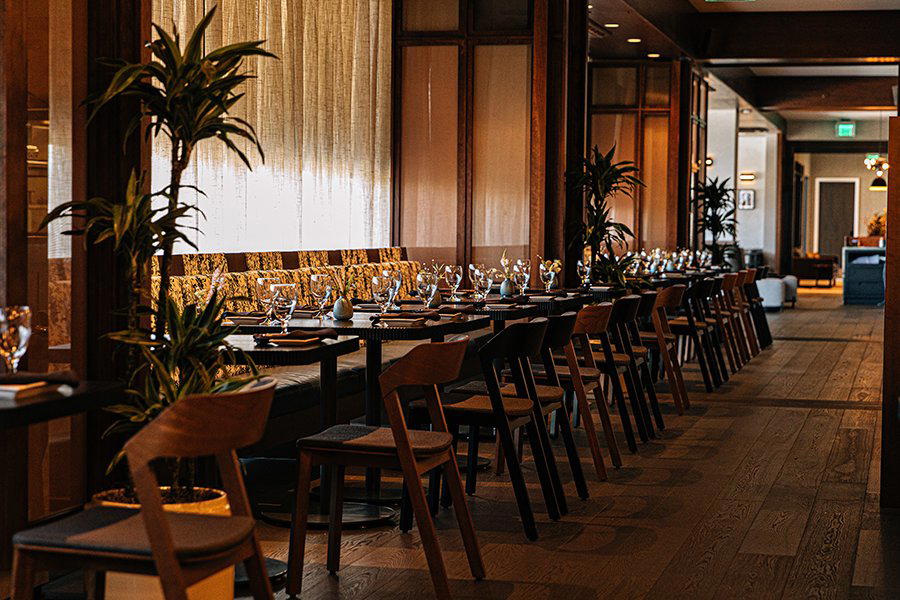
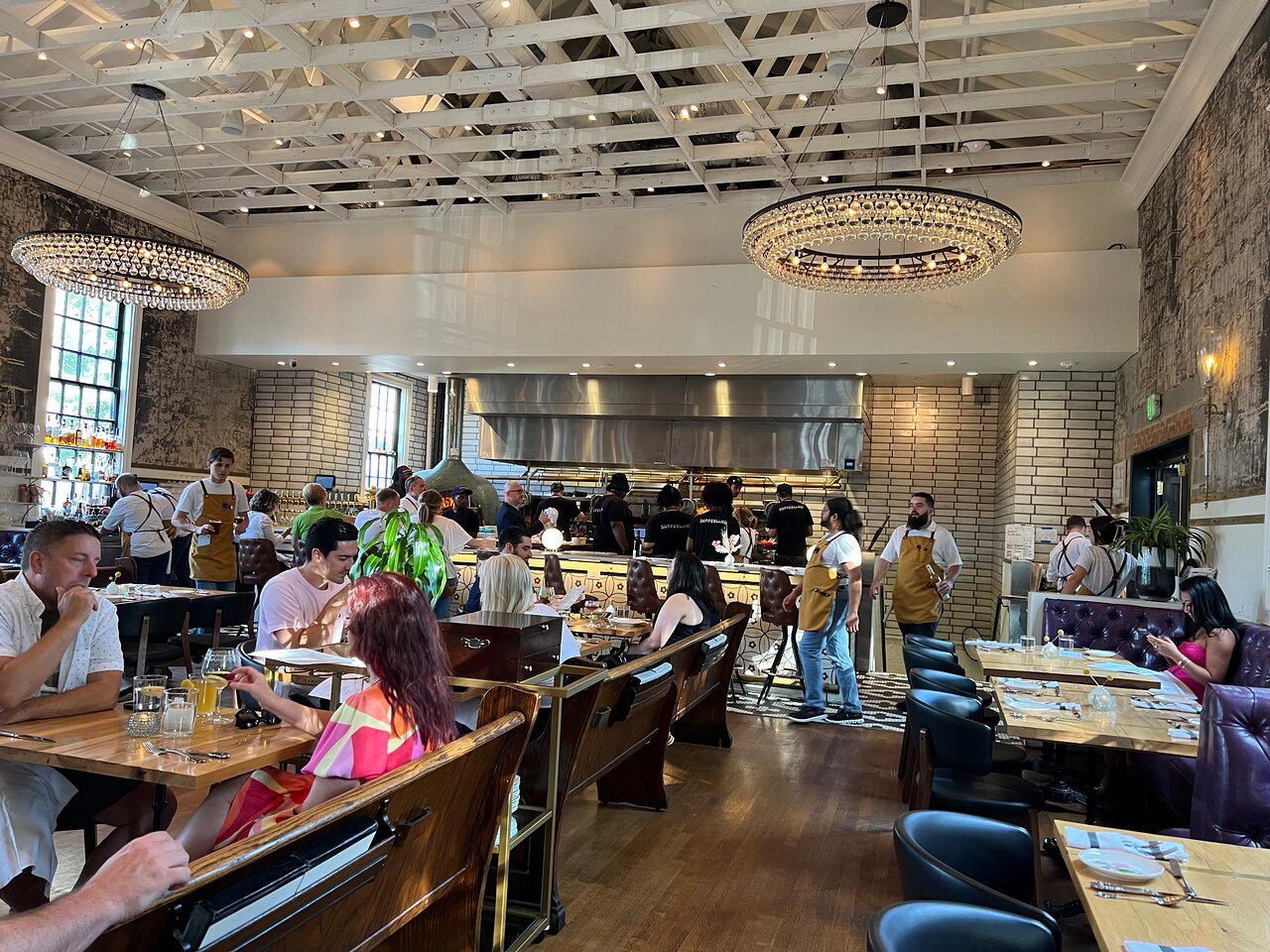
Bars in Charlotte
Browse all →
At a Glance
- Intimate
- Elegant
- Sophisticated
- Trendy
- Lively
- Hidden Gem
- Date Night
- After Work
- Late Night
- Casual Hangout
- Celebration
- Special Occasion
- Private Dining
- Design Destination
- Standalone
- Craft Cocktails
- Zero Proof
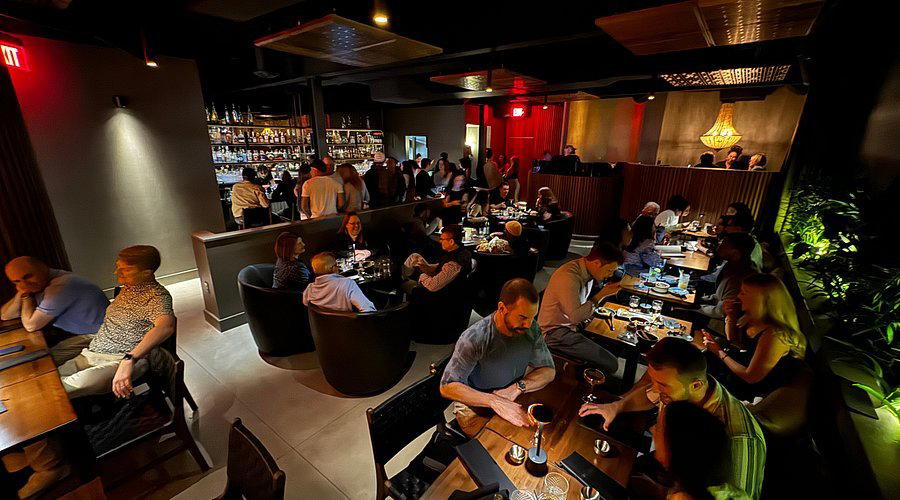
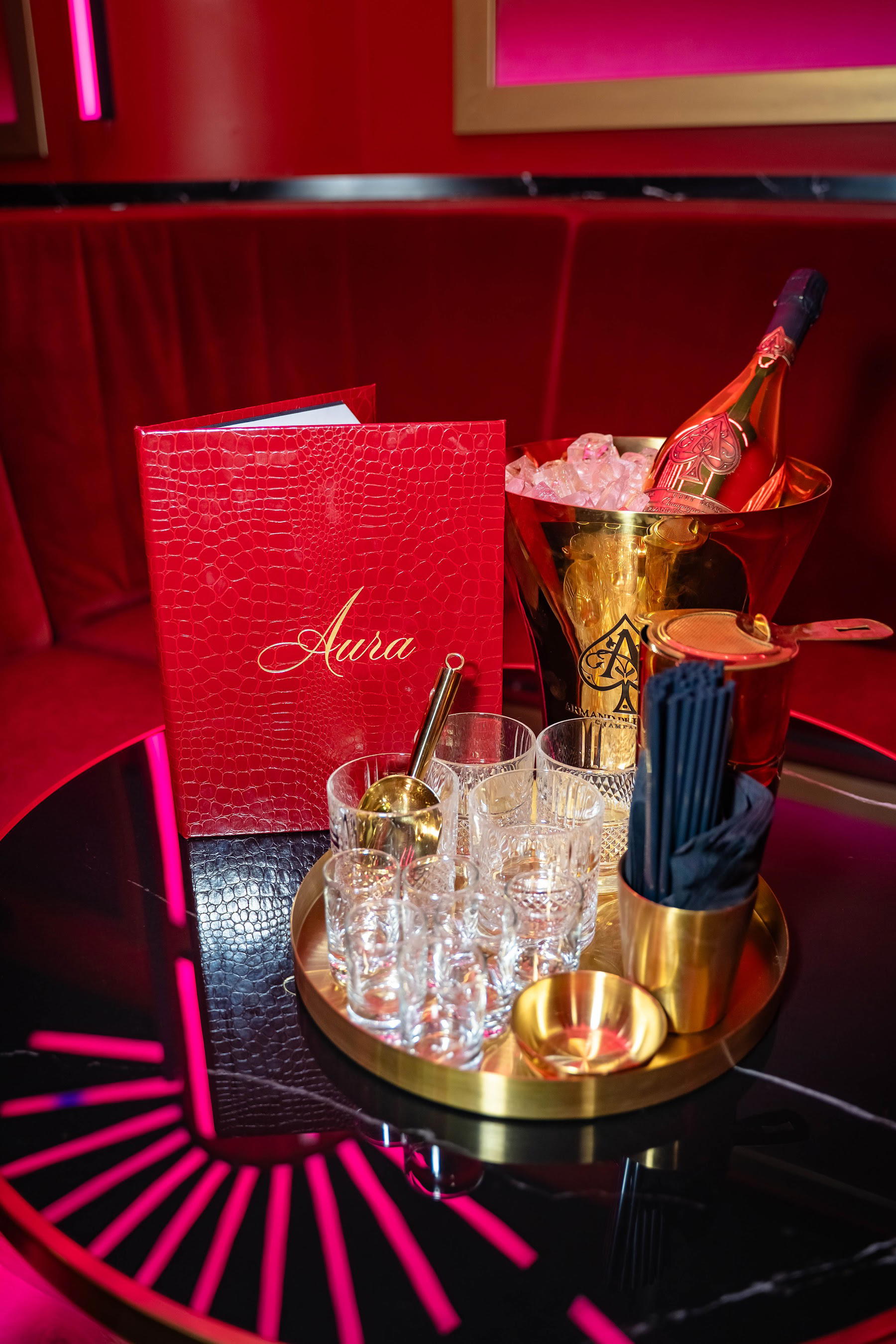
An intimate, upscale cocktail and social lounge with a sophisticated yet lively vibe—low-light, polished design and a focus on elegant presentation and personable, genuine hospitality.