Blu Sushi
Blu Sushi on McGregor Boulevard sits within Fort Myers' mid-market dining corridor, where sushi has carved a consistent foothold alongside the Gulf Coast's seafood tradition. The restaurant addresses a local appetite for Japanese-influenced formats in a market that skews toward casual waterfront dining. For visitors working through the city's options, it represents the accessible end of the sushi spectrum in Southwest Florida.
Pearl is the En Primeur Club membership app — saves, bookings, and concierge access live there. Same editors, same standards.
- Address
- 13451 McGregor Blvd #23, Fort Myers, FL 33919
- Phone
- +12394891500
- Website
- blusushi.com
- Directions
- Get directions
 Saves & bookings on Pearl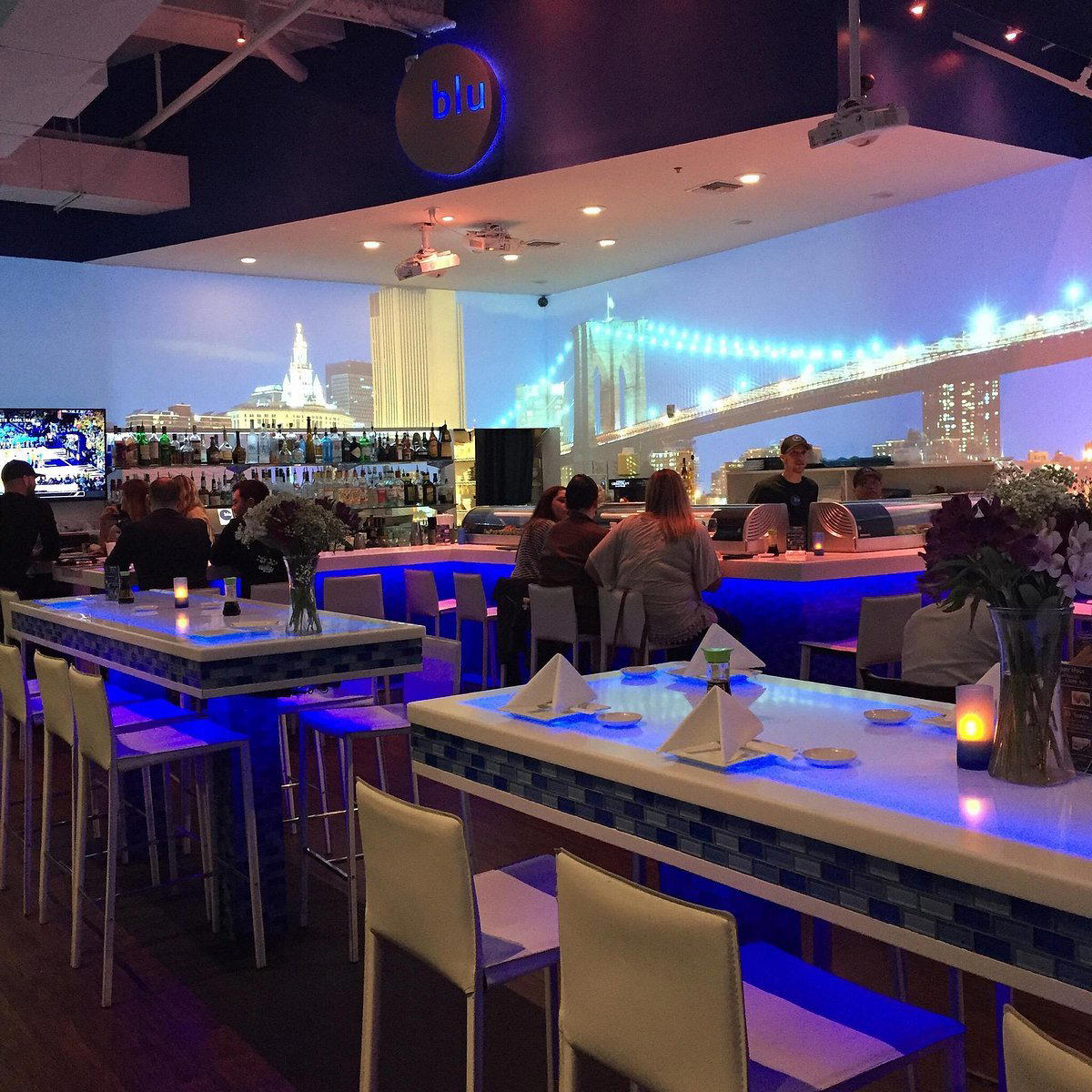
Sushi in the Gulf Coast Register
Southwest Florida's dining identity has long been shaped by the Gulf itself: grouper, snapper, stone crab, and shrimp pulled from waters that define the region's culinary baseline. Sushi, by contrast, arrived as an import and has taken root in a particular way along this coast. It tends to occupy a casual-to-mid-market register, sitting alongside sports bars and waterfront grills rather than competing with the fine-dining tier. In Fort Myers, that positioning reflects the city's broader character as a working coastal market rather than a resort destination engineered for premium spend.
Blu Sushi is a Japanese sushi restaurant at 13451 McGregor Blvd #23 in Fort Myers, Florida. Blu Sushi on McGregor Boulevard operates inside that local register. The address, 13451 McGregor Blvd, places it in a strip-center format common to this part of Fort Myers, the kind of commercial corridor where dinner decisions are made by proximity and familiarity rather than destination intent. That context matters for understanding who eats here and why. This is neighborhood sushi, positioned for repeat local use rather than once-a-trip visitor occasions.
The Cultural Arc of Japanese Food in American Coastal Markets
Japanese cuisine's spread through American dining over the past four decades followed a specific pattern. Coastal cities with port access and international populations absorbed it earliest and deepest, producing the omakase culture of New York and Los Angeles where counters like Atomix in New York City have pushed Japanese-influenced tasting menus into genuinely ambitious territory. Secondary and tertiary markets followed later, typically through a softer entry point: rolls rather than nigiri, fusion-leaning menus rather than strictly traditional formats, and price points calibrated to local income distributions.
Fort Myers sits firmly in the second category. The city's sushi scene has grown alongside its general population expansion, driven partly by retirees from northeastern states who arrived with existing familiarity with Japanese food, and partly by a younger service-industry demographic that has diversified the restaurant base. The result is a sushi market that is competent and accessible without mounting any serious challenge to the omakase tradition that defines the category's serious end. That is not a criticism. It reflects what the market supports and what the local dining community actually wants from the format.
For comparison, the distance between what Fort Myers sushi represents and what venues like Le Bernardin in New York City or Providence in Los Angeles achieve with seafood-forward tasting menus is not simply one of quality but of category. Those are structured around a different premise entirely, one where sourcing provenance, course progression, and chef authorship are the explicit selling points. Strip-mall sushi in a Florida coastal city answers a different question: where can a family get a reliable California roll and some edamame on a Tuesday without a reservation?
Fort Myers' Broader Dining Context
The McGregor Boulevard corridor connects central Fort Myers with the affluent communities to the south, and the dining along it reflects that demographic range. Across the city, the restaurant scene has been expanding its reference points. BLANC and Ember Fort Myers represent a more ambitious local tier, while 41 Bistro and Burntwood Tavern anchor the reliable mid-market. Italian continues to hold ground through spots like Casa D'Italia, which reflects Fort Myers' significant Italian-American community. Sushi fits into this picture as one of several cuisines that have naturalized into the local dining rotation without reshaping it.
In that role, accessible sushi operations like Blu Sushi serve a real planning function even if they do not represent the destination centerpiece of a trip.
What the Format Offers
Strip-center sushi in American coastal markets typically converges around a recognizable format: a maki-heavy menu with optional sashimi and nigiri, a selection of cooked appetizers drawing on Japanese-American standards (edamame, gyoza, miso soup), and a drinks program that includes sake alongside standard American bar offerings. That format has proven durable precisely because it requires no category knowledge from the diner. You do not need to understand seasonal fish availability or regional Japanese prefecture differences to navigate a menu organized around named rolls.
This differs sharply from the counter experiences at venues like The French Laundry in Napa or Smyth in Chicago, where the tasting format presupposes a certain level of diner investment and culinary fluency. It also differs from the farm-integration approach of Blue Hill at Stone Barns in Tarrytown or the precision sourcing of Single Thread Farm in Healdsburg. These comparisons are not made to diminish accessible sushi but to locate it accurately in the broader category map.
The casual sushi format that venues like Blu Sushi represent is, in its own terms, a specific cultural achievement: it made a technically demanding Japanese tradition accessible to American suburban and coastal populations who would never have encountered it otherwise. That democratization has costs in terms of depth and authenticity, but it has also built the diner base from which more ambitious operators eventually draw.
Planning Your Visit
The restaurant is located at 13451 McGregor Blvd, Suite 23, Fort Myers, FL 33919. The McGregor Boulevard address is accessible by car from most Fort Myers neighborhoods, with parking available in the strip center. For those building a broader Fort Myers dining itinerary across several days, the city's dining options span price tiers and cuisine categories. Reservations are recommended, and current hours are Monday through Thursday and Sunday from 11:30 AM to 10 PM, Friday and Saturday from 11:30 AM to 11 PM. Pricing runs about $25 per person.
Visitors with a strong interest in serious Japanese seafood preparation and who have flexibility in their travel planning might note that Miami's Brickell and Wynwood neighborhoods, roughly two hours south, support a more developed Japanese dining scene. Closer to home in Southwest Florida, the gap between casual sushi and the kind of precision-driven seafood work seen at Addison in San Diego or Lazy Bear in San Francisco remains wide, though the local dining tier has grown gradually as the region's population and hospitality infrastructure mature.
Booking and Cost Snapshot
Comparable venues nearby, for context on price, style, and recognition.
| Venue | Price | Notes |
|---|---|---|
| Blu SushiThis venue — the venue you are viewing | $$ | Not listed |
| Izzy's Fish & Oyster | $$ | downtown Fort Myers, New England Seafood & Oyster Bar |
| Terra Nostra Ristorante | $$$ | South Fort Myers, Classic Italian Steakhouse |
| The Silver King Coastal Kitchen | $$$ | Downtown Fort Myers, Mediterranean Coastal Tapas |
| Ember Fort Myers | $$$ | College Parkway, Contemporary Korean BBQ & Sushi |
| San Matteo Italian Restaurant | $$$ | University Village, Modern Southern Italian with Neapolitan Pizza |
Continue exploring
More in Fort Myers
Restaurants in Fort Myers
Browse all →
Bars in Fort Myers
Browse all →
At a Glance
- Modern
- Trendy
- Casual Hangout
- Late Night
- Sake Program
Current opening hours
- Monday
- 11:30 AM–10 PM
- Tuesday
- 11:30 AM–10 PM
- Wednesday
- 11:30 AM–10 PM
- Thursday
- 11:30 AM–10 PM
- Friday
- 11:30 AM–11 PM
- Saturday
- 11:30 AM–11 PM
- Sunday
- 11:30 AM–10 PM
Hours can change for holidays and private events. Last verified .
Comfortable modern vibe with lively social atmosphere.