Bloome Fruit Tea
Our verdict
The shop sits in a stretch of Boston that has become a reliable testing ground for Taiwanese-style tea formats, where the sourcing of fruit and tea base matters as much as the pour itself.

Pearl is the En Primeur Club membership app — saves, bookings, and concierge access live there. Same editors, same standards.
- Address
- 14 Brighton Ave, Boston, MA 02134
- Phone
- (978) 321-4134
- Hours
- Mon–Thu 12–10 PMFri–Sat 12 PM–12 AMSun 12–10 PM
- Website
- bloomefruittea.com
- Directions
- Get directions
- Booking
- Book on OpenTable
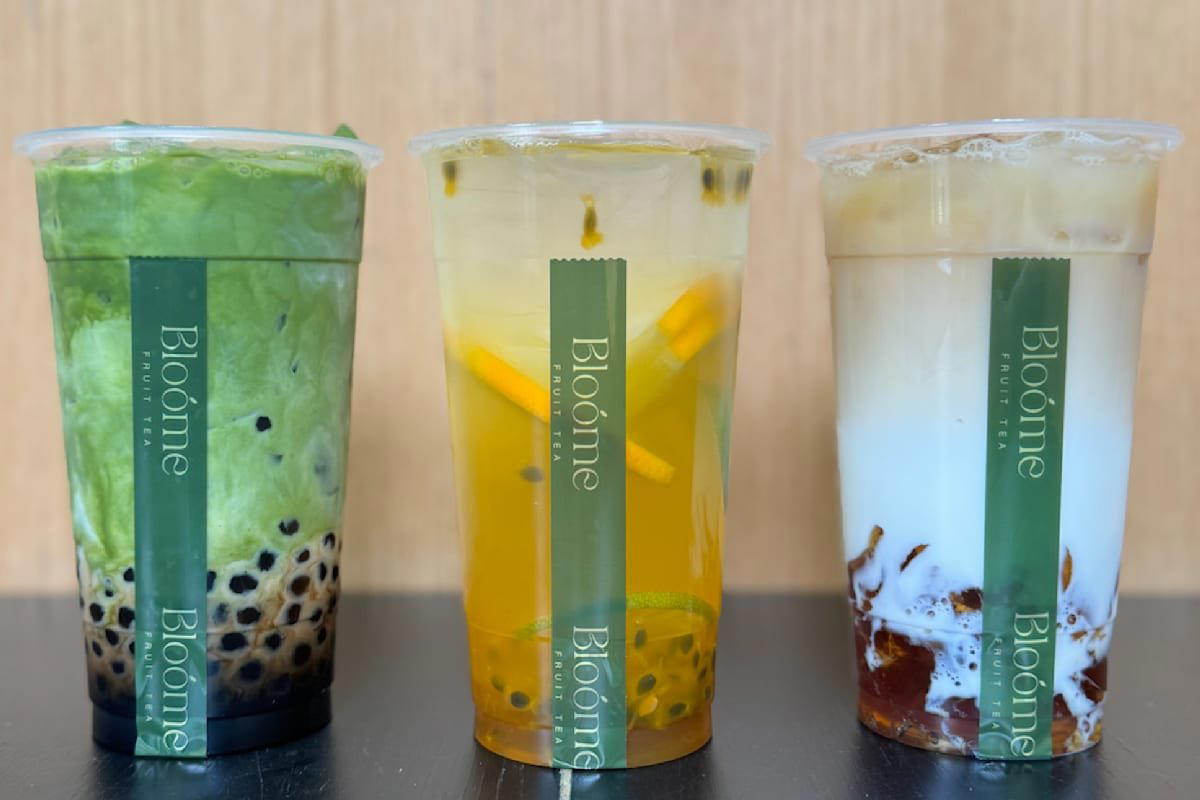
The format itself deserves some context. Fruit tea at its most serious is not simply juice with a tea bag. The category, which spread from Taiwan's established drink-shop culture through Southeast Asia before reaching North American cities with large East Asian student populations, depends on the sourcing and handling of fresh fruit. Where commodity boba chains frequently substitute syrups and concentrates, the shops that have built reputations in cities like Boston, New York, and Los Angeles tend to differentiate on visible freshness: whole citrus cut per order, seasonal stone fruit pressed rather than poured from a bag, tea brewed to specific temperatures and extraction windows. The gap between the two approaches is immediately apparent in the cup. For a neighborhood like Allston, where Dumpling Kingdom and Soul Fire have demonstrated that ingredient attention translates into durable local loyalty, that distinction carries weight. You can explore more of what the area offers in our full Allston restaurants guide.
Sourcing as the Central Argument
The editorial angle that matters most for the fruit tea category is not decor or branding but provenance. A shop like Bloome sits in a segment where the sourcing question is the product question. Taiwanese-style fruit teas that have earned sustained attention in American cities typically make explicit commitments: named tea origins (Alishan high-mountain oolong, Assam for certain black tea bases), fresh fruit by season rather than a static menu, and visible preparation over pre-batched dispensing. These commitments produce a cup that costs more and takes longer to make, but they also produce a flavor profile that syrups cannot replicate. The tartness of a freshly squeezed kumquat, the floral leading note of a high-grown oolong, the slight bitterness that keeps a passion fruit drink from reading as candy: these come from handling real material carefully, not from formulation.
For comparison, consider what ingredient discipline has meant at the higher end of the American dining spectrum. Blue Hill at Stone Barns in Tarrytown built its entire identity on farm-to-table sourcing integrity; Single Thread Farm in Healdsburg treats ingredient provenance as the organizing principle of every plate. The scale and price point are incomparable to a street-level drink shop, but the underlying logic, that what you source determines what you can make, applies across formats. In the fruit tea category, it applies to every cup poured.
The Allston Drink Scene in Context
Allston's food and drink environment is competitive in a specific way. The neighborhood does not sustain places through tourism or destination dining in the way that, say, Boston's South End or Back Bay might. This creates a market that is, in practice, harder to fool than many higher-ticket environments. A drink shop that cuts corners on fruit or uses synthetic flavoring typically loses the neighborhood before it finds a second cohort of customers.
The venues that have built durable followings nearby, including Carlo's Cucina Italiana, have done so by holding a consistent standard against a price-sensitive but quality-aware customer base. The fruit tea category in Allston operates under the same pressure.
For those tracking where American cities are developing serious quick-service drink culture, the comparison set is no longer limited to local bubble tea chains. Cities with deeper tea-shop ecosystems, including New York (see Atomix in New York City for a sense of how ingredient-forward thinking scales into a full dining program) and Los Angeles (Providence in Los Angeles as a benchmark for what sustained ingredient commitment produces at fine dining scale), demonstrate that sourcing discipline at any price point tends to compound over time into a recognizable identity. The same logic applies to a neighborhood drink shop trying to build a returning customer base in a dense student corridor. The format, walk-in, counter-service, drinks to take away or consume on-site, is consistent with the wider Taiwanese fruit tea category and requires no reservation.
For those building a broader Allston itinerary, Soul Fire and Dumpling Kingdom represent different points on the neighborhood's dining register and pair naturally with a fruit tea stop. The full context for planning a day or evening in the area is in our Allston guide.
For readers whose interest in ingredient-sourced American dining extends beyond Boston, EP Club covers programs at every scale: from the farm-integration approach at Smyth in Chicago and the precision of The French Laundry in Napa, to the regional sourcing commitments at Frasca Food & Wine in Boulder, The Wolf's Tailor in Denver, and Addison in San Diego. The thread connecting a fruit tea counter in Allston to a three-Michelin-star kitchen in the Napa Valley is thinner than it first appears: in both cases, the ingredient decision is the first and most consequential one made.
Frequently asked questions
Is Bloome Fruit Tea okay with children?
Yes. The fruit tea format at 14 Brighton Ave is family-accessible by nature: no alcohol, counter service, and a menu built around fruit-forward drinks that appeal broadly across age groups. The Brighton Ave location is street-level and easy to enter with kids in tow.
How would you describe the vibe at Bloome Fruit Tea?
Allston sets the tone here. The neighborhood runs on student schedules and a no-frills standard, and Bloome fits that context: counter-service pacing, a compact footprint on Brighton Ave, and a crowd that comes for the drink rather than the room. It is functional and focused rather than designed for lingering.
Where exactly is Bloome Fruit Tea located in Boston, and how do I get there?
Bloome Fruit Tea is at 14 Brighton Ave, Boston, MA 02134, on the core commercial strip of Allston. The location sits within easy reach of the MBTA Green Line, making it accessible from across Boston without a car.
What dish is Bloome Fruit Tea famous for?
Bloome is a drink-led operation, not a kitchen. The draw is its fruit tea lineup, where sourcing specificity rather than a single signature item is the repeated point of differentiation within a competitive Boston segment that already includes multiple established tea chains.
What's the address for Bloome Fruit Tea?
Bloome Fruit Tea is located at 14 Brighton Ave, Boston, MA 02134, Allston.
How It Stacks Up
Comparable venues nearby, for context on price, style, and recognition.
| Venue | Cuisine | Price | Notes |
|---|---|---|---|
| Bloome Fruit TeaThis venue — the venue you are viewing | Taiwanese Fruit Tea & Boba | $1–10 | Not listed |
| Carlo's Cucina Italiana | Authentic Italian Trattoria | $20–30 | Allston |
| Dumpling Kingdom | Taiwanese-Chinese Dumpling House | $20–30 | Allston |
| Soul Fire | Southern BBQ | Not listed | Allston |
| Cafe Landwer | Mediterranean Israeli Cafe | $20–30 | Brighton |
| Koreana | Korean BBQ | $20–30 | Mid-Cambridge |
Continue exploring
More in Allston
Restaurants in Allston
Browse all →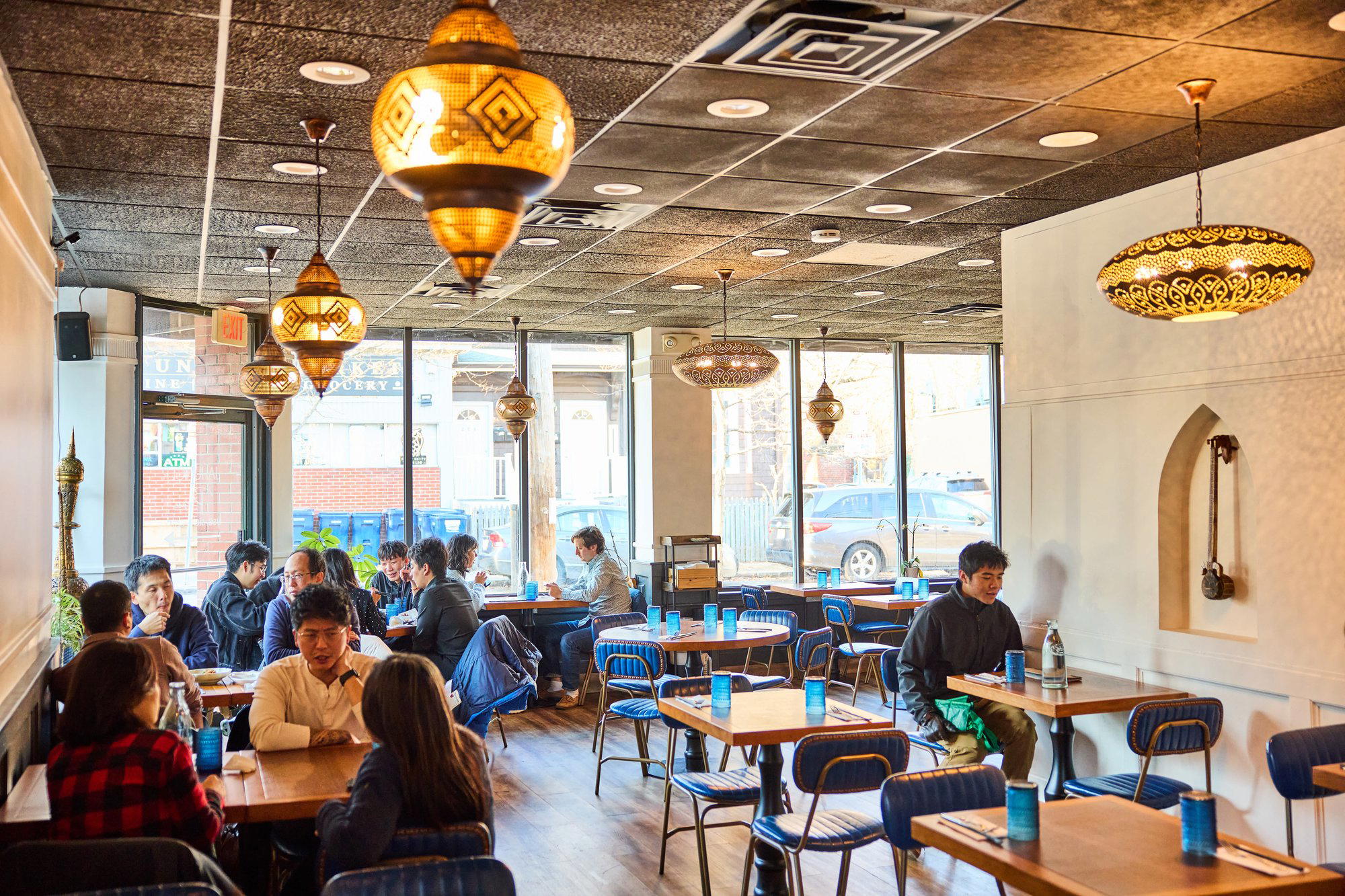
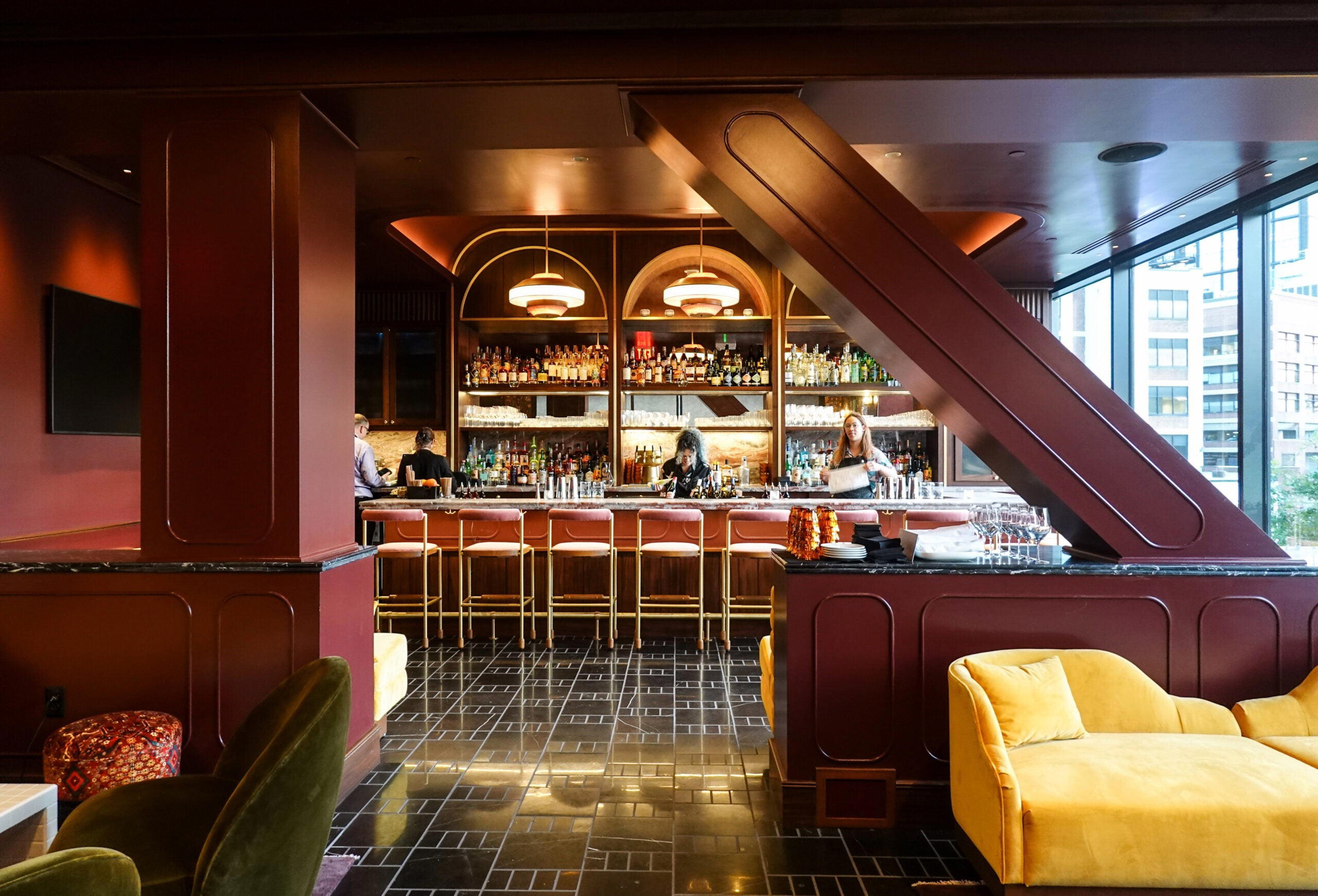
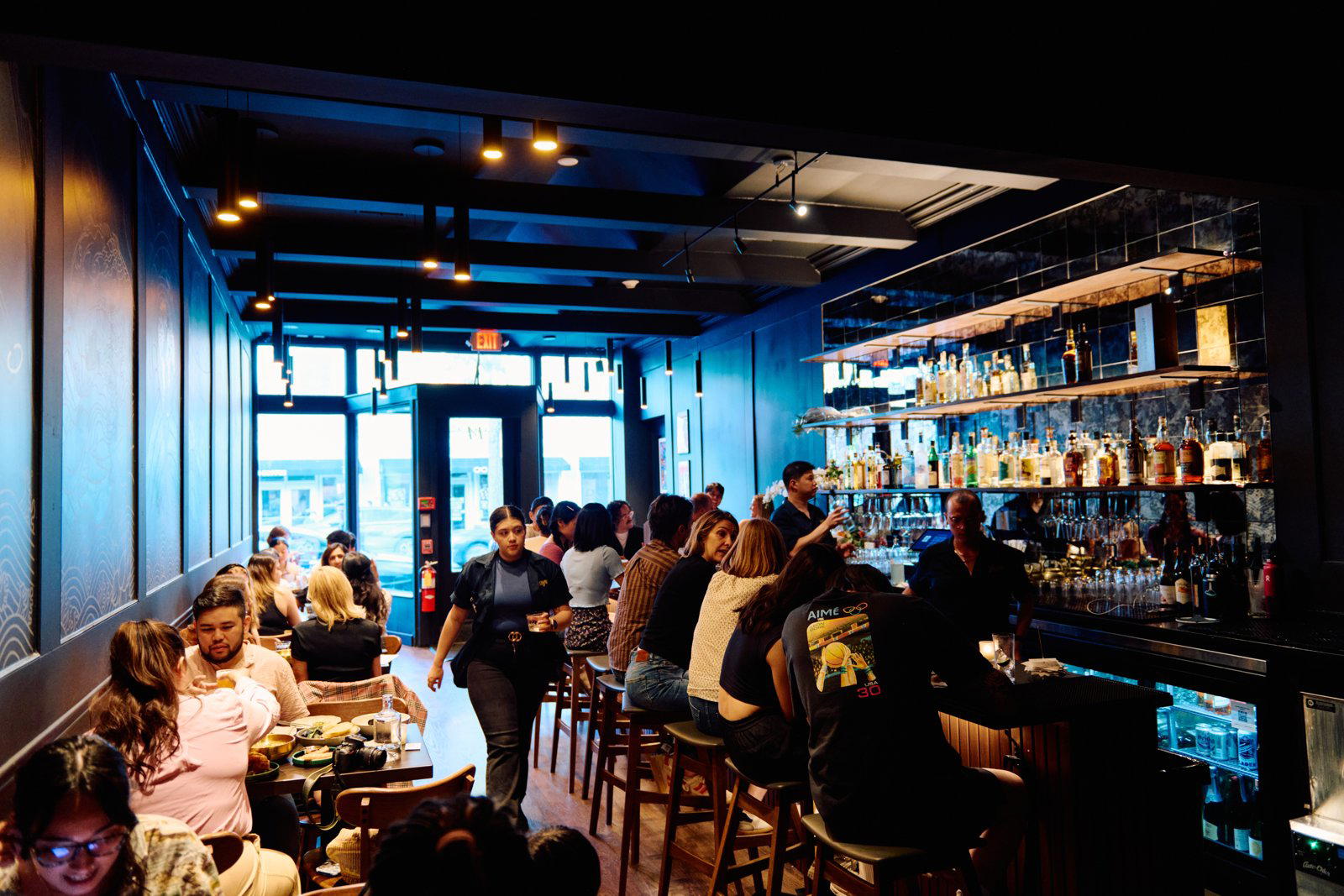
Bars in Allston
Browse all →
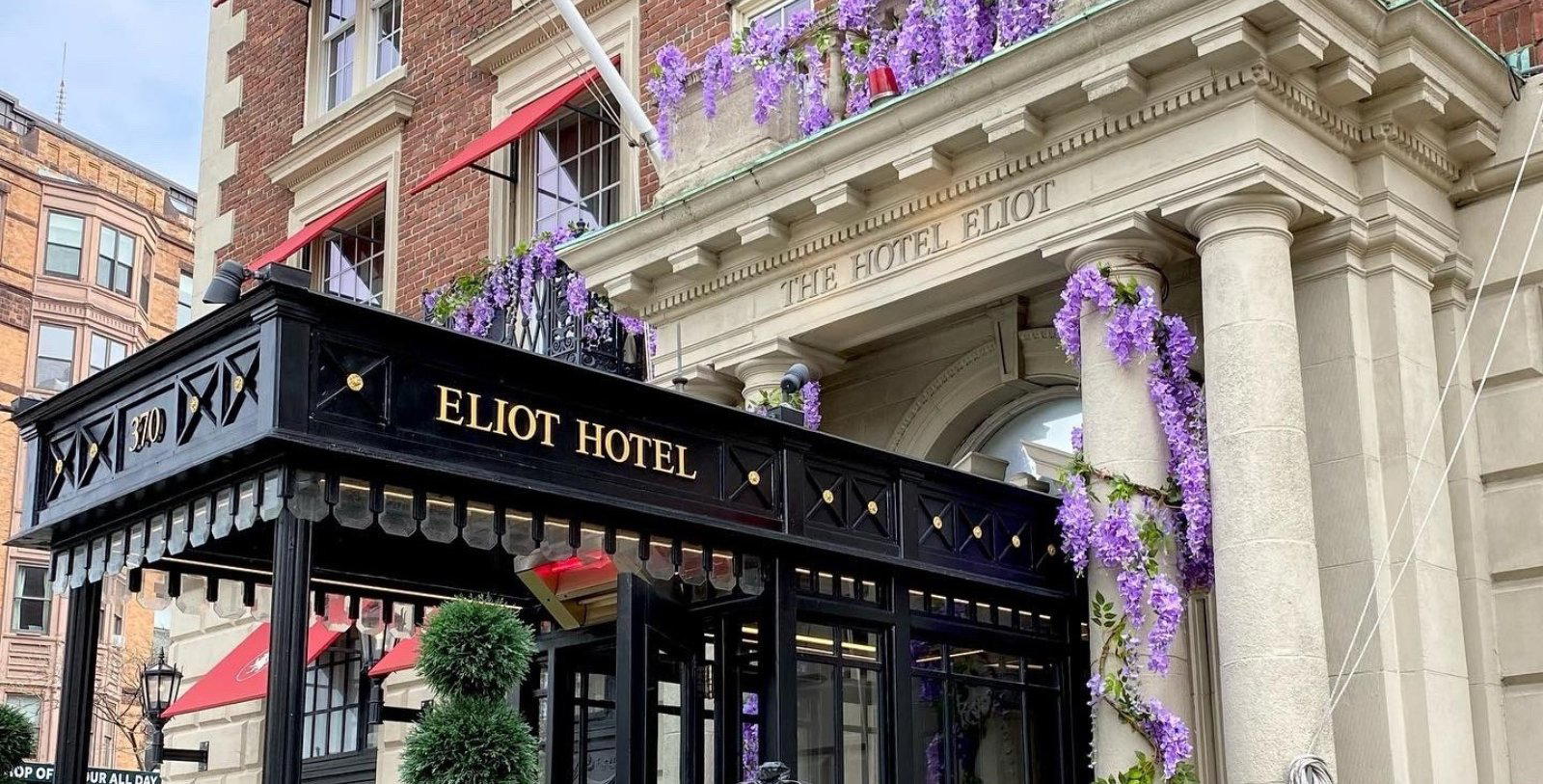
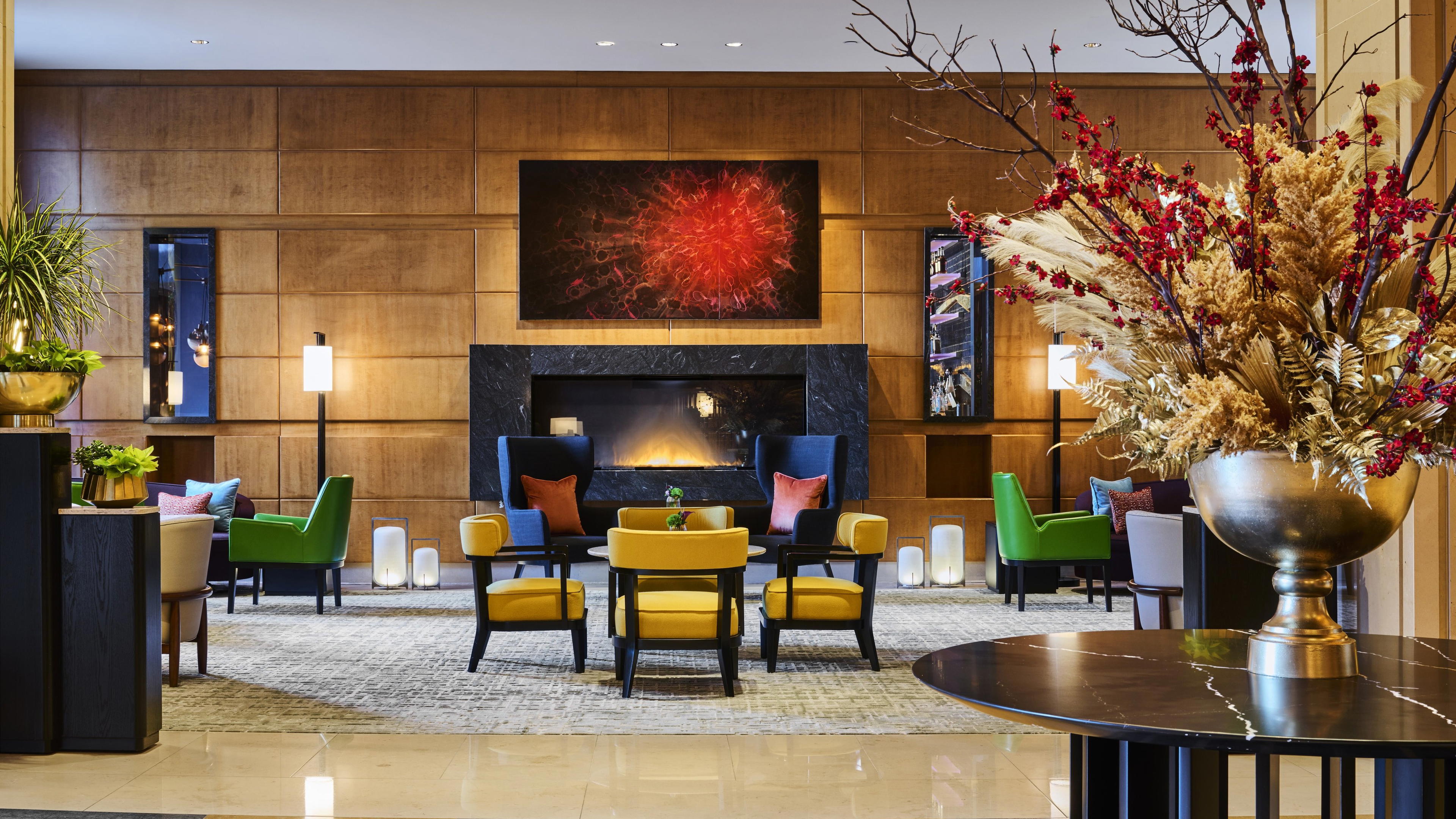
Hotels in Allston
Browse all →

Wineries in Allston
Browse all →

Details
- Trendy
- Modern
- Casual Hangout
- Sake Program
- A La Carte
- Fruit Tea
- Milk Tea
- Boba
Current opening hours
- Monday
- 12–10 PM
- Tuesday
- 12–10 PM
- Wednesday
- 12–10 PM
- Thursday
- 12–10 PM
- Friday
- 12 PM–12 AM
- Saturday
- 12 PM–12 AM
- Sunday
- 12–10 PM
Hours can change for holidays and private events. Last verified .
Bright and casual atmosphere focused on fresh, lively drink preparation.