
Set within Lanelay Hall Hotel & Spa in Pontyclun, BLOK is South Wales's fire-cooking destination, built around open-flame charcoal grilling and Welsh-sourced beef. Head Chef James Milward's menu centres on wet and dry-aged cuts — sirloin, rib-eye, tomahawk on the bone — finished with sauces that range from Café de Paris butter to green mojo. For the region, it occupies a distinct tier: hotel fine dining with a focused, technique-led concept.
Pearl is the En Primeur Club membership app — saves, bookings, and concierge access live there. Same editors, same standards.
- Address
- Lanelay Ln, Talbot Green, Pontyclun CF72 8HH, United Kingdom
- Website
- blokrestaurant.co.uk
- Directions
- Get directions
 Saves & bookings on Pearl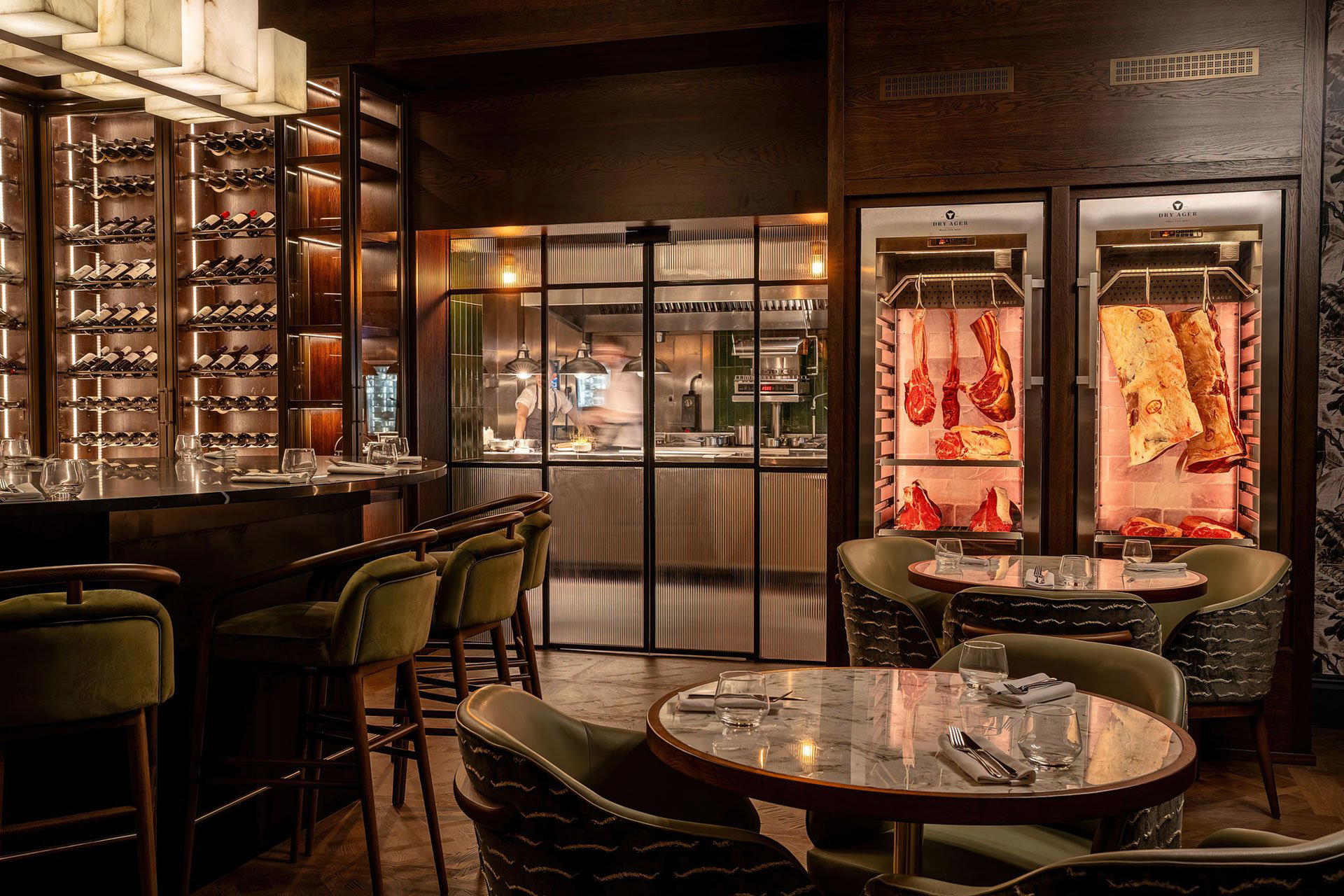
Fire at the Centre: South Wales's Case for Serious Grill Cooking
Open-fire cooking has become one of the more contested claims in contemporary British dining. Every gastropub with a wood-burning oven now trades on the language of flame and ember, which makes the restaurants that practise genuine charcoal discipline — measured heat, extended aging programmes, studied saucing — easier to identify by contrast. BLOK, operating from within Lanelay Hall Hotel & Spa on Lanelay Lane in Pontyclun, makes a specific argument: that South Wales can sustain a serious fire-cooking room, not as a novelty, but as a repeatable, technique-grounded dining proposition.
The setting matters as context. Hotel dining in rural Wales has historically oscillated between formal country-house conservatism and underfunded brasserie formats. BLOK sits in neither camp. The interior uses rich textures and a warm, natural palette, and the kitchen is designed as a visible space, diners can follow the process from seating, which turns what might otherwise be background production into a deliberate part of the meal's rhythm. In the current vocabulary of premium casual dining, this kind of transparency signals confidence in the craft rather than spectacle for its own sake.
The Milward Approach: Precision Over Performance
The editorial angle on fire cooking in the UK tends to romanticise the flame at the expense of the technique behind it. What actually distinguishes serious practitioners is the work that happens before anything touches the grill: sourcing decisions, aging protocols, butchery precision, and the discipline to let good beef carry the weight without over-saucing. Head Chef James Milward, who developed his skills across established regional kitchens before taking the position at BLOK, operates in that mode. His background in the region's better dining rooms gives him a reference point for what South Wales produce can do at its upper register.
Menu concentrates on a narrow range of premium beef cuts, dry-aged sirloin, rib-eye, and tomahawk on the bone, cooked on an open-fire charcoal grill. Welsh beef, wet and dry-aged depending on cut, is the primary material. The aging programme acknowledges that the grill itself is only one variable; the texture and flavour complexity that dry-aging introduces to a sirloin or rib-eye is work done weeks before service, and the kitchen at BLOK treats that lead time as part of the cooking, not a footnote. The sauce selection, Café de Paris butter, brown butter béarnaise, green mojo, is deliberately calibrated to complement rather than override: each works with the Maillard crust and rendered fat of charcoal-cooked beef rather than masking it.
This approach positions BLOK in a specific tier within UK grill dining. It is not attempting to compete with the open-fire ambition of, say, a London wood-fire room; it is making a more focused regional case. For comparison, the upper bracket of UK fine dining, CORE by Clare Smyth in London, L'Enclume in Cartmel, or Moor Hall in Aughton, operates with multi-course tasting formats and team sizes that require a different economic model entirely. BLOK's format is tighter: a coherent concept, a short but deliberate menu, and a service environment that allows the cooking to read clearly without elaborate framing. Closer in spirit, perhaps, to the way Hand and Flowers in Marlow or hide and fox in Saltwood have made the case for serious cooking outside London without importing a metropolitan format wholesale.
South Wales's Dining Context
The broader South Wales restaurant scene has developed unevenly. Cardiff carries the density, a concentration of independent operators, a growing natural wine culture, and a handful of rooms now pressing toward genuine fine dining ambition. The valleys and market towns beyond the city have historically been harder territory for precision cooking: the customer base is spread thin, ingredient supply chains are less developed, and the economics of hotel dining can pull kitchens toward caution. Against that backdrop, a focused fire-cooking programme in Pontyclun, anchored in Welsh beef and a defined technical vocabulary, is a more considered move than it might appear from the outside.
For South Wales dining more broadly, Feu represents another operator working in the fire-cooking register in the region, useful as a comparison point for readers triangulating the scene. The wider picture across the country's better dining rooms is covered in our full South Wales restaurants guide, and for those planning a longer stay, our full South Wales hotels guide, our full South Wales bars guide, our full South Wales wineries guide, and our full South Wales experiences guide provide the surrounding infrastructure.
In global terms, the fire-cooking tradition BLOK draws on has deep precedents, from the parrilla culture of South America to the wood-fire rooms that have defined parts of the New Nordic movement. UK practitioners are working within that lineage while applying it to domestically aged beef and regional produce logic. The leading fire-cooking rooms internationally, from Le Bernardin in New York City to Korean-influenced rooms like Atomix in New York City, demonstrate that technique-led cooking with a focused concept can sustain serious dining propositions at any latitude. BLOK's ambition is more modest in scale, but the underlying argument, that method discipline and ingredient quality are sufficient to build a dining identity, is the same one.
Planning a Visit
BLOK sits within Lanelay Hall Hotel & Spa at Lanelay Lane, Talbot Green, Pontyclun, CF72 8HH. Pontyclun is accessible from Cardiff in under 30 minutes by car and sits near the A473, making it reachable for diners based across the South Wales valleys. The hotel setting means parking is direct and the room has separation from urban noise, which suits the format. For current hours, booking arrangements, and menu pricing, direct contact with the hotel is the appropriate route, as details are updated seasonally. Given the hotel context, booking ahead is advisable, particularly for weekend evenings when fire-cooking rooms of this type tend to run at capacity. Dress expectations align with a hotel fine dining environment: smart casual reads comfortably in this setting.
For broader UK fine dining reference, rooms like Gidleigh Park in Chagford, Le Manoir aux Quat' Saisons in Great Milton, and Midsummer House in Cambridge illustrate the country-house hotel dining model at its upper end. BLOK operates at a more accessible register, but the principle of a kitchen with a clear concept embedded in a hotel property is shared. Opheem in Birmingham and The Fat Duck in Bray sit at different points on the formality and concept spectrum, useful context for readers calibrating what level of dining experience BLOK is positioned to deliver.
Fast Comparison
| Venue | Cuisine | Price | Awards |
|---|---|---|---|
| BLOKThis venue — the venue you are viewing | Fine Dining by Fire in the Heart of South Wales Nestled within the elegant Lanelay Hall Hotel & Spa in Pontyclun, BLOK offers a refined dining experience that celebrates the art of cooking over fire. Under the guidance of Head Chef James Milward, the restaurant presents a menu that highlights premium meats and locally sourced produce, all prepared with meticulous attention to detail. Culinary Leadership Chef James Milward brings a wealth of experience to BLOK, having previously honed his skills at esteemed establishments in the region. His expertise ensures that each dish at BLOK is crafted with precision and creativity. The menu at BLOK features a selection of expertly prepared meats cooked over open fire, including: • Dry Aged Sirloin, Rib-Eye or Tomahawk on the bone These cuts are complemented by a variety of great sauces, such as Café de Paris butter, brown butter béarnaise and green mojo, enhancing the natural flavours of the meats. BLOK’s interior design combines rich textures and a warm, natural palette to create an inviting atmosphere. The kitchen concept allows diners to witness the culinary craftsmanship firsthand, adding a theatrical element to the dining experience. BLOK stands as a testament to the harmonious blend of traditional cooking methods and contemporary culinary artistry. For those seeking a memorable dining experience in South Wales, BLOK offers a journey through flavours that are both comforting and innovative. Age Method: Welsh Beef Type: Wet & dry aged Grill Type: Open fire charcoal grill | This venue | Not listed |
| The Ledbury | Modern European, Modern Cuisine | ££££ | Michelin 3 Star |
| Sketch, The Lecture Room and Library | Modern French | ££££ | Michelin 3 Star |
| CORE by Clare Smyth | Modern British | ££££ | Michelin 3 Star |
| Restaurant Gordon Ramsay | Contemporary European, French | ££££ | Michelin 3 Star |
| Dinner by Heston Blumenthal | Modern British, Traditional British | ££££ | Michelin 2 Star |
Recognition history
Dated appearances from independent guides and award organizations, with the underlying list record or original source where available.
World's Best Steaks Europe's 50 Best Steak Restaurants #26 · No. 26
World's Best Steaks · Europe's 50 Best Steak Restaurants 2026
World's Best Steaks 101 Best Steak Restaurants #42
World's Best Steaks
World's Best Steaks 101 Best Steak Restaurants #55
World's Best Steaks
Continue exploring
More in South Wales
Restaurants in South Wales
Browse all →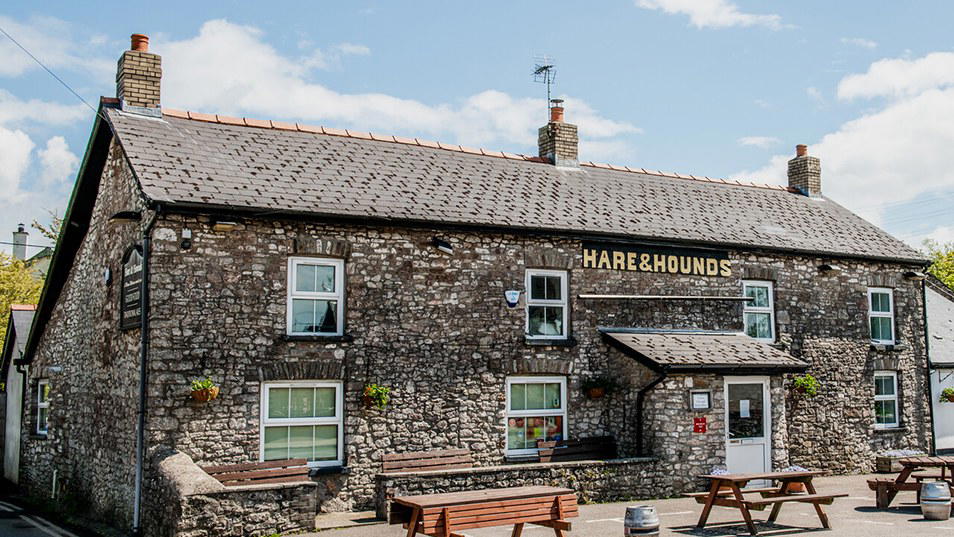
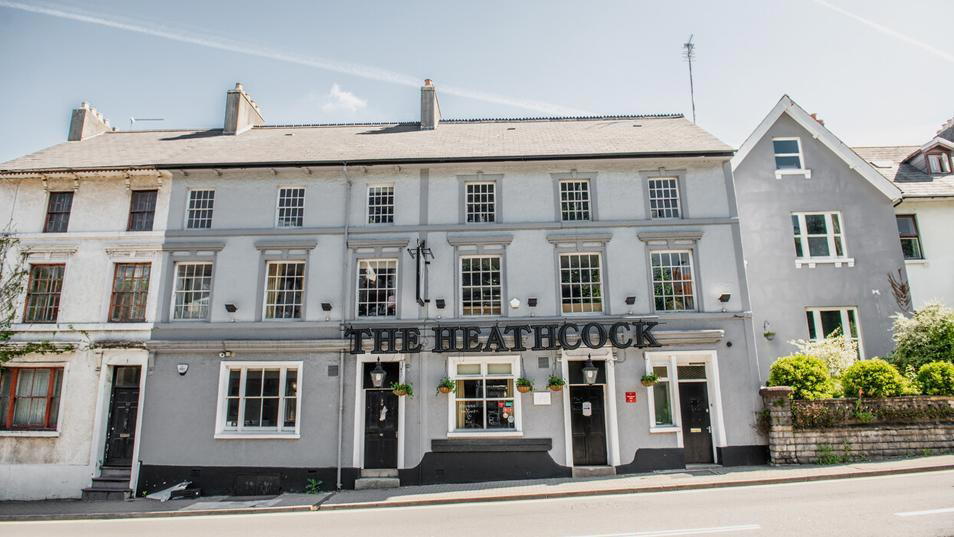
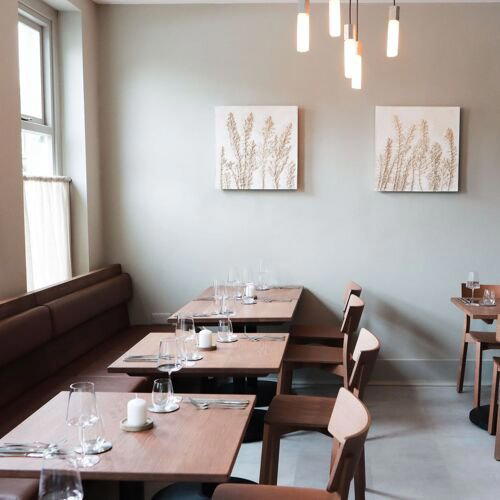
Bars in South Wales
Browse all →
At a Glance
- Lively
- Modern
- Elegant
- Intimate
- Special Occasion
- Celebration
- Date Night
- Group Dining
- Open Kitchen
- Private Dining
- Extensive Wine List
- Craft Cocktails
- Local Sourcing
Current opening hours
- Monday
- Closed
- Tuesday
- Closed
- Wednesday
- 6–11 p.m.
- Thursday
- 6–11 p.m.
- Friday
- 5–11 p.m.
- Saturday
- 5–11 p.m.
- Sunday
- 12–8 p.m.
Hours can change for holidays and private events. Last verified .
Lively and inviting with stylish decor, cosy lighting from pendant lights and table lamps, and a warm atmosphere enhanced by lively music.
Know Before You Go
- Getting there
- Lanelay Ln, Talbot Green, Pontyclun CF72 8HH, United Kingdom