Our verdict
Blank sits inside The Marmorosch Hotel, putting it in Bucharest’s Old Town orbit rather than the city’s looser neighbourhood dining circuit. The useful way to read it is as part of the capital’s hotel-restaurant revival: polished, central, and better suited to a composed city meal than to a casual tavern crawl.

Pearl is the En Primeur Club membership app — saves, bookings, and concierge access live there. Same editors, same standards.
- Address
- The Marmorosch Hotel, 030053 București, Romania
- Phone
- +40 371 533 121
- Website
- marmorosch.com
- Directions
- Get directions
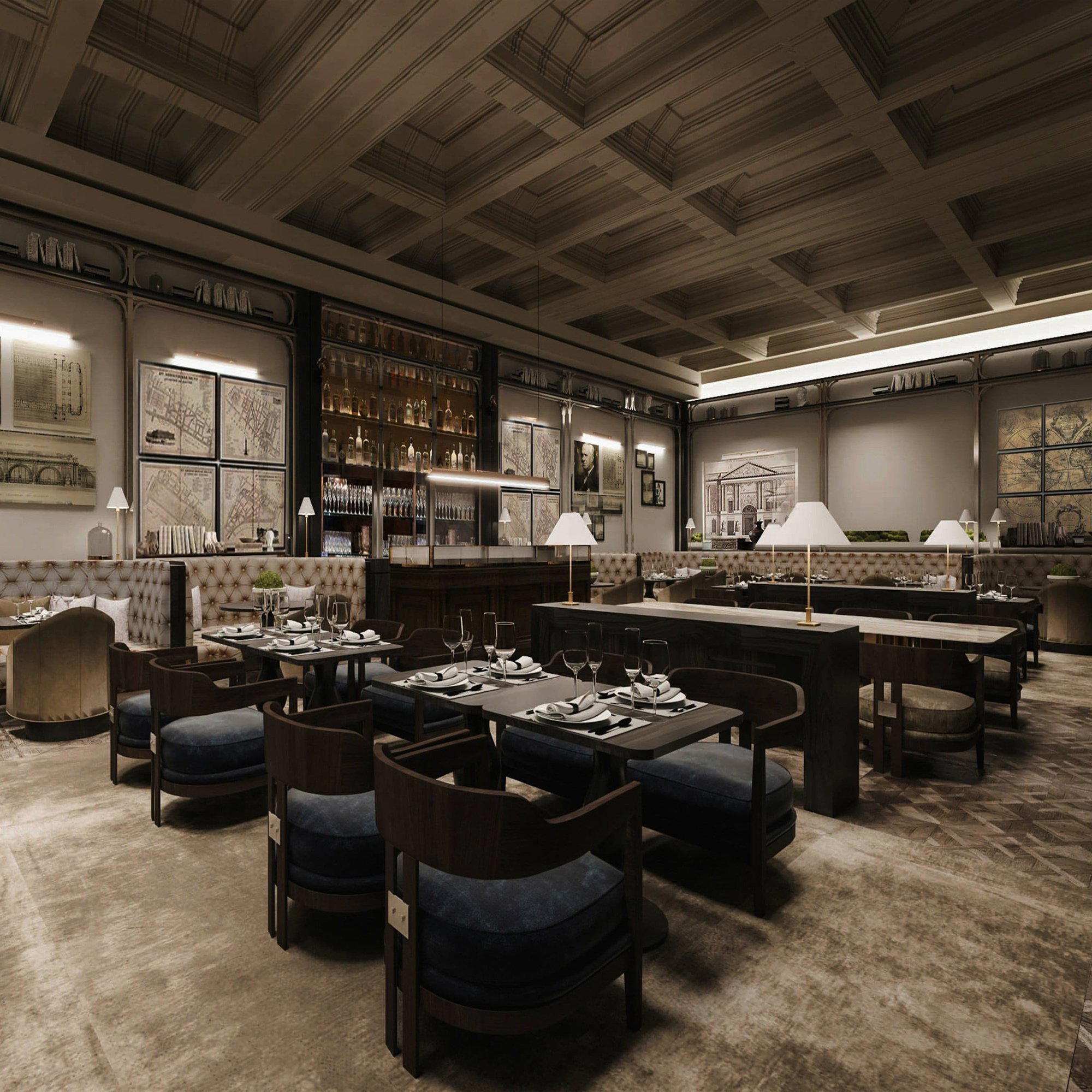
Approaching Blank means entering Bucharest through one of its more formal urban moods: stone façades, civic grandeur, and compact central streets where dinner can shift quickly from café terrace to hotel dining room. This part of the city carries several identities at once. By day it can feel administrative and architectural, all restored façades and business traffic; by night it becomes a staging ground for visitors trying to understand what contemporary Romanian capital-city dining looks like beyond the postcard tavern.
That context matters because Bucharest restaurants often split into three lanes: heritage rooms trading on city nostalgia, international bistros built for a mobile professional crowd, and hotel dining rooms that package the city for guests who want polish without leaving Bucharest. Blank belongs to the third lane. It is not the place to measure the full range of Romanian regional cooking, but it does show how the city’s hospitality scene is absorbing a more international hotel grammar: calmer pacing, controlled room tone, and a dining experience designed around the setting as much as the plate.
Hotel dining in Bucharest is becoming part of the city-centre conversation
For years, Bucharest’s strongest food identity was easier to find in old beer halls, neighbourhood kitchens, and bistros working across layered regional and international references. The newer hotel-restaurant wave changes that map. A dining room inside a central hotel has to serve several audiences at once: local business meals, international guests, weekend dinners, and travellers who want a controlled setting after a day in the city. That mixed audience usually produces a more moderated style than the taverns and sharper independent kitchens elsewhere in town.
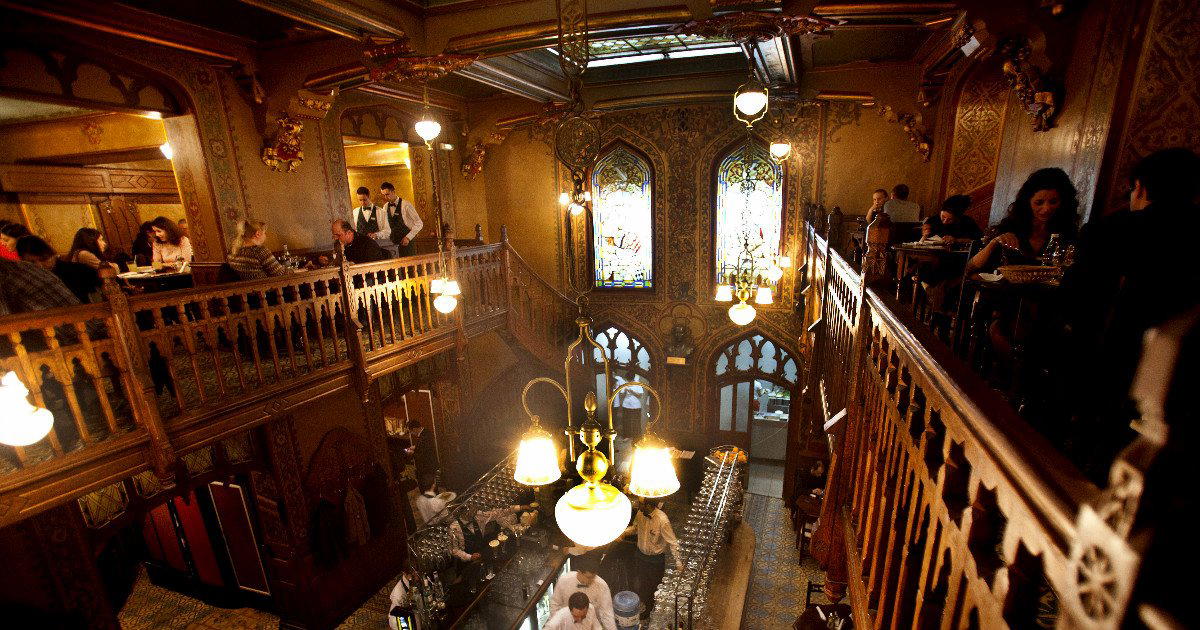
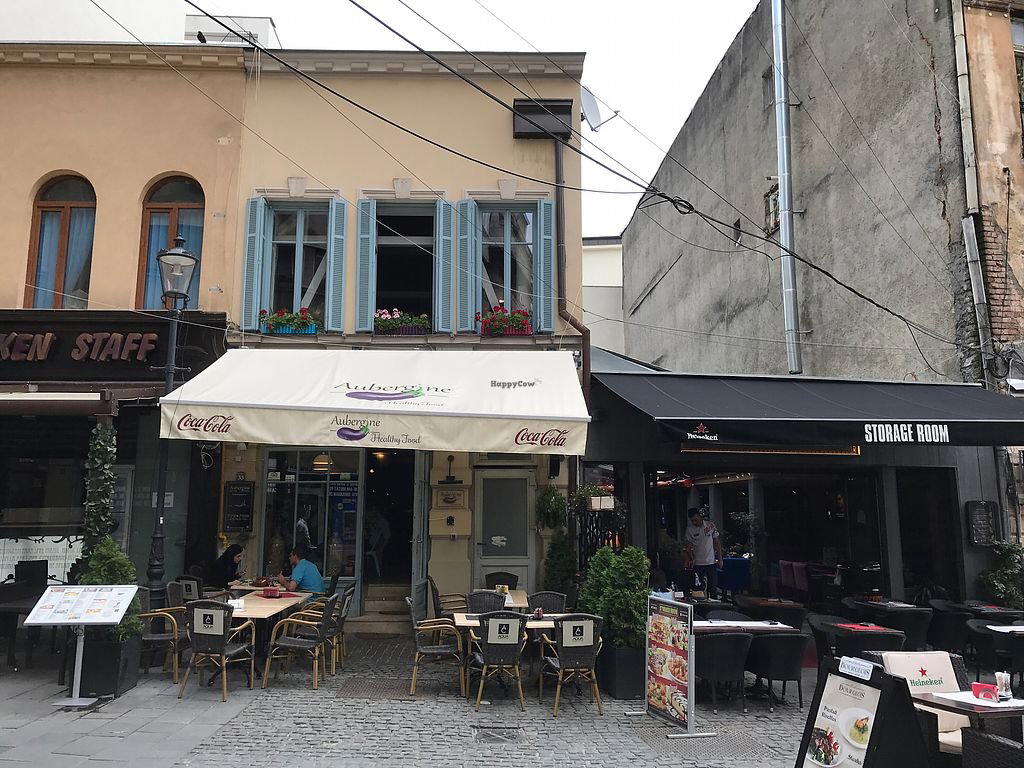
The comparison is useful. Aubergine reads closer to Bucharest’s lively independent dining appetite, while Boulevard 73 fits the capital’s polished all-day dining rhythm. Historic-name restaurants such as Caru'Cu Bere pull from another tradition entirely: beer-hall theatre, carved interiors, and a visitor-heavy version of local memory. Blank’s position is quieter. Its hotel setting places the meal in a Bucharest narrative where the room participates in the experience before the menu does.
That makes the venue more useful for certain meals than others. It suits a dinner where the city address and atmosphere need to do some of the work: a client meal, a hotel-based evening, or a first night in the capital when crossing town is not the point. It is less compelling as a single-stop answer to Romanian cooking, because Bucharest’s food culture is too layered for one central hotel restaurant to carry it alone. Readers building a wider itinerary should use Our full Bucharest restaurants guide to place it against more neighbourhood-led tables, then cross-check the city’s broader hospitality map through Our full Bucharest hotels guide and Our full Bucharest bars guide.
The cultural interest is the setting, not a single chef narrative
Bucharest is often misread as a city of contrasts in the lazy sense: old versus new, East versus West, grandeur versus grit. The more accurate reading is accumulation. Romanian cooking carries many historical layers, while the capital’s dining rooms have long reflected status as much as appetite. A central hotel restaurant enters that lineage through ceremony. The room, service rhythm, and location signal how Bucharest presents itself to outsiders.
That is why the scene around Blank is worth reading through culture rather than hype. The hotel context carries a formal Bucharest quality, and the surrounding city has become one of the capital’s easiest stages for visitors, with all the advantages and compromises that implies. Restaurants in this zone compete as much on confidence and composure as on culinary risk. Nearby choices pull the evening in different directions: other Bucharest restaurant references for a broader urban read, more bistro-led rooms for a looser frame, and The Reserve or Sass' Restaurant & Lounge for the capital’s more polished social-dining register.
The practical judgment is simple: choose this setting when the evening calls for centrality, architectural weight, and a contained pace. For a more expressive read on Romania’s current restaurant energy, look beyond Bucharest as well. EP Club’s Romania coverage connects the capital with other dining rooms around the country. Those references help separate capital-city polish from the more regional patterns developing outside it.
How to place it in a Bucharest itinerary
Blank works better as part of a planned central evening than as an improvisational stop between bars. The Bucharest location makes it easy to pair with a hotel stay, a pre-dinner drink, or a later walk through the city, but Bucharest rewards travellers who do not let one central zone define the whole trip. Use Our full Bucharest bars guide for the after-dinner route, Our full Bucharest experiences guide for cultural planning, and Our full Bucharest wineries guide if the meal is part of a wine-led visit. For readers comparing formats outside Romania, tightly focused dining and drinking concepts show how different a specialist venue can feel from a hotel dining room built around setting, range, and ease. The self-contained reference point remains Blank in Bucharest: a Bucharest restaurant whose main editorial value lies in how it reflects the city’s hotel-dining moment.
Frequently asked questions
Does Blank work for a family meal?
Yes, especially for an early dinner in Bucharest. Blank suits a calmer hotel setting rather than a late-night family outing.
What is the atmosphere like at Blank?
The setting is shaped by a Bucharest hotel context, which usually means a polished indoor dining room rather than a casual street-side room. It fits a hotel-led evening with a composed pace.
How do I find Blank?
Blank is located in Bucharest.
Can I walk in to Blank?
Blank is in Bucharest, so walk-in use depends on the room available at the time. For a hotel venue, arriving earlier in the evening gives the clearest chance of being seated.
Cost and Credentials
Nearby venues at a similar price tier for orientation.
| Venue | Cuisine | Price |
|---|---|---|
| Blank | Traditional Romanian | $20–30 |
| The Reserve | Peruvian-Inspired Seafood Terrace | Not listed |
| Caru'Cu Bere | Traditional Romanian | $20–30 |
| Boulevard 73 | French–Romanian farm-to-table fine dining | $100–150 |
| Sass' Restaurant & Lounge | Refined Mediterranean | Not listed |
| Aubergine | Mediterranean with Israeli and Egyptian influences | Not listed |
Blank
Featured Guides

Continue exploring
More in Bucharest
Restaurants in Bucharest
Browse all →
Bars in Bucharest
Browse all →
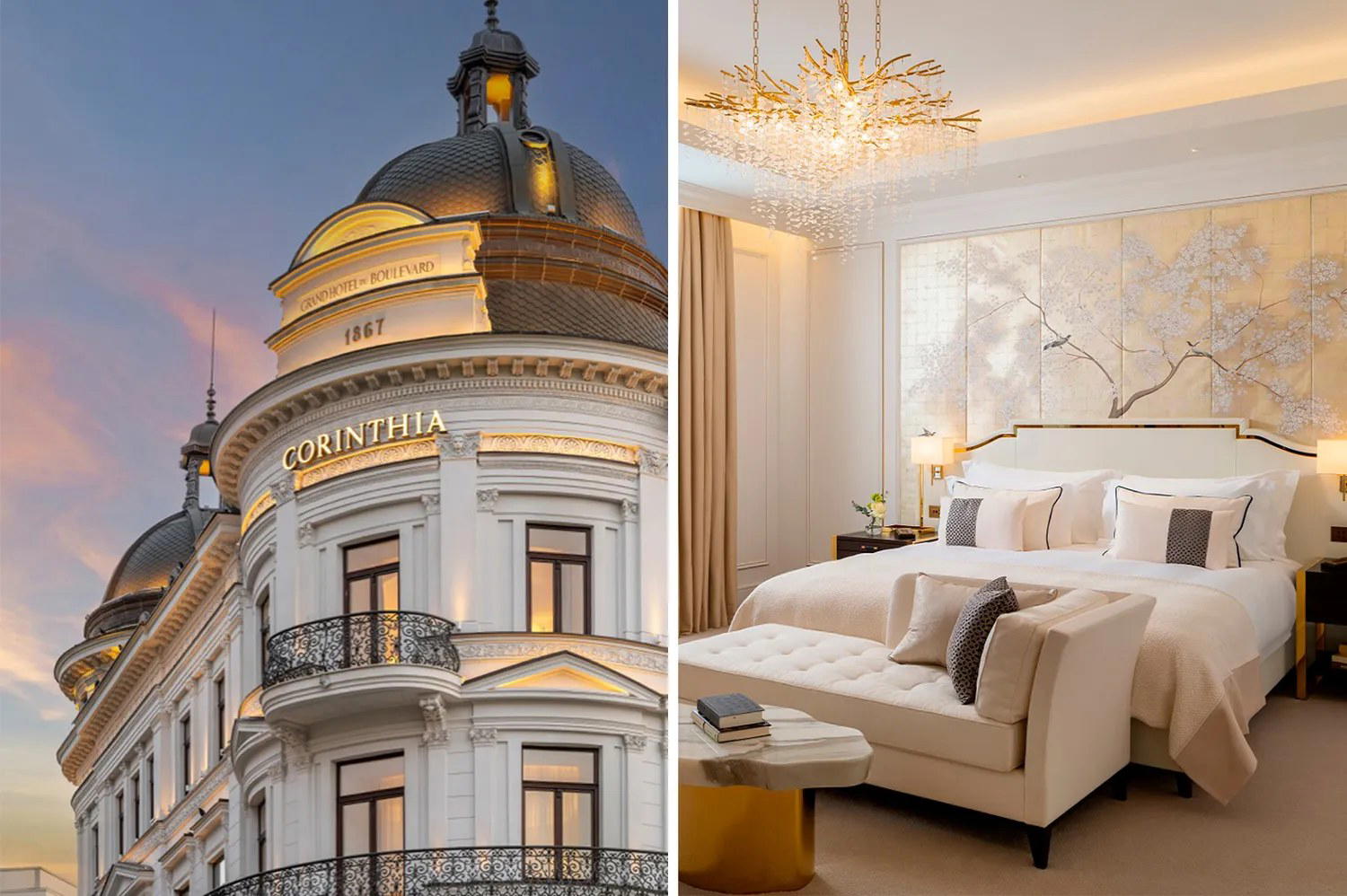
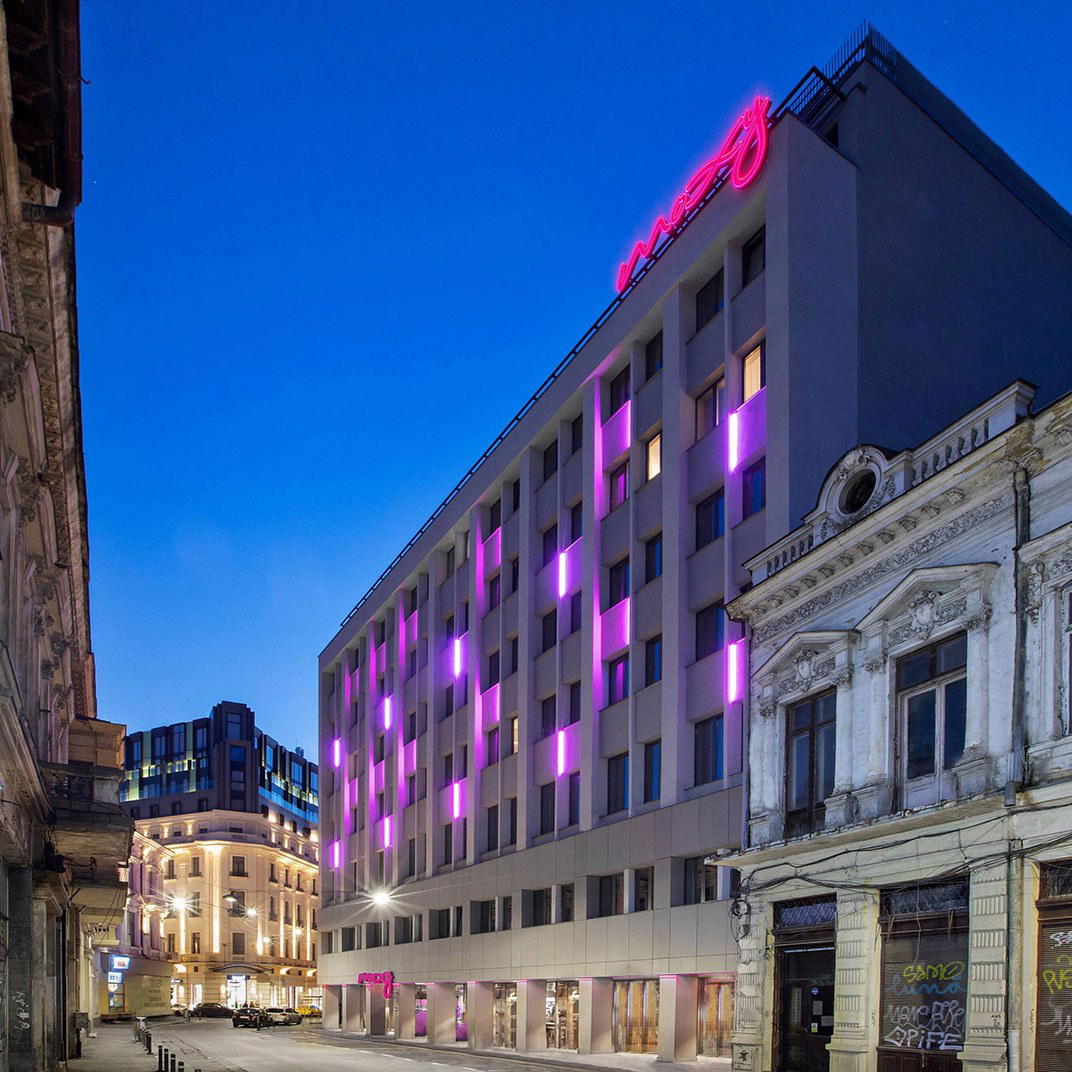
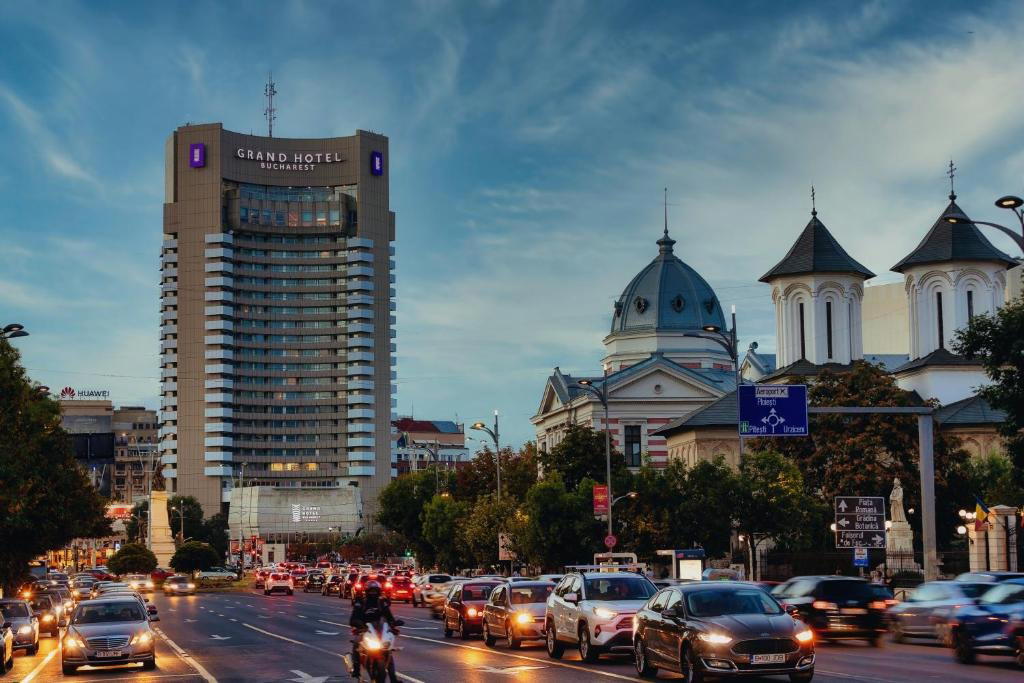
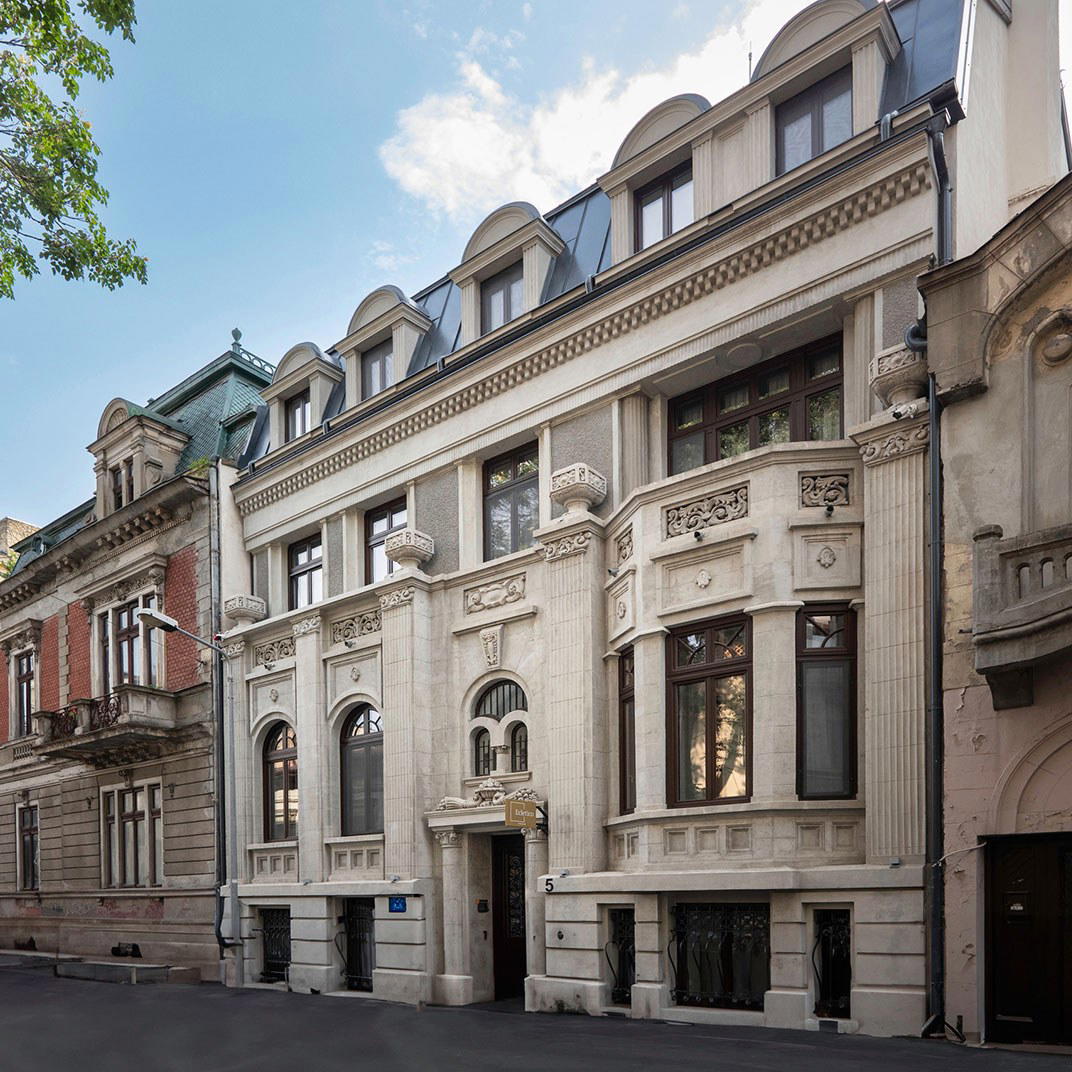
Blank
The wine
- Wine program
- Curated wine list
- Extensive wine list
- Craft cocktails
Details
- Elegant
- Sophisticated
- Modern
- Date Night
- Business Dinner
- Special Occasion
- Celebration
- Design Destination
- Hotel Restaurant
- Historic Building
- Extensive Wine List
- Craft Cocktails
- Local Sourcing
- A La Carte
- Wine
- Cocktails
- Vegetarian Friendly
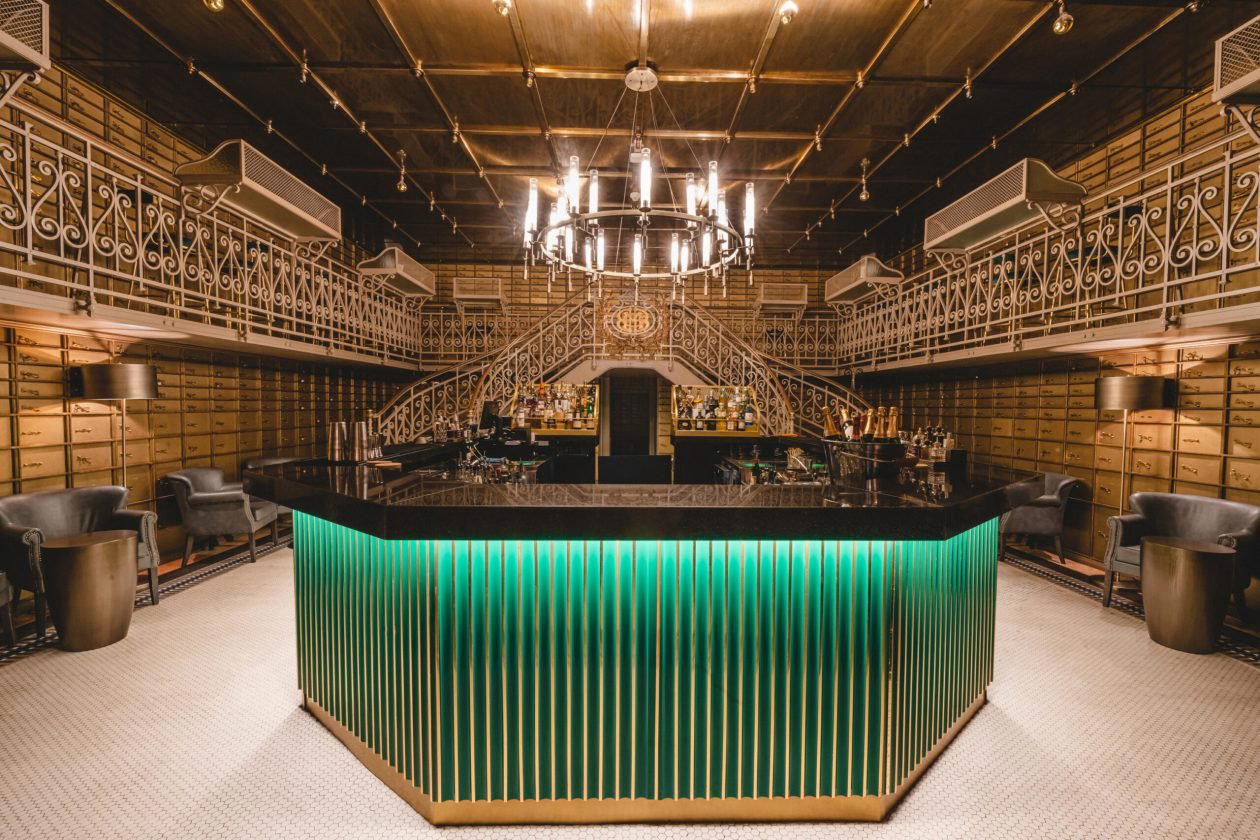
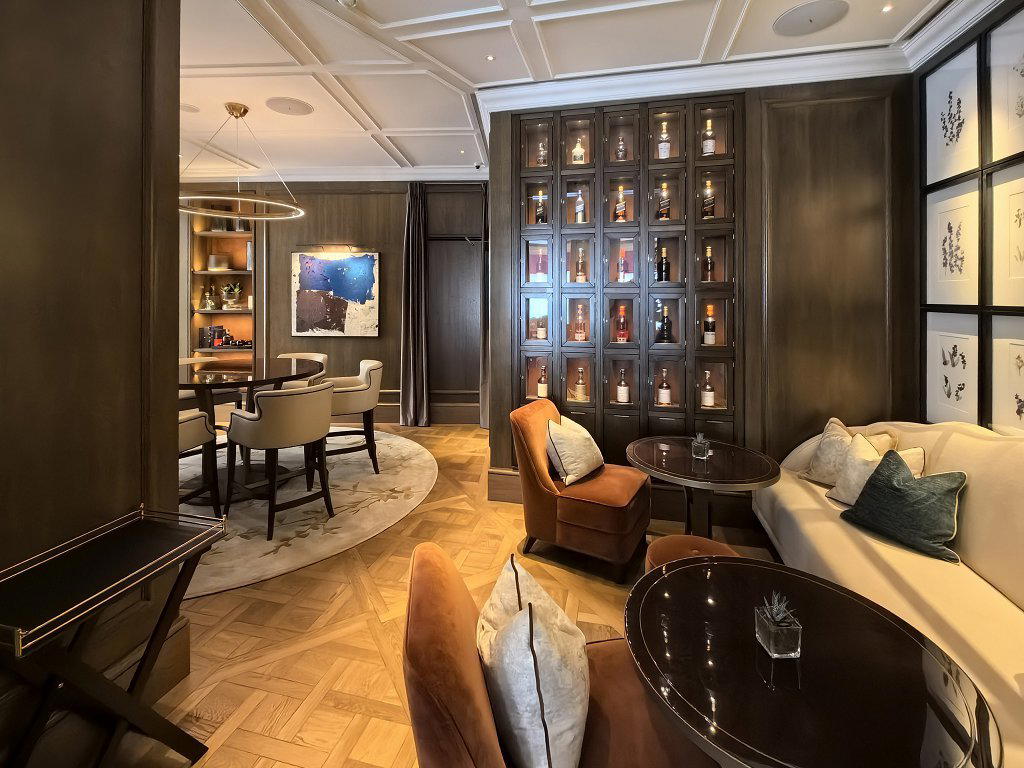
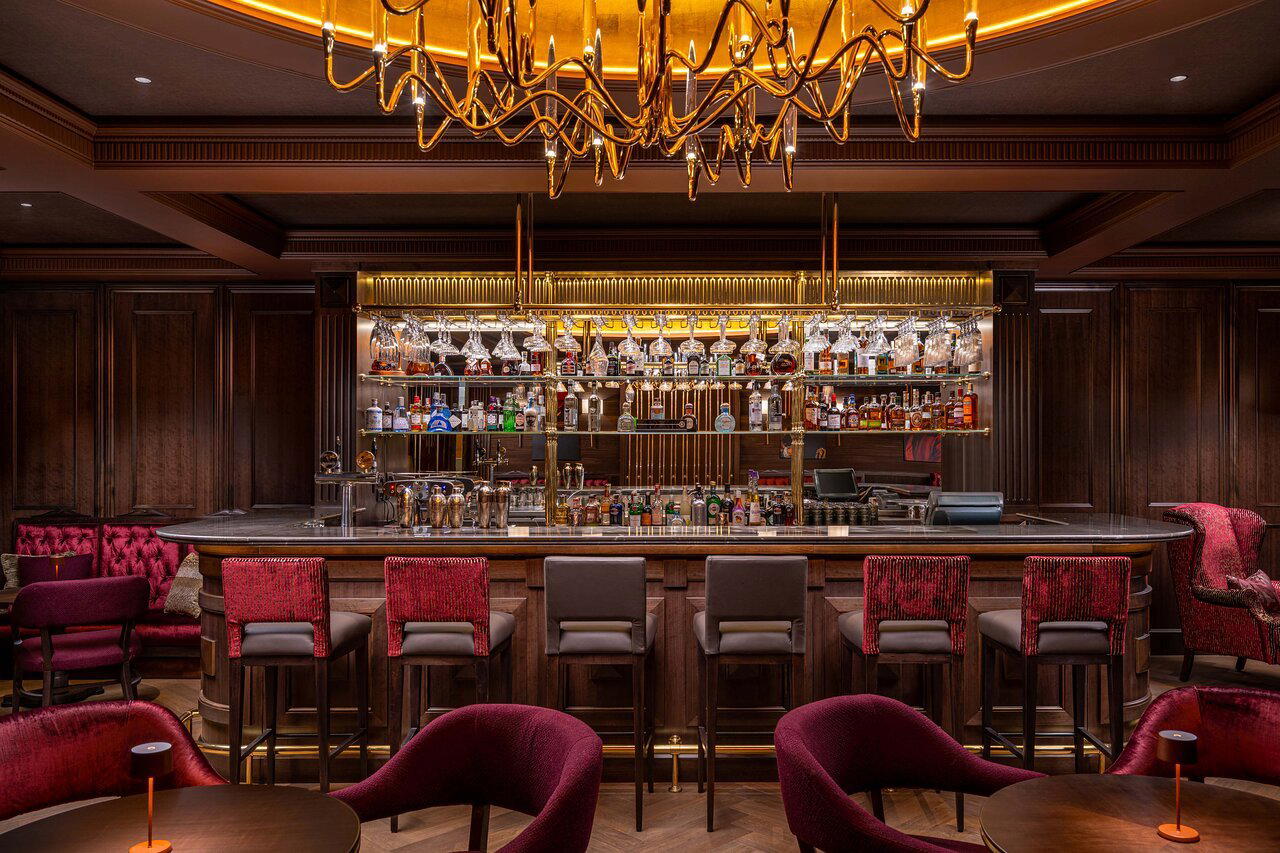
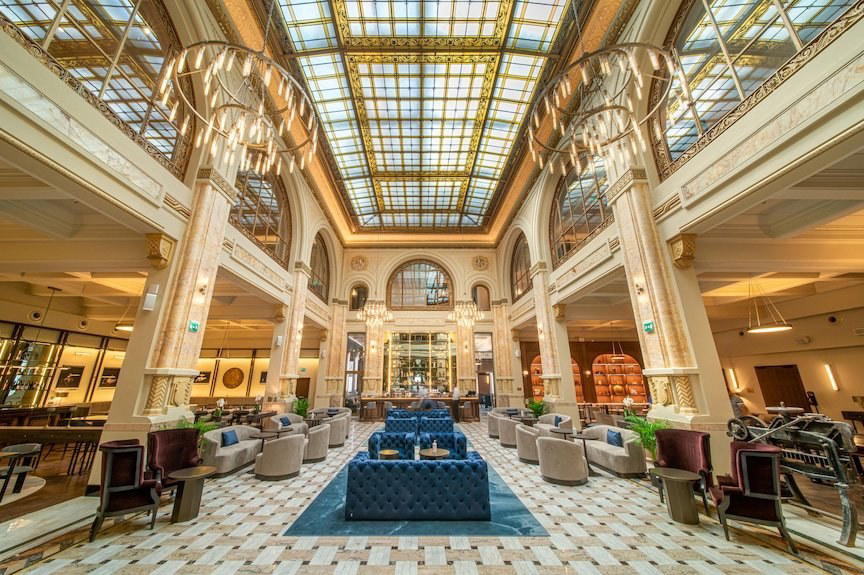
Sophisticated, warm and polished hotel-dining atmosphere set in a historic former bank building, with contemporary decor that nods to Belle Époque Bucharest and supports an unhurried, upscale dinner experience.