Blanco

Michelin Plate
Our verdict
Blanco brings Mexican cooking to Keith Haringplein in Knokke, holding a Michelin Plate in both 2024 and 2025 at an accessible €€ price point. In a coastal town better known for French-leaning fine dining, it occupies a distinct position: the kind of address where masa craft and bold flavour land with enough conviction to earn consecutive Michelin recognition.

Pearl is the En Primeur Club membership app, where members save venues, book tables and use the concierge.
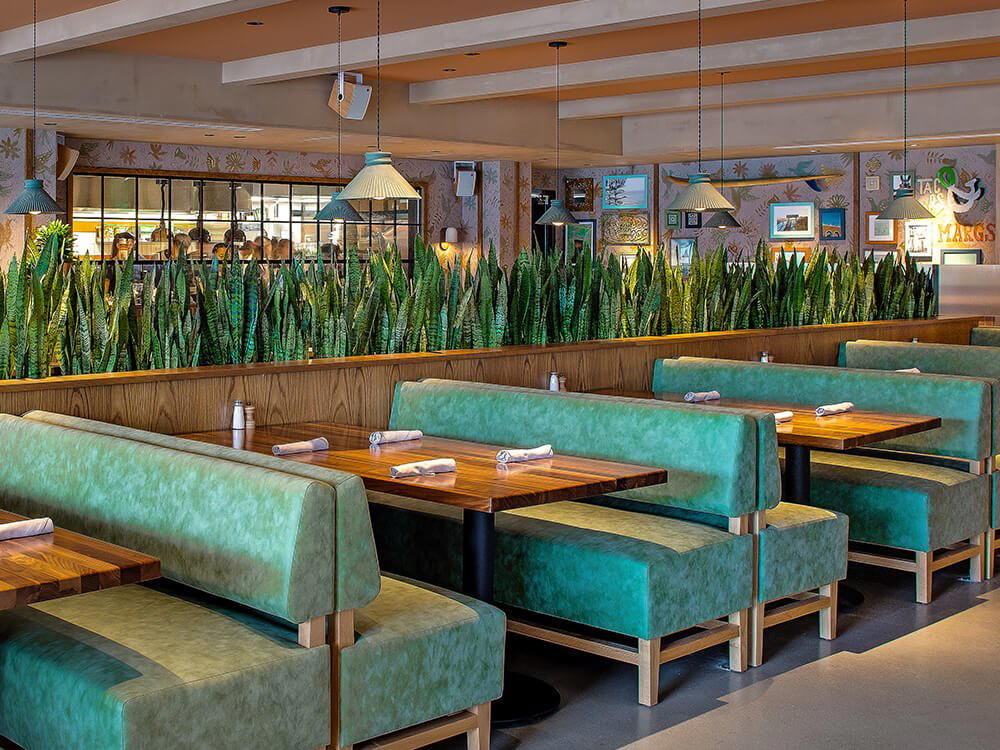
The menu
What to order
- Tacos_el_pastor
- Oysters_ceviche
- Ajoblanco
Mexican Cooking in a French-Dominated Resort Town
Belgium's coastal dining scene defaults, almost reflexively, to French technique. The stretch of restaurants between Knokke and Heist runs heavily toward cream-enriched sauces, North Sea seafood preparations, and the kind of classical precision that earns Michelin stars in Burgundian kitchens. Sel Gris holds one of those stars at the top of the local price bracket; Cuines 33 and Escabèche operate in creative French registers at €€€ and above. Into this context, Blanco at Keith Haringplein 7 arrives with a different proposition entirely: Mexican cooking, at a €€ price point, with consecutive Michelin Plate recognition in 2024 and 2025.
That combination, genuine Mexican ambition, resort-town setting, mid-range pricing, is less common in northern Europe than it might seem. Mexican cuisine in Belgium has historically struggled to move beyond approximation, caught between imported ingredients that lose something in transit and kitchens that treat the cuisine as broadly interchangeable with Tex-Mex. A Michelin Plate signals that the Knokke inspectors found something worth documenting here, two years running.
The Corn Question: What Mexican Cooking Actually Requires
Any editorial argument about Mexican restaurant quality in Europe eventually returns to the same foundation: masa. The process of nixtamalization, in which dried corn kernels are soaked and cooked in an alkaline solution before being ground into dough, is not a technique that can be approximated or replaced. It is what separates a tortilla with structural integrity, subtle earthiness, and the particular aroma of cooked corn from a flour disc that functions merely as a wrapper. Heirloom corn varieties, each with distinct colour, flavour profile, and starch content, extend the argument further: blue corn masa carries a nuttier, more mineral character than white; yellow ancestral varieties grown in Oaxacan highlands produce a sweetness that modern hybrid corn cannot replicate.
This matters in the context of any European Mexican restaurant because the supply chain is genuinely difficult. Sourcing dried heirloom corn from Oaxaca, Puebla, or the Mexican highlands requires import relationships that most casual operators don't maintain. The alternative, using masa harina (pre-treated dried corn flour, most commonly the commercial Maseca brand), produces workable but tonally flatter results. The gap between nixtamalized fresh masa and reconstituted masa harina is the rough equivalent of the gap between hand-rolled pasta from semolina flour and supermarket dried pasta: both are pasta, but they are not the same dish.
Blanco's Michelin Plate recognition, particularly sustained across two consecutive years, suggests the kitchen is operating with sufficient technical seriousness to satisfy inspectors who review Mexican cooking in the context of what the category can achieve at its most committed. For comparison, the global benchmark addresses for serious masa work, restaurants like Pujol in Mexico City or, at a more approachable register, Alma Fonda Fina in Denver, treat tortilla craft as a central editorial statement of the kitchen's identity.
The Keith Haringplein Address and What It Signals
Knokke's restaurant geography is not uniform. The town's more formal dining addresses cluster around the Lippenslaan axis and the older resort core, where property costs and tourist foot traffic support higher price points. Keith Haringplein, named for the American artist whose work appeared in the town's public spaces during the 1980s, sits in a distinct neighbourhood character. The square draws a mix of Knokke regulars and day visitors, and its dining addresses tend toward accessibility rather than occasion-dining formality.
Blanco's placement at this address, combined with its €€ pricing, positions it as a daily-use restaurant rather than a special-occasion destination. That is a deliberate market slot in a town where Sel Gris and Cuines 33 occupy the formal tier and addresses like Dah Makan and Boo Raan serve international cuisines at varying price levels. In that peer group, Blanco's €€ price bracket and Michelin acknowledgment make it the most decorated value address for non-European cooking in Knokke.
How Blanco Sits Within the Wider Belgian Scene
Belgium punches well above its size in fine dining terms. Hof van Cleve in Kruishoutem, Boury in Roeselare, and Zilte in Antwerp anchor the country's high-end reputation, while coastal addresses like Bartholomeus in Heist demonstrate that serious cooking extends to the North Sea shore. Bozar Restaurant in Brussels illustrates how the capital handles cultural-institution dining. Within this ecosystem, Mexican cuisine has not historically found a strong foothold, which makes Blanco's consecutive Michelin acknowledgments a data point worth taking seriously.
The Michelin Plate, to be precise in its meaning, is not a star. It recognises kitchens that inspectors believe serve food of quality, without yet reaching the single-star threshold. In the Belgian guide, where overall star density is high and competition for recognition is intense, a Plate sustained over multiple years indicates a kitchen maintaining a consistent standard rather than producing one good inspection meal.
Planning a Visit
Blanco sits at Keith Haringplein 7 in Knokke-Heist, reachable by the coastal tram that runs the length of the Belgian coast or by car from Bruges in approximately thirty minutes. The €€ pricing means a full meal sits comfortably below the threshold of the town's French fine dining addresses, making it a logical choice for a second or third evening in Knokke when the appetite for elaborate tasting menus has been satisfied elsewhere. For context on the full range of dining options across price points and cuisine types, the EP Club Knokke restaurants guide covers the town's complete landscape. Those planning broader trips can also consult the Knokke hotels guide, Knokke bars guide, Knokke wineries guide, and Knokke experiences guide for a fuller picture of what the resort has to offer outside the dining room.
Frequently asked questions
Does Blanco work for a family meal?
At €€ pricing in Knokke, yes: Blanco is one of the more accessible options in a town where restaurants quickly reach €€€ and above.
What is the atmosphere like at Blanco?
What dish is Blanco famous for?
What the Michelin Plate across 2024 and 2025 does confirm is that the kitchen's Mexican cooking reached a standard inspectors found worth recognising, which in a European coastal town operating at €€ is the more relevant credential than any single dish claim. For reference points on what serious Mexican cooking looks like at higher price tiers, Pujol in Mexico City sets the global benchmark, while Alma Fonda Fina in Denver demonstrates what the cuisine achieves in a Western restaurant context.
A quick peer reference to anchor this venue in its category.
| Venue | Cuisine | Price | Awards | Notes |
|---|---|---|---|---|
| BlancoThis venue (the venue you are viewing) | Modern Mexican-Mediterranean Fusion | $50–100 | Michelin Plate | Not listed |
| Sel Gris | Creative Contemporary Fine Dining | Not listed | 1 Michelin Star | French, Creative |
| Boo Raan | Authentic Traditional Thai | $50–100 | 1 Michelin Star | Thai |
| Cuines 33 | Modern Creative Fine Dining | Not listed | 2 Michelin Stars | Creative |
| Dah Makan | Asian-Western Fusion | Not listed | Michelin Plate | Not listed |
| Esmeralda | Classic French-Belgian Seafood | $50–100 | Michelin Plate · Esquire Best New Restaurants #24 | Not listed |
Recognition history
Dated appearances from independent guides and award organizations, with the underlying list record or original source where available.
Michelin Plate
Michelin
Full recognition history (3 entries)
Michelin Plate
Michelin
Michelin Plate
Michelin
Blanco
Featured Guides
Continue exploring
More in Knokke Heist
Restaurants in Knokke Heist
All restaurants in Knokke Heist →
Details
- Trendy
- Modern
- Elegant
- Date Night
- Group Dining
- Special Occasion
- Terrace
- Craft Cocktails
- Small Plates
- Tasting Menu
- Cocktails
- Vegetarian Friendly
Current opening hours
- Monday
- Closed
- Tuesday
- 6–9 PM
- Wednesday
- 6–9 PM
- Thursday
- 6–9 PM
- Friday
- 12–1 PM, 6–9 PM
- Saturday
- 12–1 PM, 6–9 PM
- Sunday
- Closed
Hours can change for holidays and private events. Hours as of .
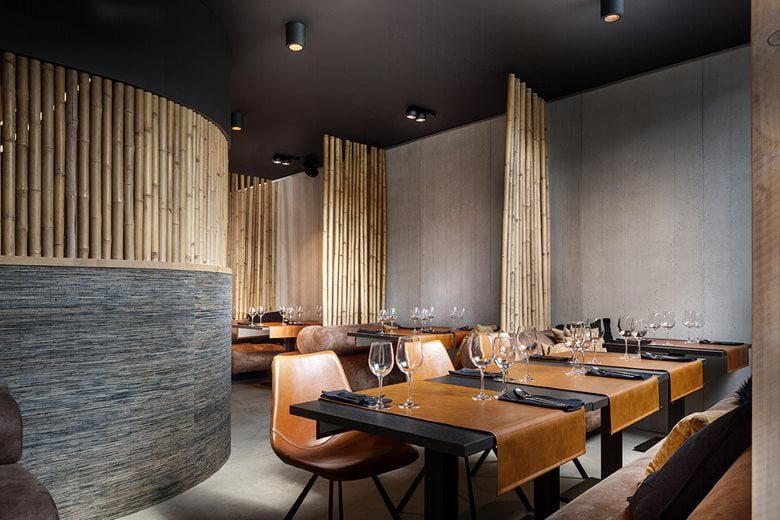
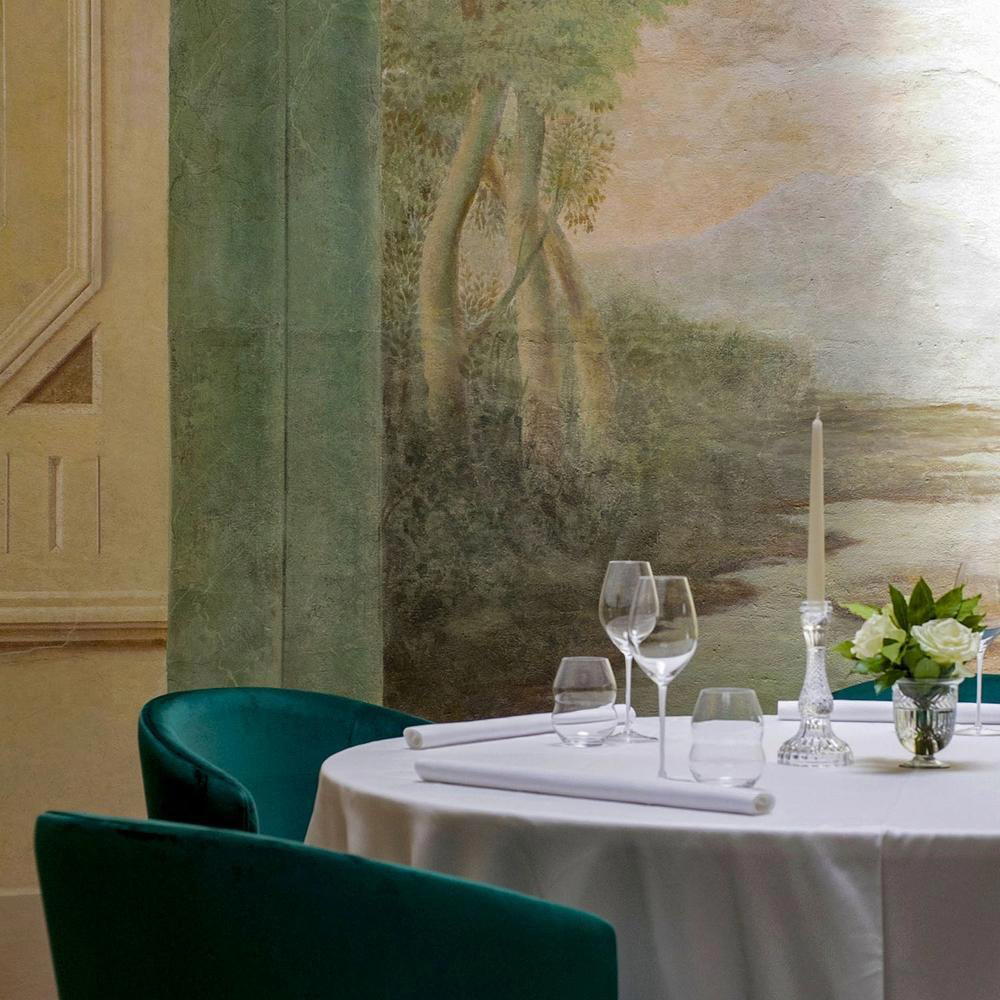
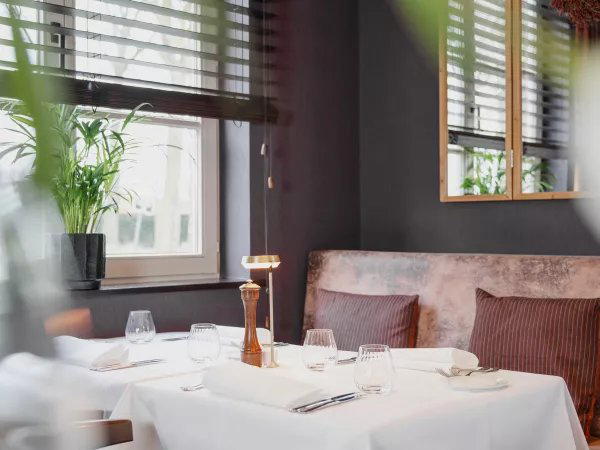
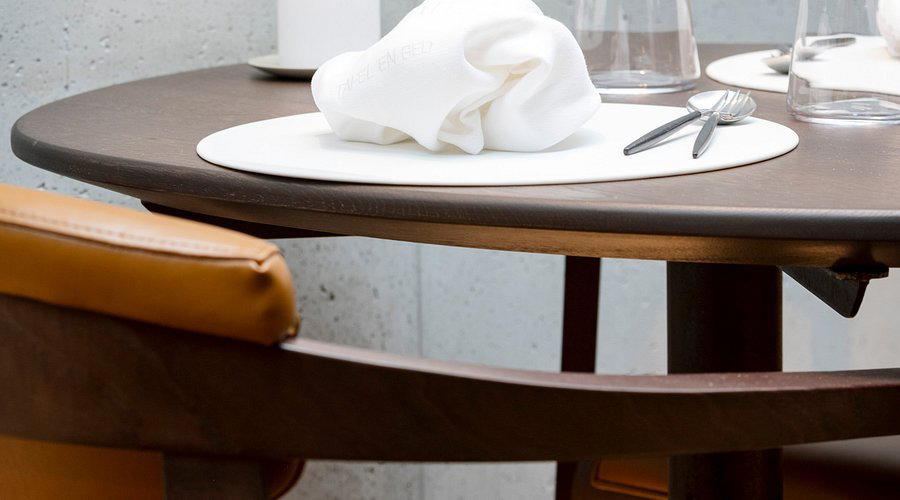
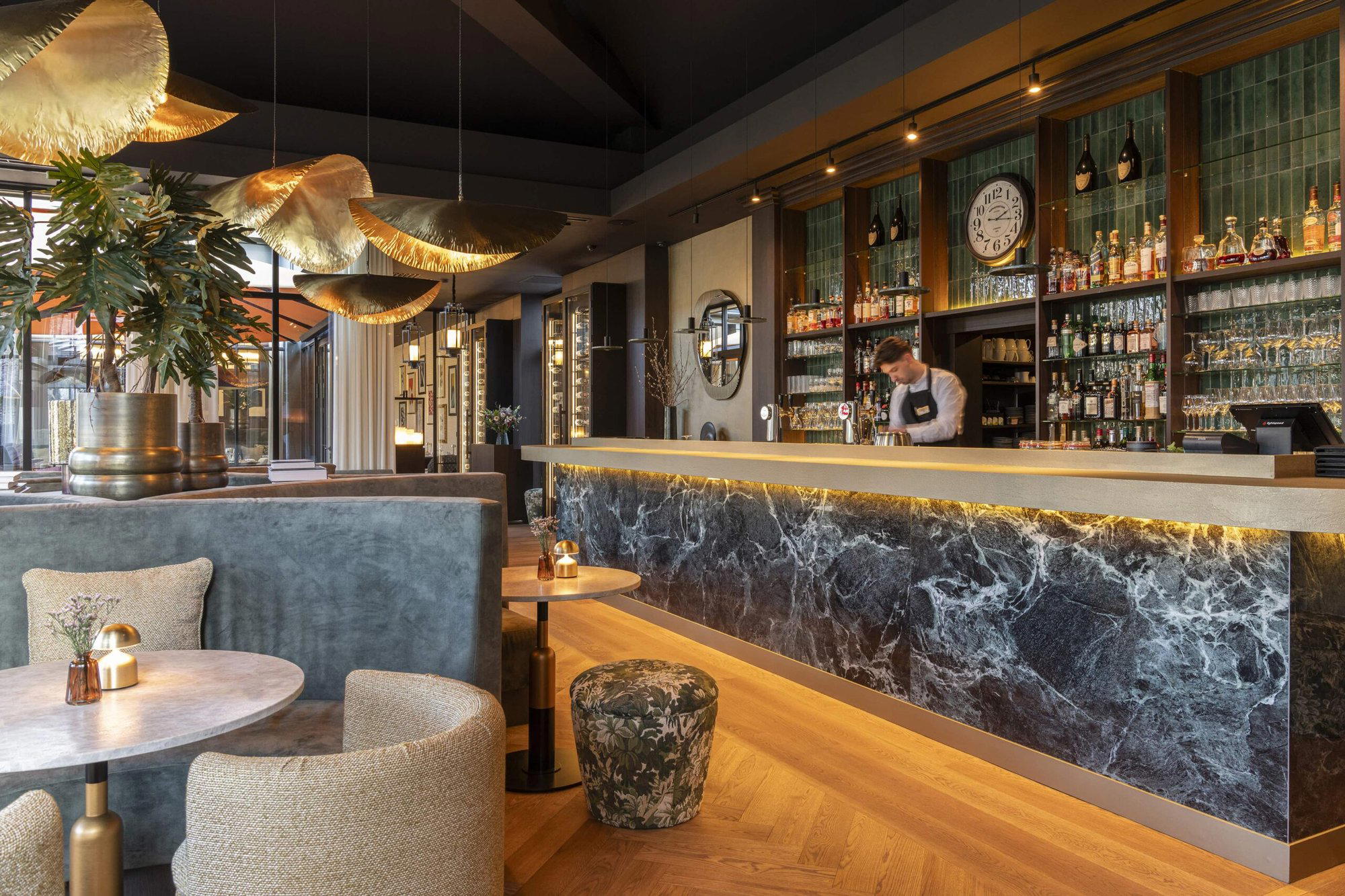
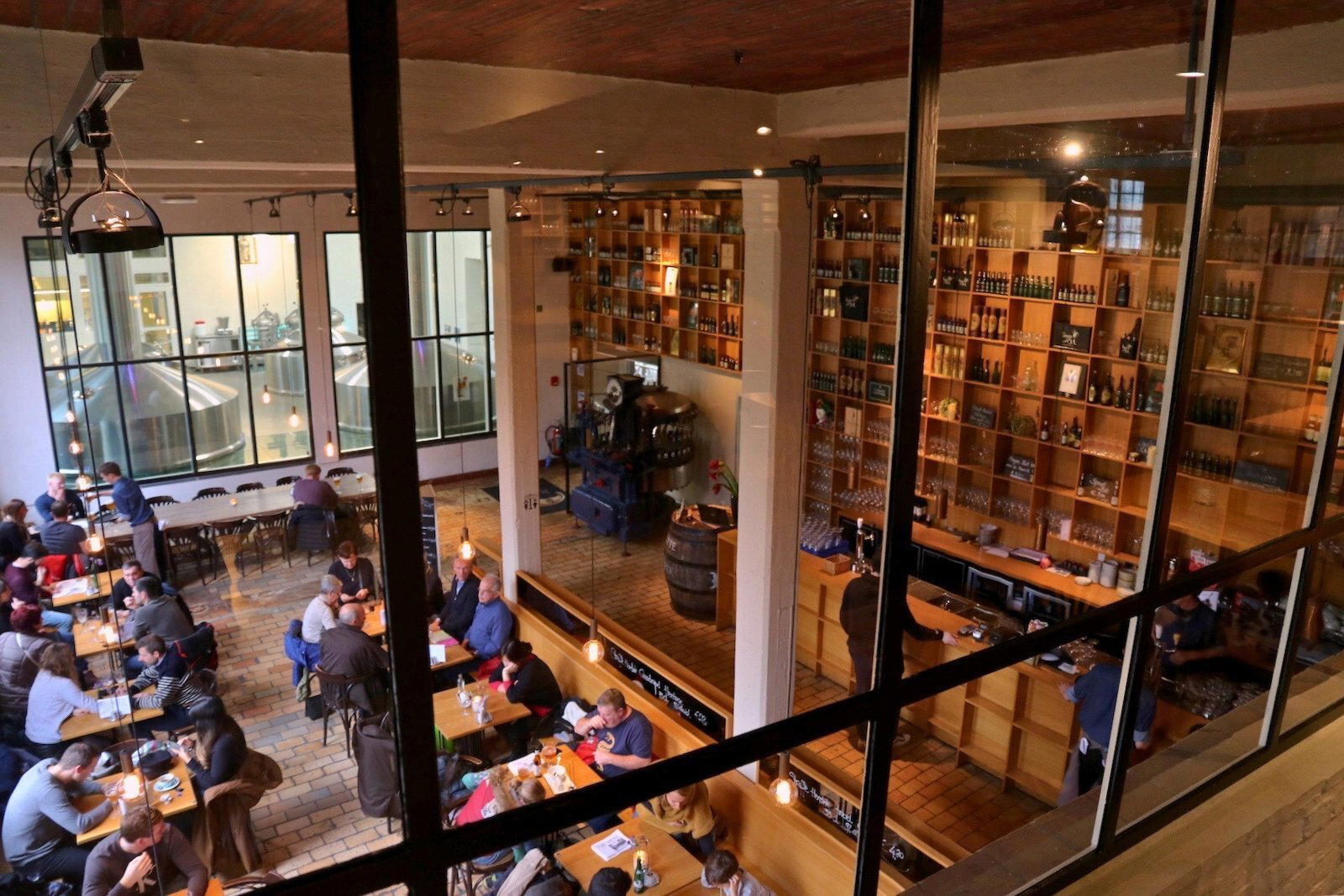
Trendy, fashionable, spacious, buzzy interior with bright and elegant impression.