Black Sheep Bistro
Our verdict
On Main Street in Vermont's smallest city, Black Sheep Bistro operates in the tradition of farm-anchored New England dining, where provenance is the menu and proximity to source is the point. Vergennes sits inside one of the Northeast's most productive agricultural corridors, and the bistro format here reflects that geography directly. A practical address for anyone working through the Champlain Valley's food circuit.

Pearl is the En Primeur Club membership app, where members save venues, book tables and use the concierge.
The menu
What to order
- Thai Broiled Haddock
- Brie & Bacon Chicken Breast
- Garlic mashed potatoes
- French fries
Vergennes and the Case for Small-City Dining
Vermont's smallest city carries a disproportionate amount of culinary credibility, not because of restaurant density, but because of what surrounds it. Vergennes sits inside the Champlain Valley, a stretch of the Northeast where dairy farms, orchard operations, and market gardens have coexisted with serious cooking culture for decades. The state's farm-to-table reputation is well-documented and, unlike in larger American cities where the phrase has become marketing shorthand, in Vermont it tends to mean something logistically specific: shorter supply chains, seasonal menus driven by actual availability, and kitchens that change what they cook based on what arrived that week. Black Sheep Bistro at 253 Main Street sits inside that tradition, operating in a format that makes sense precisely because of where it is.
The bistro format, in its most purposeful expression, is not a scaled-down version of fine dining. It's a distinct mode: fewer covers, a shorter menu, a closer relationship between kitchen and supplier. In the Champlain Valley, that relationship has geographic logic behind it. Producers in Addison County are among the most cited in Vermont's agricultural economy, and restaurants that build around them are working with supply that would draw attention in much larger markets. Places like Blue Hill at Stone Barns in Tarrytown and Single Thread Farm in Healdsburg have made sourcing-led cuisine a nationally recognised format, but the underlying logic, cooking around what a specific landscape produces at a specific moment, is more native to Vermont than it is to most places those names are associated with.
What the Ingredient Focus Actually Means Here
In northeastern American dining, ingredient sourcing arguments tend to cluster around a few familiar claims: local, seasonal, sustainable. What gives those claims substance in a place like Vergennes is the scale. A kitchen on Main Street in a city of under 2,500 people is not ordering from a regional distributor who sources from farms three states away. The proximity is architectural. Farms that supply restaurants in this part of Vermont are often within a county's radius, which means produce arrives at a different stage of ripeness, dairy products carry the character of specific pastures, and the menu's composition shifts as the agricultural calendar turns.
This is the same logic that drives sourcing programs at places like Smyth in Chicago or Oyster Oyster in Washington, D.C., where the kitchen's relationship to its supply chain is treated as a creative constraint rather than a marketing angle. The difference in Vergennes is that the constraint is natural rather than constructed. You don't have to build the sourcing relationship from scratch when the farms are already there.
New England's bistro tier has developed a particular grammar around this: a menu short enough to be responsive, a price structure that reflects real ingredient costs rather than spectacle, and a room that communicates seriousness without formality. The format suits Main Street addresses in small Vermont cities in a way that larger, more elaborate restaurant structures do not.
Placing Black Sheep Bistro in Its Competitive Context
The relevant comparison set for a bistro in Vergennes is not the Michelin-starred tasting menu circuit. It's the tier of serious, sourcing-led American restaurants that have built reputations in secondary and tertiary markets, places where the food earns the visit rather than the setting or the status. Frasca Food and Wine in Boulder operates on a similar premise in a different geography, as does Bacchanalia in Atlanta, where the kitchen's sourcing commitments define the editorial direction of the menu. Closer to Vermont's own tradition, the relevant peer is any kitchen that treats the season's actual production as its primary creative input.
What separates the stronger entries in this tier from the weaker ones is discipline: the willingness to not serve something when the supply isn't right, and to change the menu when it is. That discipline is easier to maintain in a small city with direct producer relationships than in an urban environment where the temptation to substitute or extend availability is constant. Restaurants at the scale of The French Laundry in Napa or Addison in San Diego manage sourcing programs at a level of institutional complexity that doesn't apply here. In Vergennes, the advantage is informality and proximity, not infrastructure.
Planning a Visit to Vergennes
Vergennes is accessible from Burlington, roughly 23 miles to the north along Route 7, making it a plausible dinner destination for visitors based in the state's largest city. The town's Main Street is compact, and 253 Main is on the central corridor. Vermont's dining scene is seasonal in a way that affects planning: the agricultural calendar that feeds the leading kitchens here also determines when those kitchens are at their most interesting, with late summer and early autumn typically the most productive period for sourcing variety. Winter menus in Vermont tend to rely more heavily on preserved, stored, and dairy-forward ingredients, which is its own tradition worth experiencing but a different one.
For a broader survey of what Vermont's culinary geography produces at the top of its register, the comparison restaurants worth benchmarking against include Le Bernardin in New York City, Lazy Bear in San Francisco, Emeril's in New Orleans, Providence in Los Angeles, The Wolf's Tailor in Denver, ITAMAE in Miami, Atomix in New York City, The Inn at Little Washington, and Atelier Moessmer Norbert Niederkofler in Brunico, each operating in sourcing-led or produce-centred formats that illuminate what the category looks like at different scales and price points.
Frequently asked questions
Would Black Sheep Bistro be comfortable with kids?
Bistro-format dining rooms in small Vermont cities like Vergennes tend toward an adult dinner-out atmosphere rather than a family-casual setup, and Black Sheep Bistro at 253 Main St fits that general pattern. Younger children may find a sourcing-focused bistro meal a slow sit, though well-behaved older kids are unlikely to be out of place. Calling ahead before bringing a full family is the practical move, since the kitchen's pacing is geared toward the dinner occasion.
How would you describe the vibe at Black Sheep Bistro?
Vergennes draws a mix of locals, Burlington visitors making the 23-mile run down Route 7, and travelers passing through Addison County, and Black Sheep Bistro sits at the intersection of those crowds. The bistro format suggests a room built around conversation and a focused menu rather than spectacle or scene. Expect something closer to a serious neighborhood restaurant than a destination tasting room.
Is Black Sheep Bistro a good dinner option for visitors staying in Burlington?
Vergennes sits roughly 23 miles south of Burlington along Route 7, putting Black Sheep Bistro within reasonable striking distance for a dedicated dinner outing. For travelers who want to move beyond Burlington's restaurant cluster and experience Addison County's more grounded dining scene, the drive makes sense as an evening in its own right. Vergennes itself is Vermont's smallest city, compact enough to walk before or after a meal.
What do people recommend at Black Sheep Bistro?
Asking the server what came in recently is a reliable strategy at any restaurant operating at this level in Vermont's agricultural corridor.
Comparison Snapshot
Comparable venues nearby, for context on price, style, and recognition.
| Venue | Cuisine | Price | Notes |
|---|---|---|---|
| Black Sheep BistroThis venue (the venue you are viewing) | French-inspired American Bistro | $50–100 | Not listed |
| Misery Loves Co. | Rustic-Chic American Farm-to-Table | $20–30 | Main Street |
| Blue Paddle Bistro | New American Bistro | $30–50 | South Hero |
| American Flatbread | Wood-Fired Artisan Flatbread Pizza | $20–30 | Downtown |
| The Café HOT. | Vegetarian Breakfast Sandwiches & Coffee | $10–20 | Downtown |
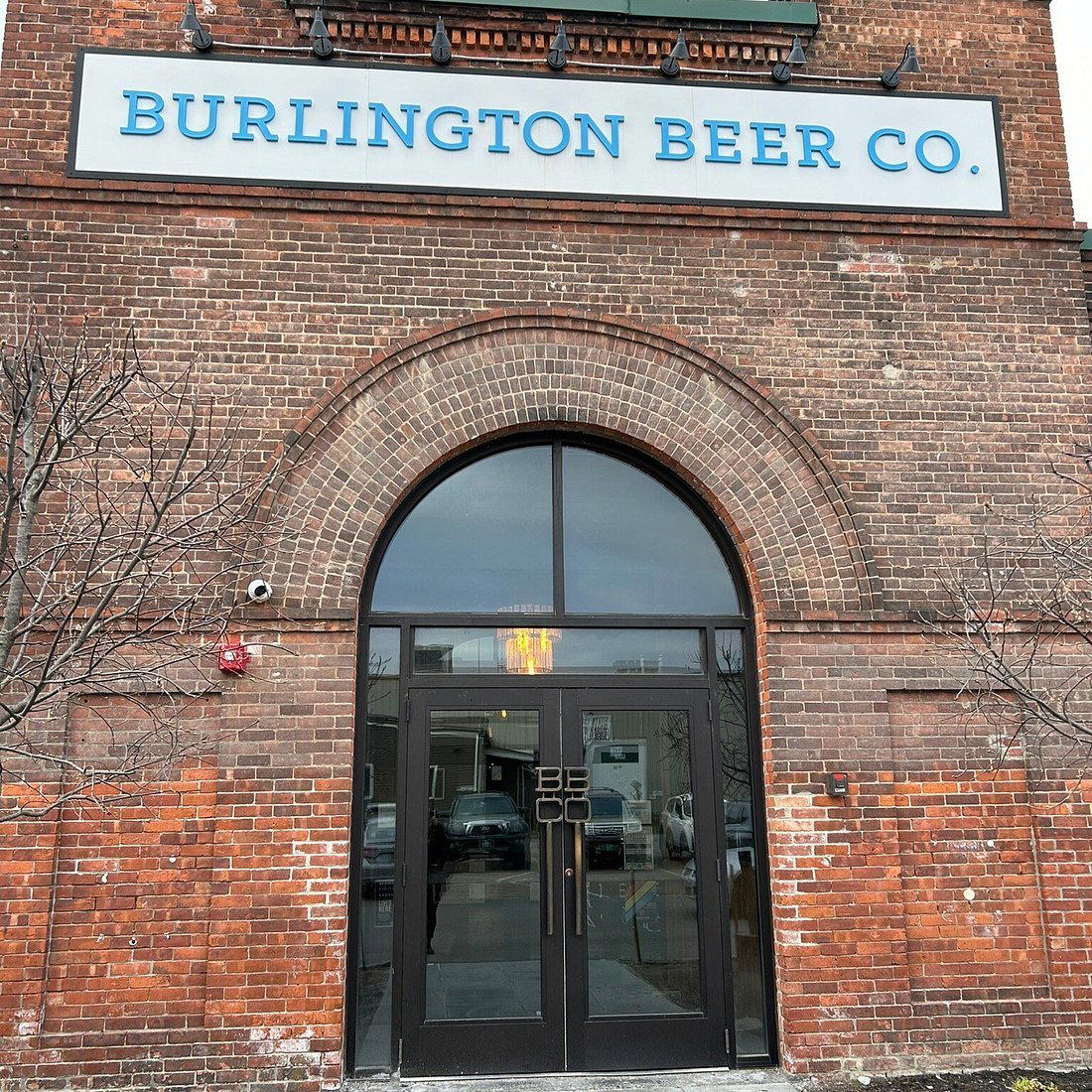
| Burlington Beer Company | Craft Beer Gastropub | $20–30 | South End |
Continue exploring
More in Vergennes
Restaurants in Vergennes
All restaurants in Vergennes →
Bars in Vergennes
Browse all →
Details
- Cozy
- Rustic
- Intimate
- Date Night
- Casual Hangout
- Open Kitchen
- Craft Cocktails
- Local Sourcing
- A La Carte
- Vegetarian Friendly
- Vegan Options
- Gluten Free Options
Current opening hours
- Monday
- Closed
- Tuesday
- 4:30–8 PM
- Wednesday
- 4:30–8 PM
- Thursday
- 4:30–8 PM
- Friday
- 4:30–9 PM
- Saturday
- 4:30–9 PM
- Sunday
- Closed
Hours can change for holidays and private events. Hours as of .
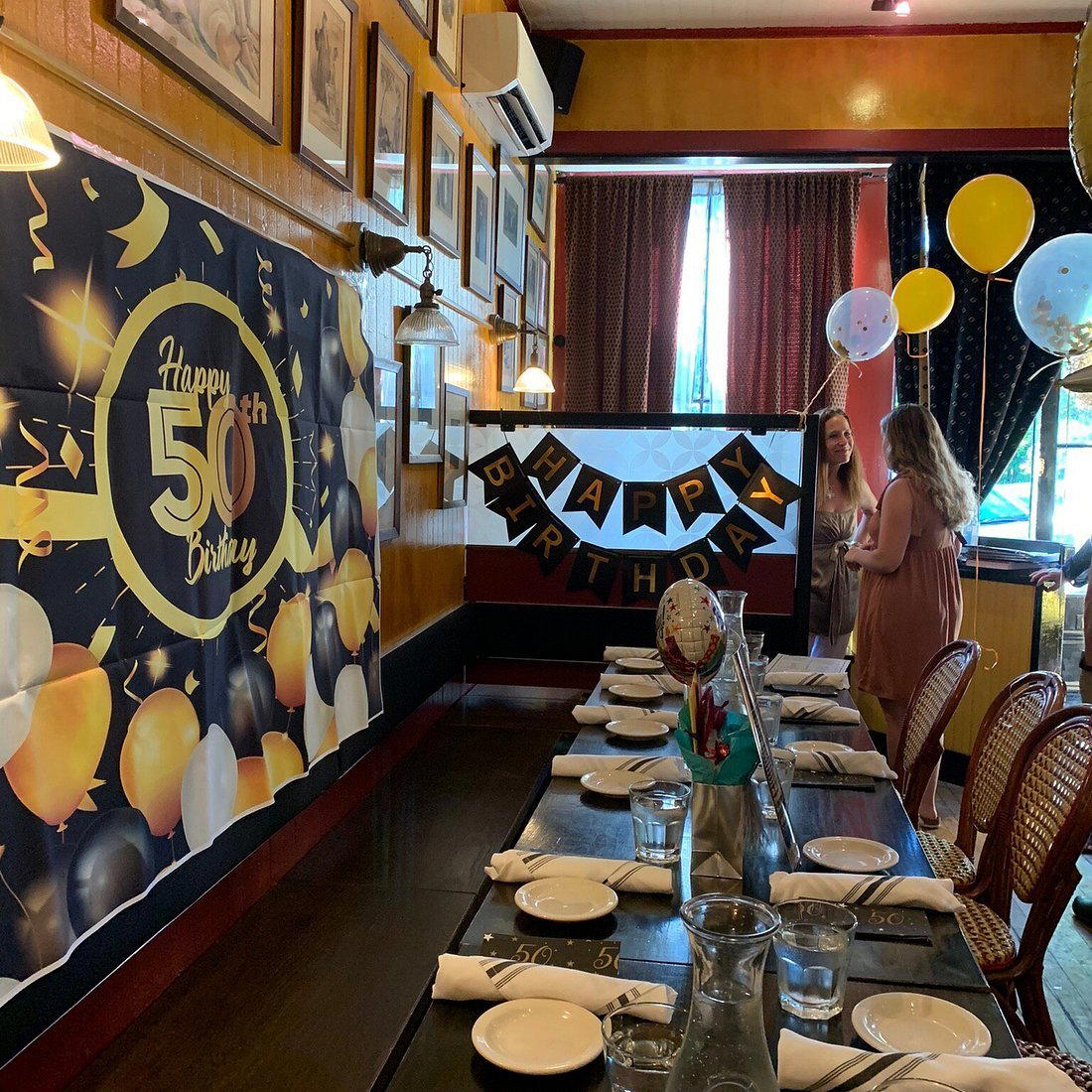
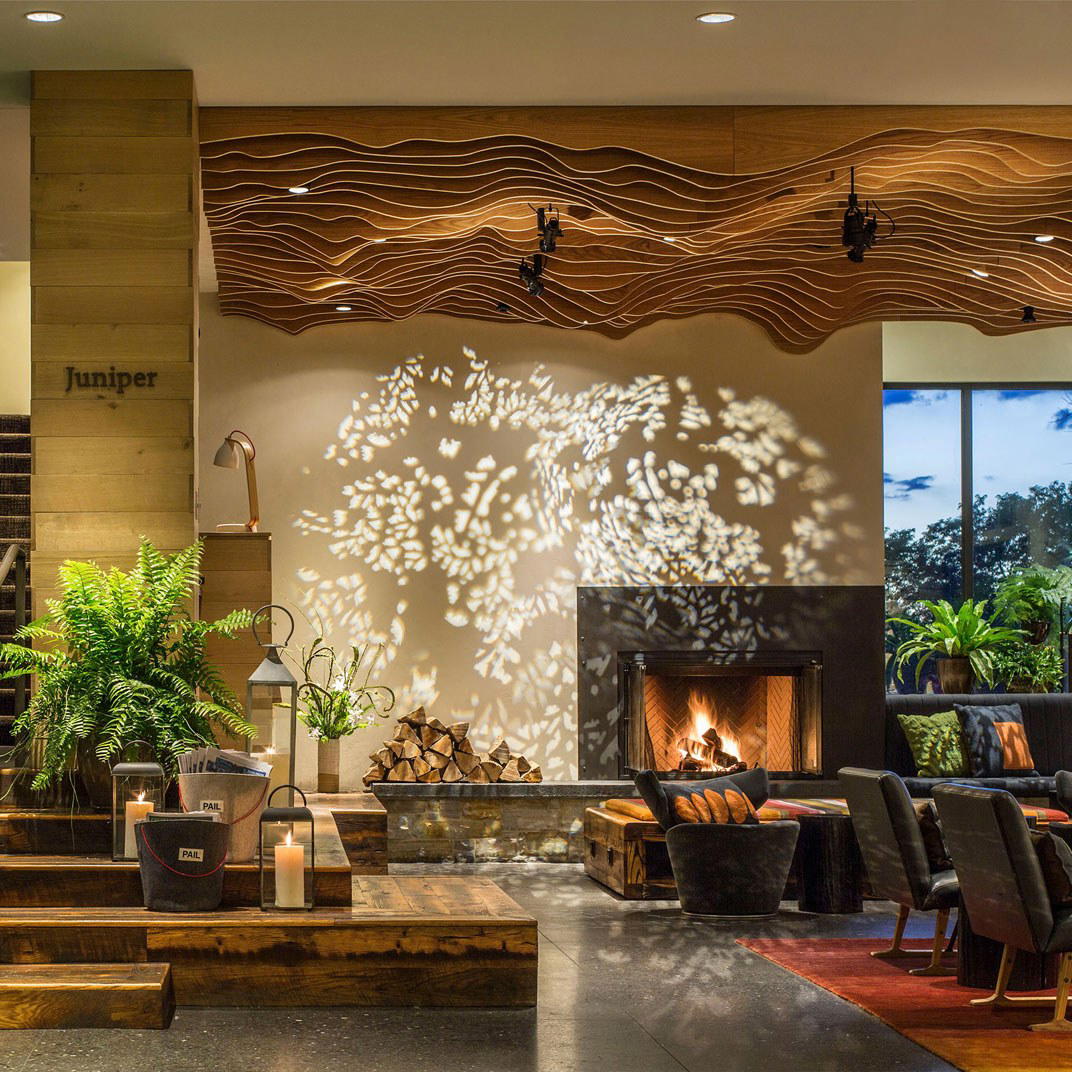
Cozy and warm with a rustic French bistro vibe, featuring eclectic decor like framed prints, though it can get loud with nearby truck traffic.