Guild Tavern
Guild Tavern sits on Williston Road in South Burlington, Vermont, where the state's farm-dense interior makes ingredient sourcing less a marketing choice than a geographic inevitability. The tavern format places it in a mid-tier category that balances accessibility with culinary intention, offering a practical entry point into Vermont's locavore dining culture for visitors and residents alike.
Pearl is the En Primeur Club membership app — saves, bookings, and concierge access live there. Same editors, same standards.
- Address
- 1633 Williston Rd, South Burlington, VT 05403
- Phone
- +18024971207
- Website
- guildtavern.com
- Directions
- Get directions
 Saves & bookings on Pearl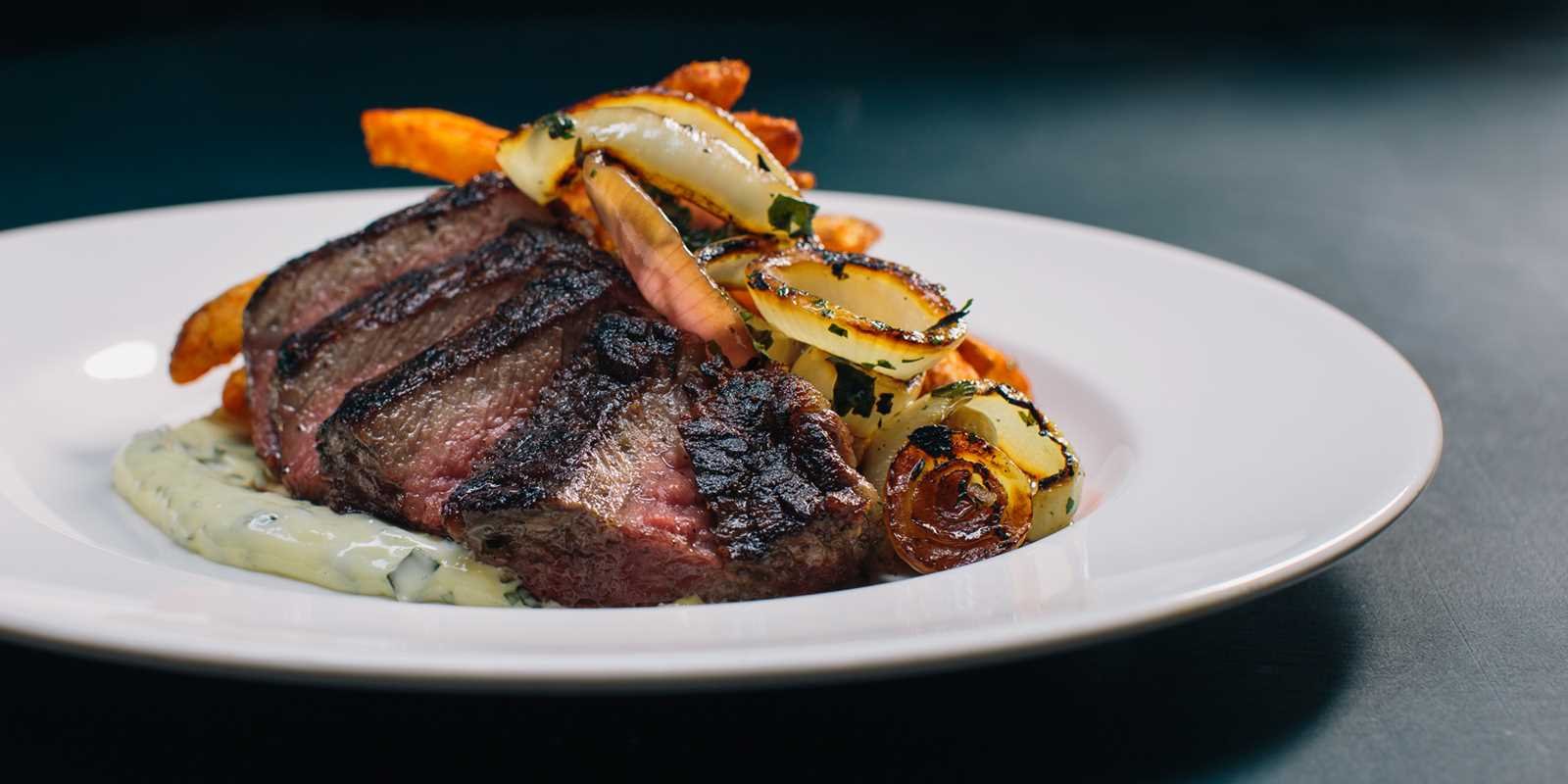
Williston Road and the Vermont Sourcing Advantage
Burlington proper, a few miles north, absorbs most of the attention, with its Church Street foot traffic and waterfront draw. But Williston Road tells a different story about how Vermont's agricultural density actually shapes a dining scene. Within a thirty-mile radius of that corridor, you have dairy farms producing particularly consistent milk and aged cheese in the Northeast, small-scale vegetable operations that shift supply week by week, and meat producers whose output rarely reaches distribution networks large enough to serve cities further south. A tavern operating on Williston Road has access to that supply chain by proximity alone, which changes what shows up on the menu and how it changes across the year.
The Tavern Format in a Farm-State Context
The word "tavern" carries specific weight in New England. It signals a dining register that sits below the formal tasting-menu room and above the purely transactional bar-and-grill, a middle tier where the food is taken seriously but the format stays loose. Vermont has a particular version of this: the farm-state tavern, where the sourcing story is embedded in the menu structure rather than bolted on as a marketing footnote. This is the tradition Guild Tavern operates inside. It is a format that works well when producers and kitchen are in close enough proximity that the supply relationship is genuinely operational, not aspirational.
Compare that to ingredient-sourcing programs at restaurants operating at different price points and greater distances from their supply chains. Blue Hill at Stone Barns in Tarrytown built its identity around a working farm on the property itself, a model that collapses sourcing distance to near zero. Single Thread Farm in Healdsburg operates its own farm as a direct extension of the restaurant program. These are extreme versions of the same principle Guild Tavern engages with at a more accessible price and format level: the argument that proximity to production improves what ends up on the plate.
What Vermont's Agricultural Calendar Means for the Table
Vermont's growing season is compressed. The frost window shortens what can be grown locally and sharpens the seasonality of any kitchen that takes sourcing seriously. Spring brings ramps, fiddleheads, and early greens. Summer opens a wider range of vegetables, berries, and herbs. Fall shifts toward root vegetables, squash, and the apple varieties for which Vermont is well-regarded. Winter is where the discipline shows: a kitchen that sources honestly in January in Vermont is working with preserved goods, root cellar produce, local dairy, and whatever protein supply the regional farms can sustain through the cold months.
This kind of seasonal constraint is what separates genuine farm-table programming from menus that list local suppliers but source opportunistically. The leading American examples of this discipline operate at higher price points. The French Laundry in Napa and Lazy Bear in San Francisco both run menus that shift with supply, though within California's far more permissive growing calendar. Vermont kitchens operate under harder constraints, which makes the seasonal pivot more visible and, in some respects, more honest.
South Burlington's Position in the Broader Vermont Dining Picture
Vermont has developed a dining culture that punches above its population size, partly because the state's agricultural identity gives chefs a genuine point of differentiation and partly because the tourism draw of the Green Mountains sustains demand for better food than the residential population alone would support. South Burlington, as the state's most populous city by some measures, functions as the commercial and logistical hub adjacent to Burlington's more curated food scene. Williston Road in particular runs through the kind of mixed commercial strip that serves everyday needs rather than destination diners, which means a tavern operating there is serving a primarily local clientele rather than a tourist overflow.
That local-serving orientation shapes what a venue like Guild Tavern has to do well: consistency, value at the mid-range of the price spectrum, and a menu accessible enough to function as a regular dining destination rather than an occasional occasion. It is a different discipline than the one demanded at the formal end of American dining. Alinea in Chicago, Le Bernardin in New York City, and Addison in San Diego are all operating in a register where a single visit is the point. Taverns succeed or fail on return visits.
The Regional comparable set
Across the Northeast, farm-adjacent tavern formats have found a durable niche. In Vermont specifically, the combination of agri-tourism, a steady ski-season visitor economy, and a food-literate resident base has created conditions where mid-tier restaurants can sustain sourcing ambitions without the financial pressure of a $300-per-head tasting menu. The risk for venues in this bracket is slipping into sourcing language without sourcing substance. The tavern format, at its leading, resists that drift because the price point forces operational honesty about what local procurement actually costs.
Venues operating at the intersection of ingredient-driven cooking and accessible formats in other parts of the country include Bacchanalia in Atlanta and Frasca Food and Wine in Boulder, both of which have built sustained reputations on regional sourcing within a format that doesn't require a special-occasion budget. Brut in Denver occupies a similar position in the Mountain West. These are the reference points against which the ambitions of a Vermont tavern are usefully measured.
Planning a Visit
The restaurant is located at 1633 Williston Road in South Burlington, Vermont, and is best reached by car given the commercial-strip setting with no meaningful pedestrian approach from the surrounding area. South Burlington lacks the walkable density of Burlington proper, so visitors staying in the city center should account for the short drive south. The Williston Road corridor is direct to access from Interstate 89, making it a practical stop for travelers moving through the region rather than a detour.
How It Stacks Up
Comparable venues nearby, for context on price, style, and recognition.
| Venue | Cuisine | Price | Notes |
|---|---|---|---|
| Guild TavernThis venue — the venue you are viewing | Farm-to-Table Wood-Fired Steakhouse | $$$ | Not listed |
| Burlington Beer Company | Craft Beer Gastropub | $$ | South End |
| May Day | Seasonal American Small Plates | $$ | Old North End |
| Honey Road | Eastern Mediterranean Mezze | $$$ | Church Street Marketplace |
| Blue Paddle Bistro | New American Bistro | $$ | South Hero |
| Farmhouse Tap & Grill | Farm-to-Table Gastropub | $$ | Downtown |
Continue exploring
More in South Burlington
Restaurants in South Burlington
Browse all →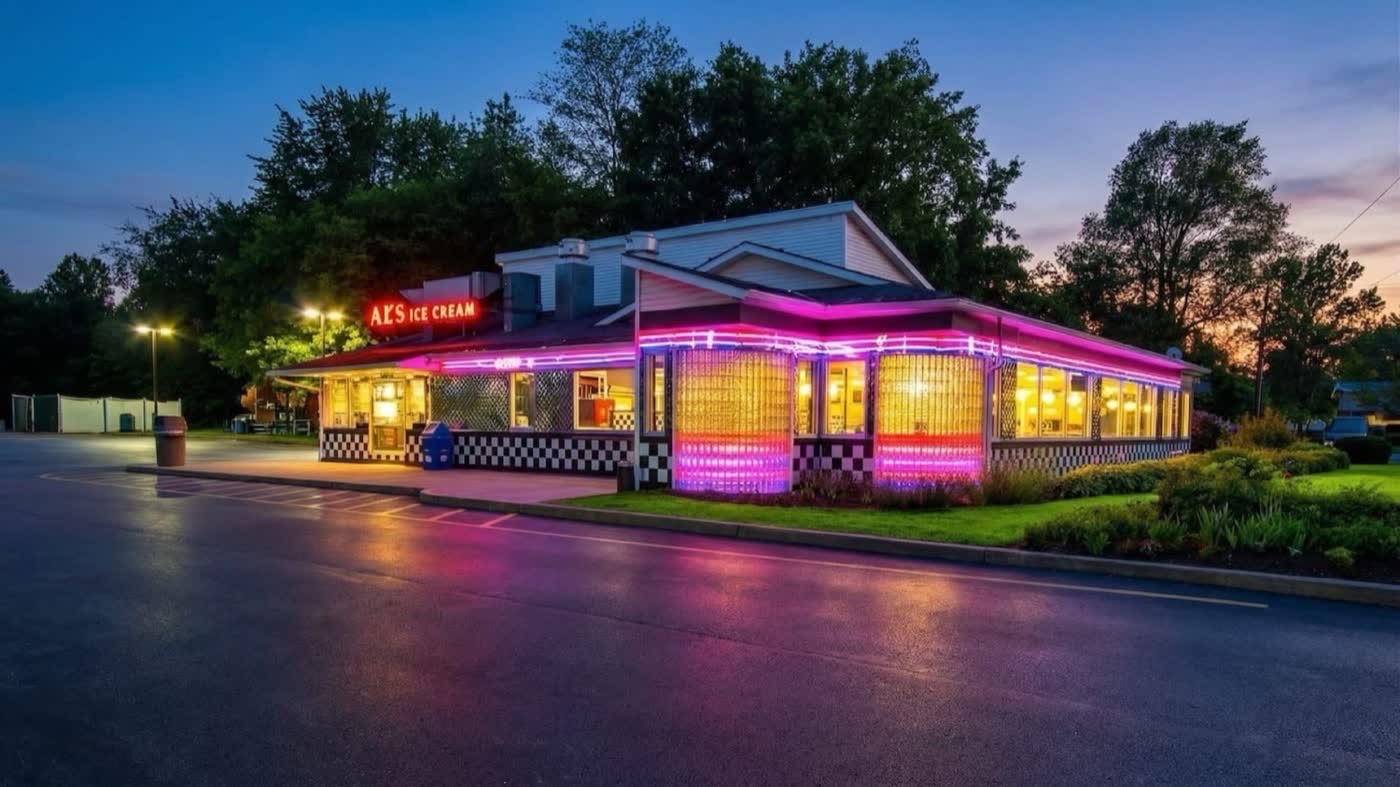
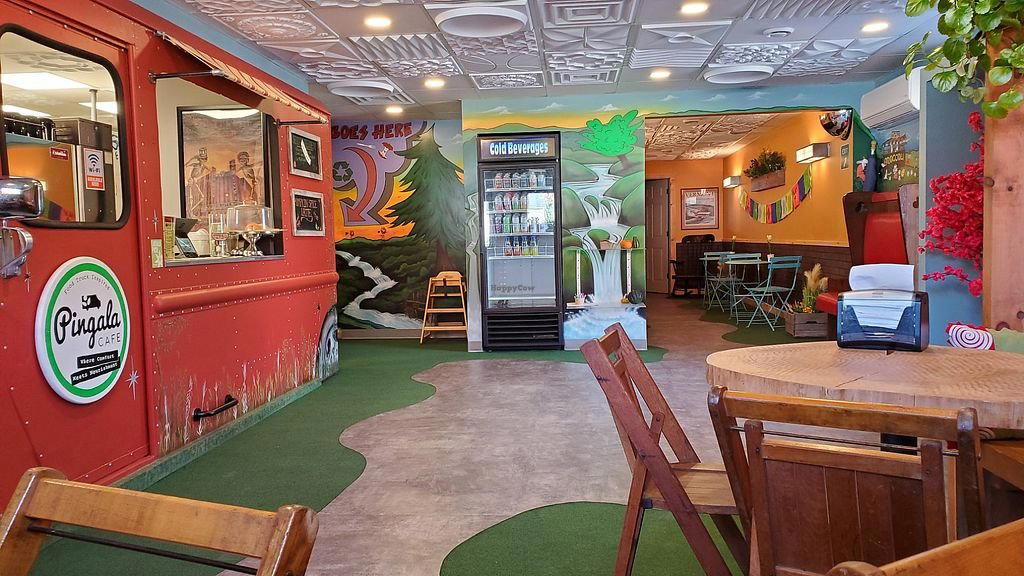
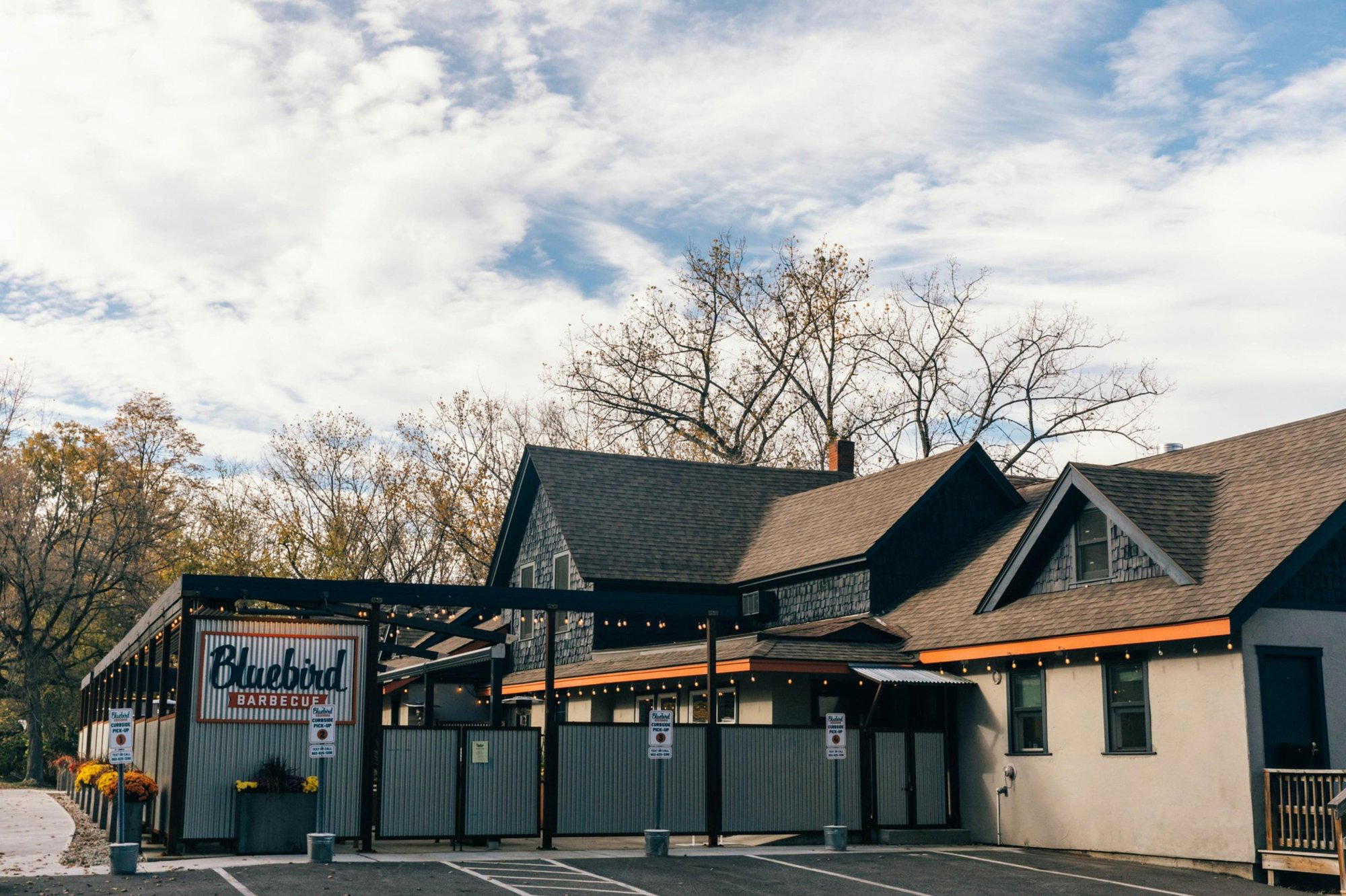
Bars in South Burlington
Browse all →
At a Glance
- Rustic
- Cozy
- Sophisticated
- Group Dining
- Special Occasion
- Celebration
- Open Kitchen
- Private Dining
- Craft Cocktails
- Farm To Table
- Local Sourcing
Current opening hours
- Monday
- 4:30–9 PM
- Tuesday
- 4:30–9 PM
- Wednesday
- 4:30–9 PM
- Thursday
- 4:30–9 PM
- Friday
- 4:30–9:30 PM
- Saturday
- 4:30–9:30 PM
- Sunday
- 4:30–9 PM
Hours can change for holidays and private events. Last verified .
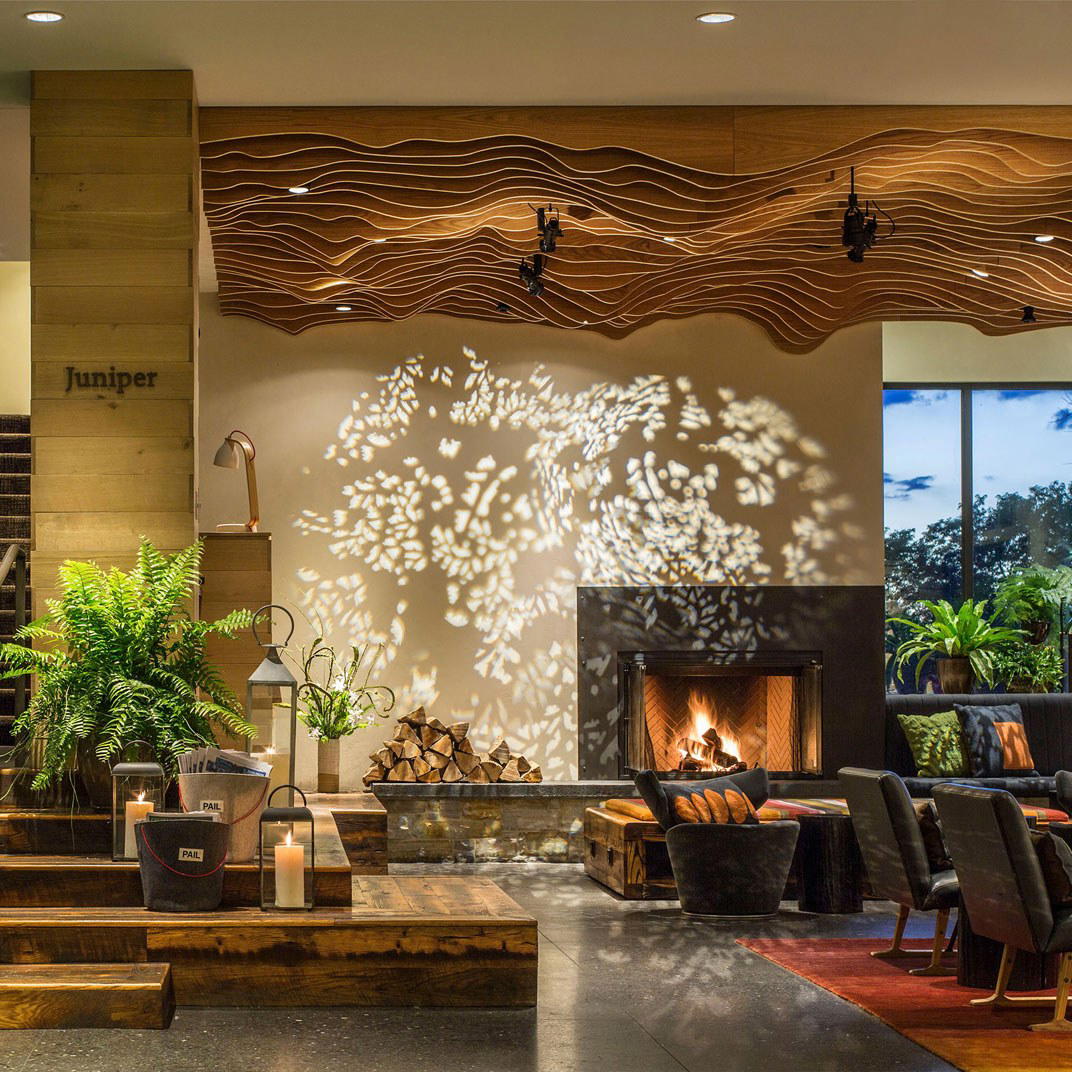
Classy tavern atmosphere with warm wood-fired grill ambiance and cozy private dining spaces.