Black Olive
Black Olive occupies a strip-mall address on Haddonfield-Berlin Road in Voorhees, New Jersey, but the name signals an orientation toward Mediterranean cooking that sets it apart from the surrounding suburban options. For diners crossing from Philadelphia's South Jersey corridor, it represents a neighborhood-level alternative worth knowing. Check our full Voorhees guide for context on where it fits the local dining picture.
Pearl is the En Primeur Club membership app — saves, bookings, and concierge access live there. Same editors, same standards.
- Address
- 910 Haddonfield-Berlin Rd Suite 1, Voorhees Township, NJ 08043
- Phone
- +18564355500
- Website
- blackolive.restaurant
- Directions
- Get directions
 Saves & bookings on Pearl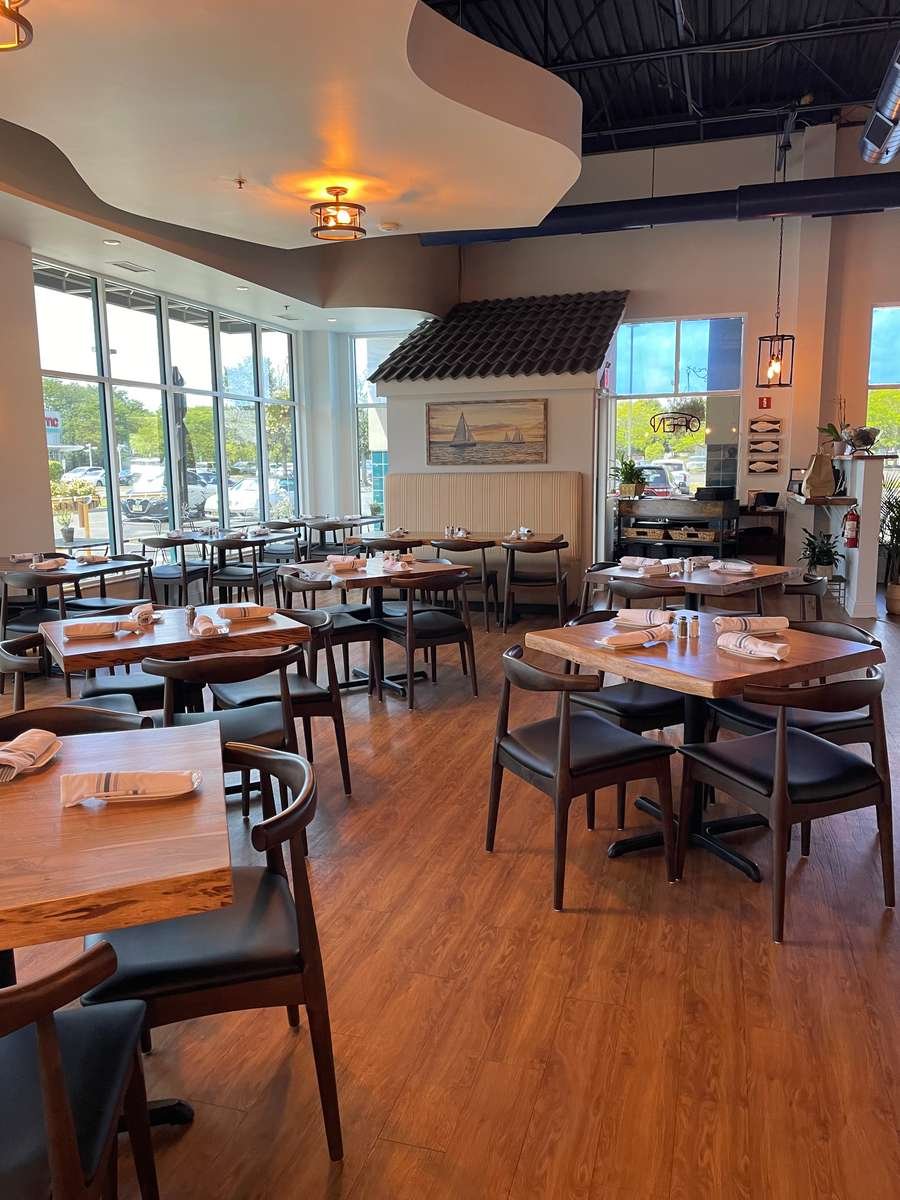
A Strip-Mall Address That Asks to Be Read Against the Right Frame
Voorhees sits in Camden County's suburban sprawl, roughly fifteen miles southeast of Philadelphia, and its restaurant scene reflects the pressures that shape dining in most American bedroom communities: high family-traffic volume, broad price sensitivity, and a preference for formats that work across demographics. Against that backdrop, Black Olive is a restaurant serving Authentic Greek Cuisine in Voorhees Township, New Jersey, at a casual price tier. The name alone, referencing one of the oldest cultivated ingredients in the Mediterranean basin, carried across Phoenician and Greek trade routes long before modern cuisine organized itself into categories, signals an intent to draw from a sourcing tradition where the ingredient precedes the dish.
That sourcing tradition matters because it shapes the logic of Mediterranean menus in ways that distinguish them from other European-adjacent American cooking. Where Italian-American kitchens in the tristate area often layer technique on top of commodity protein, the older Levantine and Adriatic strands of Mediterranean cooking built around what was preserved, pickled, pressed, or cured close to the source. Olives, olive oil, feta, dried legumes, cured fish, these are not garnishes but structural ingredients, and restaurants that take them seriously tend to build menus with a different internal rhythm than those that treat them as accent flavors.
Le Bernardin in New York City applies that same sourcing discipline to seafood. Single Thread Farm in Healdsburg takes it to its logical extreme, operating its own farm as the supply foundation for the dining room. Blue Hill at Stone Barns in Tarrytown has built a nationally recognized program around the same premise. None of those comparisons apply directly to a suburban New Jersey address, but they illustrate the pole toward which ingredient-conscious cooking pulls, and they help calibrate what to look for at any restaurant making similar claims at a neighborhood scale.
Mediterranean Sourcing Logic in a South Jersey Context
The ingredient categories associated with serious Mediterranean cooking carry traceable geography. High-quality olive oil has designated origin appellations, Greek PDO oils from Kalamata or Crete, Italian DOP designations from Puglia or Sicily, and the difference between a commodity oil and a single-estate cold-press is legible on the palate. Olives themselves vary dramatically: Castelvetrano from Sicily reads sweet and buttery; Niçoise runs smaller and more bitter; Kalamata carries the brine and flesh density that makes it the default shorthand for Greek cooking in American restaurants. A kitchen that uses these ingredients as structural elements rather than table condiments is making a statement about where its sourcing priorities sit.
In South Jersey's dining corridor, that orientation is less common than in the city across the river. Philadelphia proper has seen the Mediterranean category expand meaningfully over the past decade, with a cluster of Greek and Levantine-influenced restaurants operating in Rittenhouse, Fishtown, and along East Passyunk that take the sourcing question seriously. Voorhees, by contrast, operates with fewer options and lower overall dining density, which means a restaurant with a genuine Mediterranean sourcing focus occupies a less crowded position locally than it would five miles deeper into the urban core. Siena Italian Creative Cuisine represents the adjacent Italian register in Voorhees; the two venues point toward the same European culinary geography from different angles.
Oyster Oyster in Washington, D.C. applies hyper-local sourcing to a plant-forward format. Providence in Los Angeles focuses that same rigor on sustainable seafood. Addison in San Diego operates at the luxury tier with California-sourced ingredients anchoring a refined tasting format. The common thread across all of them is treating provenance as a primary design variable rather than a marketing footnote.
Planning a Visit: What the Address Implies
Black Olive occupies Suite 1 at 910 Haddonfield-Berlin Road in Voorhees Township, a commercial strip that reads as accessible suburban rather than destination dining. That format, strip-mall placement, suburban township address, tends to correlate with a mid-casual dining register in the American market: approachable for families and groups, lower formality than a destination restaurant, and priced to work for repeat local visits rather than once-a-year occasions. Visitors coming from Philadelphia should plan for a twenty-minute drive without traffic, crossing into New Jersey via the Ben Franklin or Walt Whitman bridges and heading south through Cherry Hill.
Restaurants working at this scale and in this format often do accommodate walk-ins, particularly at off-peak hours on weekdays, though weekend demand in residential suburbs can push toward fuller houses earlier in the evening than urban diners typically expect. Contacting the venue directly before arrival is the practical approach.
How Black Olive Fits the Wider Ingredient-Forward Conversation
The national conversation about ingredient sourcing in restaurants has moved from a niche concern to a mainstream expectation over the past fifteen years, driven in part by programs like The French Laundry in Napa, which helped establish provenance as a prestige signal at the summit of the American market. That signal has now filtered down through price tiers, reaching neighborhood and suburban restaurants where diners increasingly ask where the fish came from or whether the oil is single-origin. Lazy Bear in San Francisco and Smyth in Chicago demonstrate how deeply that sourcing logic can be embedded at the upper-casual and fine-dining boundary. The Wolf's Tailor in Denver and Frasca Food and Wine in Boulder show how it operates in Rocky Mountain markets with different supply chains. ITAMAE in Miami and Atomix in New York City apply it to non-European culinary traditions with equal seriousness. Even at the international level, Atelier Moessmer Norbert Niederkofler in Brunico has built a multi-starred program entirely around Alpine regional sourcing. And Emeril's in New Orleans demonstrated decades ago how a regional-ingredient commitment could anchor a neighborhood anchor restaurant that grew into a cultural institution.
Black Olive operates at a different scale and price tier than any of those references. But the ingredient category it draws from, the olive, the cured fish, the pressed oil, the preserved lemon, carries the same traceable geography at any price point. That is what makes Mediterranean cooking a durable framework for restaurants that want their sourcing choices to be legible to the diner without requiring a tasting-menu format to communicate them.
At-a-Glance Comparison
Comparable venues nearby, for context on price, style, and recognition.
| Venue | Cuisine | Price | Notes |
|---|---|---|---|
| Black OliveThis venue — the venue you are viewing | Authentic Greek Cuisine | $$ | Not listed |
| Siena Italian Creative Cusine | Italian Creative Cuisine | $$ | Voorhees |
| Meltemi Greek Restaurant | Authentic Greek | $$ | Ridgewood |
| Limoncello | Authentic Italian with Lemon Twist | $$ | Washington Township |
| The Boiling House | Viet-Cajun Seafood Boil | $$ | Cherry Hill |
| The Farm & Fisherman Tavern | Modern American Gastropub | $$ | Cherry Hill |
At a Glance
- Classic
- Cozy
- Elegant
- Family
- Date Night
- Group Dining
- Private Dining
- Byob
- Local Sourcing
Current opening hours
- Monday
- Closed
- Tuesday
- 11 AM–9 PM
- Wednesday
- 11 AM–9 PM
- Thursday
- 11 AM–9 PM
- Friday
- 11 AM–10 PM
- Saturday
- 11 AM–10 PM
- Sunday
- 12–9 PM
Hours can change for holidays and private events. Last verified .
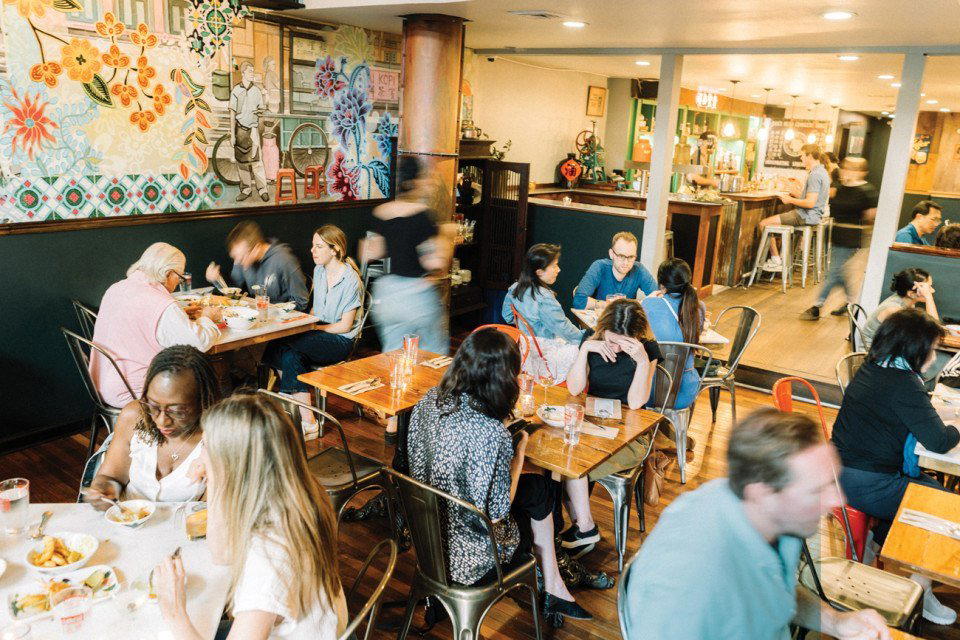
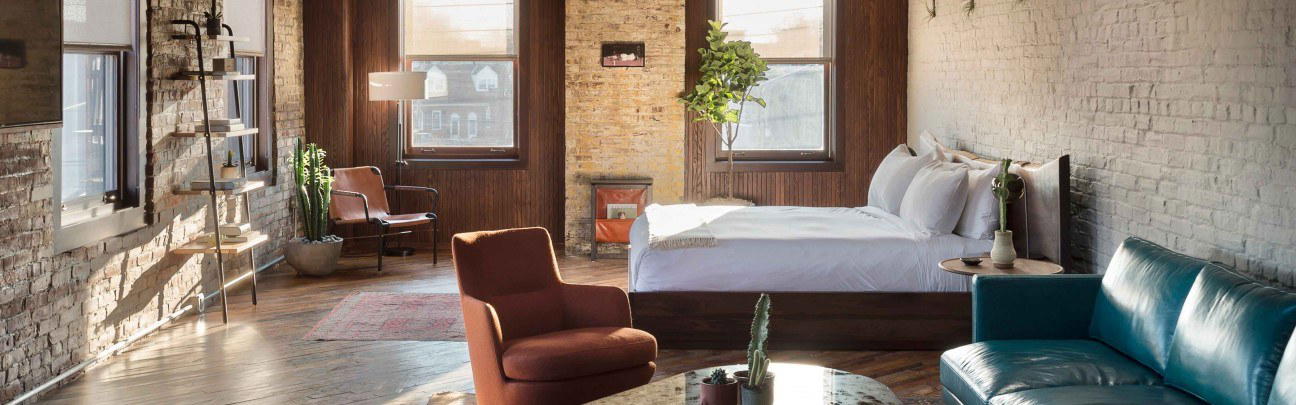
Airy and elegant dining room with relaxing decor, pretty interior, and lighting suitable for easy conversation.