On Rue Pierre Corneille in Lyon's 3rd arrondissement, Bistrot Bouille occupies the middle ground that defines serious Lyonnais dining: neither the grand-occasion formality of the city's starred tables nor the rough-edged simplicity of a bouchon. For visitors already familiar with Lyon's reputation as France's most consequential provincial food city, it represents the kind of address worth placing alongside the bigger names.
Pearl is the En Primeur Club membership app — saves, bookings, and concierge access live there. Same editors, same standards.
- Address
- 92 Rue Pierre Corneille, 69003 Lyon, France
- Phone
- +33487246557
- Website
- bistrotbouille.com
- Directions
- Get directions
 Saves & bookings on Pearl
Where Lyon's Bistrot Tradition Holds Its Ground
The 3rd arrondissement sits east of the Presqu'île, far enough from the tourist circuits around Place Bellecour that its restaurants operate for locals first. Rue Pierre Corneille runs through a neighbourhood of bourgeois apartment blocks and working professionals, and the bistrot format that lines these streets reflects that demographic: rooms built for regularity rather than occasion, menus priced for weekly visits, kitchens with something to prove that don't require a ceremony to prove it. Bistrot Bouille at number 92 fits squarely into that category, and in a city that has refined the bistrot into a near-philosophical position, that alignment matters more than it might elsewhere.
Lyon sits at the intersection of several French culinary traditions, Burgundy to the north, the Rhône Valley below, the Alps to the east, and its restaurant culture has absorbed all of them while maintaining a distinct civic identity. The bouchon, the city's most celebrated format, is built on offal, silk-worker tradition, and a studied indifference to refinement. But the bistrot occupies different territory: more technical than the bouchon, less theatrical than the starred room, and answerable to a regulars' standard that is harder to meet than a critic's. For context on how Lyon's upper register operates, addresses like La Mere Brazier, Le Neuvième Art, and Takao Takano define the city's fine-dining end of the spectrum. Bistrot Bouille operates below that register, but within the same civic seriousness.
Reading the Menu as a Document
In Lyon's mid-range bistrot tier, the menu structure tells you almost everything about a kitchen's priorities. A long carte signals a kitchen spread thin across too much product; a tight blackboard of five or six dishes signals confidence in sourcing and daily turnover. The menus that earn repeat visits in this city tend to be the ones that cycle with the market rather than the calendar, built around what arrived that morning from the Marché de la Croix-Rousse or the suppliers working the Rhône Valley corridor.
The editorial angle on any serious Lyon bistrot is not the individual dish but the architecture of the meal: how the courses relate to each other, whether the kitchen is using the full animal or just the safe cuts, how the wine list positions itself against the food. A bistrot that opens with a terrine, moves through a braised main with a serious sauce, and closes with something set in the kitchen the night before is making a statement about continuity and craft that a menu of composed plates with micro-herbs is not. The former is a Lyon bistrot; the latter is something else wearing the name.
Bistrot Bouille's address in the 3rd places it in a peer group that includes addresses like Burgundy by Matthieu, which operates with a modern cuisine orientation. That comparable set tends to split between kitchens that maintain classical Lyon structure, offal and braised preparations anchoring the mains, and those that have absorbed contemporary French technique without abandoning the bistrot's essential brevity. Both approaches can produce serious results; the difference shows in how the menu reads rather than how it photographs.
Lyon's Bistrot in Broader French Context
To understand why a Lyon bistrot occupies a specific and defensible cultural position, it helps to look at what surrounds the city in France's fine dining geography. The country's most celebrated rooms, Paul Bocuse's Auberge du Pont de Collonges in Collonges-au-Mont-d'Or, Troisgros in Ouches, Bras in Laguiole, Auberge de l'Ill in Illhaeusern, Les Prés d'Eugénie in Eugénie-les-Bains, and Georges Blanc in Vonnas, operate in the grand tradition, with staffing ratios, table spacing, and tasting menu formats that set the ceiling. Lyon's bistrots answer to a different standard, one rooted in daily use and honest pricing. That distinction is not a concession; it is an entirely separate discipline, and in the 3rd arrondissement it is taken seriously.
The same civic seriousness that produced Lyon's starred culture has filtered down into how the city's mid-tier rooms approach their work. Compared to Parisian bistrots operating under similar formatting, or to the technically ambitious mid-range rooms that have emerged in other French cities, the Lyon version tends toward longer cooking times, richer reductions, and a greater comfort with the challenging cuts that define the region's culinary character. Restaurants like Au 14 Février show how Lyon's creative end can absorb external influences; the bistrot format keeps closer to the tradition.
For international reference, the bistrot's relationship to French fine dining is not unlike the relationship between Le Bernardin in New York and the city's more casual fish restaurants: the technique developed at the leading filters down, but the format at the mid-level carries its own set of values. Or consider the community-driven model that venues like Lazy Bear in San Francisco have developed, a reminder that the room's relationship with its regulars shapes quality at least as much as the kitchen's ambitions.
Planning a Visit to Bistrot Bouille
Rue Pierre Corneille in the 3rd arrondissement is accessible from Part-Dieu station on foot, and the neighbourhood reads better as an evening destination than a lunch stop, though Lyon's bistrot culture accommodates both services. The area sits between the commercial density around Part-Dieu and the residential calm further east, which gives the street a local character that the Presqu'île addresses lack.
One reliable approach is to contact the restaurant directly at 92 Rue Pierre Corneille. Lyon bistrots in the 3rd tend to run at capacity midweek and fill quickly on Friday and Saturday evenings; arriving without a reservation on those nights carries real risk. Lunch midweek is typically one accessible entry point for first visits.
For wider Rhône and French reference beyond Lyon, Flocons de Sel in Megève, Mirazur in Menton, Alléno Paris au Pavillon Ledoyen, and La Table du Castellet in Le Castellet represent the broader French fine dining geography for those extending their itinerary beyond the city.
A Lean Comparison
Comparable venues nearby, for context on price, style, and recognition.
| Venue | Price | Notes |
|---|---|---|
| Bistrot BouilleThis venue — the venue you are viewing | $$ | Not listed |
| Bouchon Rouge | $$ | Quartier Quartiers Anciens, Traditional Lyonnaise Bouchon |
| L'Espace Carnot | $$ | Quartier Bellecour Carnot, Traditional French Brasserie with Lyonnaise Specialties |
| L'Oiseau Perché | $$ | Quartier Croix-Rousse Centre, Seasonal French Bistro |
| Arsenic | $$ | Quartier Mutualité Préfecture Moncey, Modern French Gastropub |
| Table et Partage | $$ | Quartier Villette Paul Bert, French Bistronomic |

At a Glance
- Cozy
- Elegant
- Intimate
- Classic
- Casual Hangout
- Date Night
- Group Dining
- Open Kitchen
- Natural Wine
- Local Sourcing
Current opening hours
- Monday
- 12–2 PM
- Tuesday
- 12–2 PM
- Wednesday
- 12–2 PM, 7:30–9:30 PM
- Thursday
- 12–2 PM, 7:30–9:30 PM
- Friday
- 12–2 PM, 7:30–9:30 PM
- Saturday
- Closed
- Sunday
- Closed
Hours can change for holidays and private events. Last verified .
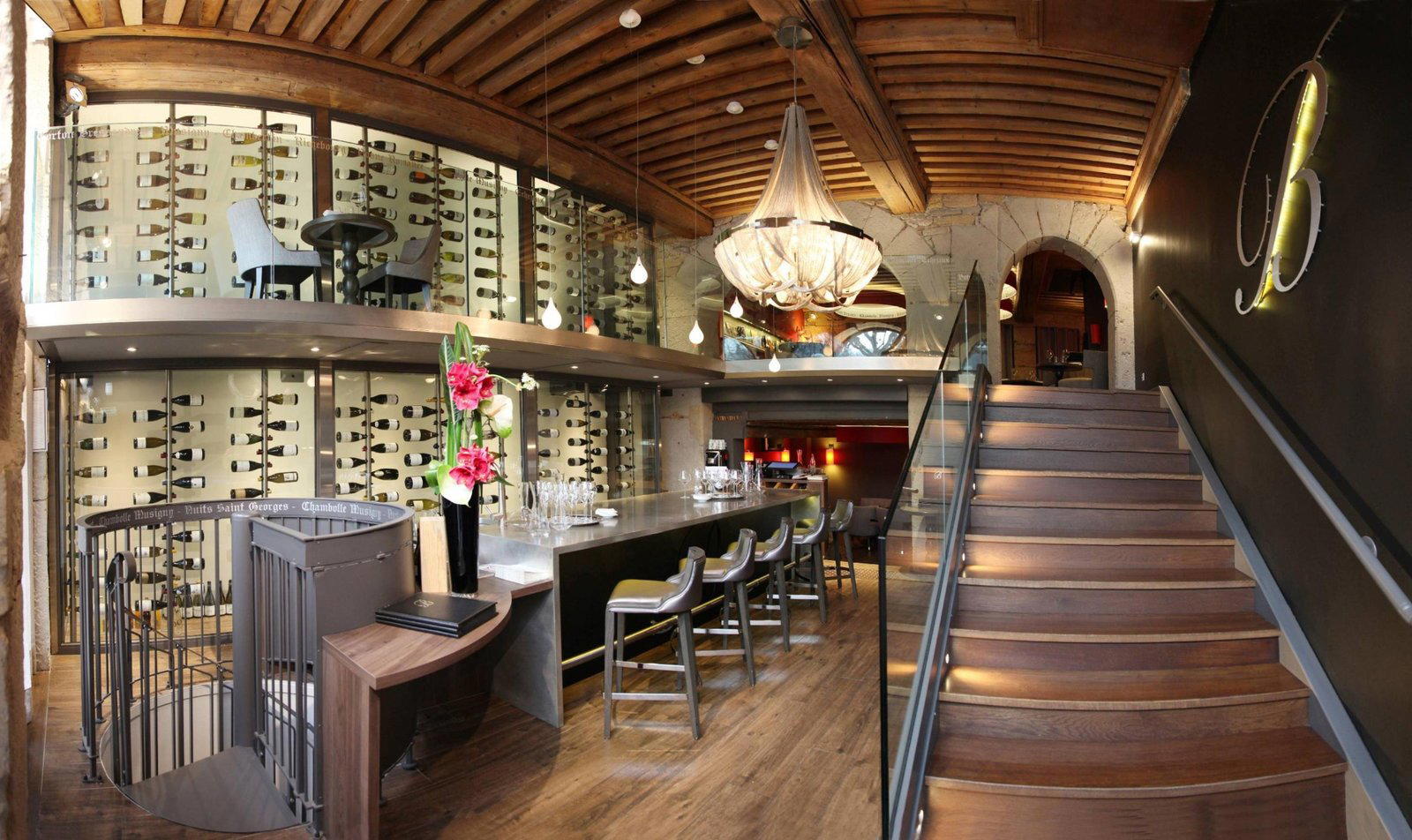
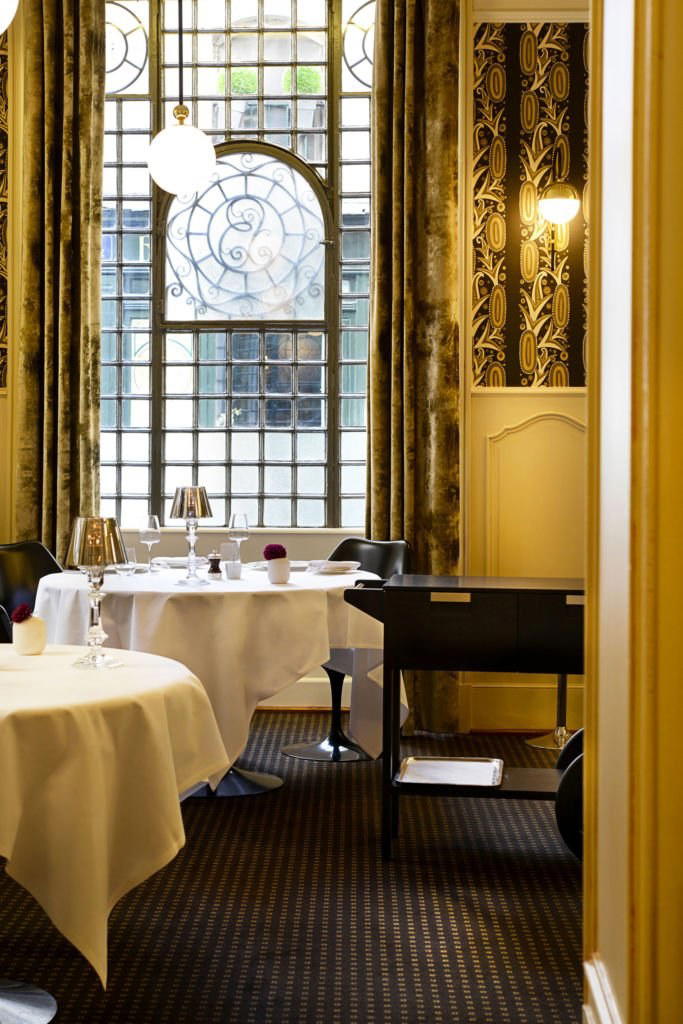
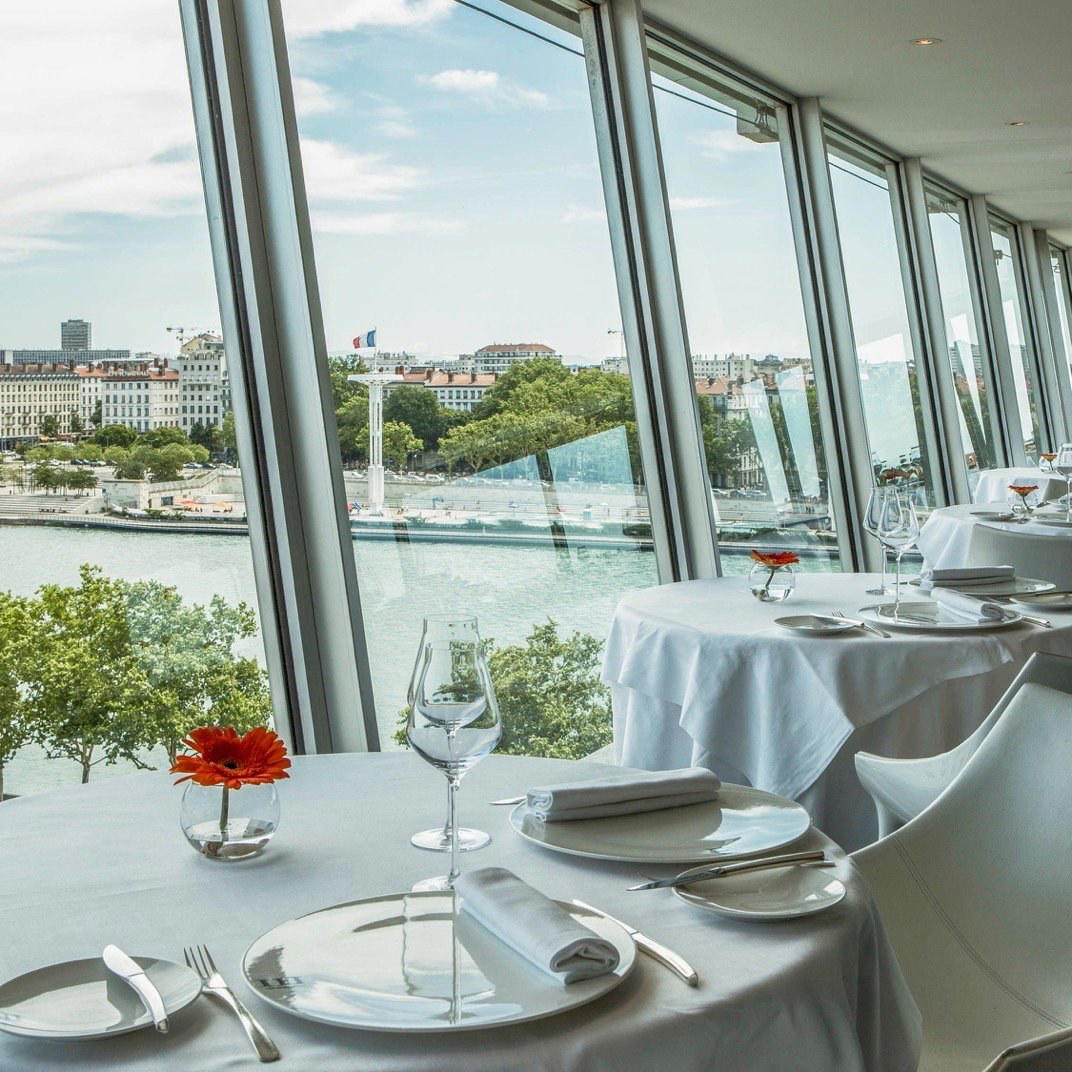
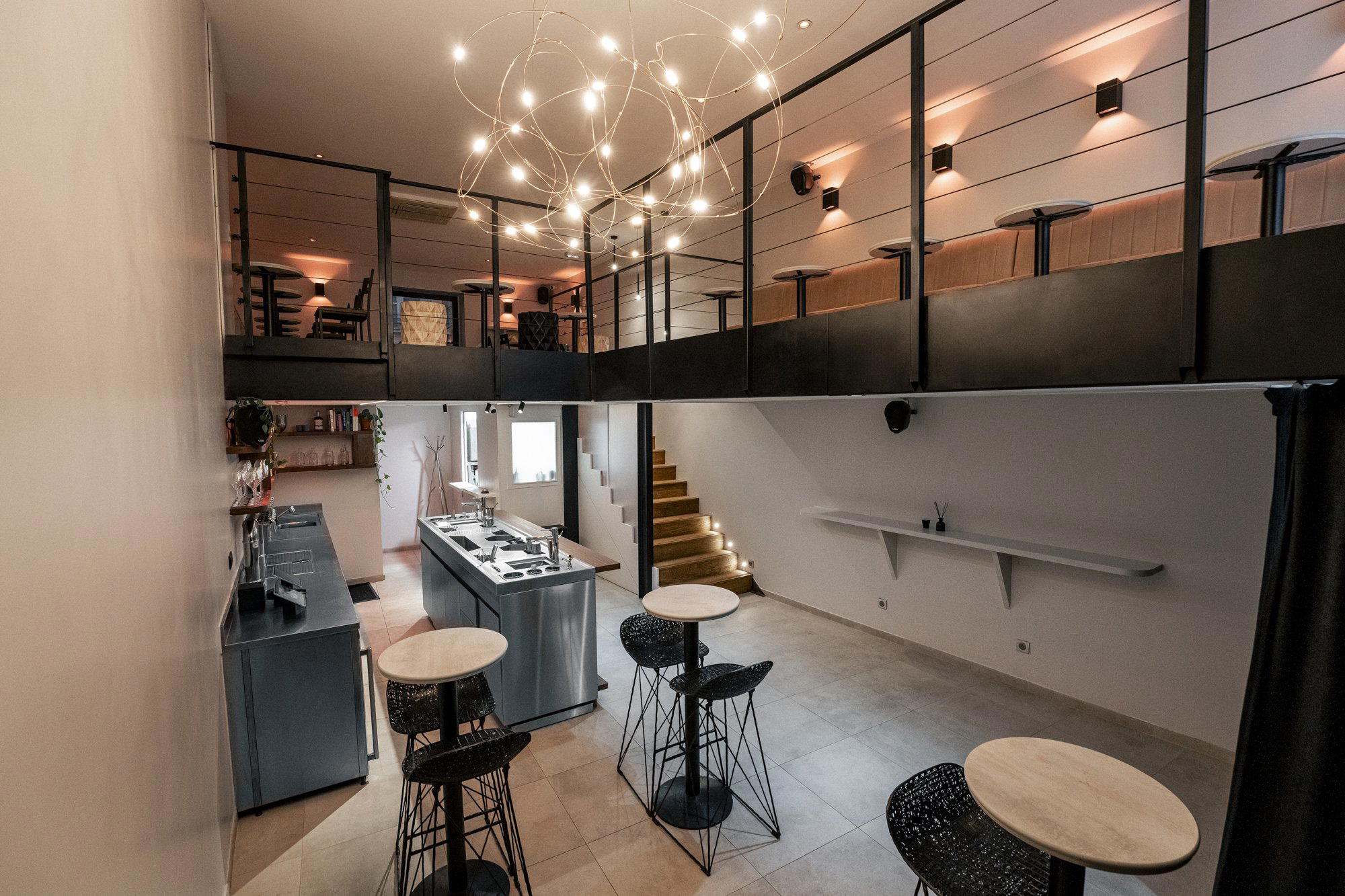
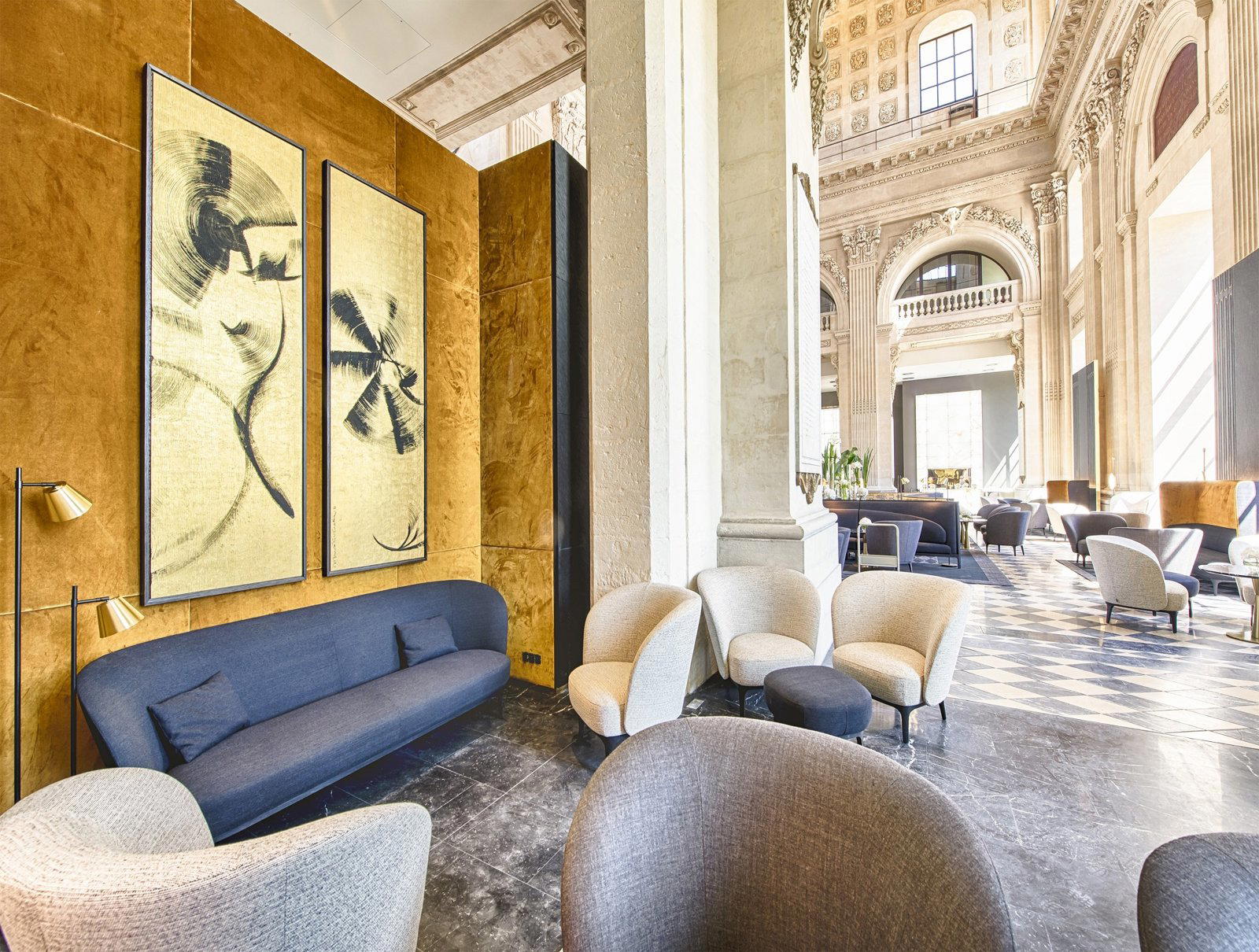
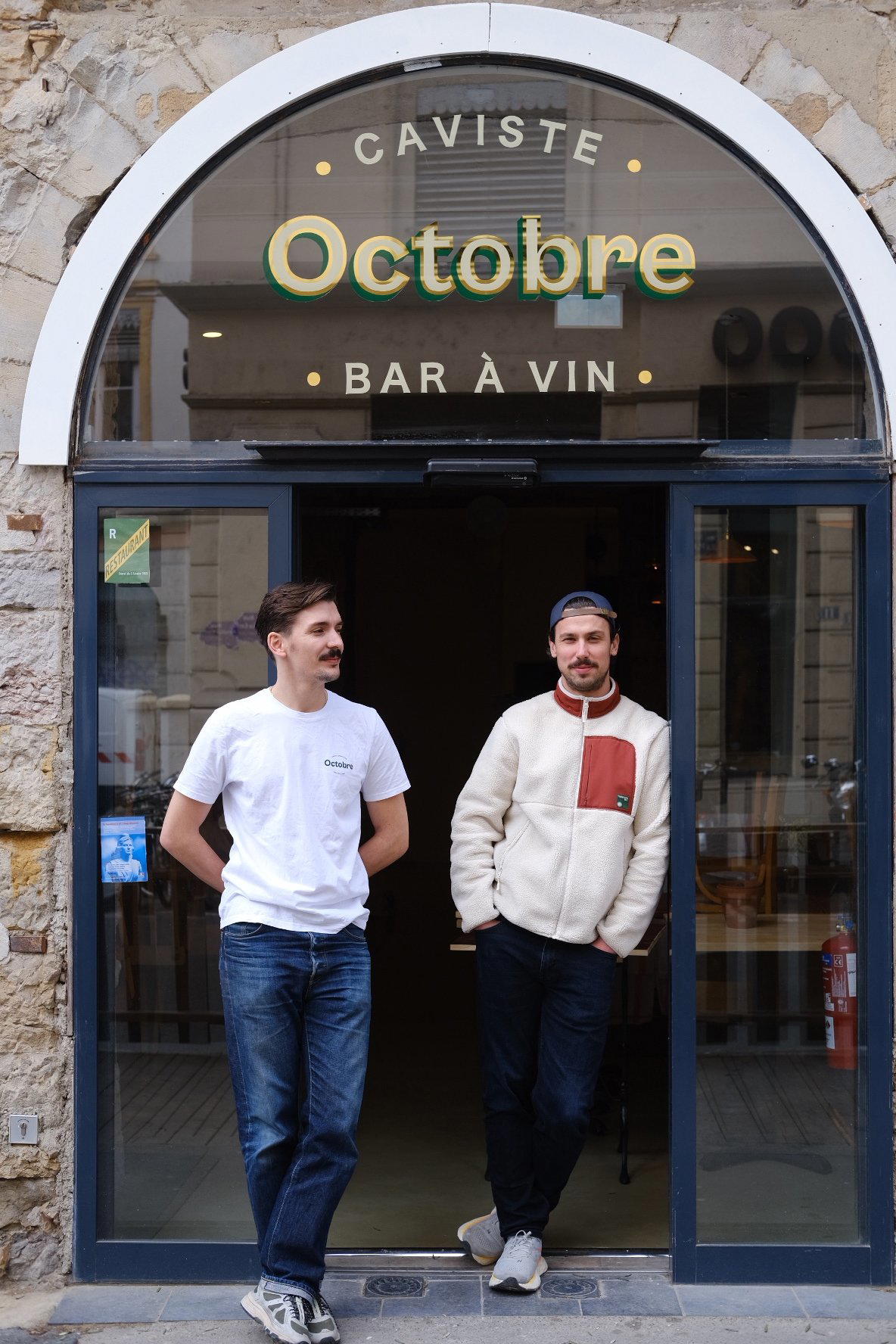
Elegant and minimalist with old-school bistro elements like forged steel tables, old chairs, parquet flooring, and globe lamps, creating a relaxed and convivial atmosphere.