Bistro Bella Vita

Bistro Bella Vita sits in Grand Rapids’ downtown dining circuit, where the stronger meals tend to connect casual service with a serious read on produce, pasta, wine, and Midwestern seasonality. Its value is not in spectacle but in fit: a bistro format that makes sense for business lunches, pre-show dinners, and longer evenings when the city’s restaurant choices feel split between pub energy and occasion dining.
Pearl is the En Primeur Club membership app — saves, bookings, and concierge access live there. Same editors, same standards.
- Address
- 44 Cesar E. Chavez Ave SW, Grand Rapids, MI 49503
- Phone
- +1 616 222 4600
- Website
- bistrobellavita.com
- Directions
- Get directions
 Saves & bookings on Pearl
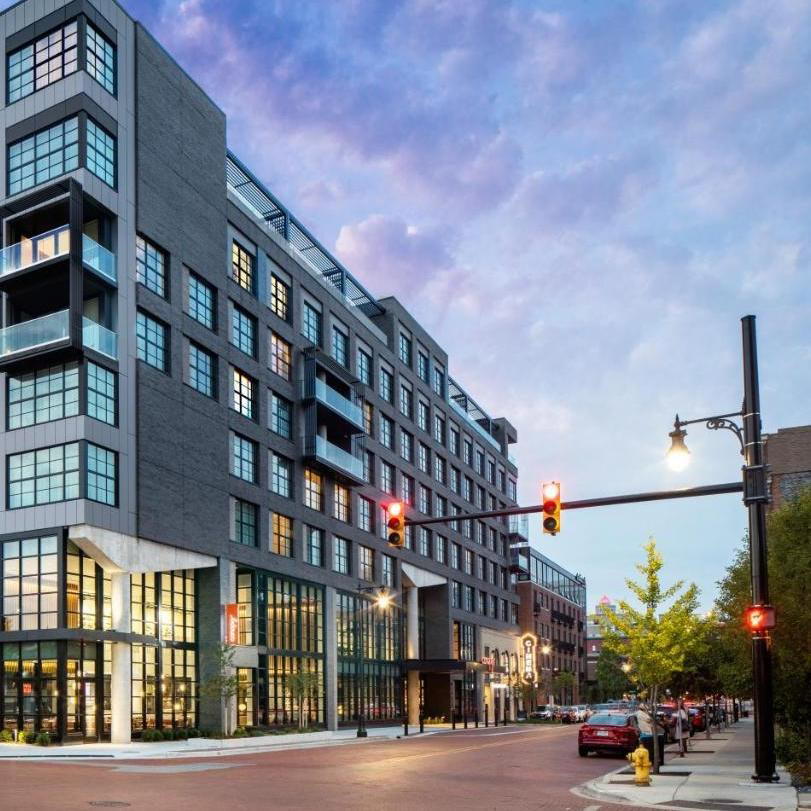
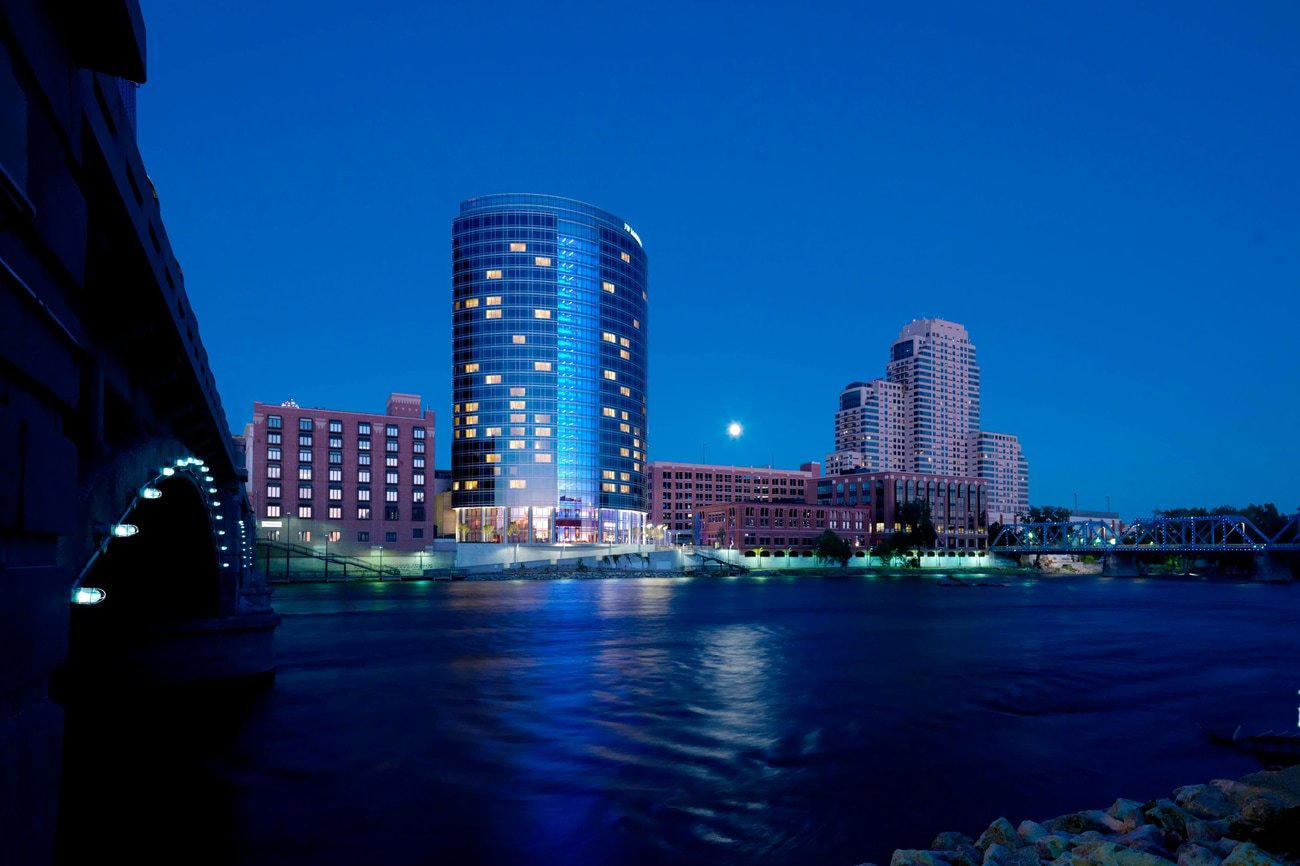
Approaching a downtown bistro in Grand Rapids, the city’s dining character comes into focus before the menu does: offices emptying into dinner, arena traffic shifting the tempo, and a compact core where restaurants have to serve regulars as well as visitors. Bistro Bella Vita belongs to that middle lane, the kind of room that has to work at lunch, early dinner, and late-weekend pace without turning into either a tavern or a special-occasion museum.
That position matters in Grand Rapids. The city’s restaurant scene is not built around a single cuisine or one dominant chef circuit. It is a practical, mixed market shaped by breweries, neighborhood dining rooms, hotel-adjacent restaurants, and independent kitchens that have to read local demand closely. In that context, a bistro format earns attention when it treats sourcing and structure as more than menu language: vegetables need to feel seasonal, proteins need to justify their place, and the kitchen has to bridge comfort and polish without leaning on ceremony.
A downtown bistro format built for Michigan ingredients, not tasting-menu theatre
Ingredient sourcing is the right lens for reading this category in western Michigan. The region has access to farms, orchards, freshwater fish channels, dairy, and seasonal produce, yet downtown restaurants also face the reality of year-round demand. A serious bistro in Grand Rapids has to translate that supply into a menu broad enough for mixed tables and disciplined enough to avoid becoming a catch-all.
Bistro Bella Vita’s appeal sits in that editorial space. The name signals European bistro grammar rather than a narrow regional claim, but the stronger version of this format is local in practice: flexible plates, a wine-friendly structure, and enough range for diners who are not all ordering the same way. That is different from the city’s beer-led dining rooms, where beverage identity often drives the meal, and different again from restaurants that trade mainly on a single specialty.
The useful comparison is with how Grand Rapids diners choose among moods. Bobarino's sits closer to the entertainment-district rhythm, while San Chez Bistro has long occupied a different lane of shared-plate dining in the city. HopCat and Z's Bar & Restaurant read more directly through bar culture. Against that set, Bistro Bella Vita is for the meal where wine, pacing, and a broader kitchen language matter more than volume or novelty.
gives the broader context. Nearby and neighborhood-adjacent entries such as 1001 Lake Dr SE, 1345 Lake Dr SE, Blue Water, Bombay Cuisine, and Bobarino's show how quickly the city shifts from water-facing dining to Indian cooking, casual entertainment-zone restaurants, and residential-neighborhood formats.
Where the room fits in the Grand Rapids evening
The strongest reason to seek out this kind of bistro is timing. Grand Rapids has enough visitors moving between hotels, museums, offices, and performance venues that dinner often needs to be adaptable. A rigid special-occasion room can feel overwrought before a show; a bar can feel underpowered for a proper meal. The bistro lane solves that problem when it offers a real table, adult pacing, and food that can be ordered lightly or as a full dinner.
That flexibility also makes it useful for groups. Downtown dining decisions often fail when one person wants pasta, another wants a drink-led evening, and another wants something less casual than a pub. A bistro menu, when handled with restraint, can absorb those competing needs. The reader should judge it less as a destination restaurant in isolation and more as a practical anchor within the city’s central dining grid.
Grand Rapids’ hospitality scene adds another layer. Visitors often plan meals around where they are staying, drinking, or spending the afternoon, rather than around a single restaurant reservation. For that broader itinerary, help frame the meal as part of a downtown day rather than a standalone stop.
How to read it against broader American casual dining
Across the United States, the more convincing casual restaurants have moved away from oversized menus and vague comfort-food signals. The better version is more edited: a kitchen knows its sourcing radius, the beverage list has a point of view, and the room can handle both regulars and travelers without changing personality. That is the standard by which a Grand Rapids bistro should be measured.
Other cities show the same pattern through different cuisines, though the comparisons here are broad rather than direct. Jōdo Saké Bar in Los Angeles reads through beverage and Japanese technique; Onigiri Time in Pasadena narrows the decision around a focused Japanese staple; ¿Por Qué No? in Portland works through the casual taqueria model; 'Ai Love Nalo in Waimanalo Beach brings plant-forward Hawaiian cooking into sharper relief; 'āina in San Francisco connects Hawaiian references with a Bay Area dining vocabulary; 'Ama 'Ama in Kapolei works within resort dining expectations; -Grilled beef Sukiyaki- KAMAKURA TANUKIAN 鎌倉 たぬき庵 in Kamakura narrows the field to a specific Japanese format; and ¡Salud! in Los Angeles shows how a city restaurant can define itself through a clear culinary lane.
The restaurant should be read through the same editorial discipline: not as a generic downtown fallback. Its case is stronger than that. In a city where dining often splits between beer culture, neighborhood comfort, and occasion-led rooms, this is the bistro answer: central, adaptable, and most persuasive when the kitchen lets ingredients, pacing, and table dynamics do the work.
- homemade pasta
- brick-oven pizza
- rotisserie-roasted meats
- black spaghetti
- saffron risotto
- paella
At-a-Glance Comparison
Comparable venues nearby, for context on price, style, and recognition.
| Venue | Cuisine | Price | Notes |
|---|---|---|---|
| Bistro Bella VitaThis venue — the venue you are viewing | Modern French & Italian | $$$ | Not listed |
| Reserve | Modern Italian with Coastal Influences | $$$ | Center City |
| Fred's Italian Restaurant | Classic Italian Pizza & Pasta | $$ | Northeast Grand Rapids |
| Leo's | Seafood and Steakhouse | $$$ | downtown |
| Grand Central Market and Deli | Classic American Deli | $$ | Downtown |
| Slows Bar BQ Grand Rapids | Gourmet Barbecue | $$ | Downtown Grand Rapids |
Recognition history
Dated appearances from independent guides and award organizations, with the underlying list record or original source where available.
Wine Spectator Award of Excellence
Wine Spectator
Continue exploring
More in Grand Rapids
Restaurants in Grand Rapids
Browse all →
Bars in Grand Rapids
Browse all →



At a Glance
- Elegant
- Modern
- Sophisticated
- Industrial
- Date Night
- Business Dinner
- Group Dining
- Celebration
- Special Occasion
- Private Dining
- Open Kitchen
- Standalone
- Extensive Wine List
- Craft Cocktails
- Sommelier Led
- Beer Program
- Farm To Table
- Sustainable Seafood
- Local Sourcing
- Street Scene
Current opening hours
- Monday
- 11 AM–9 PM
- Tuesday
- 11 AM–9 PM
- Wednesday
- 11 AM–9 PM
- Thursday
- 11 AM–9 PM
- Friday
- 11 AM–10 PM
- Saturday
- 4–10 PM
- Sunday
- 4–9 PM
Hours can change for holidays and private events. Last verified .
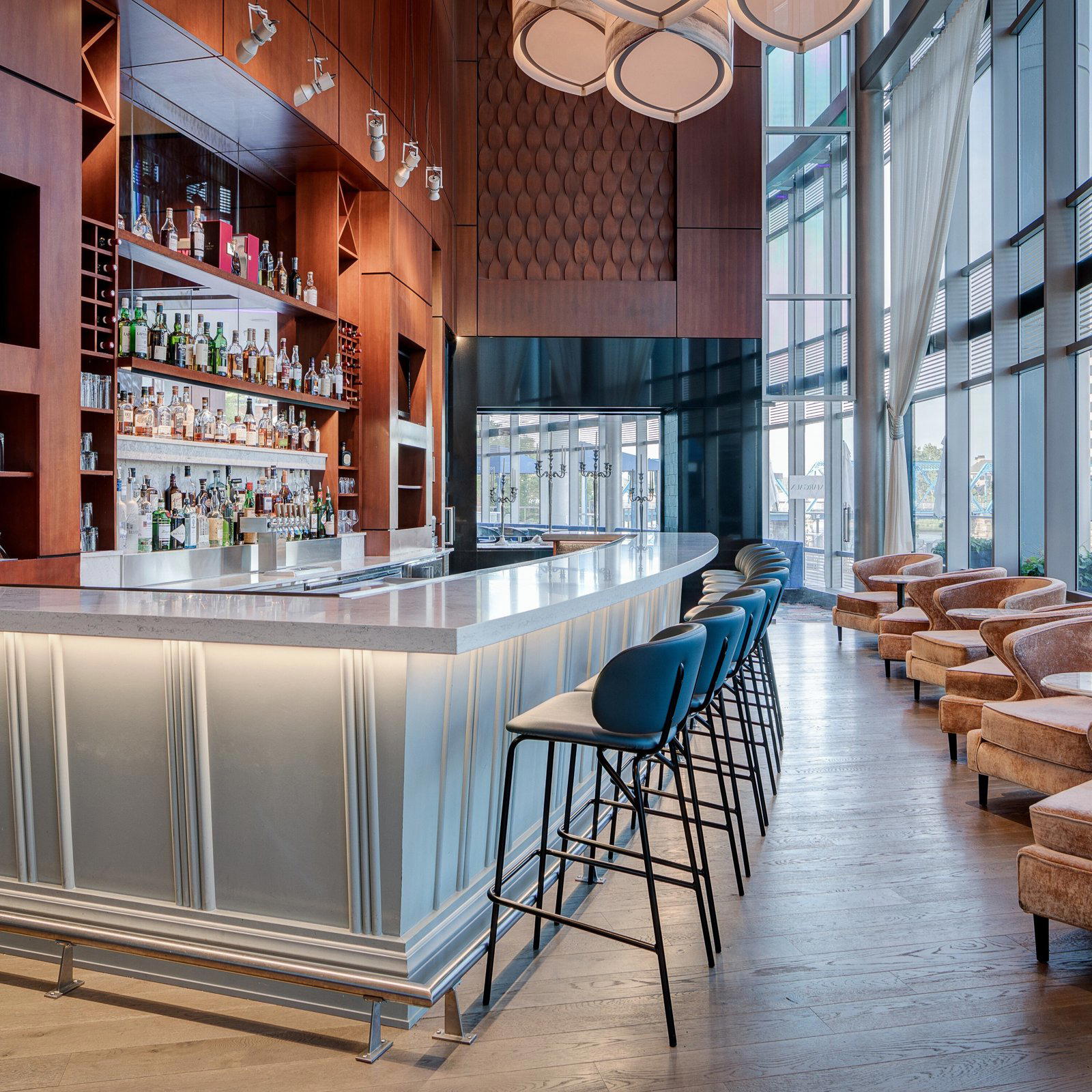
Bright and airy industrial space with floor-to-ceiling windows, tables set far apart, big-city casual atmosphere with sophisticated touches.