Bistro 313
Bistro 313 sits on East Edgewood Drive in Friendswood, Texas, operating in a suburban dining corridor where locally minded kitchens are carving out a distinct identity against the Houston metro's broader restaurant pull. The address places it in a neighborhood where casual regulars and curious newcomers share the same tables, making it a useful marker for anyone tracing Friendswood's evolving food scene.
 Discover on Pearl
Pearl is the En Primeur Club membership app — saves, bookings, and concierge access live there. Same editors, same standards.
- Address
- 313 E Edgewood Dr, Friendswood, TX 77546
- Phone
- +12818197772
- Website
- bistro313.com
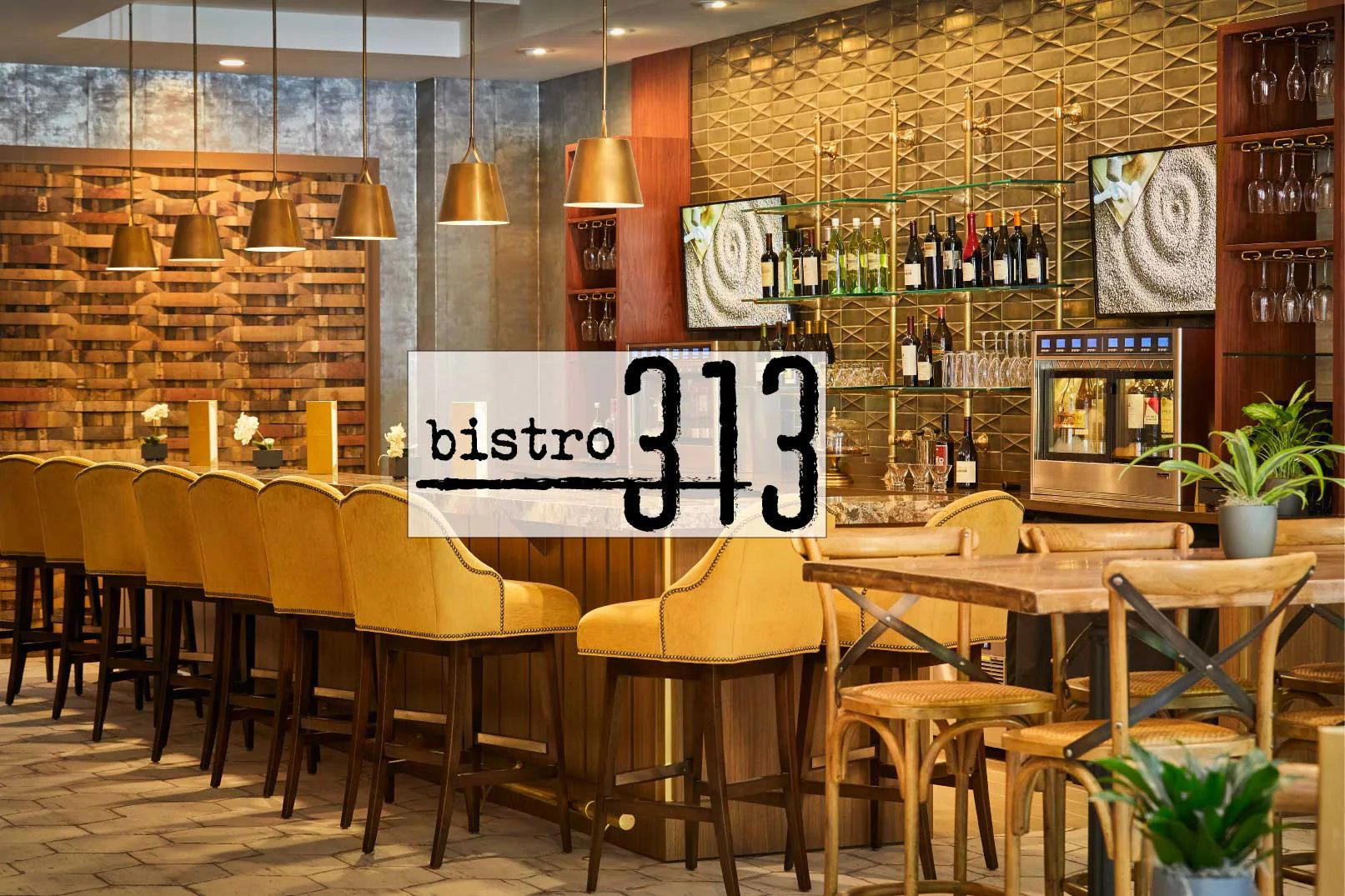
Friendswood's Dining Identity and Where Bistro 313 Fits
Bistro 313 is an Italian Piattini Bistro at 313 E Edgewood Dr in Friendswood, TX, with a $25-per-person price point and a 4.5 Google rating. Communities like Friendswood, Clear Lake, and Pearland have moved past the chain-dominant strip-mall model and begun producing independent restaurants with enough personality to hold local loyalty. Bistro 313, positioned on East Edgewood Drive at the edge of Friendswood's modest commercial stretch, is part of that pattern. It occupies a tier where the competition is not Michelin-starred rooms in Midtown Houston but other neighborhood-rooted independents trying to earn repeat business from a community that can just as easily drive twenty minutes north for something more familiar.
That context matters because it shapes what Bistro 313 is trying to do. In markets like this, restaurants either lean into comfort or make a quieter argument for quality and sourcing. The address at 313 E Edgewood Dr places it squarely in a residential dining catchment, the kind of block where a well-run bistro can become a weekly fixture for nearby households rather than a destination pulled from a wider city guide.
The Sourcing Argument in Suburban Texas Kitchens
Ingredient sourcing has become one of the clearest dividing lines in American restaurant culture, and that division is as visible in suburban Texas as it is in the urban farm-to-table corridors that get more editorial attention. The Gulf Coast food supply is genuinely strong: shrimpers working Galveston Bay, small produce operations running through the Hill Country, and a cattle tradition that gives Texas kitchens access to beef with real regional character. Restaurants that draw on those supply chains, even partially, produce menus with a different internal logic than those that default to broadline distributors.
This framing is how operations like Single Thread Farm in Healdsburg and Blue Hill at Stone Barns in Tarrytown built their reputations at the high end: by making ingredient provenance central to the menu. Those are $$$$ rooms with farm ownership and Michelin recognition behind them. But the underlying principle, that knowing where food comes from changes what a kitchen can do with it, scales down the price range. A bistro in Friendswood that takes Gulf sourcing seriously operates in the same philosophical space, even if the price point and production scale are entirely different.
Kitchens in this part of Harris and Galveston counties have access to seasonal Gulf seafood that most inland American cities cannot replicate. A restaurant on Edgewood Drive working with local shrimpers or sourcing from Texas farmers markets sits in a distinct competitive position relative to peers pulling from the same national broadline suppliers. That is an argument worth making, and it is one that neighborhood independents across the greater Houston corridor have been making with increasing confidence.
The Scene on East Edgewood Drive
Approaching Bistro 313 from the street, the immediate context is residential Friendswood rather than a dining district with its own energy. That is not a liability for a neighborhood bistro; it is part of the operating logic. Rooms like this function as community anchors, places where the physical environment is familiar enough to encourage frequency rather than built to generate first-impression drama. The bistro format, whether French-inflected or loosely American, has always worked leading when it becomes habitual, when regulars know what they are getting and come back because the consistency earns their trust week after week.
Comparable neighborhood independents in the Friendswood corridor include The Rouxpour, which holds a more bar-forward identity, and Whiskey Cake at Baybrook, which leans into a craft-ingredient, casual-gastropub position. Bistro 313's name signals something slightly more classically European in register, a bistro rather than a bar or a gastropub, which implies table-service structure and a menu organized around courses rather than sharing plates. Within that small competitive set, the positioning is readable even without detailed menu data.
How Friendswood Compares to the Broader American Dining Conversation
It is useful to hold the Friendswood independent scene against what is happening at the upper end of American restaurant culture, not to suggest equivalence but to trace the same sourcing and quality arguments as they filter through different price points. Le Bernardin in New York City has built a four-star French seafood identity around supply relationships that most restaurants cannot replicate. Smyth in Chicago runs its own farm operation to control ingredient quality from the ground up. Lazy Bear in San Francisco built a communal-table format around hyper-local California sourcing. Addison in San Diego, Providence in Los Angeles, and ITAMAE in Miami each represent regional American kitchens that made sourcing central to their identity and built critical recognition on the back of it.
Further afield, The French Laundry in Napa, The Inn at Little Washington, Emeril's in New Orleans, Frasca Food and Wine in Boulder, The Wolf's Tailor in Denver, and Atomix in New York City represent the national tier where ingredient philosophy and tasting-menu structure converge with sustained critical attention. Atelier Moessmer Norbert Niederkofler in Brunico pushes the sourcing argument to its Alpine extreme, building menus exclusively from mountain-region producers. None of these rooms are comparable in format or price to a neighborhood bistro in Friendswood, but they represent the clearest evidence that sourcing-led kitchens at every scale earn more durable reputations than those that treat ingredient procurement as an afterthought.
Planning Your Visit
Bistro 313 is located at 313 E Edgewood Drive in Friendswood, Texas 77546, in the southern Houston metro, roughly accessible from I-45 or Highway 518 depending on your approach. Hours run Mon to Thu 11 AM to 7 PM, Fri and Sat 11 AM to 8 PM, and Sun 10 AM to 3 PM; reservations are recommended. Friendswood sits far enough from central Houston that the drive warrants confirming the kitchen is running before you make the trip. Walk-ins may be possible, but reservations are recommended.
Side-by-Side Snapshot
Comparable venues nearby, for context on price, style, and recognition.
| Venue | Cuisine | Price | Awards | Notes |
|---|---|---|---|---|
| Bistro 313This venue — the venue you are viewing | Italian Piattini Bistro | $$ | , | |
| The Rouxpour | New Orleans-Inspired Cajun/Creole & Seafood | $$ | , | Baybrook |
| Whiskey Cake - Baybrook | Farm-to-Kitchen American Gastropub | $$ | , | Baybrook Mall |
| Birraporetti's | Classic Italian with Pizza and American Influences | $$ | , | Downtown |
| Vinoteca Poscol | Italian Wine Bar | $$ | , | Montrose |
| Magdalena's Trattoria Pizzeria | Authentic Italian Trattoria & Neapolitan Pizzeria | $$ | , | Upper Kirby |
Continue exploring
More in Friendswood
Restaurants in Friendswood
Browse all →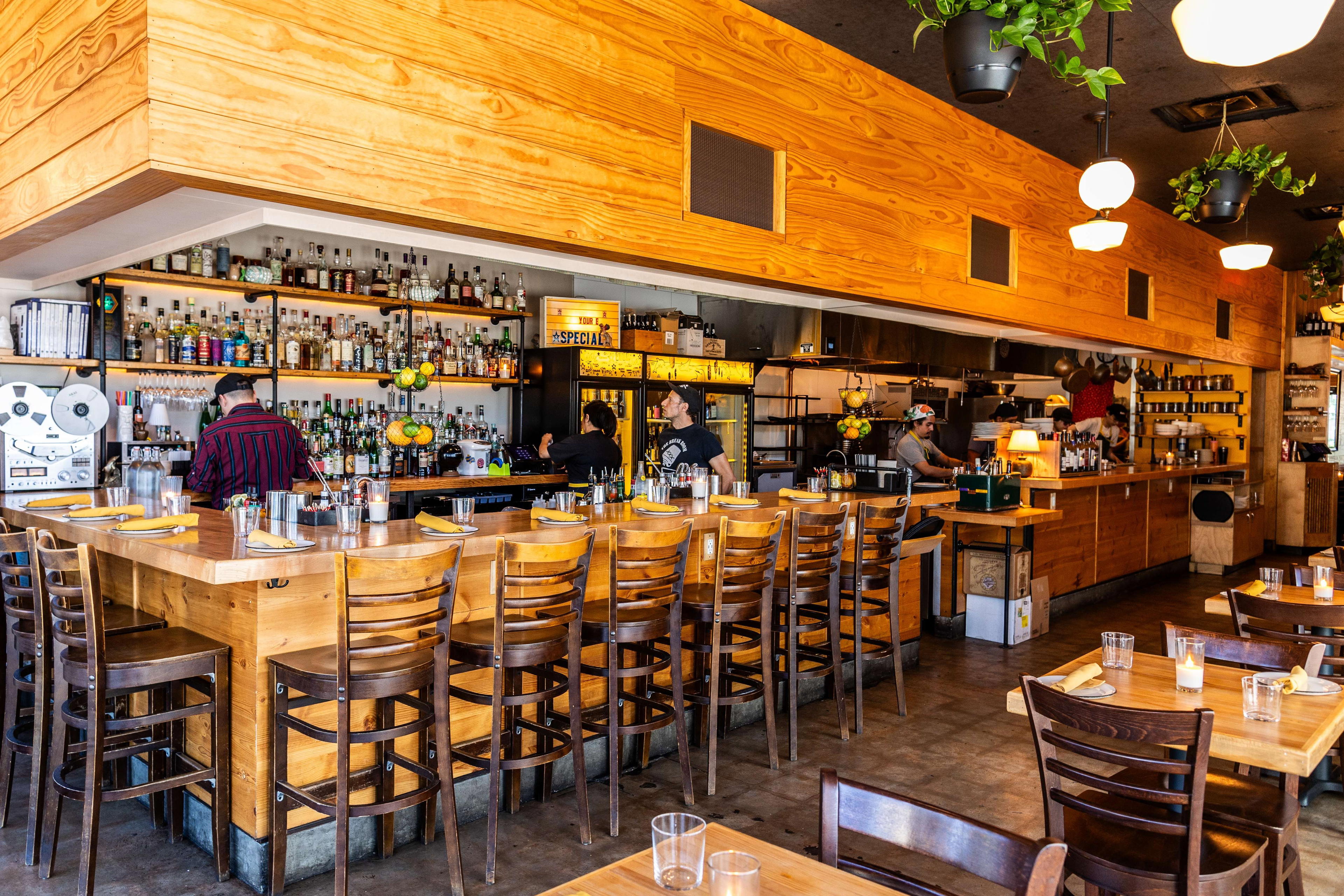
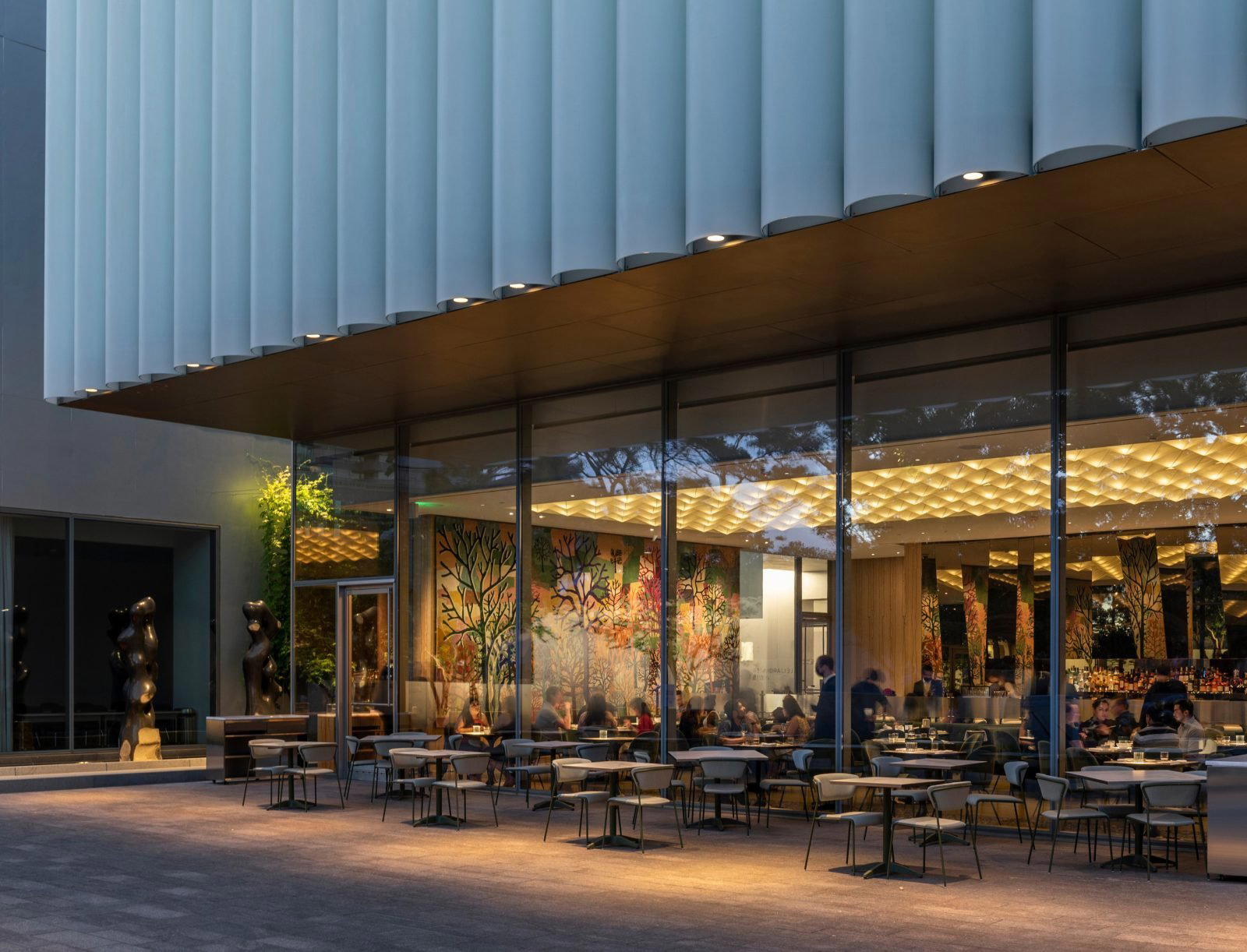
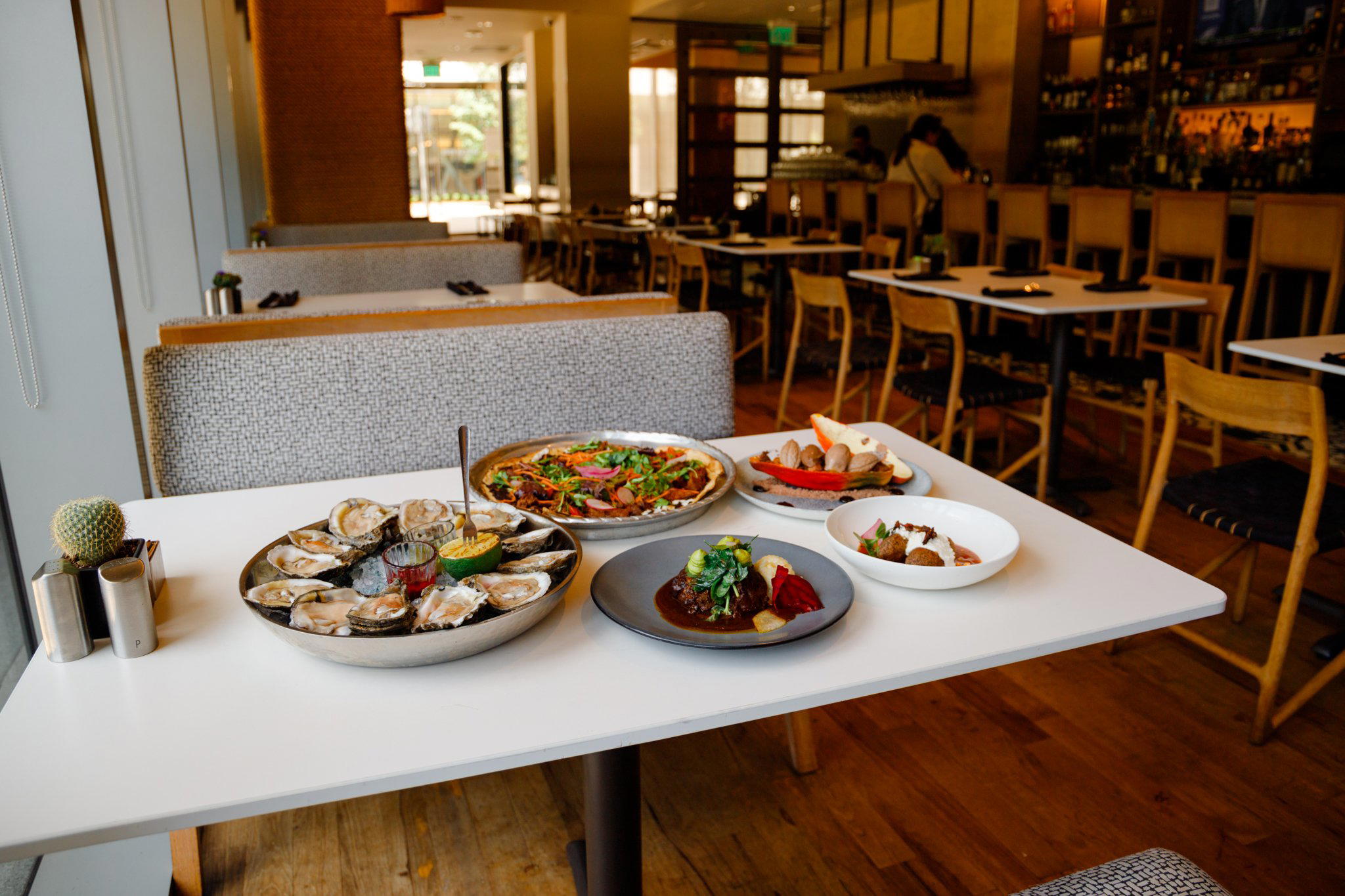
Bars in Friendswood
Browse all →
Hotels in Friendswood
Browse all →

At a Glance
- Cozy
- Serene
- Intimate
- Brunch
- Casual Hangout
- Special Occasion
- Open Kitchen
- Craft Cocktails
- Local Sourcing
Serene and cozy atmosphere enhanced by its spa location, with a focus on relaxation and casual sophistication.