Bissap Baobab
Our verdict
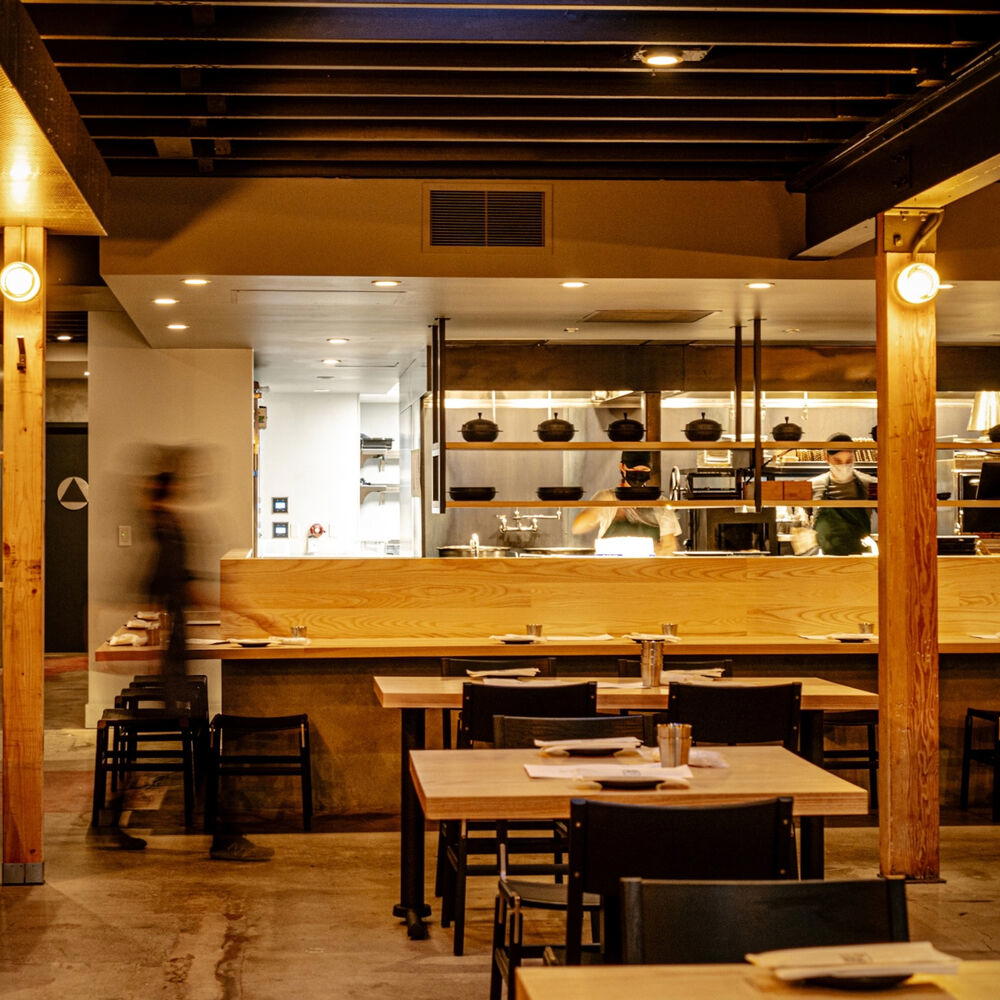
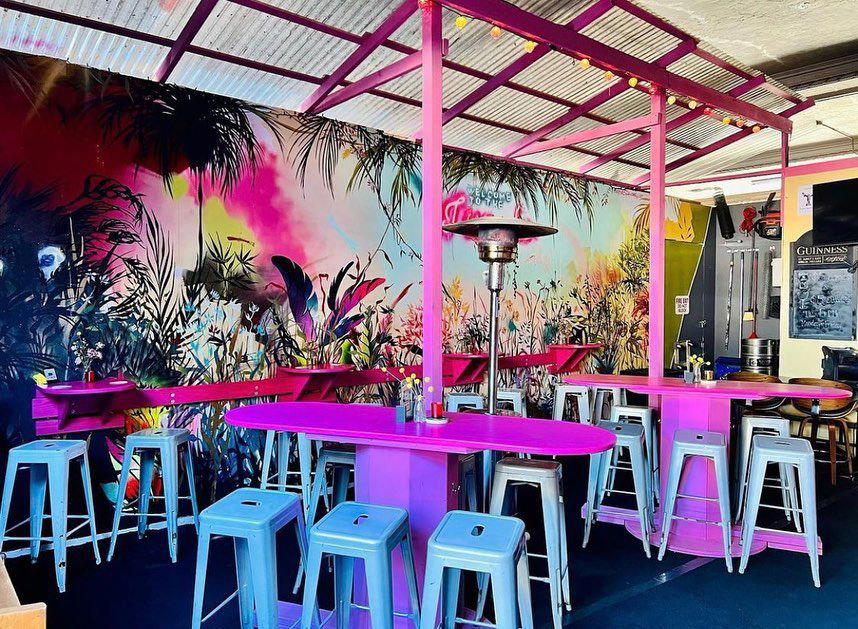
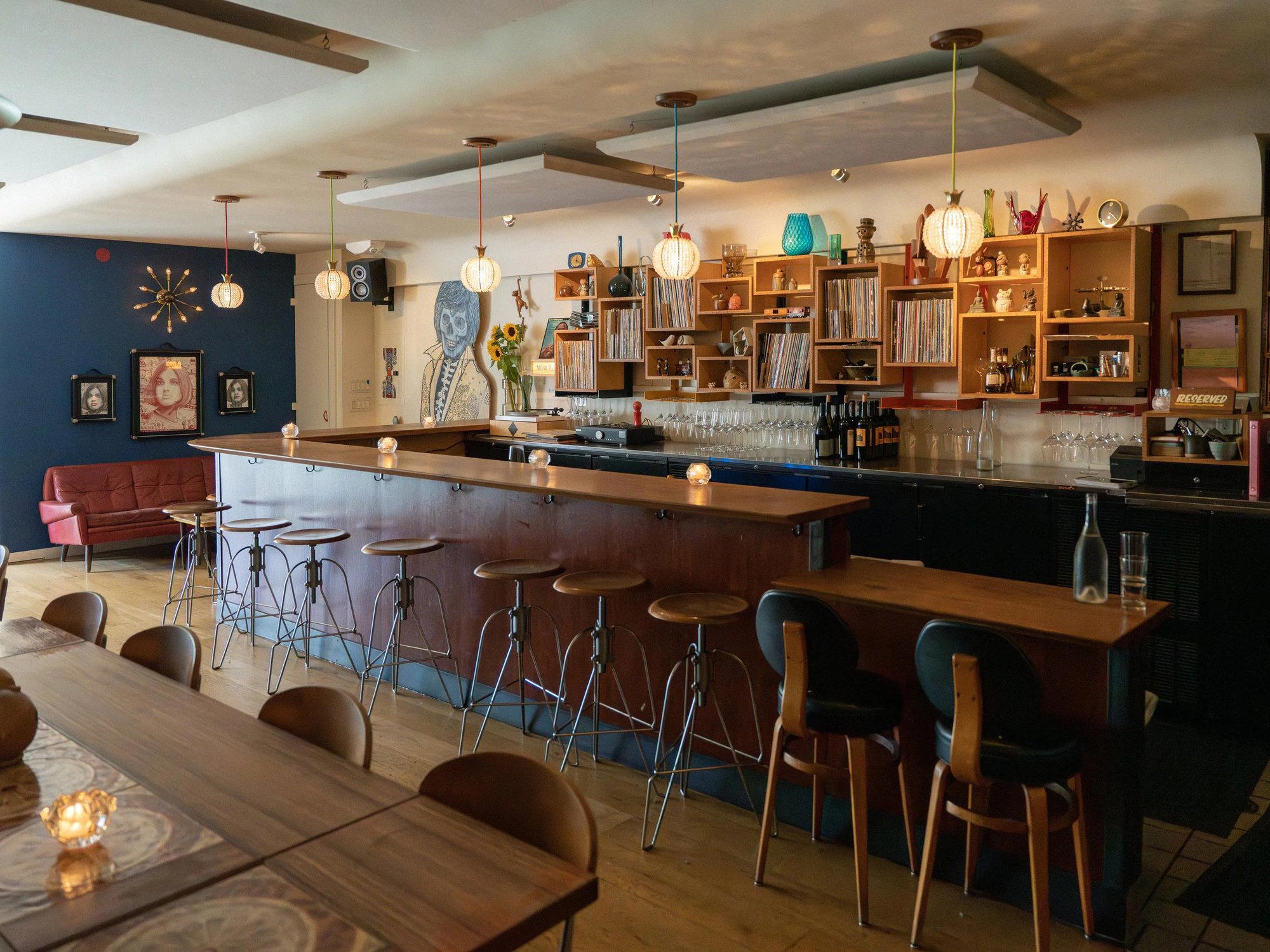
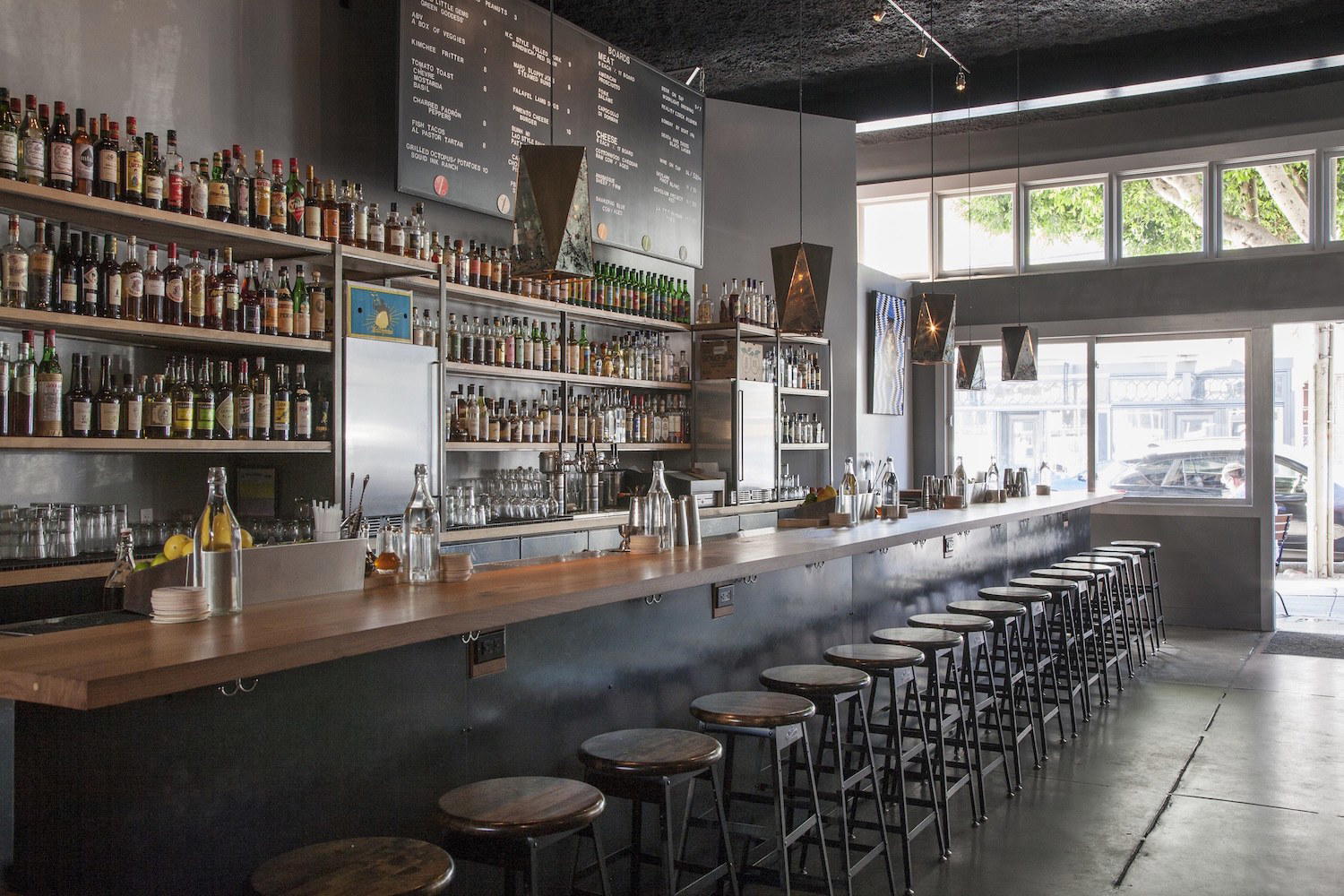
Bissap Baobab at 2243 Mission Street plants West African and Senegalese flavors firmly inside San Francisco's Mission District, a neighborhood better known for taquerias than for thiéboudienne. The room draws from both sides of the Atlantic, pairing a bar program built around hibiscus and tamarind with a kitchen that treats the diaspora table as a living tradition rather than an ethnographic exhibit.

Pearl is the En Primeur Club membership app, where members save venues, book tables and use the concierge.
Mission Street, After Dark
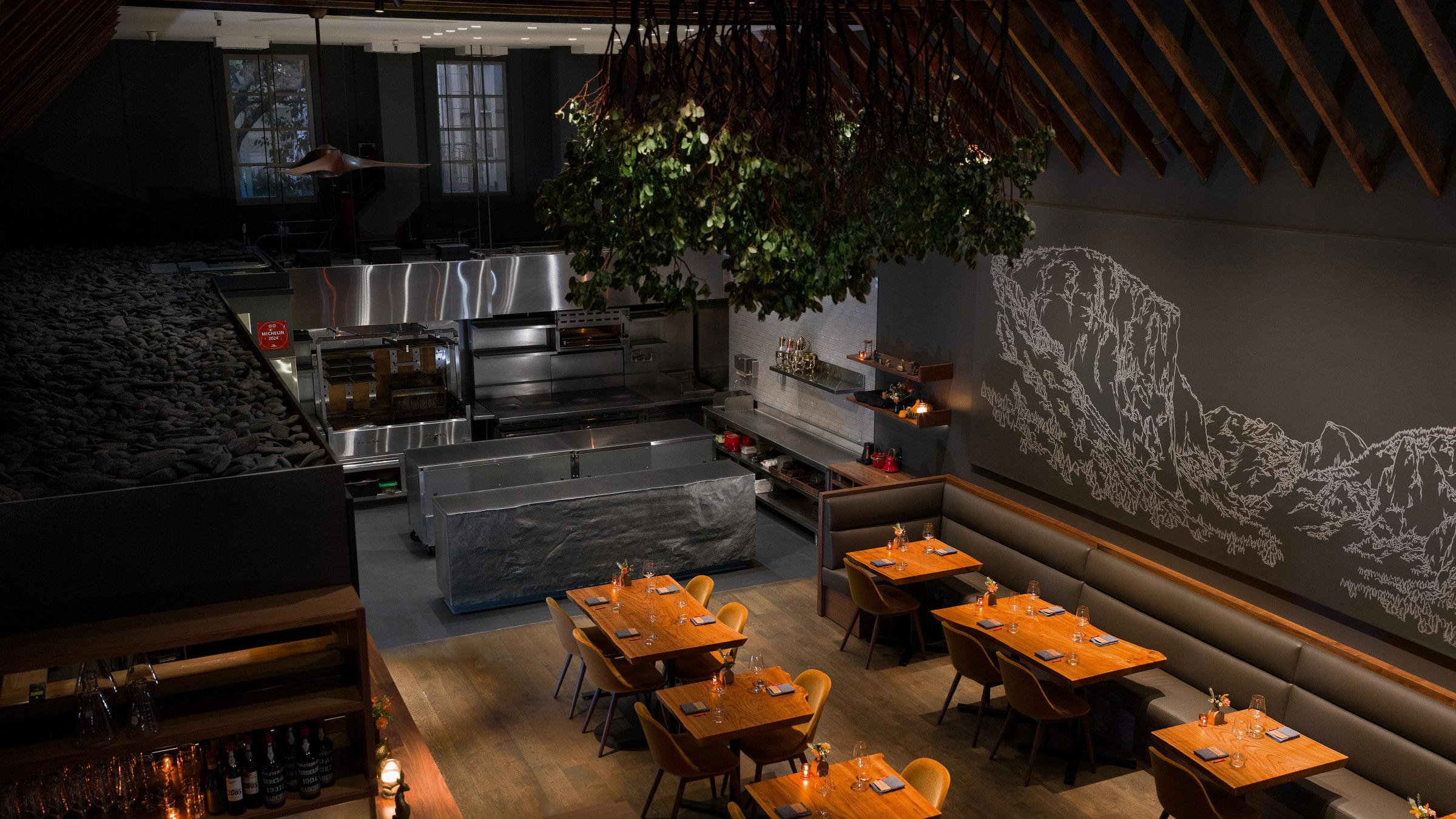
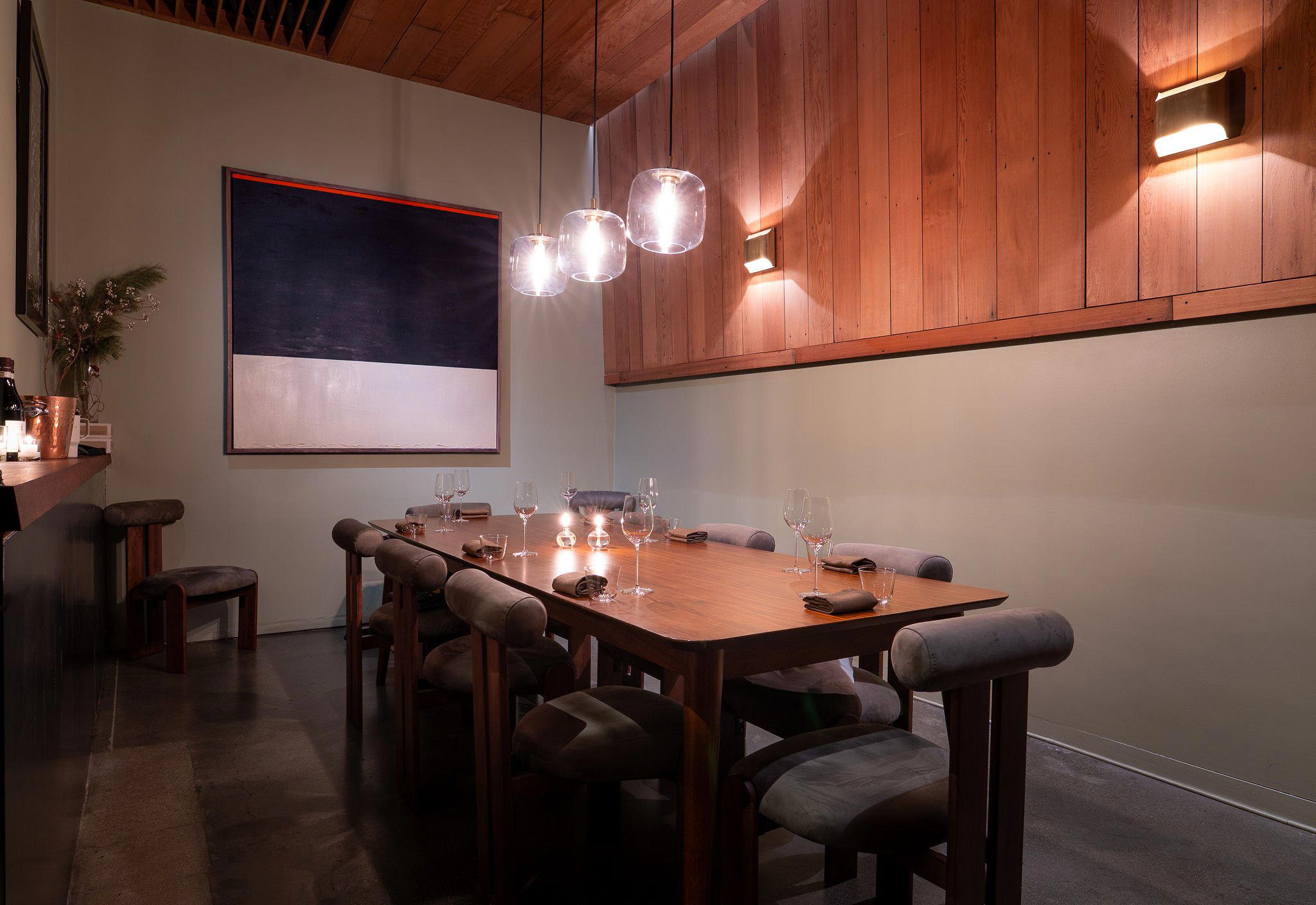
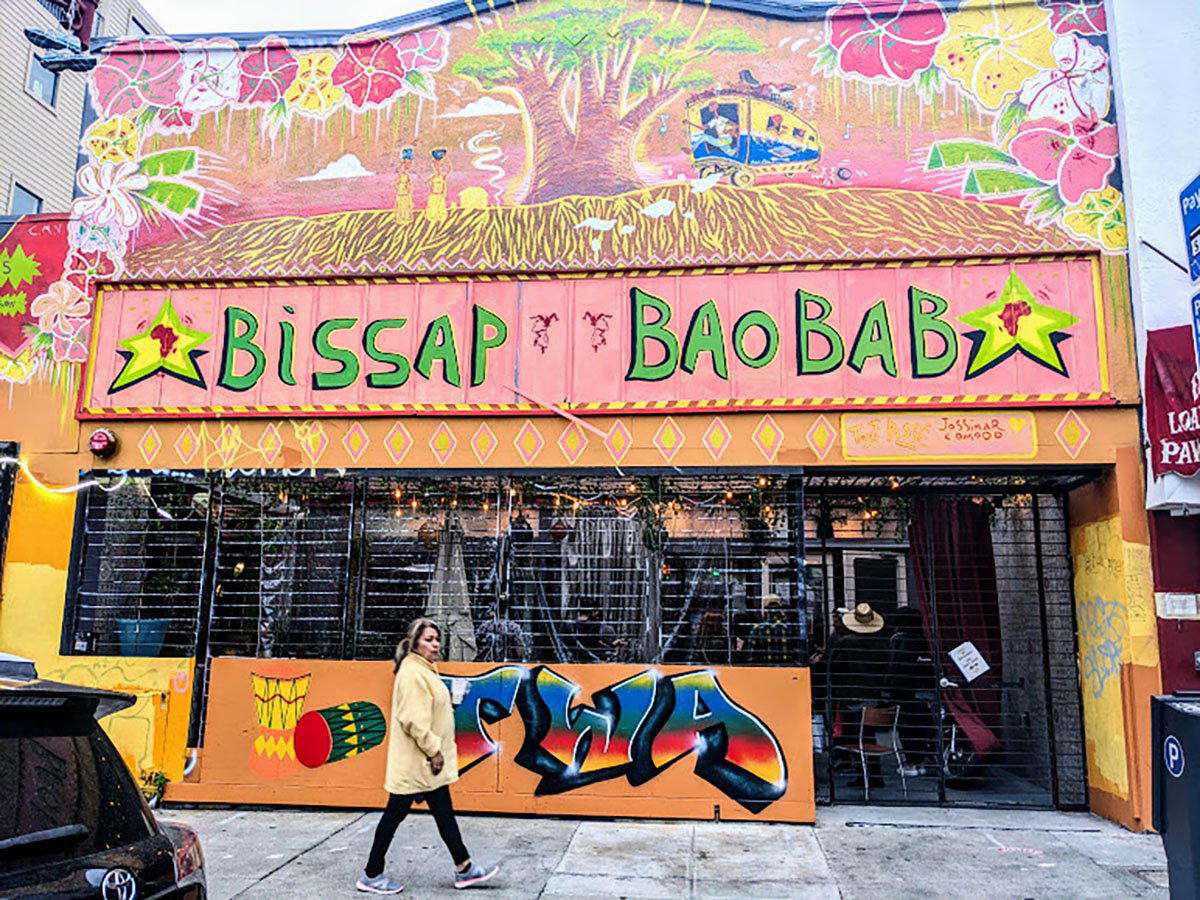
The Mission District runs on a particular kind of restless energy after sundown: cumbia spilling from one door, the smell of wood-fired tortillas from another, and somewhere between them, a room lit in warm amber where the music tilts unmistakably toward Dakar. Bissap Baobab at 2243 Mission Street occupies that gap in the neighborhood's sensory register. West African cuisine is still genuinely rare in San Francisco's dining landscape, the city's African restaurant count is a fraction of what comparable cities like Washington D.C. or Atlanta sustain, which means this address functions less as one option among many and more as a primary reference point for the tradition in Northern California.
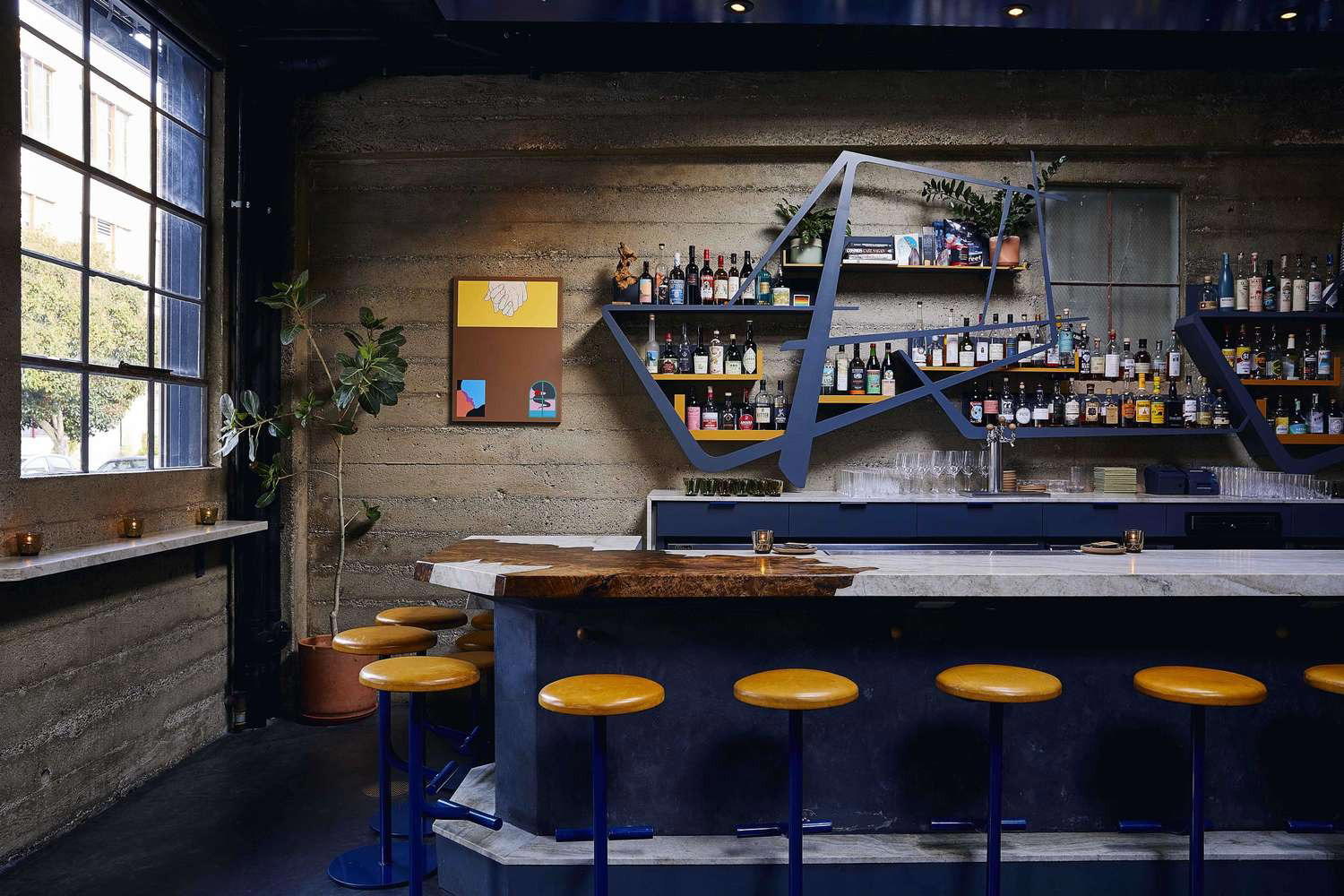
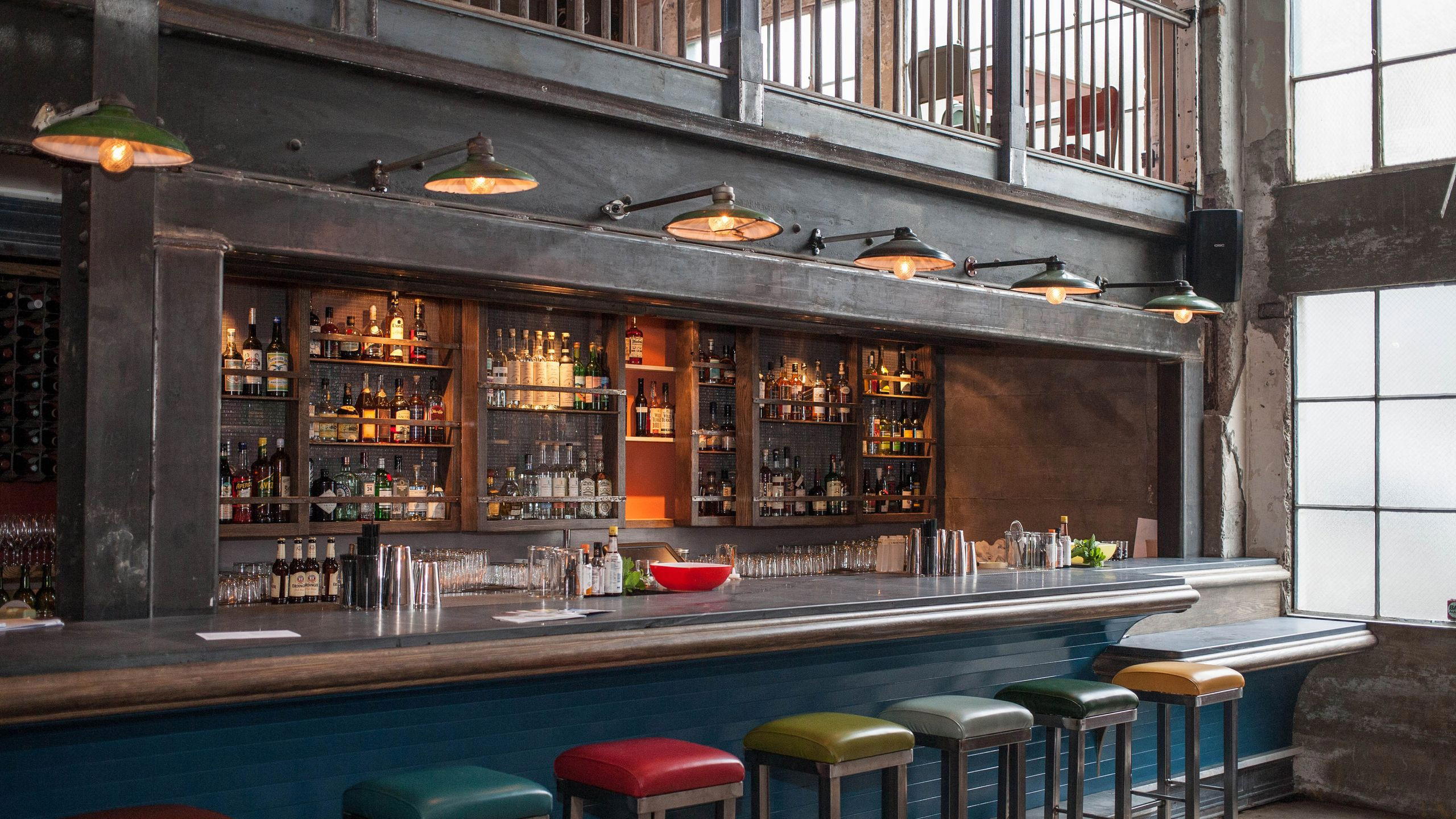
The physical approach matters here. Mission Street in this stretch is dense and low-to-the-ground, corner stores and murals stacked against each other, the sidewalk active at most hours. The venue fits that texture rather than working against it. This is not the register of the Michelin-flagged dining rooms further north, the four-figure tasting menus at Benu, the progressive American precision of Lazy Bear, or the French conceptualism of Atelier Crenn. Bissap Baobab operates in a different mode entirely, one where the bar anchors the room as much as the kitchen does and where the music is part of the editorial proposition, not background filler.
The Booking Reality
For a venue in this category and neighborhood, the booking question operates differently than it does for the tasting-menu tier. San Francisco's high-end omakase counters and prix-fixe rooms, places like Quince or Saison, require multi-week advance planning and dedicated reservation platforms. Bissap Baobab sits outside that framework. What the neighborhood pattern suggests is that weekend evenings in the Mission fill quickly across the board, and any venue that doubles as a bar and cultural gathering point can shift from accessible to crowded without much notice, particularly when live music or events are scheduled.
The practical advice applies broadly to this part of Mission Street: arrive early on weekend evenings if you want to choose your seat rather than accept what's left. The area is well-served by BART (the 24th Street Mission station is the natural entry point), and street parking in this corridor is a test of patience most evenings. Public transit is the more reliable approach.
How Bissap Baobab Compares on Key Planning Variables
| Venue | Format | Price Tier | Booking Lead Time | Walk-ins |
|---|---|---|---|---|
| Bissap Baobab | Bar + Restaurant | Not confirmed | Verify directly | Likely, verify timing |
| Lazy Bear | Prix-fixe, Contemporary | $$$$ | Weeks in advance | No |
| Atelier Crenn | Modern French, Tasting | $$$$ | Weeks in advance | No |
| Quince | Italian, Contemporary | $$$$ | Weeks in advance | No |
| Saison | Progressive American | $$$$ | Weeks in advance | No |
The Cuisine Tradition in Context
Senegalese cooking is one of West Africa's most codified traditions, built on a logic of long-cooked rice dishes, layered spice, and fermented ingredients that reward patience. Thiéboudienne, rice cooked in tomato and fish stock, is the national dish and a technical benchmark. Yassa, a mustard-lemon-onion preparation typically applied to chicken or fish, has become the Senegalese dish most familiar to non-West African diners in the United States. These are not restaurant inventions; they are household traditions with deep regional variation that the diaspora kitchen carries forward and adapts.
The bar program at Bissap Baobab orients around bissap, the hibiscus-based drink that functions in West Africa much as agua de jamaica does in Mexican tradition, tart, floral, and naturally suited to both non-alcoholic service and as a cocktail base. Baobab fruit, the venue's namesake, is a citrus-adjacent ingredient with a pleasantly acidic profile that works in drinks and sauces alike. These are not exotic novelties but functional culinary staples repositioned within a San Francisco bar context. The approach parallels what other American cities have seen with their West African populations: not fusion, but translation.
For readers who want to understand how Senegalese and West African cuisine fits within the broader American dining scene, comparison points are limited but emerging. The West African restaurant count in major U.S. cities remains thin relative to the diaspora population, which makes any serious practitioner of the tradition more significant by default. Venues like Bissap Baobab occupy ground that, in other culinary traditions, would be covered by dozens of competitors. That scarcity has a practical consequence: the restaurant doubles as a cultural institution in a way that a third or fourth Italian trattoria in the same neighborhood would not.
San Francisco in a Wider Frame
San Francisco's dining identity in the national conversation is dominated by its fine-dining tier, the venues that appear alongside The French Laundry in Napa, Le Bernardin in New York City, Smyth in Chicago, or Providence in Los Angeles in award-season discussions. But the city's more durable culinary character lives in neighborhoods like the Mission, where immigration patterns, rent economics, and community density create the conditions for restaurants that couldn't exist in higher-overhead zip codes. Our full San Francisco restaurants guide maps that full range.
For comparison, consider what farm-to-table specificity means at Single Thread Farm in Healdsburg, or how a cultural mission shapes programming at Blue Hill at Stone Barns in Tarrytown. The underlying principle, that a restaurant can carry a specific tradition forward with seriousness, applies across price tiers. At Bissap Baobab, the tradition is West African and Senegalese, the price tier is accessible, and the execution sits within a dual identity as bar and dining room that gives the venue a longer evening arc than a kitchen-only operation would have. Readers planning a San Francisco trip who want to cover both the high-end tier and the Mission's community restaurant scene would do well to consult venues like Addison in San Diego, Frasca Food and Wine in Boulder, Atomix in New York City, Emeril's in New Orleans, Atelier Moessmer Norbert Niederkofler in Brunico, and The Inn at Little Washington for a sense of how genre, format, and place interact across the full dining spectrum.
Frequently asked questions
What's the address for Bissap Baobab?
Bissap Baobab is located at 2243 Mission St, San Francisco, CA 94110, San Francisco.
What makes Bissap Baobab different from other African restaurants in the Bay Area?
Bissap Baobab is specifically Senegalese in its culinary focus, drawing on one of West Africa's most structured cooking traditions rather than presenting a pan-African menu. Its location at 2243 Mission Street also places it inside San Francisco's most culturally layered dining corridor, where it operates alongside Latin American and other immigrant-kitchen restaurants rather than in isolation. The combination of a defined national cuisine and an integrated music-and-nightlife program distinguishes it within the Bay Area's African restaurant category.
What do regulars order at Bissap Baobab?
Senegalese cooking centers on rice-based dishes like thiéboudienne (fish and rice) and yassa (marinated chicken or fish with caramelized onion and citrus), and these are the dishes that anchor Mission District regulars at Bissap Baobab. The namesake bissap, a hibiscus drink common across Senegal, is also a consistent draw. Because the kitchen works within a well-defined West African tradition rather than a fusion format, the menu rewards ordering along those classic lines rather than departing from them.
Do they take walk-ins at Bissap Baobab?
Bissap Baobab operates in a neighborhood where walk-in culture is still functional, the Mission District runs on a different rhythm than San Francisco's reservation-only fine-dining tier. That said, the venue draws a consistent crowd, particularly later in the evening when the music program picks up. Arriving before 7 p.m. on weekdays gives the best chance of a table without advance planning.
What's the signature at Bissap Baobab?
The venue's identity is built around two simultaneous programs: a Senegalese kitchen grounded in long-cooked, spice-layered dishes, and a live music and nightlife format that distinguishes it from most African restaurants in California. The bissap hibiscus drink, from which the name derives, functions as a marker of both the cooking tradition and the house style. It is one of the few San Francisco venues where West African food and Afro-Caribbean music share equal billing on the same night.
Can Bissap Baobab adjust for dietary needs?
Senegalese cuisine naturally accommodates several dietary patterns, rice-based dishes, legumes, and vegetable preparations are central to the tradition rather than afterthoughts. Fish and chicken are the primary proteins, which widens options for those avoiding red meat. Visitors with specific requirements should confirm directly with the kitchen given that sauces and stews often involve shared bases.
Is Bissap Baobab overpriced or worth every penny?
Bissap Baobab sits in the Mission District, where the neighborhood's pricing norms apply rather than those of the Hayes Valley or SoMa fine-dining tier. Senegalese restaurants at this level in the United States are relatively rare, which means the comparison set is thin and value is better measured against what is available than against abstract benchmarks. For San Francisco diners seeking West African cooking that doesn't require crossing the Bay, the address at 2243 Mission Street makes geographic sense.
Peers You’d Cross-Shop
A quick peer list to put this venue’s basics in context.
| Venue | Cuisine | Price | Awards | Notes |
|---|---|---|---|---|
| Bissap BaobabThis venue (the venue you are viewing) | Senegalese | $20–30 | Not listed | Not listed |
| Lazy Bear | Modern American Tasting Menu | Not listed | 2 Michelin Stars · World's 50 Best #25 | Progressive American, Contemporary |
| Atelier Crenn | Contemporary French Fine Dining | $300–500 | 3 Michelin Stars · World's 50 Best #44 | Modern French, Contemporary |
| Benu | Modern Asian Fusion Fine Dining | $150–200 | 3 Michelin Stars · World's 50 Best #33 | French - Chinese, Asian |
| Quince | Contemporary Californian | $300–500 | 3 Michelin Stars · World's 50 Best #48 | Italian, Contemporary |
| Saison | Modern Fire-Forward Fine Dining | $300–500 | 2 Michelin Stars · World's 50 Best #22 | Progressive American, Californian |