Birdies Social Club
Birdies Social Club occupies a riverfront address in West Sacramento at 805 Riverfront Street, placing it within a stretch of the city that has drawn steady attention from the broader Sacramento dining corridor. The venue operates as a social-format space, fitting a category of West Sacramento hospitality that trades on location and communal programming rather than fine-dining formality. Details on cuisine, pricing, and booking are best confirmed directly with the venue.
Pearl is the En Primeur Club membership app — saves, bookings, and concierge access live there. Same editors, same standards.
- Address
- 805 Riverfront St Suite 100, West Sacramento, CA 95691
- Phone
- +12793338008
- Website
- birdieswestsac.com
 Saves & bookings on Pearl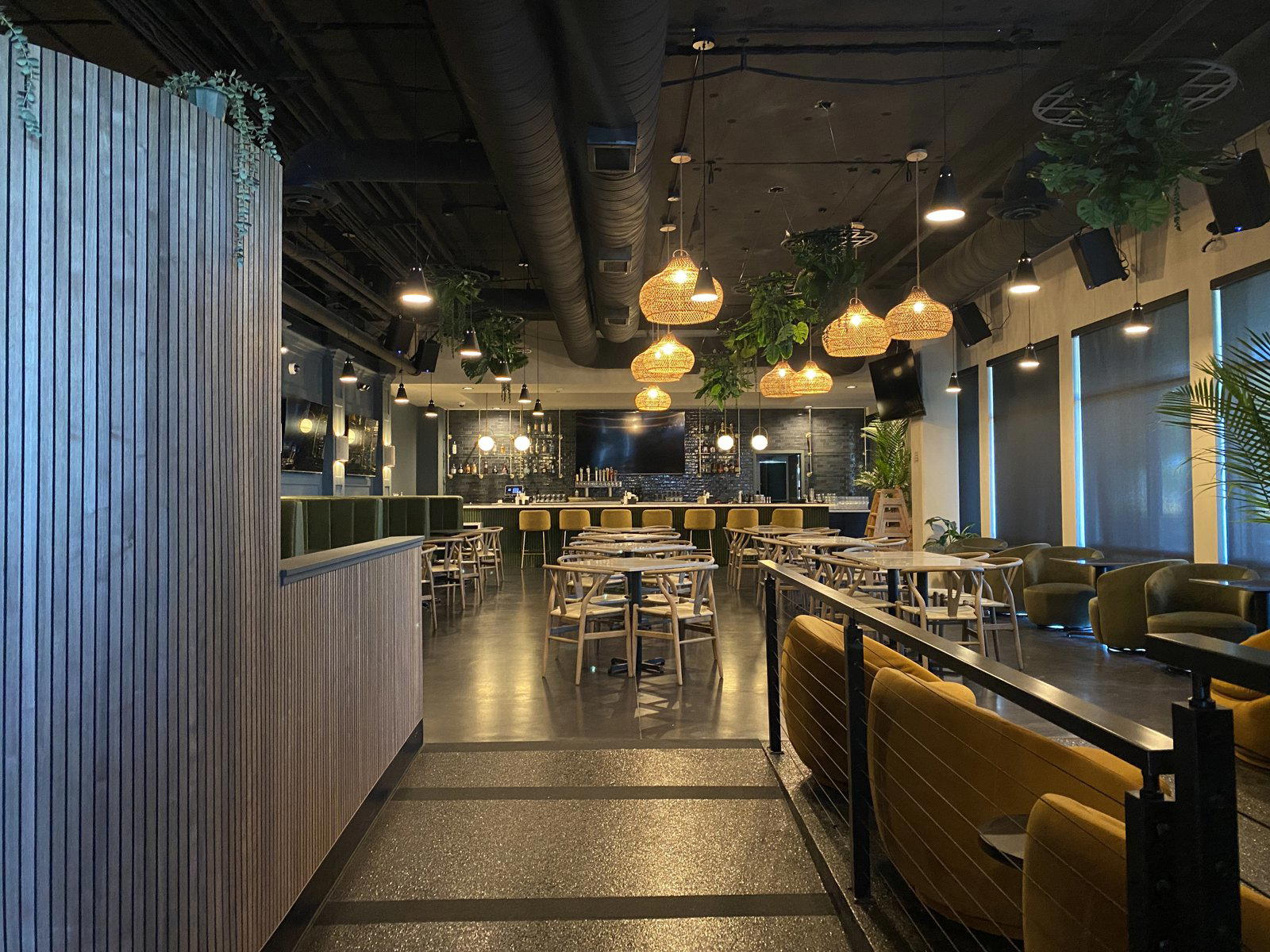
Where the River Meets the Room
West Sacramento's waterfront has undergone a quiet but measurable shift over the past decade. What was once an industrial buffer zone between the Sacramento River and the city's commercial corridors has steadily acquired the kind of programming, social clubs, event-oriented venues, casual dining with locational intent, that signals a neighbourhood in active transition. Birdies Social Club, at 805 Riverfront Street Suite 100, sits directly inside that shift. The address alone tells you something: riverfront real estate in this part of California doesn't get assigned to low-ambition concepts. The building's position along the water gives the interior a relationship with the outdoors that most of Sacramento's dining stock, clustered further inland, cannot replicate.
The broader Sacramento region has always had an unusual agricultural advantage. California's Central Valley produces a disproportionate share of the country's fruits, vegetables, nuts, and grains, and the farm-to-table logic that coastal restaurants work hard to market is, in this geography, closer to an operational default. Venues in the Sacramento corridor, West Sacramento included, can access seasonal produce, proteins, and dairy from suppliers within an hour's drive in most cases. That proximity shapes what's possible on a plate, whether or not a venue chooses to foreground it. For visitors accustomed to the sourcing distances implicit in, say, a coastal city's supply chain, this regional density is worth noting.
The Social Club Format in Practice
The social club format has re-emerged across American cities as a reaction to the bifurcated dining market: on one side, high-commitment tasting menus and reservation systems with months-long lead times; on the other, fast-casual throughput with no real reason to linger. The social club sits between those poles, offering a programmatic reason to stay, events, communal seating, shared formats, without the formality of a ticketed dinner. At this level of the market, the room's design and its relationship to its surroundings often carry as much weight as the menu itself.
This is a different kind of calculus than you'd apply to a destination counter like Single Thread Farm in Healdsburg, where the sourcing narrative is architecturally embedded in the menu structure, or to Lazy Bear in San Francisco, where the communal format is inseparable from a highly choreographed tasting sequence. The social club model trades that choreography for flexibility: the guest's experience is shaped by what they choose to engage with, not by a fixed sequence handed down from the kitchen.
Sacramento's Sourcing Geography
For any West Sacramento venue operating within this agricultural corridor, the sourcing question carries genuine weight. The Sacramento-San Joaquin Delta sits just downstream, supplying some of California's most distinctive citrus and stone fruit. The farms of Yolo County, West Sacramento's own county, include operations growing heirloom tomatoes, specialty grains, and heritage livestock within minutes of the city boundary. Venues that choose to work with that supply chain gain a specificity that imported ingredients rarely provide: a Yolo County strawberry picked at peak maturity and served within forty-eight hours carries a different register than one that has traveled through a national distribution system.
This is the same sourcing logic that animates more publicly celebrated venues: Blue Hill at Stone Barns in Tarrytown built its entire identity around an on-site farm system; Oyster Oyster in Washington, D.C. foregrounds hyper-local and foraged sourcing as a conceptual spine. The difference is that West Sacramento venues operate within a region where that sourcing infrastructure already exists at scale, the editorial challenge is whether the kitchen chooses to make it visible.
Placing Birdies in the West Sacramento Dining Pattern
West Sacramento has a smaller dining footprint than its neighbour across the river, but that compression has concentrated some interesting concepts along the waterfront and in the downtown core. Raku Sushi represents the kind of focused, technique-oriented dining that has taken root in the area, and the broader our full West Sacramento restaurants guide maps out how the scene has developed beyond a simple Sacramento overflow market.
Birdies Social Club's Riverfront Street address places it within the development corridor that the city has been building out through a mix of residential, commercial, and hospitality investment. This is part of the infrastructure that is creating one. That positioning cuts both ways: the waterfront setting offers something that established dining blocks cannot, but the surrounding neighbourhood is still forming the density of foot traffic and complementary uses that sustains a hospitality venue across slower periods.
For context on what ambitious California venues at various price points and formats are doing with sourcing, the comparison set is wide. The French Laundry in Napa and Addison in San Diego represent the fine-dining pole, where sourcing is communicated through menu language and tasting structure. Providence in Los Angeles has built a sourcing identity around sustainable seafood with documented supplier relationships. Frasca Food and Wine in Boulder and The Wolf's Tailor in Denver show how Mountain West venues have built credible sourcing narratives outside the established coastal markets. The West Sacramento corridor, given its agricultural position, has the raw material to support that kind of narrative, the question is which venues choose to build it.
Planning a Visit
Birdies Social Club is located at 805 Riverfront Street Suite 100, West Sacramento, CA 95691. As a social club format on an active development corridor, visit timing relative to the venue's programming schedule is likely to shape the experience considerably: a weekend evening with active events will read differently from a quieter midweek visit. Birdies Social Club is a restaurant in West Sacramento serving California Comfort Food. It has a Google rating of 4.7 from 88 reviews, is priced at about $25 per person, and reservations are recommended.
In Context: Similar Options
Comparable venues nearby, for context on price, style, and recognition.
| Venue | Cuisine | Price | Awards | Notes |
|---|---|---|---|---|
| Birdies Social ClubThis venue — the venue you are viewing | California Comfort Food | $$ | , | |
| Raku Sushi | All-You-Can-Eat Sushi | $$ | , | West Sacramento |
| Franquette | wine_bar | $$ | , | Bridge District |
| Plum Bar + Restaurant | Modern American Small Plates | $$ | , | Uptown |
| Gus's BBQ | Southern Pit BBQ | $$ | , | South Pasadena |
| Mockingbird | Italian-inspired Northern California | $$ | , | Downtown |
Continue exploring
More in West Sacramento
Restaurants in West Sacramento
Browse all →
Bars in West Sacramento
Browse all →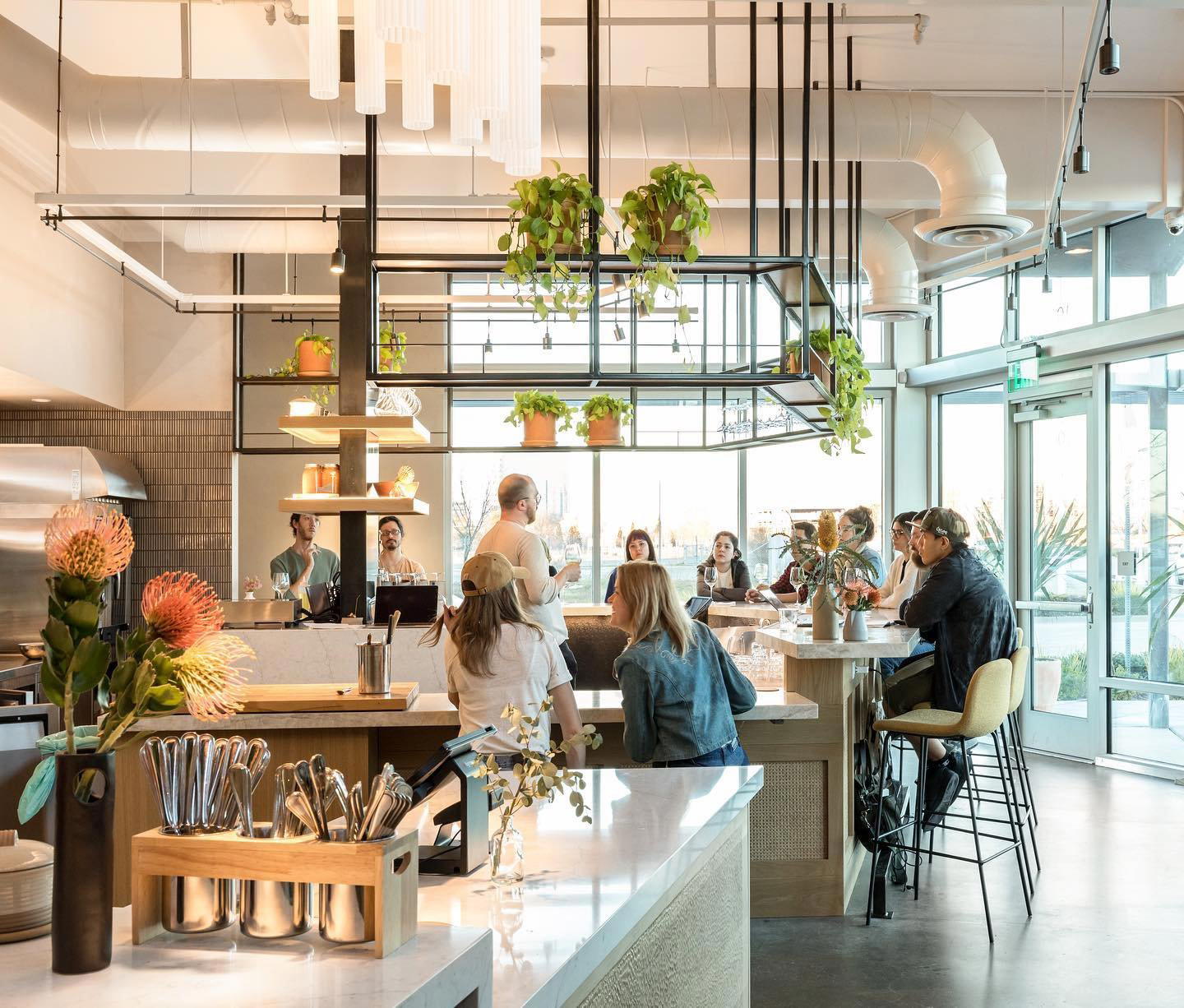
Hotels in West Sacramento
Browse all →
Wineries in West Sacramento
Browse all →
At a Glance
- Lively
- Trendy
- Modern
- Group Dining
- Casual Hangout
- Celebration
- Open Kitchen
- Terrace
- Rooftop
- Craft Cocktails
- Waterfront
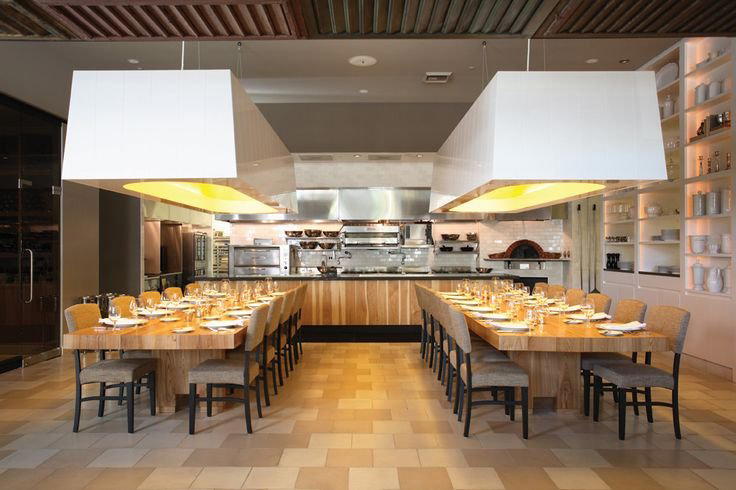
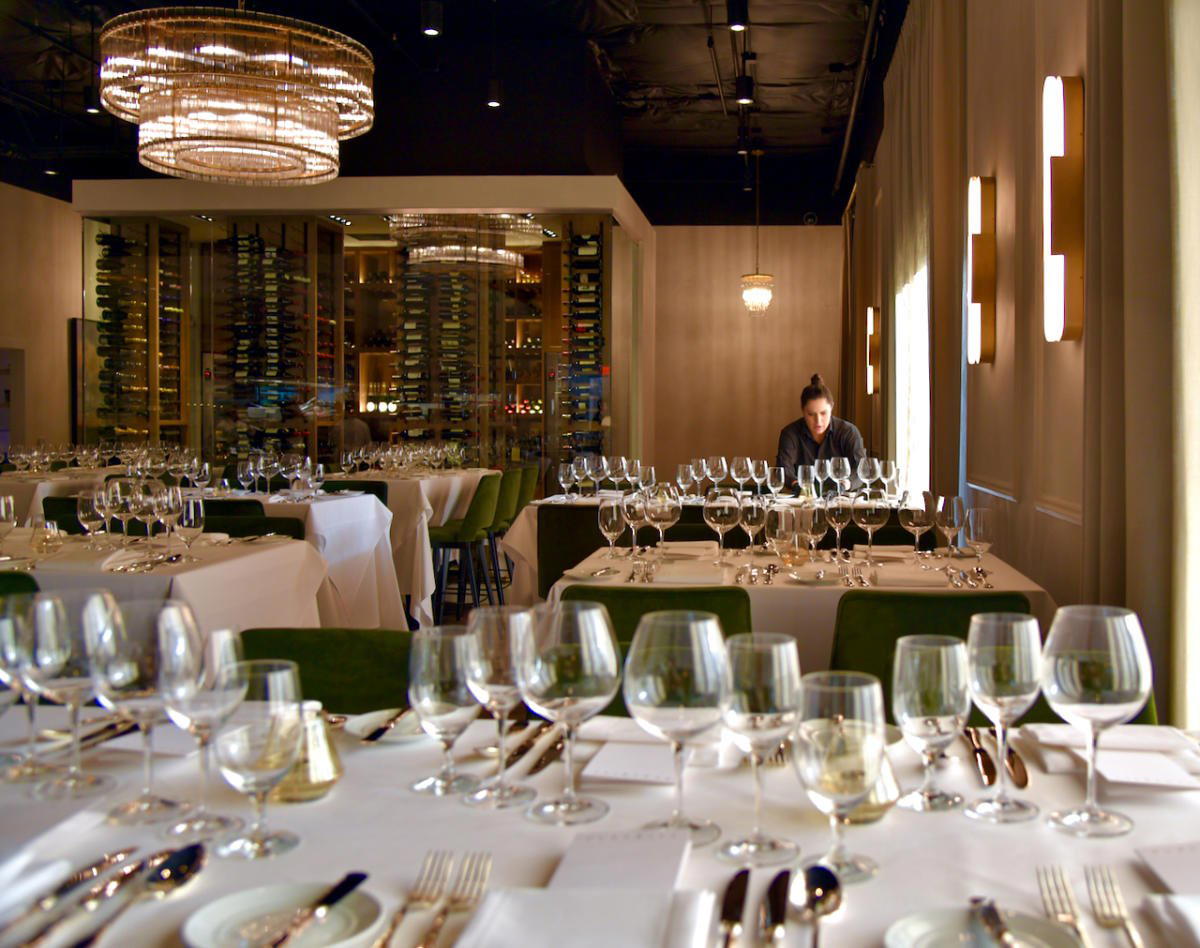
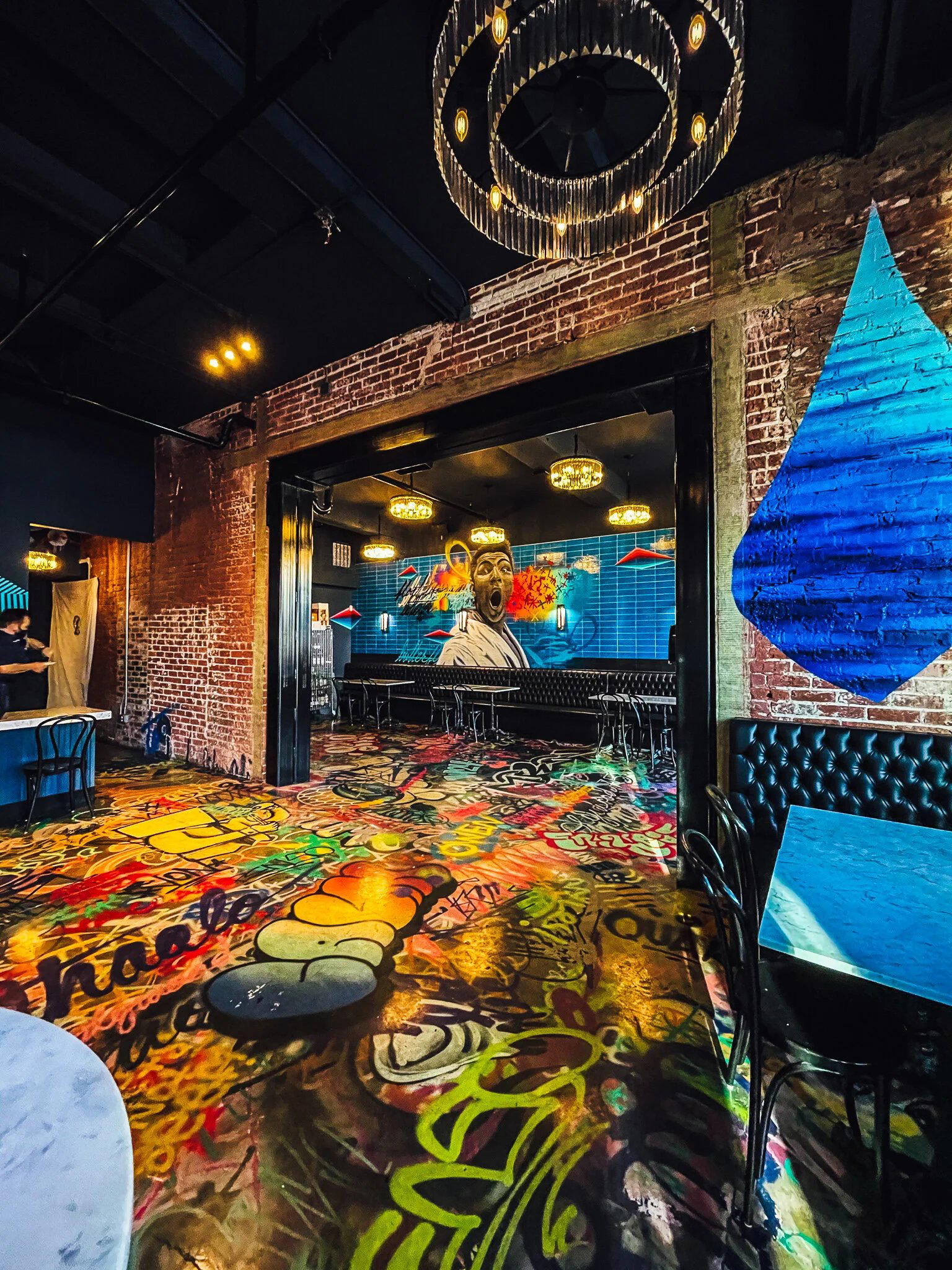
Modern design with natural light, high ceilings, and lively yet stylish atmosphere.