Berggasthof Schlüssel

Michelin Bib Gourmand
Our verdict
At 700 metres above the Black Forest valley floor, Berggasthof Schlüssel has been feeding the Pfaffenberg district for over a century. Under chef Alain Poletto, a €€ price point and Michelin Bib Gourmand recognition in 2024 make it one of the most credible value propositions in the Wiesental region, combining seasonal regional cooking with guestrooms for those who want to stay on the mountain.

Pearl is the En Primeur Club membership app, where members save venues, book tables and use the concierge.

The menu
What to order
- Rehrücken
- Fischsüppchen
- Tafelspitz
A Mountain Inn at Working Altitude
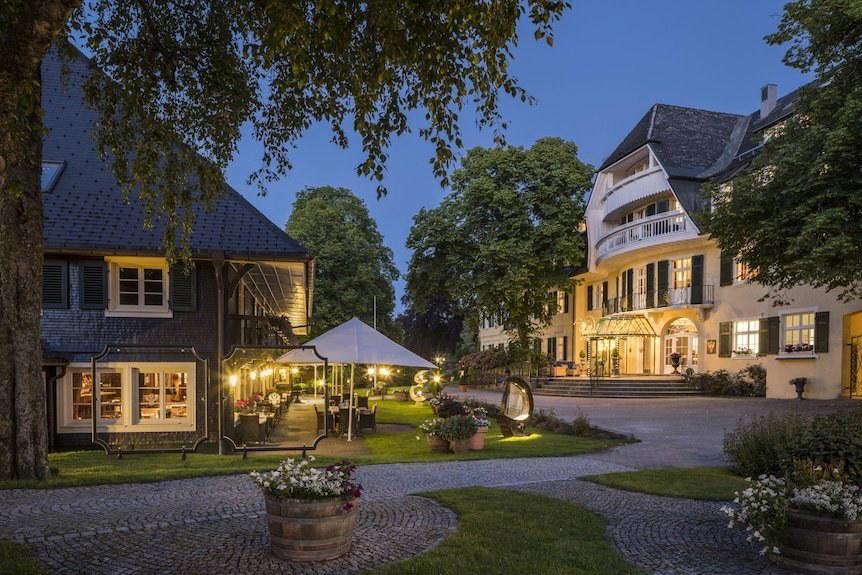
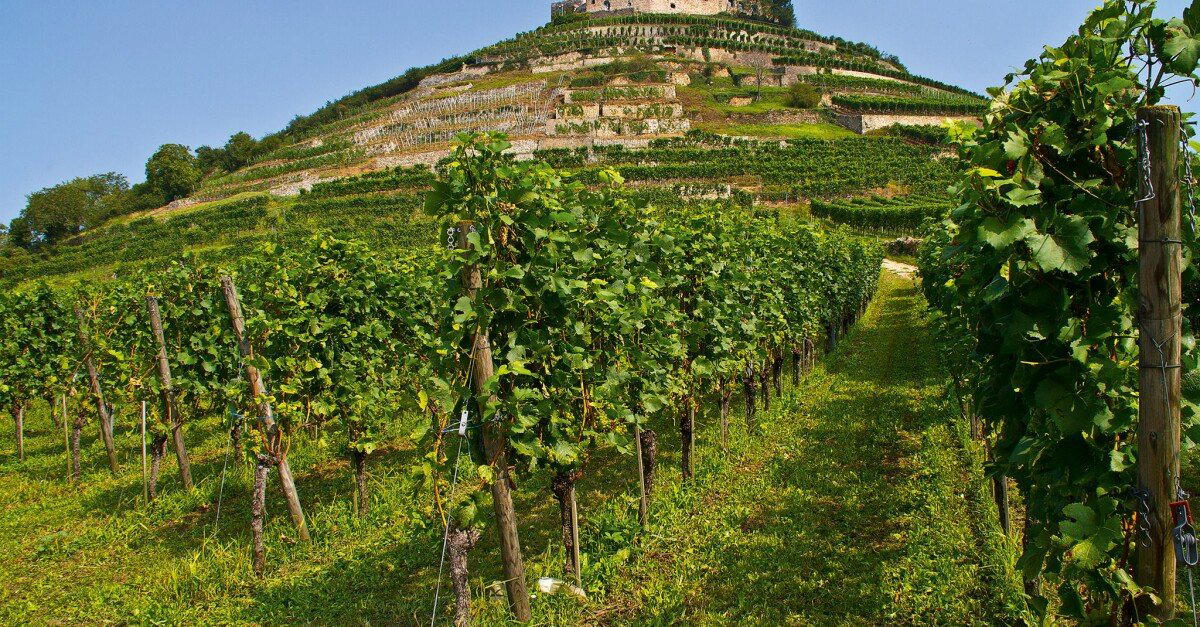
The road up to Pfaffenberg climbs quickly out of the Wiesental basin, and by the time Berggasthof Schlüssel comes into view at 700 metres, the valley towns feel several removes away. This is not an alpine set piece designed for photographs. It is a working mountain inn, the kind that has been part of the local fabric for more than a hundred years, where the dining rooms run to dark wood, low ceilings, and the particular warmth that comes from a building that has been heated through many winters. The approach alone signals the register: this is a place you come to eat, to sit, and, if the evening calls for it, to stay.
In the broader context of dining in southwest Germany, Berggasthof Schlüssel occupies a specific and increasingly valued position. The Black Forest and its surrounding valleys have long supported a spectrum of serious cooking, from the multi-starred formality of Schwarzwaldstube in Baiersbronn to the kind of deeply regional, seasonally anchored inn cooking that rarely travels beyond its own district. The latter category is harder to find at a consistent level, and it is where Schlüssel has earned its standing. A Michelin Bib Gourmand awarded in 2024 confirms what locals have understood for some time: the cooking here delivers more than its price point suggests.
The Chef and the Regional Tradition
Alain Poletto holds the kitchen at Schlüssel, and his position within the broader culinary conversation of the region is worth reading carefully. The Bib Gourmand, Michelin's marker for good cooking at a moderate price, is not awarded to chefs who are simply cooking grandmothers' recipes without scrutiny. It goes to kitchens where technique and sourcing are controlled, where the seasonal menu is genuinely updated, and where the food has a point of view beyond nostalgia. Poletto's approach, described by Michelin's own framework as regional dishes peppered with modern touches, places him in a growing cohort of chefs who use classical training to sharpen rather than replace regional repertoire.
This matters as context because the tension between modernism and regional identity is one of the defining conversations in German dining right now. At the starred end of the spectrum, houses like JAN in Munich and ES:SENZ in Grassau are working through that tension at a higher investment level. What Schlüssel demonstrates is that the same conversation can be had at €€ pricing, in a century-old building on a hillside, without the performance infrastructure of a destination fine-dining room. The cooking is grounded in what the Wiesental and Black Forest surrounds produce across the seasons, with Poletto's training providing the editorial discipline that keeps the menu from drifting into generic comfort food.
For comparison elsewhere in Germany's value-end regional scene, Fahr in Künten-Sulz and Gannerhof in Innervillgraten represent the same archetype: chefs applying considered craft to regional ingredients in inn or farmhouse settings, earning Michelin recognition without operating at starred price levels.
The Setting as Part of the Proposition
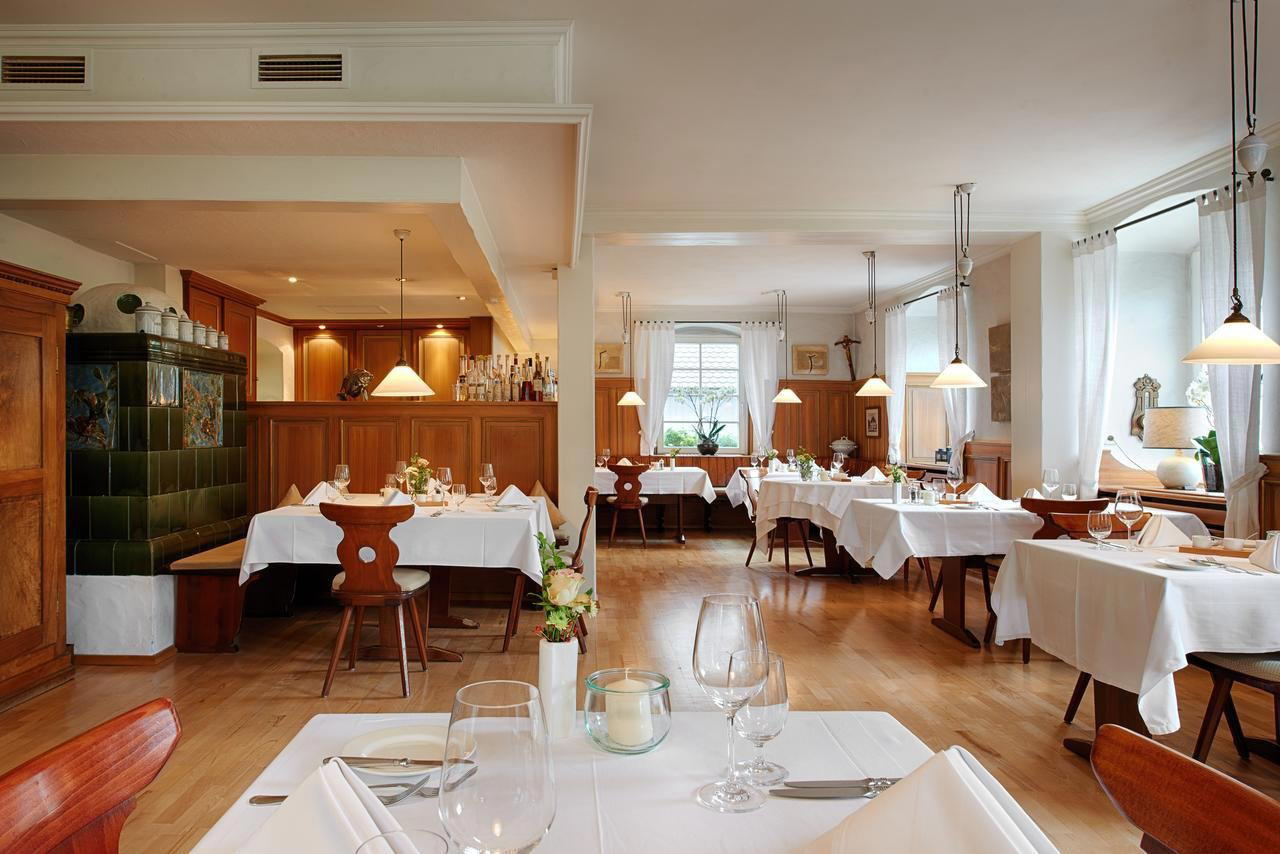
The dining rooms at Schlüssel are described in Michelin's own notes as cosy with rustic charm, which in practice means the physical atmosphere does much of the work that ambient design achieves in urban restaurants. The altitude helps. At 700 metres in the Pfaffenberg district, the inn sits outside the noise of the valley, and the combination of the elevation, the age of the building, and the scale of the interior creates a particular kind of quiet that is rare in contemporary dining. This is not the calculated quietude of a sound-engineered fine-dining room; it is the quietude of a building that has always been somewhat apart from the world below.
The presence of guestrooms alongside the restaurant is a meaningful detail, not a footnote. The Black Forest and Wiesental region draw hikers, cyclists, and walkers who want to base themselves at elevation rather than commute from valley accommodation each day. Schlüssel's offer of well-kept rooms alongside a kitchen operating at Bib Gourmand level creates a self-contained stop: arrive in the afternoon, eat in the evening, wake to the Pfaffenberg in the morning. For those building a wider itinerary in the region, our full Zell im Wiesental hotels guide covers the broader accommodation picture in the valley, and our full Zell im Wiesental restaurants guide maps the wider dining options below the hill.
Where Schlüssel Sits in the German Dining Picture
Ambition ceiling at Schlüssel is lower than at, say, Vendôme in Bergisch Gladbach or Victor's Fine Dining by Christian Bau in Perl, and that is precisely the point. German dining has a well-documented tendency to conflate quality with formality, and the Bib Gourmand category exists in part to correct that bias. Schlüssel earns its place in that correction. At €€ pricing, with a Michelin credential and a century of operational history in a specific landscape, it represents the kind of cooking that the southern Black Forest does not produce in abundance at this standard.
Travellers covering the southwestern corner of Germany and interested in the starred end of the spectrum would note that Schwarzwaldstube anchors the region's three-star conversation, while the broader Rhineland and Moselle circuit includes houses like Waldhotel Sonnora in Dreis, Schanz in Piesport, and Bagatelle in Trier. At the other end of the ambition register, CODA Dessert Dining in Berlin, Restaurant Haerlin in Hamburg, and Aqua in Wolfsburg represent Germany's most technically demanding dining rooms. Schlüssel operates in a different register entirely, and that is not a limitation but a definition.
Planning a Visit
Berggasthof Schlüssel sits at Pfaffenberg 2, 79669 Zell im Wiesental, reached by road up from the valley floor. The €€ price range makes it an accessible proposition relative to most overnight stays with dinner attached. Given the Bib Gourmand recognition and the limited scale typical of mountain inns of this age and character, booking ahead is advisable, particularly on weekends and during the hiking season when the Black Forest's higher elevations draw consistent traffic. Those extending their stay in the valley can find drinking and entertainment context in our full Zell im Wiesental bars guide, wine options in our full Zell im Wiesental wineries guide, and activity recommendations in our full Zell im Wiesental experiences guide.
Frequently asked questions
What kind of setting is Berggasthof Schlüssel?
It is a century-old mountain inn at 700 metres in the Pfaffenberg district above Zell im Wiesental, with rustic dining rooms, guestrooms, and a kitchen holding a Michelin Bib Gourmand (2024) at a €€ price point. The atmosphere is defined by the building's age and elevation rather than by design intervention.
What do regulars order at Berggasthof Schlüssel?
Order from whatever the seasonal menu is running. Chef Alain Poletto's Bib Gourmand recognition rests on regional dishes updated with modern technique, which means the menu changes with what the surrounding area produces. The cuisine is Black Forest regional in orientation, and the point of the cooking is that it reflects the season rather than a fixed repertoire.
Can I bring kids to Berggasthof Schlüssel?
The €€ price range and rustic inn format of Berggasthof Schlüssel suggest a family-compatible setting, consistent with the mountain inn tradition common across the Zell im Wiesental area.
How It Stacks Up
| Venue | Cuisine | Price | Awards | Notes |
|---|---|---|---|---|
| Berggasthof SchlüsselThis venue (the venue you are viewing) | Modern Regional German | $30–50 | Michelin Bib Gourmand | Not listed |
| Schwarzwaldstube | Modern French Fine Dining | $150–200 | 3 Michelin Stars · World's 50 Best #47 | French, Classic French |
| Aqua | Contemporary German, Italian/Japanese, Creative | Not listed | Michelin 3 Star | Not listed |
| CODA Dessert Dining | Dessert-Inspired Fine Dining | $200–300 | 2 Michelin Stars · World's 50 Best #79 | Creative |
| Tantris | Modern French, French Contemporary | Not listed | Michelin 2 Star | Not listed |
| Vendôme | Modern German Haute Cuisine | $200–300 | 2 Michelin Stars · World's 50 Best #47 | Modern European, Creative |
Recognition history
Dated appearances from independent guides and award organizations, with the underlying list record or original source where available.
Michelin Bib Gourmand
Michelin
Full recognition history (3 entries)
Michelin Bib Gourmand
Michelin
Michelin Bib Gourmand
Michelin
Continue exploring
More in Zell im Wiesental
Restaurants in Zell im Wiesental
All restaurants in Zell im Wiesental →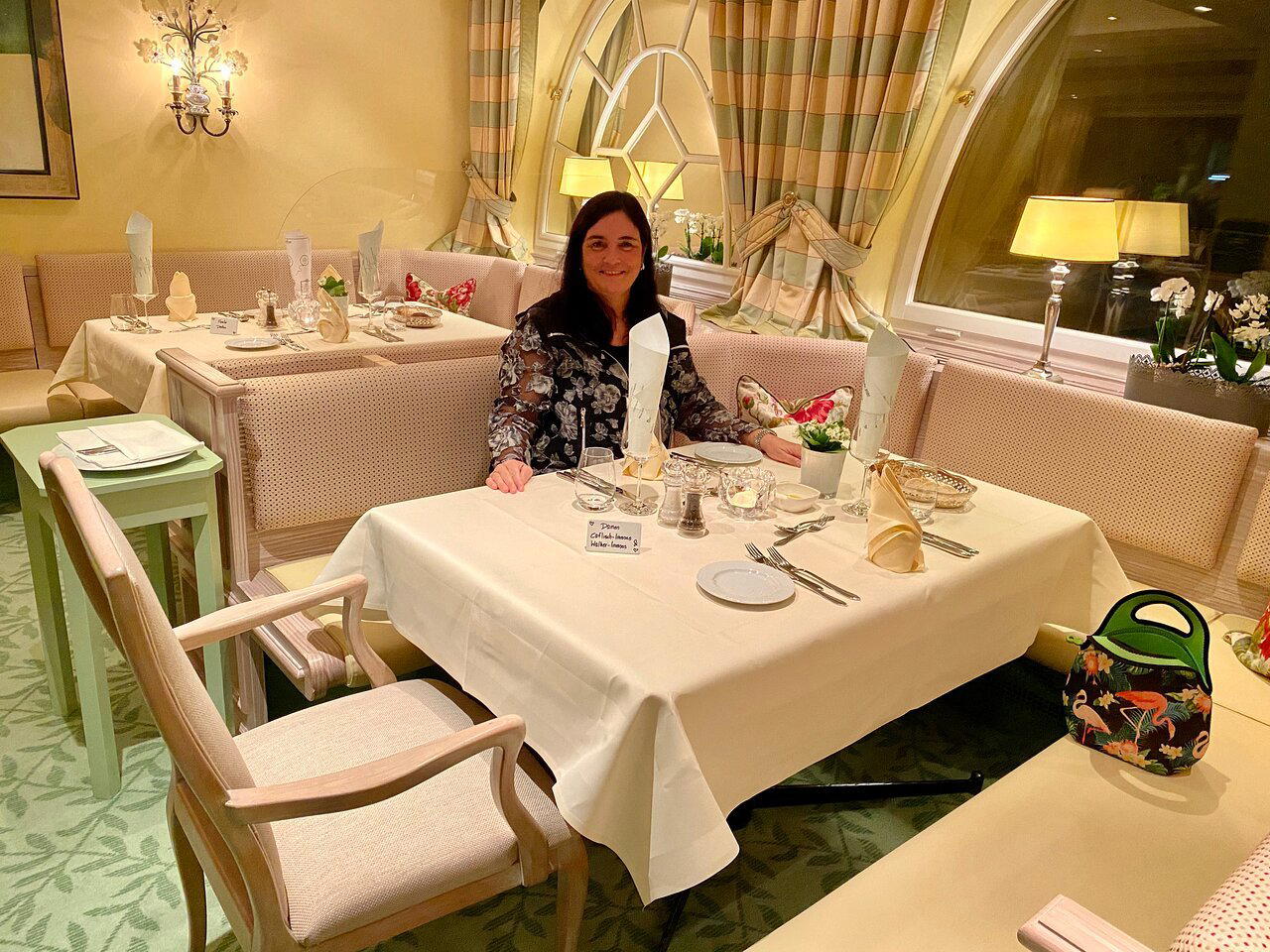
Bars in Zell im Wiesental
Browse all →
Hotels in Zell im Wiesental
Browse all →

Details
- Rustic
- Cozy
- Scenic
- Classic
- Family
- Celebration
- Special Occasion
- Terrace
- Historic Building
- Local Sourcing
- Mountain
- A La Carte
- Set Menu
- Vegetarian Friendly
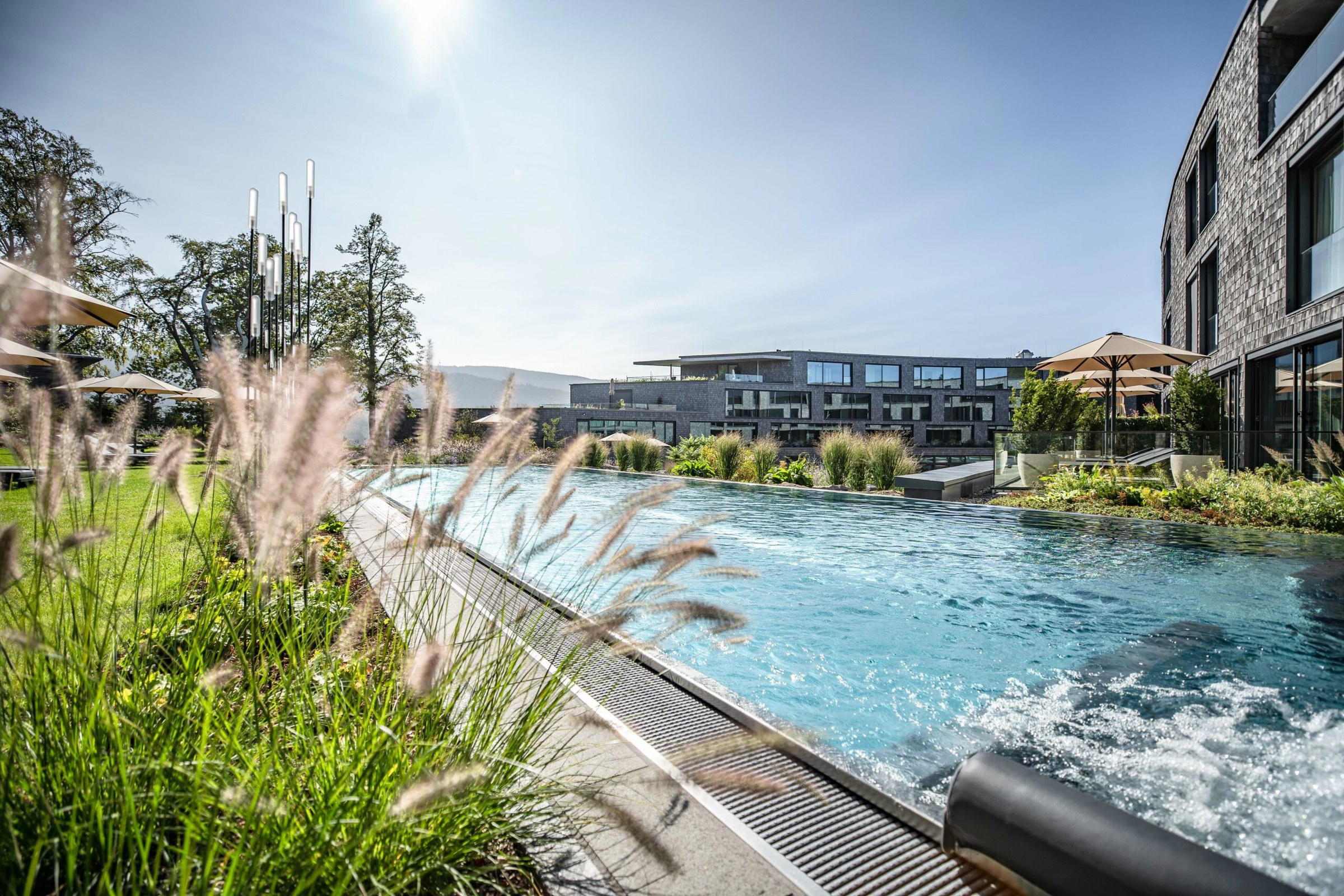
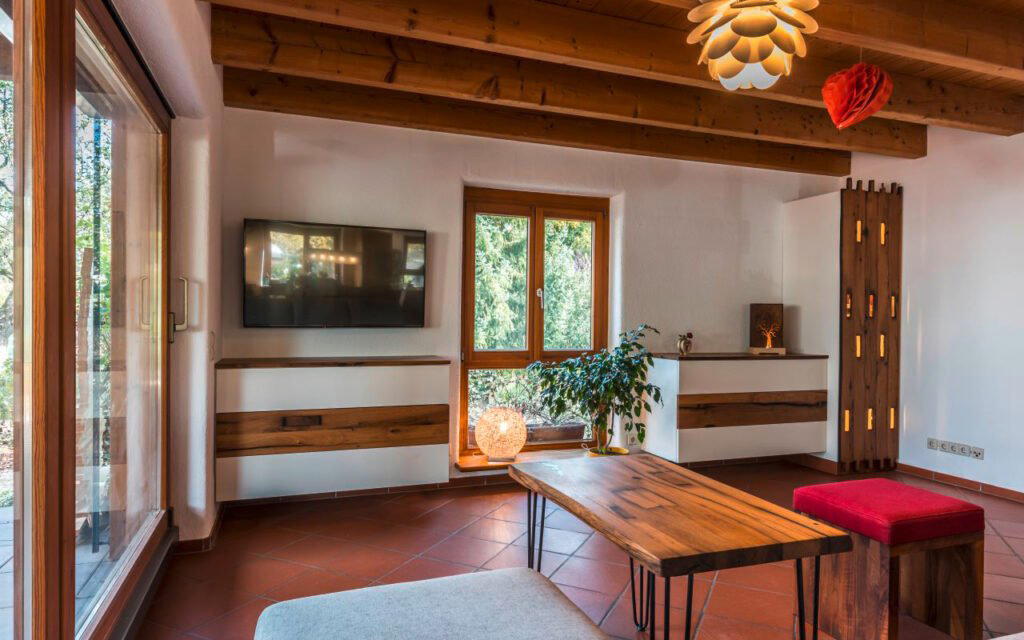
Comfortable rustic-style rooms with country charm, cozy stuben featuring tiled stoves, and a sunny terrace overlooking the Wiesental region.