
Falstaff Winery - 3 Stars
Bioweingut Missbach is a small biodynamic family winery in Ebringen, rooted in Markgräflerland’s Gutedel tradition and Baden’s Burgundian varieties. The estate dates to 1758, works 7 hectares, and reads as a grounded counterpoint to flashier wine-tourism formats: courtyard scale, Demeter farming, spontaneous fermentation, and wines shaped by a cool Black Forest foothill climate.

Pearl is the En Primeur Club membership app — saves, bookings, and concierge access live there. Same editors, same standards.
- Address
- Ebringen, Baden, Baden-Wuerttemberg, Deutschland
- Directions
- Get directions
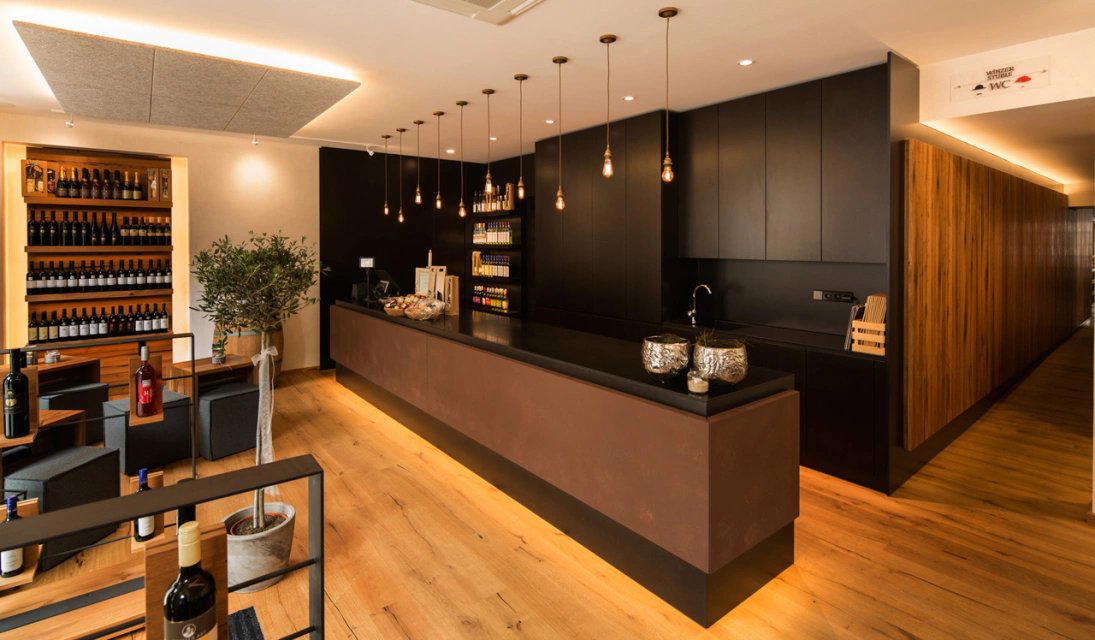
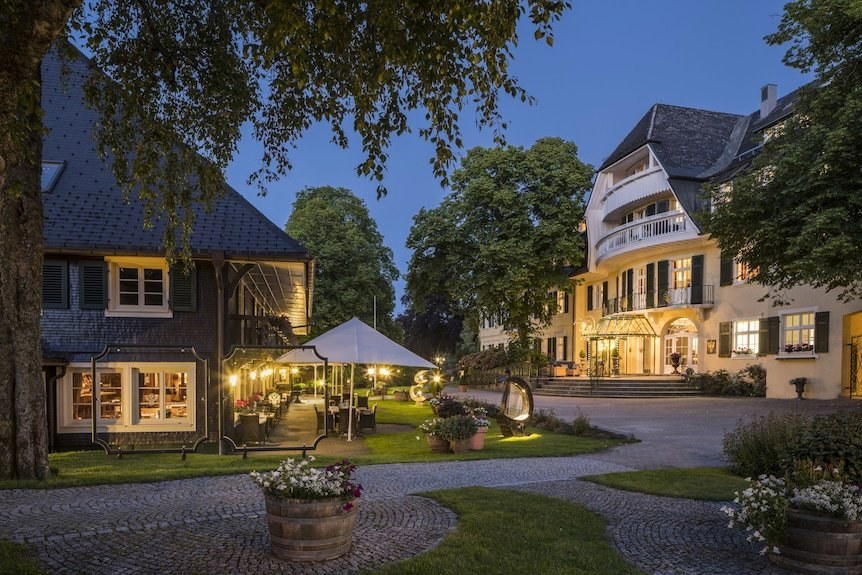
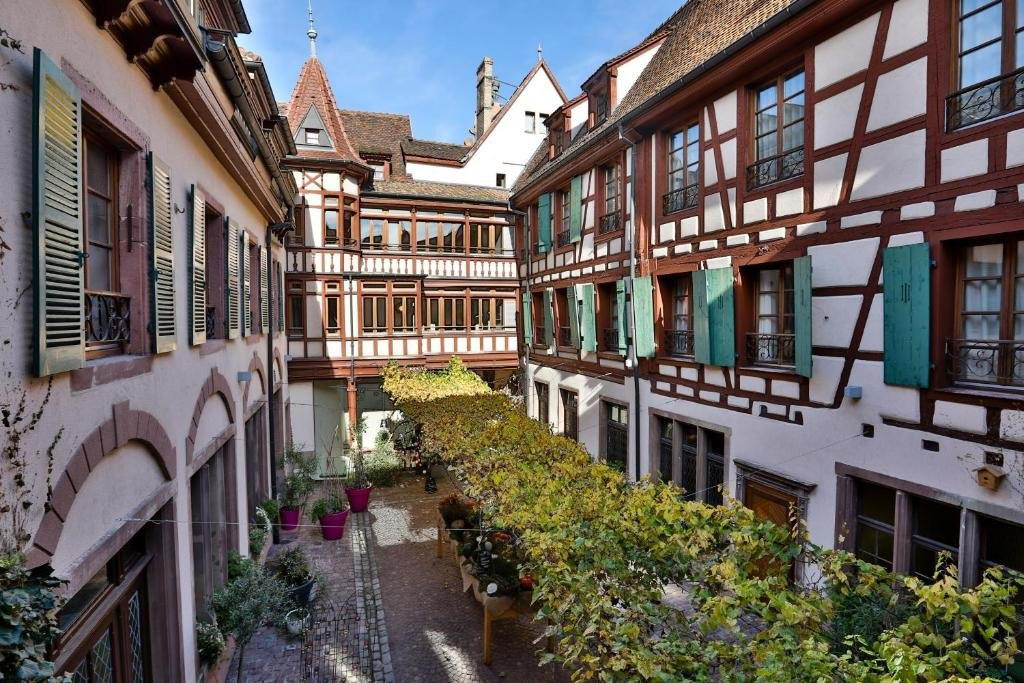
Approach the old courtyard idea of Baden wine culture and the cues are modest rather than theatrical: family scale, working-farm rhythm, and a sense that the cellar exists to serve the vineyards rather than impress the visitor. In Ebringen, that matters. Markgräflerland wine has never depended on grand châteaux or hospitality spectacle; its identity is tied to Gutedel, Burgundian varieties, limestone-influenced soils, and the slower ripening patterns of the Black Forest foothills. Bioweingut Missbach belongs to that tradition, with a 1758 estate history and a production language that places farming before performance.
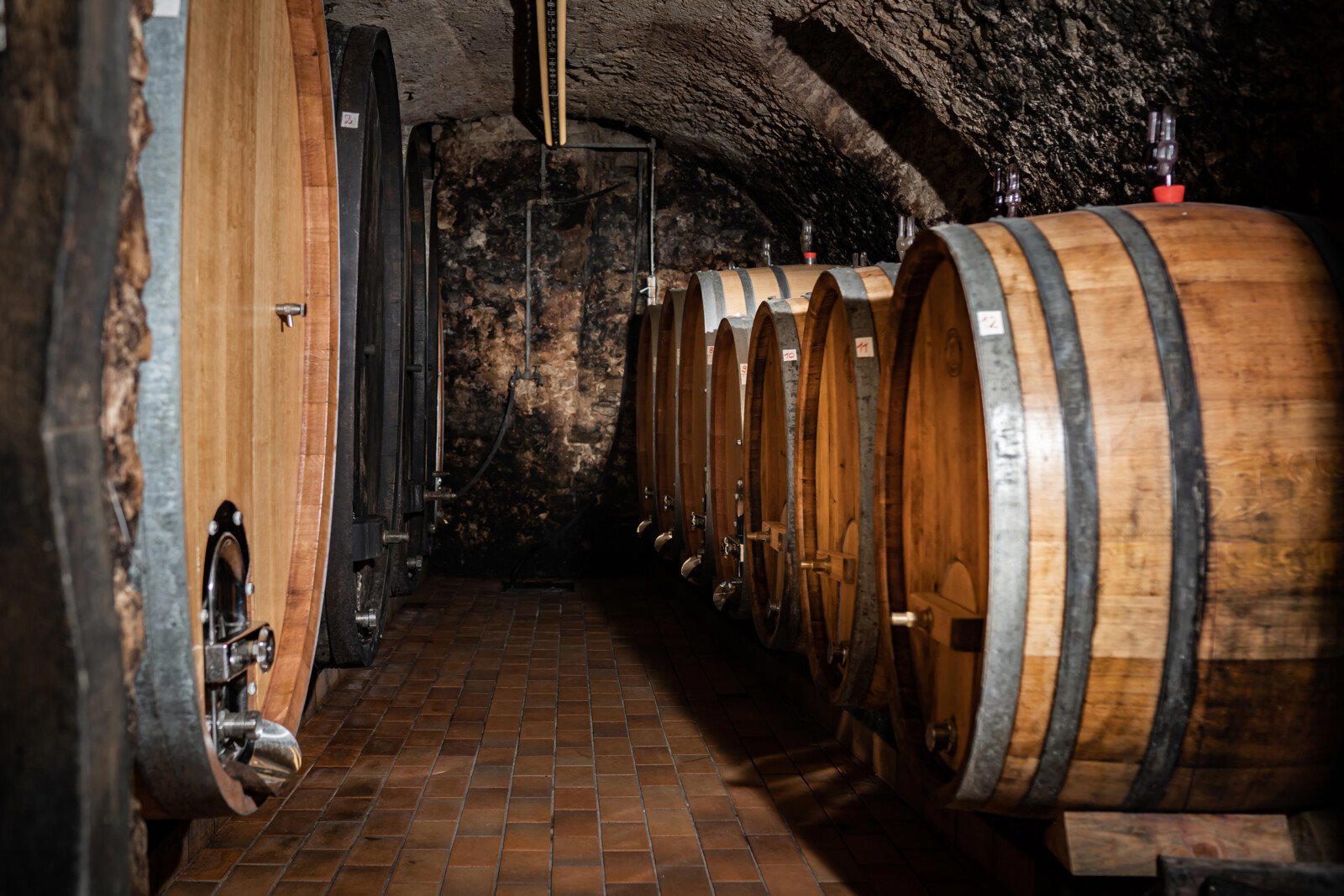
The more useful way to read this winery is not as a rural curiosity but as part of Baden’s ecological turn. Organic work began here in 1994, well before biodynamics became a shorthand for natural-wine credibility in export markets. Demeter certification followed in 2020, giving the estate a formal sustainability marker rather than a vague green claim. On 7 hectares, that certification has practical force: hand harvesting, spontaneous fermentation, long cellar aging, and a portfolio built around varieties that can translate Markgräflerland’s climate without needing heavy cellar correction.
Gutedel, Burgunder varieties, and the Markgräflerland argument
Markgräflerland’s claim on Gutedel, also known as Chasselas, is not decorative local color. It is the grape that separates this corner of Baden from Germany’s Riesling-dominant shorthand and from the Pinot-heavy image of Baden farther north. Gutedel can seem quiet beside aromatic varieties, but that restraint is the point: it registers soil, ripeness, and cellar handling with less varietal noise. At Bioweingut Missbach, Gutedel sits alongside Pinot Blanc, Pinot Gris, Chardonnay, Pinot Noir, and Riesling, creating a portfolio that moves between regional specificity and Baden’s broader Burgundian grammar.
The estate’s viticultural position is especially clear because the scale is small. Seven hectares do not allow a producer to hide behind breadth. The farming has to carry the argument, and biodynamics here is paired with practical cellar choices: native-yeast fermentation, limited intervention, and aging that gives the wines time rather than cosmetic polish. That approach makes sense in Ebringen, where cooler, moist conditions near the Black Forest favor gradual ripening and preserve acidity. The result is a style category rather than a single house signature: wines that should be understood through texture, freshness, and soil expression before fruit intensity.
The estate’s recent recognition reinforces that regional reading. In 2025, its Weißburgunder and Spätburgunder each received Silber awards at the Golden Grape Awards, a useful signal because those grapes sit at the center of Baden’s competitive identity. The more interesting editorial point, though, is how those awards sit beside the estate’s Gutedel commitment. Many German wineries build reputation around export-legible grapes; this one keeps a local variety in the frame while using Burgunder varieties to speak the wider Baden language.
A courtyard winery format, not a tourism machine
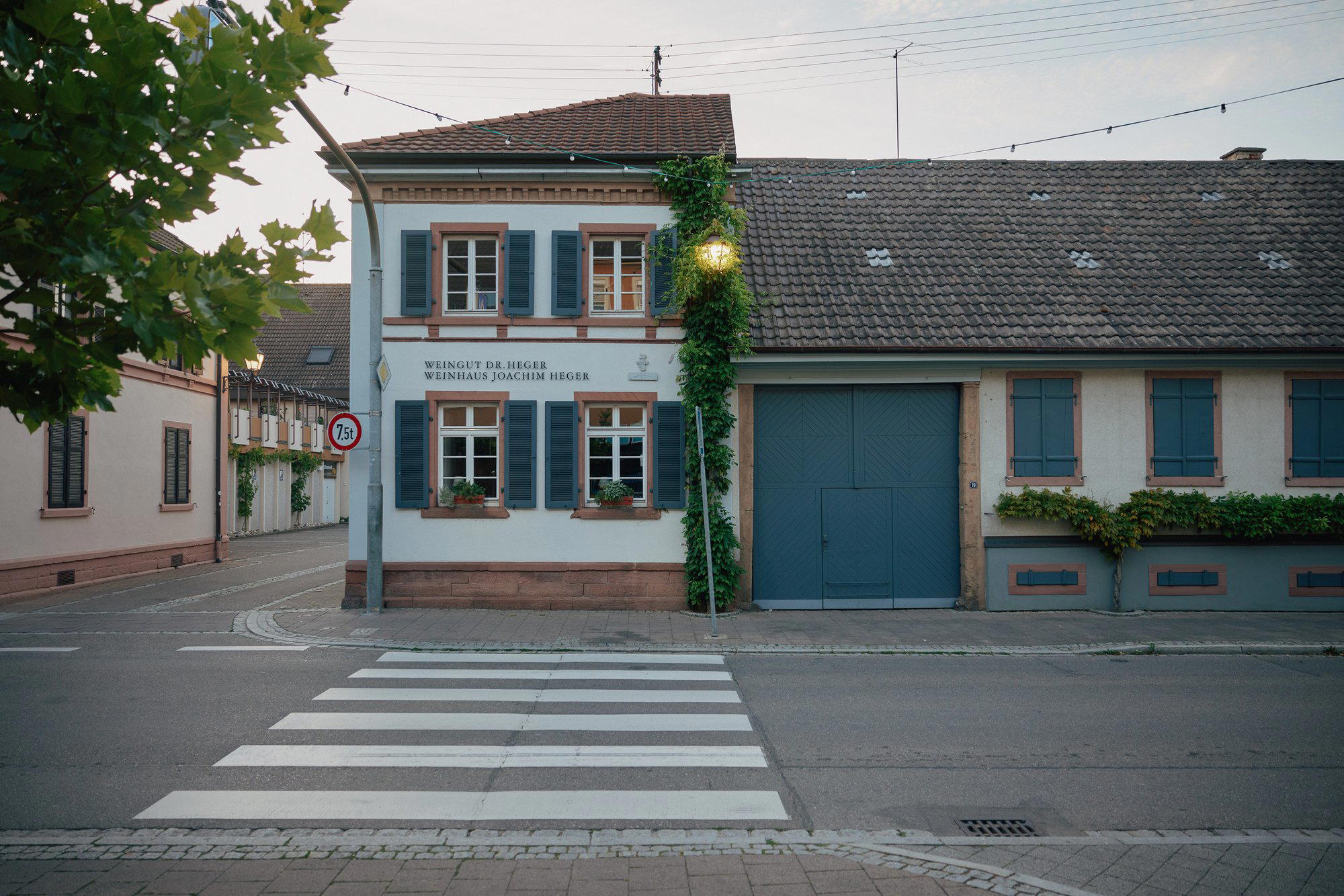
German winery visits can split into two camps: polished destination tasting rooms with a retail-first tempo, and smaller family estates where the hospitality remains close to agricultural work. Bioweingut Missbach belongs to the second camp. The setting is a traditional courtyard estate with an on-site shop and a quiet, low-capacity atmosphere. That format rewards visitors who want context over choreography: why Gutedel matters here, how biodynamic farming changes vineyard work, and why spontaneous fermentation is a structural decision rather than a fashionable label.
The absence of a food-pairing program is not a weakness in this context. It keeps the focus on wine education and cellar craft, particularly for drinkers trying to understand Markgräflerland without the distraction of a staged tasting menu. Families and small groups fit the format, and the casual register suits the place. This is not a room designed around luxury signals; it is a working winery where the useful questions are agricultural ones.
Ralph Mißbach’s role as winemaker matters as a credential, but the stronger story is generational continuity: a family estate operating from 1758 into a biodynamic present. That long arc gives the organic conversion more weight. The shift in 1994 and the Demeter certification in 2020 are not rebranding gestures layered onto a new project; they sit inside a multi-generation Baden property adapting old mixed-farm instincts to contemporary ecological standards.
How to place it within an Ebringen wine day
Ebringen is small enough that wine, food, and lodging planning should be handled together rather than as separate itineraries. For a broader local map, use Our full Ebringen wineries guide, then cross-check dining through Our full Ebringen restaurants guide and overnight options through Our full Ebringen hotels guide. If the day extends beyond cellar visits, Our full Ebringen bars guide and Our full Ebringen experiences guide help round out the town without turning the visit into a checklist.
Nearby Ebringen wine references can also sharpen the comparison without forcing a hierarchy. Schlossgut Ebringen and Winzerhof Ebringen give useful local context for how different producers handle the same small-city frame. For readers following natural, biodynamic, or small-production threads across German-speaking wine country, the wider map includes & Handwein in Mannheim, 2 Naturkinder in Kitzingen, 3 Winner in Bechtheim, 49Point9 in Geisenheim, 532 Riesling in Rüdesheim am Rhein, 70469! in Stuttgart Feuerbach, »der Steiner« Hans Steiner in Podersdorf am See, and ®walzer in Gneixendorf Bei Krems.
The case for Bioweingut Missbach is strongest for travelers who want Baden wine in its agricultural register: Gutedel alongside Burgundian varieties, biodynamic certification backed by a long organic timeline, and a family courtyard format that keeps attention on soil, climate, and cellar decisions. It is a quiet stop, but not a thin one. The depth is in the way Markgräflerland’s local grape, Baden’s Pinot family, and a 7-hectare biodynamic estate speak the same regional language.
Recognition history
Dated appearances from independent guides and award organizations, with the underlying list record or original source where available.
Falstaff Winery - 3 Stars
Falstaff
Continue exploring
More in Ebringen
Wineries in Ebringen
Browse all →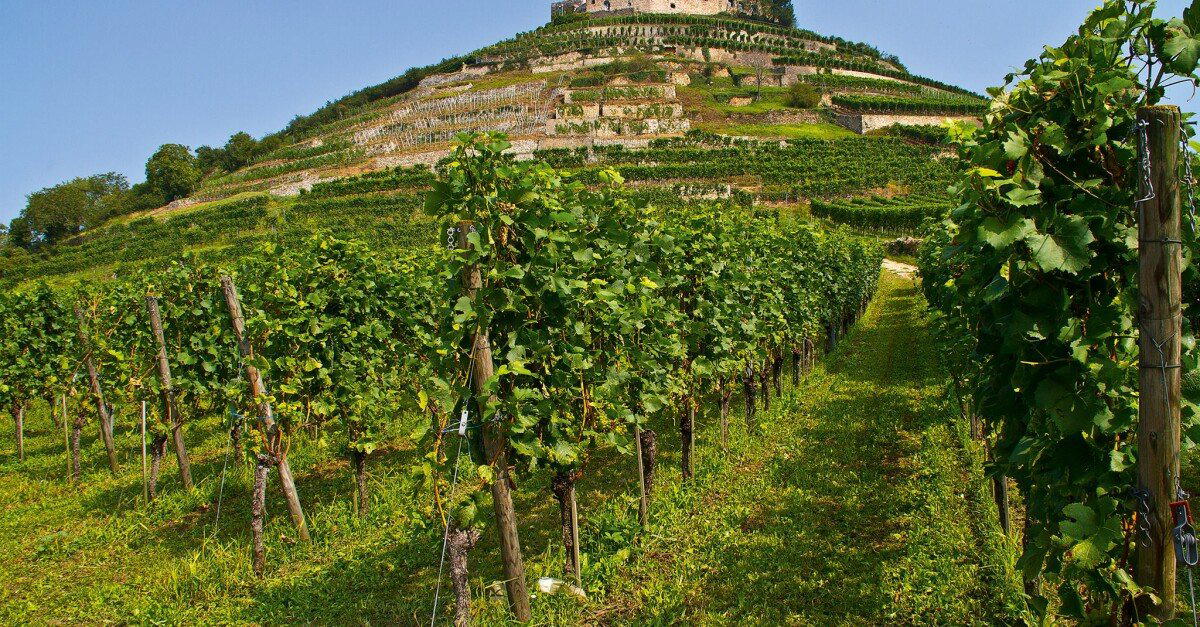
Bars in Ebringen
Browse all →



Restaurants in Ebringen
Browse all →
Details
- Rustic
- Classic
- Cozy
- Family
- Wine Education
- Solo Exploration
- Group Outing
- Historic Building
- Estate Grounds
- Private Tasting
- Organic
- Biodynamic
- Vineyard
- Pinot Blanc
- Pinot Gris
- Chardonnay
- Pinot Noir
- Chasselas
- Riesling
- Still White
- Still Red
- Sparkling
- Private Tasting
- Wine Shop Visit
Family-run, traditional courtyard winery with a natural, hands-on production ethos and a focus on authentic, characterful wines.