Benjarong Mactan
Our verdict
Benjarong Mactan sits on Mactan Island in Lapu-Lapu City, where resort dining, airport proximity, and Cebu’s seafood supply shape the table as much as any single cuisine label. The useful way to read it is through setting and sourcing: a Mactan restaurant belongs to an island economy of fish, shellfish, tropical fruit, and hotel-led dining formats, rather than the street-and-market rhythm of central Cebu.

Pearl is the En Primeur Club membership app — saves, bookings, and concierge access live there. Same editors, same standards.
- Address
- Philippines, Island Mactan, PH Cebu Lapu-Lapu City邮政编码: 6015
- Phone
- +63 32 888 1388
- Website
- dusit.com
- Directions
- Get directions
- Booking
- Book on the venue's website
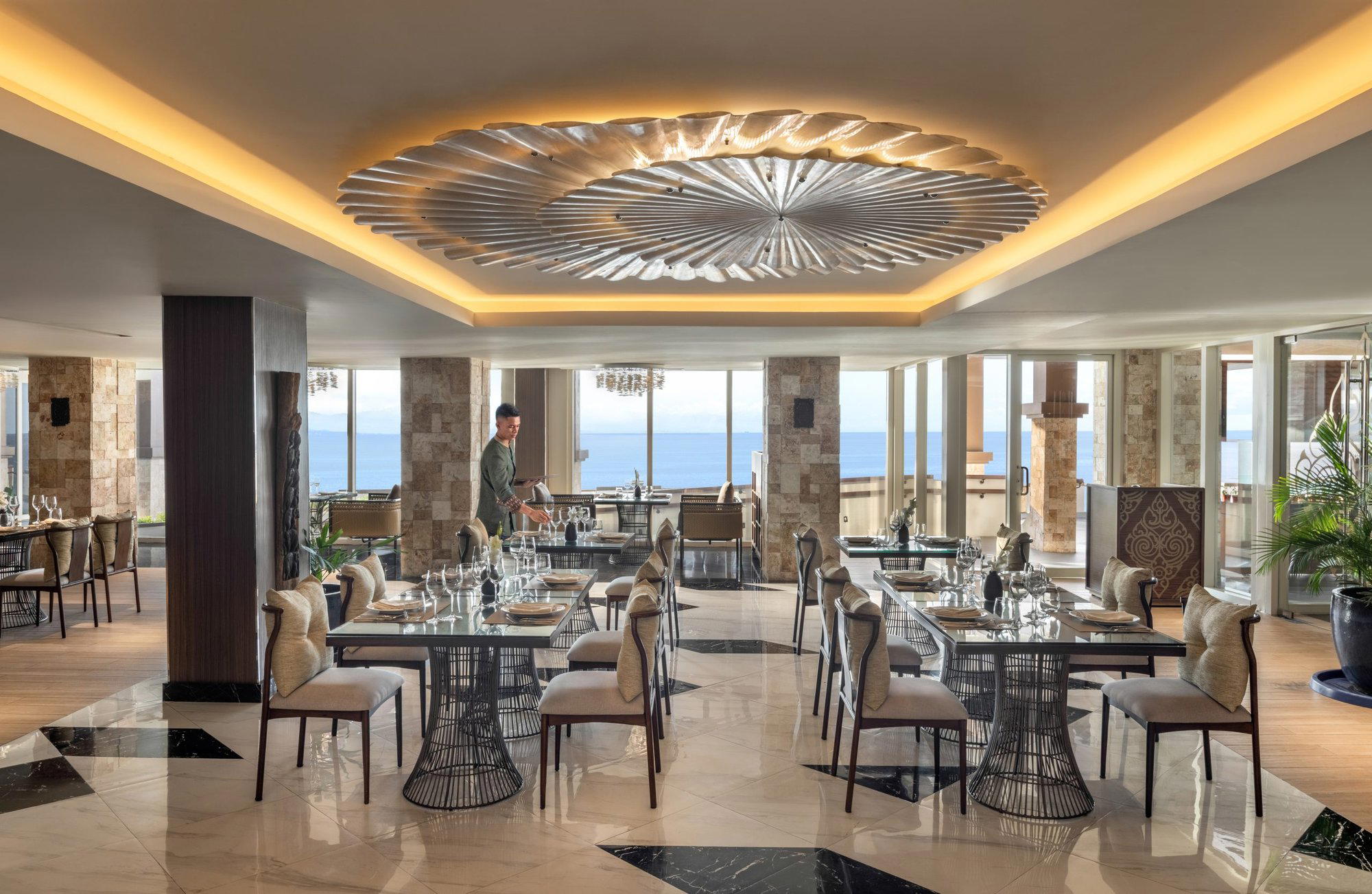
Approaching Cebu’s resort side, the restaurant scene changes register. Cebu’s canteen counters, grill houses, and established dining rooms give way to a more international island format, where polished rooms meet the seafood trade moving through the Visayas. Benjarong Mactan belongs to that second Cebu: resort-oriented rather than street-level, and shaped by guests who often arrive with a hospitality-focused itinerary before they move through the city more broadly.
That matters because resort dining in Cebu is rarely just about a menu category. The setting sits inside a working food geography: fish from surrounding waters, shellfish culture, coconut, calamansi, mango, rice, and the produce channels that serve Cebu’s hotels and resorts. A serious table here has to answer a basic question: does it use the island as scenery, or does it let the region’s ingredients carry some of the weight? Benjarong Mactan is better understood through that question than through a checklist of dishes.
Cebu's resort dining depends on the island's supply lines
Cebu’s stronger restaurants tend to reveal where they sit. In the city, that might mean heritage cooking, carinderia logic, or contemporary dining formats. In the resort lane, the sharper reference point is the controlled kitchen: steady service, international guests, and a pantry that can move between familiar technique and local catch. Cebu’s proximity to fishing grounds gives seafood a natural advantage, while tropical fruit and herbs can shift a dish away from generic resort cooking when the kitchen uses them with restraint.
Benjarong Mactan’s exact menu format and pricing are not publicly listed here, so the smarter editorial read is positional rather than prescriptive. It occupies the resort side of Cebu dining, a category where atmosphere, ingredient access, and consistency matter more than late-night street energy. Readers comparing Cebu meals should separate this from the city’s more casual circuit: other Cebu dining rooms may speak more to local pantry culture, direct grill-and-comfort cooking, or a contemporary urban table. Benjarong Mactan asks for a different lens.
Ingredient sourcing is the useful dividing line. Resort restaurants can flatten place into international sameness, especially in island destinations where guests expect familiarity. The stronger version does the opposite: it treats local seafood, acidity, herbs, and fruit as the anchor, then uses broader frameworks only where they make the food cleaner or more precise. In Cebu, that distinction is not cosmetic. The city and island sit in a region where kinilaw, grilled fish, lechon culture, puso rice, and tropical sweetness all exert pressure on the palate, even when the dining room is not explicitly local in format.
How to place it within Cebu's dining map
The Cebu dining conversation now stretches across several formats. There are neighborhood places, hotel restaurants, destination resort tables, and newer rooms that borrow from broader contemporary dining scenes. COCO points to how varied Cebu’s restaurant audience has become, while Enye by Chele Gonzalez signals another polished resort-dining lane in Cebu. Benjarong Mactan sits in the resort lane, where the decision is less about chasing novelty and more about choosing a controlled setting within Cebu’s hospitality circuit.
For a broader Cebu itinerary, the contrast is useful. Start with our full Cebu restaurants guide to separate city dining from resort dining; then use our full Cebu hotels guide if the meal is tied to a stay. Cebu’s drinking and cultural itineraries sit on different rhythms, covered in our full Cebu bars guide, our full Cebu wineries guide, and our full Cebu experiences guide. The point is not to rank them against each other, but to match the meal to the part of Cebu being experienced.
Against the wider Philippine dining field, Cebu resort dining also reads differently from metropolitan rooms and destination tables elsewhere. Capital-city restaurants often lean on compact, technique-led formats or metropolitan steakhouse registers, while countryside and resort destinations may make setting a larger part of the meal. Benjarong Mactan belongs to that setting-conscious category, where the surrounding hospitality context can define the experience as much as the kitchen does.
The useful verdict: choose it for Cebu's resort side, not a city crawl
Benjarong Mactan makes the clearest sense when the plan is already oriented around Cebu’s resort-side dining rhythm rather than a crawl through the city’s restaurant circuit. The editorial case rests on setting and supply: resort-feeling dining with access to the Visayas pantry, positioned apart from the denser urban restaurant circuit.
That is not a weakness if expectations are set correctly. Cebu rewards diners who understand its geography. The city meal, the family-style local table, the resort restaurant, and the transit-friendly dinner each serve a different purpose. Benjarong Mactan belongs to the controlled resort category, where the surrounding water, produce channels, and service model define the experience. For readers mapping a wider Asia-Pacific itinerary, it is a different proposition from big-city specialists elsewhere; Cebu’s context is warmer, more coastal, and more dependent on the relationship between island logistics and ingredient freshness.
Frequently asked questions
Is Benjarong Mactan a family-friendly restaurant?
Benjarong Mactan is in Cebu and reads as a resort-side dining room rather than a formal counter. Families and mixed-age groups planning a meal in Cebu should confirm the current setup directly before visiting.
What kind of setting is Benjarong Mactan?
Benjarong Mactan is in Cebu, in a resort dining context rather than in Cebu's street-level restaurant scene.
Where do I go for Benjarong Mactan?
Cebu.
Is Benjarong Mactan reservation-only?
Benjarong Mactan is in Cebu and reads as a resort dining room. For an evening meal in Cebu, confirming reservation requirements and timing in advance is sensible.
In Context: Similar Options
Comparable venues by cuisine and price in the same metro.
| Venue | Cuisine | Price | Awards |
|---|---|---|---|
| Benjarong MactanThis venue — the venue you are viewing | Authentic Thai Fine Dining | $30–50 | Not listed |
| COCO | Filipino-Thai Fusion | $20–30 | Not listed |
| COCO | Filipino-Thai Fusion | $20–30 | Not listed |
| Enye by Chele Gonzalez | Modern Spanish with Philippine Influences | $50–100 | Michelin Plate |
Continue exploring
More in Cebu
Restaurants in Cebu
Browse all →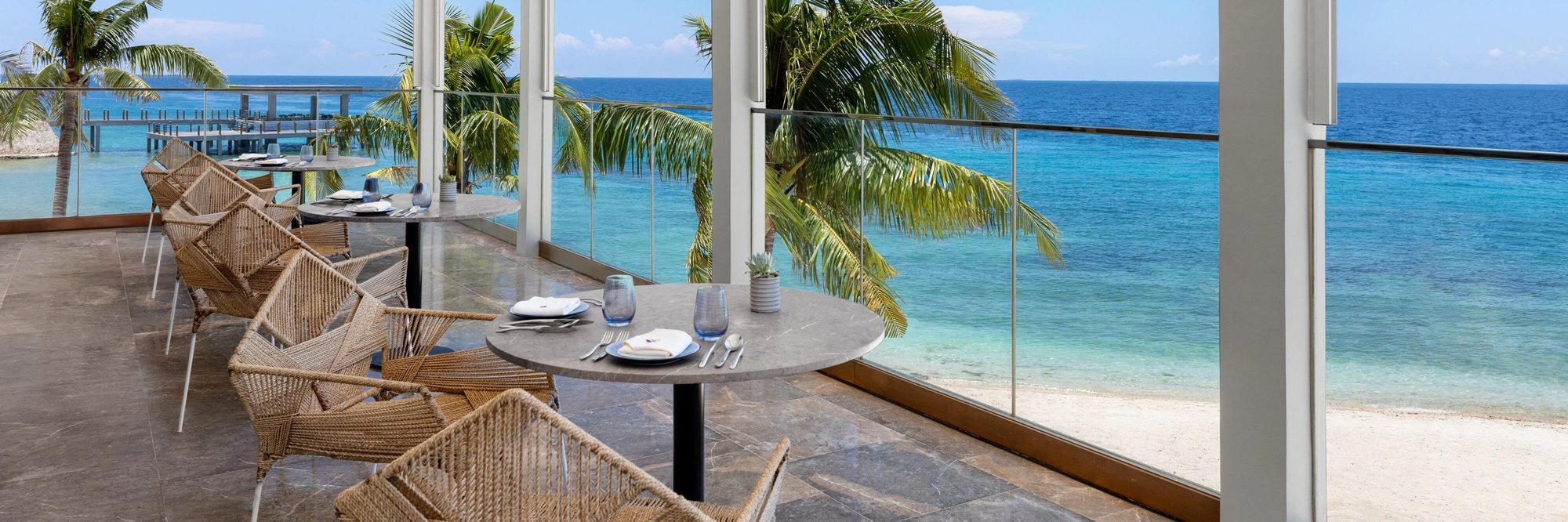


Benjarong Mactan
The wine
- Wine program
- Curated wine list
- Extensive wine list
- Craft cocktails
- Zero-proof drinks
Details
- Elegant
- Scenic
- Romantic
- Sophisticated
- Modern
- Date Night
- Business Dinner
- Group Dining
- Family
- Celebration
- Special Occasion
- Private Event
- Waterfront
- Panoramic View
- Design Destination
- Hotel Restaurant
- Private Dining
- Extensive Wine List
- Craft Cocktails
- Zero Proof
- Waterfront
- A La Carte
- Set Menu
- Wine
- Cocktails
- Non Alcoholic
- Vegetarian Friendly
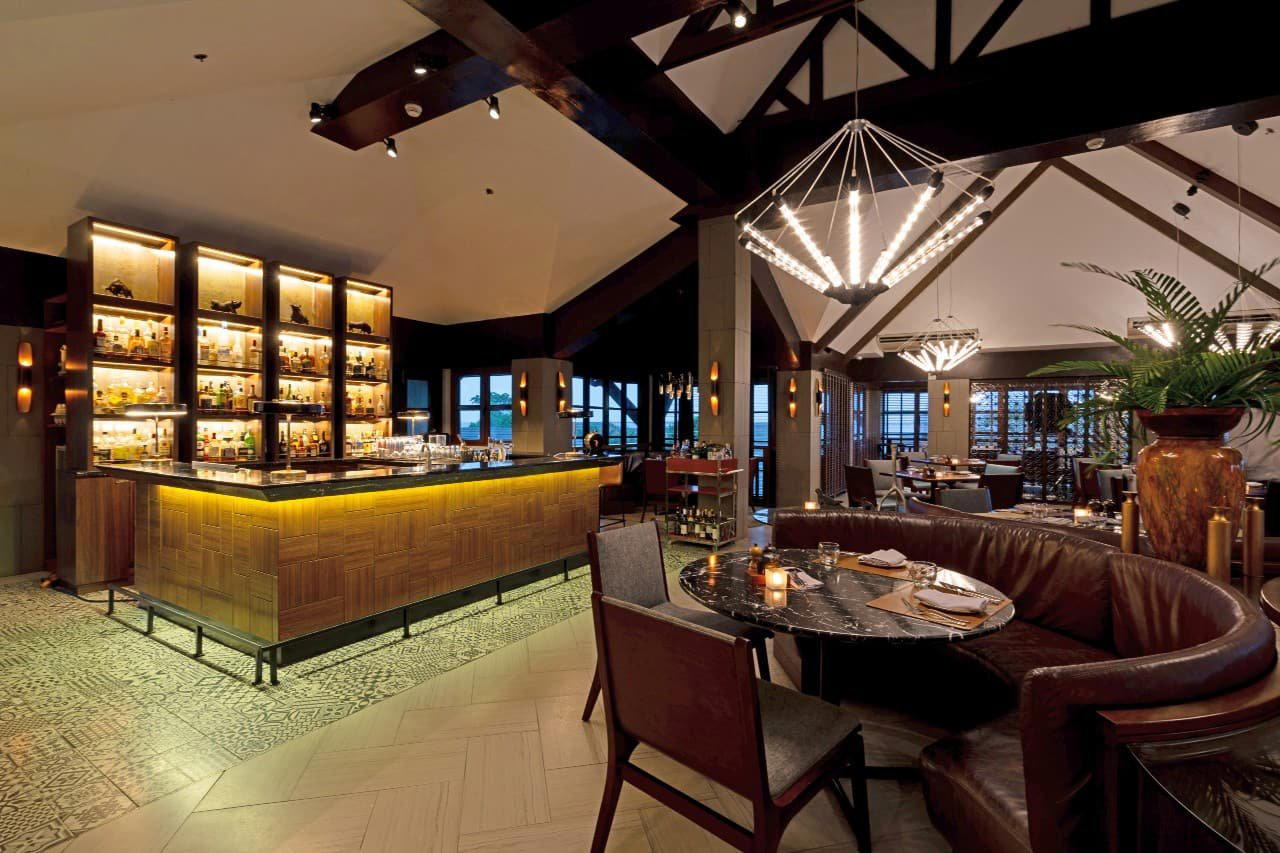
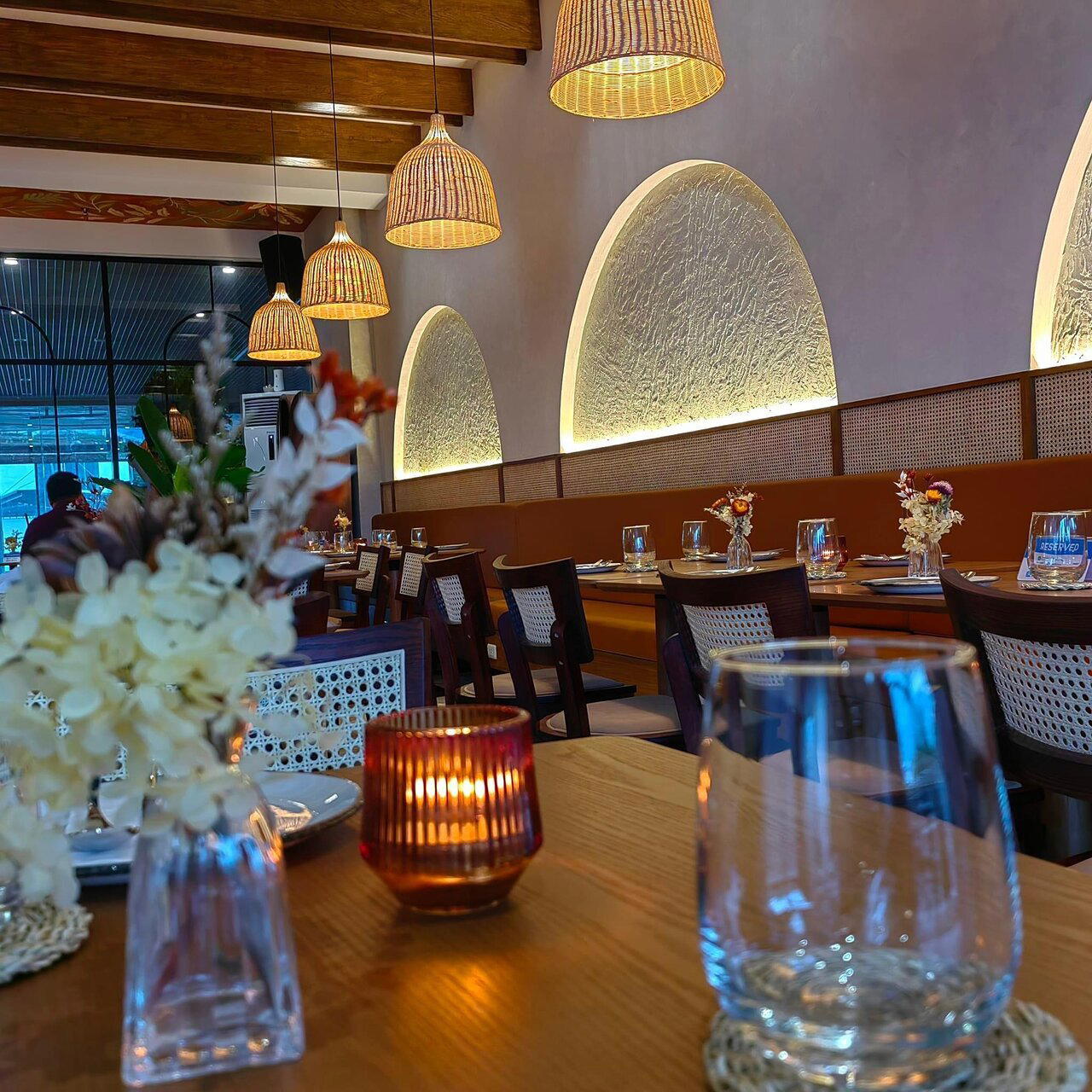
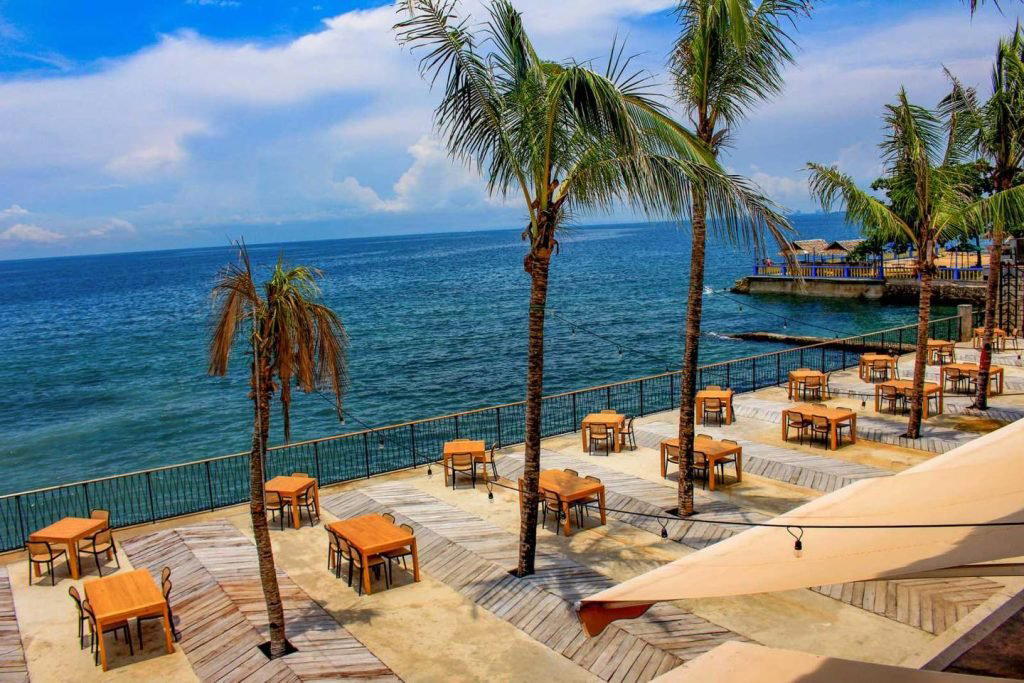
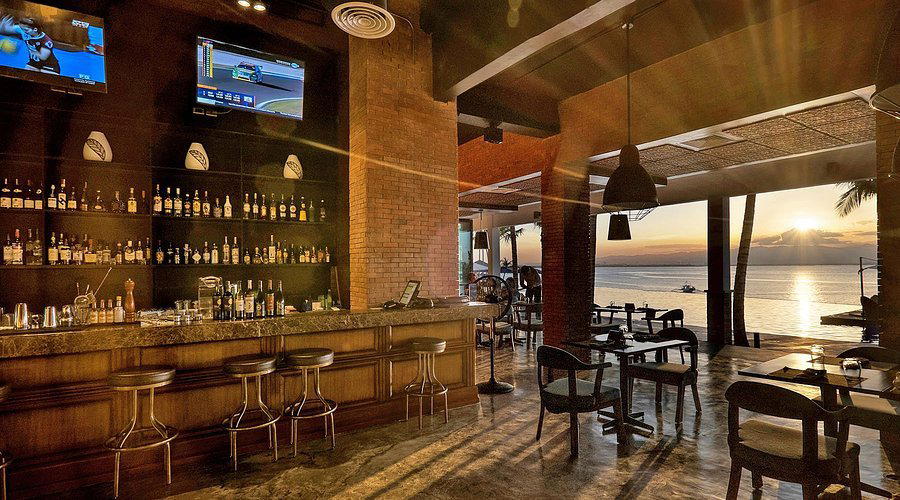
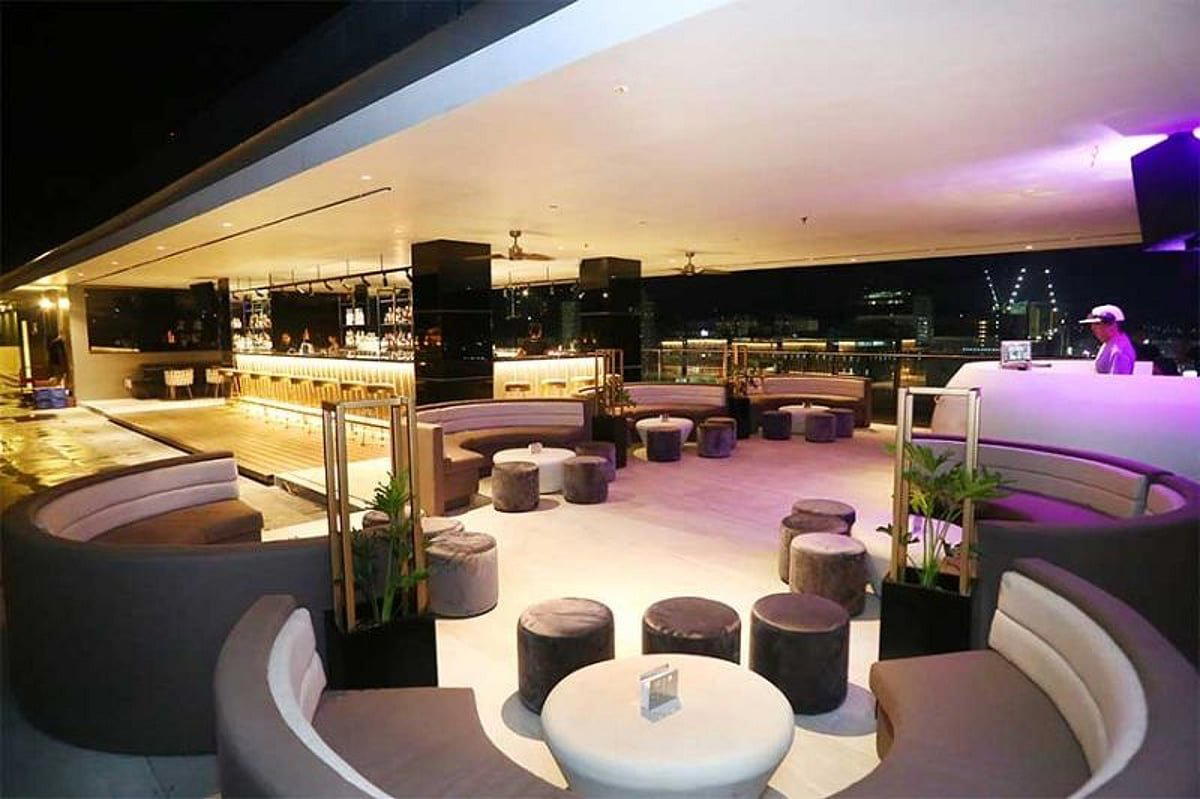
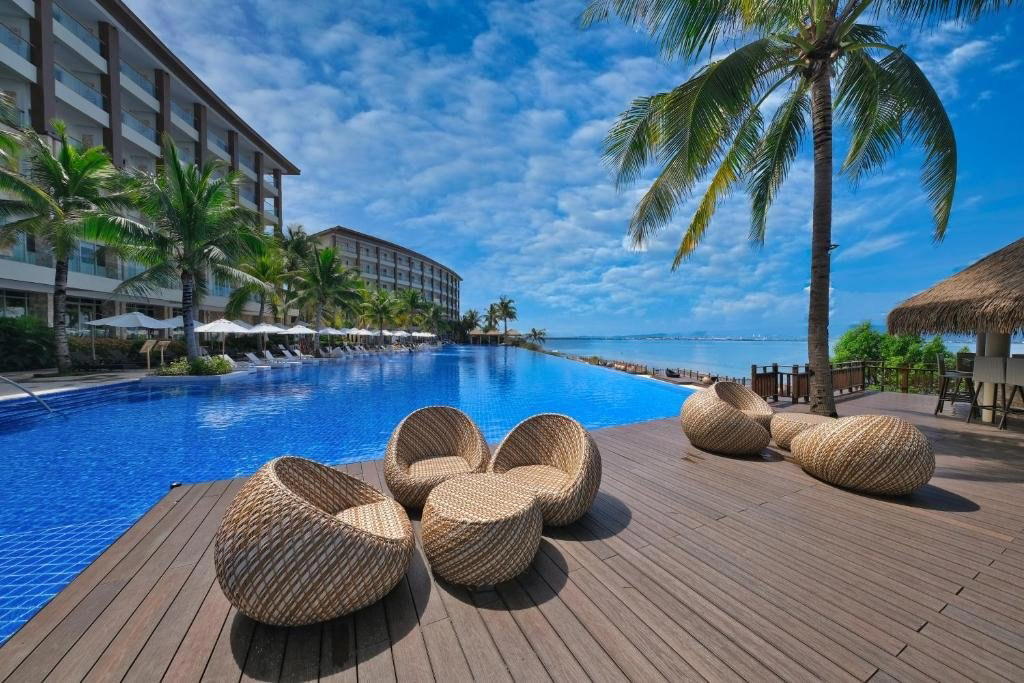
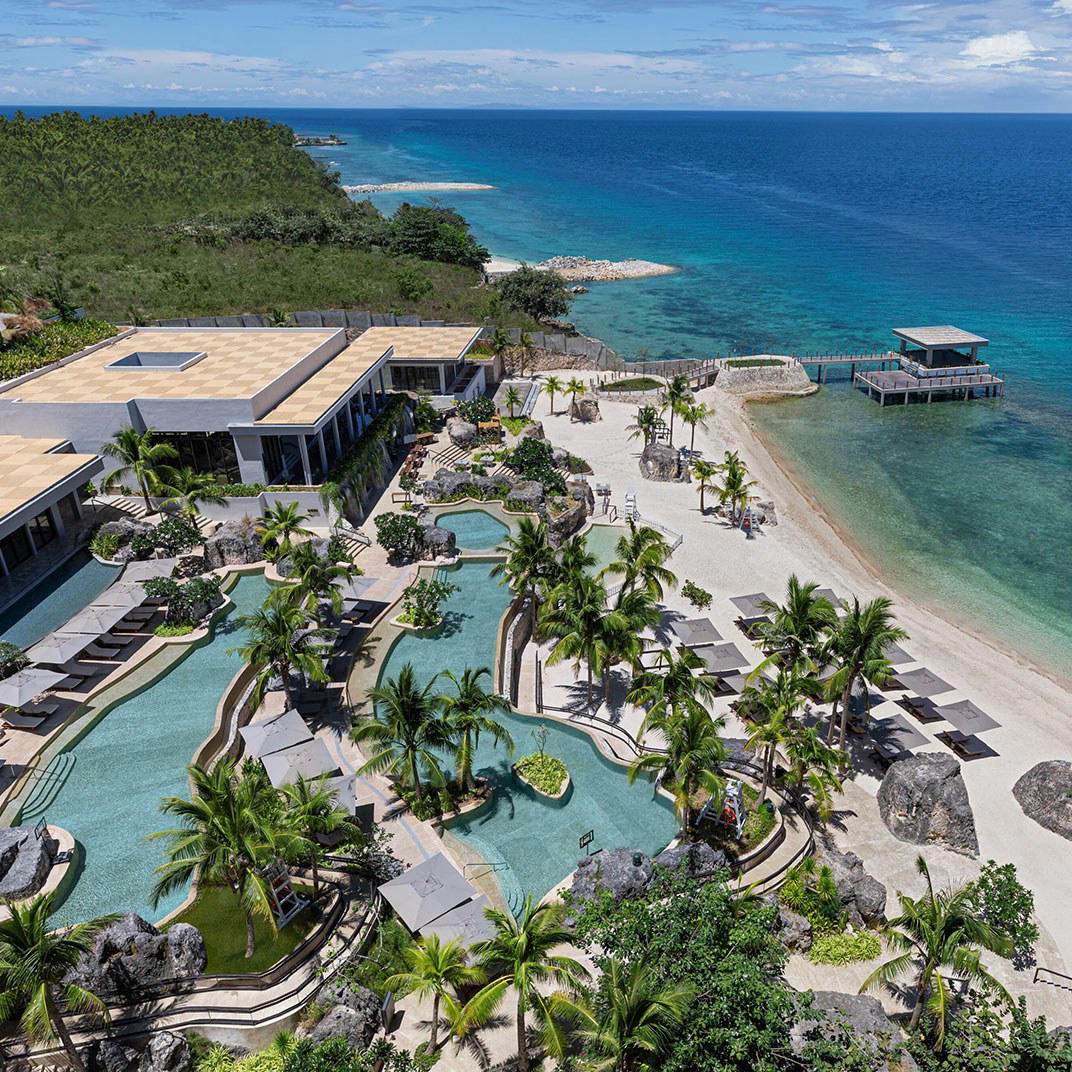
Refined resort-restaurant setting with elegant, contemporary Thai design, soft lighting, and a calm, upscale atmosphere overlooking the ocean—suited to romantic dinners, special occasions, and relaxed conversations.