
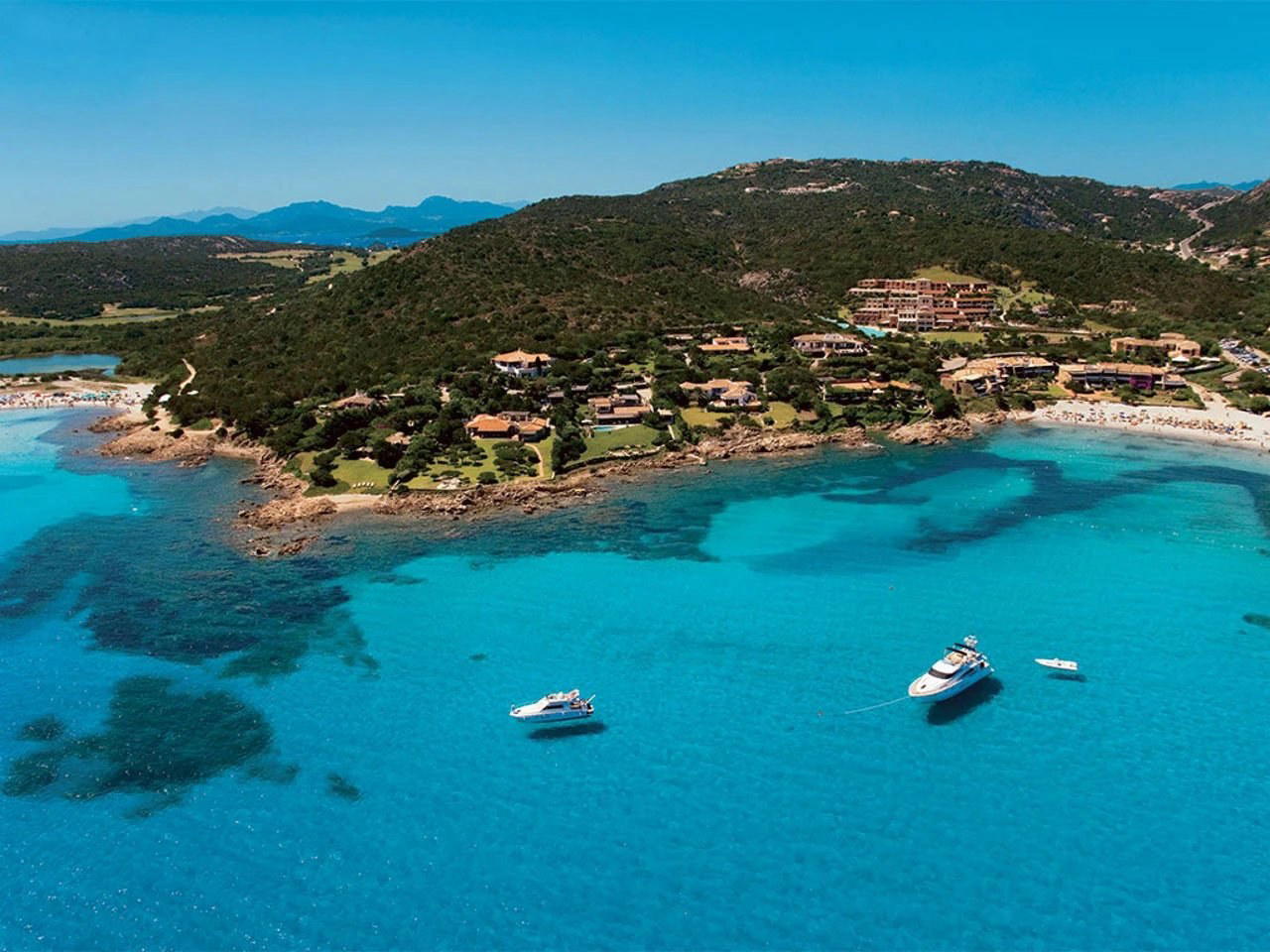
Set along the Porto Cervo corridor on Sardinia's Costa Smeralda, Belvedere occupies a stretch of coast where the sourcing question, how much of what arrives on the plate actually comes from the island, defines the difference between restaurants. The address alone places it inside one of the Mediterranean's most concentrated seasonal dining circuits, with an audience that travels specifically to eat well near the water.
Pearl is the En Primeur Club membership app — saves, bookings, and concierge access live there. Same editors, same standards.
- Address
- SP94, 07021 Porto Cervo SS, Italy
- Phone
- +393978996501
- Directions
- Get directions
 Saves & bookings on Pearl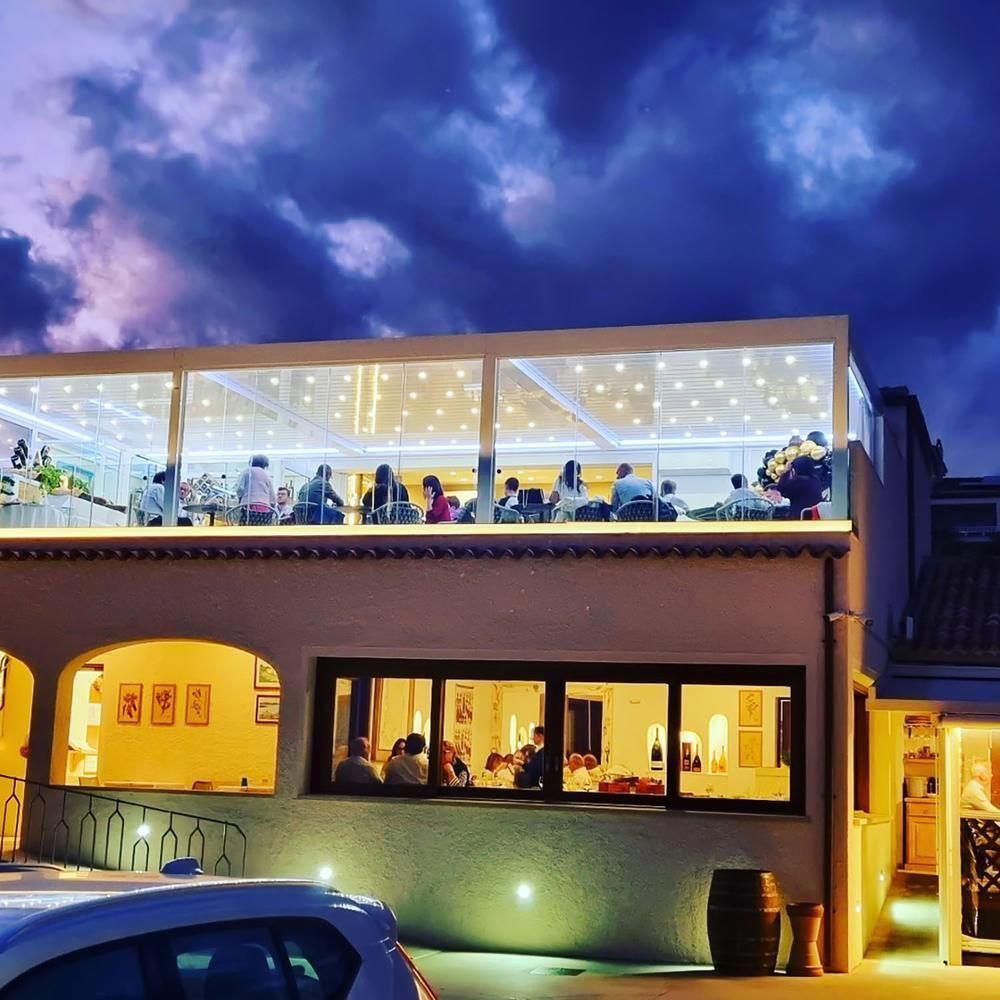
Where the Sardinian Shore Sets the Agenda
The SP94 road threading through the hills above Porto Cervo carries a certain kind of traffic in July and August: yachts moored, transfers arranged, reservations already made weeks in advance. Restaurants positioned along this corridor operate in one of the Mediterranean's most compressed seasonal dining windows, when the Costa Smeralda's population swells from a quiet local base to an international crowd that treats the region as a serious food destination rather than an afterthought to the beach. Belvedere is a restaurant in Porto Cervo, Italy, serving Traditional Sardinian Seafood.
The broader dining scene in Arzachena and the Porto Cervo area has sharpened considerably over the past decade. A handful of addresses have pushed ingredient provenance to the centre of their proposition, working with local fishermen and inland producers to close the distance between the Sardinian landscape and the plate. That movement mirrors what has happened at Italy's more formally decorated tables: Uliassi in Senigallia built its three-Michelin-star identity partly on Adriatic sourcing discipline, while Quattro Passi in Marina del Cantone has long anchored its Amalfi Coast offer in what arrives from local boats that morning. On the Costa Smeralda, the same logic applies, but the seasonal compression makes it more intense: suppliers and kitchens are both operating at capacity simultaneously, and the quality of what ends up on a table is often determined before service even begins.
Sourcing on an Island That Takes Its Ingredients Seriously
Sardinia's food culture is not primarily coastal in origin. The interior of the island, with its shepherd traditions, aged cheeses, cured meats, and wood-fired techniques, is where much of the island's culinary identity was formed. What makes cooking near Porto Cervo interesting is the negotiation between that inland heritage and the obvious abundance of the sea. The leading kitchens in this zip code work both registers: fresh-caught fish from the Tyrrhenian and Ligurian waters, alongside pecorino sardo, bottarga di muggine, local herbs from the macchia, and the small-production olive oils pressed from the island's Bosana and Tonda di Cagliari varieties.
Bottarga, the cured and pressed roe of grey mullet, is Sardinia's most exported ingredient, but its quality gradient is wide. What arrives at tourist-facing restaurants in shrink-wrapped form from a distributor is a different product from what is cured on the island and sold locally in season. The same applies to sea urchin, to clams harvested from the lagoons near Cabras, and to the lamb and suckling pig that remain anchoring proteins in the island's inland tradition. Restaurants that take sourcing seriously tend to show the difference in texture and intensity rather than in price alone. For nearby comparable options across different formats, Lu Pisantinu operates in the same area with a seafood-focused approach at the €€€ tier, offering a useful reference point for what this coastal dining corridor looks like at a stated price position.
The Costa Smeralda Dining Circuit in Context
Arzachena's restaurant scene is not uniform. The area splits between venues oriented toward the yacht-crowd spectacle and those more focused on what is actually being cooked. Phi Beach and Confusion represent the experience-driven end of that spectrum, where setting and atmosphere carry significant weight in the proposition. Capogiro offers another local point of comparison. Belvedere's position on the SP94 between the town and the Porto Cervo marina places it within easy reach of both the town centre and the coast, which matters practically when the area's traffic in August makes distance a real variable in an evening's logistics.
Italy's most recognized tables tend to make sourcing a documented, argued position rather than a default. Atelier Moessmer Norbert Niederkofler in Brunico built its three-star reputation almost entirely on hyper-regional Alpine sourcing, while Reale in Castel di Sangro anchors its tasting format in Abruzzese producers. Piazza Duomo in Alba has made Piedmontese ingredient identity central to its international reputation. At a different price tier and format, the standard those kitchens set for ingredient accountability has filtered into broader expectations across Italian dining, including in seasonal resort contexts. Travellers who eat at Osteria Francescana in Modena or Le Calandre in Rubano during a wider Italy trip arrive in Sardinia with calibrated expectations.
Planning a Visit: What the Address Implies
The SP94 address places Belvedere in a stretch that requires a vehicle or a transfer to reach comfortably, particularly in the evenings when the roads between Arzachena's hillside town and the Porto Cervo waterfront carry sustained traffic. The Costa Smeralda's operating season runs roughly from late May through early October, with July and August representing the peak of both demand and activity. Booking ahead is standard practice for any restaurant in this corridor during those months; the concentration of visitors relative to the number of credible tables means availability tightens quickly.
Those travelling further across Italy's dining map might cross-reference the Belvedere visit with Dal Pescatore in Runate, Enoteca Pinchiorri in Florence, Enrico Bartolini in Milan, or Casa Perbellini 12 Apostoli in Verona for a fuller picture of what Italian cooking looks like across registers. For those extending to other continents, Le Bernardin in New York City and Lazy Bear in San Francisco represent how the sourcing-forward argument plays out in different contexts.
Fast Comparison
Comparable venues nearby, for context on price, style, and recognition.
| Venue | Cuisine | Price | Awards | Notes |
|---|---|---|---|---|
| BelvedereThis venue — the venue you are viewing | Traditional Sardinian Seafood | $$$ | Not listed | Not listed |
| Confusion | Modern Italian Fine Dining | $$$$ | Not listed | Porto Cervo |
| Capogiro | Modern Sardinian Fine Dining | $$$$ | Not listed | Baia Sardinia |
| Phi Beach | Contemporary Italian | $$$$ | Not listed | Baja Sardinia |
| Lu Pisantinu | Sardinian Seafood | $$$ | Michelin Plate | Liscia di Vacca |
| Alassio | Coastal Mediterranean & Italian Comfort Food | $$ | Not listed | San Gallo |
Recognition history
Dated appearances from independent guides and award organizations, with the underlying list record or original source where available.
Michelin Plate
Michelin
Michelin Plate
Michelin
Michelin Plate
Michelin
Continue exploring
More in Arzachena
Restaurants in Arzachena
Browse all →
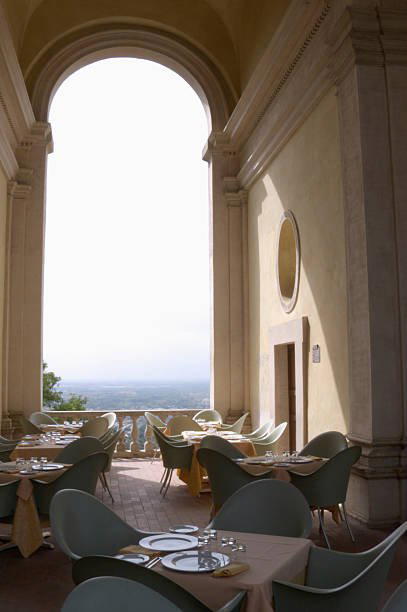
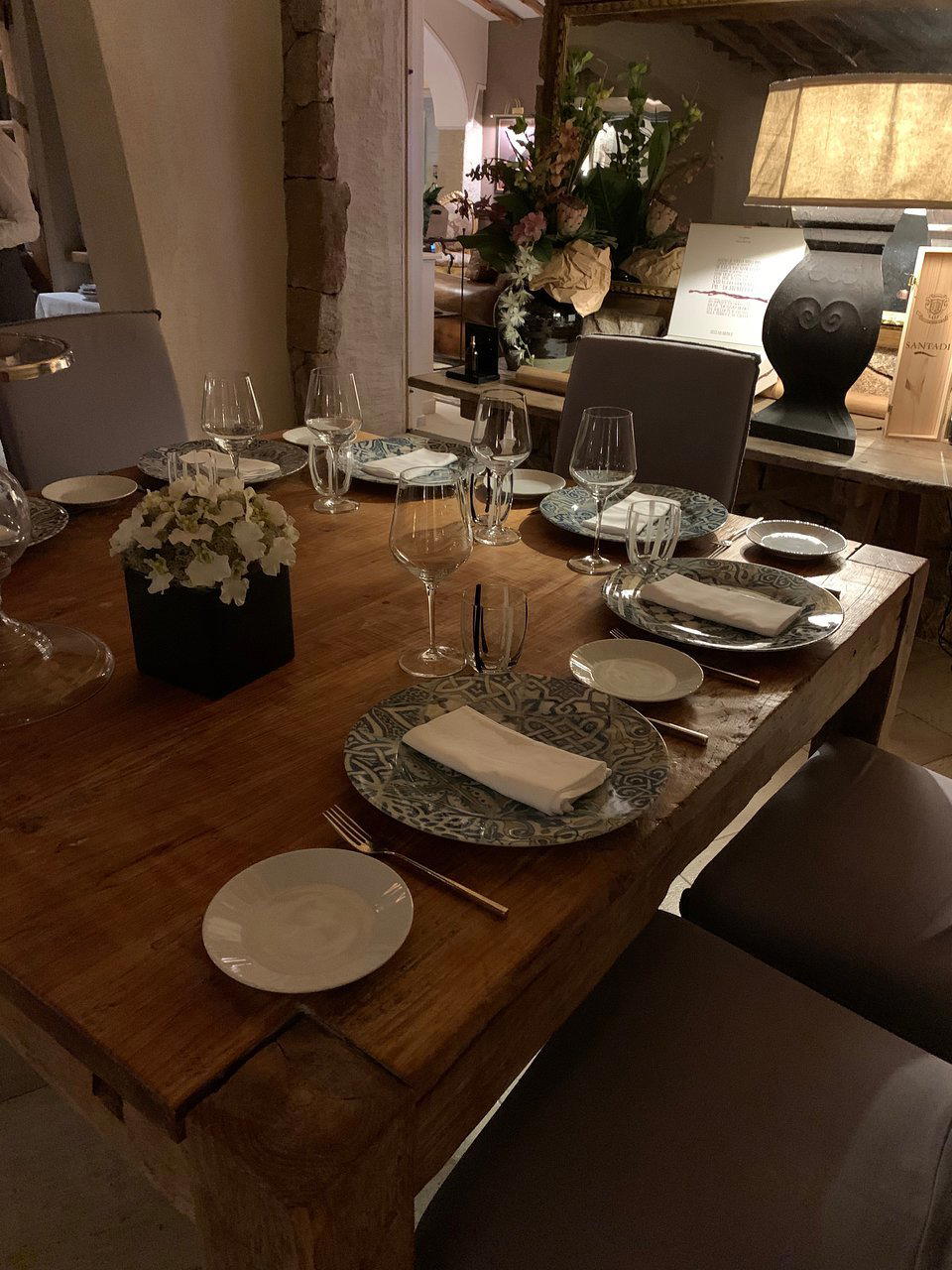
Bars in Arzachena
Browse all →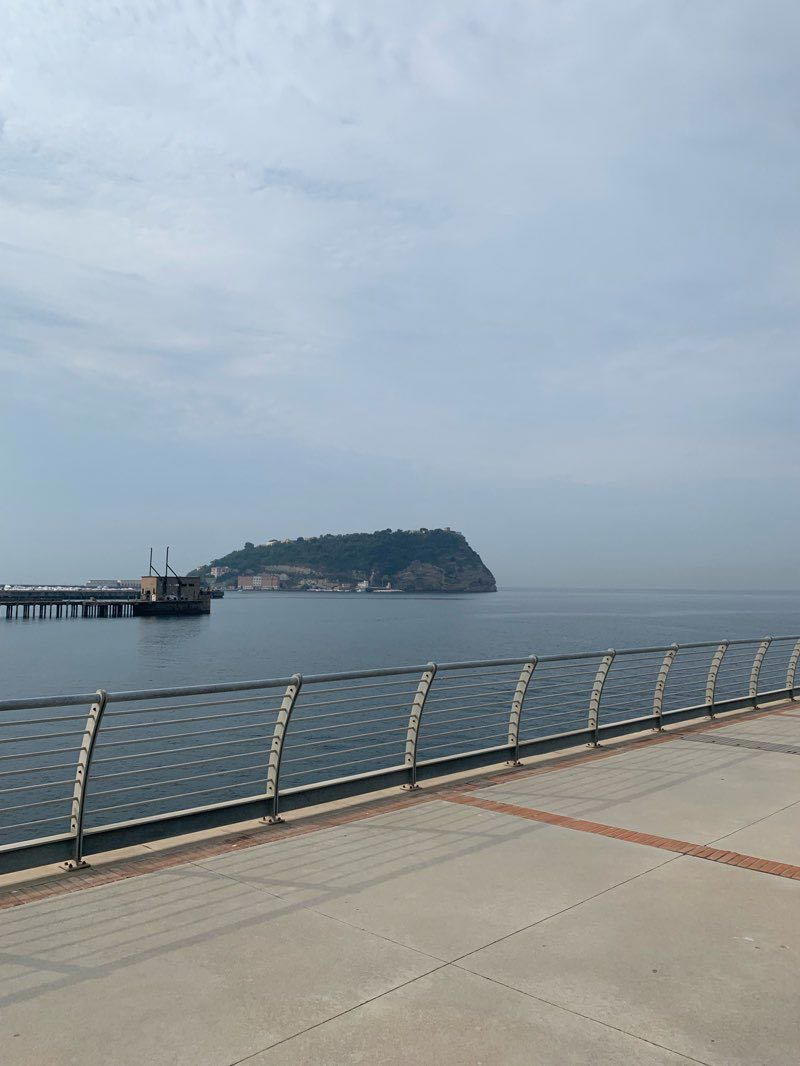
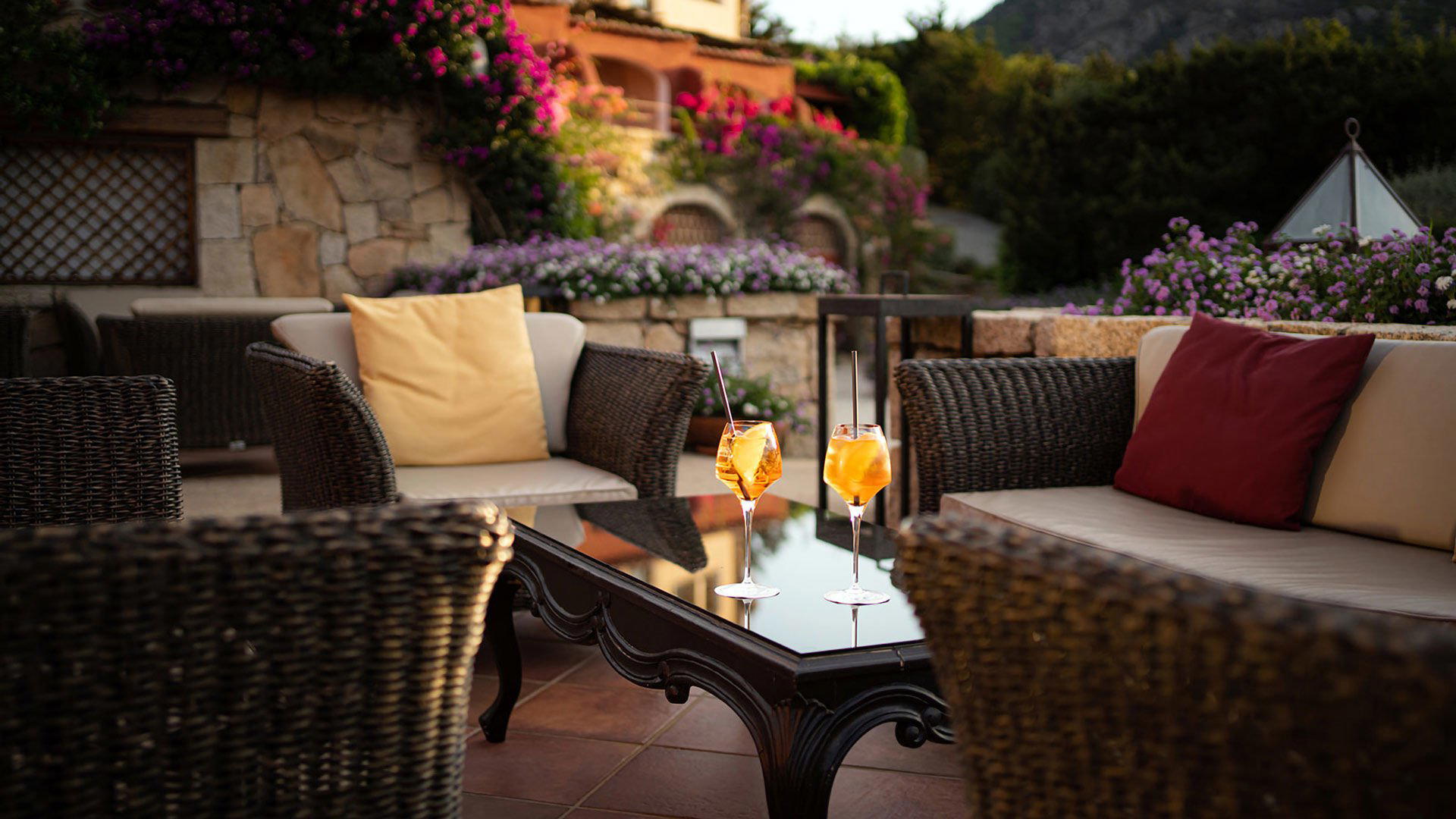
Hotels in Arzachena
Browse all →

At a Glance
- Elegant
- Scenic
- Classic
- Sophisticated
- Date Night
- Special Occasion
- Group Dining
- Waterfront
- Terrace
- Panoramic View
- Extensive Wine List
- Local Sourcing
- Sustainable Seafood
- Waterfront
Current opening hours
- Monday
- 12–2:30 PM, 7–10:30 PM
- Tuesday
- Closed
- Wednesday
- 12–2:30 PM, 7–10:30 PM
- Thursday
- 12–2:30 PM, 7–10:30 PM
- Friday
- 12–2:30 PM, 7–10:30 PM
- Saturday
- 12–2:30 PM, 7–10:30 PM
- Sunday
- 12–2:30 PM, 7–10:30 PM
Hours can change for holidays and private events. Last verified .
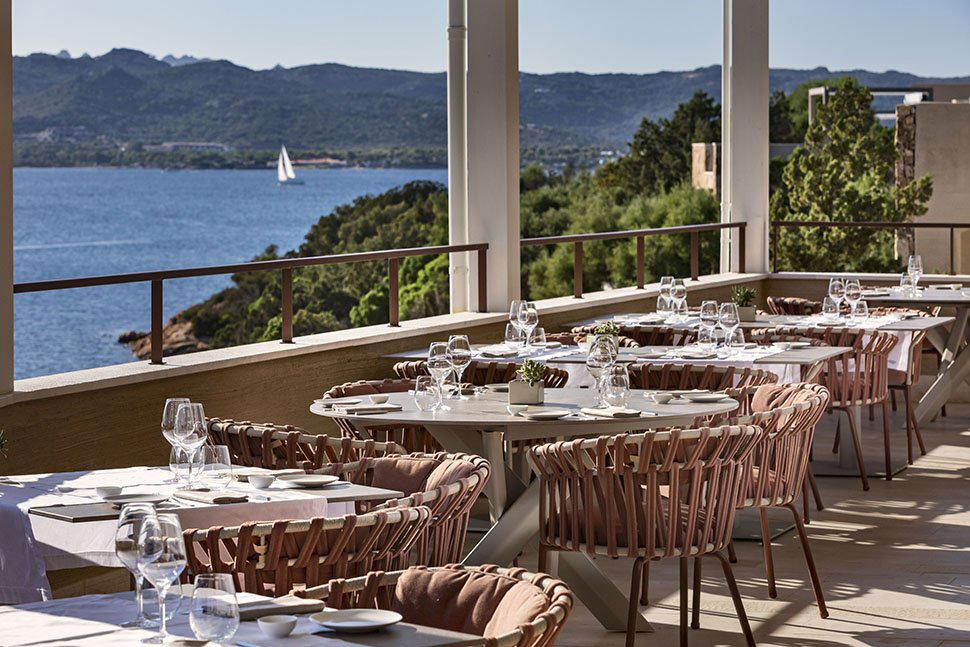
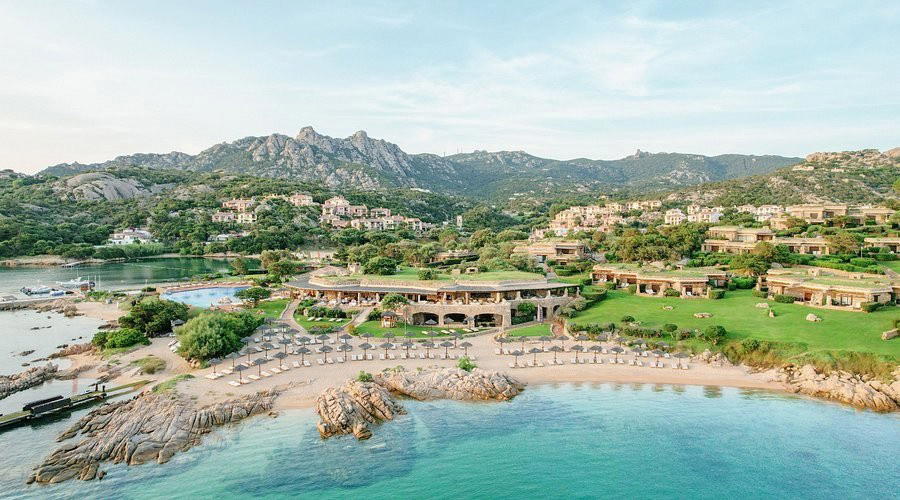
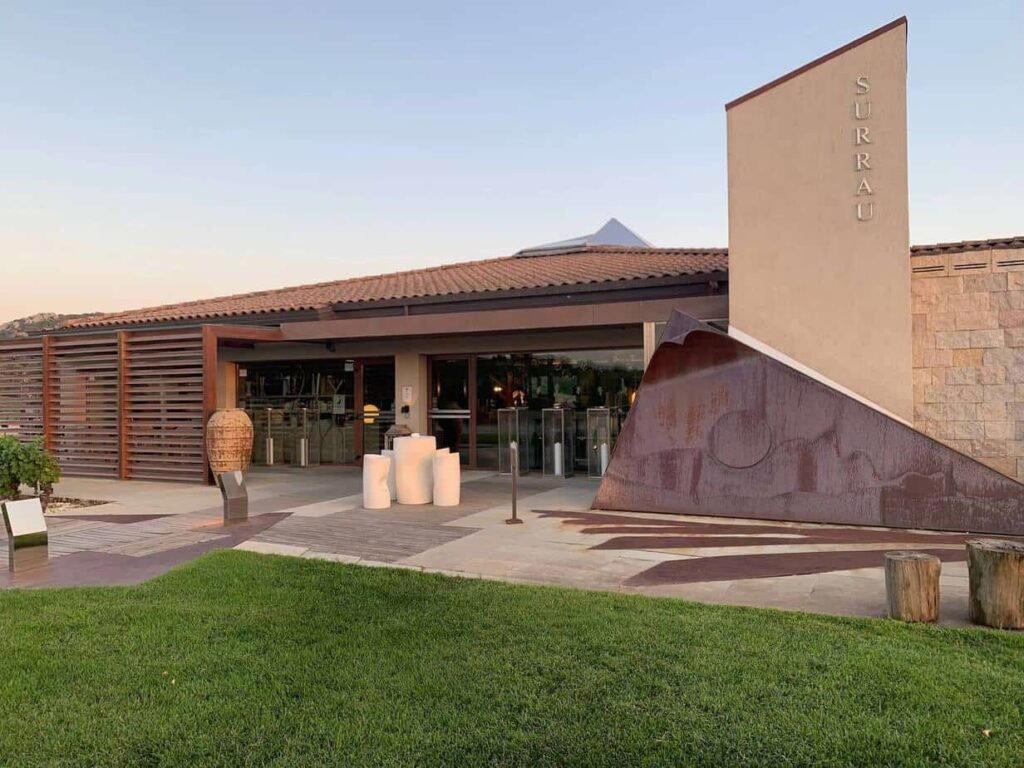
Informal yet refined dining room with Mediterranean elegance, featuring a prominent fish display cabinet that showcases the daily catch, overlooking green coastal hills.