Bell

A 17th-century village pub in Ticehurst that has carried a Michelin Plate in both 2024 and 2025, the Bell sources much of its produce from Daylesford Organic Farm and serves it in a setting of exposed stone walls and log fires. Decorated bedrooms make it a viable overnight stop for exploring the High Weald. At the ££ price point, it represents one of the more credible farm-to-table pub operations in the Sussex and Kent border country.
Pearl is the En Primeur Club membership app — saves, bookings, and concierge access live there. Same editors, same standards.
- Address
- High St, Ticehurst, Wadhurst TN5 7AS, United Kingdom
- Phone
- +44 1580 200300
- Website
- thebellinticehurst.com
- Directions
- Get directions
 Saves & bookings on Pearl
The Pub Reinvented, Quietly and Without Fuss
The English gastropub has had two distinct lives. The first, driven by ambition and occasionally by ego, produced places that shrugged off their pub identity in pursuit of restaurant legitimacy, tablecloths included. The second, more durable wave understood that the setting was the point: that flagstone floors, open fires, and a pint pulled without ceremony were not obstacles to good cooking but its most suitable frame. The Bell in Ticehurst belongs to the second tradition. Approaching it along the High Street of this small East Sussex village, it reads immediately as a pub, 17th-century proportions, modest frontage, nothing that announces itself too loudly. That restraint is part of the offer.
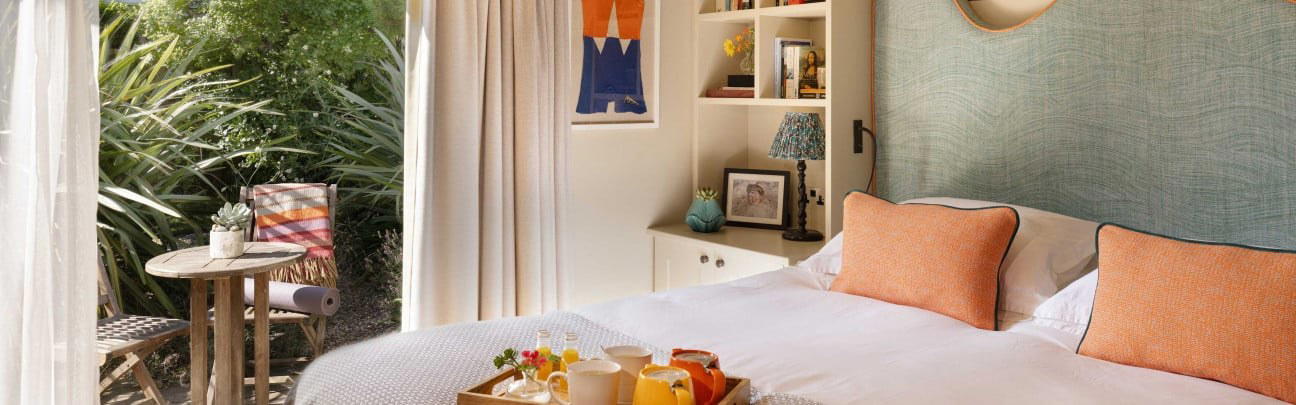
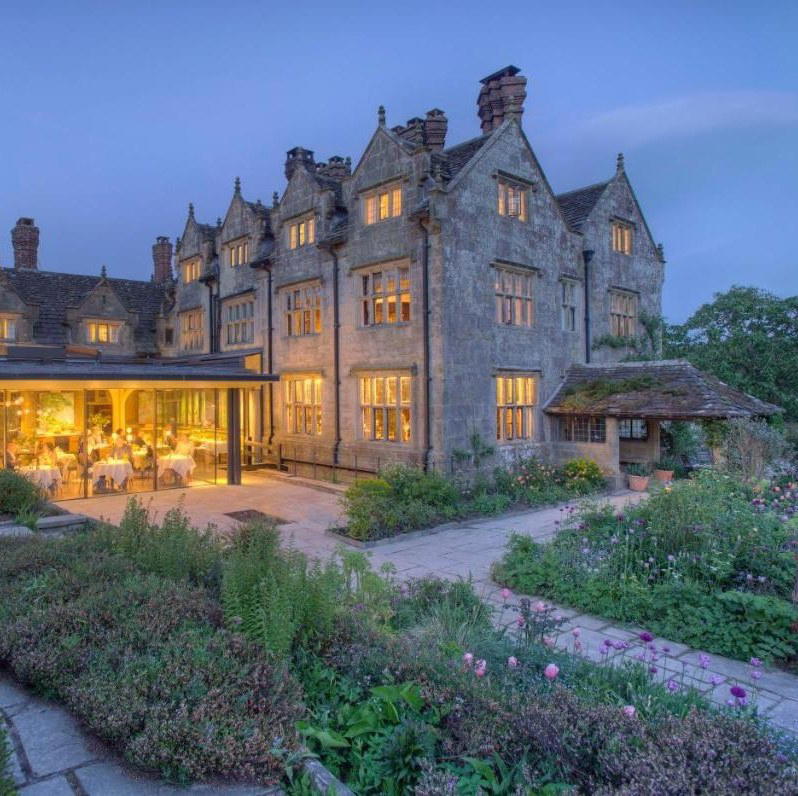
Inside, the bar and dining areas do what good old-fabric pubs do: exposed stone walls carry the visual weight while log fires run in cooler months, making the room feel inhabited rather than designed. Summer shifts the logic toward a garden and orchard, where a covered terrace and a small stream allow the kind of outdoor dining that is still, in England, understood as a seasonal privilege rather than a given. For anyone planning a visit from further afield, the decorated bedrooms turn a meal into a short-stay: the High Weald Area of Outstanding Natural Beauty runs through this corner of East Sussex and into Kent, and the Bell sits within easy reach of walking country that most London residents underschedule.
Where the Produce Comes From, and Why That Matters
The gastropub revolution of the past two decades made sourcing its most legible credential. At its weakest, that meant a menu dotted with county names as decoration. At its most committed, it meant a direct relationship between kitchen and land that shaped what actually appeared on the plate. The Bell sits firmly in the latter category. Its sister operation, Daylesford Organic Farm, supplies a meaningful portion of the ingredients, which concentrates the kitchen's attention on the quality of the raw material rather than on technique as spectacle. This is a different editorial proposition from, say, The Fat Duck in Bray or CORE by Clare Smyth in London, where the kitchen's intellectual architecture is itself the story. Here, the story is that a Cornish fish pie can be made from ingredients whose origin is known and whose handling has been controlled from farm to serving bowl.
That model has its own form of rigour. Seasonal availability shapes the menu in ways that a kitchen buying from a broad wholesale network can sidestep. It also means the cooking reads as comforting and full-flavoured rather than technically demonstrative, which is precisely the register that works in a room with stone walls and an open fire. The Michelin Plate in 2024 and again in 2025 signals that the guide's inspectors rate the cooking as worth a stop, without placing it in the same bracket as destination-dining operations like L'Enclume in Cartmel or Moor Hall in Aughton. That is not a criticism, it is a description of where the Bell's ambitions actually lie and what it is genuinely good at.
The Gastropub comparable set in Context
The benchmark comparison for a pub operating at this level is instructive. Hand and Flowers in Marlow holds two Michelin Stars and is the obvious ceiling for what pub cooking in England can achieve within a pub format. Pipe and Glass in South Dalton operates within a similar tradition in Yorkshire. The Bell's sustained Michelin Plate recognition places it within the tier of pubs where the cooking is reliably sound and grounded in identifiable sourcing, rather than in the more rarefied bracket where pub cooking becomes a critical conversation about the nature of the form itself. At the ££ price point, it is also more accessible than most of the above. That combination, serious-enough cooking, strong produce credentials, a genuine pub atmosphere, and a price range that does not require advance budgeting, is precisely what the better end of the gastropub category should look like.
For reference, the contrast with the formal dining end of British cooking, places like Le Manoir aux Quat' Saisons in Great Milton, Gidleigh Park in Chagford, or Restaurant Andrew Fairlie in Auchterarder, is not one of quality but of register. The Bell is not trying to compete with that tier, and it does not need to. It competes on a different set of terms: local rootedness, seasonal honesty, and the specific pleasure of eating well in a building that has been serving travellers for four centuries.
For those exploring the broader region, hide and fox in Saltwood represents another serious cooking operation within a reasonable distance in Kent. The cross-border character of this corner of England, where Sussex, Kent, and the High Weald overlap, makes it worth planning across county lines rather than treating Ticehurst in isolation.
Planning a Visit
The Bell sits on the High Street in Ticehurst, East Sussex (TN5 7AS). The ££ pricing makes it a viable option for a mid-week dinner as much as a weekend destination, and the bedrooms mean there is no obligation to account for a return journey the same evening. Ticehurst is most practically reached by car from London, with the journey running roughly south from the M25 through the Weald; the nearest rail connection is Wadhurst station, approximately two miles away on the Hastings line from London Charing Cross. For anyone building a longer itinerary around East Sussex and beyond, the Opheem in Birmingham, Midsummer House in Cambridge, and Dinner by Heston Blumenthal represent different ends of the British cooking tradition worth knowing about as context for what the Bell is and is not attempting.
Quick Comparison
Comparable venues nearby, for context on price, style, and recognition.
| Venue | Cuisine | Price | Awards | Notes |
|---|---|---|---|---|
| BellThis venue — the venue you are viewing | British Gastropub | $$$ | Michelin Plate | Not listed |
| The Baring | Modern Gastropub | $$$ | Michelin Plate | East Canonbury |
| The Holland | Modern British Gastropub | $$$ | Michelin Plate | South Kensington |
| The Braywood | Modern British Fine Dining | $$$ | Michelin Plate | Paley Street, Bray |
| Quince | Seasonal British Bistro | $$$ | Michelin Plate | Westgate-on-Sea |
| Garrison | Modern British Gastropub | $$$ | Michelin Plate | Borough |
Recognition history
Dated appearances from independent guides and award organizations, with the underlying list record or original source where available.
Michelin Plate
Michelin
Michelin Plate
Michelin
Michelin Plate
Michelin
Continue exploring
More in Ticehurst
Restaurants in Ticehurst
Browse all →
Bars in Ticehurst
Browse all →
Hotels in Ticehurst
Browse all →

At a Glance
- Whimsical
- Cozy
- Rustic
- Intimate
- Date Night
- Celebration
- Casual Hangout
- Garden
- Historic Building
- Extensive Wine List
- Local Sourcing
- Garden
Warm, whimsical atmosphere with quirky decor, ruby-red damask walls, inglenook fireplaces, and a busy pub vibe.