Bell-Lloc


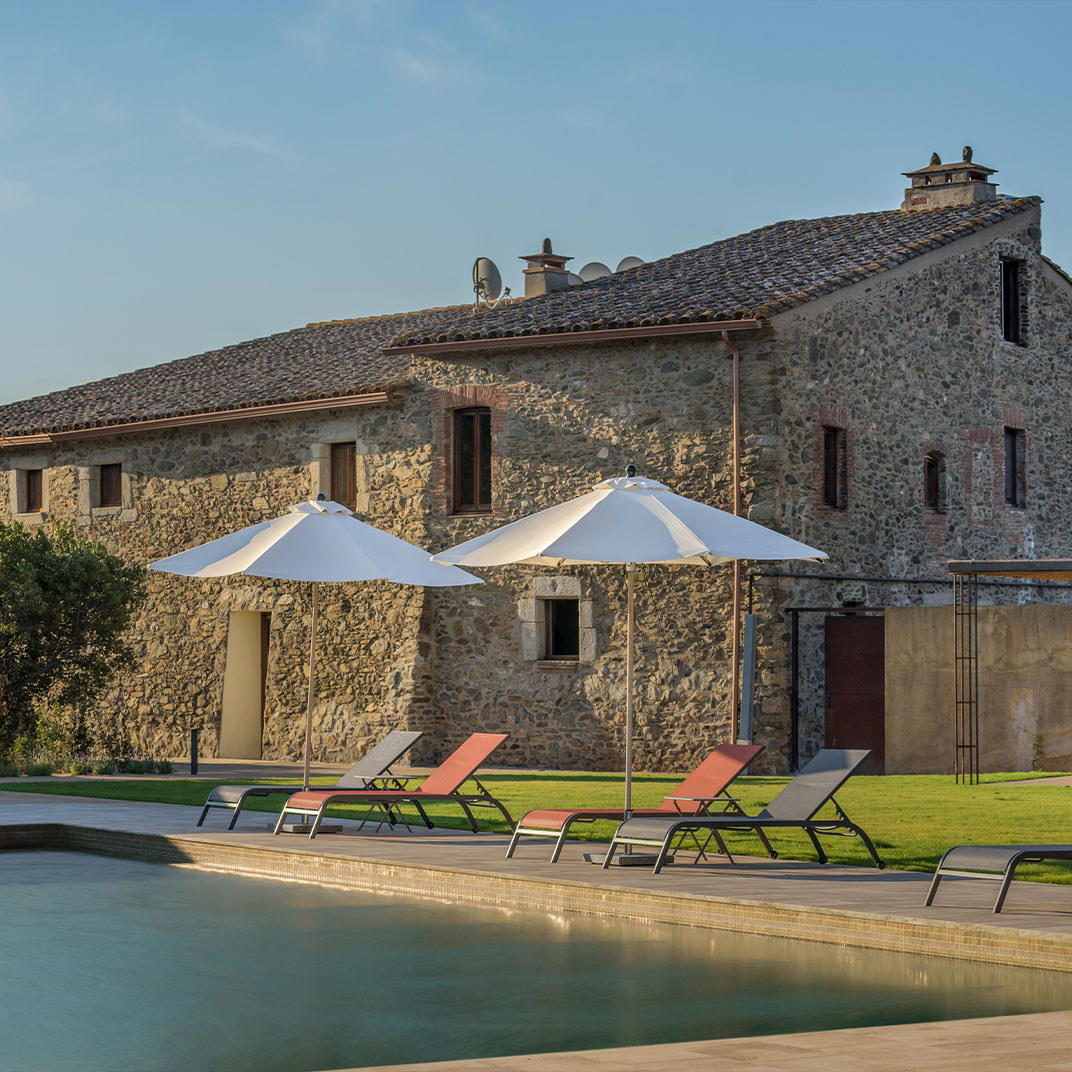
A 17th-century farmhouse on the road between Sant Feliu and Girona, Bell-Lloc holds a Michelin Plate for traditional Catalan cooking kept deliberately simple: grilled meats, market produce, and the kind of food that belongs to this landscape. At the €€ price tier, it occupies a different register from the Costa Brava's destination kitchens, and that distinction is the point.
Pearl is the En Primeur Club membership app — saves, bookings, and concierge access live there. Same editors, same standards.
- Address
- Carretera Sant Feliu a Girona, km 5,2, Mas de la Musiqueta, 17246 Santa Cristina d'Aro, Girona, Spain
- Phone
- +34 872 20 01 15
- Website
- restaurantbell-lloc.com
- Directions
- Get directions
 Saves & bookings on Pearl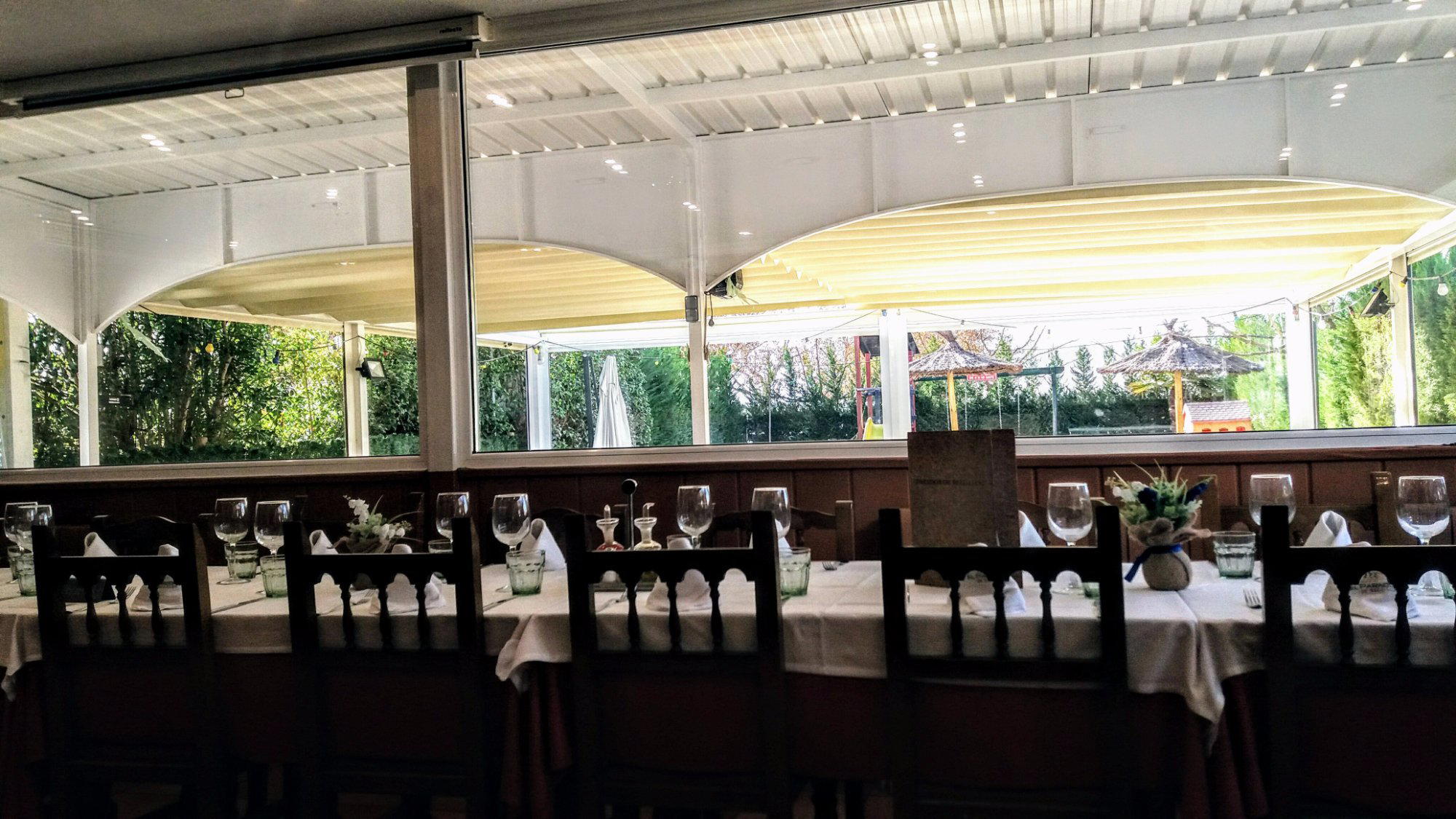
Stone Walls, Grill Smoke, and the Catalan Table
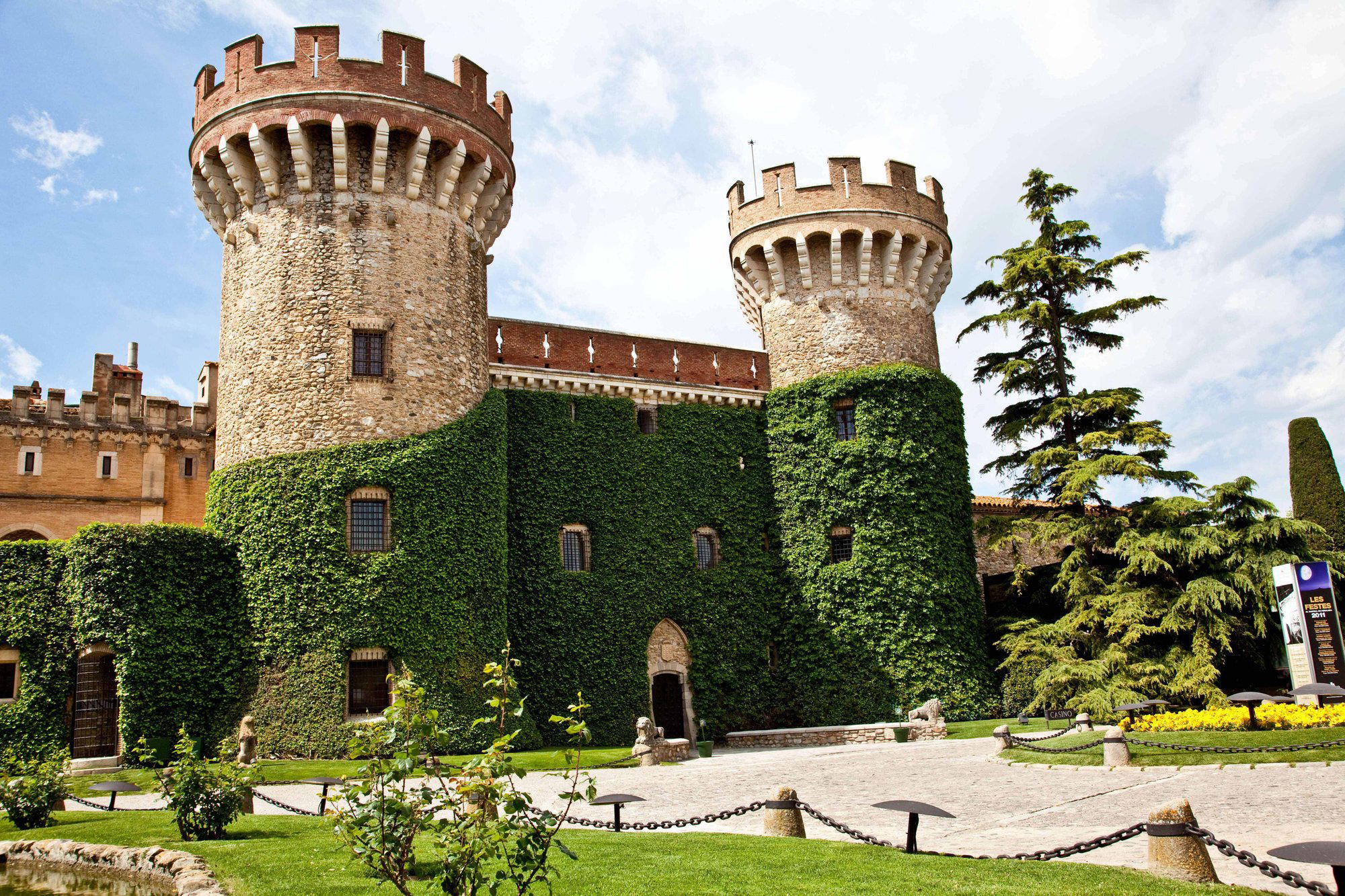
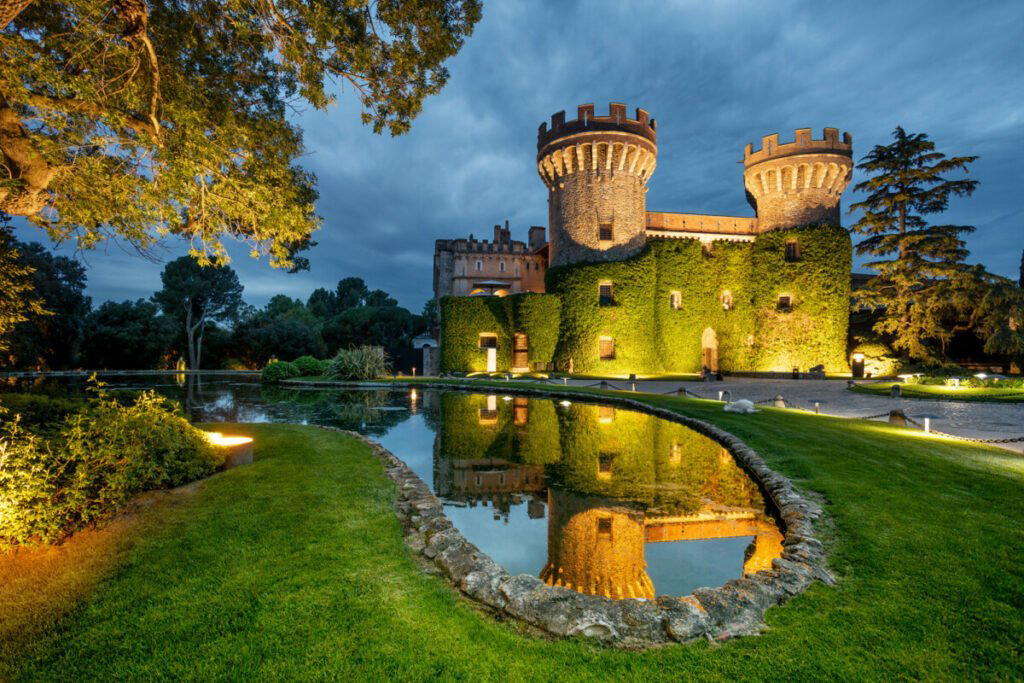
The road between Sant Feliu de Guíxols and Girona passes through the kind of inland Catalonia that coastal visitors rarely see: scrub oak, farmland, and villages where the food still answers to the season rather than to a tasting-menu calendar. At kilometre 5.2, a farmhouse dated to the 17th century sits back from the road at Mas de la Musiqueta. Bell-Lloc is a traditional Catalan restaurant in Santa Cristina d'Aro, serving grill cooking at a €€ price tier. The stone is weathered, the ambience marked by the accumulated weight of centuries rather than decorator intent. This is the physical fact of Bell-Lloc before a single plate arrives.
Rustic in Spain carries a specific culinary meaning. It signals wood-fire cooking, direct flavours, and a relationship with the grill that predates the modern kitchen brigade. The cuina de la terra tradition in Catalonia, the cooking of the land, has always operated on this axis: ingredient quality as the governing principle, technique as a servant to that quality rather than its author. Bell-Lloc sits inside that tradition, where the grill is not a style choice but a structural one.
How the Table Works Here
Catalan eating has never been organised around a single plate arriving alone. The social architecture of the Catalan meal, from the shared pa amb tomàquet at the start to the rotation of plats around the table, assumes collective negotiation. Even in restaurants that do not formally serve small plates, the culture of sharing runs underneath the surface: a piece of grilled meat arrives and gets divided, a vegetable side moves between diners without comment, the bread never stops circulating. The restaurant's format, traditional and direct in its structure, reads more naturally inside this social logic than any individually plated progression would.
The grill-centred approach reinforces this. Grilled food is inherently communal food. A whole grilled piece of meat or fish carries its own drama and asks to be carved and shared at the table. The smoke that settles into the room becomes a shared sensory reference, not a private experience. At the €€ price tier, the meal does not come with the choreography of a tasting counter; what it does come with is the specific pleasures of fire, simplicity, and a table that becomes the whole point of the evening.
Where Bell-Lloc Sits in the Regional Picture
The Costa Brava and its immediate hinterland host one of Spain's most concentrated clusters of serious restaurants. El Celler de Can Roca in Girona sits less than 40 kilometres from this farmhouse and operates at the opposite end of the ambition register: three Michelin stars, a global reservation list, and a kitchen that treats Catalan tradition as a point of departure for extended creative inquiry. The gap between that tier and the restaurant is not a gap in quality so much as a gap in purpose. One is a destination for a specific kind of concentrated, singular experience; the other is a place you come back to on a Tuesday.
Across Spain, the Michelin Plate designation, which the restaurant has held for both 2024 and 2025, functions as a signal that a restaurant is cooking at a level worth the inspector's attention without operating in the star tier. The Plate cohort in Catalonia is large and includes restaurants doing different things, from modernist bistros in Barcelona to rural houses like this one. What groups them is a baseline of seriousness: the cooking is intentional, the produce is handled with care, the kitchen has thought about what it is trying to do. For a farmhouse at this price point, two consecutive Plate awards represent a consistent editorial verdict from Michelin rather than a one-off acknowledgement.
The broader Spanish fine dining conversation runs through venues at a different price and format tier: Arzak in San Sebastián, Azurmendi in Larrabetzu, Aponiente in El Puerto de Santa María, DiverXO in Madrid, Mugaritz in Errenteria, Martin Berasategui in Lasarte-Oria, Quique Dacosta in Dénia, Cocina Hermanos Torres in Barcelona, Ricard Camarena in València, and Atrio in Cáceres. The restaurant does not compete with that cohort and does not try to. Its competitive set is the community of rural Catalan restaurants where the question is whether the kitchen is keeping faith with a specific and demanding tradition.
For Catalan cooking in a different register, see also 7 Portes in Barcelona, an institution that has been operating in the Gothic Quarter since 1836, and B44 in San Francisco, which carries the tradition into a different city context entirely.
Planning a Visit
The restaurant is located at Carretera Sant Feliu a Girona, km 5.2, Mas de la Musiqueta, 17246 Santa Cristina d'Aro, in the Girona province. The address places it on a rural road between two towns rather than inside either, which means a car is the practical way to arrive. Girona itself is the nearest large city and offers one logical base if you are combining this meal with other destinations in the region. Reservations are advisable given the restaurant's consistent review volume; the farmhouse setting implies limited capacity, though an exact seat count is not available. The €€ price tier makes the restaurant accessible for a midweek dinner without the advance planning that a starred restaurant demands, though peak summer weeks on the Costa Brava bring additional visitors to the entire area.
For help planning a broader stay in the area, see our full Santa Cristina d'Aro restaurants guide, our Santa Cristina d'Aro hotels guide, our Santa Cristina d'Aro bars guide, our Santa Cristina d'Aro wineries guide, and our Santa Cristina d'Aro experiences guide.
Comparison Snapshot
Comparable venues nearby, for context on price, style, and recognition.
| Venue | Cuisine | Price | Awards | Notes |
|---|---|---|---|---|
| Bell-LlocThis venue — the venue you are viewing | Traditional Catalan | $$ | Michelin Plate | Not listed |
| La Forquilla | Modern Spanish Tasting Menu | $$ | Michelin Plate | l'Antiga Esquerra de l'Eixample |
| L’Hostal de Ca l’Enric | Traditional Catalan | $$ | Bib Gourmand | La Vall de Bianya |
| Les Voltes de Sant Sebastià | Modern Catalan | $$ | Michelin Plate | Moià |
| Maitea Taberna | Traditional Basque Pintxos & Tapas | $$ | Not listed | l'Antiga Esquerra de l'Eixample |
| Mas Albereda | Modern Catalan | $$$ | Michelin Plate | Sant Julià de Vilatorta |
Recognition history
Dated appearances from independent guides and award organizations, with the underlying list record or original source where available.
Macarfi 7.3 Food Rating
Macarfi
Michelin Plate
Michelin
Michelin Plate
Michelin
Michelin Plate
Michelin
Continue exploring
More in Santa Cristina d'Aro
Restaurants in Santa Cristina d'Aro
Browse all →
Bars in Santa Cristina d'Aro
Browse all →
Hotels in Santa Cristina d'Aro
Browse all →
Wineries in Santa Cristina d'Aro
Browse all →
At a Glance
- Rustic
- Cozy
- Classic
- Family
- Group Dining
- Casual Hangout
- Historic Building
- Local Sourcing
Rustic and welcoming atmosphere in a historic 17th-century farmhouse with warm, family-friendly lighting and good table separation.