Bee Hwa Cafe

Michelin Bib Gourmand
Our verdict
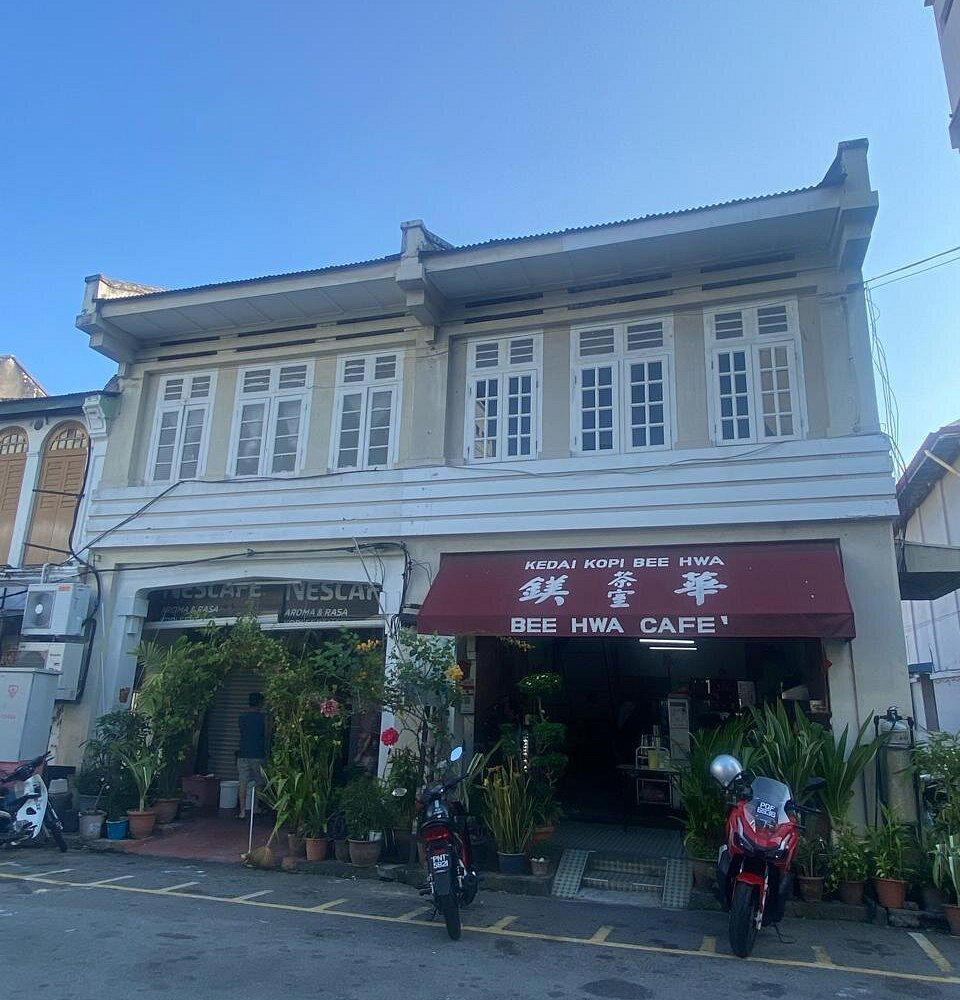
Operating from a fixed address on Lebuh Dickens since evolving out of a 1992 street stall, Bee Hwa Cafe serves halal Malaysian-Chinese cooking built around seafood and chicken rather than pork. The char kway teow is fried with minced garlic in a house soy blend, and the hae mee arrives with a broth that draws its depth from seafood stock and a home-made curry paste.

Pearl is the En Primeur Club membership app, where members save venues, book tables and use the concierge.
The menu
What to order
- Char koay teow
- White curry mee
- Penang Hokkien noodles
Lebuh Dickens and the Halal Chinese Hawker Tradition
George Town's hawker culture is often discussed as a single, unified tradition, but it has always contained internal divisions that visitors rarely map. The Chinese-Malaysian food corridor running through the old commercial quarters defaults to pork lard as a base fat and pork bone as a broth foundation, which excludes a significant portion of the city's Muslim population from its most celebrated dishes. The halal Chinese hawker segment addresses that gap with adapted technique: substituting chicken fat, seafood stock, and vegetable-rendered oils to replicate depth without the ingredient. Bee Hwa Cafe, at 10 Lebuh Dickens, has occupied that specific position since its origins as a street stall in 1992, now operating as a shopfront run by the founder alongside her son and daughter.
The address places it within walking distance of George Town's inner heritage core, where the density of competing hawker options is highest. In that environment, the halal Chinese format is a smaller tier. The comparison set is not Ah Boy Koay Teow Th'ng or 888 Hokkien Mee Lebuh Presgrave, where pork lard is central to the dish's identity, but rather a set of family-run spots that have found ways to deliver the same wok hei and broth intensity through different source ingredients. Bee Hwa operates against that smaller peer group and has held its position in it for over three decades.
The Meal as a Sequence: How the Menu Reads
Hawker tables rarely encourage multi-course ordering in any formal sense, but Bee Hwa's menu has a natural arc that rewards reading it that way. The two anchor dishes, char kway teow and hae mee, occupy different registers of flavour and represent a sensible sequence if you are eating with a companion willing to share.
Char Kway Teow: The Opening Register
The char kway teow opens on a note that is more dry and concentrated than wet. The substitution of minced garlic for lard as the primary aromatic sets the dish on a cleaner trajectory, without the fatty slickness that lard-fried versions carry. The house soy blend, described as a secret formulation, runs spicy-sweet, which shifts the flavour profile toward something slightly more assertive than the neutral savoury baseline of a conventional preparation. Chicken and seafood replace the pork elements, which changes the protein texture but preserves the wok-char that the dish depends on. The result sits closer to a Penang char kway teow in method than to the Singaporean or KL variants, though the ingredient substitutions give it a distinct character within that tradition.
For context: Penang char kway teow at its most traditional form is a dish of very few components assembled at high heat over a short time. Any modification to the fat or protein requires precise timing to avoid the noodle going soft rather than charred. The fact that the garlic-based version at Bee Hwa has sustained a following for over thirty years suggests the wok technique has been calibrated carefully to compensate for the changed fat profile.
Hae Mee: The Second Register
Where the char kway teow is direct and concentrated, the hae mee introduces a more layered, liquid-forward experience. The broth is made fresh daily from seafood, which means its umami depth comes from shellfish and crustacean reduction rather than the pork-and-prawn combination used in most Penang hae mee. A home-made curry paste is added to the noodles, introducing a secondary spice layer on top of the broth's base notes. This is not a mild adjustment: curry paste in a noodle broth shifts the whole sensory direction of the bowl from clear and savoury toward warm and aromatic, with heat that builds rather than arrives upfront.
The sequencing logic here is that the char kway teow, eaten first, prepares the palate for something more complex. The hae mee, with its broth and layered paste, functions as the dish that requires more attention. Hawker meals rarely get framed this way, but the progression is real: dry before wet, direct before layered, wok-intense before broth-slow.
Three Decades of Continuity in a Changing Market
George Town's food scene has absorbed considerable outside attention since the city's UNESCO World Heritage designation in 2008, with a resulting wave of restaurant openings at higher price points. Venues like Au Jardin and Auntie Gaik Lean's Old School Eatery occupy the upper tiers of the market, the latter holding a Michelin star for its Peranakan cooking. Richard Rivalee represents a newer generation of Peranakan fine dining. These venues serve a different function and a different audience than a family-run hawker cafe, but their existence creates a useful frame: the heritage hawker tier has remained structurally intact in George Town in a way it has not in some other Southeast Asian cities where gentrification pushed out legacy operators. Bee Hwa, starting from a street stall, represents the kind of continuity that the heritage designation was designed, at least in part, to protect.
That continuity matters to the food itself. A recipe calibrated over thirty years of daily production at the same address is not the same thing as a recipe replicated from notes. The soy blend and the curry paste are both described as home-made formulations, which means the flavour is tied to a specific ongoing process rather than a transferable formula. This is common in long-running hawker operations and is one reason the category is difficult to replicate at scale, even when the base ingredients are simple.
For visitors who want to extend their understanding of Malaysia's regional hawker traditions beyond George Town, Bee See Heong in Seberang Perai offers a cross-strait comparison point, while Dewakan in Kuala Lumpur and The Planters at The Danna in Langkawi represent the more formal register of Malaysian dining at either end of the country's north-south corridor. For the full picture of what George Town specifically offers across formats and price tiers, the George Town restaurants guide, hotels guide, bars guide, wineries guide, and experiences guide cover the category in detail. For international reference points in fine dining, Le Bernardin, Atomix, Lazy Bear, Emeril's in New Orleans, and 8½ Otto e Mezzo Bombana in Hong Kong illustrate how differently the tasting progression concept operates at a higher price tier.
Planning Your Visit
Bee Hwa Cafe is at 10 Lebuh Dickens in George Town's inner heritage district, within the walkable zone from the major clan jetties and pre-war shophouse streets. The address is accessible on foot from most heritage-zone accommodation. No website or booking line is listed, and the format is consistent with walk-in hawker service: you arrive, you order at or near the table, and the two primary dishes, char kway teow and hae mee, are the reference points. Morning and midday are the conventional hours for this category of hawker cafe; arriving early reduces the chance of selling out on the fresh-made broth.
Frequently asked questions
How do I find Bee Hwa Cafe?
Bee Hwa Cafe is located at 10, Lebuh Dickens, George Town, 10050 George Town, Pulau Pinang, Malaysia, George Town.
What kind of recognition has Bee Hwa Cafe received?
Bee Hwa Cafe has received recognition including: Using chicken and seafood instead of pork, this charming café serves halal Malaysian-Chinese fare. The owner started the business as a street stall back in 1992 and now runs it with her son and daughter. Her char kway teow is sautéed with m….
What do regulars order at Bee Hwa Cafe?
The two dishes that define the menu are the char kway teow and the hae mee. The char kway teow uses minced garlic rather than lard and a house soy blend that reads spicy-sweet, while the hae mee is built on a seafood broth made fresh daily and finished with a home-made curry paste. Both dishes reflect the café's founding commitment to halal Chinese cooking, which the owner has maintained since opening as a street stall in 1992.
Is Bee Hwa Cafe reservation-only?
No reservation system is in place. Bee Hwa operates as a walk-in hawker cafe at 10 Lebuh Dickens, consistent with the George Town street food tradition where arrival time and queuing determine seating. Early arrival is advisable, particularly for popular dishes like the char kway teow and hae mee.
Similar Picks
Comparable venues nearby, for context on price, style, and recognition.
| Venue | Cuisine | Price | Awards | Notes |
|---|---|---|---|---|
| Bee Hwa CafeThis venue (the venue you are viewing) | Halal Chinese Malaysian Noodles | $1–10 | Michelin Bib Gourmand | Not listed |
| Air Itam Sister Curry Mee | Penang Curry Mee | $1–10 | Michelin Plate | Air Itam |
| Ah Boy Koay Teow Th'ng | Teochew Koay Teow Th'ng | $1–10 | Michelin Bib Gourmand | George Town |
| Sister Yao’s Char Koay Kak | Teochew Char Koay Kak | $1–10 | Michelin Bib Gourmand | George Town |
| Tho Yuen | Traditional Cantonese Dim Sum and Noodles | Not listed | Michelin Bib Gourmand | George Town |
| Teksen | Traditional Cantonese Zi Char | $10–20 | Michelin Bib Gourmand | George Town |
Recognition history
Dated appearances from independent guides and award organizations, with the underlying list record or original source where available.
Michelin Bib Gourmand
Michelin
Continue exploring
More in George Town
Restaurants in George Town
All restaurants in George Town →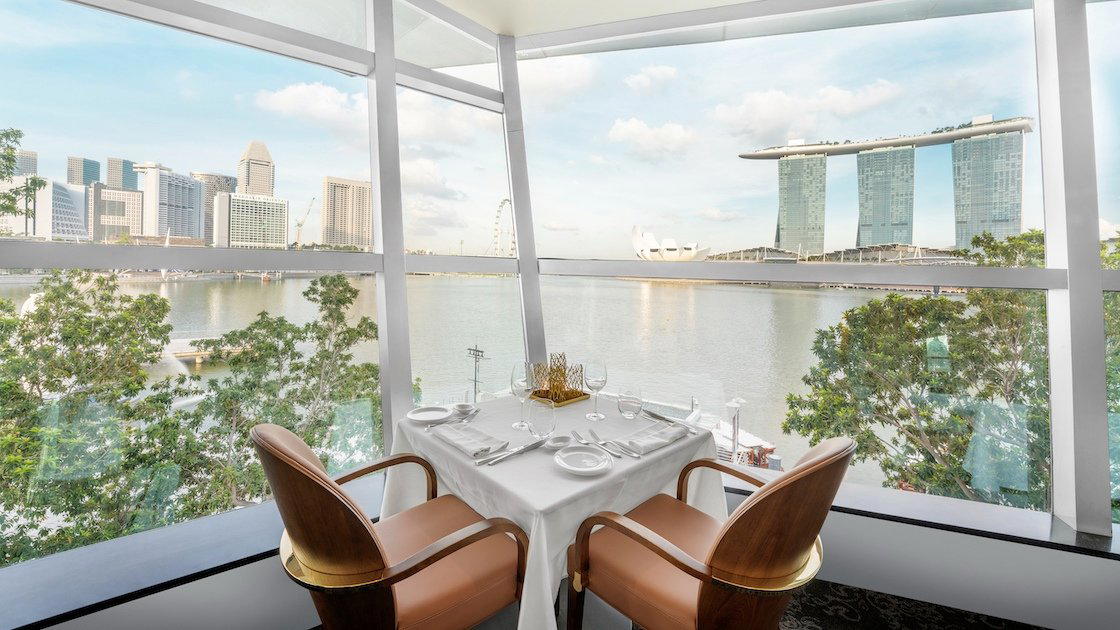
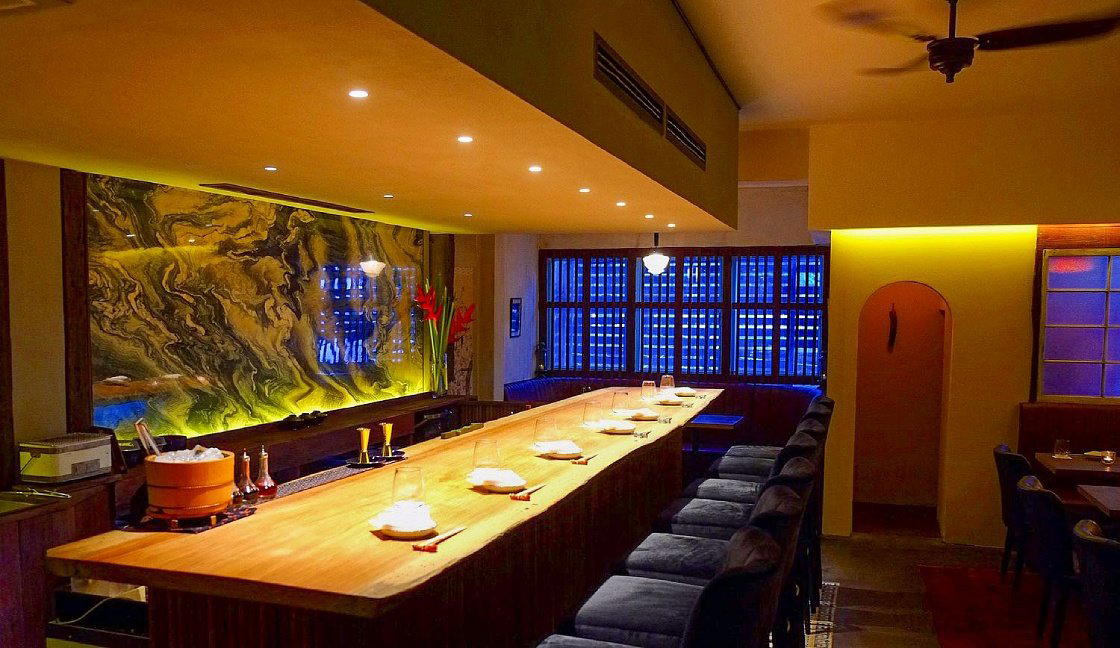
Bars in George Town
Browse all →
Details
- Cozy
- Classic
- Brunch
- Casual Hangout
- Standalone
- A La Carte
- Halal
Current opening hours
- Monday
- 7 AM–3 PM
- Tuesday
- 7 AM–3 PM
- Wednesday
- 7 AM–3 PM
- Thursday
- 7 AM–3 PM
- Friday
- 7 AM–3 PM
- Saturday
- 7 AM–3 PM
- Sunday
- Closed
Hours can change for holidays and private events. Hours as of .
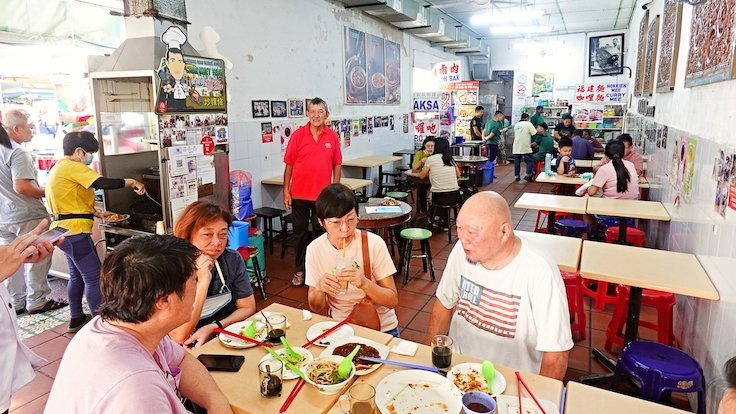
Clean, well-ventilated traditional cafe with a bustling, no-frills atmosphere.