BEAR by Carlo Scotto
Our verdict
BEAR by Carlo Scotto brings fine dining into Beaconsfield’s commuter-belt restaurant culture, where provenance and controlled technique matter more than spectacle. The draw is not a long list of public accolades, but the fit between a small Buckinghamshire market town and a kitchen built around ingredient-led cooking, useful for diners who want a serious meal without defaulting to London.

Pearl is the En Primeur Club membership app, where members save venues, book tables and use the concierge.

The menu
What to order
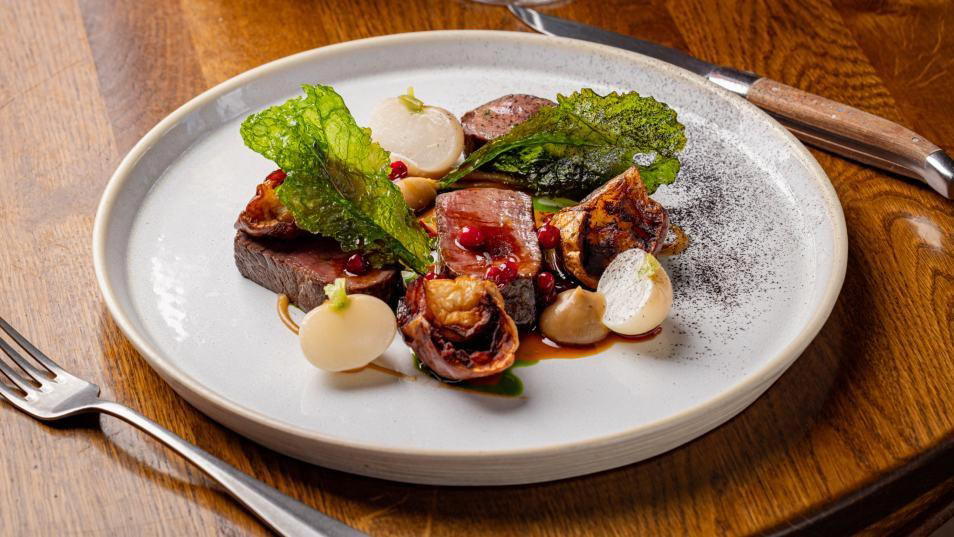
- Ike Jime Chalk Stream Trout with wild sea beets, green walnuts and Ardbeg
- Miso-glazed duck with blue moon radish, girolles, damsons and Umeshu jus
- Agnolotti with rolet gem squash, black garlic, mascarpone and tagete leaves
- Langoustine with kohlrabi, oyster leaf, shiso, sorrel, jalapeño, ättika and salad burnet
- Quince tart with Beaconsfield honey, St Helena and black truffle
Beaconsfield has the kind of dining rhythm that suits a measured restaurant: local history, short walks between pubs and dining rooms, and a clientele that knows London standards without wanting London theatre every night. In that setting, BEAR by Carlo Scotto reads as part of a broader shift in prosperous market towns: fine dining moving closer to where affluent diners live, with sourcing and control carrying the weight that grand dining rooms once supplied.
The relevant context is not only Beaconsfield. Across the United Kingdom, ambitious kitchens outside major cities have had to define themselves against two pressures at once: the informality expected by local regulars and the precision expected by guests travelling for dinner. Ingredient sourcing becomes the hinge. When a restaurant arrives with an award-winning chef attached, the case still has to be made on discipline: produce quality, restraint in technique, and whether the meal feels grounded in its setting rather than assembled from fashionable signals.
Ingredient-led fine dining in a commuter-belt market town
Beaconsfield is not a late-night dining city; it is a town where restaurants have to earn repeat custom from people who may eat in London often enough to be difficult to impress. That makes the ingredient question sharper. Fine dining here cannot rely solely on ceremony. It needs a reason for being local, and that usually means shorter supply chains where possible, careful seasonality, and a menu structure that gives produce the lead rather than burying it under technique.
BEAR by Carlo Scotto sits in that lane. With the public-facing category defined as fine dining, the useful reader expectation is a kitchen working with more structure and ambition than a neighbourhood bistro, but without assuming the formality of a grand hotel restaurant. The strongest version of this kind of room is not maximalist. It uses luxury ingredients sparingly, gives vegetables and sauces serious attention, and treats meat, fish and dairy as part of a broader sourcing argument rather than as status symbols.
That matters in Beaconsfield because the town sits close enough to London for restaurant culture to travel outward, but far enough away that a meal can feel provincial in the better sense: less performative, more anchored to local routines. Diners choosing a Beaconsfield fine-dining table are often buying focus rather than novelty. They want a kitchen with standards, a room with adult pacing, and enough ambition to justify making dinner the point of the evening.
Where the room fits in Beaconsfield's dining map
The local scene is compact, which makes category distinctions easier to read. For readers mapping a weekend around the town, other Beaconsfield dining rooms show how the area supports polished cooking at different levels of formality, while the wider local spread helps frame the town as more than a single-meal detour. The same planning logic applies beyond dinner: Beaconsfield can work as a short-stay base for guests building a visit around food, drinks and local experiences.
Within that map, BEAR by Carlo Scotto is for diners who want the evening to revolve around the kitchen. The name signals chef-led intent, but the more useful lens is format: fine dining asks guests to accept a degree of authorship, pacing and editing. That can be rewarding when the cooking has a clear ingredient logic. It can feel strained when technique becomes the subject. The deciding factor is whether the meal explains its sourcing through the plate, not through slogans.
How to read the wider fine-dining signal
Britain’s ambitious restaurant culture now stretches well beyond capital-city postcodes. A reader comparing destination-led meals across the country can use BEAR by Carlo Scotto as a Beaconsfield example of how regional ambition takes shape outside the largest urban centres. Other dining in market towns and smaller cities may express that ambition in different ways, but the shared question is whether the room gives guests a reason to travel, book ahead and treat the meal as the point of the outing.
The editorial test for this Beaconsfield table is simple: go when the aim is a composed, ingredient-focused meal in a town setting, not when the brief calls for noise, speed or casual grazing. Its value lies in the tension between local ease and fine-dining intent. That is where serious suburban and market-town restaurants are doing their most interesting work now: not imitating the capital, but giving skilled cooking a reason to exist closer to home.
Frequently asked questions
Would BEAR by Carlo Scotto be comfortable with kids?
As a fine-dining room in Beaconsfield, BEAR by Carlo Scotto is better suited to older children who can handle a slower, quieter meal. The room’s fine-dining format points more toward adult dining than an easy drop-in family lunch.
Is BEAR by Carlo Scotto formal or casual?
It reads as formal rather than casual, because the venue is listed as fine dining in Beaconsfield. That usually means a more composed room, a slower pace, and dinner framed as an occasion.
What type of food is BEAR by Carlo Scotto known for?
BEAR by Carlo Scotto is presented as a fine-dining restaurant in Beaconsfield.
How hard is it to get a table at BEAR by Carlo Scotto?
Treat it as a planned booking, not a walk-in. A fine-dining address in Beaconsfield generally draws diners who are willing to book ahead for the room and the service style.
What's the defining dish or idea at BEAR by Carlo Scotto?
The defining idea is the chef-led fine-dining format itself, with Carlo Scotto’s name front and centre. The appeal is the dining room in Beaconsfield as a destination for a structured, high-end meal rather than a single named dish.
Comparable venues nearby, for context on price, style, and recognition.
| Venue | Cuisine | Price | Awards | Notes |
|---|---|---|---|---|
| BEAR by Carlo ScottoThis venue (the venue you are viewing) | Foraged British tasting menu chef’s counter | $50–100 | Not listed | Not listed |
| The Greyhound | Modern British Fine Dining | $50–100 | Michelin Plate · AA Rosettes 3 Rosettes | Beaconsfield Old Town |
| Whatley Manor | Modern British Fine Dining | $200–300 | Star Wine List | Easton Grey |
| Headland House | British Breakfast | Not listed | Not listed | Carbis Bay |
| Boath House | Modern British / Scottish Fine Dining | $50–100 | Not listed | Auldearn |
| Vraic | Seasonal Modern British tasting menu with open-fire coastal cooking | $200–300 | Michelin Plate · SquareMeal UK Top 100 Restaurants #4 | Vale |
Continue exploring
More in Beaconsfield
Restaurants in Beaconsfield
All restaurants in Beaconsfield →
Bars in Beaconsfield
Browse all →


BEAR by Carlo Scotto
The wine
- Wine program
- Deep wine list
- Extensive wine list
- Sommelier-led
- Craft cocktails
- Zero-proof drinks
Details
- Intimate
- Elegant
- Sophisticated
- Modern
- Romantic
- Date Night
- Special Occasion
- Celebration
- Business Dinner
- Private Event
- Solo
- Chefs Counter
- Open Kitchen
- Design Destination
- Hotel Restaurant
- Private Dining
- Craft Cocktails
- Sommelier Led
- Extensive Wine List
- Zero Proof
- Farm To Table
- Local Sourcing
- Sustainable Seafood
- Garden
- Tasting Menu
- Counter Dining
- Wine
- Cocktails
- Sake
- Mead
- Allergy Accommodating
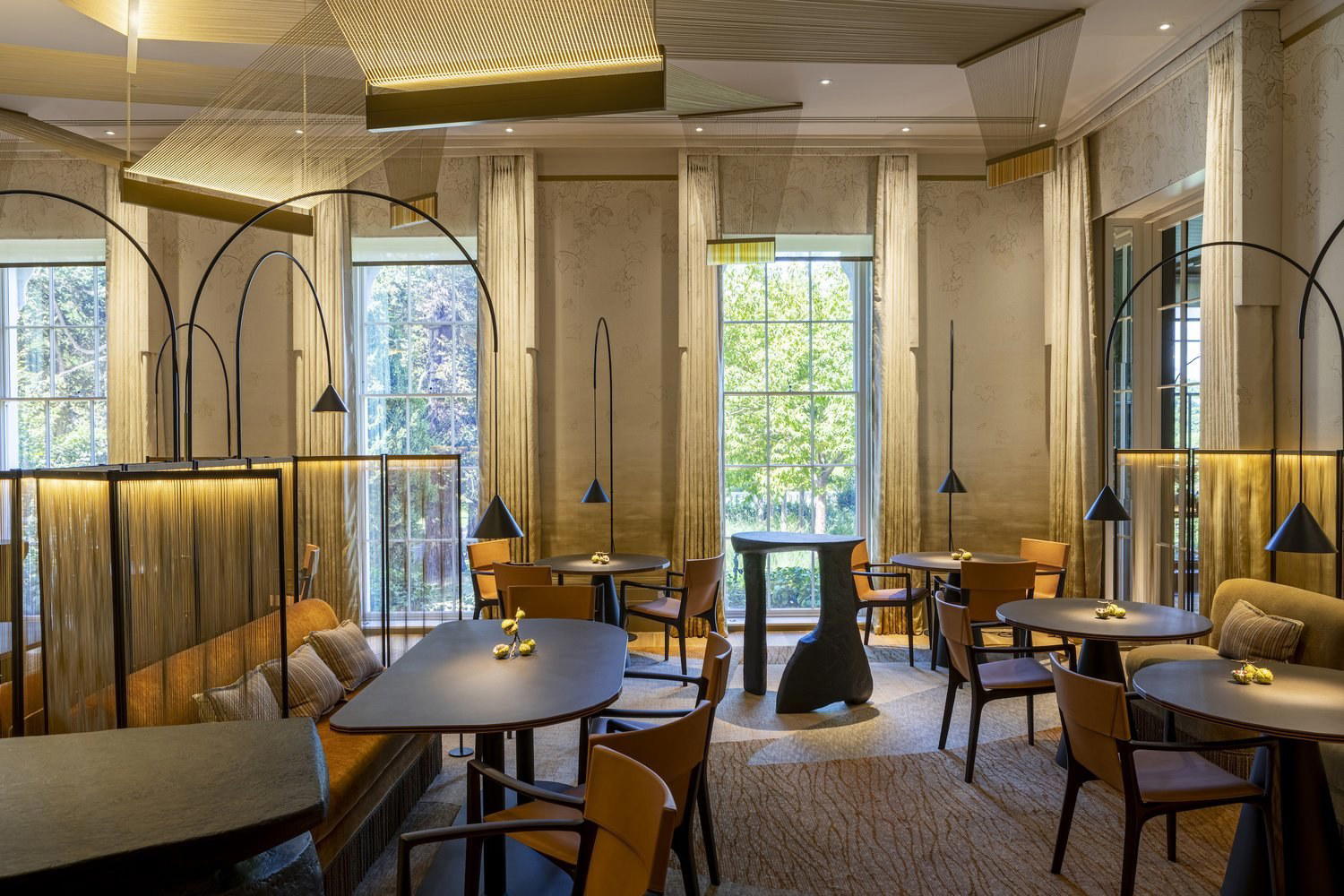
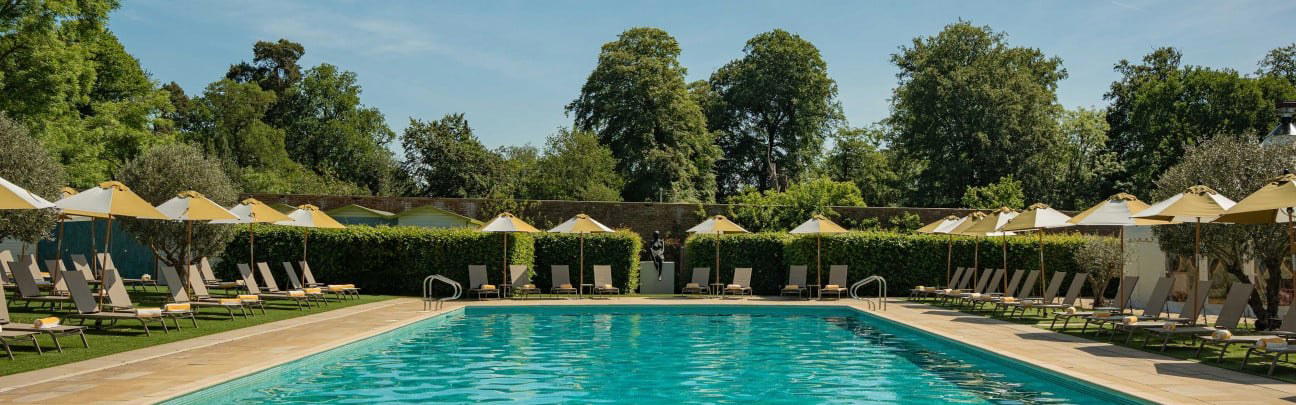
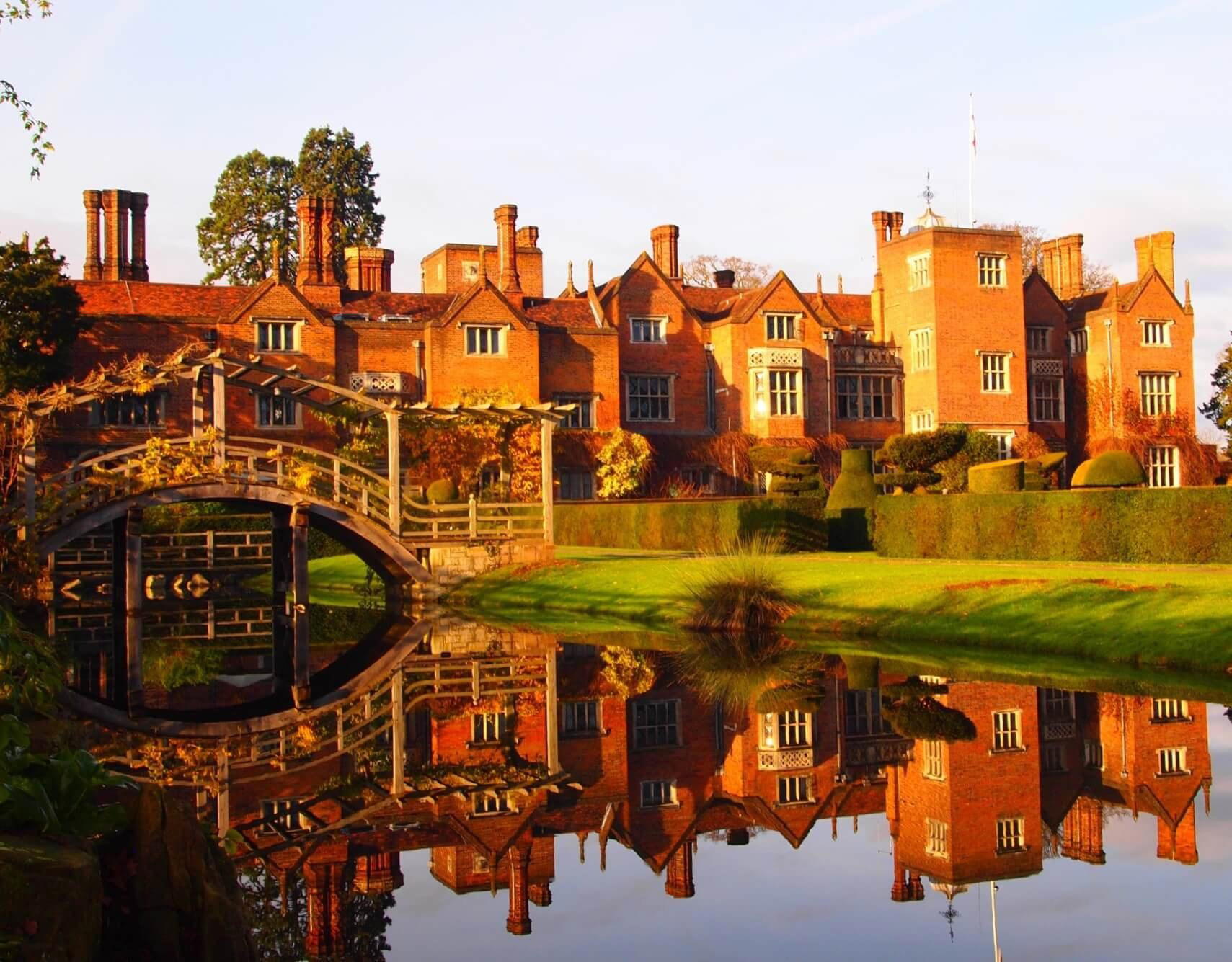
An immersive, subterranean fine-dining counter with low, intimate lighting, deep iridescent blues and golds, Nero Portoro black marble, and views from a wood-panelled lounge over a tranquil pool, creating a luxurious yet quietly theatrical atmosphere.