Bass Lake Taverne
A Geauga County tavern at 426 South St, Bass Lake Taverne occupies the kind of small-town Ohio dining space where sourcing decisions and local ties tend to matter more than national recognition. Details on current pricing and hours are best confirmed directly with the venue. Chardon rewards visitors who look beyond Cleveland's dining corridor for grounded, regional cooking.
Pearl is the En Primeur Club membership app — saves, bookings, and concierge access live there. Same editors, same standards.
- Address
- 426 South St, Chardon, OH 44024
- Phone
- +14402853100
- Website
- lodgebasslake.com
- Directions
- Get directions
 Saves & bookings on Pearl
Chardon's Tavern Tradition and the Case for Regional Ohio Dining
Geauga County sits at an elevation that surprised early settlers moving east from Cleveland, and Chardon, its county seat, has always operated on its own terms. The town square is one of the few in northeastern Ohio that still functions as a genuine civic center rather than a preserved relic, and the restaurants that survive here tend to do so because they have earned a local constituency, not because they have courted a destination audience. Bass Lake Taverne, at 426 South St, sits within this context: a tavern-format dining room in Chardon, Ohio, serving American tavern fare at a moderate price point. That positioning shapes everything about how a place like this operates and what it owes its guests.
The American tavern format has a longer and more specific history than the word suggests. In the northeastern United States, a tavern was not simply a bar with food but a community provisioning point, a place where local agriculture and local appetite met under one roof. That tradition largely dissolved during the mid-twentieth century, replaced by chain concepts and suburban casual dining. What has re-emerged in the last decade, particularly in smaller Midwestern towns, is a version of that model where regional sourcing is not a marketing position but a practical reality: the farm is nearby, the supplier is a name you know, and the menu shifts because the season dictates it. The format and the geography both point in that direction.
Ingredient Provenance in the Ohio Farmland Corridor
Geauga County is one of the more agriculturally productive counties in Ohio, and the area directly east of Chardon includes some of the state's most active small-farm operations. The county's Amish farming community, among the largest in the United States, keeps the regional supply chain oriented toward direct relationships and shorter distribution distances than most metropolitan areas can claim. For a tavern operating in this environment, proximity to that supply infrastructure is a functional advantage rather than an abstract virtue. Dairy, produce, and proteins that would require a multi-day transit to reach a New York or Los Angeles kitchen can move from field to kitchen within hours in Geauga County.
This matters editorially because it shifts the comparison set for regional American dining. Restaurants like Blue Hill at Stone Barns in Tarrytown and Single Thread Farm in Healdsburg have made farm-to-table sourcing a central editorial story, backed by estate farming operations and significant investment in the supply chain narrative. At the opposite end of the price spectrum, smaller regional taverns across the Midwest operate on the same sourcing logic without the programmatic apparatus. The food that arrives at the table in a place like Chardon may carry no certification and no press coverage, but its provenance can be more direct than anything a celebrated coastal kitchen manages. Smyth in Chicago and Lazy Bear in San Francisco have built reputations on exactly this kind of sourcing discipline at the high end; tavern-format venues in the rural Midwest often practice the underlying logic without the editorial infrastructure around it.
What the Room Suggests
Arriving on South Street, Chardon presents a quiet residential and commercial mix that does not signal dining destination in any conventional sense. The tavern format here means a room built around regulars, which typically translates to a bar presence, a menu weighted toward comfort rather than technique, and pricing that reflects a local rather than a visitor economy. That is not a limitation; it is a specific kind of value that destination-oriented venues at higher price points, like The Inn at Little Washington or Addison in San Diego, have structurally priced themselves out of. The experience of eating well in a room where the other diners are neighbors rather than fellow travelers carries its own weight.
American tavern dining in small markets also tends to offer a directness about what the kitchen actually does well rather than what a tasting menu format requires it to attempt. Venues like Frasca Food and Wine in Boulder and Bacchanalia in Atlanta have built their reputations on knowing exactly what they are and executing it with consistency. Regional taverns operate by the same principle at a different price point and a different audience scale. The question worth asking of Bass Lake Taverne is not how it measures against a nationally recognized restaurant but whether it executes its own format with competence and honesty. Those are the terms on which tavern dining should be assessed.
Planning Your Visit to Chardon
Chardon is accessible by car from Cleveland in under an hour via US-422, and the town center is compact enough that parking is not a significant challenge. For visitors combining the stop with broader northeastern Ohio itineraries, Geauga County sits within reasonable range of the Western Reserve historical sites and the Lake Erie shoreline. Current hours and booking requirements for Bass Lake Taverne are best confirmed directly with the venue before visiting. Chardon's dining scene is limited in scope, which means individual venues carry more weight for visitors than they would in a larger market;
For travelers who make a habit of calibrating regional dining against the national conversation, the broader Ohio dining scene has gained more external attention in recent years. Venues like Oyster Oyster in Washington, D.C. and ITAMAE in Miami represent the kind of sourcing-led cooking that earns critical attention in major markets; the underlying agricultural logic in a place like Geauga County is not far removed, even if the editorial apparatus is absent. The Wolf's Tailor in Denver offers another useful regional comparison for how Midwestern and Mountain West kitchens have reoriented around local supply without abandoning cooking substance. For the highest-investment end of farm-centered American cooking, The French Laundry in Napa, Le Bernardin in New York City, Providence in Los Angeles, Emeril's in New Orleans, and Atomix in New York City remain the reference points, and the distance between those experiences and a Chardon tavern is real. But those comparisons illuminate the range rather than diminish what regional dining at its honest leading can offer. Atelier Moessmer Norbert Niederkofler in Brunico demonstrates, at the international level, how seriously sourcing ethics can anchor a restaurant's entire identity; the principle scales down just as readily.
Comparable Spots, Quickly
Comparable venues nearby, for context on price, style, and recognition.
| Venue | Cuisine | Price | Notes |
|---|---|---|---|
| Bass Lake TaverneThis venue — the venue you are viewing | American Tavern | $$ | Not listed |
| 56 Social Cafe & Catering | American All-Day Café | $$ | Shaker Heights |
| Punch Bowl Social | Contemporary American Gastro Diner | $$ | East Bank |
| The Lakehouse | Polished American Waterfront Gastropub | $$ | East Bank |
| BrightSide-Cleveland | Modern New American Italian | $$ | Ohio City |
| Landmark Smokehouse | Wood-Smoked Barbecue | $$ | Edgewater |


At a Glance
- Cozy
- Rustic
- Classic
- Brunch
- Family
- Casual Hangout
- Courtyard
- Private Dining
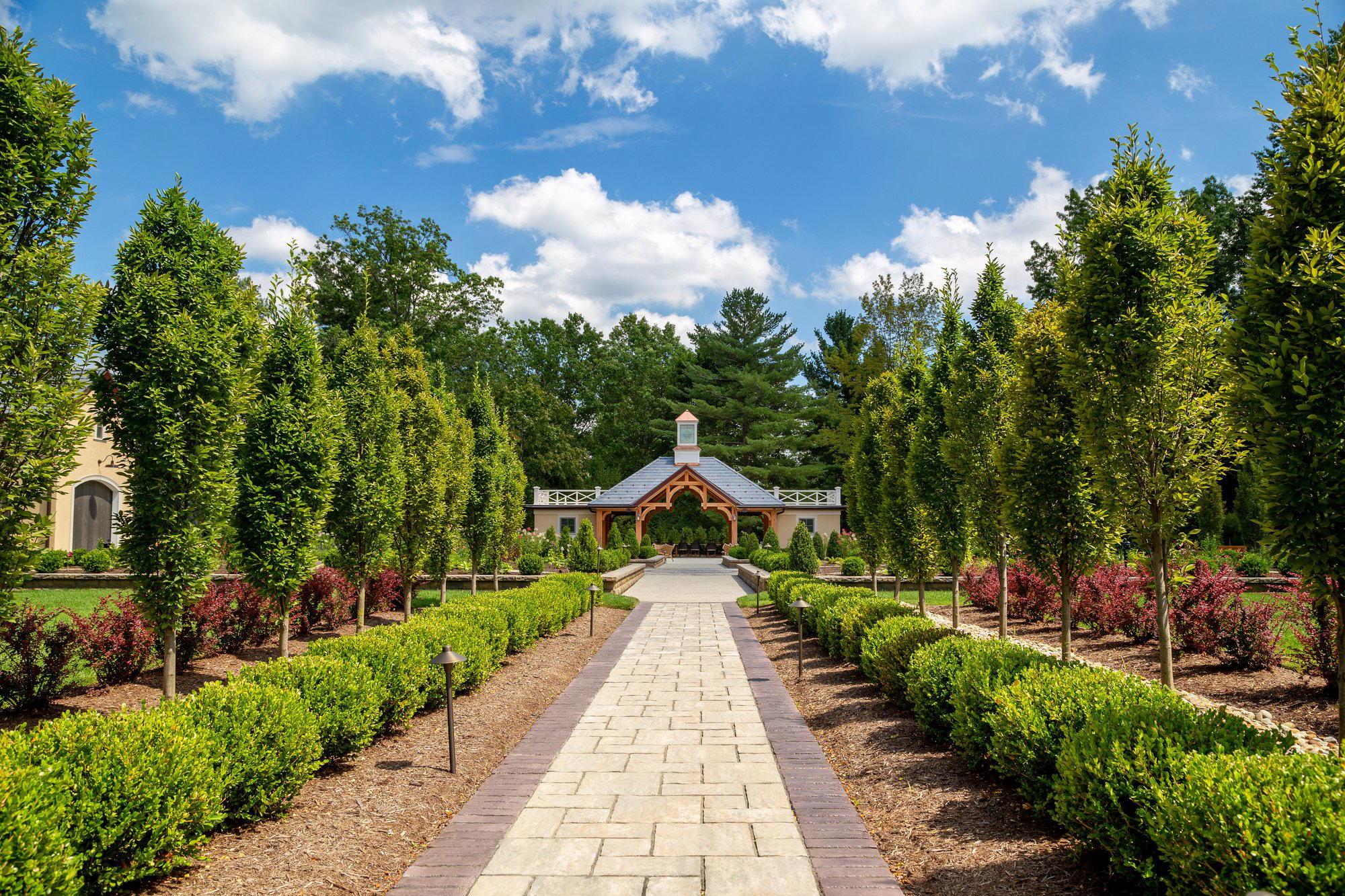
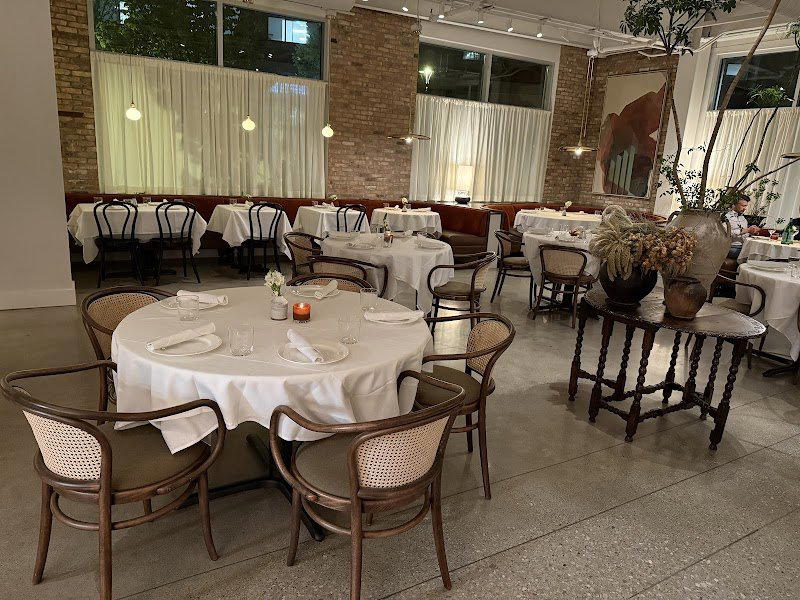
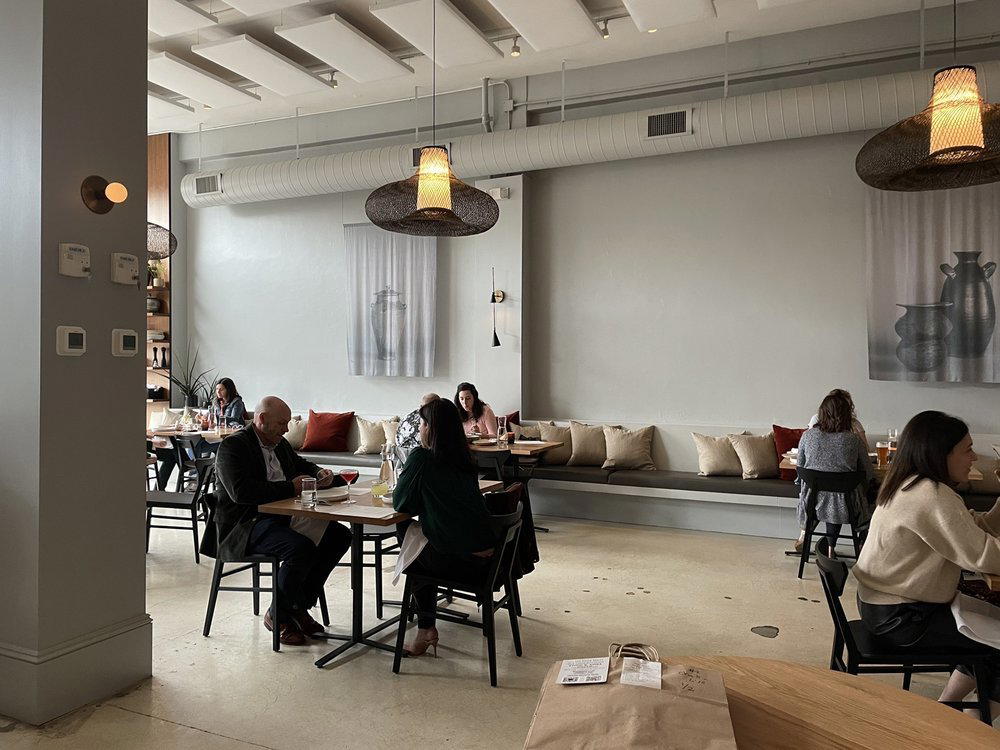
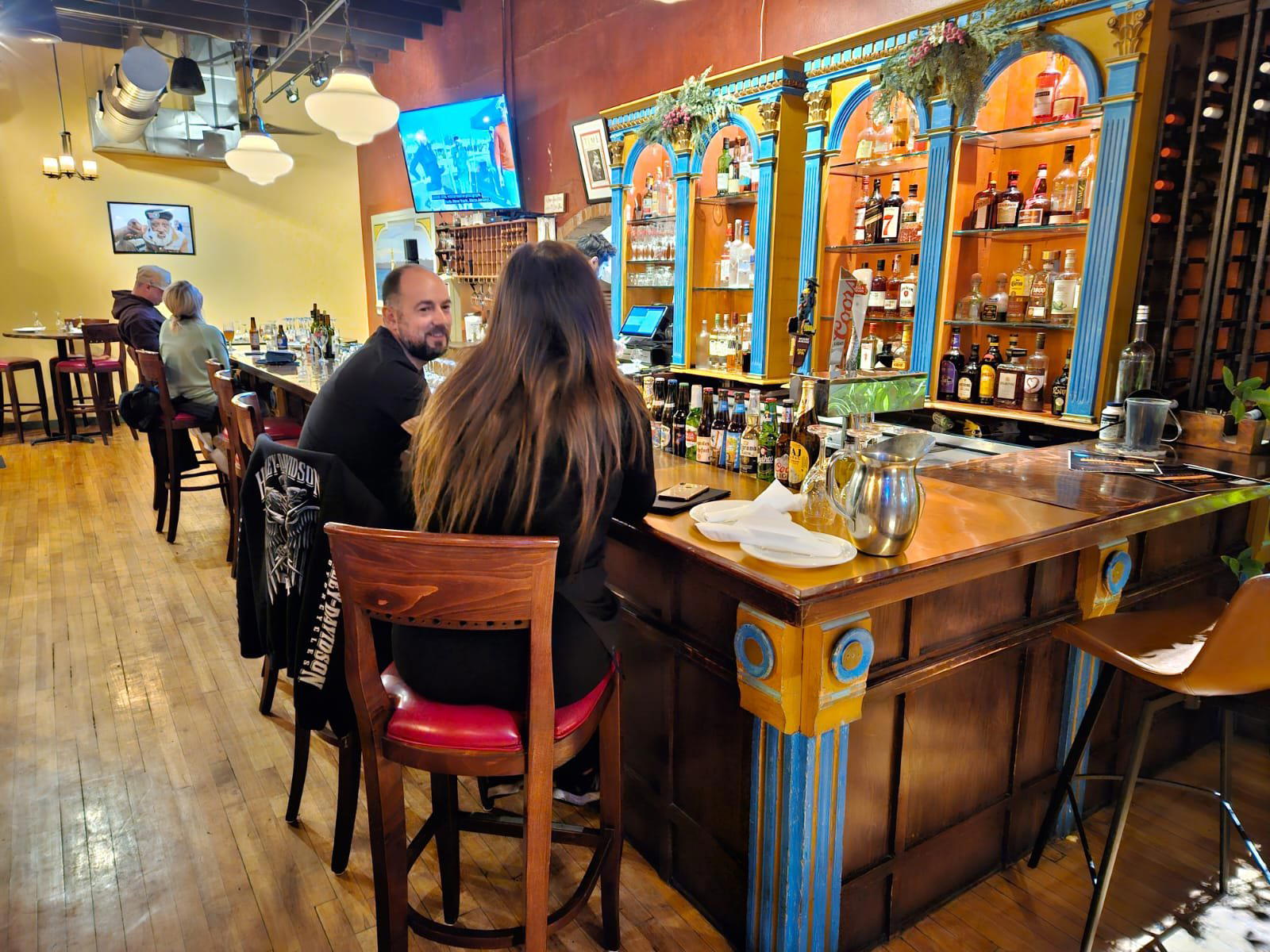
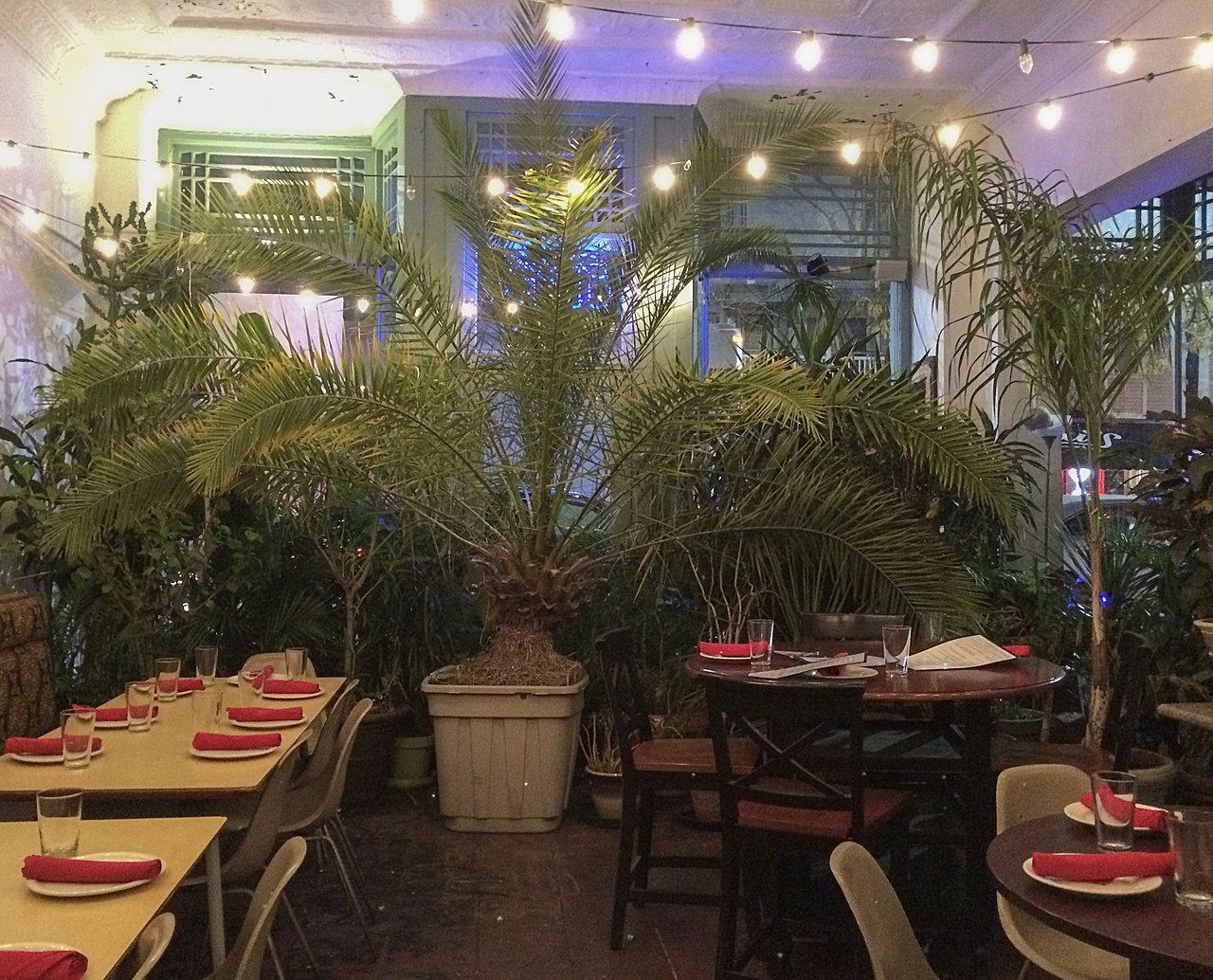
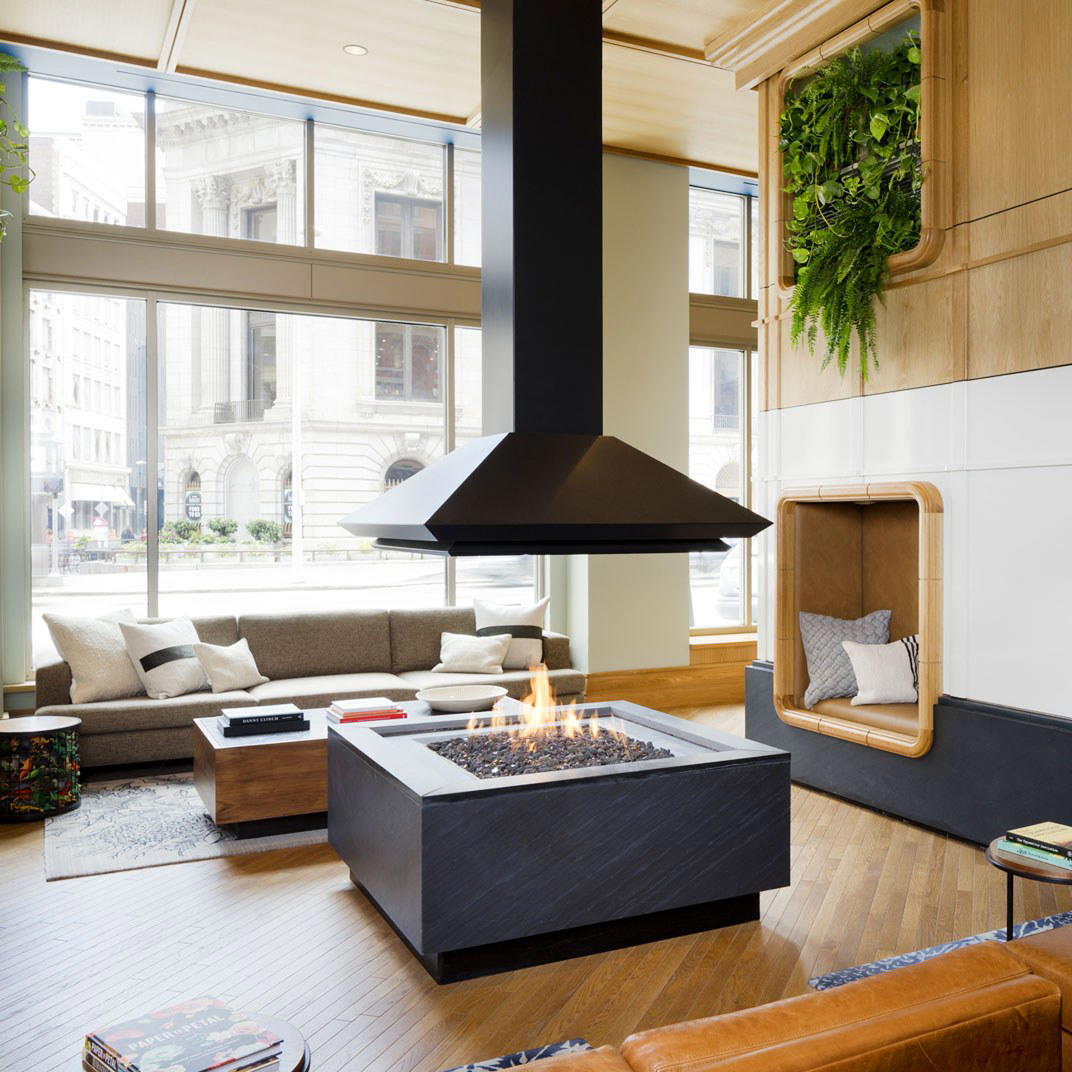
Warm interior with exposed woodwork, large fireplace, quaint antiques, and high-walled booths; charming courtyard for outdoor dining.