Issho Ni Ramen & Sushi
Issho Ni Ramen & Sushi sits on Euclid Avenue in Willoughby, Ohio, where Japanese comfort food and a neighborhood dining sensibility converge. The name translates roughly to 'together' in Japanese, signaling a format built around shared bowls and communal eating rather than formal ceremony. For northeast Ohio, it represents the kind of casual Japanese kitchen that prioritizes accessibility without sacrificing the fundamentals of ramen and sushi craft.
Pearl is the En Primeur Club membership app — saves, bookings, and concierge access live there. Same editors, same standards.
- Address
- 34302 Euclid Ave unit 1-2, Willoughby, OH 44094
- Phone
- +1 440 306 8020
- Website
- online.skytab.com
- Directions
- Get directions
 Saves & bookings on Pearl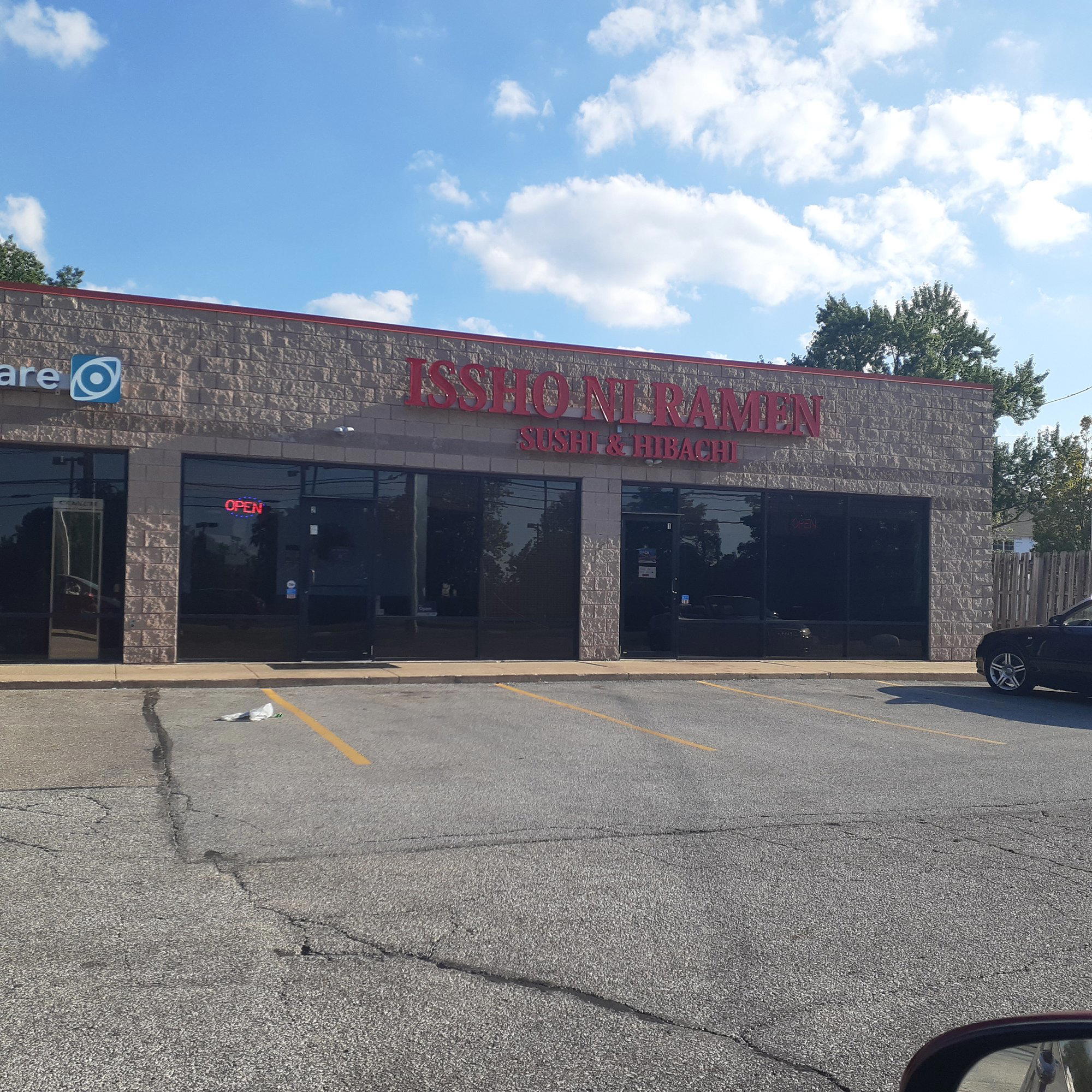
Where Euclid Avenue Meets a Japanese Kitchen
Willoughby's dining corridor along Euclid Avenue has always operated at a different register than the more publicized restaurant rows of Cleveland proper. The pace is slower, the formats more practical, and the expectations of diners shaped less by trend cycles than by neighborhood appetite. Into that context, Issho Ni Ramen & Sushi occupies a unit at 34302 Euclid Ave, positioning itself as the kind of Japanese kitchen that serves both the weeknight regular and the visitor arriving with specific cravings. The space reads as an address where the food does the talking.
Japanese restaurants in mid-sized American cities have followed a recognizable arc over the past two decades. The first wave brought sushi bars oriented around Americanized rolls; the second introduced ramen, often through fast-casual formats borrowing the vocabulary of Hakata or Sapporo shops without always applying the underlying technique. The third, where places like Issho Ni sit, attempts to consolidate both disciplines under a single roof, asking the kitchen to handle two different craft traditions simultaneously. That is a genuine operational challenge, and how a restaurant manages the tension between a ramen program demanding long-simmered broths and a sushi program demanding cold-chain precision tells you a great deal about its kitchen's priorities.
The Drink Question in a Japanese-American Setting
The cocktail culture around Japanese restaurants in the United States has matured considerably, and that evolution is worth understanding when choosing where to spend an evening. Across the country, bars oriented around Japanese spirits and technique have pushed the conversation forward. Kumiko in Chicago built its entire identity around Japanese whisky and the philosophy of ma, the aesthetic of negative space, applied to drink construction. Bar Leather Apron in Honolulu operates within a Pacific context that brings Japanese influence into sharper geographic and cultural relief. These are programs where the drink menu is as deliberate as the food menu, and where a single cocktail can anchor an entire visit.
For a neighborhood spot in Willoughby, the calculus is different. The drink program here is more likely to orient around Japanese lagers, sake pours, and a small list of approachable cocktails. That is not a limitation so much as a reflection of format: the drink is in service of the bowl, not the other way around. A cold Sapporo alongside a well-made tonkotsu is not a lesser experience, it is simply a different one, governed by different expectations and producing a different kind of satisfaction.
For those interested in how American bars have developed signatures around Japanese-adjacent flavor profiles, the broader national conversation is worth following. Jewel of the South in New Orleans, Julep in Houston, and Superbueno in New York City each demonstrate how regional identity shapes the way drinks programs absorb and reinterpret outside influences. What works in those cities informs what drinkers increasingly expect even in smaller markets like Willoughby.
The Ramen and Sushi Double Act
Running a ramen program requires commitment to process that is largely invisible to the diner: stock reduction over many hours, noodle calibration for texture and alkalinity, topping mise en place that must stay precise across a service. Sushi adds a parallel set of demands centered on sourcing, knife work, and rice temperature management. Restaurants that handle both with equal seriousness tend to do so because the kitchen has internalized each discipline separately rather than treating them as interchangeable parts of a generic 'Japanese menu.'
The name Issho Ni, meaning roughly 'together' in Japanese, suggests a format philosophy oriented around sharing and accessibility rather than ceremony or hierarchy. That framing is significant in a market like northeast Ohio, where the dining audience for Japanese food spans from families to solo diners to small groups looking for something more textured than a chain offering. The shared-table register removes the formality sometimes associated with sushi service and places the emphasis on the food arriving and being eaten together, which is a reasonable and honest way to operate in a neighborhood setting.
Willoughby's Position in the Northeast Ohio Dining Map
Understanding Issho Ni requires some sense of where Willoughby sits relative to Cleveland. The city operates as one of the inner-ring Lake County suburbs, with a compact downtown and a dining scene that has gradually diversified beyond the American casual formats that once dominated. Independent restaurants have found footing here partly because real estate economics allow operators to focus on the food without the overhead pressures that compress margins in a larger urban core. That dynamic has historically favored exactly the kind of independent, cuisine-specific kitchen that Issho Ni represents.
For visitors arriving from outside the area, Euclid Avenue serves as the main commercial spine, and the address at unit 1-2 places the restaurant in a multi-unit setting that is common to suburban Ohio commercial development. The format is functional rather than atmospheric in the grand sense, which reinforces the read that the experience centers on what arrives at the table. For a full picture of what northeast Ohio's dining scene currently offers,
How It Sits in Its comparable set
Compared to the specialist bar programs documented at places like Allegory in Washington, D.C., Bitter & Twisted in Phoenix, or Bar Kaiju in Miami, Issho Ni operates in a fundamentally different tier: food-first, neighborhood-anchored, and calibrated to a local audience rather than a destination-seeking one. That is not a criticism. Particularly durable restaurants in any city's dining ecology tend to be the ones that understand their actual audience clearly and serve it without overreach.
The comparison that matters most for Issho Ni is not with high-concept cocktail bars or destination tasting menus, but with other independent Japanese kitchens in similar suburban Ohio markets. In that comparable set, the combination of ramen and sushi under one roof with a name signaling community and togetherness represents a coherent, locally grounded proposition. For a Willoughby regular, the question is simpler: does the broth hold, does the fish arrive cold and clean, and does the room feel like somewhere to linger? Those are the standards that matter here. References like The Parlour in Frankfurt on the Main show how bar-forward hospitality venues in other international cities have built loyal local bases through consistent craft, a model that applies even when the product category differs.
Planning Your Visit
Issho Ni Ramen & Sushi is located at 34302 Euclid Ave, unit 1-2, Willoughby, OH 44094. Given the neighborhood format, walk-in visits during off-peak hours are a reasonable approach, though weekend evenings in a popular suburban spot can compress available seating quickly. Arriving with a specific sense of what you want, ramen or sushi or both, will help you read the kitchen's strengths on any given night. Price, hours, and booking availability should be confirmed directly with the venue before visiting.
At-a-Glance Comparison
Comparable venues nearby, for context on price, style, and recognition.
| Venue | Cuisine | Price | Notes |
|---|---|---|---|
| Issho Ni Ramen & SushiThis venue — the venue you are viewing | Bar | $$ | Not listed |
| Sainato's at Rivergate | sports_bar | $$ | Scranton Peninsula |
| Il Rione | Bar | $$ | Detroit-Shoreway |
| Superelectric Pinball Parlor | dive_bar | $$ | Detroit-Shoreway |
| India Garden | Bar | $$ | Lakewood |
| BLU Jazz+ | lounge | $$ | Historic Arts District |
Continue exploring
More in Willoughby
Bars in Willoughby
Browse all →
Restaurants in Willoughby
Browse all →

At a Glance
- Casual
- Trendy
- Cozy
- Casual Hangout
- Group Outing
- Date Night
- Standalone
- Seated Bar
- Booth Seating
Current opening hours
- Monday
- Closed
- Tuesday
- Closed
- Wednesday
- 11 AM–9 PM
- Thursday
- 11 AM–9 PM
- Friday
- 11 AM–9:30 PM
- Saturday
- 11 AM–9:30 PM
- Sunday
- 12–8 PM
Hours can change for holidays and private events. Last verified .
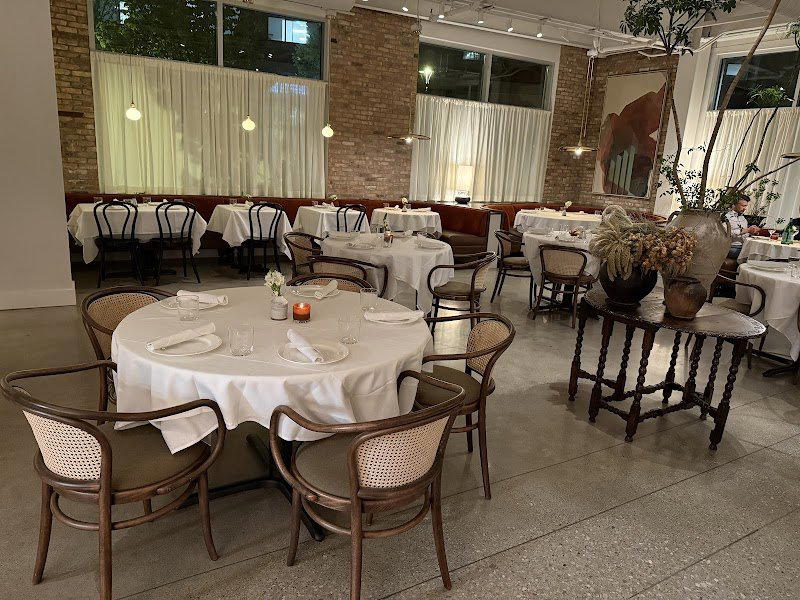
Casual, trendy, and inviting, with an appealing dining space and warm-hearted service.