ROOST Cleveland

Michelin Selected
ROOST Cleveland occupies a Prospect Avenue address in the heart of downtown, earning Michelin Selected recognition in 2025. It is a considered choice for travelers who want a downtown anchor without defaulting to a legacy brand.

Pearl is the En Primeur Club membership app — saves, bookings, and concierge access live there. Same editors, same standards.
- Address
- 105 Prospect Ave E, Cleveland, OH, USA
- Phone
- (216) 877-0500
- Directions
- Get directions
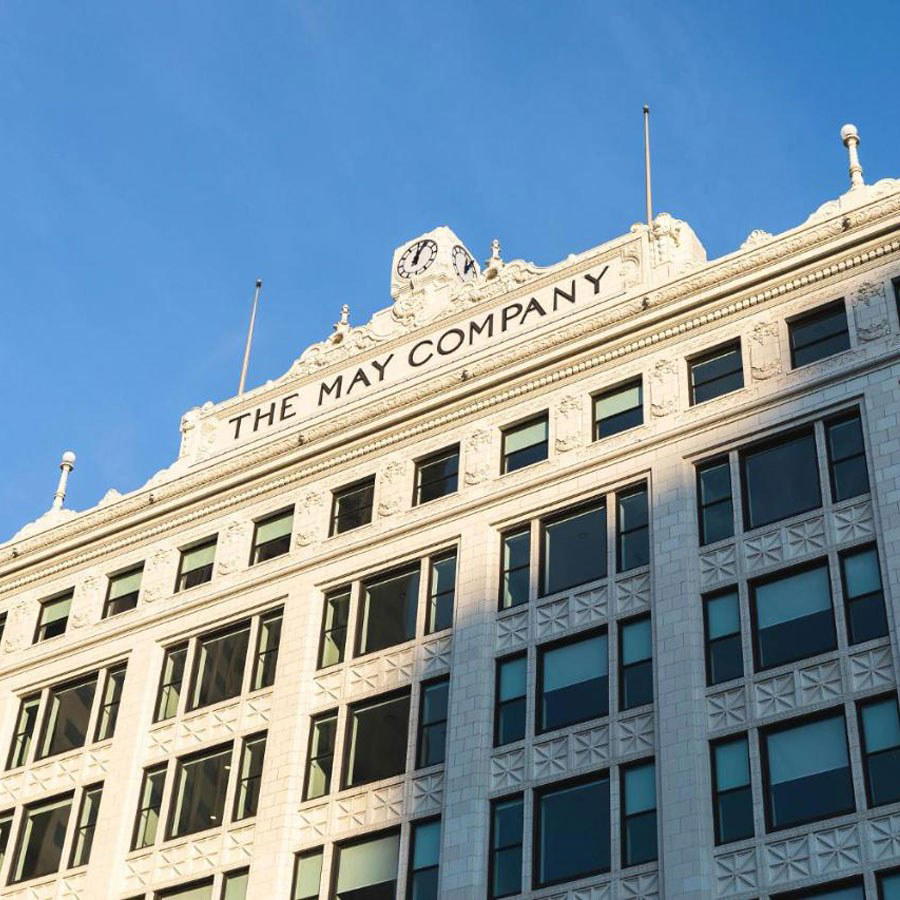
Prospect Avenue and the Architecture of the Stay
Downtown Cleveland has undergone a sustained reinvention of its built stock, and Prospect Avenue sits near the center of that shift. The address at 105 Prospect Ave E places ROOST Cleveland within walking range of the theatre district, Playhouse Square, and the financial core, in a corridor where early twentieth-century commercial buildings have been reassigned rather than demolished. That pattern, common across Rust Belt cities that resisted the blank-slate redevelopment of the 1980s, has left Cleveland with a denser concentration of architecturally interesting bones than many comparable American cities. ROOST, as a brand that has operated across Philadelphia and other urban markets, consistently gravitates toward exactly this kind of address: buildings where the structure itself makes an argument about place.
The extended-stay and apartment-hotel format that ROOST employs nationally suits this setting. In cities where the visitor mix skews toward project-based professionals, relocating executives, and long-duration travelers alongside leisure guests, a room configured around kitchen access and living space reads differently than it would in a resort context. Cleveland draws precisely that kind of visitor: the medical center complex, the law and finance corridor, and the cultural institutions along University Circle together generate extended stays that a conventional hotel room serves poorly. ROOST's format addresses that gap directly.
What Michelin Selection Signals in This Market
ROOST Cleveland's inclusion in the Michelin Selected Hotels 2025 list is the clearest external credential available for this property. Michelin's hotel selection process evaluates comfort, character, maintenance, and value alignment rather than applying the star ladder used for restaurants. Selection, rather than star designation, places a property in a cohort that Michelin considers worth directing its readership toward without necessarily ranking against palace hotels. In Cleveland's hotel market, that signal carries weight: the city's Michelin-recognized lodging options are few enough that selection functions as genuine differentiation rather than a crowded category.
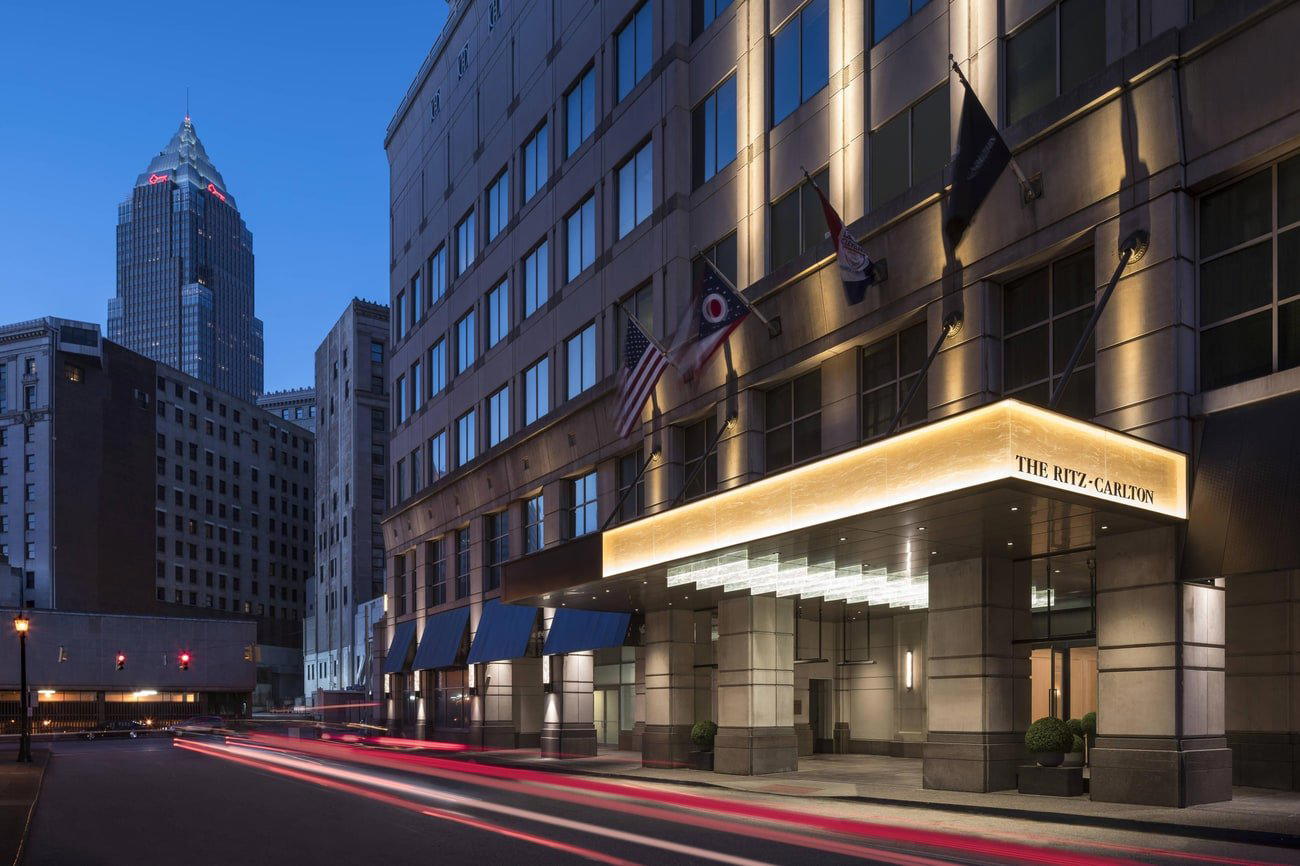
For context on where ROOST sits within Cleveland's broader accommodation tier, the comparison set is instructive. The Ritz-Carlton, Cleveland occupies the legacy luxury bracket, with the brand infrastructure and ballroom scale that comes with it. Kimpton Schofield Hotel represents the design-forward boutique-within-a-group model, operating from a restored 1902 skyscraper on East 9th. Fidelity Hotel Cleveland and Inn Walden sit closer to the independent boutique tier. ROOST occupies a distinct position among these: the apartment-hotel format means it is not directly competing on the same axes as any of them, which is partly why Michelin's recognition is notable. The selection affirms that the format, executed at this address, clears a threshold of quality that the guide considers relevant to its audience.
The Extended-Stay Model as Design Logic
The apartment-hotel typology that ROOST operates within carries its own spatial logic. Where a standard hotel room optimizes for a night or two of transactional comfort, the extended-stay format requires the room to function as a genuine habitat: kitchen equipment that works, storage that accommodates unpacked luggage, a desk that a person can actually spend eight hours at. These are design constraints, and how a property resolves them reveals as much about its quality as its lobby does.
Across the American market, the extended-stay segment has split between budget-tier product (limited finishes, institutional furniture, parking-lot locations) and a smaller upper tier where the format is treated as a design opportunity rather than a concession. Properties like ROOST have pushed toward the latter: the format discipline of the apartment hotel combined with the material and aesthetic attention associated with boutique lodging. The Michelin selection suggests the Cleveland outpost lands in that upper tier.
This positioning has parallels in other American cities where adaptive reuse has produced distinctive lodging. The Chicago Athletic Association operates from a landmarked 1893 building and competes on similar ground: a specific address, a recoverable history, and a format that the building's bones make possible. 1 Hotel San Francisco takes a different approach, using design to make an environmental argument. ROOST's argument is more urban and pragmatic: the city has these buildings, the city has this visitor profile, and the format fits both.
Planning a Stay: What to Know
ROOST Cleveland's Prospect Avenue location puts it within the downtown core, accessible to both the Cuyahoga County Convention Center and the main east-west transit spine. For travelers arriving by air, Cleveland Hopkins International is approximately 12 miles southwest of downtown, with RTA Red Line service connecting the airport to Tower City, a short walk from Prospect. The medical corridor along Euclid Avenue and the University Circle cultural cluster, which includes the Cleveland Museum of Art and Severance Music Center, sit roughly three miles east of the property, accessible by the HealthLine bus rapid transit route.
For those building an itinerary around Cleveland's food and hospitality offerings, the EP Club's full Cleveland restaurants guide maps the city's dining scene across neighborhoods and price points. Booking through the property's own channel or through Michelin's affiliated reservation infrastructure is the standard approach for properties at this tier.
Travelers comparing ROOST against the broader American extended-stay and boutique market might reference how the format plays in other cities: Raffles Boston in the northeast, or the The Fifth Avenue Hotel in New York City for a sense of how different cities have resolved the question of where design-forward lodging sits relative to legacy luxury. For those whose itineraries extend to resort or nature-led properties, the contrast is equally useful: Amangiri in Canyon Point, Post Ranch Inn in Big Sur, and Meadowood Napa Valley in Napa occupy a different axis entirely, one defined by landscape rather than urban fabric. Troutbeck in Amenia and Sage Lodge in Pray similarly compete on setting over address. ROOST's argument runs in the opposite direction: the city is the point, and the property is built to support extended engagement with it.
Other notable properties in the EP Club network for reference include Four Seasons at The Surf Club in Surfside, The Beverly Hills Hotel in Los Angeles, SingleThread Farm Inn in Healdsburg, Kona Village, A Rosewood Resort in Kailua Kona, Canyon Ranch Tucson in Tucson, Little Palm Island Resort & Spa in Little Torch Key, Dunton Hot Springs in Dunton, The Stavrand in Guerneville, Badrutt's Palace Hotel in St. Moritz, Hôtel de Paris Monte-Carlo in Monte Carlo, and Aman Venice in Venice.
How It Stacks Up
| Venue | Price | Awards |
|---|---|---|
| ROOST ClevelandThis venue — the venue you are viewing | Not listed | Michelin Selected |
| Inn Walden | $300–500 | Forbes 4-Star |
| Fidelity Hotel Cleveland | $200–300 | 1 Michelin Key · Mr & Mrs Smith Seal of Approval |
| Kimpton Schofield Hotel | $1–100 | Michelin Selected |
| The Ritz-Carlton, Cleveland | Not listed | Star Wine List · Forbes Recommended |
Recognition history
Dated appearances from independent guides and award organizations, with the underlying list record or original source where available.
Michelin Selected
Michelin

Details
- Modern
- Cozy
- Sophisticated
- Historic
- Business Trip
- Weekend Escape
- Historic Building
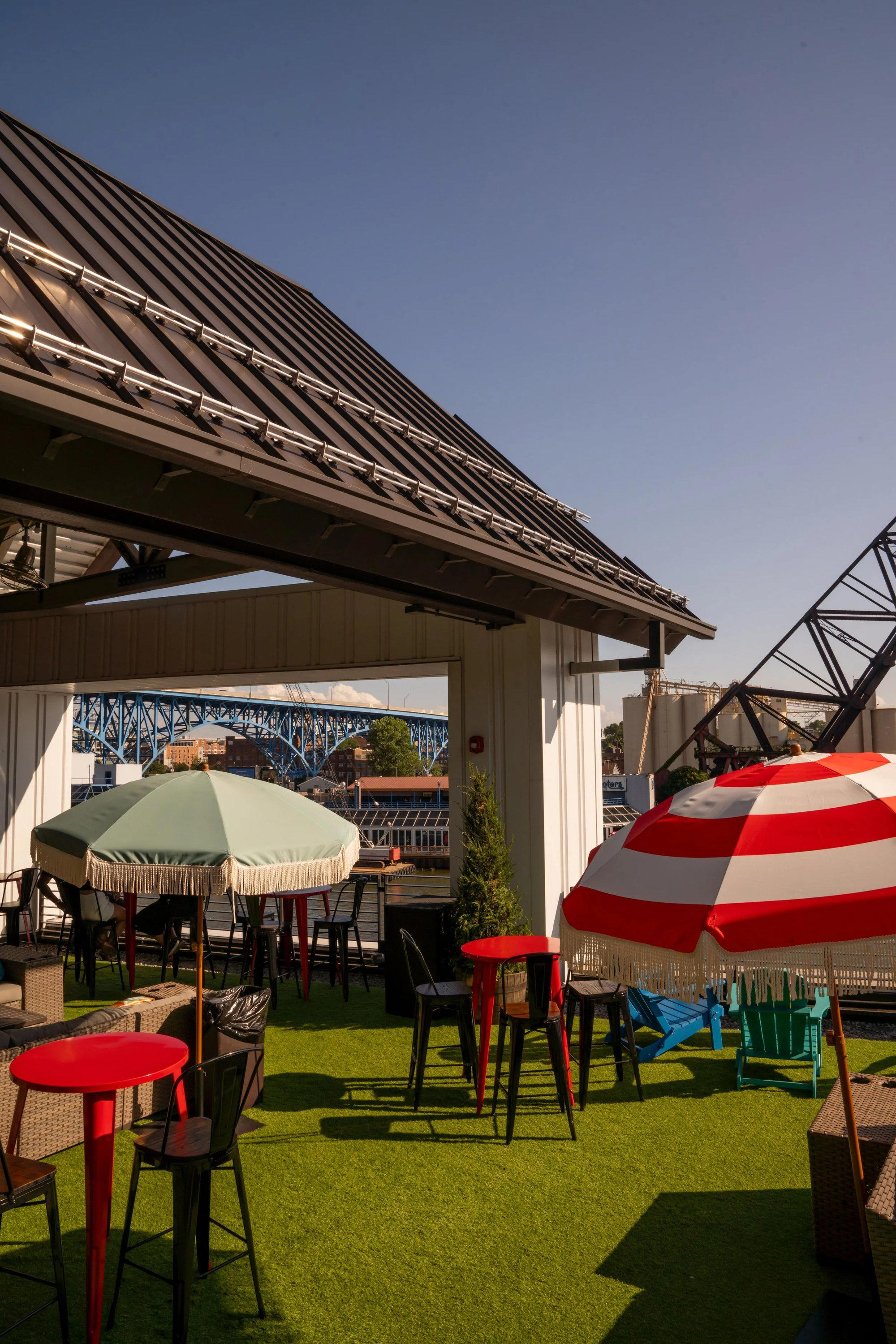
- Rooftop
- Wi Fi
- Fitness Center
- Concierge
- Skyline
- Wheelchair Accessible
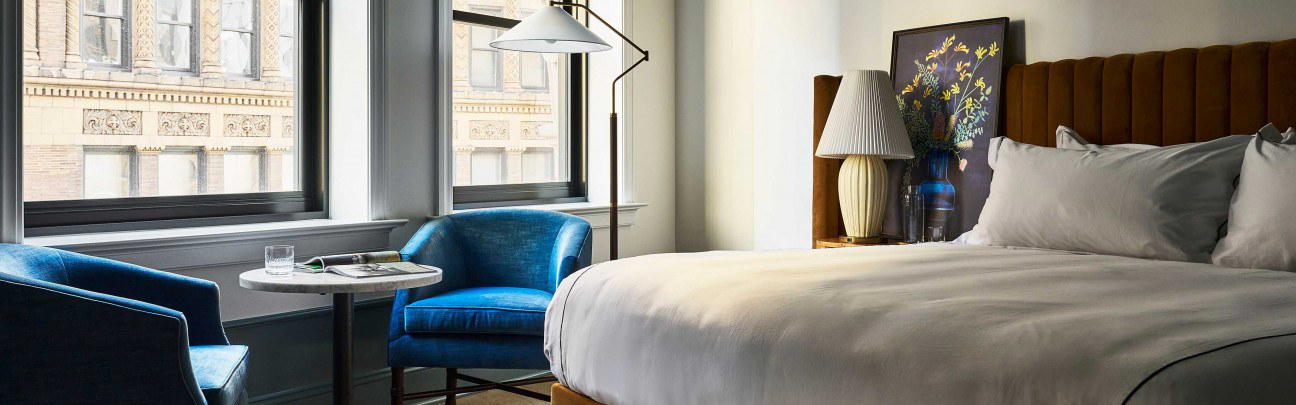
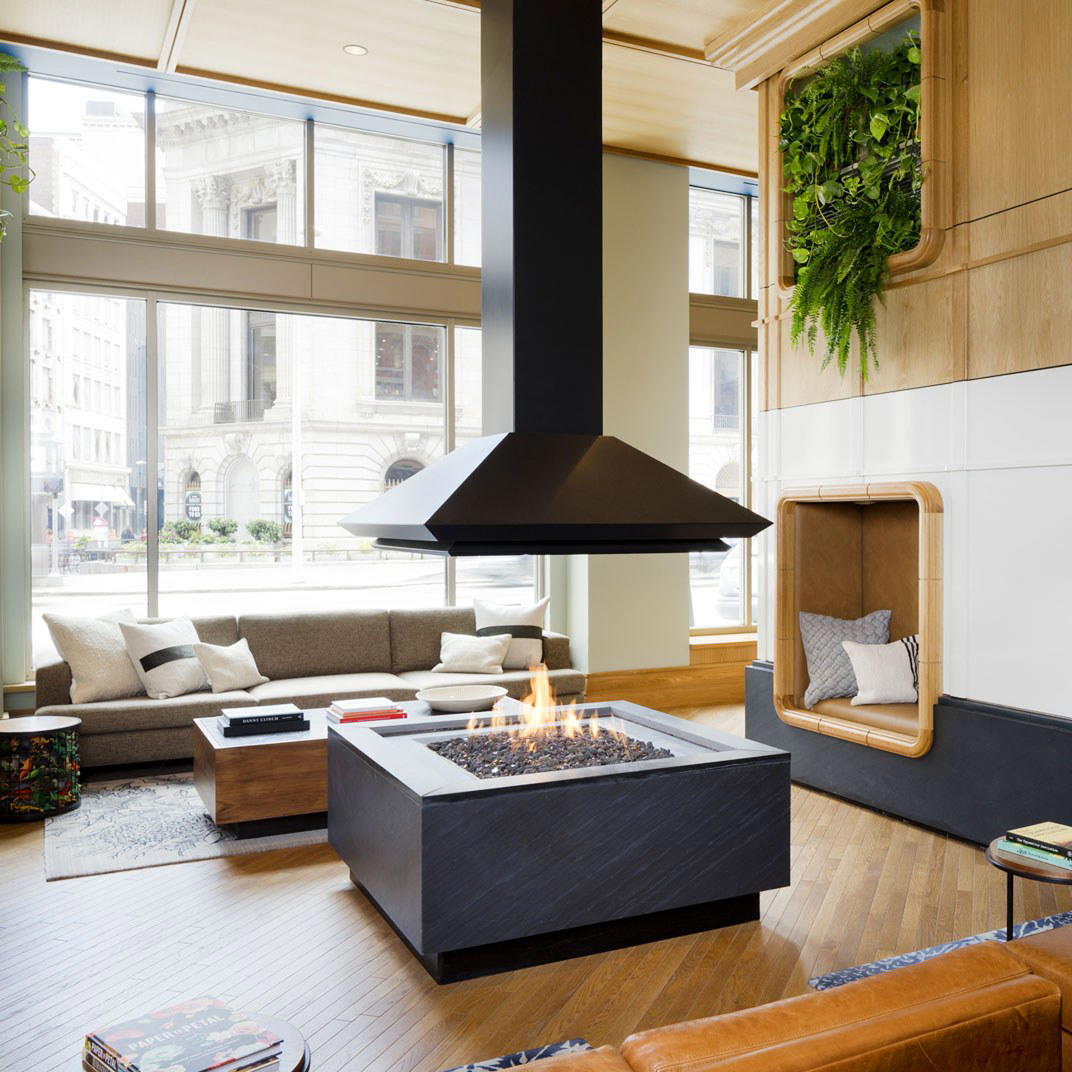
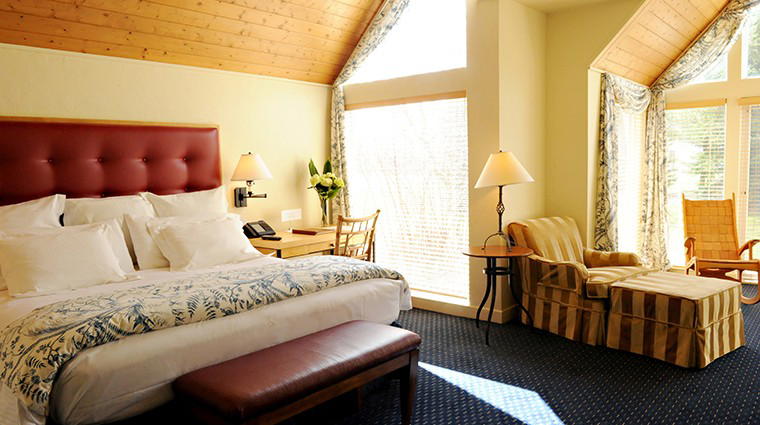
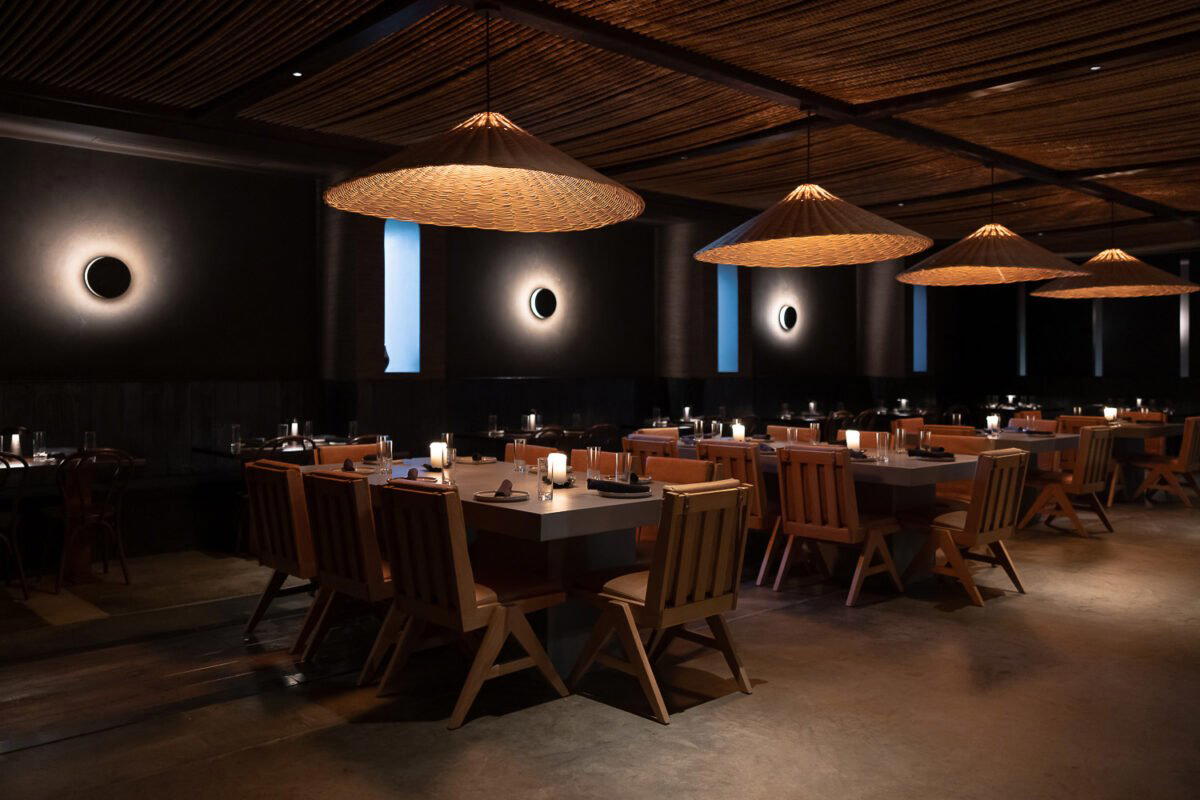
Clean-lined loft-style apartments with custom furniture, living plants, distinctive artworks, Sferra linens, and natural light creating a cozy, sophisticated, and quiet modern atmosphere.