BarUp
Our verdict
BarUp occupies a lane-level address on Searle Lane in central Queenstown, sitting within one of the town's most concentrated strips of after-dark activity. The venue draws a crowd that ranges from après-ski drinkers to late-evening diners, positioning it somewhere between a bar with serious food and a restaurant that doesn't take itself too seriously. In a town where the distinction between dining and drinking often collapses by 9pm, BarUp leans into that ambiguity deliberately.

Pearl is the En Primeur Club membership app, where members save venues, book tables and use the concierge.

The menu
What to order
- Money Shot
Lane Culture and the After-Dark Economy of Queenstown
Queenstown's hospitality scene has a structural quirk that few alpine towns share: the drinking and dining economies are almost completely fused. By mid-evening, the distinction between a bar with food and a restaurant with a full bar becomes largely academic, and the venues that thrive are the ones that hold both registers convincingly. Searle Lane, a compact pedestrian strip running through the heart of town, is where this compression is most legible. BarUp sits on that lane, which means it operates in one of Queenstown's highest-footfall after-dark corridors, alongside venues that draw everything from ski-season workers to international visitors moving between dinner and late-night drinks.
The lane format itself shapes what a venue can do here. Space is tight, the street-level frontage is narrow, and the flow of foot traffic is constant enough that a bar can sustain volume without heavy marketing. What separates the durable operators on Searle Lane from the seasonal turnover is whether the food program and the drink program reinforce each other or simply coexist. That is the question BarUp answers through how it structures what it offers.
How the Menu Architecture Reads
In Queenstown's mid-market bar tier, the menu is often the most revealing document a venue produces. It signals the kitchen's ambition, the expected spend per head, and whether the venue is genuinely trying to feed people or just keeping them in seats between rounds. Bars that treat food as an afterthought tend to produce menus with a handful of fried items and a tokenistic main. Bars that take the food seriously tend to show it in structure: a logical progression from lighter, shareable formats through to more substantial plates, with a drinks list that maps onto the food rather than running parallel to it.
BarUp's position on Searle Lane places it in a format category where the menu needs to function across multiple day-parts and multiple intentions. Someone arriving at 6pm for dinner has different expectations from someone arriving at 10pm wanting something to absorb the third round of drinks. The venues in this category that hold their reputation across both scenarios are the ones that have thought about portion architecture, about what travels well from kitchen to bar stool, and about which dishes anchor the menu versus which ones fill it. For diners wanting a more composed, sit-down experience with full kitchen ambition, Queenstown offers options like Rātā and Amisfield, which operate at a different register entirely. BarUp's lane address suggests a different kind of contract with its guests: accessible, immediate, and calibrated for an evening that might extend well past the last plate.
Across New Zealand's broader dining scene, this bar-restaurant hybrid format has matured considerably over the past decade. Venues like Charley Noble in Wellington and Ahi in Auckland demonstrate that the format can carry serious culinary intent. Queenstown, given its tourist economy and year-round visitor volume, has its own version of this evolution, where the pressure to perform across a wide demographic range is higher than in any single-city local market.
Queenstown's dining tiers are fairly distinct once you know what to look for. At the leading end, venues like Amisfield Restaurant and Cellar Door in Lake Hayes and Botswana Butchery offer full-format dining with wine programs that reflect the Central Otago region's identity. The middle tier includes venues like Bespoke Kitchen, which builds its reputation on daytime and all-day formats with strong local sourcing. Then there is the bar-led tier, concentrated in and around the town centre, where Searle Lane is the most active strip.
BarUp operates within that third tier, which in Queenstown is not a diminished category. The sheer volume of visitors passing through the town, particularly during ski season (June through September) and the summer adventure tourism peak (December through February), means that a well-run bar with a credible food program on a pedestrian lane can sustain consistent business across both peaks. The competitive pressure in this tier comes not from fine dining but from the density of similar operators: Asian Twist by 365 Food and other Searle Lane neighbours mean the lane offers genuine choice, and venues that hold their own do so through consistency rather than novelty.
For reference points outside Queenstown, the bar-forward dining format has been refined in markets like New York and San Francisco, where venues such as Lazy Bear in San Francisco show how hospitality programming and food ambition can coexist in a social drinking environment. The local New Zealand version is less formally structured but no less competitive in its own context. Cassia in Auckland Central and Azabu Ponsonby in Grey Lynn both operate in that space where bar culture and kitchen ambition overlap, each finding a different resolution to the same tension.
Planning Your Visit
Searle Lane is a short walk from Queenstown's main waterfront strip, sitting in the pedestrian core of the town centre, which means arrival on foot from most central accommodation is direct. The lane's compact geography also means that BarUp sits within easy reach of the broader cluster of Queenstown's evening venues, making it a natural stop within a longer evening rather than a standalone destination requiring planning. Given the tourist density of the area, particularly on weekend evenings during peak ski and summer seasons, earlier arrival tends to secure better positioning within the venue. For those building a wider evening across the town, the full Queenstown restaurants guide maps the broader range of options across price tiers and formats.
Diners looking for New Zealand regional context beyond Queenstown might find comparison useful: Elephant Hill in Napier and Bistronomy and Vinotech in Napier South represent how wine-region dining operates in Hawke's Bay, while Wharekauhau Country Estate in Featherston and Chameleon Restaurant in Wellington Central show the range of formats available for visitors covering more of the country.
Frequently asked questions
Can I bring kids to BarUp?
BarUp is located on Searle Lane in Queenstown's pedestrian core, which positions it squarely within the town's after-dark economy rather than its family dining circuit. No family-specific facilities are documented. Families with younger children would be better served by Queenstown's waterfront dining options a short walk away.
Is BarUp better for a quiet night or a lively one?
Searle Lane sits inside Queenstown's most concentrated hospitality zone, where the drinking and dining crowds converge from mid-evening onward. That address puts BarUp closer to the lively end of the spectrum by geography alone. If a quieter setting is the priority, arriving earlier in the evening gives more options before the lane fills.
Where exactly is BarUp in Queenstown, and how do I get there?
BarUp is on Searle Lane in Queenstown's town centre, at postcode 9300, placing it within the pedestrian core and a short walk from the main waterfront strip. Arrival on foot is the practical choice given the lane's position in a walkable hospitality precinct. No dedicated parking is associated with the address, which is consistent with most Searle Lane venues.
What should I eat at BarUp?
In Queenstown's mid-market bar tier, menus typically reflect the kitchen's position in the broader bar-dining continuum rather than a standalone restaurant ambition. Ask staff on the night for what is running, in a bar of this format, the daily offering is the most reliable guide.
A Credentials Check
Comparable venues nearby, for context on price, style, and recognition.
| Venue | Cuisine | Price | Awards | Notes |
|---|---|---|---|---|
| BarUpThis venue (the venue you are viewing) | Not listed | Not listed | Not listed | Not listed |
| Bespoke Kitchen | Health-Focused Seasonal Cafe | $20–30 | Not listed | Isle Street |
| Tanoshi | Authentic Japanese Teppanyaki and Izakaya | $50–100 | Not listed | central Queenstown |
| Taj Indian Kitchen | Authentic Indian Kitchen | $50–100 | Not listed | Queenstown CBD |
| Saigon Kingdom | Traditional Vietnamese | $20–30 | Not listed | Steamer Wharf |
| Botswana Butchery | Modern Steakhouse & Seafood | $50–100 | Michelin Plate · Cuisine Good Food Guide Selection | waterfront |
Continue exploring
More in Queenstown
Restaurants in Queenstown
All restaurants in Queenstown →



Bars in Queenstown
All bars in Queenstown →



Details
- Sophisticated
- Cozy
- Intimate
- Trendy
- Date Night
- Casual Hangout
- Late Night
- Terrace
- Craft Cocktails
- Street Scene
- Small Plates
- Cocktails
Current opening hours
- Monday
- Closed
- Tuesday
- Closed
- Wednesday
- Closed
- Thursday
- Closed
- Friday
- 9 PM–4 AM
- Saturday
- 9 PM–4 AM
- Sunday
- Closed
Hours can change for holidays and private events. Hours as of .
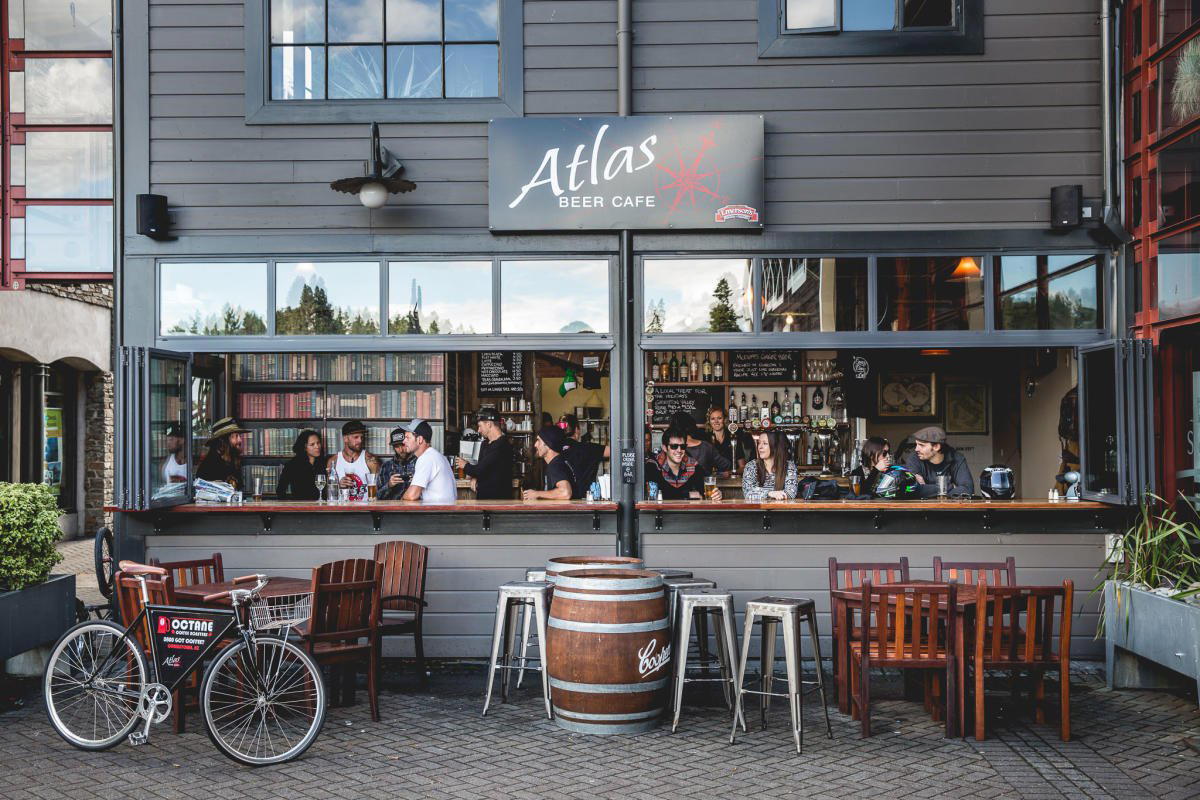
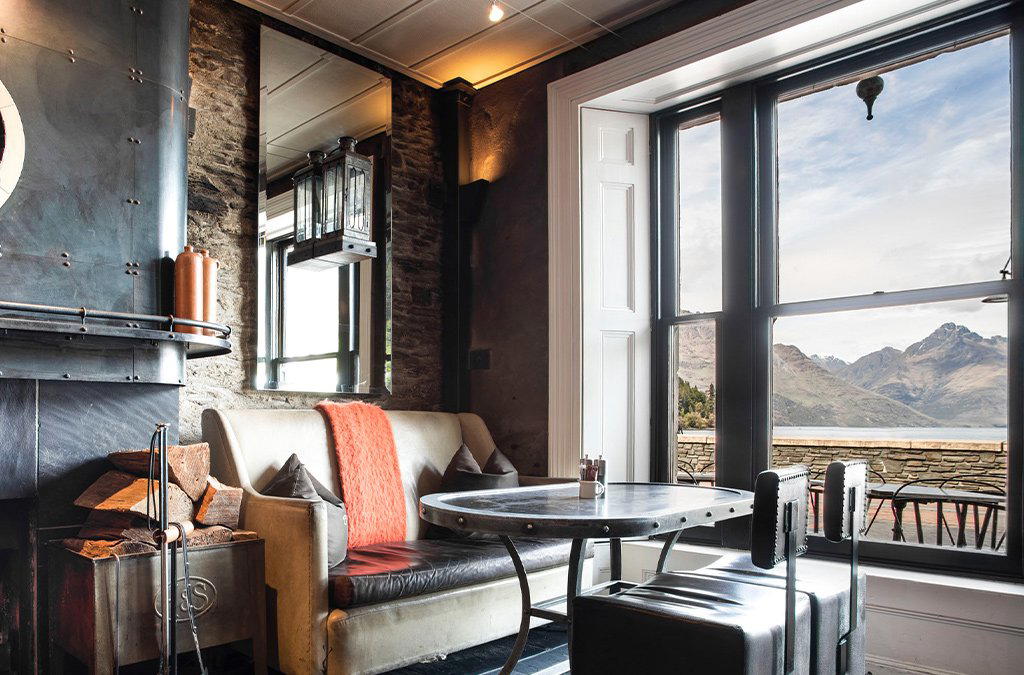
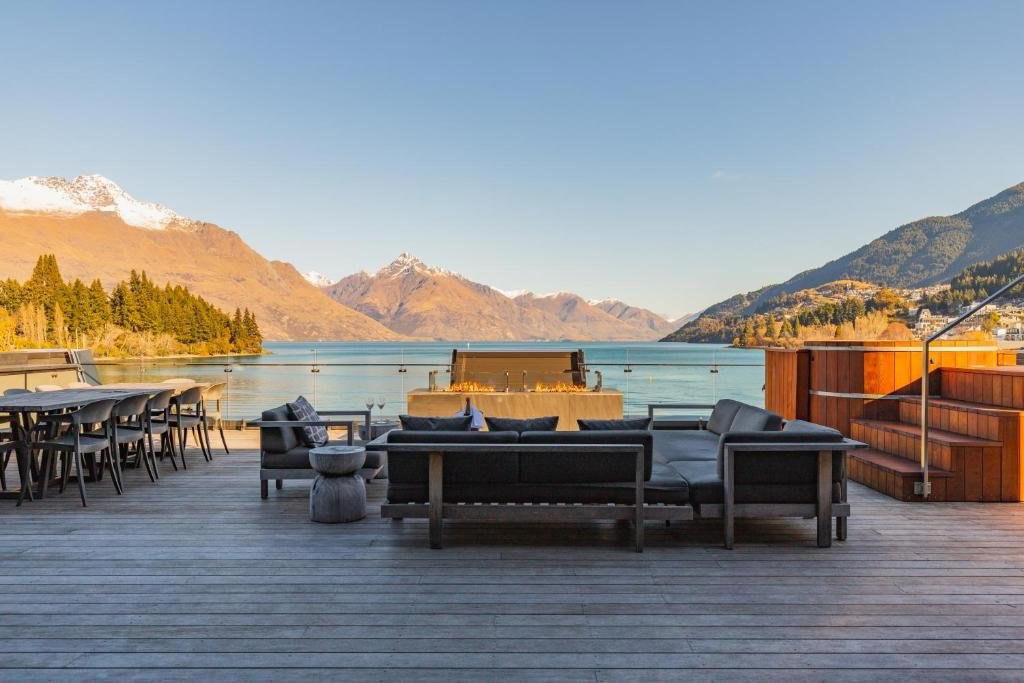
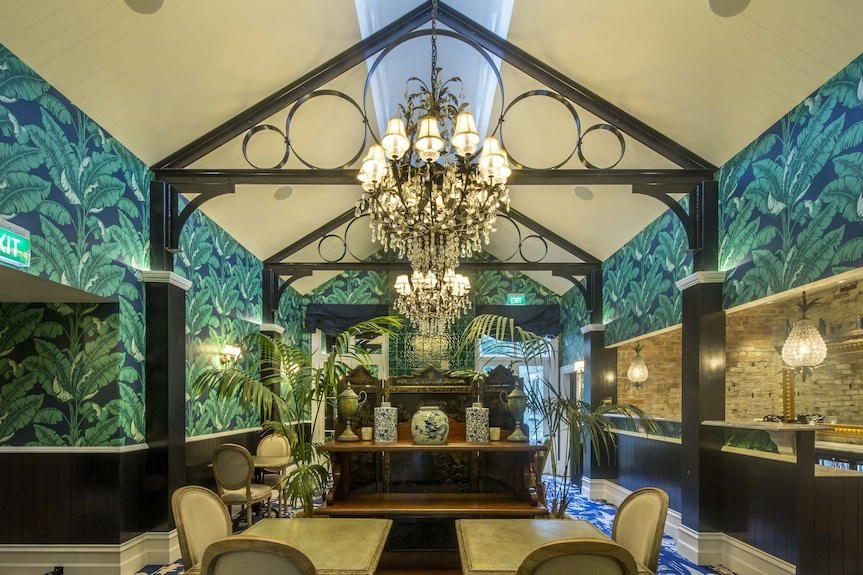
Cozy winter cabin-like atmosphere with a raging fireplace, comfy couches, low ceilings for intimacy, and breezy open French doors to the balcony in summer.