Barbuto

New York Times Best Restaurants in New York City
Our verdict
Barbuto has occupied its corner of the West Village for over two decades, anchoring New American-Italian cooking to the California-rooted school Jonathan Waxman helped define at Chez Panisse in the 1970s. The roast chicken with salsa verde is the dish that stops trends in their tracks: simple, herb-driven, and unchanged because it doesn't need to be.3 across more than a thousand reviews points to consistent delivery rather than hype.

Pearl is the En Primeur Club membership app — saves, bookings, and concierge access live there. Same editors, same standards.
- Address
- 113 Horatio St, New York, NY 10014
- Phone
- (212) 924-9700
- Hours
- Mon–Thu 12–3:30 PM, 5–10 PMFri 12–3:30 PM, 5–11 PMSat 12–3 PM, 5–11 PMSun 12–3 PM, 5–10 PM
- Website
- barbutonyc.com
- Directions
- Get directions
- Booking
- Book on Resy
The menu
What to order
- Roast chicken with salsa verde
- Kale salad
- Gnocchi
Where California's Farm Ethic Took Root in New York
The West Village has absorbed and discarded more restaurant concepts than most Manhattan neighbourhoods, but Barbuto has outlasted the churn. The address, 113 Horatio Street in the Meatpacking District, sits in a part of the city that spent the 2000s reinventing itself from meat markets to high-fashion retail, then again into a tech-corridor adjacency. Through all of it, the cooking at Barbuto has operated from a different premise: that the most durable food comes not from novelty but from lineage, and that lineage here runs directly back to the northern California farm-to-table tradition of the 1970s.
Jonathan Waxman cooked with Alice Waters at Chez Panisse before bringing what was then called New Californian cooking to New York in the 1980s. That was not a minor biographical footnote. Chez Panisse, under Waters, was the institutional origin point of American farm-to-table thinking: the discipline of sourcing from local producers, building menus around what was available rather than what was fashionable, and treating simplicity as a form of rigour rather than a shortcut. When Waxman arrived in New York, that ethos was still a regional curiosity. By the time Barbuto opened in the early 2000s, the vocabulary had gone mainstream, but the underlying discipline had often been diluted into branding. Barbuto's approach remained closer to the original model: Italian-accented, produce-led, and stubbornly resistant to concept drift.
The Cooking, Grounded in a Specific Tradition
The farm-to-table movement split into two strains over the past two decades. One strand evolved toward elaborate tasting-menu formats, where sourcing became theatre and the chef's process was the declared subject. The other kept the original commitment to restraint: let the produce lead, cook it with skill, and don't ask the diner to admire the method. Barbuto belongs to the second strand, and its staying power is partly a function of that choice.
The roast chicken with salsa verde is the clearest expression of this. The dish has been on the menu since the restaurant opened, and its persistence is not nostalgia. Salsa verde of herbs, capers, and anchovies is a sauce with deep roots in Italian cucina povera, where sharp, briny condiments were built to cut through rich proteins. Applied to a properly roasted bird, it does exactly what it was designed to do. The dish's longevity reflects the same logic that has sustained it across centuries in Italian cooking: when a formula is structurally sound, revision is a distraction.
Pan-fried gnocchi with crispy Brussels sprouts operates on a similar principle. Texture contrast and seasonal vegetables are not a trend here; they are the default mode of cooking that knows its ingredients. The kale salad, which the venue's own editorial record describes as carrying an unusual depth of umami, is the kind of dish that reads as obvious in retrospect but requires genuine understanding of how bitter greens interact with fat, acid, and salt to achieve it. These are not complicated dishes, but they are precise ones.
Menu's Italian accent places Barbuto in a lineage that also connects to the broader New American synthesis: the recognition, widespread by the 1990s, that Italian cooking's emphasis on ingredient quality and seasonal specificity mapped naturally onto California's agricultural abundance. That synthesis now has its own history, and restaurants carrying it forward include Daisies in Chicago and Union in Los Angeles, both working a similar New American-Italian register in their respective cities.
Where Barbuto Sits in New York's Dining Tiers
New York's upper dining tier has consolidated around a small number of multi-Michelin-star formats: Le Bernardin, Eleven Madison Park, Masa, Per Se, and Atomix are all operating at price points and formality levels that position them as occasion destinations first.
Within the national farm-to-table lineage, Barbuto's peer comparisons extend further. The French Laundry in Napa and Single Thread Farm in Healdsburg represent the elaborate, produce-led tasting-menu end of the same tradition. Lazy Bear in San Francisco and Providence in Los Angeles each work different vectors of the American fine-dining-with-sourcing-commitment model. Emeril's in New Orleans represents an earlier generation of the same chef-driven New American project. Barbuto's version is the least formally ambitious of these, and that is precisely its positioning: the original Californian ethic, maintained without the infrastructure of a tasting-menu production.
It indicates a restaurant that performs consistently for a large volume of diners rather than one that generates polarised reactions around a high-concept premise. For a neighbourhood restaurant operating in its category, that kind of sustained score over time reflects operational discipline, not just cooking ambition.
What the Room Offers
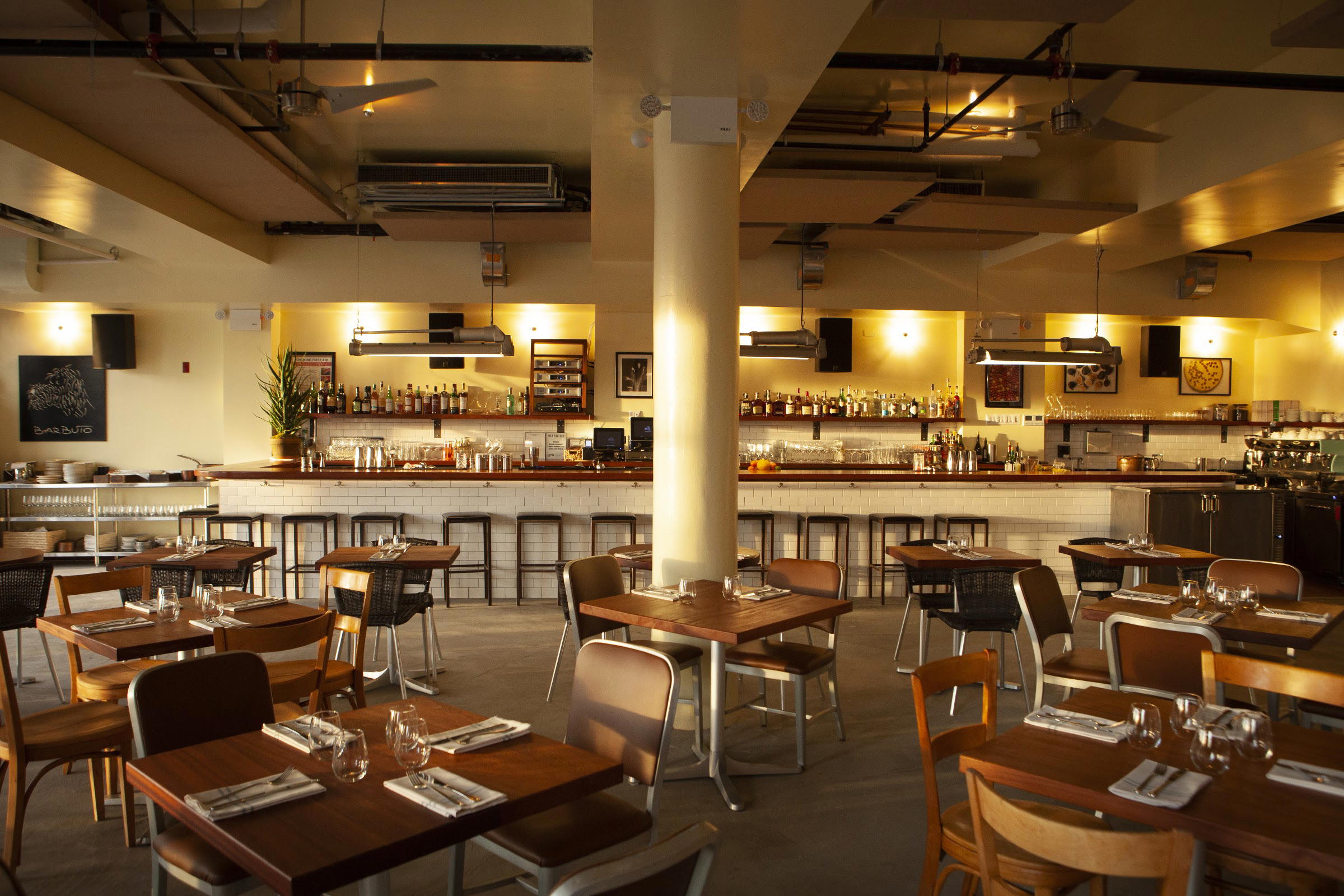
The Horatio Street location serves the Meatpacking District, a neighbourhood whose dining character has become increasingly visitor-oriented over the past decade. In that context, a restaurant drawing on a decades-long local reputation functions differently from a new opening designed for the same foot traffic. Regulars return for the olives with citrus and the chicken; first-time visitors arrive with the same information. That convergence is part of what makes the room work across tables.
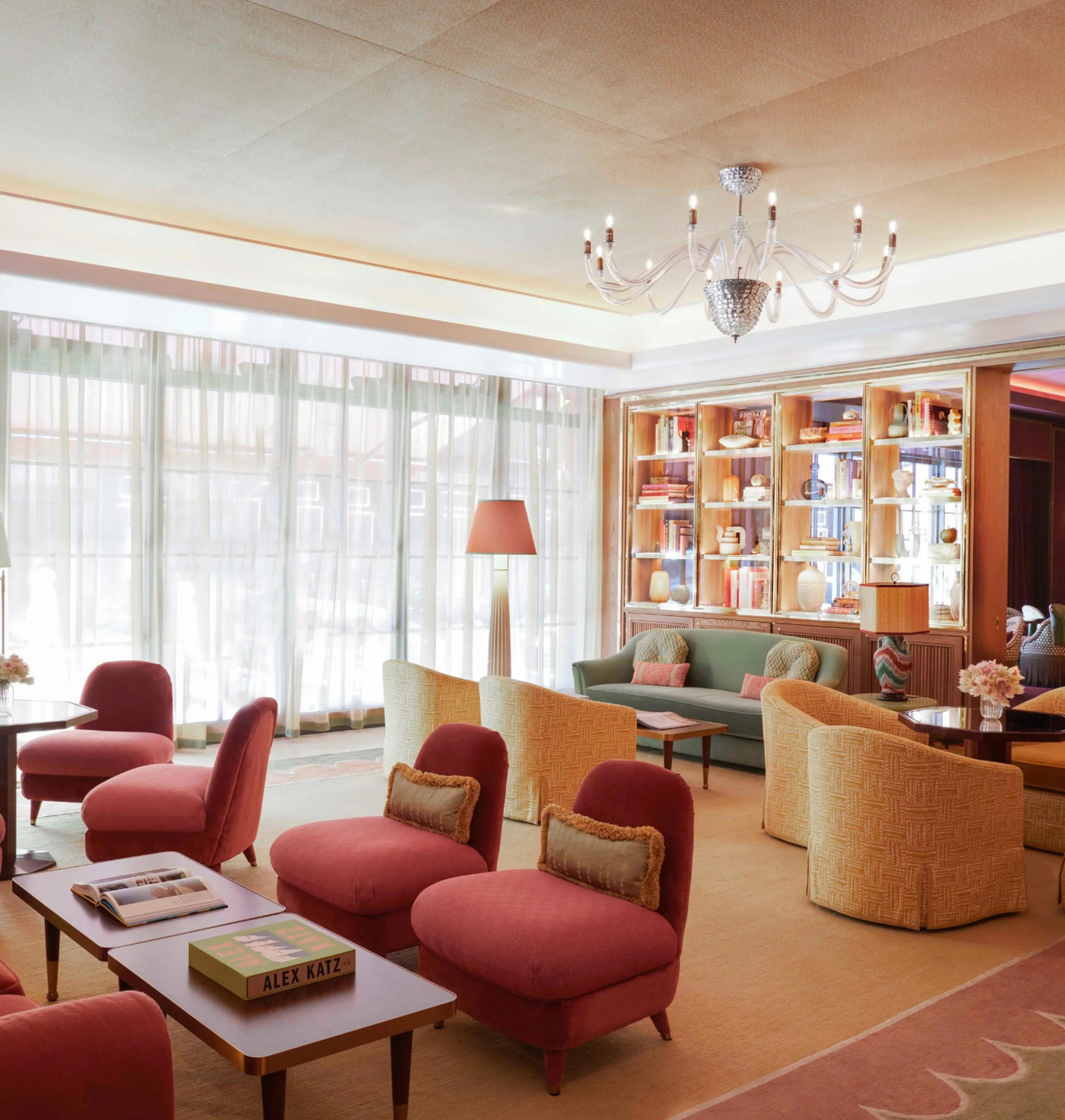
For the broader New York dining picture, including where Barbuto sits relative to the city's other serious options, see our full New York City restaurants guide. For hotels in the area, our New York City hotels guide covers the full range. Those planning a longer visit can also consult our New York City bars guide, our New York City wineries guide, and our New York City experiences guide.
Know Before You Go
- Address: 113 Horatio St, New York, NY 10014 (Meatpacking District, West Village)
- Cuisine: New American with Italian accents, farm-to-table tradition
- Reservations: Booking in advance is advisable, particularly for weekend evenings; walk-in availability at the bar varies
- Ordering strategy: The roast chicken with salsa verde is the reference dish; the warm citrus-scented olives are a logical starting point
Frequently asked questions
What's the must-try dish at Barbuto?
The roast chicken with salsa verde is the reference point, and has been since Barbuto opened in the West Village in the early 2000s. The sauce — herbs, capers, and anchovies — draws directly from Italian cucina povera tradition, refined through Jonathan Waxman's decades of practice. The pan-fried gnocchi with crispy brussels sprouts and the kale salad are close seconds, both fixtures that have outlasted New York's many passing food trends.
What part of town is Barbuto in?
Barbuto is located at 113 Horatio St, New York, NY 10014, New York City.
How far ahead should I plan for Barbuto?
In Manhattan's Meatpacking District, where foot traffic is high and visitor volume has grown, securing a table a week or more in advance on weekends is a reasonable precaution. Weeknights at the Horatio Street location tend to be more accessible.
What makes Barbuto worth seeking out?
Barbuto represents a direct institutional thread connecting New York's current dining culture to the California farm-to-table movement that Alice Waters established at Chez Panisse in the 1970s. Jonathan Waxman trained at Chez Panisse, brought that ethos to New York in the 1980s, and opened Barbuto in the early 2000s as a stripped-back expression of it: Italian-accented, market-driven, and built around simplicity rather than spectacle. Very few New York restaurants can trace that lineage with the same clarity.
Is Barbuto's cooking style closer to Italian or California cuisine?
It sits deliberately in the overlap. Waxman's training at Chez Panisse shaped his instinct for market-sourced ingredients and restrained preparation, while the menu's grammar — roast chicken, gnocchi, kale salad, salsa verde — draws from Italian tradition rather than French or Californian forms. The New York Times has described the food as 'Italian-accented,' which is probably the most accurate shorthand: Italian in structure, Californian in philosophy.
A Quick Peer Check
Comparable venues nearby, for context on price, style, and recognition.
| Venue | Cuisine | Price | Awards | Notes |
|---|---|---|---|---|
| BarbutoThis venue — the venue you are viewing | Rustic California-Inspired Italian | $50–100 | New York Times Best Restaurants in New York City | Not listed |
| Kesté Pizza & Vino | Authentic Neapolitan Pizza | $20–30 | 50 Top Pizza USA #21 | Financial District-Battery Park City |
| Cafe Reggio | Historic Italian Coffeehouse | $20–30 | Not listed | Greenwich Village |
| La Mela | Traditional Southern Italian | $30–50 | Not listed | SoHo-Little Italy-Hudson Square |
| Sofia's of Little Italy | Italian Trattoria | $30–50 | Not listed | SoHo-Little Italy-Hudson Square |
| Giano | Modern Italian Trattoria | $20–30 | Not listed | East Village |
Recognition history
Dated appearances from independent guides and award organizations, with the underlying list record or original source where available.
New York Times Best Restaurants in New York City
New York Times
Continue exploring
More in New York City
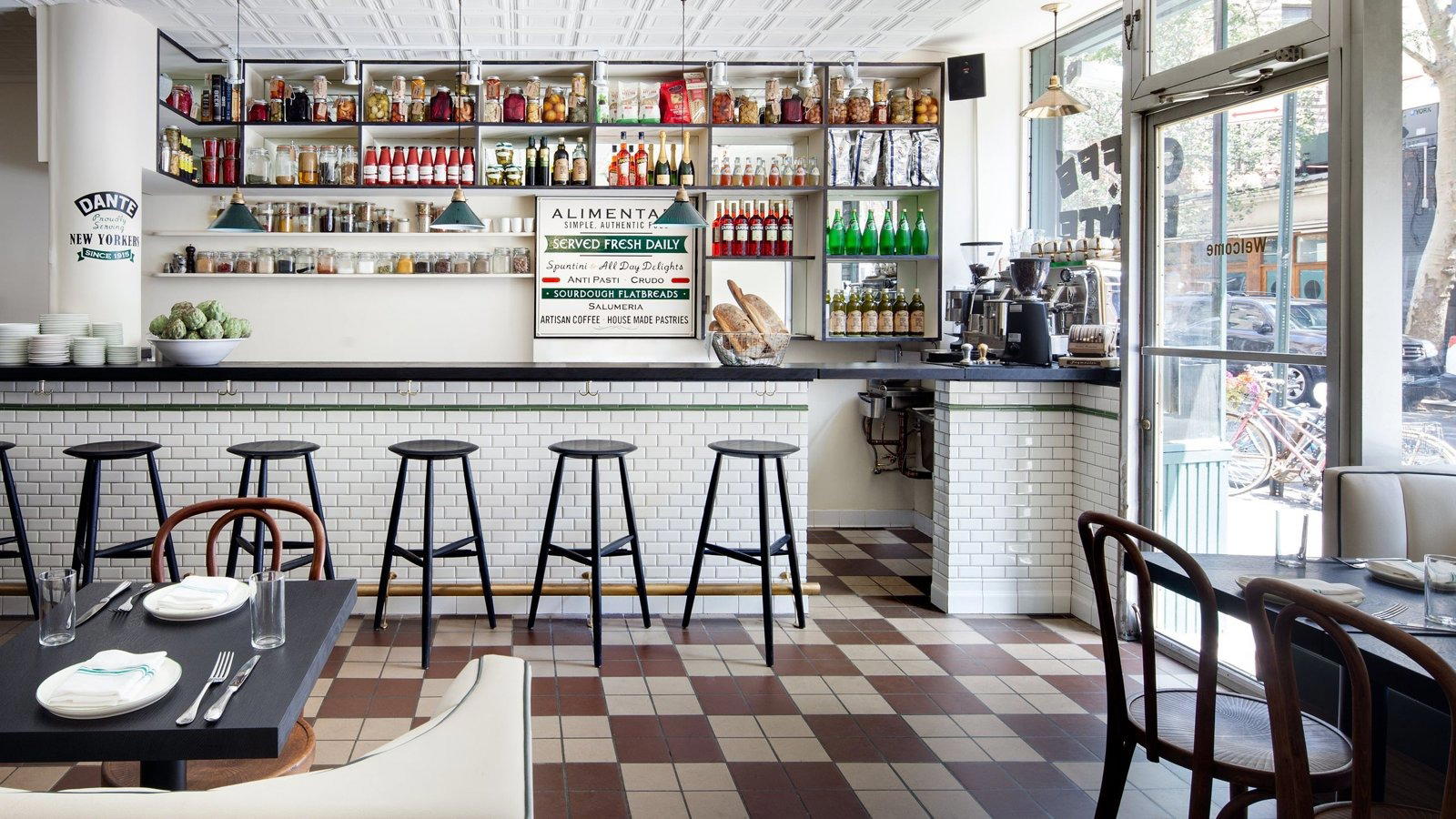
Restaurants in New York City
Browse all →
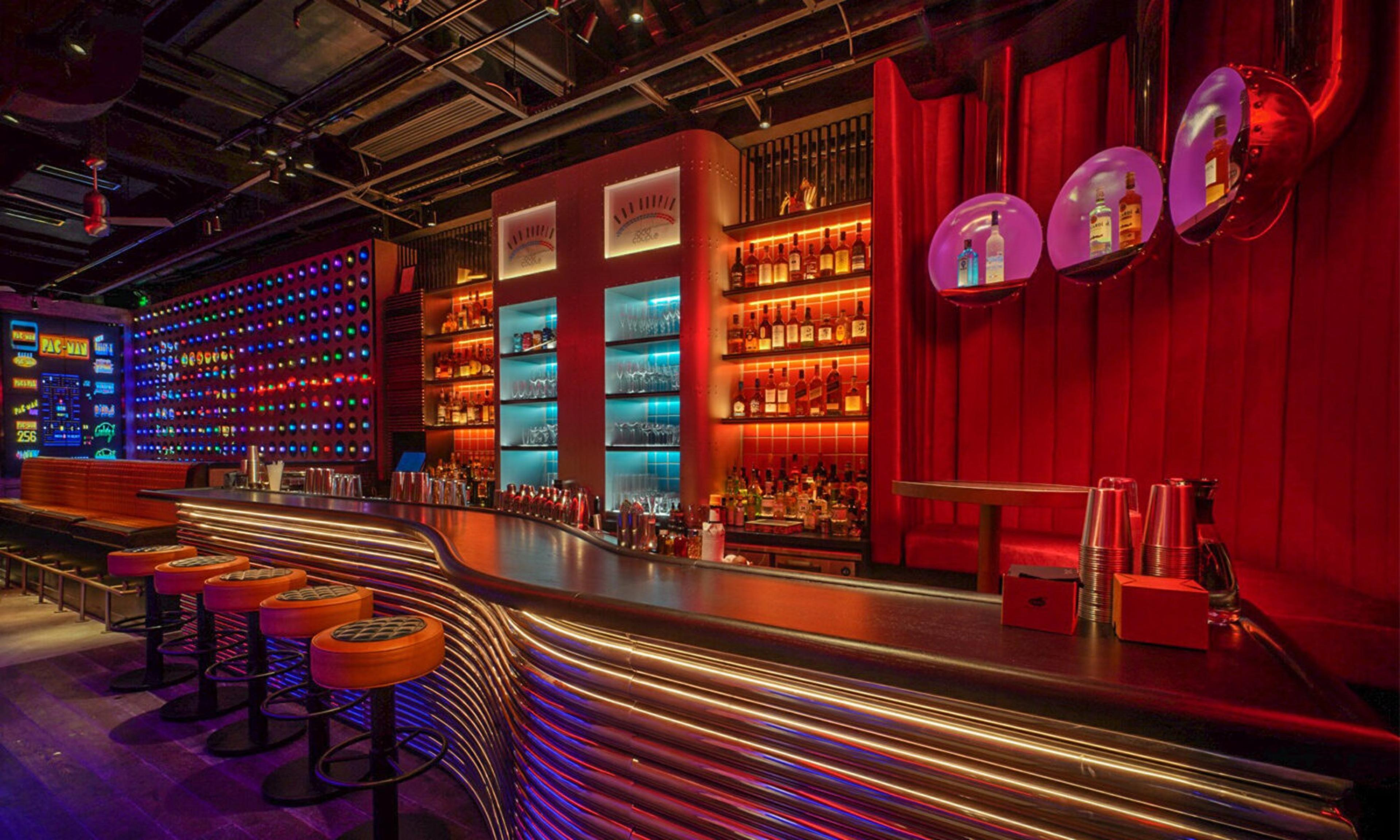
Bars in New York City
Browse all →
Hotels in New York City
Browse all →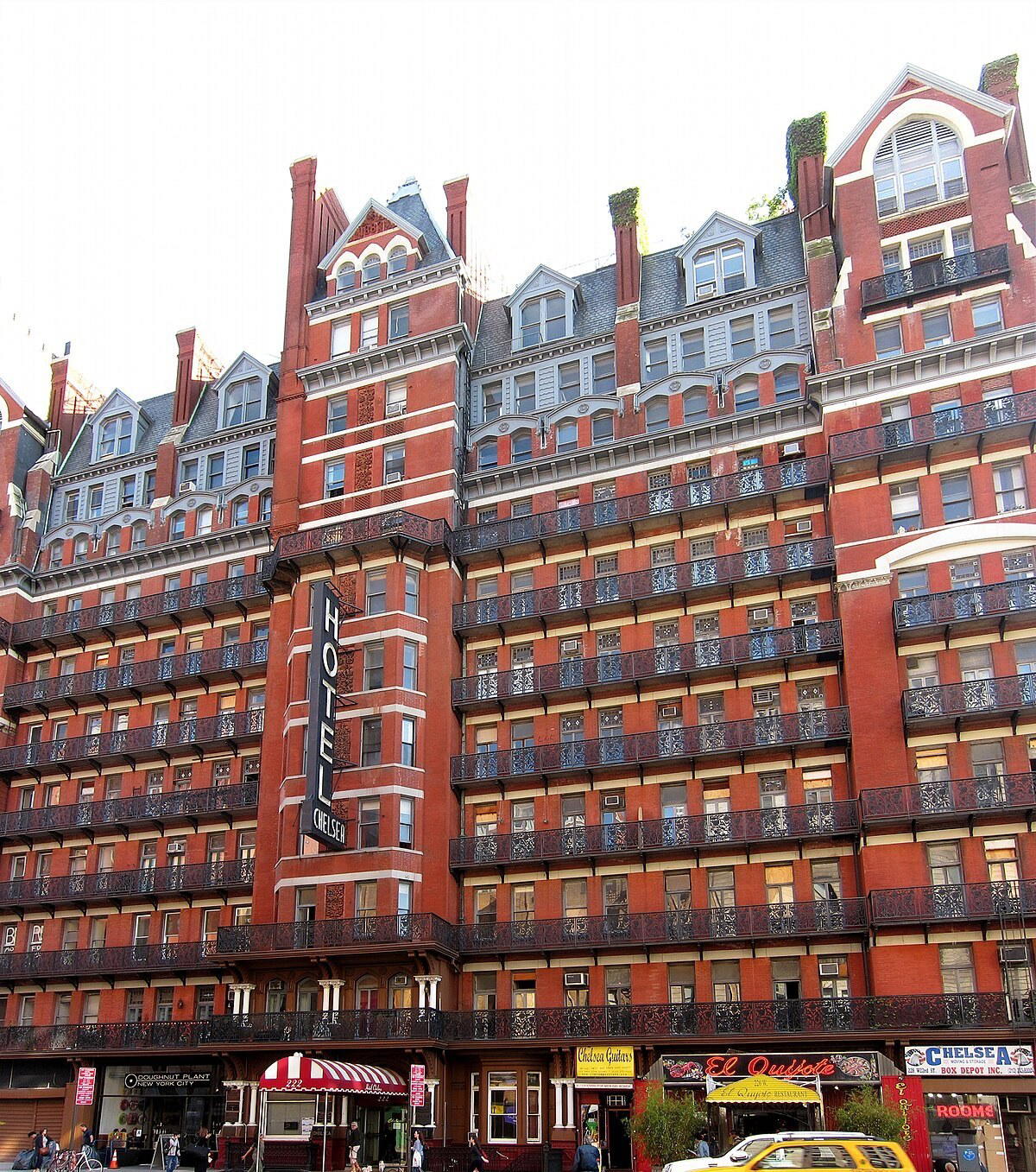






Details
- Rustic
- Lively
- Industrial
- Date Night
- Casual Hangout
- Group Dining
- Open Kitchen
- Extensive Wine List
- Farm To Table
- Local Sourcing
- Street Scene
- A La Carte
- Family Style
- Vegetarian Friendly
- Vegan Options
- Gluten Free Options
Current opening hours
- Monday
- 12–3:30 PM, 5–10 PM
- Tuesday
- 12–3:30 PM, 5–10 PM
- Wednesday
- 12–3:30 PM, 5–10 PM
- Thursday
- 12–3:30 PM, 5–10 PM
- Friday
- 12–3:30 PM, 5–11 PM
- Saturday
- 12–3 PM, 5–11 PM
- Sunday
- 12–3 PM, 5–10 PM
Hours can change for holidays and private events. Last verified .
Bustling open kitchen with concrete floors, brick walls, and breezy glass garage doors creating a relaxed yet energetic industrial neighborhood vibe with natural light.