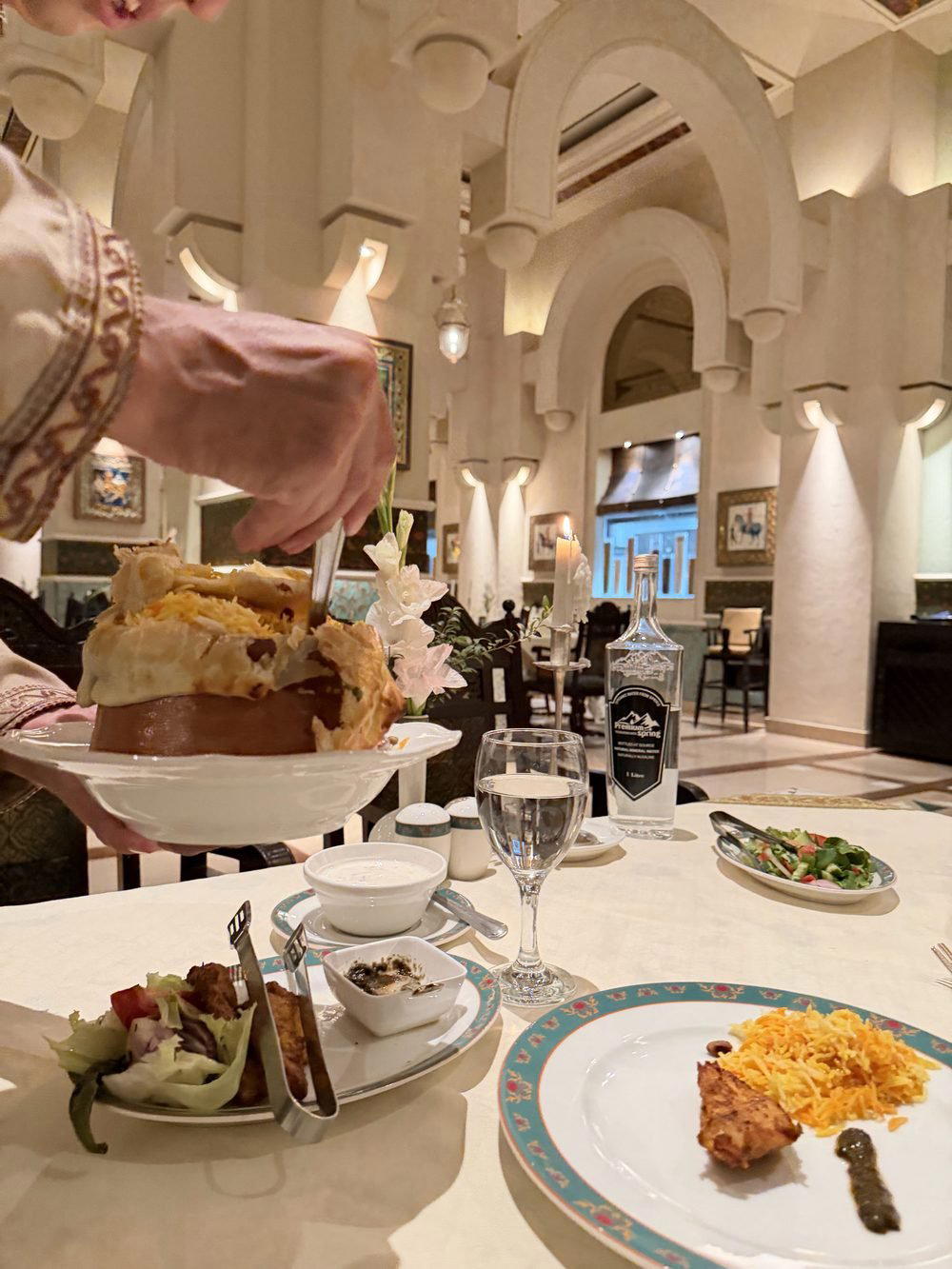
Baradari belongs to Islamabad’s more civic, occasion-led dining circuit, close to the capital’s government and conference district rather than the market lanes that shape much of the city’s casual eating. The draw is less about chef mythology than setting: a formal room in a city where regional Pakistani produce, rice, pulses, grilled meats, dairy and spice traditions carry the conversation.
Pearl is the En Primeur Club membership app — saves, bookings, and concierge access live there. Same editors, same standards.
- Address
- Khayaban-e-Suhrwardy Rd, opposite Convention Centre, G-5/1 G-5, Islamabad, 44000, Pakistan
- Phone
- +92 51 111 133 133
- Website
- serenahotels.com
- Directions
- Get directions
 Saves & bookings on Pearl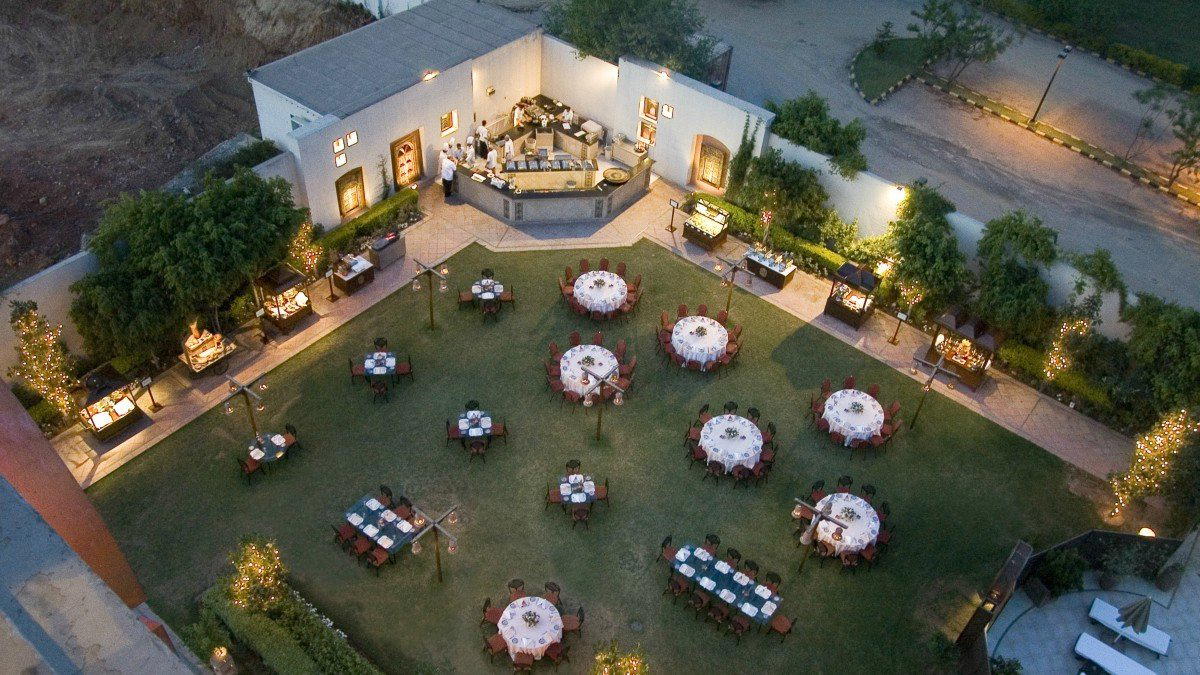
Approaching Baradari, the first cue is Islamabad’s scale: broad roads, diplomatic traffic, the Margalla Hills holding the northern edge of the city, and a dining culture that often separates formal rooms from street-level appetite. In this part of the capital, restaurants tend to serve two audiences at once: residents marking family occasions and visitors moving between hotels, conferences and official appointments. That context matters. A meal here sits inside Islamabad’s polished hospitality circuit rather than the market-driven rhythm of Rawalpindi or Lahore.
The more useful way to read Baradari is through sourcing and regional expectation, not through a chef-led tasting-menu frame. Pakistani dining depends on the quality of staples before it depends on plating: rice that carries steam rather than weight, dairy that softens heat, breads that arrive with enough structure for gravies, and meat cookery that understands smoke, fat and spice as separate decisions. Islamabad’s advantage is access. Produce, grains and meat move into the capital from Punjab, Khyber Pakhtunkhwa and the northern regions, giving formal restaurants a broader pantry than the city’s relatively young dining identity might suggest.
Islamabad formality, read through Pakistani staples
Capital-city dining in Pakistan often has a different register from the country’s older food centres. Lahore trades on density and memory; Karachi on coastal scale and late-night velocity; Islamabad on controlled spaces, hotel-adjacent dining and restaurants built for mixed tables. Baradari fits that third pattern. The point is not novelty for its own sake, but a setting where familiar Pakistani categories can be presented with more ceremony than a neighbourhood canteen or highway stop would allow.
That distinction changes how to judge the meal. In a formal Islamabad room, restraint can matter as much as abundance. Spice should not flatten every dish into the same register. Rice, bread and lentils are not supporting actors; they are the test of whether the kitchen understands the foundations of the cuisine. Meat cookery carries another test: tenderness alone is not enough if smoke, marinade and texture collapse into softness. For travellers comparing the city’s dining options, this is where Baradari belongs: in the occasion-led category, not the quick-meal category.
The comparison set in Islamabad is broad. Al Maghreb points toward another strand of the capital’s restaurant culture, while Capital View Restaurant makes the city’s geography part of the meal. Dawat, Rakaposhi and Wild Rice show how Islamabad dining splits between regional Pakistani, northern reference points and hotel-style international formats. Baradari sits in the lane where setting and Pakistani familiarity do the work.
Why sourcing matters more than menu novelty here
Ingredient sourcing is not a decorative subject in Pakistan; it is the structure beneath the table. Wheat, basmati rice, chickpeas, lentils, buffalo milk, yoghurt, ghee, seasonal vegetables and fruit are everyday materials, but they are also the difference between a dish that feels grounded and one that reads as generic banquet cooking. Islamabad’s location gives restaurants access to multiple supply routes: Punjab’s agricultural belt, produce from the Potohar region, mountain-adjacent fruit and herbs moving down from the north, and meat supply shaped by the capital’s large hospitality market.
That does not mean every formal restaurant uses those ingredients with equal care. The stronger kitchens in this category let staples remain legible. A good bread program is not cosmetic; it determines how sauces are eaten. Rice quality is not a side issue; it tells the table whether the kitchen respects the grain. Dairy-based balance matters because yoghurt, cream and ghee can either clarify spice or mute it. In this sense, the city’s more composed dining rooms should be judged by fundamentals rather than by imported luxury signals.
For readers mapping a wider Pakistan itinerary, the contrast is useful. Buqayvia Restaurant in Lahore and Butt Karahi in لاہور belong to a food culture where intensity, speed and local repetition shape reputation. Butt Karahi by Usman Tahir in Gujar Khan speaks to the roadside and regional-karahi tradition. Hunza Food Pavilion in Karimabad and Mountain Pizzeria in Bulchi Das show how northern travel changes the pantry again. Islamabad is not trying to be any of those places; its strength is synthesis, access and controlled hospitality.
Where Baradari fits in the capital's dining map
Baradari is best understood as a choice for diners who want Islamabad’s more formal tempo without turning the meal into a hotel-only experience. The surrounding district gives it a civic feel, and that matters in a city where movement, security zones and hotel locations shape where visitors eat. It is a practical fit for mixed groups, visiting families and business-adjacent meals, especially when the brief calls for Pakistani familiarity in a composed setting.
The editorial caveat is simple: this is not the address to approach with expectations borrowed from chef-counter dining in Tokyo, natural-wine bistros in Paris or tasting-menu restaurants in Copenhagen. Its relevance is local. Islamabad’s dining scene rewards readers who separate category from hype: formal Pakistani restaurants should be assessed on ingredient handling, consistency, comfort, pacing and whether the room suits the occasion. Those looking beyond restaurants can cross-reference our full Islamabad restaurants guide, our full Islamabad hotels guide, our full Islamabad bars guide, our full Islamabad wineries guide and our full Islamabad experiences guide for the broader city map.
For international comparison, Islamabad’s formal dining should not be measured against specialist Japanese counters such as Jōdo Saké Bar in Los Angeles or compact casual formats like Onigiri Time in Pasadena. Those are different formats with different expectations. Baradari belongs to the capital’s occasion-led Pakistani dining circuit, where the question is whether the table feels rooted in local staples and suitable for the city’s more composed social rhythm. On that basis, it has a clear place in Islamabad’s dining conversation.
- Seekh kebab
- Fish tikka
- Chapli kebab
- Karahi
- Biryani
- Fresh tandoori naan
Quick Comparison
Comparable venues by cuisine and price in the same metro.
| Venue | Cuisine |
|---|---|
| Baradari | This venue |
Continue exploring
More in Islamabad
Restaurants in Islamabad
Browse all →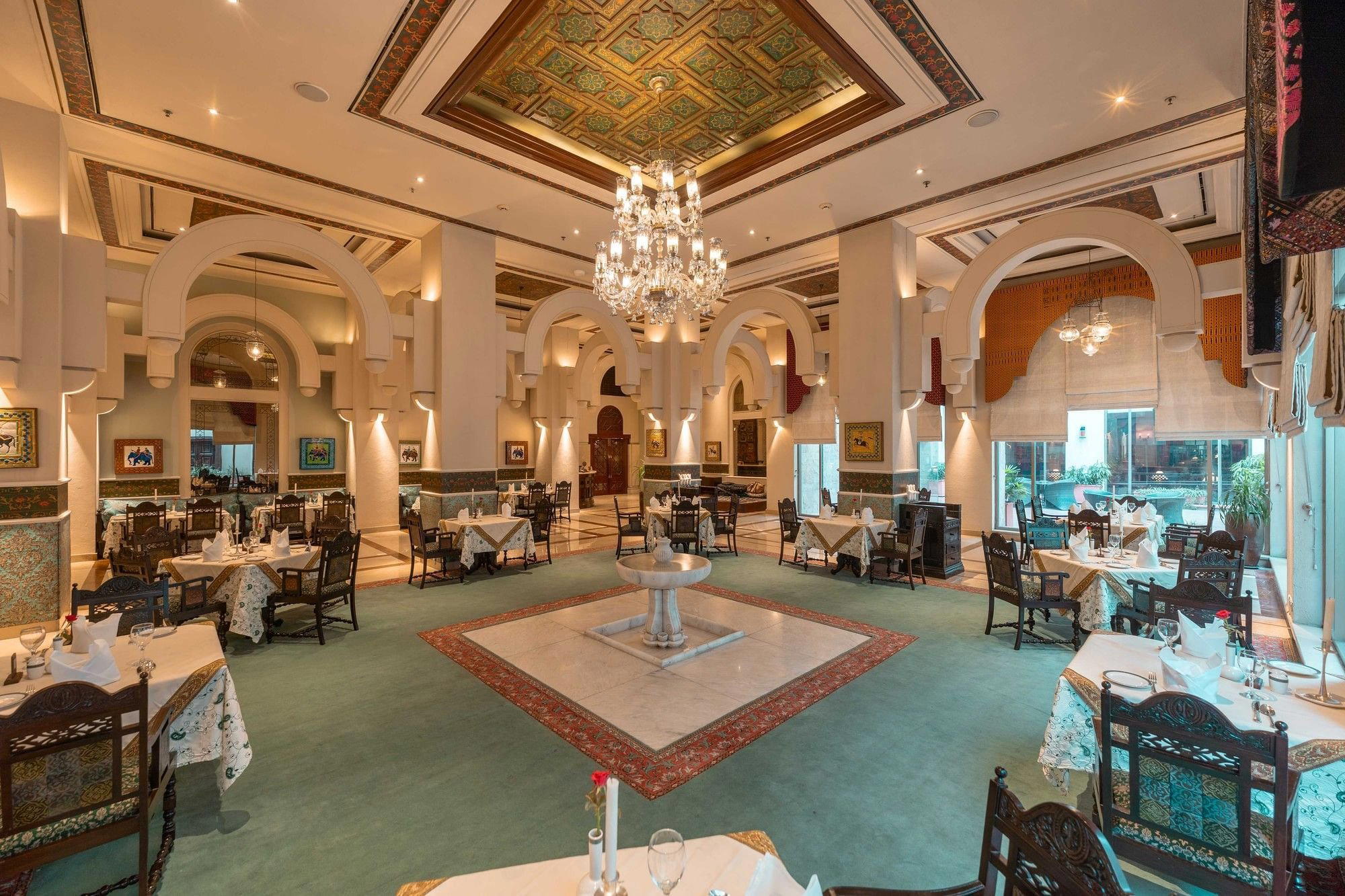
Hotels in Islamabad
Browse all →
At a Glance
- Scenic
- Lively
- Elegant
- Classic
- Sophisticated
- Family
- Group Dining
- Celebration
- Date Night
- Special Occasion
- After Work
- Garden
- Live Music
- Terrace
- Hotel Restaurant
- Garden
Open-air, garden setting with warm lighting, live traditional music and an upscale yet relaxed dhaba-style BBQ feel within a five-star hotel environment.